
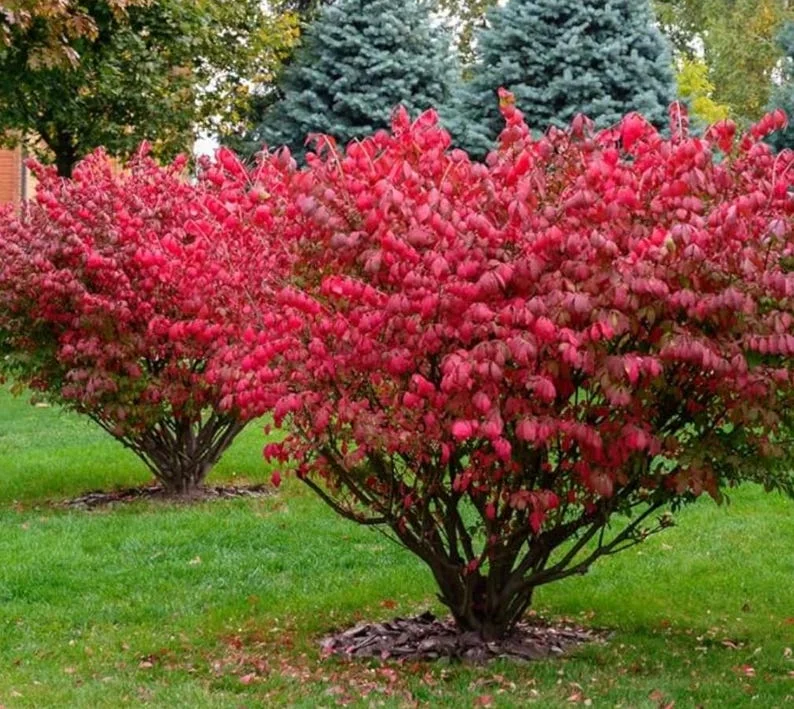
Dwarf Burning Bush Live Plant – Brilliant Red Fall Foliage – 6-12″ Tall
Original price was: $29.98.$14.99Current price is: $14.99.
Add a spectacular splash of color to your garden with this dwarf burning bush live plant. Renowned for its brilliant, fiery red fall foliage, this compact shrub is perfect for borders, accents, or mass plantings. Enjoy vibrant seasonal interest with minimal effort.
Estimated arrival
Sep 17
Sep 22 - Sep 24
Sep 27 - Oct 01

Reasonable Price
We offer reasonable price

Support 24/7
Contact us 24 hrs a day

100% Money Back
You've 30 days to Return

Payment Secure
100% secure payment
Overview
The dwarf burning bush live plant (Euonymus alatus ‘Compactus’) is a highly sought-after deciduous shrub, celebrated for its truly spectacular autumn display. As its name suggests, this plant transforms into a breathtaking blaze of brilliant red, almost appearing to be on fire, making it a focal point in any landscape. Unlike its larger relatives, the ‘Compactus’ variety offers a more manageable, compact growth habit, typically reaching 6-10 feet in height and width, making it an excellent choice for smaller gardens, foundation plantings, or as a vibrant hedge. This resilient shrub provides year-round interest, with attractive green foliage in spring and summer, unique corky wings on its branches, and occasional small red berries that persist into winter, offering food for birds. It’s a fantastic option for gardeners looking for a striking yet easy-to-care-for specimen.
Bringing a dwarf burning bush live plant into your garden guarantees a dramatic and unforgettable seasonal show. Its hardiness and adaptability to various soil conditions make it a reliable performer, even for novice gardeners. Whether you’re aiming to create a vibrant border or a stand-alone specimen, this plant delivers unparalleled visual impact. The intense red color of its leaves in autumn is truly a marvel, drawing attention and admiration from all who see it. This particular offering provides a healthy, young plant, typically 6-12 inches tall, ready to establish itself and begin its journey towards becoming a magnificent shrub in your landscape.
Key Benefits
The dwarf burning bush live plant offers a multitude of benefits that make it a standout choice for any garden. Its unique characteristics contribute both aesthetic appeal and practical advantages to your outdoor space.
- Spectacular Fall Color: The primary draw of this shrub is its absolutely stunning, fiery red autumn foliage. This intense coloration provides an unparalleled visual spectacle, transforming your garden into a vibrant landscape. The brilliant red persists for several weeks, offering extended seasonal enjoyment.
- Compact Growth Habit: As a compact burning bush, this variety maintains a smaller, more manageable size compared to the species. This makes it ideal for smaller gardens, urban landscapes, or for use in areas where space is a consideration, preventing it from overwhelming other plants.
- Low Maintenance: This is a remarkably easy-care shrub that requires minimal attention once established. It tolerates a range of soil conditions and is relatively pest and disease resistant, making it perfect for busy gardeners or those new to gardening.
- Year-Round Interest: Beyond its fall display, the plant offers attractive green foliage during spring and summer. Its unique corky winged stems provide architectural interest in winter, especially after the leaves have dropped, adding texture to the dormant garden.
- Versatile Landscaping Use: Its adaptable nature allows it to be used in various settings, including foundation plantings, hedges, mass plantings, or as a striking specimen plant. The euonymus alatus compactus is a versatile choice for diverse garden designs.
- Wildlife Attraction: While not its main feature, the small red berries that develop after flowering can provide a food source for birds in late fall and early winter, contributing to local wildlife support.
Plant Care & Growing Tips
Caring for your dwarf burning bush live plant is straightforward, ensuring years of vibrant fall color. This resilient shrub thrives with basic attention, making it a rewarding addition to almost any garden. For optimal growth and the most intense fall coloration, plant your dwarf burning bush in a location that receives full sun to partial shade. Full sun (at least 6 hours of direct sunlight per day) will generally produce the most brilliant red leaves in autumn. While it can tolerate some shade, too much shade may result in less vibrant fall color and a more open growth habit.
When it comes to watering, the compact burning bush prefers consistently moist, but not waterlogged, soil, especially during its establishment period. Water deeply once or twice a week, depending on rainfall and temperature, for the first year after planting. Once established, it is relatively drought-tolerant, though supplemental watering during prolonged dry spells will help maintain its vigor. This plant is adaptable to a wide range of soil types, but it performs best in well-draining soil with a pH between 6.0 and 7.0. Amend heavy clay soils with organic matter like compost to improve drainage and aeration. A good quality, loose loamy soil is ideal.
The euonymus alatus compactus is incredibly hardy and thrives in USDA hardiness zones 4 through 8, capable of withstanding cold winter temperatures. Fertilize in early spring with a balanced, slow-release granular fertilizer formulated for trees and shrubs. Avoid over-fertilizing, as this can lead to excessive green growth at the expense of fall color. Pruning is typically done in late winter or early spring while the plant is dormant. Remove any dead, damaged, or crossing branches. You can also lightly prune to maintain its desired shape and size. This plant is generally resistant to most pests and diseases, though occasional issues like euonymus scale can occur. Inspect your plant regularly and treat any problems promptly with appropriate organic or chemical controls.
Size & Details
This offering is for a healthy, young dwarf burning bush live plant, typically measuring 6-12 inches tall from the base of the plant to the tip of its tallest stem, not including the pot. It is shipped in a nursery container, ready for planting upon arrival. The plant is expected to grow into a compact shrub, generally reaching a mature height and spread of 6 to 10 feet, though some specimens may reach up to 15 feet over many years if left unpruned. Growth rate is moderate, adding about 12-18 inches per year under ideal conditions. You can anticipate the vibrant red fall foliage to develop each autumn as the plant matures. Given its compact nature, it won’t overwhelm garden spaces and offers a significant visual impact with its seasonal color changes.
Frequently Asked Questions
- Q: How big will my dwarf burning bush live plant get? A: A: This variety, ‘Compactus’, typically grows to a mature height and spread of 6 to 10 feet. With proper care and pruning, you can maintain it at a desirable size for your landscape.
- Q: How much sunlight does a compact burning bush need? A: For the most intense and brilliant red fall color, this shrub thrives in full sun, meaning at least 6 hours of direct sunlight daily. It can tolerate partial shade, but the fall color may be less vibrant.
- Q: Is this plant suitable for beginners? A: Yes, the dwarf burning bush is considered a low-maintenance and very forgiving shrub, making it an excellent choice for beginner gardeners. It’s hardy and adaptable to various conditions.
- Q: What condition will the plant arrive in? A: Your euonymus alatus compactus will arrive as a live, healthy plant, typically 6-12 inches tall, securely packaged in its nursery pot to ensure safe transit and readiness for planting.
- Q: When is the best time to plant a dwarf burning bush? A: The best times to plant are in spring after the last frost or in early fall, allowing the plant sufficient time to establish its root system before extreme temperatures.
- Q: What kind of soil does this shrub prefer? A: This plant is adaptable but prefers well-draining soil. It can tolerate a range of soil types from sandy to clay, but amending with organic matter will improve its overall health and vitality.
- Q: Will the fall foliage always be red? A: The signature brilliant red fall foliage is a consistent characteristic of the dwarf burning bush. The intensity of the red can be influenced by factors like sunlight exposure and climate conditions.
- Q: Is the dwarf burning bush invasive? A: While the species Euonymus alatus can be invasive in some regions, the ‘Compactus’ cultivar is generally considered less aggressive. However, it’s always wise to check with your local extension office regarding invasive species concerns in your specific area.
- Q: How often should I water my newly planted dwarf burning bush? A: For the first year after planting, water deeply once or twice a week, ensuring the soil remains consistently moist but not waterlogged. Once established, it becomes more drought-tolerant.
- Q: Does this shrub attract wildlife? A: While not its primary feature, the small red berries that appear in late fall can serve as a food source for birds, adding to the biodiversity of your garden.
Be the first to review “Dwarf Burning Bush Live Plant – Brilliant Red Fall Foliage – 6-12″ Tall”
-
USDA Hardiness Zone
USDA Zones 4-8 -
Soil Type
Well-draining soil -
Sunlight Exposure
Full sun to partial shade -
Expected Planting Period
Spring to early fall
People Also Viewd


Sold 134 products
Original price was: $3,536.00.$23.99Current price is: $23.99.

Sold 131 products
Original price was: $89.99.$64.99Current price is: $64.99.

Sold 131 products
Original price was: $27.00.$24.00Current price is: $24.00.

Sold 125 products
Original price was: $86.99.$66.99Current price is: $66.99.

Flower Bulbs
3 Cranesbill Wild Geranium Organic Maculatums Bare Roots | Wildflower for Outdoor Garden
Sold 116 products
Original price was: $21.99.$9.99Current price is: $9.99.

Sold 114 products
Original price was: $28.99.$17.99Current price is: $17.99.
Sold 110 products
Original price was: $63.99.$28.99Current price is: $28.99.
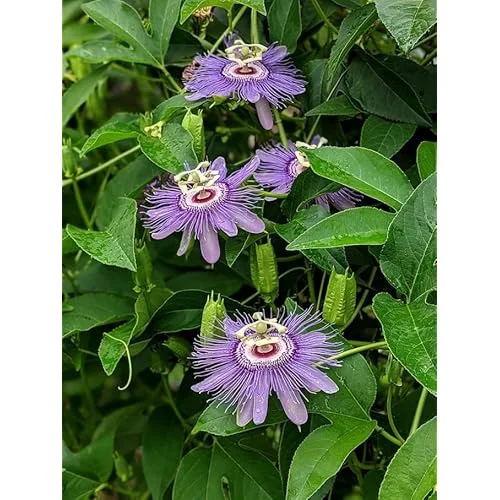
Sold 108 products
Original price was: $28.99.$17.99Current price is: $17.99.RELATED posts
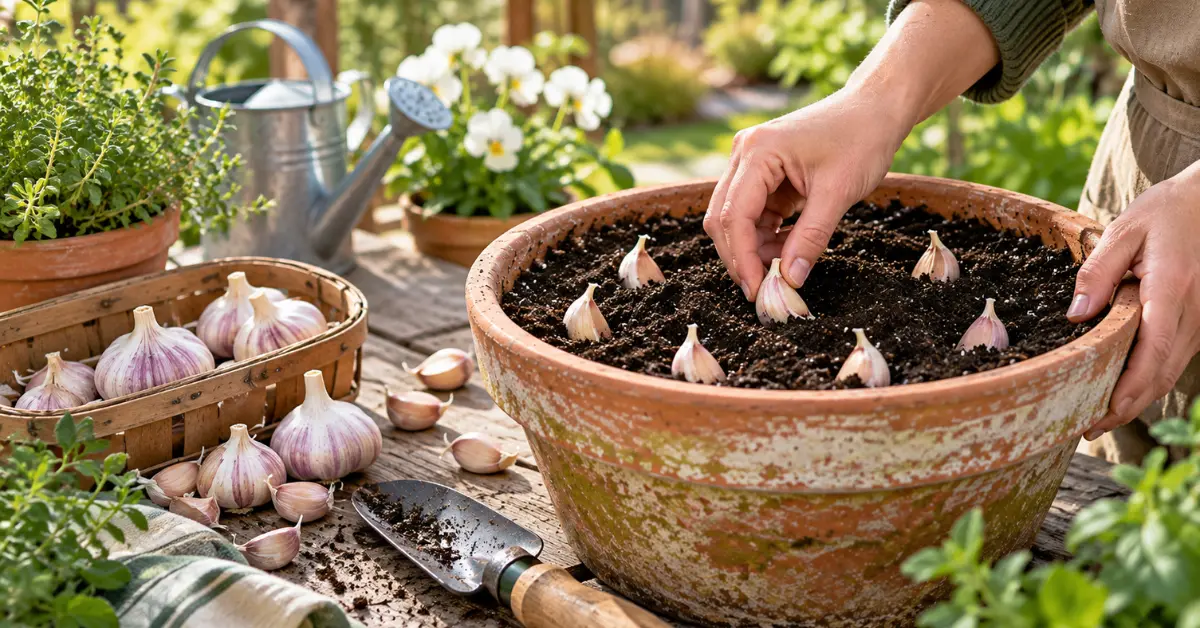
Growing Garlic in Containers This Fall: A Complete Guide for Beginners
If you’ve ever wanted to pop fresh, aromatic garlic cloves straight from your own patio [...]
Sep
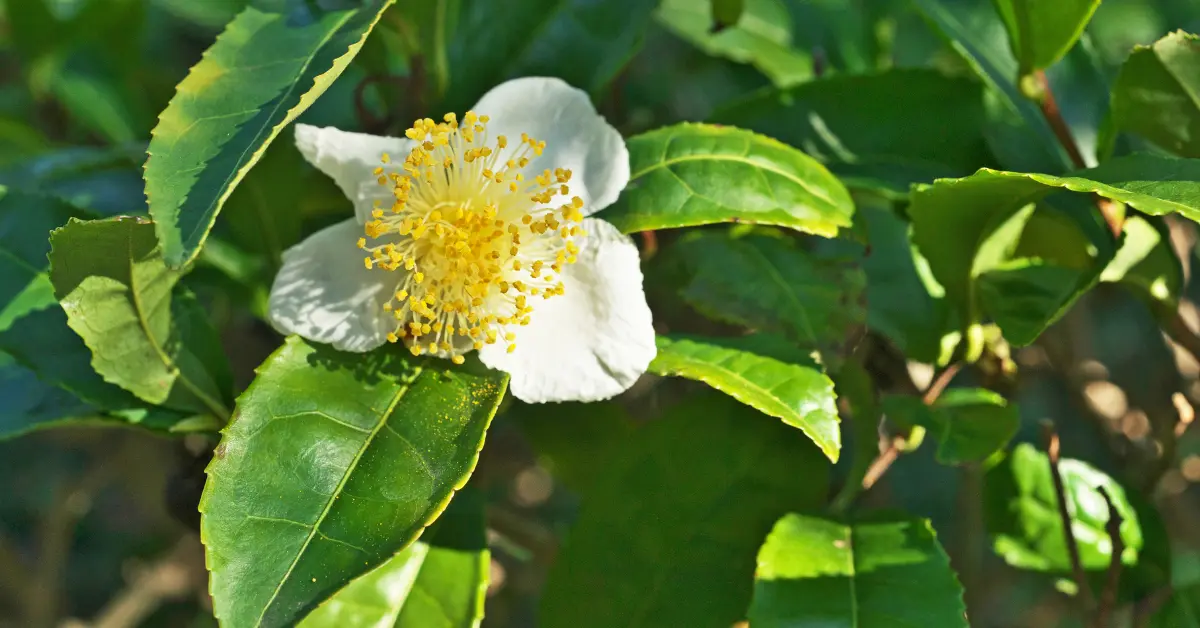
Growing Camellia Sinensis (Tea Plants) in Containers: A Complete Guide for Beginners
If you’ve ever wanted to sip a steaming, homegrown cup of fresh green, black, or [...]
Aug
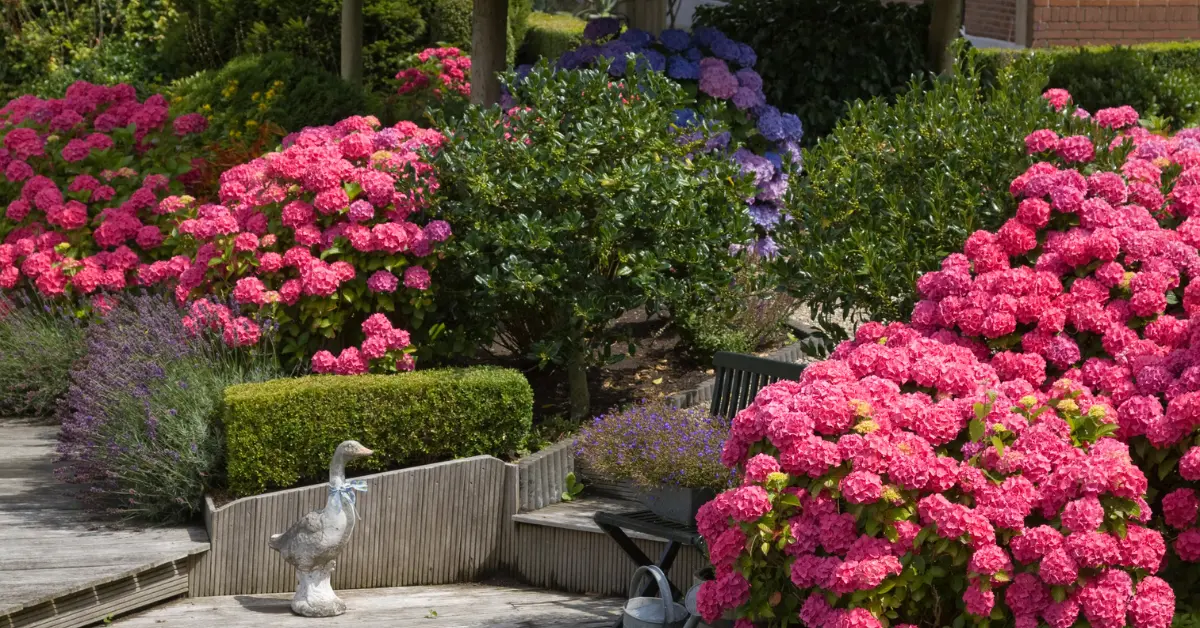
6 Best Shrubs to Plant in August You Must Try
Have you ever walked through a nursery late in the summer, admired the vibrant shrubs [...]
Aug
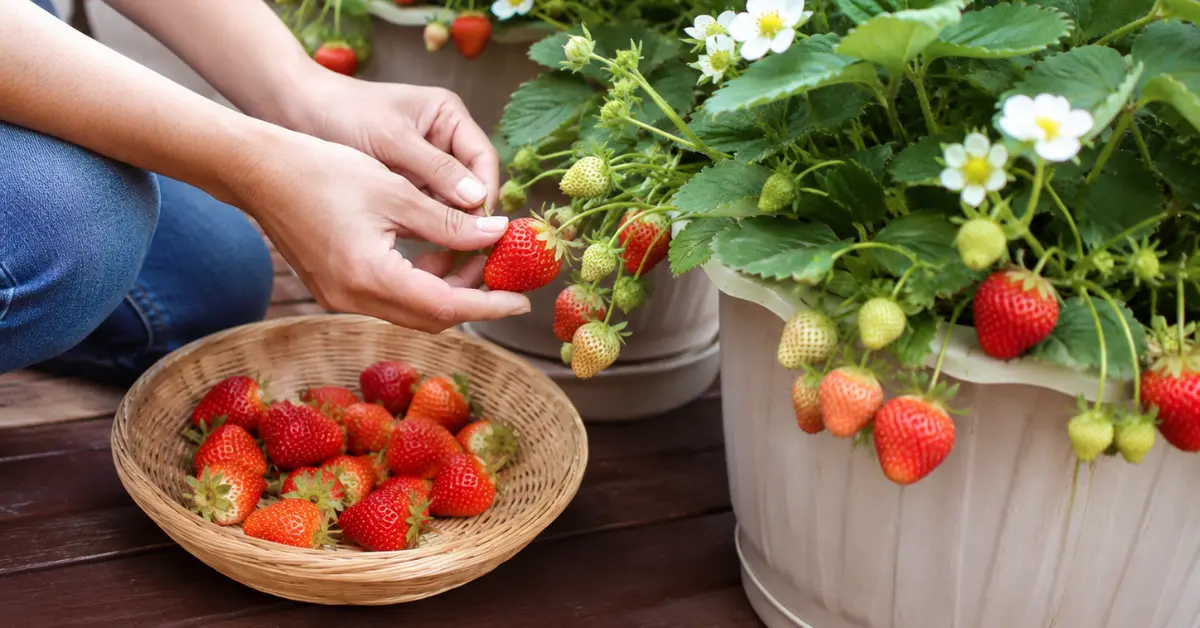
Growing Everbearing Strawberries in Containers: A Complete Guide for Beginners
Want to grow sweet, fresh strawberries but do not have a large garden? Everbearing strawberries [...]
Aug
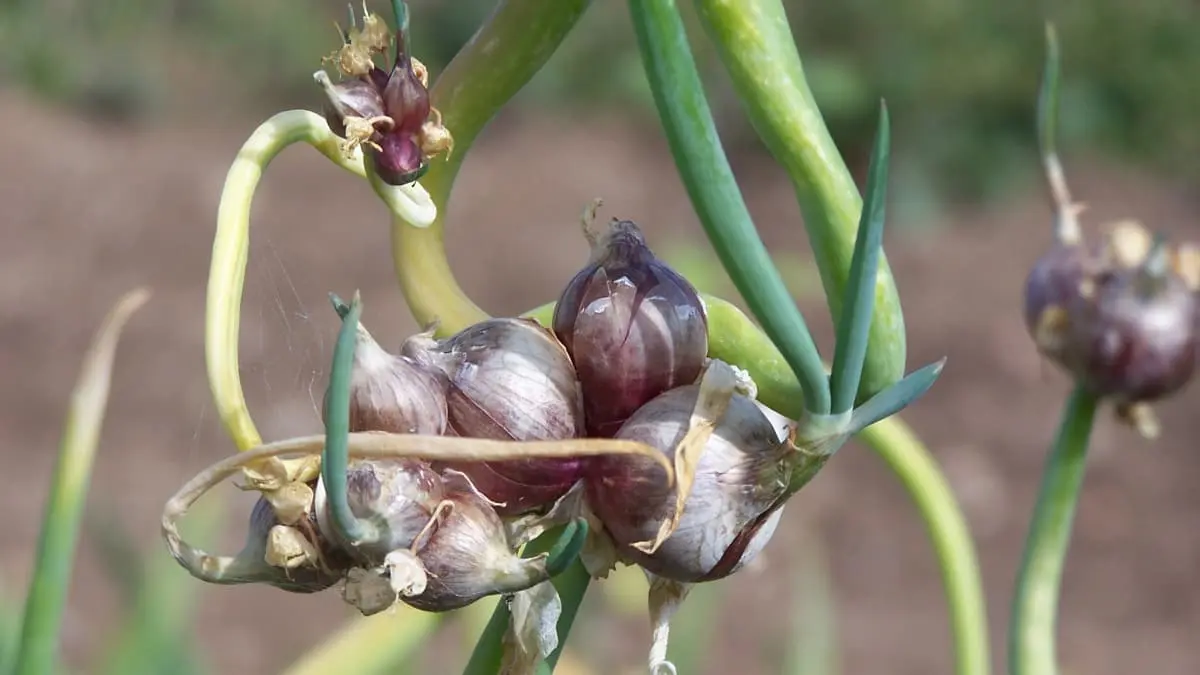
Growing Egyptian Walking Onions in Containers: A Complete Guide for Beginners
If you’re looking for a hardy, no-fuss perennial onion that keeps on giving year after [...]
Jul
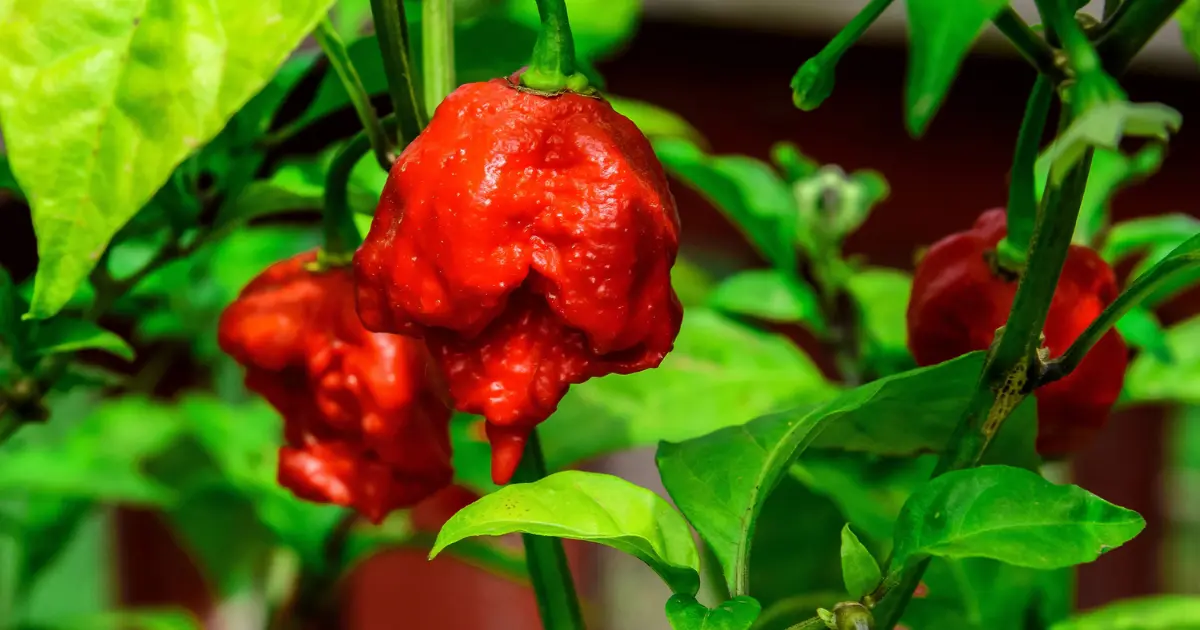
Growing Carolina Reaper Peppers in Pots: A Complete Guide for Beginners
If you’ve ever wanted to add some serious, record-breaking heat to your home cooking, you’ve [...]
May
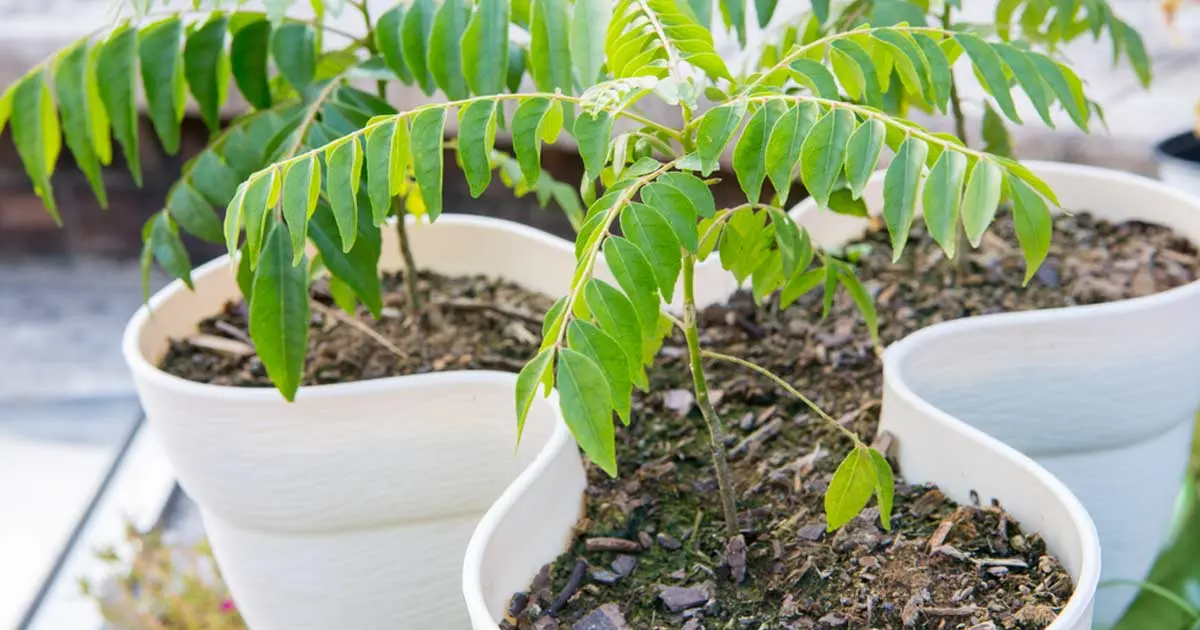
Growing Curry Leaf Plant in Pots: A Complete Guide for Beginners
If you’re a fan of authentic South Asian cuisine, you already know that nothing compares [...]
May
5 Tips for Growing Carolina Reaper Peppers to Get the Spiciest Harvest Ever
Holding the record for one of the world’s hottest peppers, the Reaper isn’t just a [...]
May
Reviews
There are no reviews yet.