


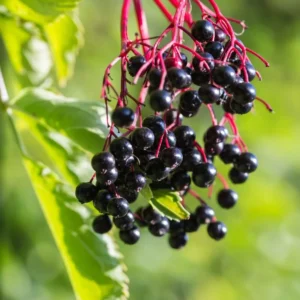
Elderberry Tree – Live Plant – Outdoor – Height 5 to 12 Feet
$26.99
The elderberry tree live plant is a vibrant addition to any outdoor garden. Known for its health benefits and ease of care, it attracts wildlife and enhances biodiversity.
Estimated arrival
Mar 30
Apr 04 - Apr 06
Apr 09 - Apr 13

Reasonable Price
We offer reasonable price

Support 24/7
Contact us 24 hrs a day

100% Money Back
You've 30 days to Return

Payment Secure
100% secure payment
Overview
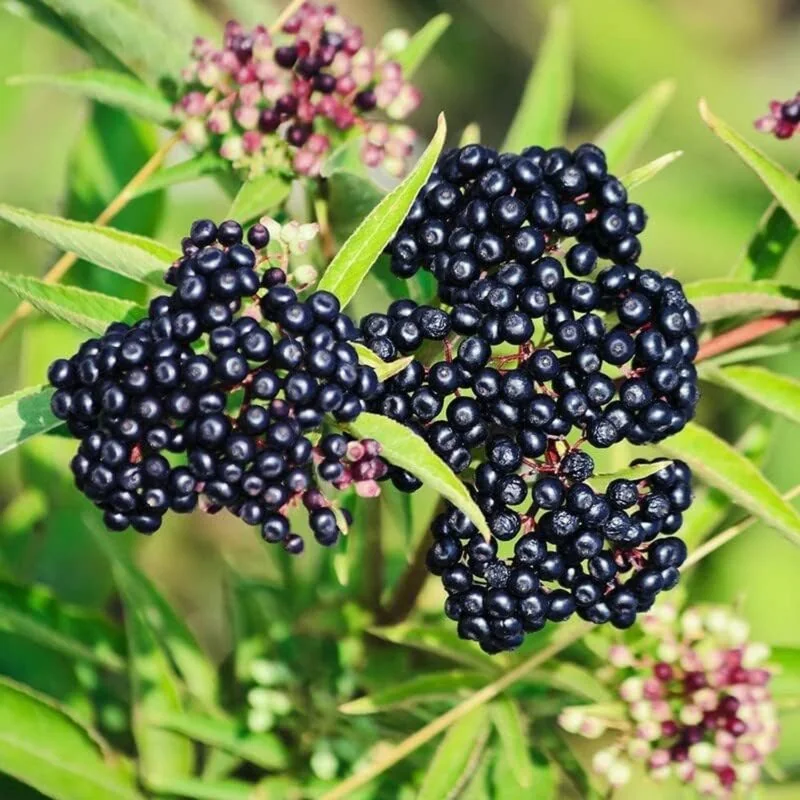
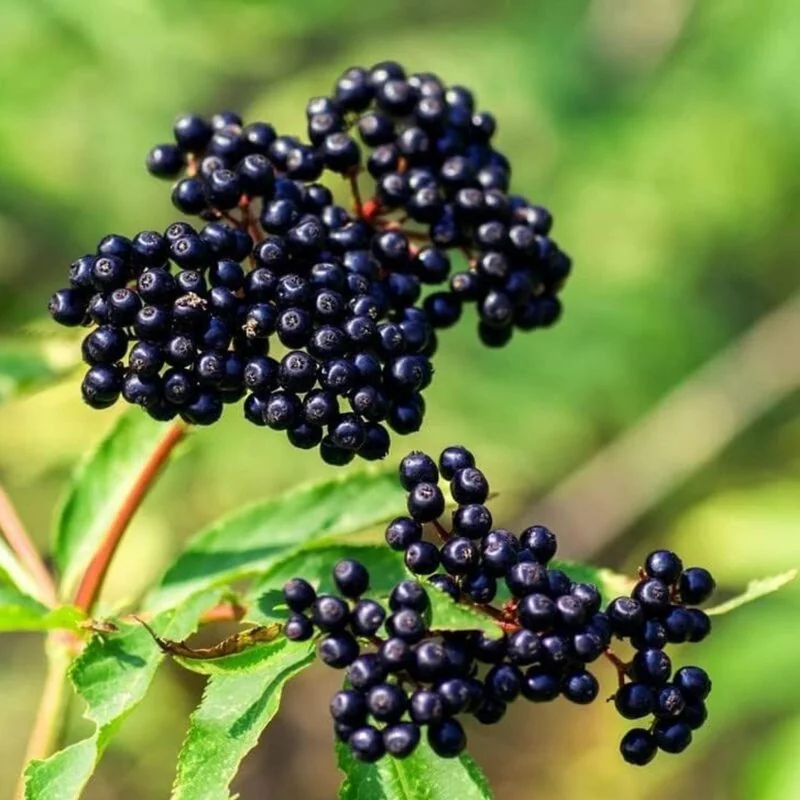
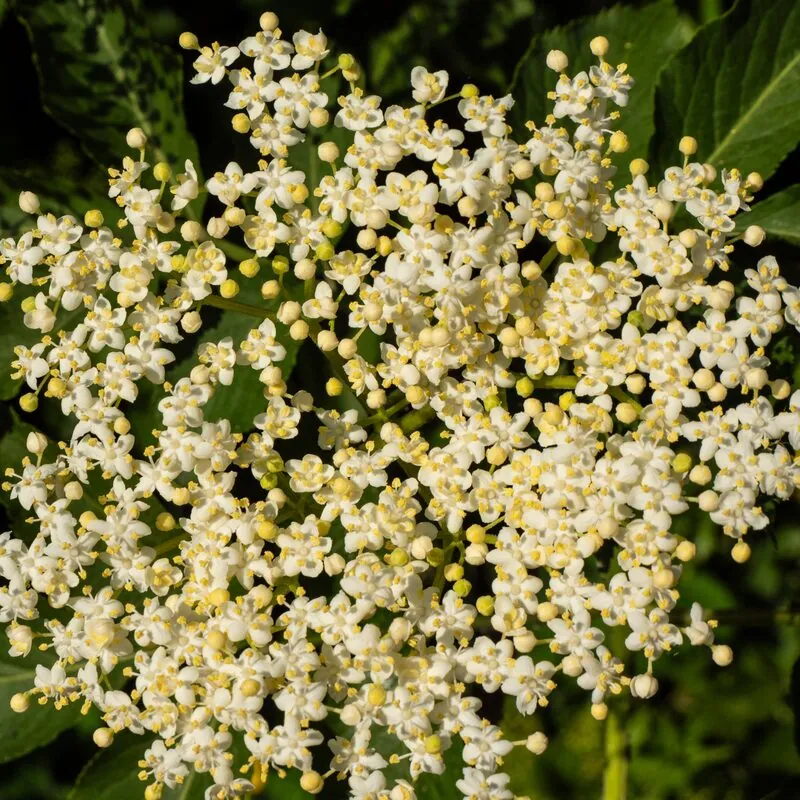
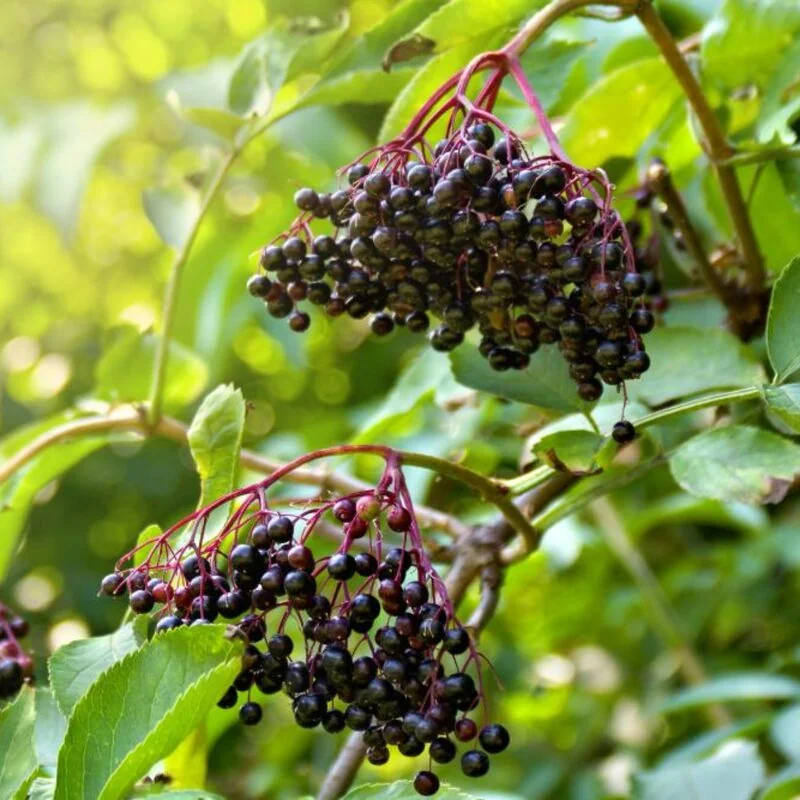
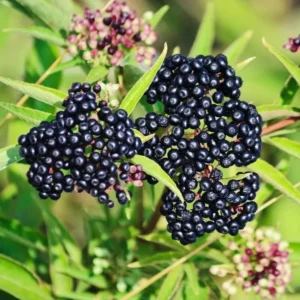
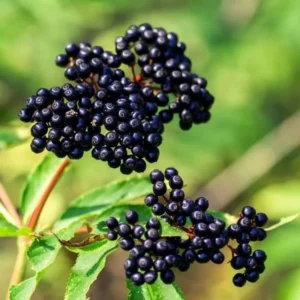
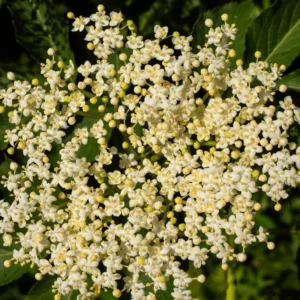
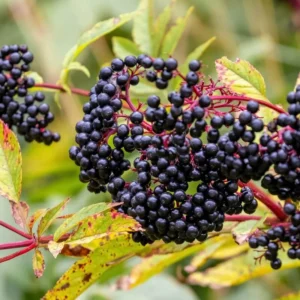
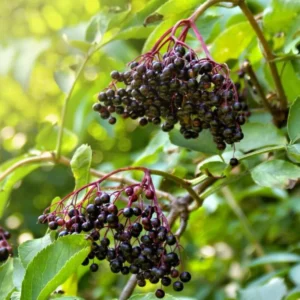
The elderberry tree live plant is a remarkable choice for any garden enthusiast looking to enhance their landscape with both beauty and health benefits. This deciduous shrub, known scientifically as Sambucus, produces clusters of small white flowers in spring, followed by dark purple berries that are not only visually appealing but also rich in antioxidants. Elderberry trees thrive in various conditions, making them suitable for both novice and experienced gardeners alike.
These trees can reach heights of 5 to 12 feet, providing a lovely visual structure while also serving as an excellent food source for birds and other wildlife. With its ability to adapt to different soil types and its resilience to various climates, the elderberry tree is a fantastic addition to any garden.
Key Benefits
Incorporating the elderberry tree live plant into your garden offers numerous advantages:
- Health Benefits: Elderberries are packed with antioxidants, vitamins, and minerals, making them a popular choice for boosting immunity.
- Wildlife Attraction: The flowers attract pollinators like bees and butterflies, while the berries provide food for birds.
- Low Maintenance: This tree is easy to care for, requiring minimal attention once established.
- Versatile Growth: Suitable for various soil types, it can thrive in both wet and dry conditions.
- Edible Berries: The berries can be harvested and used in jams, jellies, and herbal remedies (cooked).
- Beautiful Foliage: The lush green leaves provide a beautiful backdrop in any garden setting.
- Drought Tolerance: Once established, elderberry trees can withstand periods of drought, making them resilient in varying climates.
Plant Care & Growing Tips
To ensure your elderberry tree live plant thrives, follow these care instructions:
**Sunlight:** Elderberry trees prefer full sun but can also tolerate partial shade. Ideally, they should receive at least 6 hours of direct sunlight each day to promote robust growth and flowering.
**Watering:** Regular watering is crucial, especially during dry spells. Keep the soil moist but avoid waterlogging, as this can lead to root rot.
**Soil Requirements:** These trees thrive in well-drained soil rich in organic matter. Ensure the planting site has good drainage to prevent water accumulation around the roots.
**Temperature and Hardiness:** Elderberry trees are hardy in USDA zones 3 to 8, making them suitable for a wide range of climates.
**Fertilization:** A balanced fertilizer can be applied in early spring to promote healthy growth. Avoid over-fertilizing as it may harm the plant.
**Pruning:** Prune your elderberry tree in early spring to maintain its shape and encourage new growth. Regular pruning also helps improve air circulation around the plant.
Size & Details
The elderberry tree live plant typically grows between 5 to 12 feet tall, depending on the variety and growing conditions. The tree ships as a potted plant, ensuring it arrives in good condition for immediate planting. Expect the tree to mature within a few years, producing flowers in spring and berries in late summer to early fall.
Frequently Asked Questions
- Q: How big does this plant get? A: The elderberry tree typically reaches heights of 5 to 12 feet, depending on growing conditions.
- Q: Is this an indoor or outdoor plant? A: The elderberry tree is primarily an outdoor plant, thriving in full sun or partial shade.
- Q: How much sunlight does it need? A: Elderberry trees prefer full sun, needing at least 6 hours of direct sunlight each day.
- Q: Is this plant easy to care for? A: Yes, the elderberry tree is known for its low maintenance and adaptability to various conditions.
- Q: What condition will it arrive in? A: It will arrive as a healthy potted plant, ready for immediate planting.
- Q: Can I use elderberries in cooking? A: Yes, elderberries can be used in jams and jellies, but should be cooked before consumption to avoid toxicity.
- Q: When is the best time to plant? A: The ideal planting period for elderberry trees is in spring or early fall.
- Q: Will it survive winter in my zone? A: Elderberry trees are hardy in USDA zones 3 to 8 and can survive winter conditions in these areas.
Be the first to review “Elderberry Tree – Live Plant – Outdoor – Height 5 to 12 Feet”
-
USDA Hardiness Zone
USDA zones 3–8 -
Soil Type
well-drained soil rich in organic matter -
Sunlight Exposure
full sun to partial shade -
Expected Planting Period
spring or early fall
People Also Viewd
Sold 128 products
Original price was: $27.00.$24.00Current price is: $24.00.
Sold 127 products
Original price was: $89.99.$64.99Current price is: $64.99.
Sold 125 products
Original price was: $3,536.00.$23.99Current price is: $23.99.

Sold 125 products
Original price was: $86.99.$66.99Current price is: $66.99.
Sold 116 products
Original price was: $27.99.$16.99Current price is: $16.99.
Flower Bulbs
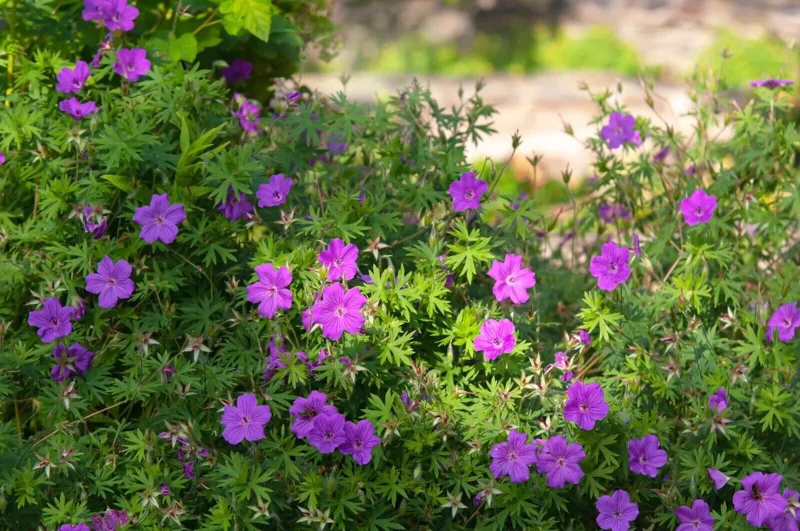
3 Cranesbill Wild Geranium Organic Maculatums Bare Roots | Wildflower for Outdoor Garden
Sold 114 products
Original price was: $21.99.$6.99Current price is: $6.99.
Sold 114 products
Original price was: $28.99.$17.99Current price is: $17.99.
Sold 109 products
Original price was: $63.99.$28.99Current price is: $28.99.RELATED posts
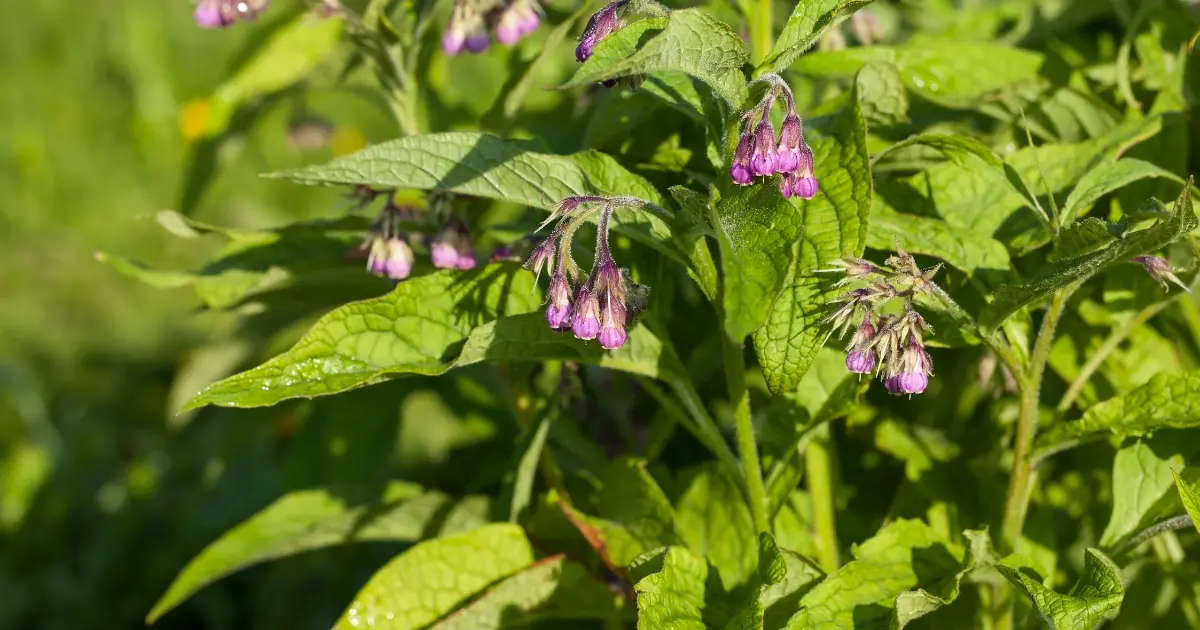
How to Identify Bocking 14 Comfrey: 5 Simple Visual Signs
If you’re growing comfrey for mulch, compost, or animal feed, knowing exactly which variety you [...]
Mar
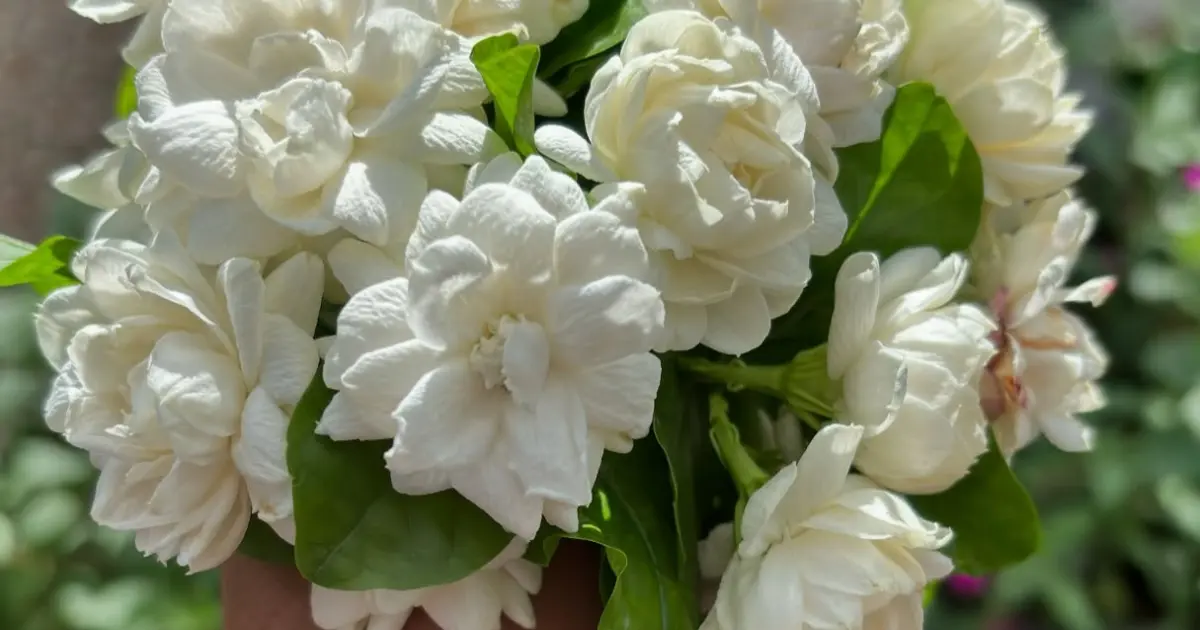
Grand Duke of Tuscany Jasmine: The Ultimate Guide to Growing a Fragrant Masterpiece
Have you ever caught a scent in the air so rich, creamy, and honey-sweet that [...]
Mar
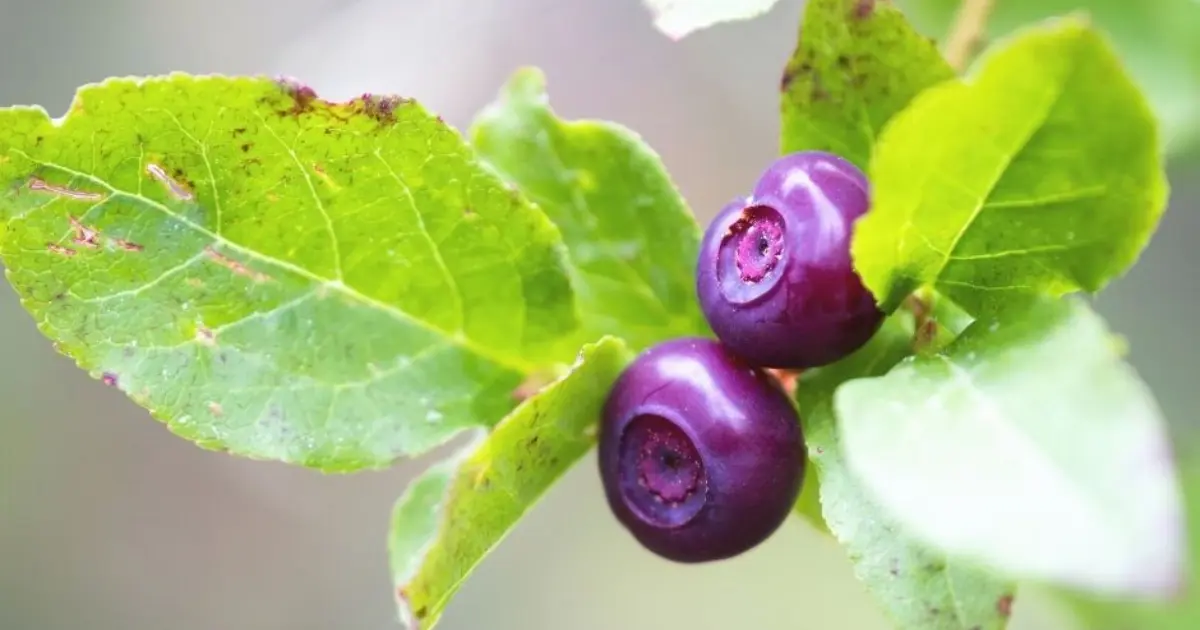
How to Grow Wild Huckleberries: A Guide to “Purple Gold”
Have you ever spent a summer afternoon hiking through the Pacific Northwest or the Rocky [...]
Mar
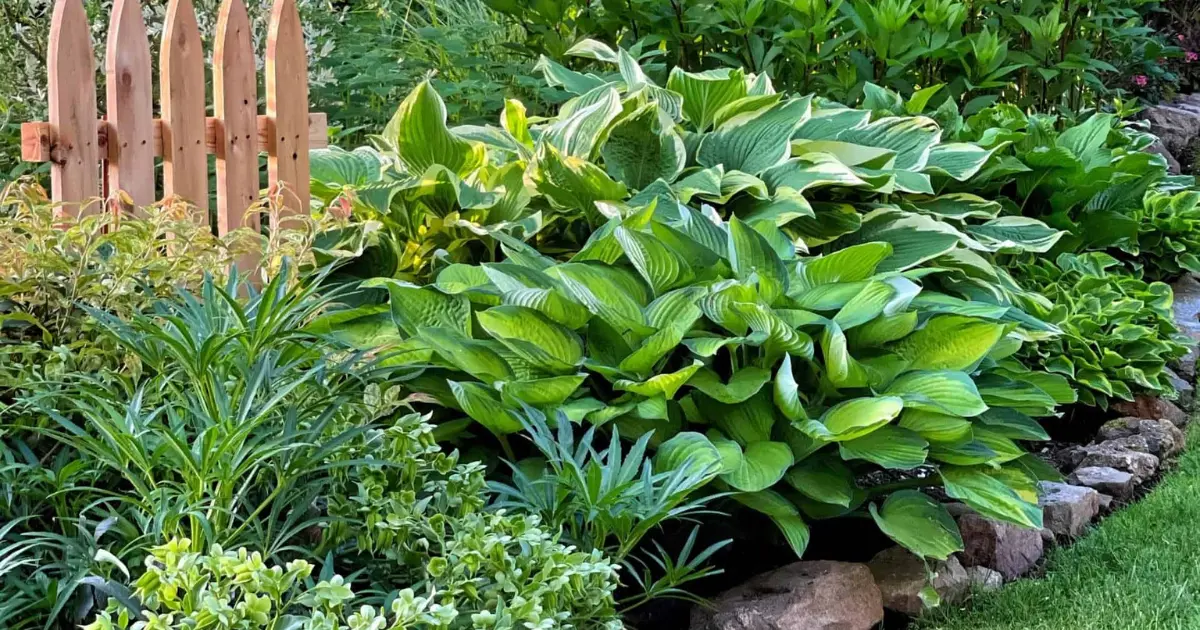
5 Best Shade-Loving Perennials for a Lush, Vibrant Garden
The world of gardening often shines a spotlight on sun-drenched blossoms, but there is a [...]
Mar
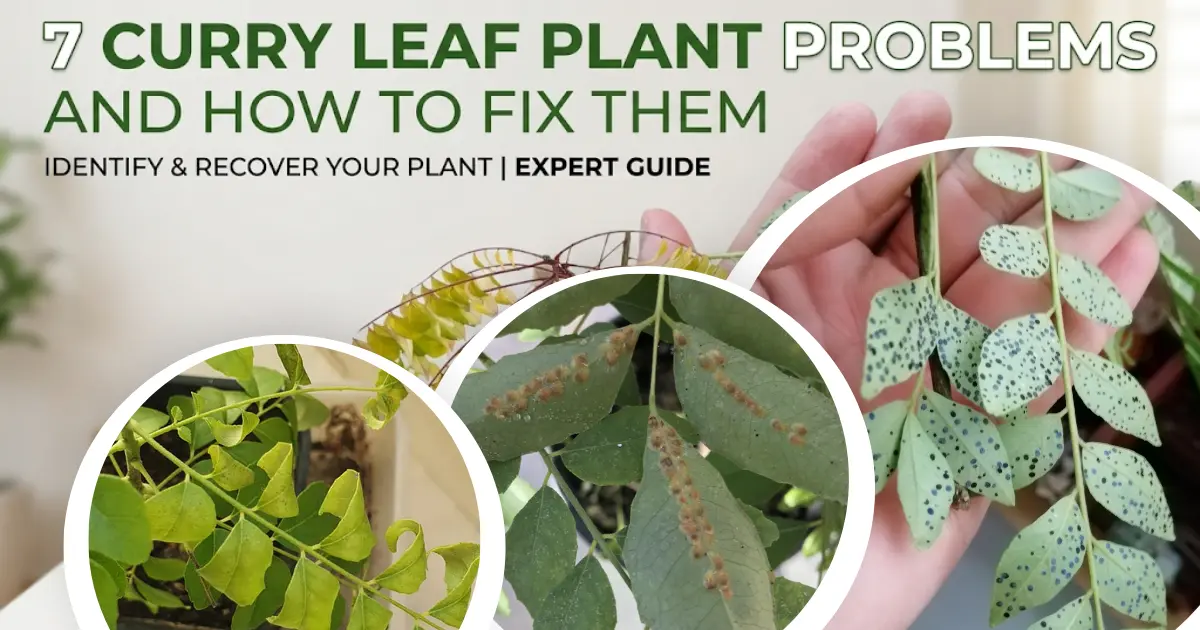
7 Common Curry Leaf Plant Problems: Easy Fixes for a Thriving Plant
Is your curry leaf plant looking a bit sad lately? Maybe you woke up to [...]
Mar
Best Time to Plant Bougainvillea: Timing for Vibrant Blooms
If you’re looking for a hardy tropical vine that delivers a riot of neon color, [...]
Feb
How to Propagate Purple Passion Plants (Gynura aurantiaca)
Have you ever been mesmerized by the neon-purple glow and fuzzy, velvet-like leaves of a [...]
Feb
How to Grow Beauregard Sweet Potatoes: From Slips to a Bountiful Harvest
Are you ready to add a classic, heavy-hitting favorite to your vegetable patch? If you’ve [...]
Feb
Reviews
There are no reviews yet.