
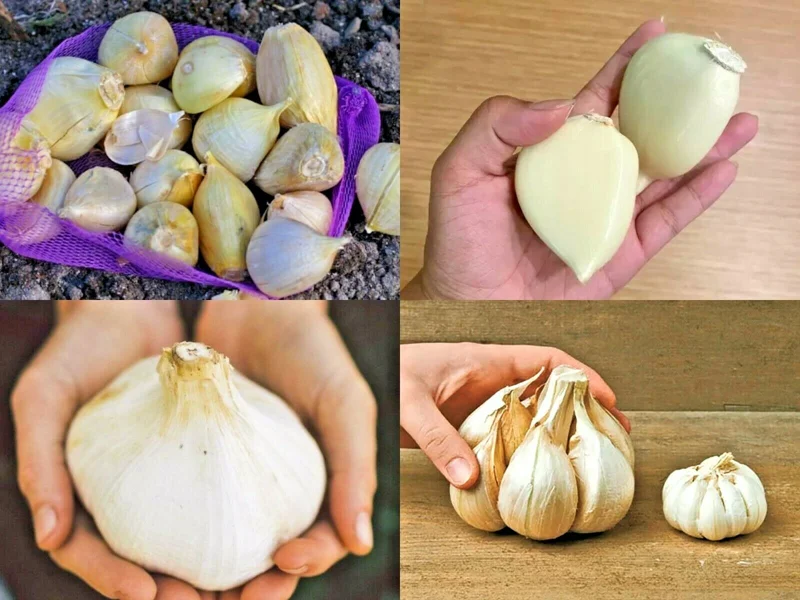
Elephant Garlic Bulbs & Seeds – Fresh Harvest, Healthy, USA Grown
Price range: $5.72 through $31.66
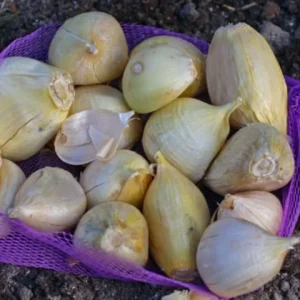
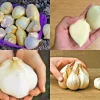
Cultivate your own delicious and robust elephant garlic bulbs with our fresh harvest selection. Choose from elephant garlic seeds, individual cloves, or whole bulbs to start your garden. Known for its mild flavor and large size, it’s perfect for culinary use and easy to grow.
Estimated arrival
Apr 07
Apr 12 - Apr 14
Apr 17 - Apr 21

Reasonable Price
We offer reasonable price

Support 24/7
Contact us 24 hrs a day

100% Money Back
You've 30 days to Return

Payment Secure
100% secure payment
Overview
Embark on a rewarding gardening journey with our premium elephant garlic bulbs, available as fresh seeds, individual cloves, or robust whole bulbs. Despite its name, elephant garlic (Allium ampeloprasum) is technically a leek, known for producing massive, flavorful cloves that are milder and sweeter than traditional garlic. This makes it an incredibly versatile ingredient for a wide range of culinary applications, from roasting to sautéing. Our selection offers healthy, USA-grown options, ensuring you receive top-quality planting material for a successful harvest. Whether you’re a seasoned gardener or just starting out, planting elephant garlic is a straightforward process that yields impressive results.
Elephant garlic is prized not only for its impressive size but also for its ease of cultivation. It thrives in various climates and soil types, making it a popular choice for home gardens across the country. The mild, onion-like flavor with a hint of garlic makes it a favorite among chefs and home cooks alike. You can enjoy the scapes in late spring, which are delicious in stir-fries or pesto, and then harvest the large bulbs in late summer. This dual-purpose plant provides continuous enjoyment throughout the growing season.
Key Benefits
Our elephant garlic bulbs and seeds offer numerous advantages for any gardener or cook:
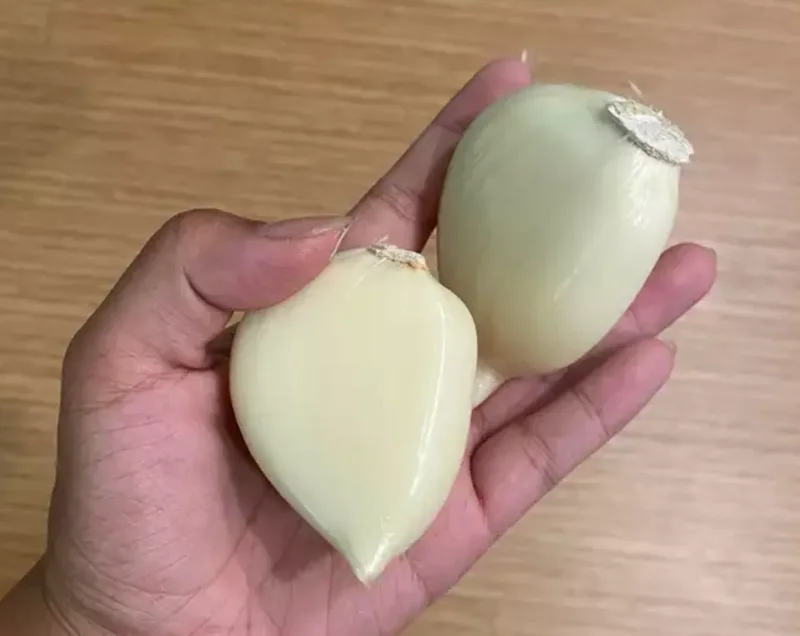
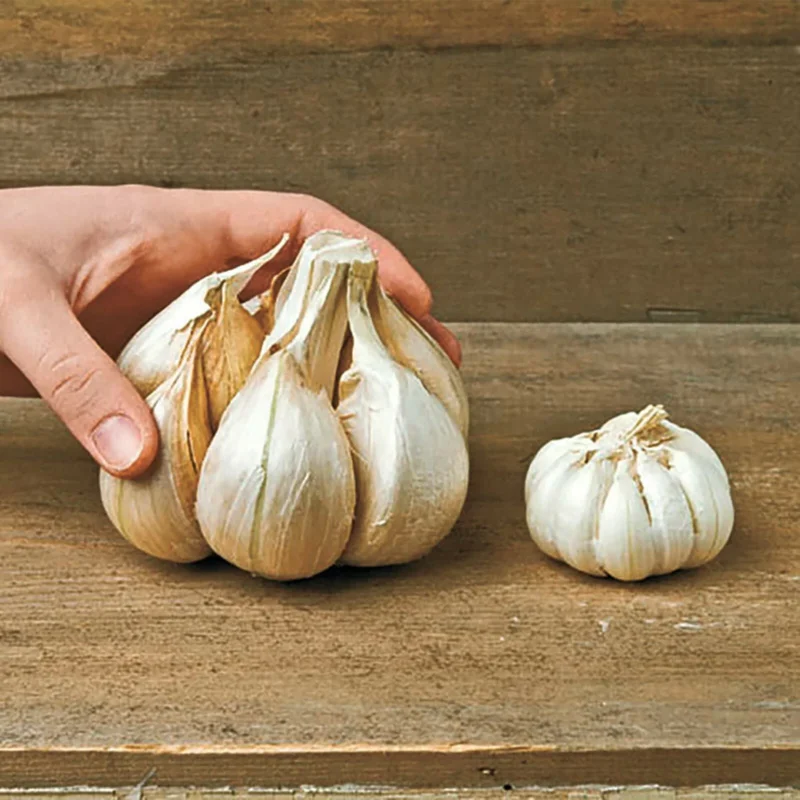
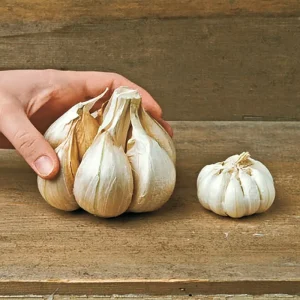
- Impressive Size: Elephant garlic produces exceptionally large cloves and bulbs, often weighing several ounces each. This means more garlic flavor and substance for your culinary creations with fewer cloves needed.
- Mild, Sweet Flavor: Unlike regular garlic, elephant garlic has a milder, sweeter flavor profile with less pungency. This makes it ideal for dishes where a subtle garlic essence is desired, or for those who find traditional garlic too intense.
- Versatile Culinary Use: The large cloves are perfect for roasting whole, slicing into salads, adding to soups, stews, or stir-fries, and even grilling. Its mild taste allows it to complement a wide array of dishes without overpowering other ingredients.
- Easy to Grow: Growing elephant garlic is surprisingly simple. It’s a forgiving plant that adapts well to different conditions and is less prone to common garlic diseases, making it suitable for beginner gardeners.
- Harvest Scapes: In late spring, elephant garlic produces edible flower stalks, called scapes, which have a delicate garlic flavor. These can be harvested and used in cooking, providing an early taste of your harvest.
- Long Storage Life: Properly cured elephant garlic bulbs can be stored for several months in a cool, dry place, providing you with fresh garlic throughout the off-season.
- Aesthetic Appeal: With its tall, stately stalks and unique flower scapes, elephant garlic also adds an interesting architectural element to your vegetable garden.
Plant Care & Growing Tips
To ensure a bountiful harvest of your elephant garlic bulbs, follow these essential care and growing tips. Elephant garlic prefers a location with full sun, meaning at least 6-8 hours of direct sunlight per day. Good air circulation is also important to prevent fungal diseases. Prepare your soil by ensuring it is well-draining, loose, and rich in organic matter. A slightly acidic to neutral pH (6.0-7.0) is ideal. Amend heavy clay soils with compost or sand to improve drainage, and sandy soils with compost to enhance water retention and nutrient availability.
Plant your elephant garlic in the fall, typically 3 weeks before the first hard frost, allowing the roots to establish before winter. Plant cloves or bulbs 4-6 inches deep and 6-8 inches apart, in rows that are 12-18 inches apart. Ensure the pointed end of the clove faces upwards. Water thoroughly after planting. During the growing season, consistent moisture is key, especially during bulb development. Aim for about 1 inch of water per week, either from rainfall or irrigation. Avoid overwatering, which can lead to rot. Fertilize in early spring with a balanced organic fertilizer or compost tea to support strong growth. Keep the area around your fresh garlic for planting free of weeds, as weeds compete for nutrients and moisture.
Elephant garlic is generally hardy in USDA zones 3-9. It requires a cold period to properly form bulbs, so fall planting is crucial in most regions. Monitor for pests like onion thrips or nematodes, and address them with organic pest control methods if necessary. Harvesting usually occurs in late summer when the lower leaves start to yellow and fall over. Gently dig up the bulbs, being careful not to bruise them. Cure the bulbs in a warm, dry, and well-ventilated area for 2-4 weeks before storing them. This curing process helps to toughen the outer skin and extends their shelf life, preparing your elephant garlic seeds or bulbs for future culinary delights or replanting.
Size & Details
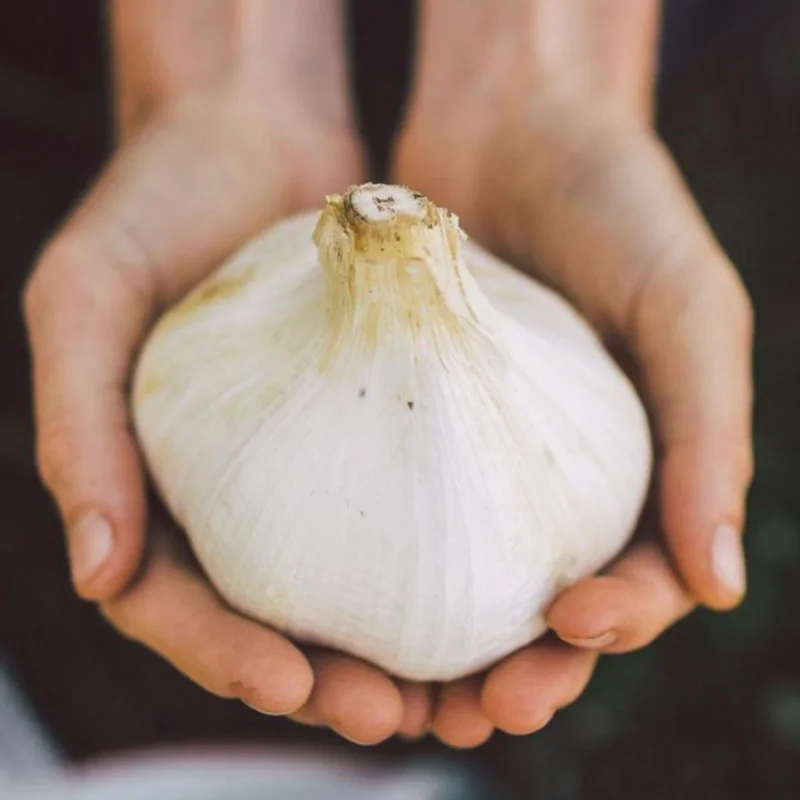
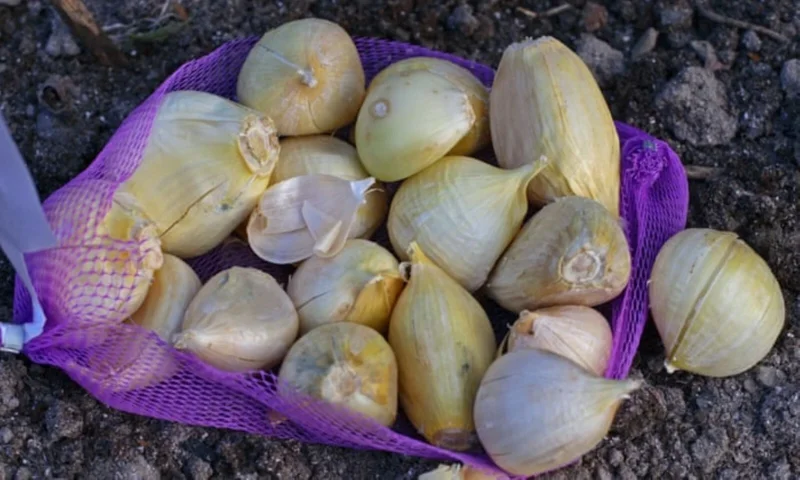
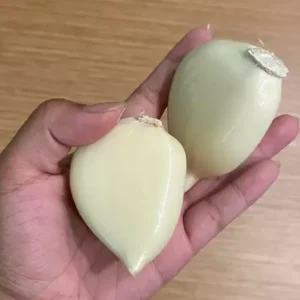
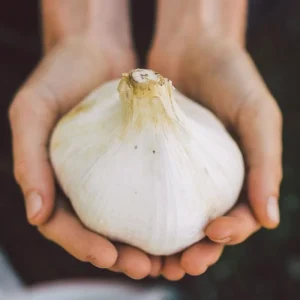
Our elephant garlic bulbs are sourced from a fresh harvest, ensuring vigorous growth and a successful yield. Depending on your selection, you will receive either seeds, individual cloves, or whole bulbs. Individual cloves typically measure 1-2 inches in diameter, while whole bulbs can range from 3-5 inches across, containing several large cloves. When mature, elephant garlic plants can reach heights of 2-4 feet, with a spread of about 1 foot. The growth habit is clumping, forming a robust plant in your garden.
This perennial plant has a relatively fast growth rate, with scapes appearing in late spring and bulbs ready for harvest in late summer. It is considered very easy to cultivate, making it an excellent choice for gardeners of all experience levels. The bulbs are shipped ready for planting, securely packaged to ensure their health and viability upon arrival. Expect a rewarding harvest of large, mild-flavored garlic that can be enjoyed fresh or stored for later use, making it a valuable addition to your kitchen and garden.
Frequently Asked Questions
- Q: How big do elephant garlic bulbs get? A: Mature elephant garlic bulbs can grow quite large, typically ranging from 3 to 5 inches in diameter, with individual cloves often measuring 1 to 2 inches. The plants themselves can reach heights of 2 to 4 feet in the garden.
- Q: Is this an indoor or outdoor plant? A: Elephant garlic is primarily an outdoor plant. It requires a cold dormancy period to properly form bulbs, making it unsuitable for year-round indoor cultivation. However, it can be started indoors in pots before transplanting outside.
- Q: How much sunlight does elephant garlic need? A: Elephant garlic thrives in full sun, requiring at least 6 to 8 hours of direct sunlight per day for optimal growth and bulb development. Choose a sunny spot in your garden for the best results.
- Q: Is growing elephant garlic easy for beginners? A: Yes, it is considered very easy to grow. Elephant garlic is quite forgiving and adaptable, making it an excellent choice for novice gardeners looking to cultivate their own garlic. Its large size also makes handling easier.
- Q: When is the best time for planting elephant garlic? A: The ideal time for planting elephant garlic is in the fall, about 3 weeks before the first hard frost. This allows the roots to establish before winter and ensures the necessary cold period for bulb formation.
- Q: What condition will the fresh garlic for planting arrive in? A: Our fresh garlic for planting, whether seeds, cloves, or bulbs, is carefully harvested and packaged to ensure it arrives healthy and viable, ready for immediate planting in your garden.
- Q: What USDA hardiness zones are suitable for elephant garlic? A: Elephant garlic is generally hardy and thrives in USDA zones 3 through 9, making it suitable for a wide range of climates across the United States.
- Q: Can I use elephant garlic seeds to grow new plants? A: Yes, you can grow elephant garlic from seeds, though growing from cloves or bulbs is more common and often yields larger bulbs more quickly. Seeds offer a way to cultivate new genetic variations over time.
- Q: What type of soil does elephant garlic prefer? A: Elephant garlic prefers well-draining, loose soil that is rich in organic matter. A soil pH between 6.0 and 7.0 is ideal for healthy growth and bulb development.
- Q: How often should I water my elephant garlic? A: During the growing season, especially when bulbs are forming, elephant garlic needs consistent moisture, approximately 1 inch of water per week. Reduce watering as harvest approaches to prevent rot.
| options | 1 Clove, 1 Whole Bulb, 100 Seeds, 15 Seeds, 3 Cloves, 50 Seeds, Sample 5Seeds |
|---|
Be the first to review “Elephant Garlic Bulbs & Seeds – Fresh Harvest, Healthy, USA Grown”
-
USDA Hardiness Zone
USDA Zones 3-9 -
Soil Type
Well-draining, rich in organic matter -
Sunlight Exposure
Full Sun -
Expected Planting Period
Fall
People Also Viewd
Sold 128 products
Original price was: $89.99.$64.99Current price is: $64.99.
Sold 128 products
Original price was: $27.00.$24.00Current price is: $24.00.
Sold 127 products
Original price was: $159.99.$139.99Current price is: $139.99.
Sold 126 products
Original price was: $3,536.00.$23.99Current price is: $23.99.

Sold 125 products
Original price was: $86.99.$66.99Current price is: $66.99.
Sold 116 products
Original price was: $27.99.$16.99Current price is: $16.99.
Flower Bulbs
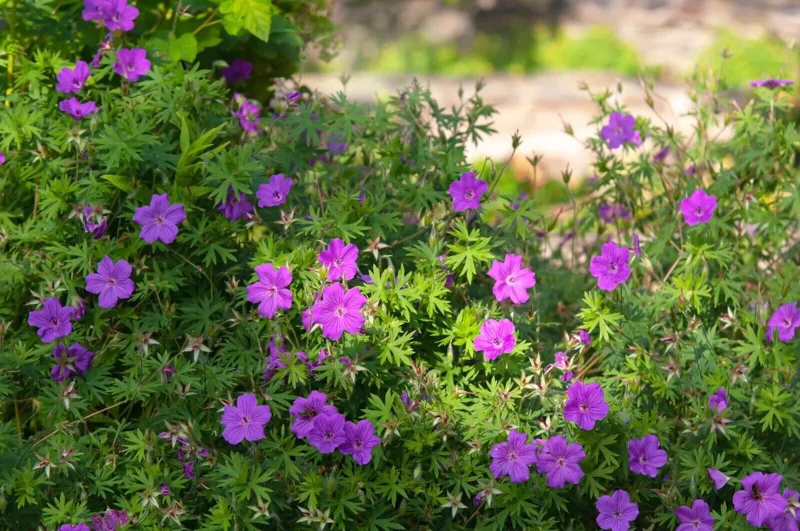
3 Cranesbill Wild Geranium Organic Maculatums Bare Roots | Wildflower for Outdoor Garden
Sold 114 products
Original price was: $21.99.$6.99Current price is: $6.99.
Sold 114 products
Original price was: $28.99.$17.99Current price is: $17.99.RELATED posts
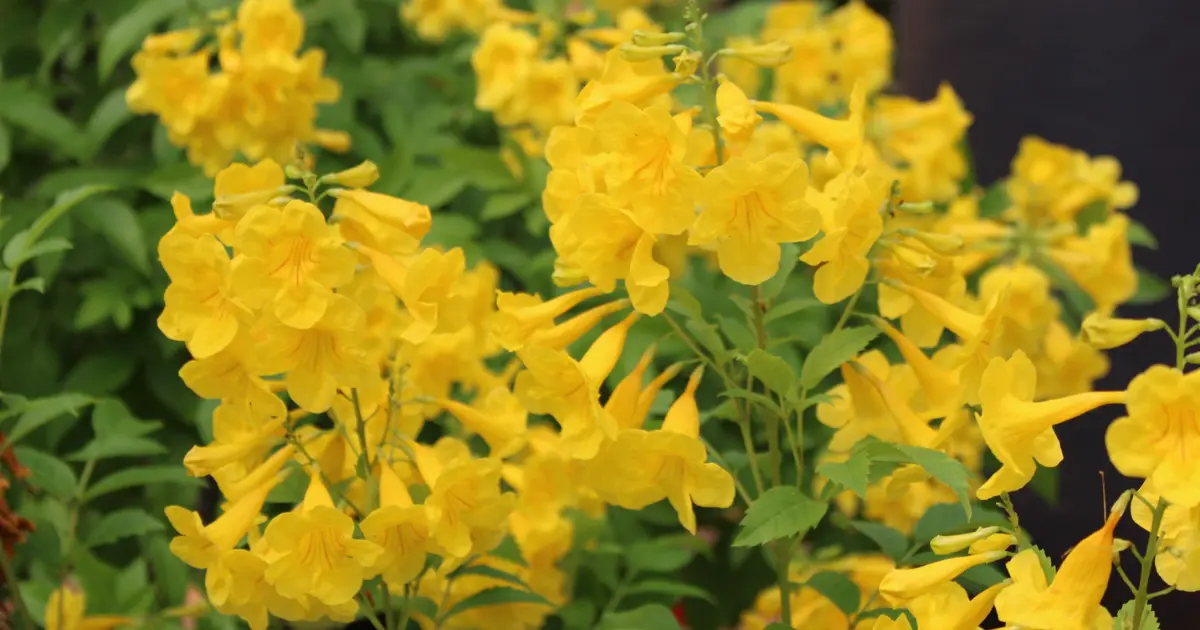
Mastering Esperanza Goldstar: Grow the Ultimate Yellow Bloom
Esperanza Goldstar is more than just a heat-tolerant shrub; for the American gardener battling the [...]
Apr
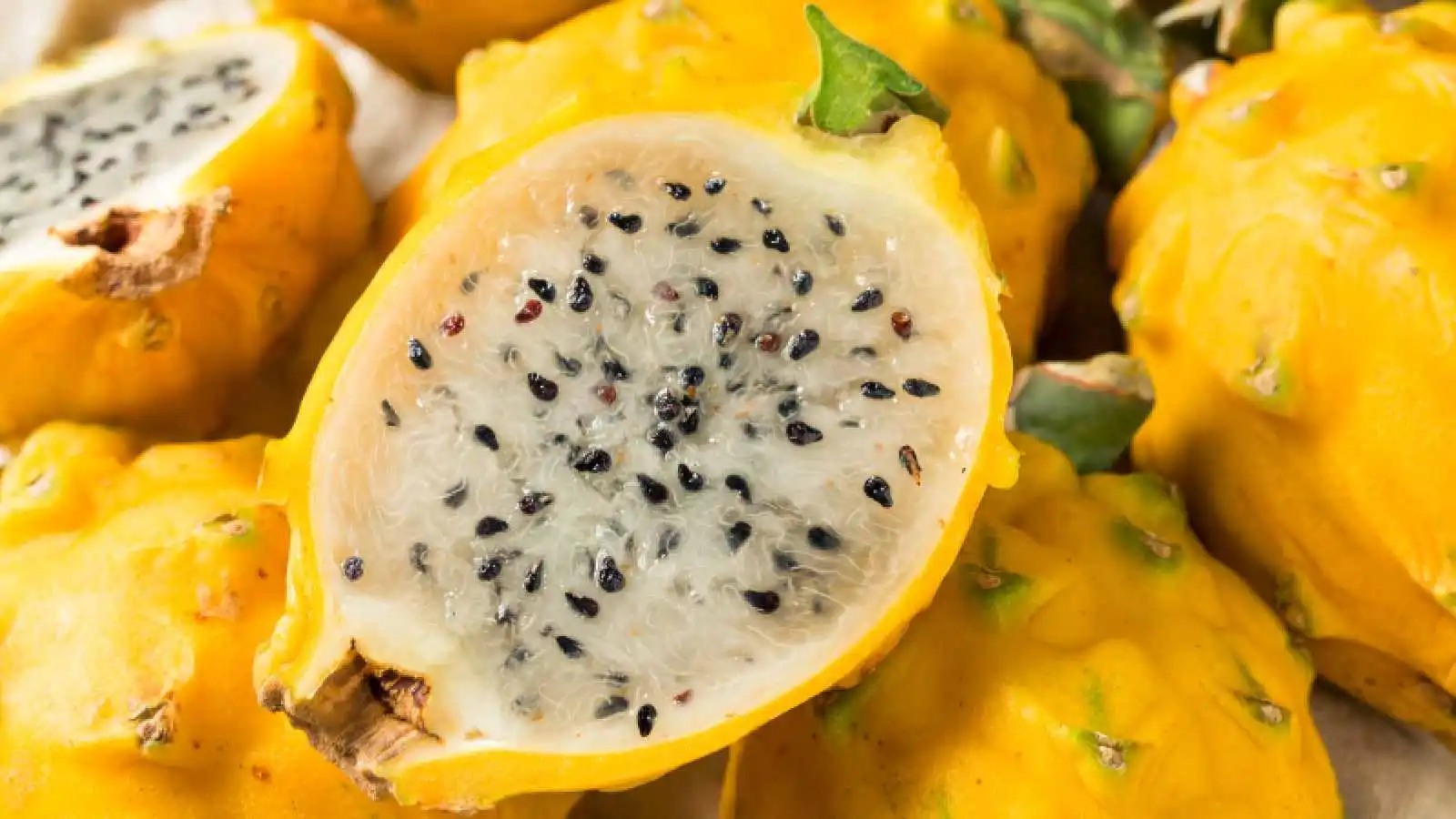
Yellow Dragon Fruit Plant Care: The Ultimate Guide for Healthy Growth
The yellow dragon fruit plant is a unique and rewarding addition to any home garden, [...]
Apr
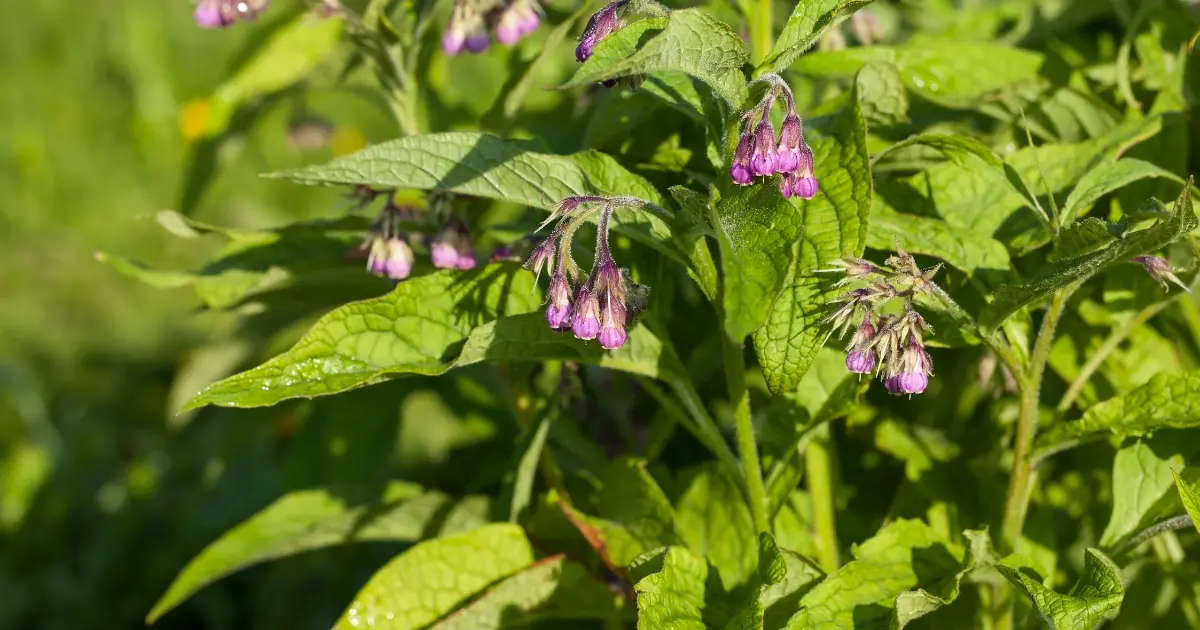
How to Identify Bocking 14 Comfrey: 5 Simple Visual Signs
If you’re growing comfrey for mulch, compost, or animal feed, knowing exactly which variety you [...]
Mar
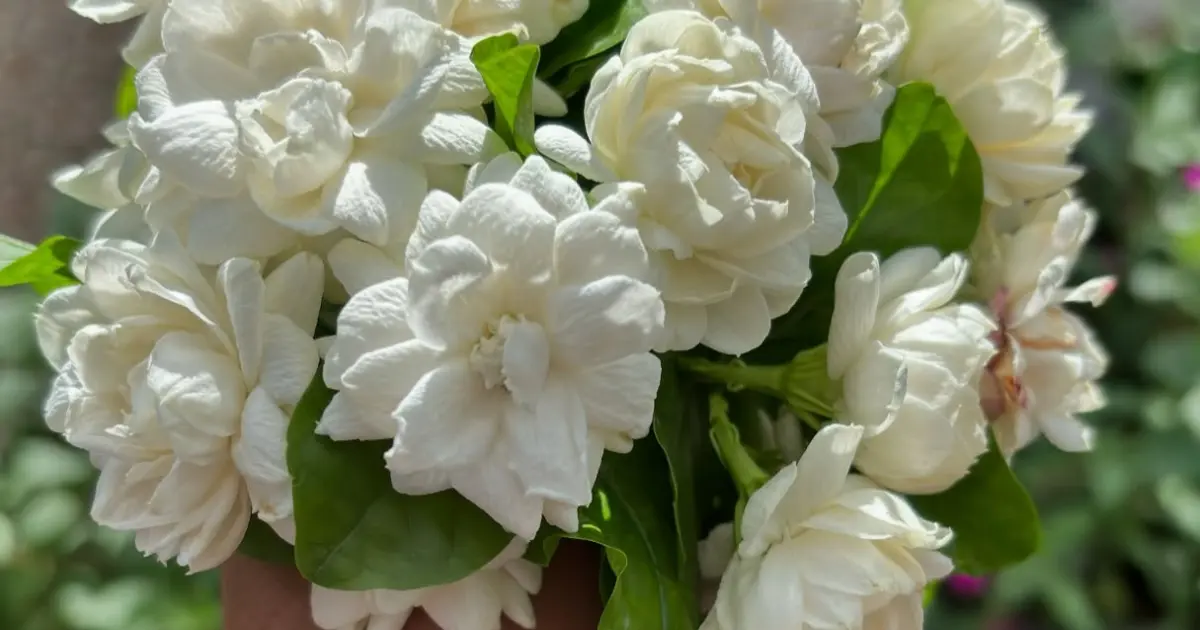
Grand Duke of Tuscany Jasmine: The Ultimate Guide to Growing a Fragrant Masterpiece
Have you ever caught a scent in the air so rich, creamy, and honey-sweet that [...]
Mar
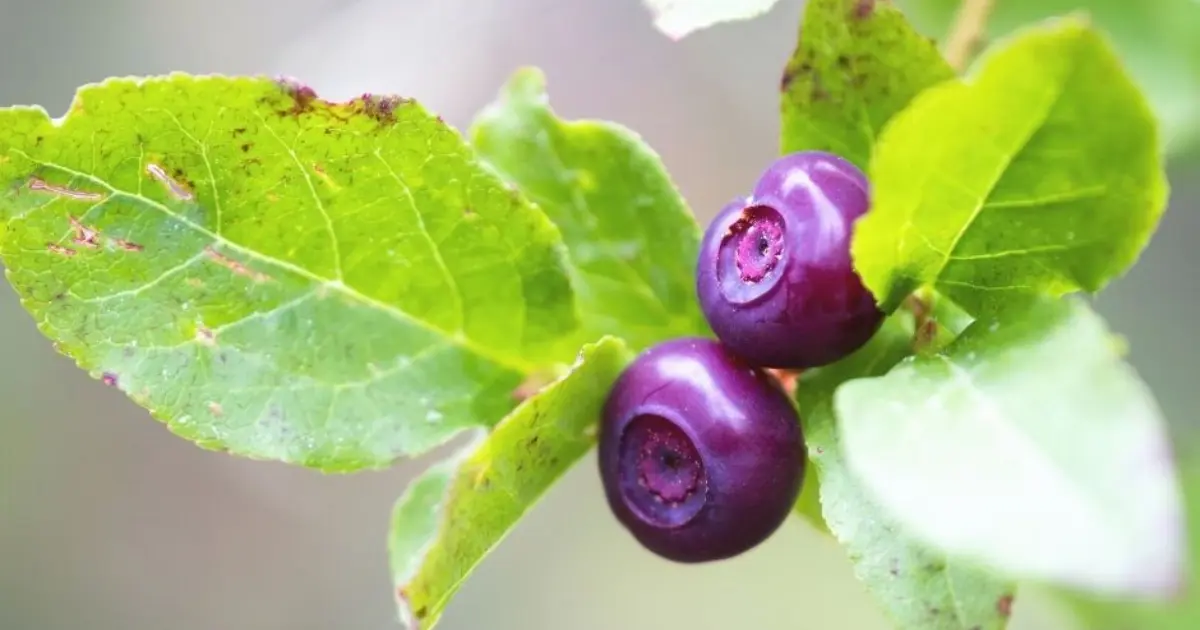
How to Grow Wild Huckleberries: A Guide to “Purple Gold”
Have you ever spent a summer afternoon hiking through the Pacific Northwest or the Rocky [...]
Mar
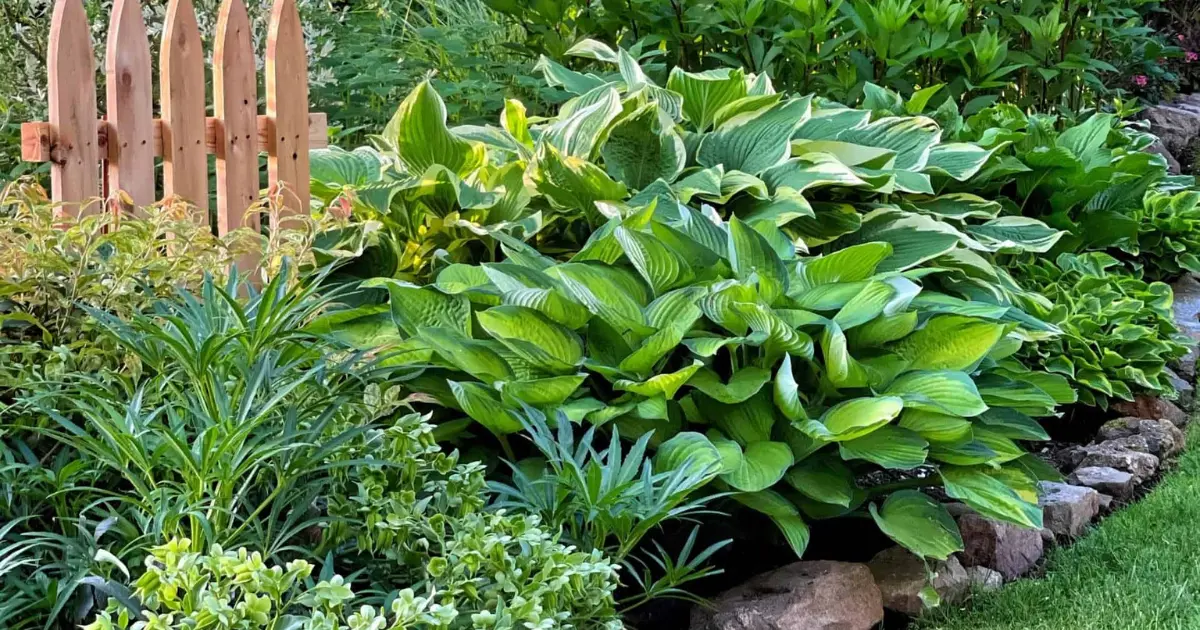
5 Best Shade-Loving Perennials for a Lush, Vibrant Garden
The world of gardening often shines a spotlight on sun-drenched blossoms, but there is a [...]
Mar

7 Common Curry Leaf Plant Problems: Easy Fixes for a Thriving Plant
Is your curry leaf plant looking a bit sad lately? Maybe you woke up to [...]
Mar
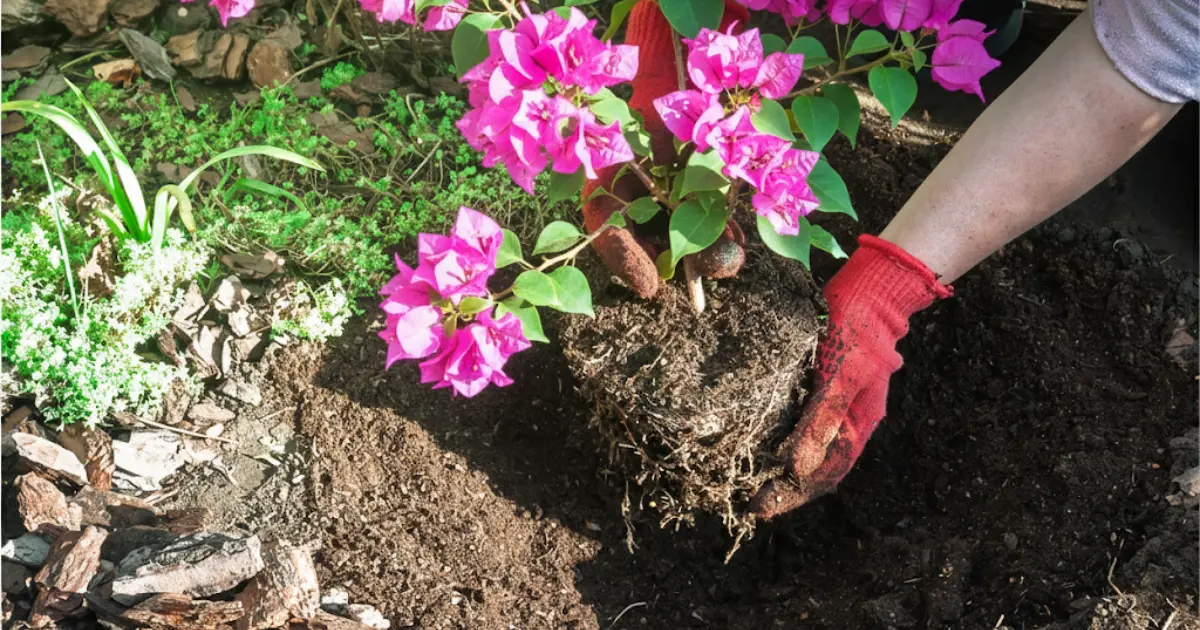
Best Time to Plant Bougainvillea: Timing for Vibrant Blooms
If you’re looking for a hardy tropical vine that delivers a riot of neon color, [...]
Feb
Reviews
There are no reviews yet.