
Horseradish Plant Bare Roots, Armoracia Rusticana, 2-Pack, 4-8 Inches Tall, Outdoor
Original price was: $35.99.$25.99Current price is: $25.99.
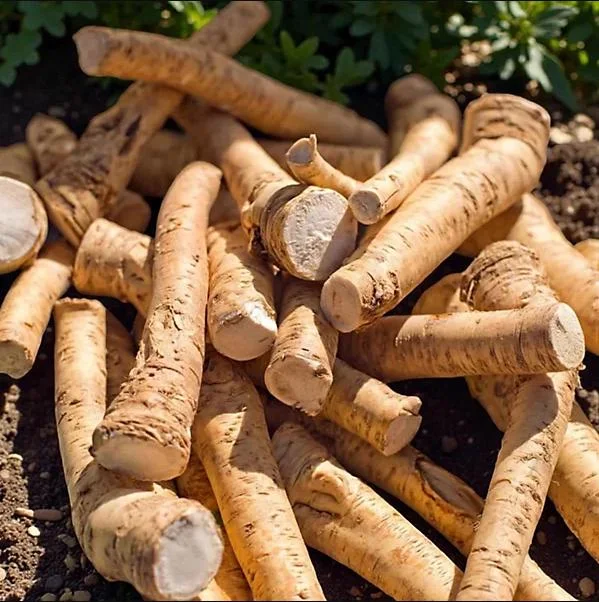
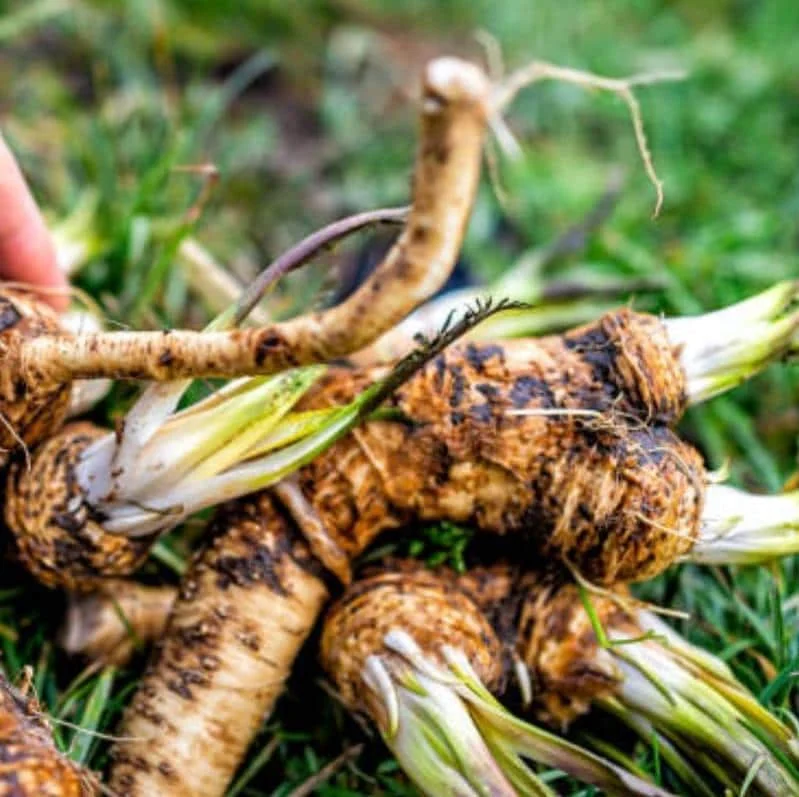
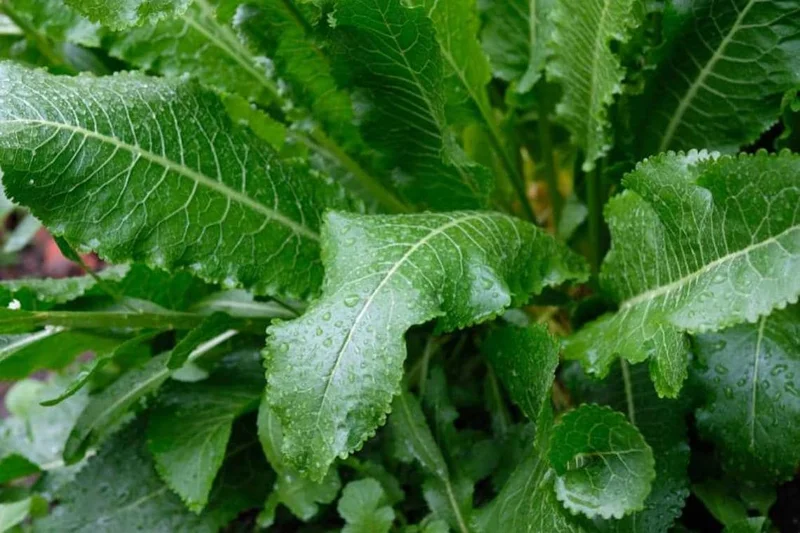
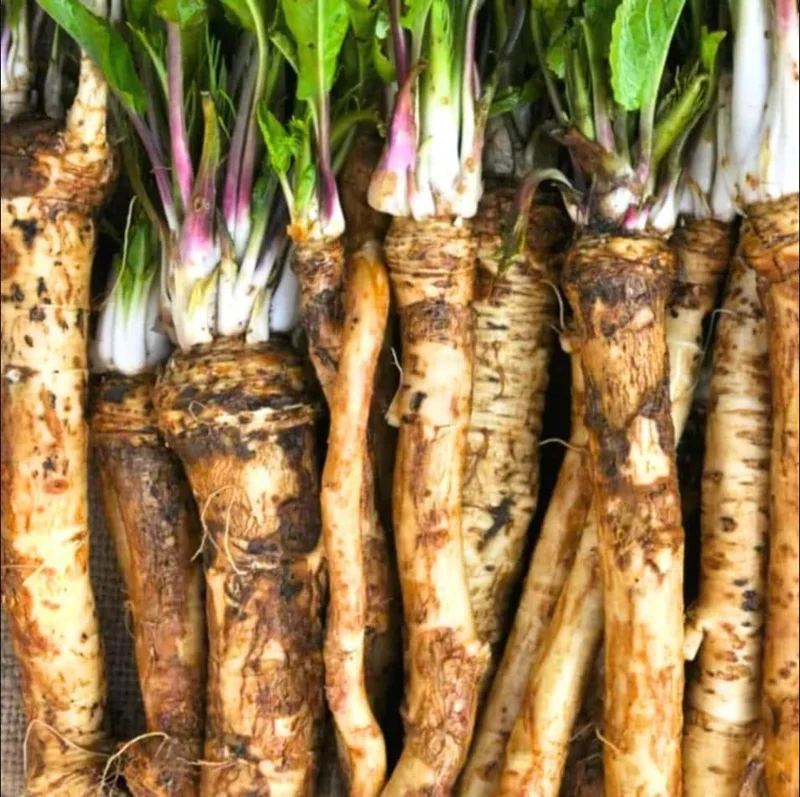
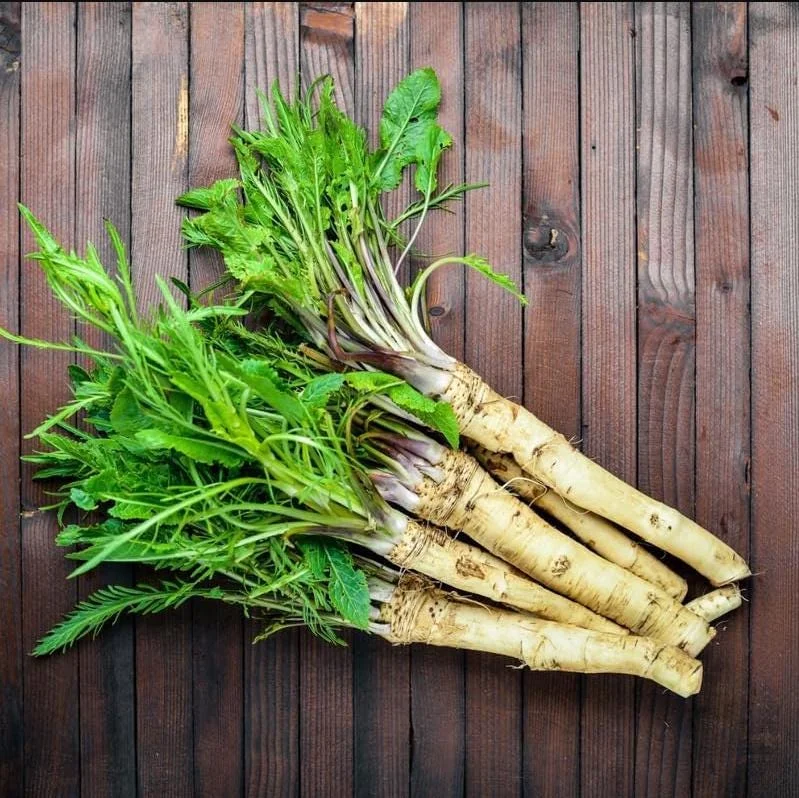
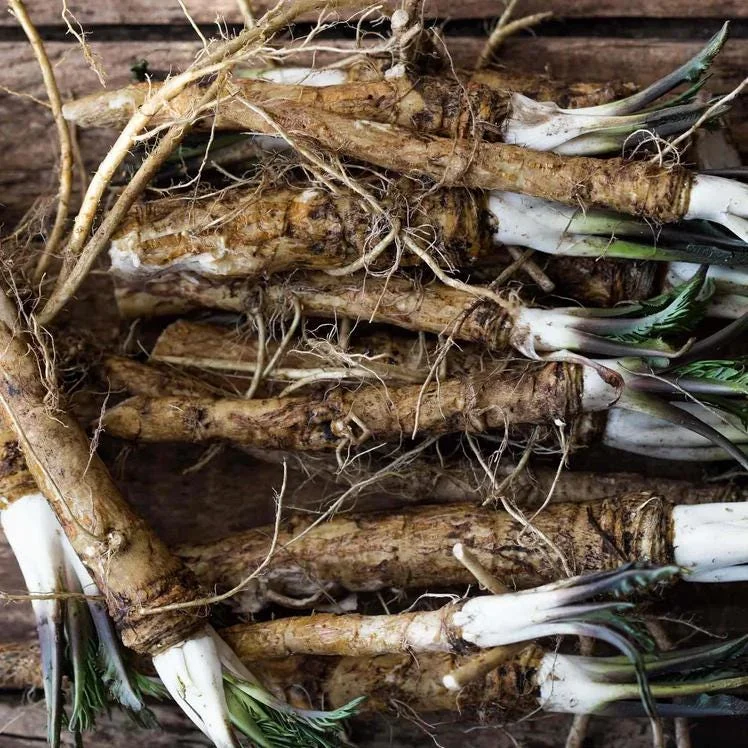
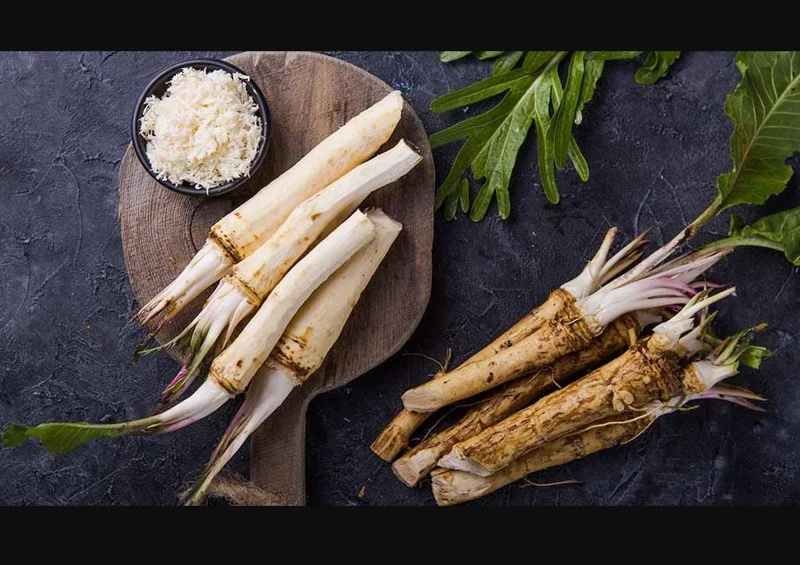
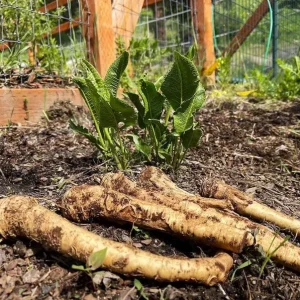
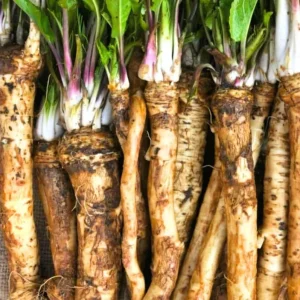
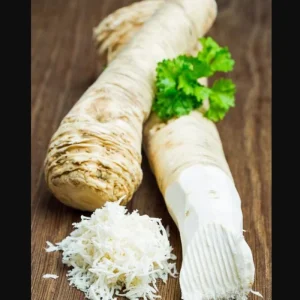
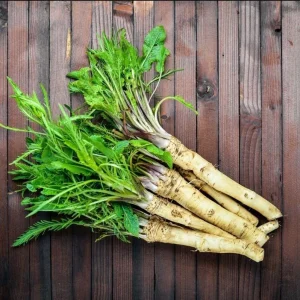
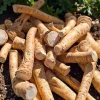
Cultivate your own spicy flavor with this horseradish bare roots 2-pack. Each root measures 4-8 inches, ready for planting to produce aromatic leaves and pungent roots. Ideal for culinary use, these bare roots thrive in full sun to partial shade and are simple to grow for both beginners and experienced gardeners.
Estimated arrival
Mar 21
Mar 26 - Mar 28
Mar 31 - Apr 04

Reasonable Price
We offer reasonable price

Support 24/7
Contact us 24 hrs a day

100% Money Back
You've 30 days to Return

Payment Secure
100% secure payment
Overview
Transform your garden into a culinary haven with our premium horseradish bare roots. This offering includes a convenient 2-pack of robust, 4-8 inch bare roots of Armoracia Rusticana, ready for planting. Horseradish is a hardy perennial known for its pungent roots, which are a staple in many cuisines, adding a zesty kick to sauces, roasts, and condiments. These bare roots are an excellent choice for gardeners looking to grow their own fresh, potent horseradish. Known for its vigorous growth and adaptability, Armoracia Rusticana is a rewarding plant that provides a bountiful harvest year after year. Whether you’re an experienced green thumb or just starting your gardening journey, these bare roots offer a straightforward path to cultivating this distinctive herb.
Key Benefits
Growing your own horseradish offers numerous advantages, from culinary versatility to ease of cultivation. These horseradish bare roots are selected for their quality and potential for robust growth, ensuring a successful harvest. Enjoy the benefits of fresh, homegrown flavor and the satisfaction of nurturing your own plants.
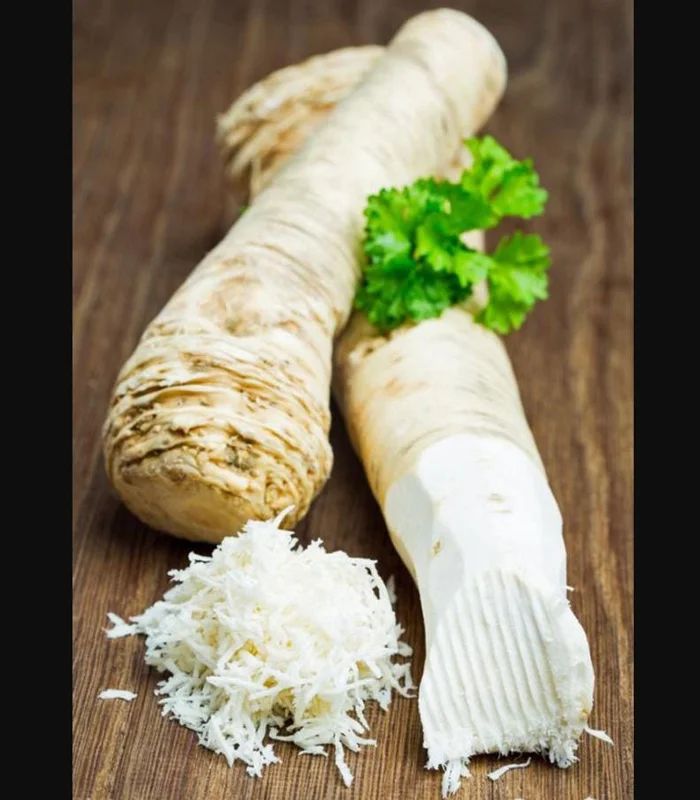
- Culinary Versatility: The primary benefit of growing horseradish is its culinary use. The grated root adds a sharp, spicy flavor to a variety of dishes, including sauces, relishes, and marinades. Fresh horseradish is far more potent and flavorful than store-bought varieties.
- Easy to Grow: Horseradish is remarkably easy to cultivate, making it suitable for gardeners of all skill levels. Once established, it requires minimal care and can thrive in various conditions, providing a consistent yield for many seasons.
- Drought Tolerant: After its initial establishment, horseradish demonstrates excellent drought tolerance, reducing the need for frequent watering. This makes it a sustainable choice for many garden settings and less demanding on your time.
- Perennial Hardiness: As a perennial, horseradish returns year after year without needing to be replanted. It’s incredibly frost-hardy, with cold temperatures even enhancing the flavor intensity of the roots. This ensures a long-term supply from a single planting.
- Medicinal Properties: Beyond its culinary appeal, horseradish has been traditionally used for its perceived medicinal benefits, including aiding digestion and acting as a decongestant. While not a medical claim, this historical use adds to its allure.
- Soil Improvement: The deep root system of horseradish can help break up compacted soil, contributing to better soil structure over time. This natural aeration can benefit other plants in your garden.
- Pest Resistance: Horseradish is generally resistant to many common garden pests, reducing the need for chemical interventions and promoting a healthier garden ecosystem.
Plant Care & Growing Tips
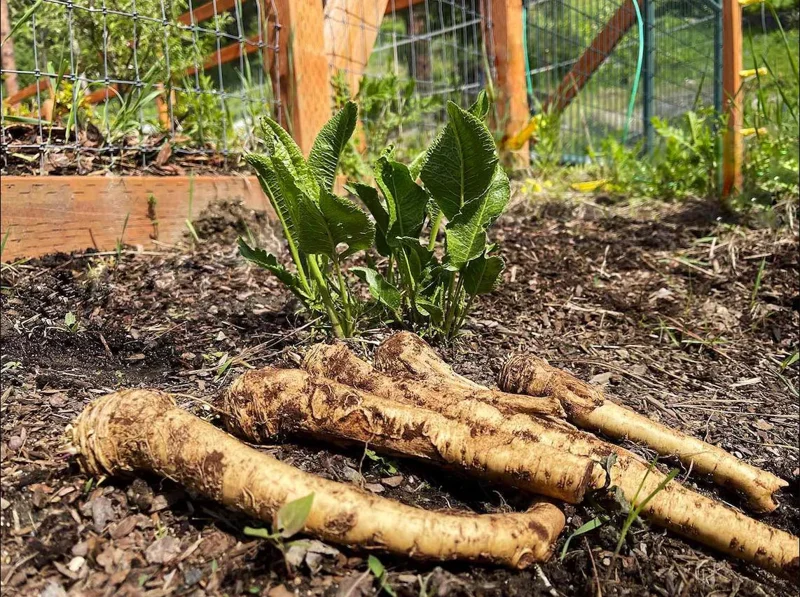
Successful growing horseradish begins with understanding its basic needs. These horseradish bare roots are resilient, but providing optimal conditions will lead to the most vigorous growth and potent flavor. Horseradish prefers a location with full sun to partial shade, with full sun encouraging the best root development. Ensure the planting site receives at least 6 hours of direct sunlight daily for optimal results. While it’s adaptable, consistent light is key for a strong harvest.
The ideal soil for horseradish is loose, deep, and well-draining, rich in organic matter. Avoid compacted or rocky soil, as this can hinder root expansion. A soil pH between 6.0 and 7.5 is preferred. Before planting, amend the soil with compost or well-rotted manure to improve fertility and drainage. Water regularly during the establishment phase, keeping the soil evenly moist but not soggy. Once established, horseradish becomes very drought-tolerant, though consistent moisture will promote larger, more tender roots. For optimal flavor, consider harvesting after the first frost, as cold temperatures are known to improve the intensity of the horseradish’s pungent qualities. This plant is extremely frost-hardy and will typically return each spring.
Fertilization is generally not heavily required if the soil is rich in organic matter. However, a balanced fertilizer applied in early spring can boost growth. Monitor for any signs of pests or diseases, though horseradish is relatively robust. Proper spacing is important as horseradish can spread vigorously; consider planting it in a contained bed or large container if you wish to limit its spread. Proper horseradish plant care ensures a healthy and productive crop for years to come.
Size & Details
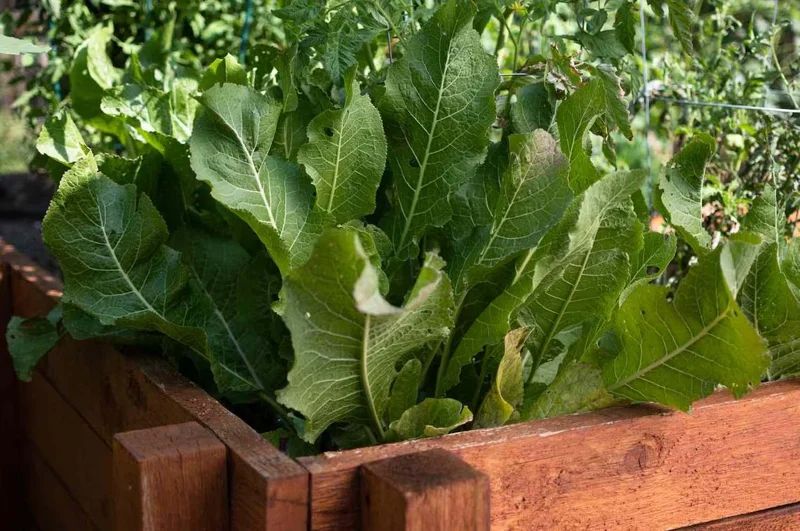
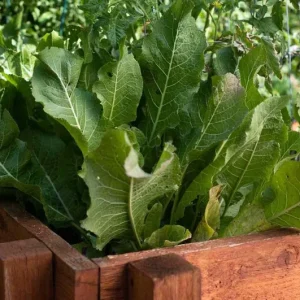
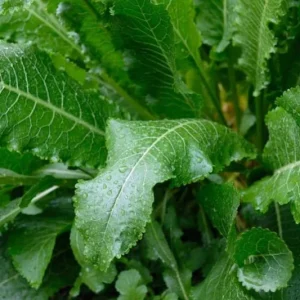
This product includes a pack of 2 high-quality horseradish bare roots, each measuring approximately 4-8 inches in length. These bare roots are dormant and ready for planting, designed to establish quickly in your garden. Horseradish plants typically grow to a height of 2-3 feet with a similar spread once mature, forming a bushy clump of large, green leaves. The roots, which are the harvested part, can grow quite large and deep into the soil. Expect to see initial foliage growth within a few weeks of planting, with the roots developing significantly over the first growing season. For the best flavor and size, roots are usually harvested in late fall or early spring after a full growing season. This ensures the plant has had ample time to store energy and develop its characteristic pungency. Planting these bare roots offers a direct and efficient way to start your own horseradish patch.
Frequently Asked Questions
- Q: How big does this horseradish plant get? A: Once established, a horseradish plant can typically grow to be 2-3 feet tall and wide, forming a substantial bushy plant. The roots themselves can grow quite large and deep into the soil, often reaching lengths of 8-12 inches or more when mature.
- Q: Is this an indoor or outdoor plant? A: Horseradish is primarily an outdoor plant, thriving in garden beds. While it can be grown in very large containers, it’s best suited for outdoor cultivation where its vigorous root system has ample space to develop. These horseradish bare roots are ideal for outdoor planting.
- Q: How much sunlight does it need? A: Horseradish prefers full sun to partial shade. For the best root development and overall plant health, aim for at least 6 hours of direct sunlight per day. It can tolerate some afternoon shade in hotter climates.
- Q: Is this plant easy to care for? A: Yes, horseradish is known for being very easy to care for, making it an excellent choice for beginner gardeners. Once established, it is quite low-maintenance, drought-tolerant, and generally pest-free. Proper horseradish plant care is straightforward.
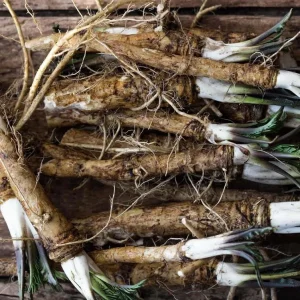
- Q: What condition will it arrive in? A: Your order will arrive as a pack of 2 dormant horseradish bare roots. These roots are carefully packaged to ensure they remain healthy and ready for planting upon arrival. They will not be in soil or a pot.
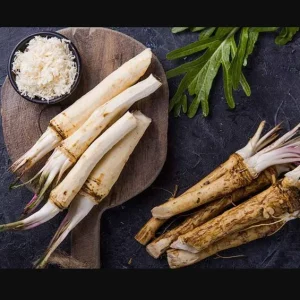
- Q: Can I use horseradish in cooking? A: Absolutely! That’s one of its main purposes. The grated root of Armoracia Rusticana is widely used to make spicy sauces, relishes, and condiments, and it adds a distinct flavor to roasts, sandwiches, and salads.
- Q: When is the best time to plant horseradish bare roots? A: The best time to plant horseradish bare roots is in early spring, as soon as the soil can be worked. This allows the roots ample time to establish themselves and grow throughout the spring and summer for a fall harvest.
- Q: What’s the minimum temperature this plant can withstand? A: Horseradish is extremely frost-hardy and can withstand very cold temperatures, often surviving well below freezing. In fact, cold temperatures are believed to enhance the flavor intensity of the roots, making it suitable for many USDA zones.
- Q: Does horseradish spread aggressively? A: Yes, horseradish can spread quite vigorously through its root system. If you want to contain its growth, consider planting it in a dedicated bed where it has room to expand, or in a large, bottomless container sunk into the ground.
- Q: How long until I can harvest the roots after planting? A: You can typically harvest horseradish roots in late fall or early spring after at least one full growing season. For the most potent flavor and largest roots, it’s often recommended to wait until after the first hard frost.
Be the first to review “Horseradish Plant Bare Roots, Armoracia Rusticana, 2-Pack, 4-8 Inches Tall, Outdoor”
-
USDA Hardiness Zone
USDA zones 3-9 -
Soil Type
Loose, deep, well-draining soil, rich in organic matter -
Sunlight Exposure
Full sun to partial shade -
Expected Planting Period
Early spring
People Also Viewd


Sold 128 products
Original price was: $27.00.$24.00Current price is: $24.00.

Sold 126 products
Original price was: $89.99.$64.99Current price is: $64.99.

Sold 125 products
Original price was: $86.99.$66.99Current price is: $66.99.

Sold 124 products
Original price was: $3,536.00.$23.99Current price is: $23.99.
Sold 116 products
Original price was: $27.99.$16.99Current price is: $16.99.

Flower Bulbs
3 Cranesbill Wild Geranium Organic Maculatums Bare Roots | Wildflower for Outdoor Garden
Sold 114 products
Original price was: $21.99.$6.99Current price is: $6.99.

Sold 114 products
Original price was: $28.99.$17.99Current price is: $17.99.

Sold 109 products
Original price was: $63.99.$28.99Current price is: $28.99.RELATED posts
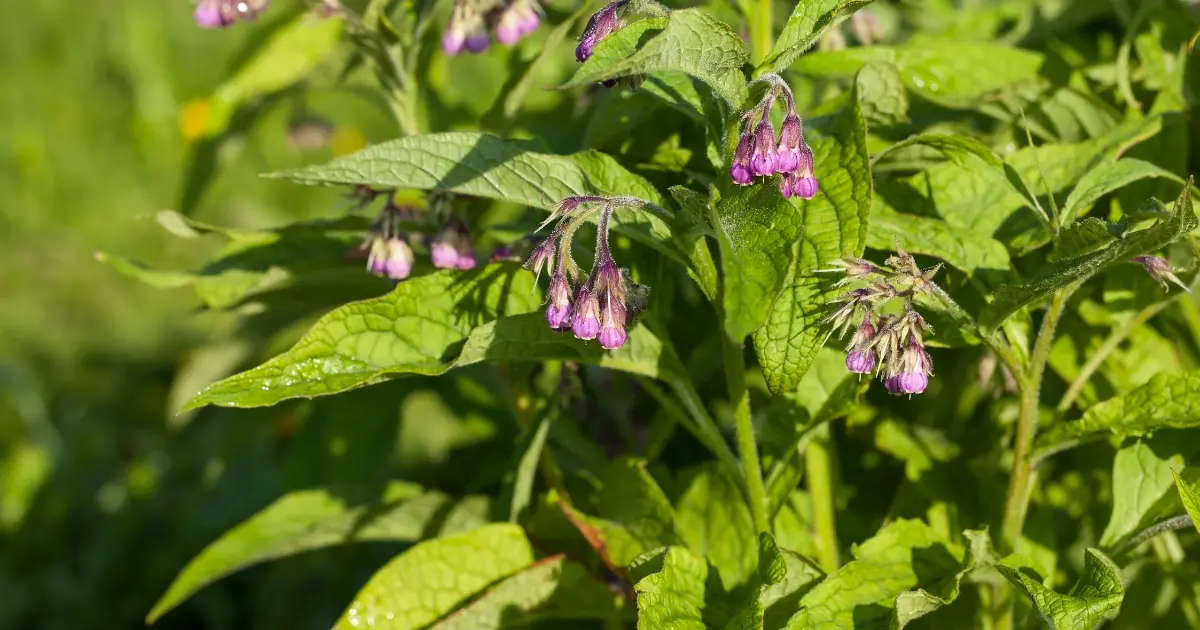
How to Identify Bocking 14 Comfrey: 5 Simple Visual Signs
If you’re growing comfrey for mulch, compost, or animal feed, knowing exactly which variety you [...]
Mar
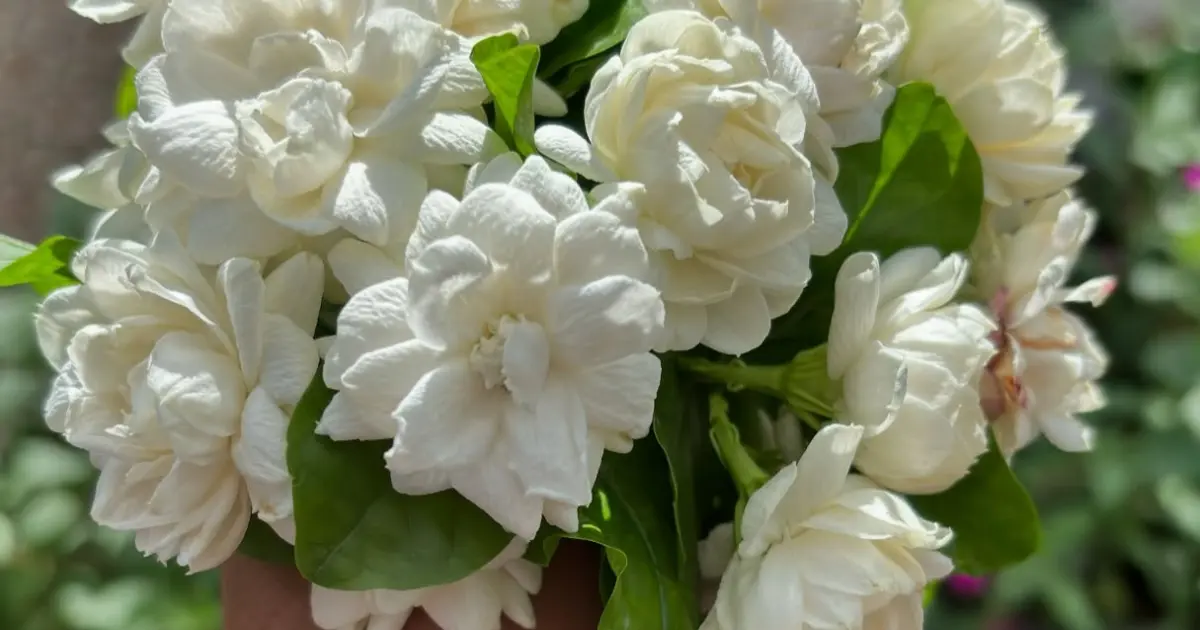
Grand Duke of Tuscany Jasmine: The Ultimate Guide to Growing a Fragrant Masterpiece
Have you ever caught a scent in the air so rich, creamy, and honey-sweet that [...]
Mar
How to Grow Wild Huckleberries: A Guide to “Purple Gold”
Have you ever spent a summer afternoon hiking through the Pacific Northwest or the Rocky [...]
Mar
5 Best Shade-Loving Perennials for a Lush, Vibrant Garden
The world of gardening often shines a spotlight on sun-drenched blossoms, but there is a [...]
Mar
7 Common Curry Leaf Plant Problems: Easy Fixes for a Thriving Plant
Is your curry leaf plant looking a bit sad lately? Maybe you woke up to [...]
Mar
Best Time to Plant Bougainvillea: Timing for Vibrant Blooms
If you’re looking for a hardy tropical vine that delivers a riot of neon color, [...]
Feb
How to Propagate Purple Passion Plants (Gynura aurantiaca)
Have you ever been mesmerized by the neon-purple glow and fuzzy, velvet-like leaves of a [...]
Feb
How to Grow Beauregard Sweet Potatoes: From Slips to a Bountiful Harvest
Are you ready to add a classic, heavy-hitting favorite to your vegetable patch? If you’ve [...]
Feb
Reviews
There are no reviews yet.