
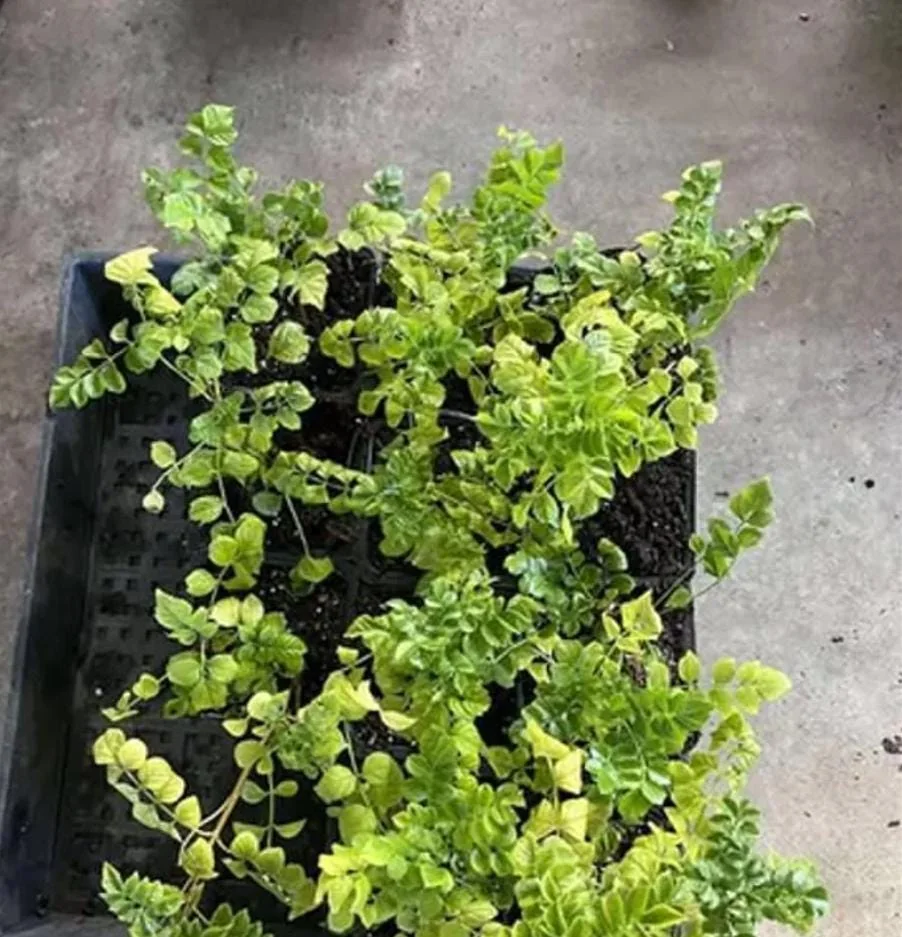
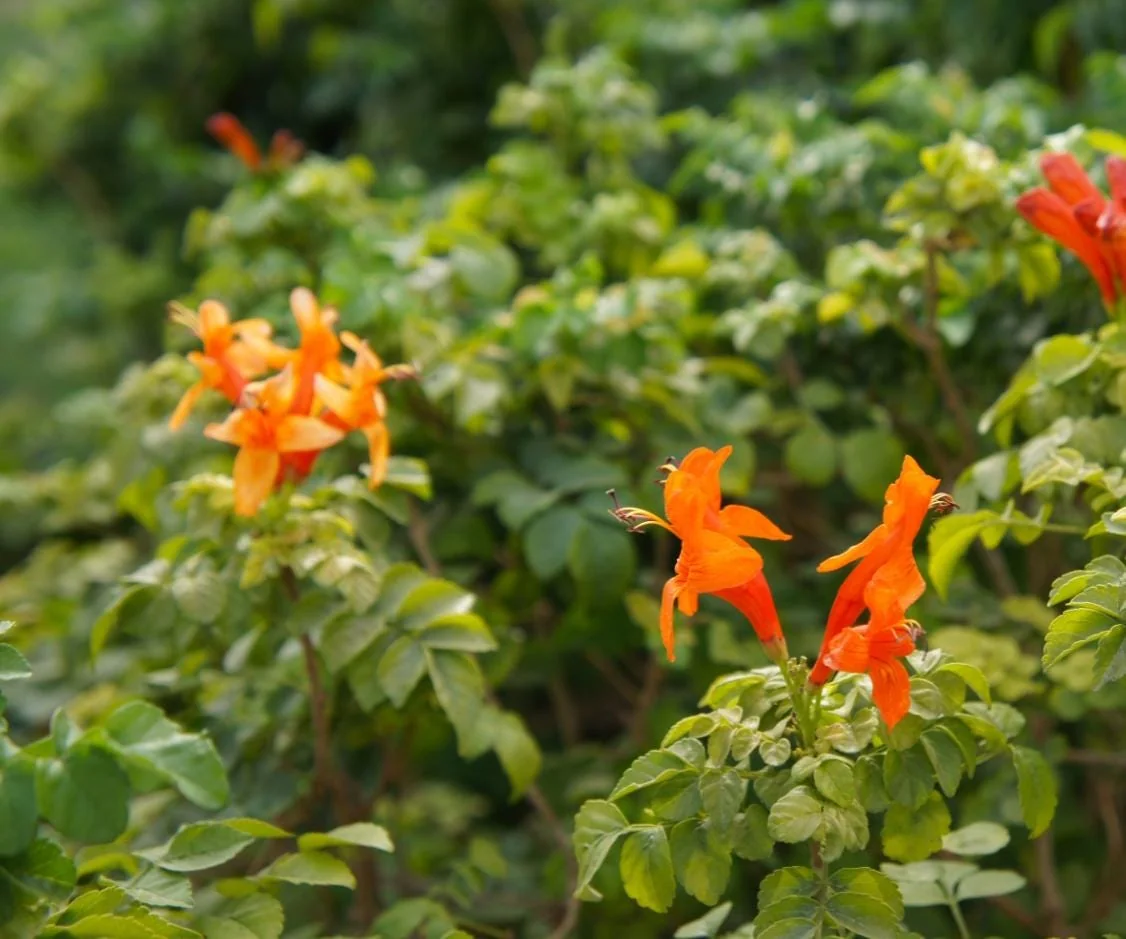
Orange Cape Honeysuckle – Climbing Live Plant – 6-8 inches Tall – Outdoor
Original price was: $35.98.$17.99Current price is: $17.99.
Orange Cape Honeysuckle live plant adds vibrant color and attracts pollinators to your garden. Perfect for trellises and hedges.
Estimated arrival
Feb 25
Mar 02 - Mar 04
Mar 07 - Mar 11

Reasonable Price
We offer reasonable price

Support 24/7
Contact us 24 hrs a day

100% Money Back
You've 30 days to Return

Payment Secure
100% secure payment
Overview
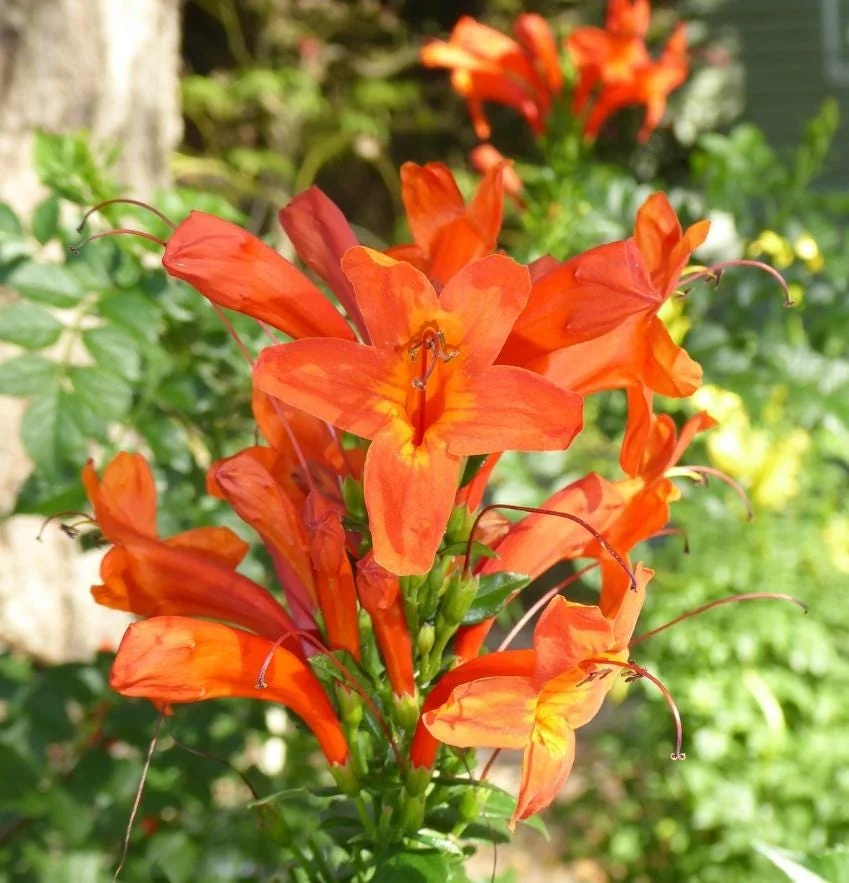
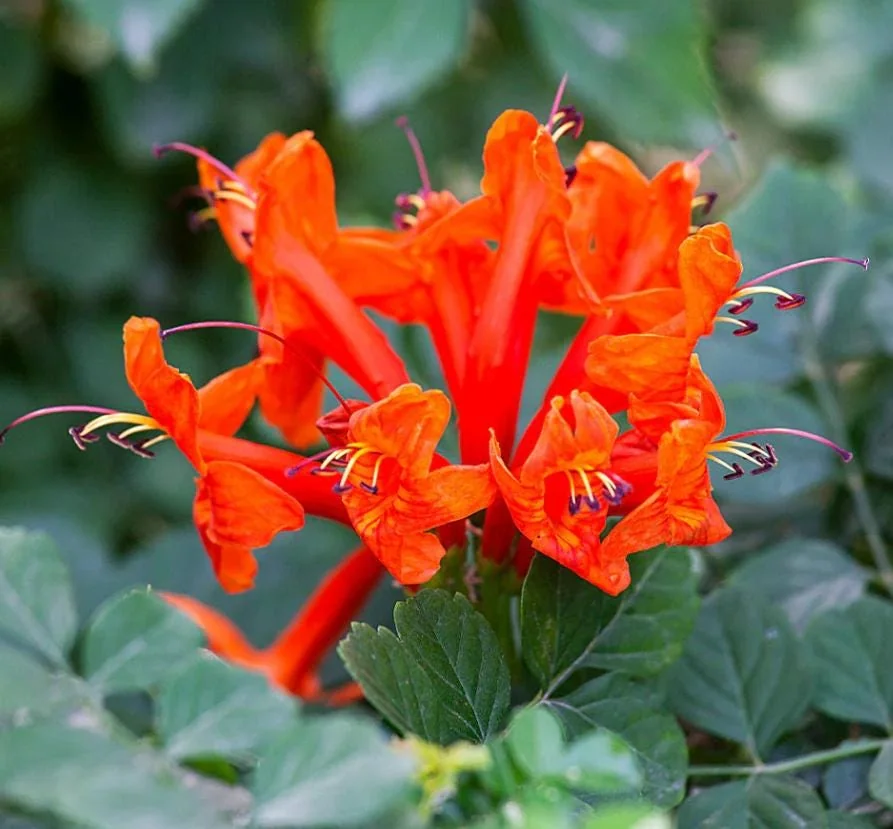
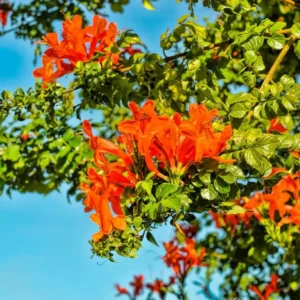
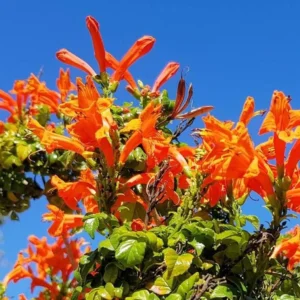
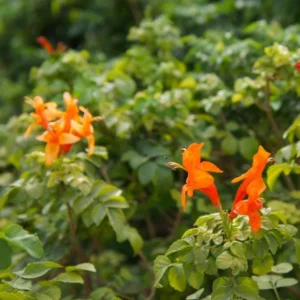
The orange cape honeysuckle live plant is a stunning and fast-growing climbing shrub native to South Africa. This evergreen beauty boasts clusters of bright orange, trumpet-shaped flowers that are not only visually appealing but also attract hummingbirds and butterflies, making it an excellent choice for enhancing your garden’s biodiversity. Known scientifically as Tecoma capensis, this plant is ideal for gardeners looking to add a pop of color and attract pollinators to their outdoor spaces.
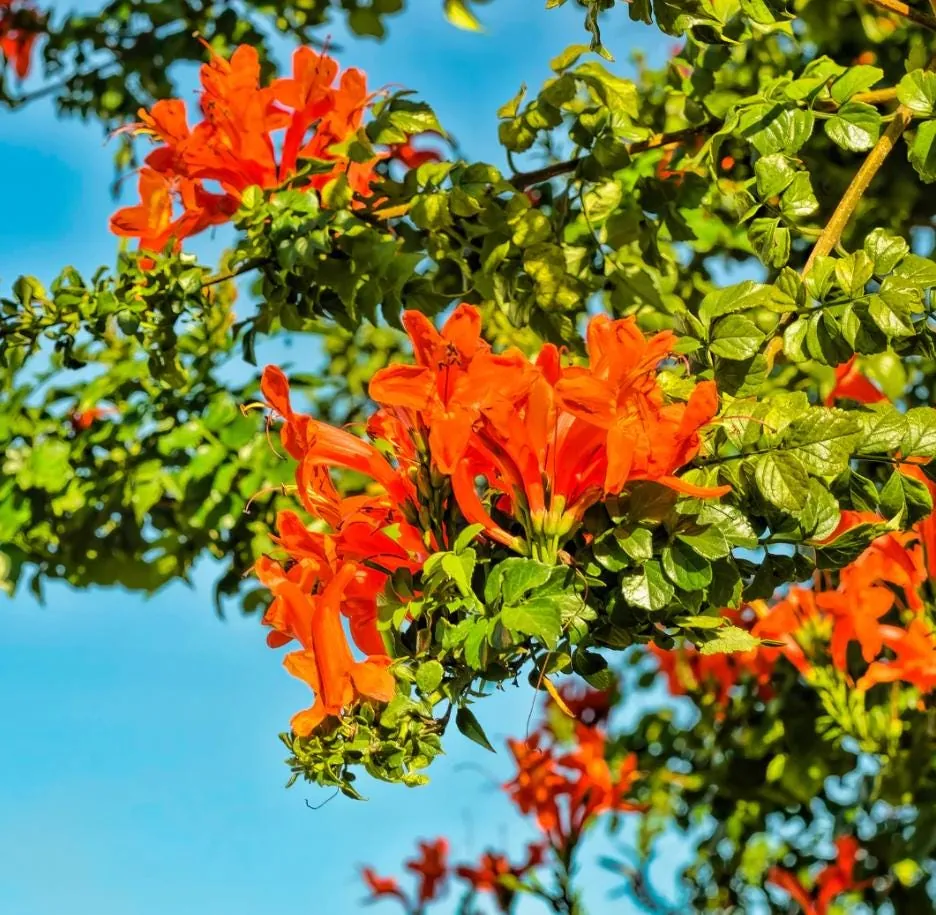
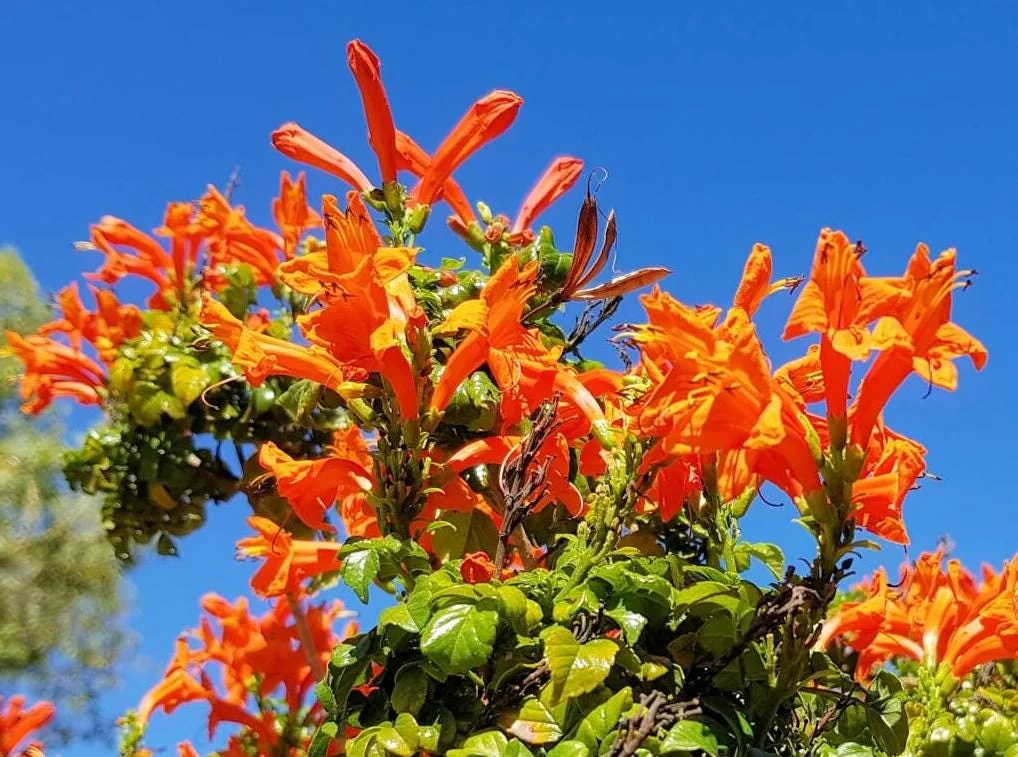
As a climbing plant, it can be trained to grow on trellises, fences, or walls, offering both vertical interest and privacy. With its lush foliage and vibrant blooms, the orange cape honeysuckle is perfect for creating stunning hedges or privacy screens. Its adaptability to various garden settings makes it a favorite among gardening enthusiasts.
Key Benefits
This plant offers numerous benefits for your garden:
- Attracts Pollinators: The bright flowers draw in bees, butterflies, and hummingbirds, promoting a healthy garden ecosystem.
- Fast-Growing: Ideal for quick coverage, it establishes rapidly in suitable conditions, making it perfect for new gardens.
- Evergreen Foliage: The plant maintains its lush green leaves throughout the year, providing visual interest even in winter.
- Low Maintenance: Once established, it requires minimal care, making it an excellent choice for busy gardeners.
- Versatile Uses: Great for trellises, fences, or as a vibrant hedge, it adapts to various garden styles.
- Fragrant Blooms: The flowers emit a sweet fragrance, enhancing the sensory experience of your outdoor space.
- Resilient Plant: It withstands various weather conditions, including drought once established.
Plant Care & Growing Tips
Caring for your orange cape honeysuckle live plant is straightforward. It thrives in full sun to partial shade, requiring at least 6 hours of sunlight daily for optimal blooming. Ideally, plant it in well-drained, moderately fertile soil to support healthy growth. Regular watering is essential, especially during dry spells, but be cautious not to overwater; allowing the soil to dry slightly between watering helps prevent root rot.
During the growing season, fertilize with a balanced, slow-release fertilizer to promote lush growth and vibrant blooms. The orange cape honeysuckle is generally resistant to pests and diseases, but keep an eye out for common garden pests like aphids. If necessary, treat infestations promptly with insecticidal soap.
Size & Details
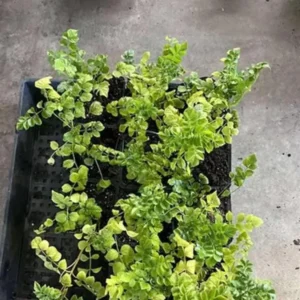
This orange cape honeysuckle live plant typically grows to heights of 6-8 inches in a 4-inch pot, although it can reach greater heights when planted in the garden. Its growth rate is fast, making it a wonderful choice for gardeners looking to establish a vibrant landscape quickly. Expect blooms to appear in the warmer months, adding a splash of color to your space.
Frequently Asked Questions
- Q: How big does this plant get? A: The orange cape honeysuckle live plant can grow significantly larger in ideal conditions, reaching several feet in height.
- Q: Is this an indoor or outdoor plant? A: This plant is best suited for outdoor gardens, although it can be grown indoors if provided with adequate light.
- Q: How much sunlight does it need? A: The plant thrives in full sun to partial shade, needing about 6 hours of sunlight daily.
- Q: Is this plant easy to care for? A: Yes, it is low maintenance and suitable for both beginners and experienced gardeners alike.
- Q: What condition will it arrive in? A: The plant will arrive healthy and ready for transplanting, but some stress during shipping is normal.
- Q: How long until it blooms? A: You can expect blooms to appear within weeks of planting during the growing season.
- Q: Will it survive winter in my zone? A: The orange cape honeysuckle is typically hardy in USDA zones 9-11, thriving in warmer climates.
- Q: Can I use this plant in cooking? A: While the flowers are edible, they are primarily valued for their ornamental appeal rather than culinary uses.
- Q: Is it shipped in soil? A: Yes, the plant is shipped in a pot with soil to ensure its roots remain healthy during transit.
- Q: How often should I water it? A: Water regularly, allowing the soil to dry slightly between waterings, especially during dry spells.
Be the first to review “Orange Cape Honeysuckle – Climbing Live Plant – 6-8 inches Tall – Outdoor”
-
USDA Hardiness Zone
USDA zones 9-11 -
Soil Type
well-draining soil -
Sunlight Exposure
full sun to partial shade -
Expected Planting Period
spring to early summer
People Also Viewd


Sold 128 products
Original price was: $27.00.$24.00Current price is: $24.00.

Sold 125 products
Original price was: $86.99.$66.99Current price is: $66.99.
Sold 125 products
Original price was: $26.99.$16.99Current price is: $16.99.

Sold 123 products
Original price was: $89.99.$64.99Current price is: $64.99.

Sold 122 products
Original price was: $3,536.00.$23.99Current price is: $23.99.
Sold 116 products
Original price was: $27.99.$16.99Current price is: $16.99.

Sold 114 products
Original price was: $28.99.$17.99Current price is: $17.99.

Flower Bulbs
3 Cranesbill Wild Geranium Organic Maculatums Bare Roots | Wildflower for Outdoor Garden
Sold 113 products
Original price was: $21.99.$6.99Current price is: $6.99.RELATED posts
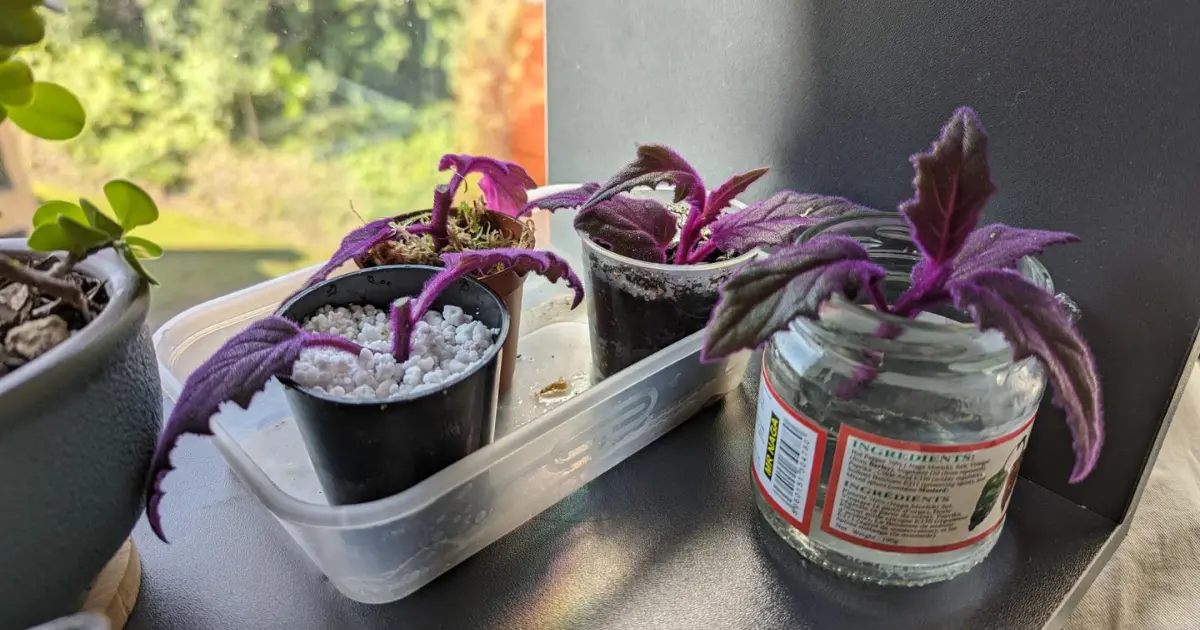
How to Propagate Purple Passion Plants (Gynura aurantiaca)
Have you ever been mesmerized by the neon-purple glow and fuzzy, velvet-like leaves of a [...]
Feb

How to Grow Beauregard Sweet Potatoes: From Slips to a Bountiful Harvest
Are you ready to add a classic, heavy-hitting favorite to your vegetable patch? If you’ve [...]
Feb
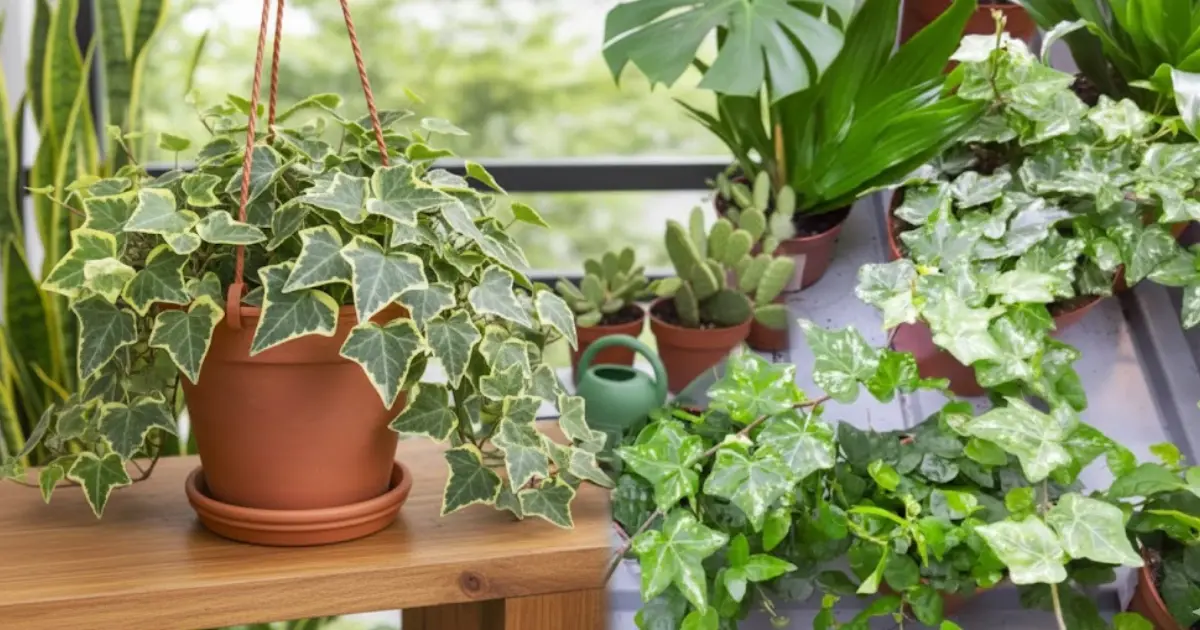
7 Expert Tips to Grow Lush Ivy Indoors: A Beginner’s Guide
Are you tired of seeing the same old Pothos vines in every corner of your [...]
Feb
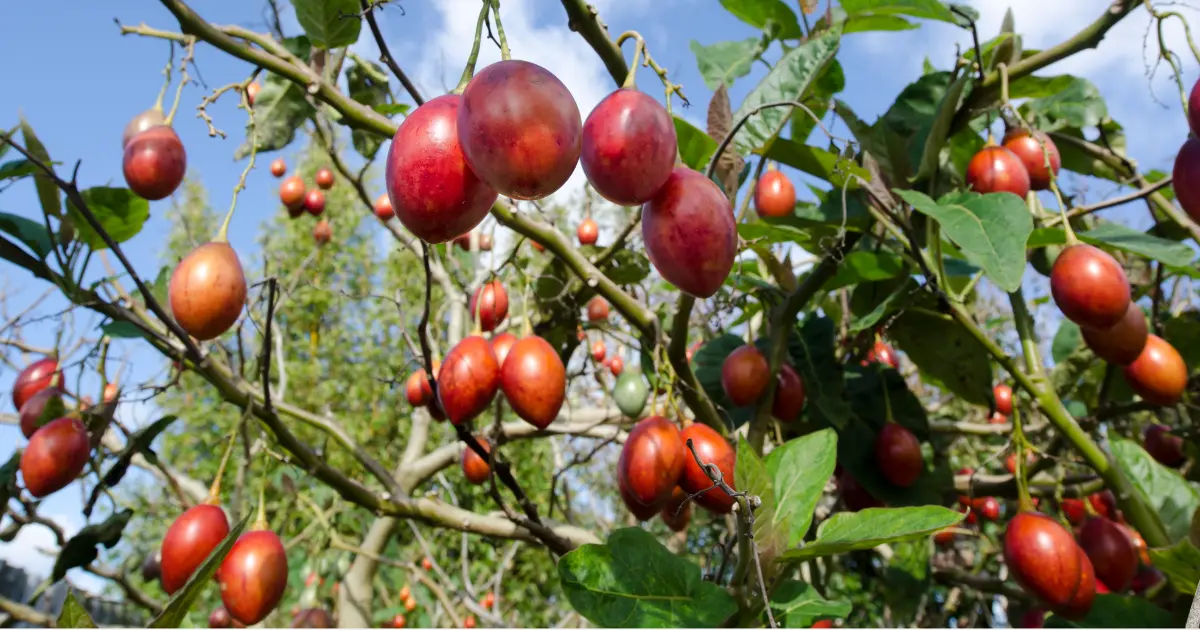
7 Reasons Why Tamarillo Trees Are a Garden Must-Have
Once you start growing a garden, you will keep finding more reasons to add more [...]
Jan
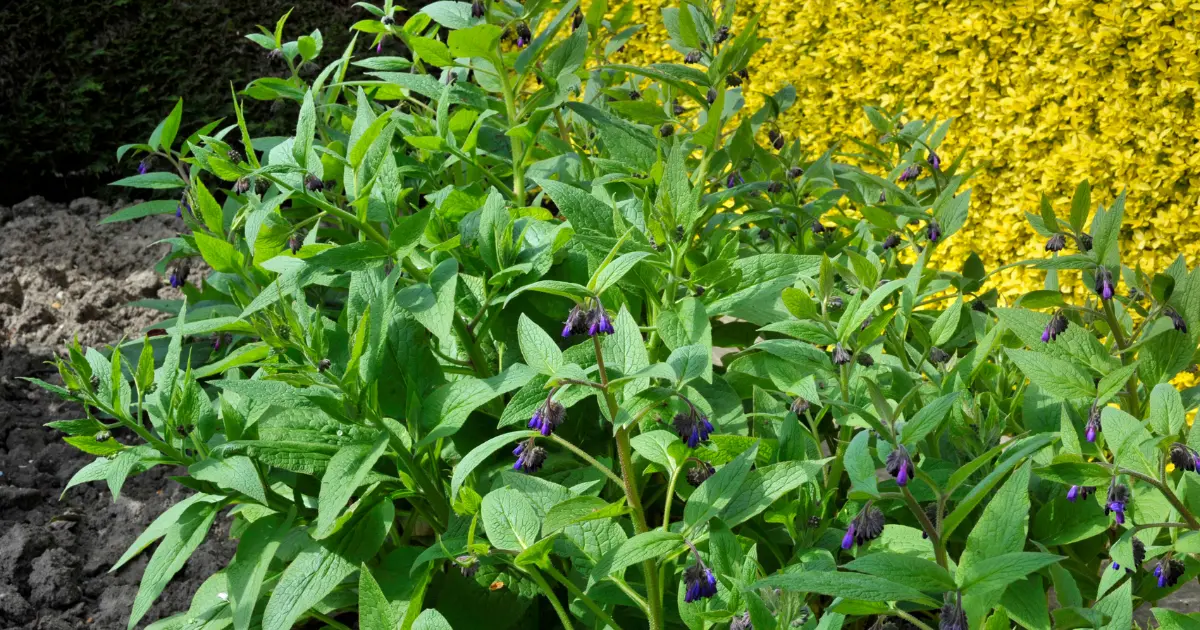
Comfrey Companion Planting: What to Grow Next to Your Comfrey Patch?
Have you ever looked at that lush, fast-growing patch of comfrey in the corner of [...]
Jan
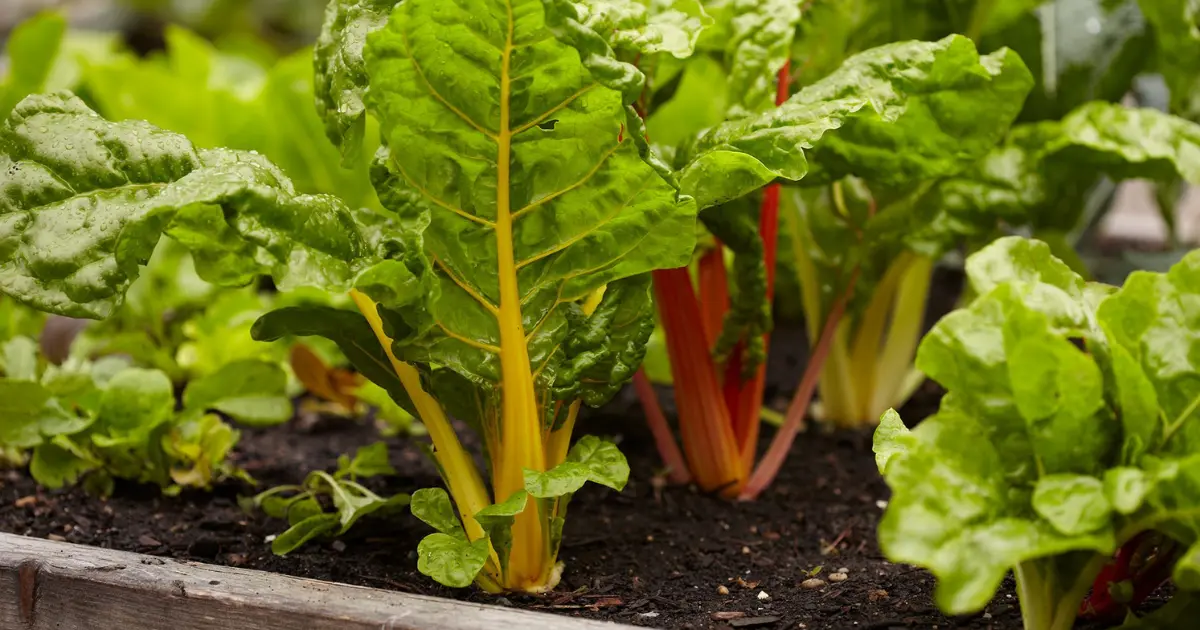
7 Vegetables to Plant in December for a Bountiful Winter Harvest
Winter gardening is a challenge many new gardeners shy away from. But if you’re among [...]
Dec
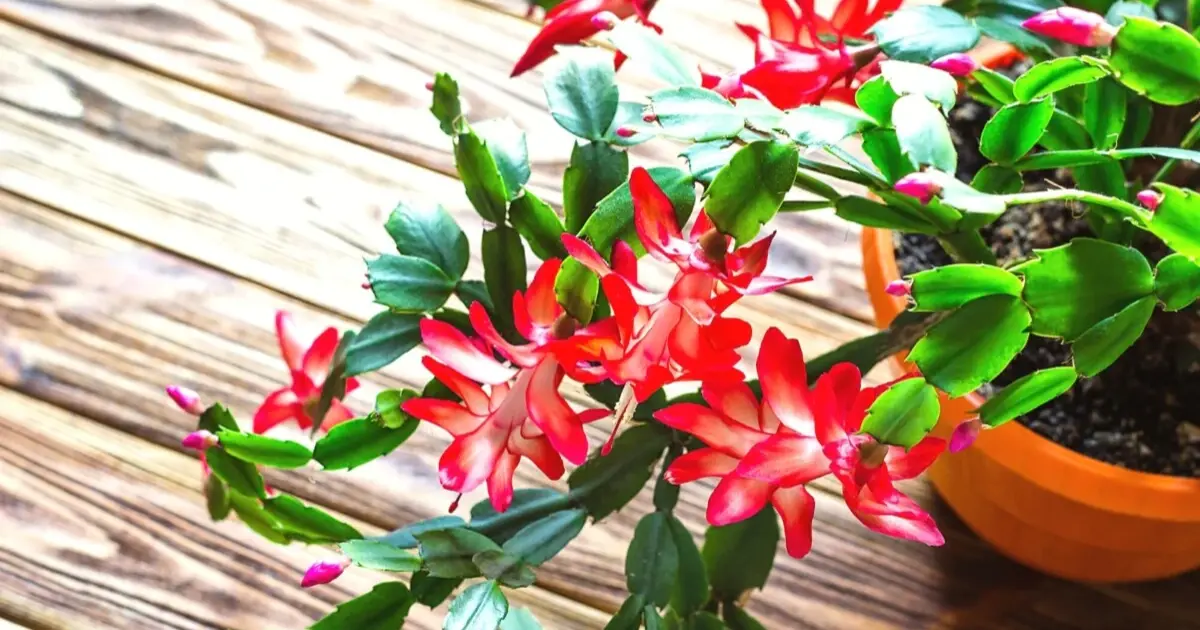
9 Common Christmas Cactus Problems and How to Fix Them
Have you ever walked past your Christmas cactus and wondered why it suddenly looks sad? [...]
Nov
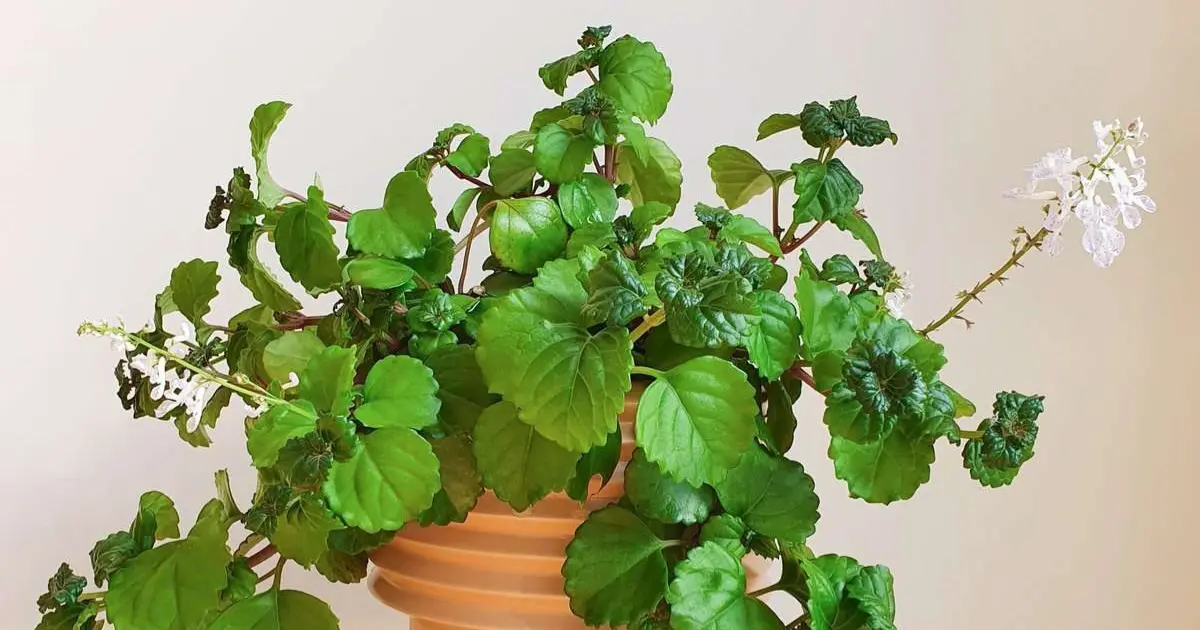
Swedish Ivy Care: How to Grow a Healthy, Thriving Plant
Have you ever looked at your Swedish Ivy and wondered why the leaves are turning [...]
Nov


Reviews
There are no reviews yet.