
Osage Orange Tree (Maclura pomifera) Hedge Live Plant 16-24 Inches Outdoor
Original price was: $62.79.$42.79Current price is: $42.79.
Cultivate a resilient Osage Orange Tree (Maclura pomifera) for a natural hedge or distinctive landscape feature. This 16-24 inch Maclura pomifera live plant is known for its hardiness, adaptability, and unique fruit. Ideal for outdoor planting, offering year-round interest and robust growth.
Estimated arrival
Apr 06
Apr 11 - Apr 13
Apr 16 - Apr 20

Reasonable Price
We offer reasonable price

Support 24/7
Contact us 24 hrs a day

100% Money Back
You've 30 days to Return

Payment Secure
100% secure payment
Overview
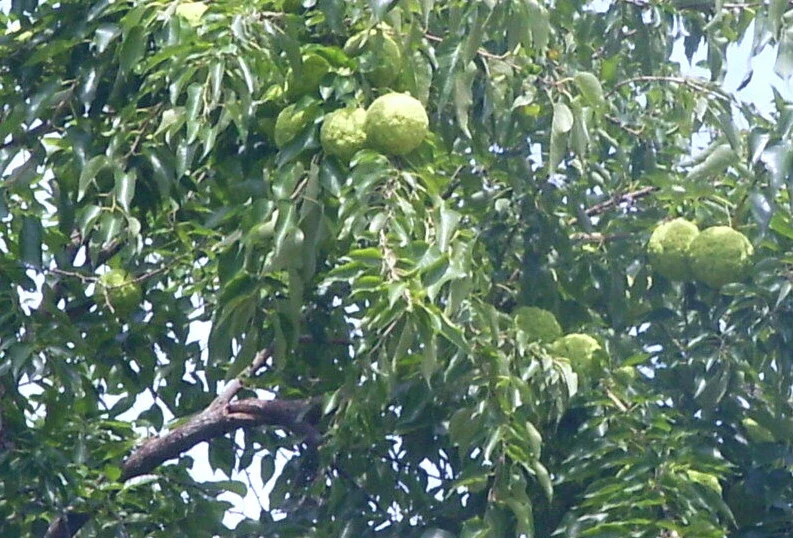
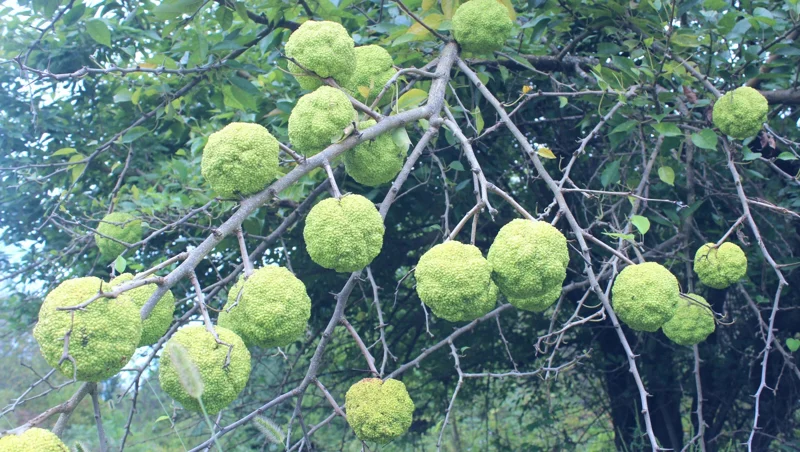
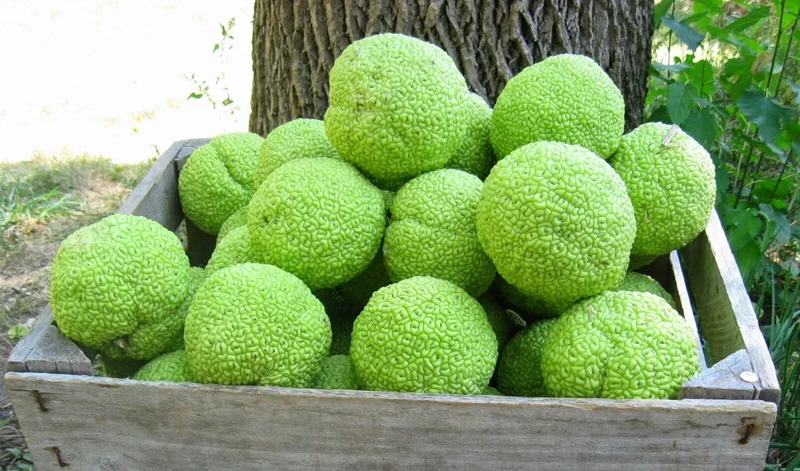
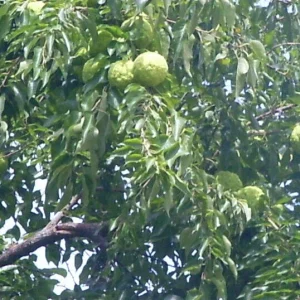
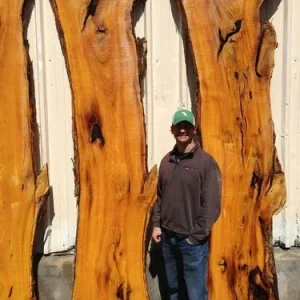
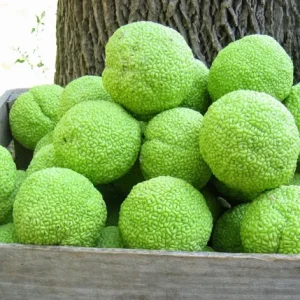
Introduce a piece of American botanical history into your landscape with this robust Osage Orange Tree (Maclura pomifera). Standing at a healthy 16-24 inches, this Maclura pomifera live plant is ready to establish itself in your garden. Also commonly known as Hedge Apple, Horse Apple, or Bois d’Arc, the Osage Orange is celebrated for its incredible durability, dense growth habit, and distinctive, grapefruit-sized green fruit. Historically used for natural fencing before barbed wire, this tree excels as a formidable hedge tree, windbreak, or a unique specimen in a large garden. Its strong, flexible wood was also highly prized by Native Americans for making bows, giving it the name “Bois d’Arc” (bow-wood).
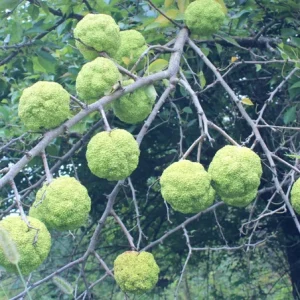
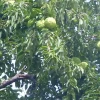
The Osage Orange Tree is a deciduous plant that offers year-round interest. In spring, it produces inconspicuous green flowers, followed by its iconic bumpy, yellow-green fruit in fall. While not typically eaten by humans, these “hedge apples” are a curious sight and can attract wildlife. This tree is an excellent choice for those seeking a low-maintenance, drought-tolerant, and adaptable plant that can thrive in a variety of conditions, making it a sustainable and attractive addition to any outdoor space.
Key Benefits
The Osage Orange Tree offers numerous advantages for both functional and aesthetic landscaping:
- Exceptional Hardiness: Known for its incredible resilience, the Osage Orange Tree tolerates a wide range of soil conditions, from poor to rich, and is highly resistant to drought, pests, and diseases. This makes it an ideal choice for challenging environments.
- Effective Hedging and Windbreak: Its dense, thorny branches create an almost impenetrable barrier, making it perfect for creating natural property lines, privacy screens, or effective windbreaks. This natural barrier can deter unwanted visitors and protect other plants from harsh winds.
- Unique Ornamental Appeal: The distinctive, large, textured green fruits, often called “hedge apples,” provide a unique visual interest in the fall and winter, adding a conversation piece to your garden.
- Wildlife Habitat: While the fruit is not widely consumed by humans, it can attract certain wildlife, and the dense foliage provides excellent shelter and nesting sites for birds and small animals.
- Erosion Control: The extensive root system of the Maclura pomifera live plant helps stabilize soil, making it valuable for erosion control on slopes or disturbed areas.
- Low Maintenance: Once established, the Osage Orange Tree requires minimal care, making it an excellent choice for gardeners looking for a tough, self-sufficient plant.
- Adaptable to Various Climates: Thrives across a broad spectrum of climates, proving its versatility and robustness in diverse geographical locations.
Plant Care & Growing Tips
Caring for your Osage Orange Tree is relatively straightforward due to its inherent toughness. This tree is remarkably adaptable, making it suitable for a wide range of growing conditions. For optimal growth, provide a location with full sun, meaning at least 6-8 hours of direct sunlight per day. While it can tolerate partial shade, full sun promotes denser growth and more abundant fruit production. The Osage orange plant care routine is minimal once established.
Regarding soil, the Osage Orange Tree is not particular. It thrives in various soil types, including clay, sand, and loam, and can tolerate both alkaline and acidic conditions, though it prefers well-drained soil. Good drainage is crucial to prevent root rot. Watering should be regular during the first year after planting to help establish the root system. Once established, it is highly drought-tolerant and will only require supplemental watering during prolonged dry spells. Fertilization is generally not necessary in average garden soils, but if your soil is particularly poor, a balanced, slow-release fertilizer can be applied in early spring. Pruning can be done in late winter or early spring to shape the plant, remove dead or damaged branches, or to encourage a denser hedge. Be mindful of the thorns when handling the plant.
This hedge tree is quite resistant to most pests and diseases, which is another reason for its popularity in low-maintenance landscapes. It can be grown in a wide range of USDA hardiness zones, typically performing well in zones 4-9. Ensure adequate spacing if planting multiple trees for a hedge, allowing enough room for lateral growth. With proper initial care, your horse apple tree will quickly become a resilient and attractive part of your outdoor environment for many years.
Size & Details
This offering is for one Osage Orange Tree (Maclura pomifera) live plant, measuring approximately 16-24 inches in height. This size represents a young, actively growing specimen that is ideal for transplanting and establishing in your garden. The tree is shipped as a live plant, ready for immediate planting upon arrival. Osage Orange trees have a moderate to fast growth rate, typically adding 1-2 feet per year once established. They can reach a mature height of 20-40 feet and a spread of 20-40 feet, making them substantial trees. When planting as a hedge, consider spacing them 3-5 feet apart for a dense barrier.
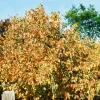
The plant will develop a sturdy trunk and a broad, rounded canopy at maturity, featuring glossy green leaves that turn yellow in the fall. The thorny branches contribute to its effectiveness as a barrier plant. The unique, large, bumpy green fruits (hedge apples) will appear on mature female trees, typically ripening in the fall. These trees are long-lived, providing decades of beauty and utility to your landscape. The Maclura pomifera live plant is a durable choice for a variety of outdoor applications.
Frequently Asked Questions
- Q: How big will this Osage Orange Tree get? A: This Osage Orange Tree is currently 16-24 inches tall. At maturity, it can reach heights of 20-40 feet with a similar spread, depending on growing conditions and pruning.
- Q: Is this an indoor or outdoor plant? A: The Osage Orange Tree is an outdoor plant, best suited for landscaping, hedges, or as a specimen tree in your garden. It is not recommended for indoor cultivation.
- Q: How much sunlight does the horse apple tree need? A: This tree thrives in full sun, requiring at least 6-8 hours of direct sunlight per day for optimal growth and fruit production. It can tolerate partial shade but will grow less vigorously.
- Q: Is this plant easy to care for? A: Yes, the Osage Orange Tree is known for its exceptional hardiness and low maintenance. Once established, it is very drought-tolerant and resistant to most pests and diseases, making Osage orange plant care minimal.
- Q: What condition will the Maclura pomifera live plant arrive in? A: Your plant will arrive as a live, healthy specimen, carefully packaged to ensure its safe journey and readiness for planting. It will be dug up as ordered, ensuring freshness.
- Q: When is the best time to plant an Osage Orange Tree? A: The best time to plant is in early spring or fall, allowing the plant to establish its root system before extreme summer heat or winter cold.
- Q: Will this tree produce fruit? A: Osage Orange trees are dioecious, meaning male and female flowers are on separate plants. Only female trees produce the characteristic “hedge apples.” We cannot guarantee the sex of this young plant.
- Q: What USDA hardiness zones is this tree suitable for? A: The Osage Orange Tree is very cold-hardy and typically thrives in USDA zones 4-9, tolerating a wide range of temperatures.
- Q: Can I use the fruit of the Osage Orange Tree? A: The large, green fruits, often called “hedge apples,” are generally not consumed by humans due to their texture and taste. They are primarily ornamental and can be used in decorations or to deter insects.
- Q: Are there any safety concerns with this plant? A: Yes, the branches of the Osage Orange Tree are typically thorny, which makes it an excellent deterrent for hedges but requires caution during handling and pruning.
Be the first to review “Osage Orange Tree (Maclura pomifera) Hedge Live Plant 16-24 Inches Outdoor”
-
USDA Hardiness Zone
USDA zones 4-9 -
Soil Type
Adaptable to various soil types, prefers well-draining soil -
Sunlight Exposure
Full sun -
Expected Planting Period
Spring to Fall
People Also Viewd


Sold 128 products
Original price was: $27.00.$24.00Current price is: $24.00.

Sold 128 products
Original price was: $89.99.$64.99Current price is: $64.99.
Sold 127 products
Original price was: $159.99.$139.99Current price is: $139.99.

Sold 126 products
Original price was: $3,536.00.$23.99Current price is: $23.99.

Sold 125 products
Original price was: $86.99.$66.99Current price is: $66.99.
Sold 116 products
Original price was: $27.99.$16.99Current price is: $16.99.

Sold 114 products
Original price was: $28.99.$17.99Current price is: $17.99.

Flower Bulbs
3 Cranesbill Wild Geranium Organic Maculatums Bare Roots | Wildflower for Outdoor Garden
Sold 114 products
Original price was: $21.99.$6.99Current price is: $6.99.RELATED posts
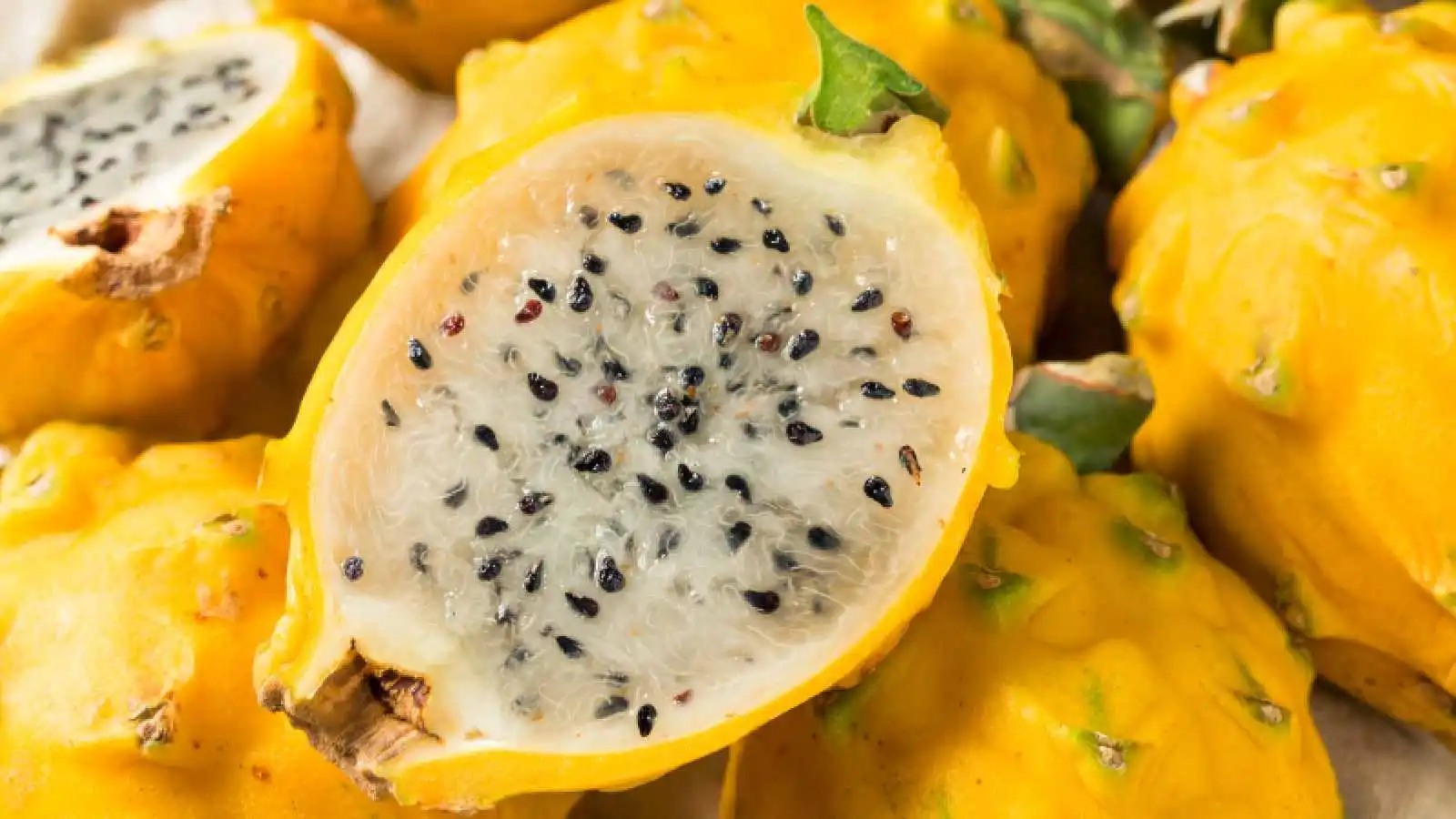
Yellow Dragon Fruit Plant Care: The Ultimate Guide for Healthy Growth
The yellow dragon fruit plant is a unique and rewarding addition to any home garden, [...]
Apr
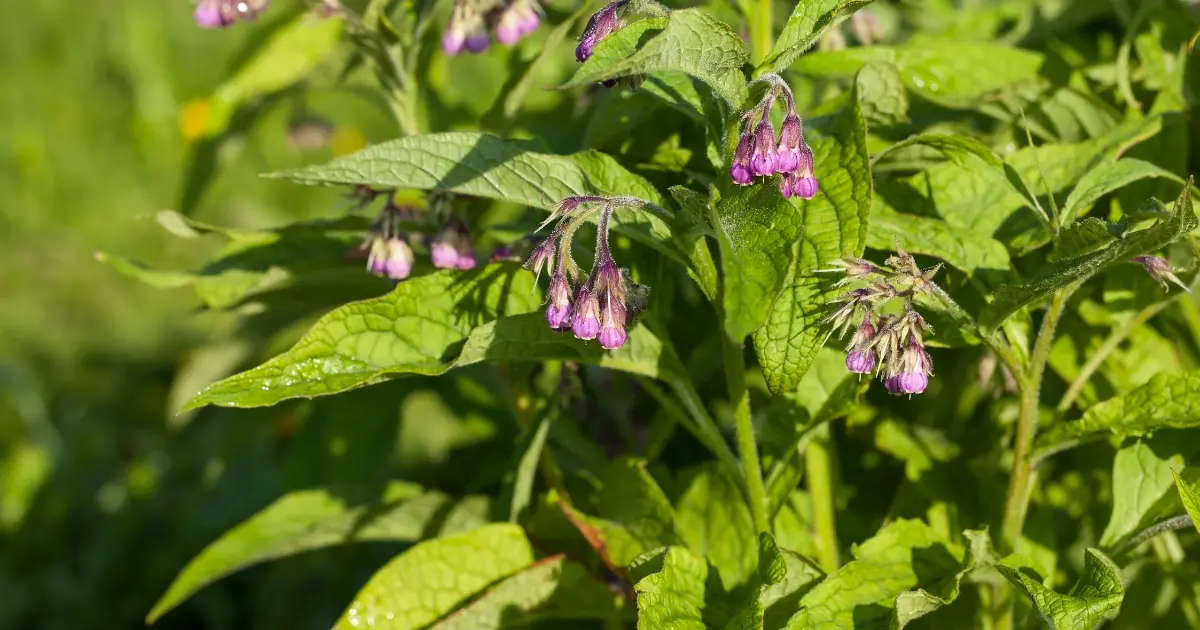
How to Identify Bocking 14 Comfrey: 5 Simple Visual Signs
If you’re growing comfrey for mulch, compost, or animal feed, knowing exactly which variety you [...]
Mar
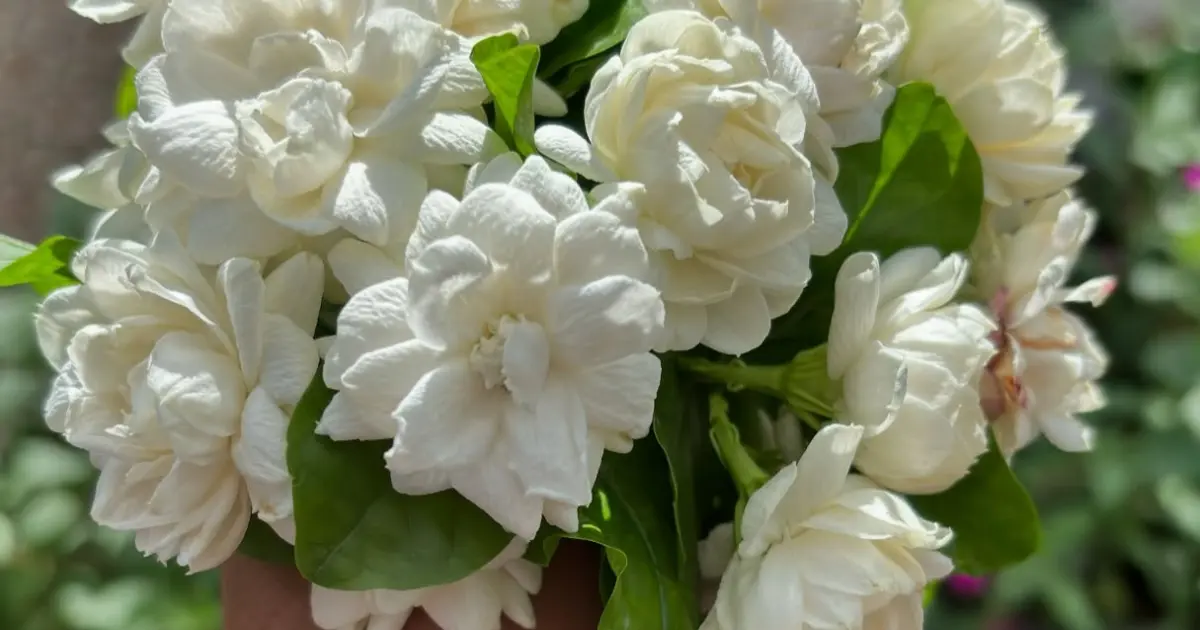
Grand Duke of Tuscany Jasmine: The Ultimate Guide to Growing a Fragrant Masterpiece
Have you ever caught a scent in the air so rich, creamy, and honey-sweet that [...]
Mar
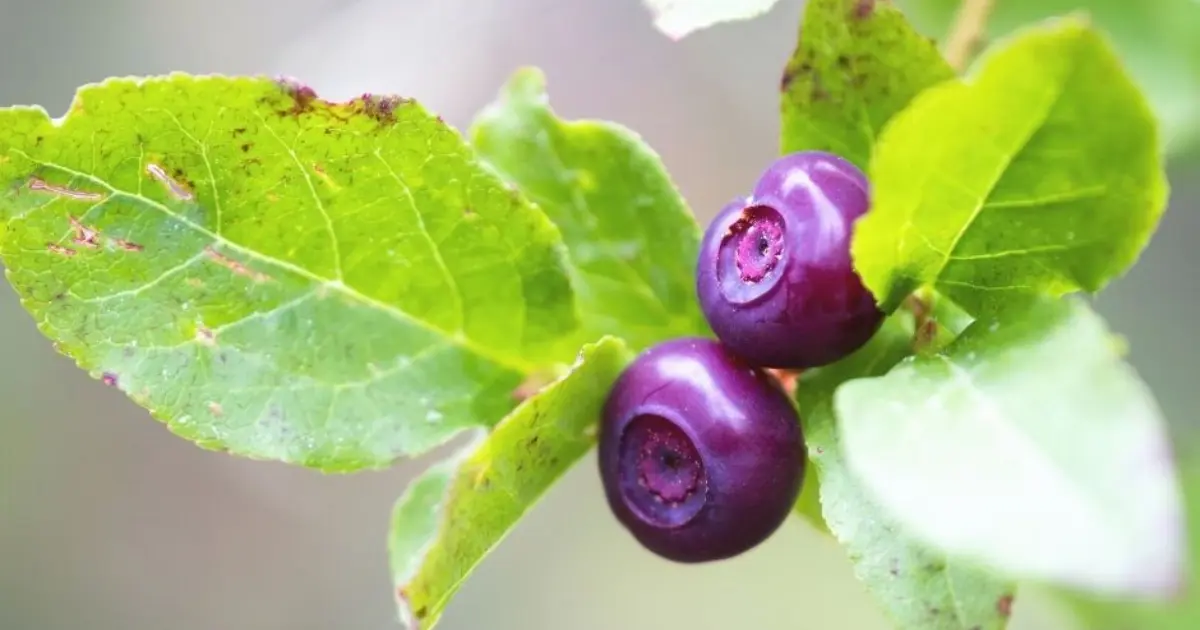
How to Grow Wild Huckleberries: A Guide to “Purple Gold”
Have you ever spent a summer afternoon hiking through the Pacific Northwest or the Rocky [...]
Mar
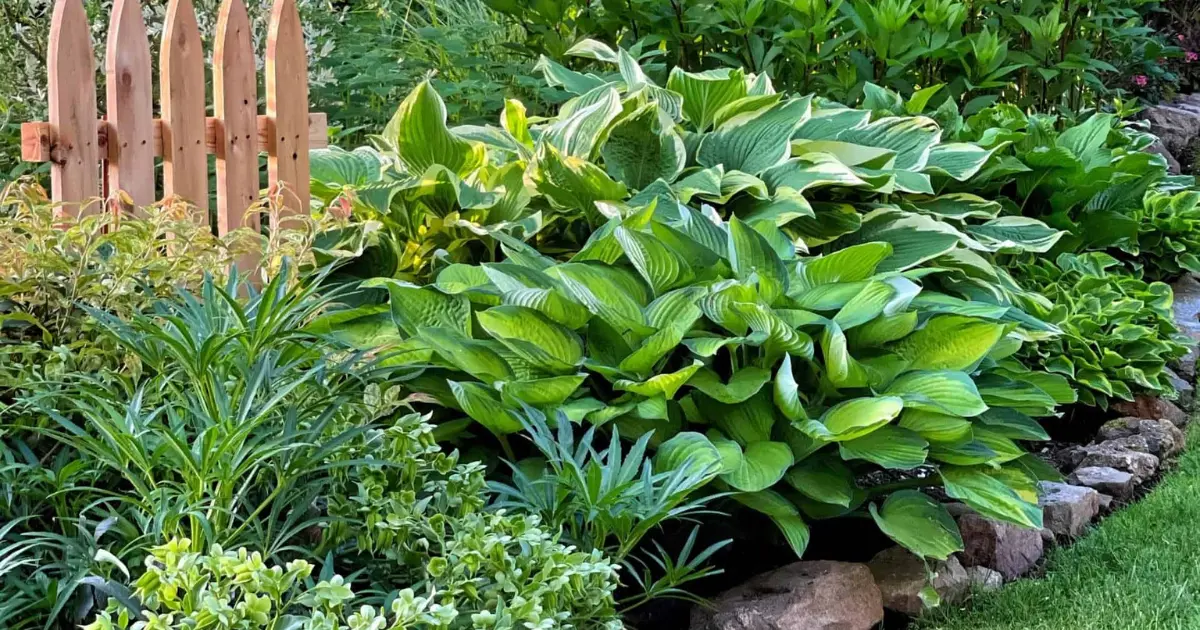
5 Best Shade-Loving Perennials for a Lush, Vibrant Garden
The world of gardening often shines a spotlight on sun-drenched blossoms, but there is a [...]
Mar
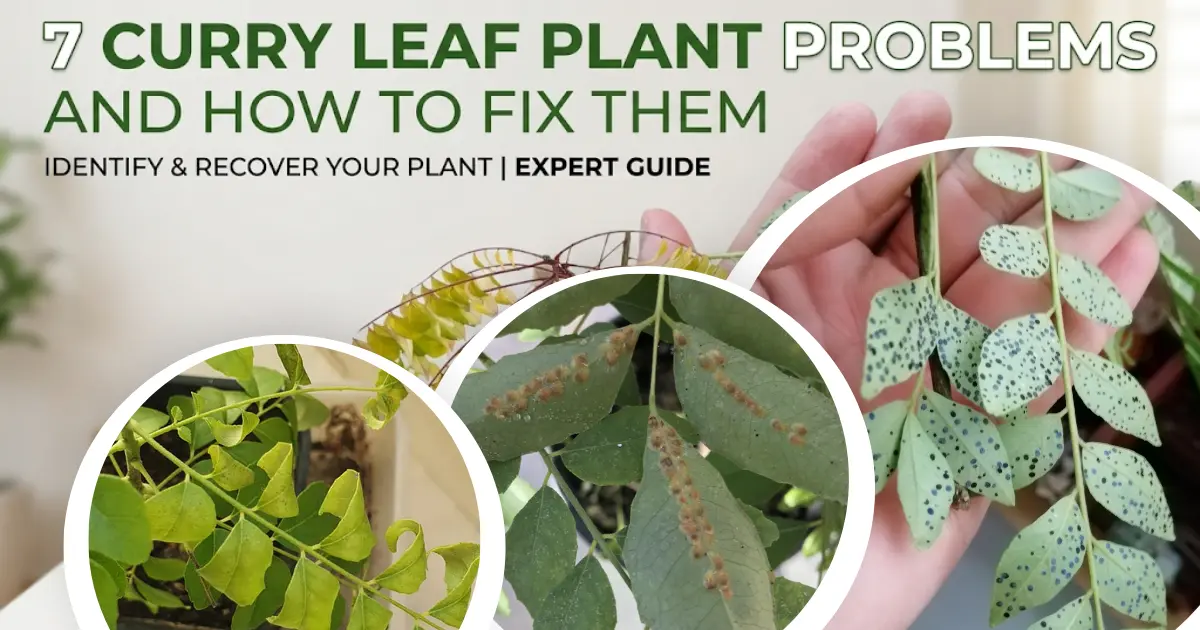
7 Common Curry Leaf Plant Problems: Easy Fixes for a Thriving Plant
Is your curry leaf plant looking a bit sad lately? Maybe you woke up to [...]
Mar
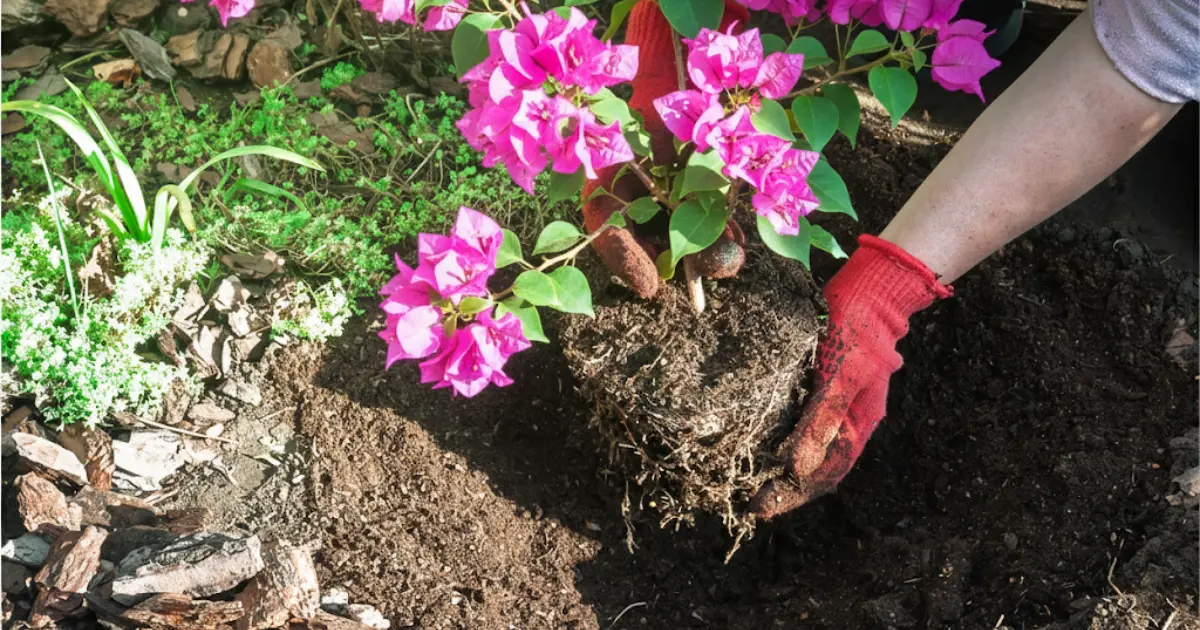
Best Time to Plant Bougainvillea: Timing for Vibrant Blooms
If you’re looking for a hardy tropical vine that delivers a riot of neon color, [...]
Feb
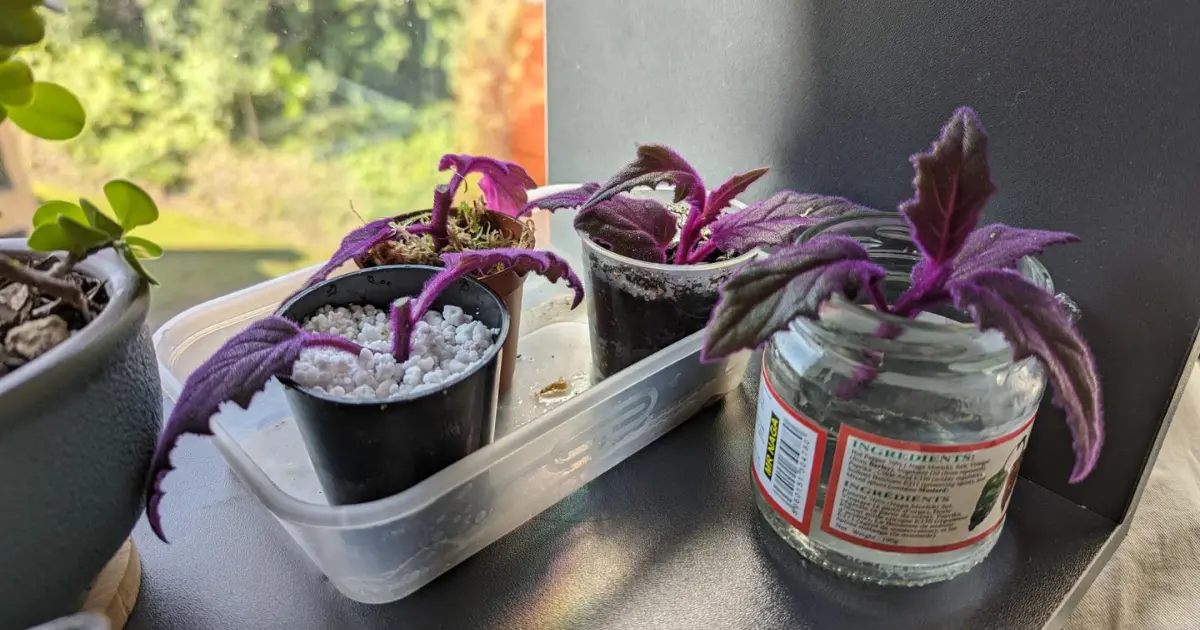
How to Propagate Purple Passion Plants (Gynura aurantiaca)
Have you ever been mesmerized by the neon-purple glow and fuzzy, velvet-like leaves of a [...]
Feb
Reviews
There are no reviews yet.