


Othonna Capensis Ruby Necklace Seeds – Hanging Succulent – 100+ Seeds – Green Foliage
Original price was: $25.66.$10.66Current price is: $10.66.
Cultivate the beautiful othonna capensis ruby necklace seeds for a vibrant, branching succulent. These ruby necklace succulent seeds are perfect for creating stunning hanging displays, thriving both indoors and outdoors. Easy to grow, these seeds will bring unique color to your plant collection.
Estimated arrival
Apr 07
Apr 12 - Apr 14
Apr 17 - Apr 21

Reasonable Price
We offer reasonable price

Support 24/7
Contact us 24 hrs a day

100% Money Back
You've 30 days to Return

Payment Secure
100% secure payment
Overview
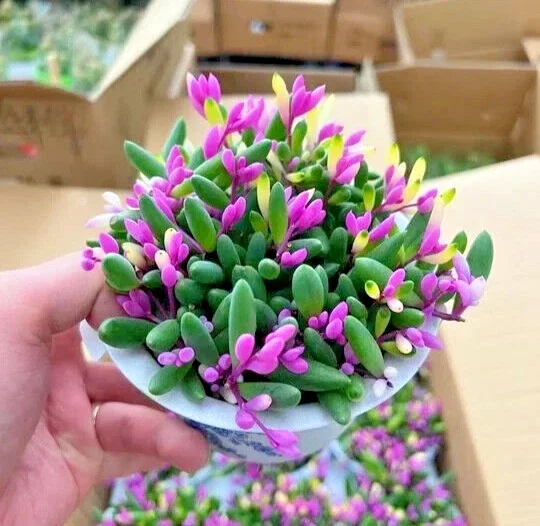
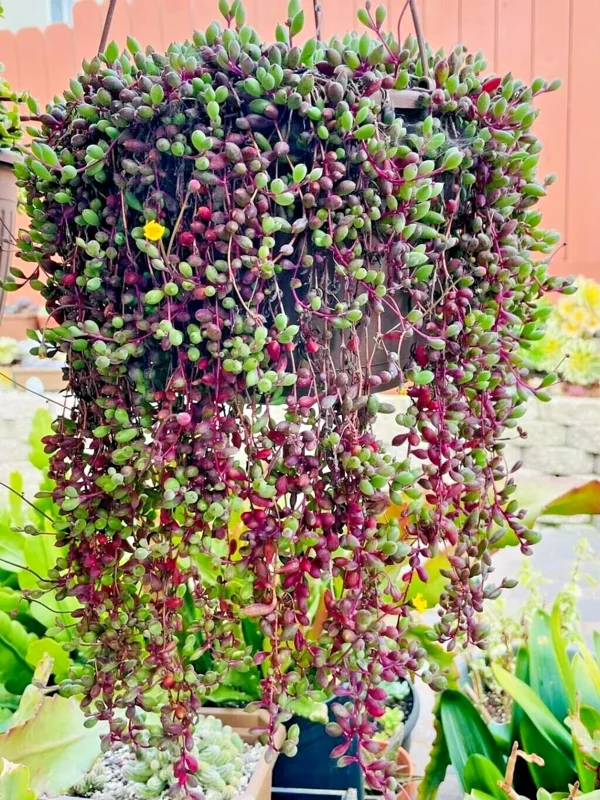
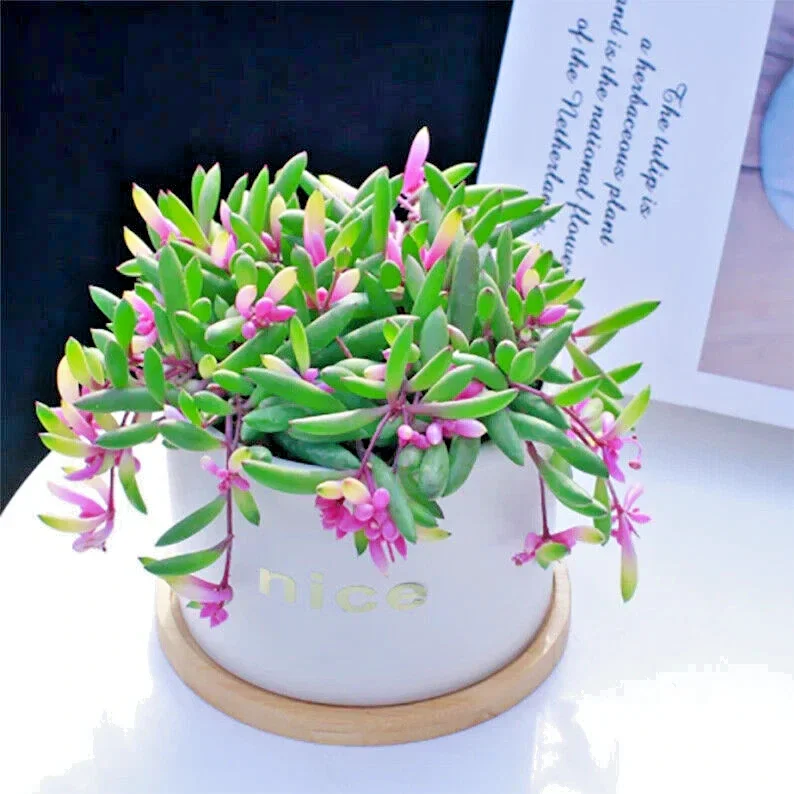
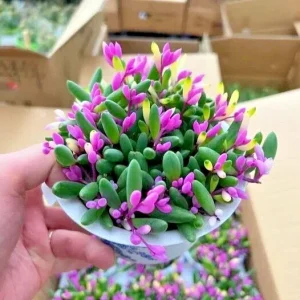
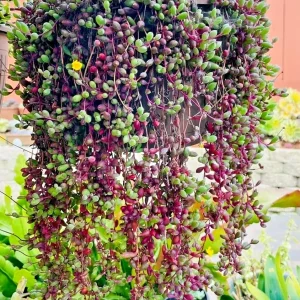
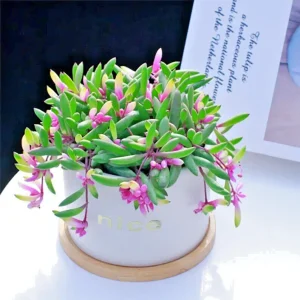
Embark on a rewarding gardening journey with our premium othonna capensis ruby necklace seeds. This unique succulent, often referred to as the ‘Ruby Necklace’ or ‘String of Rubies’, is celebrated for its distinctive trailing stems adorned with bead-like, plump leaves that can shift from green to a striking ruby red under ample sunlight. These hanging succulent seeds offer an exciting opportunity to grow a truly eye-catching plant that adds a touch of bohemian elegance to any space. Originating from South Africa, Othonna capensis is a resilient and relatively easy-to-care-for succulent, making it an excellent choice for both novice and experienced plant enthusiasts. Our generous pack of 100+ seeds ensures a high chance of successful germination, allowing you to cultivate multiple plants for various display options.
The othonna capensis ruby necklace seeds will develop into a plant ideal for hanging baskets, bright shelves, or as a vibrant groundcover in suitable climates. Its cascading form creates a dynamic visual interest, making it a focal point in any plant arrangement. The plant’s ability to change color based on light exposure provides a continually evolving display, adding to its allure. Prepare to be captivated by the charm and beauty of this unique succulent as you watch it flourish from seed to a mature, trailing masterpiece.
Key Benefits
Growing othonna capensis ruby necklace seeds offers numerous benefits, from aesthetic appeal to the satisfaction of nurturing a plant from its earliest stage. These seeds promise to transform your living spaces with minimal effort.
- Stunning Visual Appeal: The elongated, bead-like leaves and trailing habit of the Ruby Necklace succulent create a beautiful, dynamic display. The vibrant green foliage can deepen to a rich ruby red, especially when exposed to bright sunlight, providing a captivating color contrast. This makes it an ideal choice for adding a pop of color to your home or garden.
- Versatile Decor: Perfect for hanging baskets, high shelves, or as part of a succulent arrangement, the Ruby Necklace adds elegance and a unique texture. Its cascading stems can reach impressive lengths, creating a lush, flowing look. Its adaptability means it can thrive in various indoor and outdoor settings, provided the right conditions.
- Low Maintenance: Like many succulents, the Ruby Necklace is remarkably drought-tolerant and requires infrequent watering, making it an excellent choice for busy individuals or those new to plant care. Its resilience simplifies the gardening experience.
- Easy to Propagate: Once established, these plants are known for being easy to propagate from cuttings, allowing you to expand your collection or share with friends. This makes the initial investment in othonna capensis ruby necklace seeds even more rewarding.
- Unique Foliage: The distinctive, sausage-shaped leaves are a conversation starter. The way they change color with light is a fascinating natural phenomenon that adds an extra layer of interest to this already beautiful plant.
- Ideal for Succulent Collections: If you’re looking to expand a succulent collection, these ruby necklace succulent seeds are a fantastic addition. Their unique appearance complements a wide range of other succulent varieties, creating diverse and engaging displays.
Plant Care & Growing Tips
To successfully grow ruby necklace from seeds, understanding its specific care requirements is crucial. Othonna capensis thrives with proper attention to light, water, and soil conditions, ensuring a healthy and vibrant plant.
Sunlight Requirements
The Ruby Necklace succulent requires bright light to maintain its vibrant coloration and compact growth. For optimal ruby red hues, provide at least 4-6 hours of direct sunlight per day. Indoors, place it near a south-facing window or under a grow light. Outdoors, a spot with morning sun and some afternoon shade is ideal, especially in hotter climates, to prevent scorching. Insufficient light can lead to greener leaves and leggy growth, so ensure adequate exposure for the best results from your othonna capensis ruby necklace seeds.
Watering Schedule and Soil Moisture Preferences
As a succulent, the Ruby Necklace is drought-tolerant and susceptible to overwatering. Allow the soil to dry out completely between waterings. When you do water, do so thoroughly until water drains from the bottom of the pot. Reduce watering frequency during cooler months when the plant’s growth slows down. A simple finger test, checking if the top inch or two of soil is dry, can guide your watering schedule. Proper watering is key to preventing root rot and ensuring the longevity of your plant grown from othona seeds.
Soil Type and Drainage Requirements
This succulent thrives in well-draining soil. A cactus or succulent potting mix is ideal, as it provides the necessary aeration and drainage. You can also create your own mix by combining regular potting soil with perlite, pumice, or coarse sand in a 1:1 ratio. Excellent drainage is paramount to prevent waterlogging, which can quickly lead to root issues. Ensure the pot has drainage holes.
Temperature Range and USDA Hardiness Zone
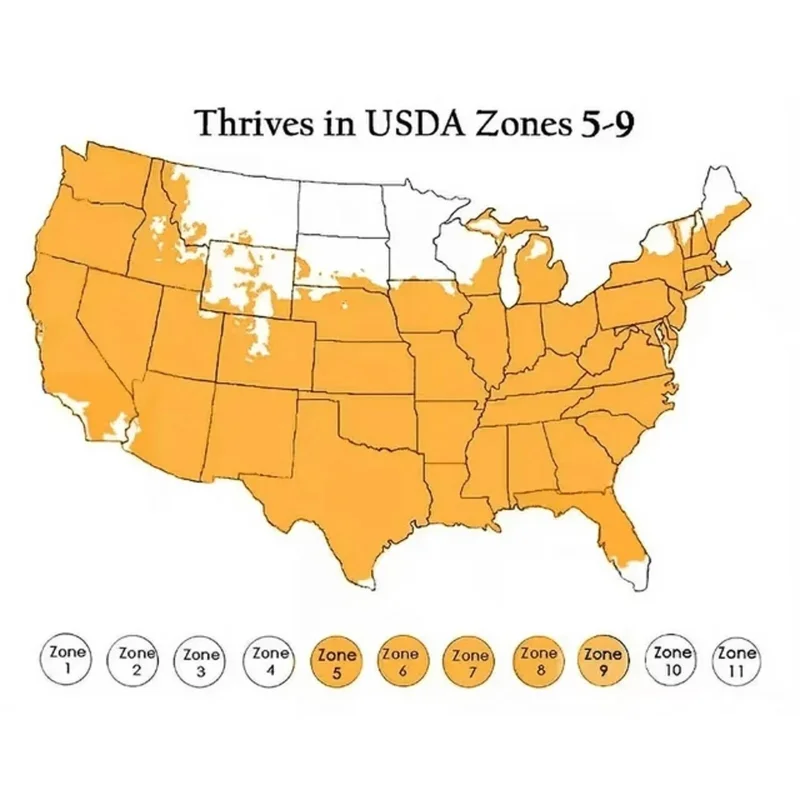
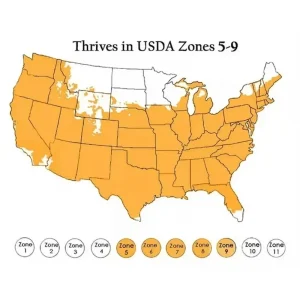
The Ruby Necklace prefers warm temperatures, ideally between 65-80°F (18-27°C). It can tolerate slightly cooler temperatures but should be protected from frost. If grown outdoors in regions with cold winters, it’s best to bring the plant indoors or treat it as an annual. It is generally suitable for USDA Hardiness Zones 9-11 for outdoor year-round growth.
Fertilization Schedule and Type
Fertilize sparingly, typically once or twice during the growing season (spring and summer) with a balanced, diluted liquid succulent fertilizer. Avoid fertilizing during fall and winter when the plant is dormant. Over-fertilization can harm the plant, so less is often more. When you grow ruby necklace, proper fertilization supports healthy growth.
Common Problems and Solutions
Watch out for common succulent pests like mealybugs or aphids; treat with insecticidal soap if spotted. Overwatering is the most common issue, leading to root rot. Ensure proper drainage and allow soil to dry between waterings. Leggy growth indicates insufficient light, prompting you to move the plant to a brighter location. Sunburn can occur if moved too quickly into intense direct sun; acclimate gradually.
Size & Details
This offering includes more than 100 high-quality othonna capensis ruby necklace seeds, providing ample opportunity to cultivate multiple plants. Once germinated and established, the Ruby Necklace succulent typically develops long, trailing stems that can reach lengths of 1 to 2 feet or more, depending on growing conditions and pot size. The individual leaves are small, plump, and cylindrical, resembling tiny beads. The plant exhibits a medium growth rate, quickly filling out hanging baskets or containers. These seeds will allow you to grow ruby necklace from scratch, witnessing its full development. The ultimate size and lushness of your plant will depend on consistent care, light exposure, and the size of its container.
These othona seeds are provided in a packet, ready for planting. While the plant form starts as a seed, it will develop into a beautiful branching succulent with evergreen foliage. Expect to see initial growth within a few weeks of proper germination, with the plant reaching a noticeable trailing length within several months. No fertilizer is included with the seeds, but it is recommended to use a well-draining soil mix for optimal results.
Frequently Asked Questions
- Q: How big does this plant get from these seeds? A: When grown from our othonna capensis ruby necklace seeds, the plant typically develops trailing stems that can reach lengths of 1 to 2 feet or more, creating a beautiful cascading effect. Its size depends on growing conditions and pot size.
- Q: What size pot should I use for growing these seeds? A: Start with small seed-starting trays or pots, then transplant seedlings into larger containers (e.g., 4-6 inch pots) as they grow. For mature plants, hanging baskets or pots of 6-10 inches in diameter are often ideal to accommodate its trailing habit.
- Q: Is this an indoor or outdoor plant? A: The Ruby Necklace can thrive both indoors and outdoors. Indoors, it needs bright, indirect light. Outdoors, it prefers morning sun and some afternoon shade, especially in hot climates. It’s versatile for various settings.
- Q: How much sunlight does it need to get its ruby color? A: To achieve the vibrant ruby red coloration, the othonna capensis ruby necklace requires ample bright light, preferably 4-6 hours of direct sunlight daily. Without sufficient light, the leaves tend to remain green.
- Q: Is this plant easy to care for? Is it good for beginners? A: Yes, the Ruby Necklace succulent is considered relatively easy to care for, making it suitable for beginners. Its drought-tolerant nature and minimal watering requirements contribute to its low-maintenance appeal. Learning to grow ruby necklace from seeds is a rewarding experience.
- Q: What condition will the seeds arrive in? A: The othonna capensis ruby necklace seeds will arrive in a protective packet, ensuring their viability for planting. They are carefully packaged to prevent damage during transit.
- Q: How long until the seeds germinate and the plant starts trailing? A: Germination typically occurs within a few weeks under optimal conditions. You can expect to see noticeable trailing growth within a few months of successful germination, with the plant maturing and elongating over time.
- Q: What is the best soil type for these othona seeds? A: The best soil type is a well-draining mix, such as a specialized cactus or succulent potting mix. You can also amend regular potting soil with perlite or coarse sand to improve drainage and aeration.
- Q: Will this plant survive winter in my zone? A: The othonna capensis ruby necklace is sensitive to frost. If you live in a region with cold winters (below USDA Zone 9), it’s best to bring outdoor plants indoors or protect them from freezing temperatures.
- Q: Do I need to fertilize the seedlings? A: It’s generally best to wait until seedlings are established before fertilizing. Once they are a few inches tall, you can begin to fertilize sparingly with a diluted succulent fertilizer during the active growing season (spring and summer).
Be the first to review “Othonna Capensis Ruby Necklace Seeds – Hanging Succulent – 100+ Seeds – Green Foliage”
-
USDA Hardiness Zone
USDA zones 9-11 -
Soil Type
Well-draining succulent or cactus mix -
Sunlight Exposure
Bright direct to indirect light -
Expected Planting Period
Year-round indoors or spring to summer outdoors
People Also Viewd
Sold 128 products
Original price was: $89.99.$64.99Current price is: $64.99.
Sold 128 products
Original price was: $27.00.$24.00Current price is: $24.00.
Sold 127 products
Original price was: $159.99.$139.99Current price is: $139.99.
Sold 126 products
Original price was: $3,536.00.$23.99Current price is: $23.99.

Sold 125 products
Original price was: $86.99.$66.99Current price is: $66.99.
Sold 116 products
Original price was: $27.99.$16.99Current price is: $16.99.
Flower Bulbs
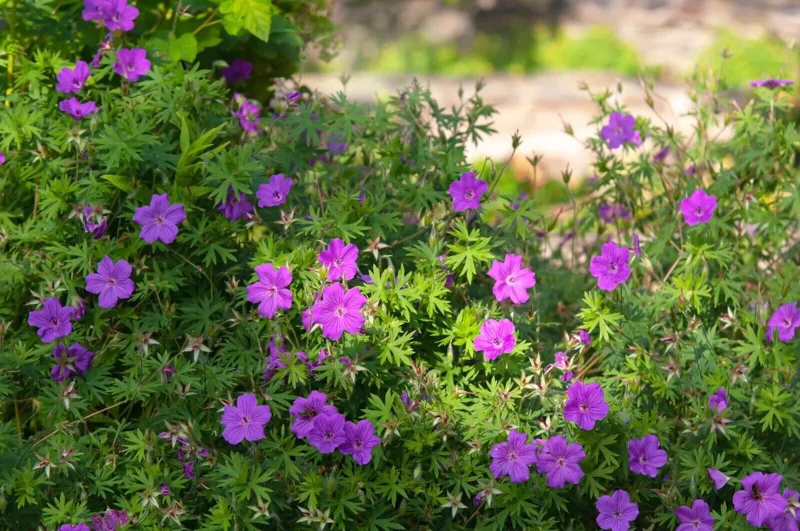
3 Cranesbill Wild Geranium Organic Maculatums Bare Roots | Wildflower for Outdoor Garden
Sold 114 products
Original price was: $21.99.$6.99Current price is: $6.99.
Sold 114 products
Original price was: $28.99.$17.99Current price is: $17.99.RELATED posts
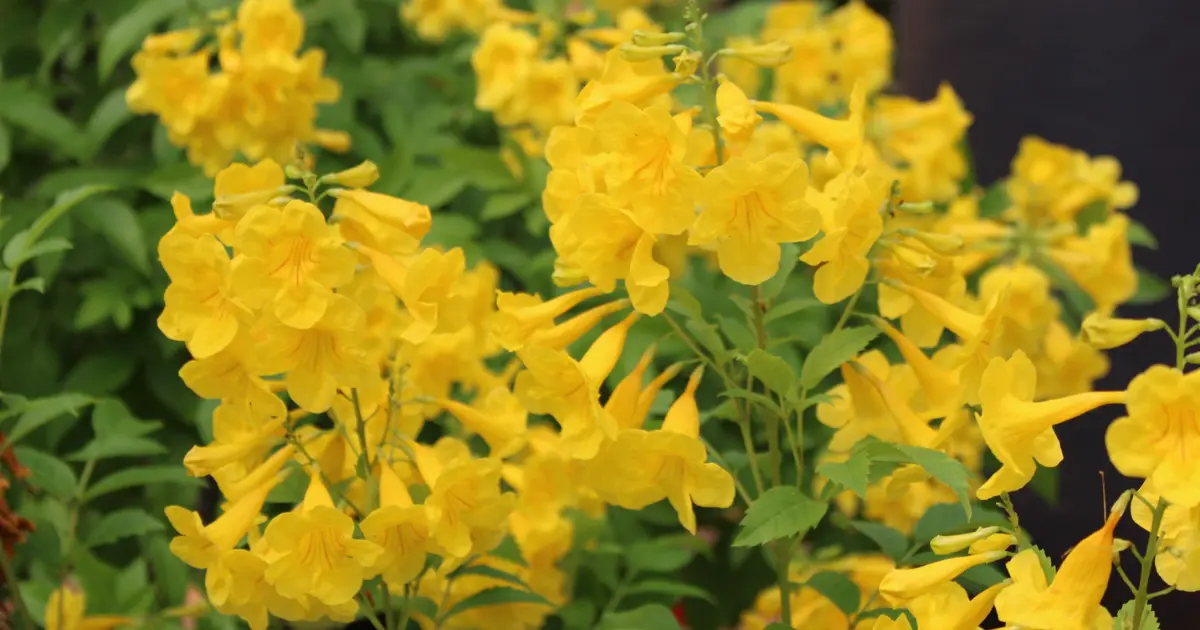
Mastering Esperanza Goldstar: Grow the Ultimate Yellow Bloom
Esperanza Goldstar is more than just a heat-tolerant shrub; for the American gardener battling the [...]
Apr
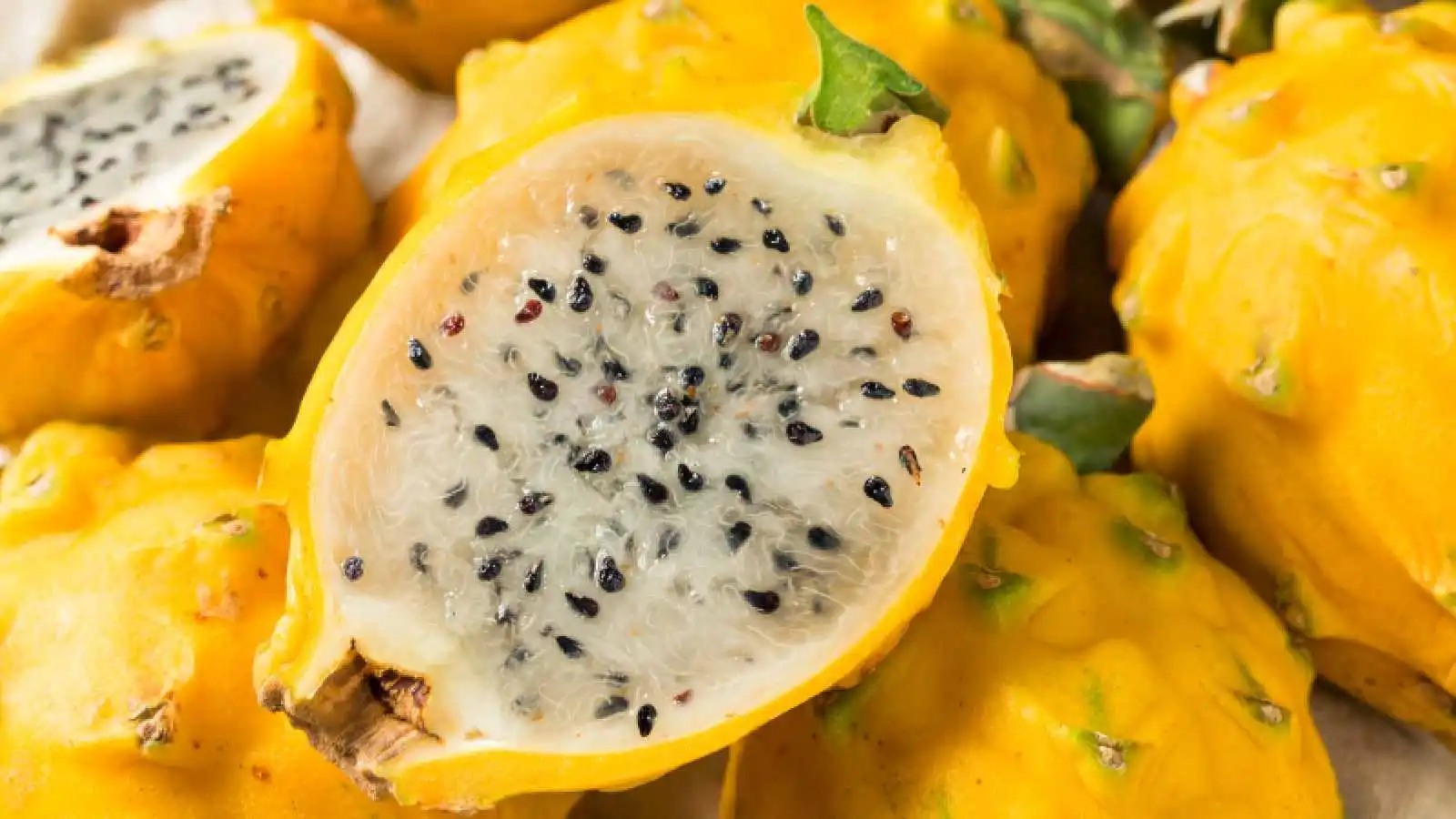
Yellow Dragon Fruit Plant Care: The Ultimate Guide for Healthy Growth
The yellow dragon fruit plant is a unique and rewarding addition to any home garden, [...]
Apr
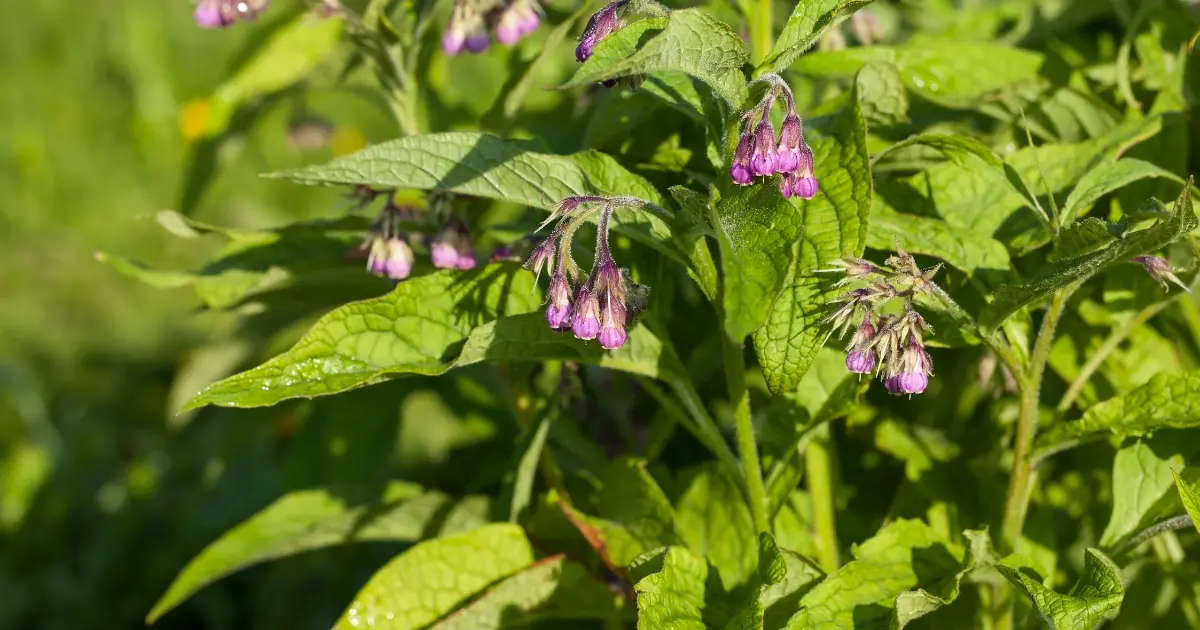
How to Identify Bocking 14 Comfrey: 5 Simple Visual Signs
If you’re growing comfrey for mulch, compost, or animal feed, knowing exactly which variety you [...]
Mar
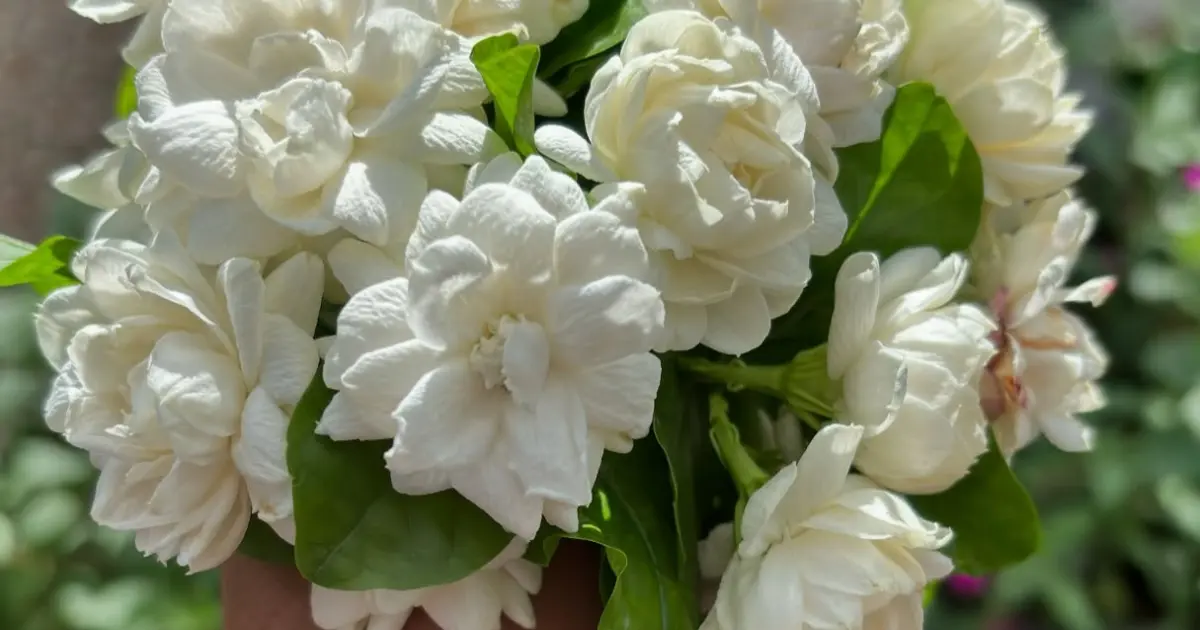
Grand Duke of Tuscany Jasmine: The Ultimate Guide to Growing a Fragrant Masterpiece
Have you ever caught a scent in the air so rich, creamy, and honey-sweet that [...]
Mar
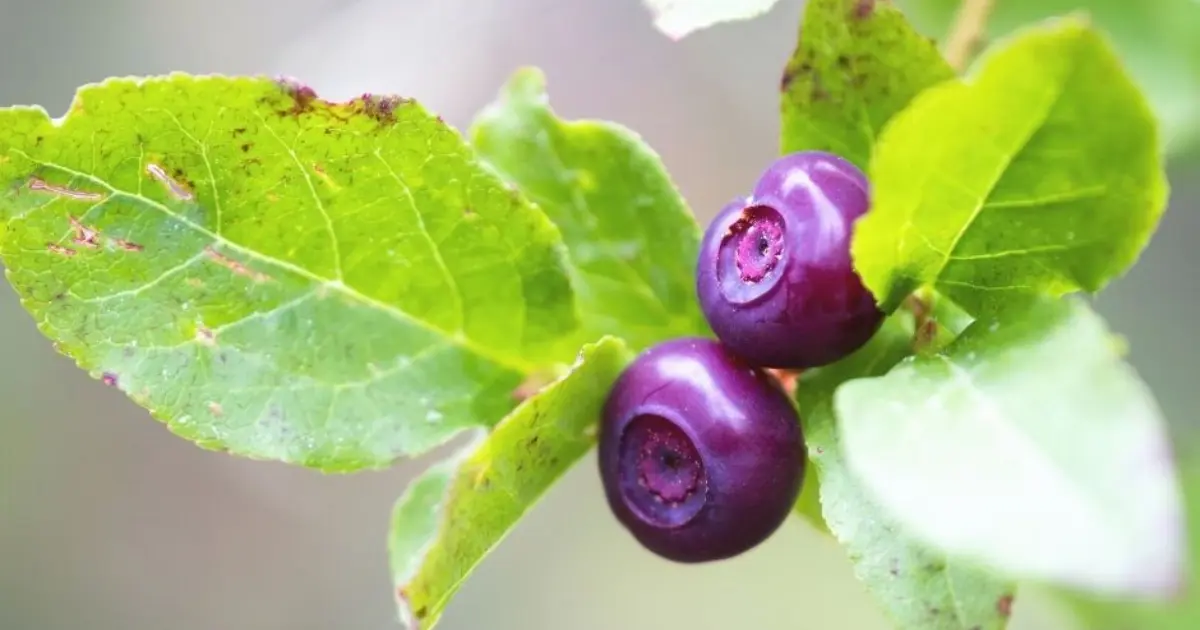
How to Grow Wild Huckleberries: A Guide to “Purple Gold”
Have you ever spent a summer afternoon hiking through the Pacific Northwest or the Rocky [...]
Mar
5 Best Shade-Loving Perennials for a Lush, Vibrant Garden
The world of gardening often shines a spotlight on sun-drenched blossoms, but there is a [...]
Mar

7 Common Curry Leaf Plant Problems: Easy Fixes for a Thriving Plant
Is your curry leaf plant looking a bit sad lately? Maybe you woke up to [...]
Mar
Best Time to Plant Bougainvillea: Timing for Vibrant Blooms
If you’re looking for a hardy tropical vine that delivers a riot of neon color, [...]
Feb


Reviews
There are no reviews yet.