


Pawpaw Tree Live Plant – American Asimina Triloba Seedling 6-12″ Tall – Quart Pot
Original price was: $67.79.$32.79Current price is: $32.79.
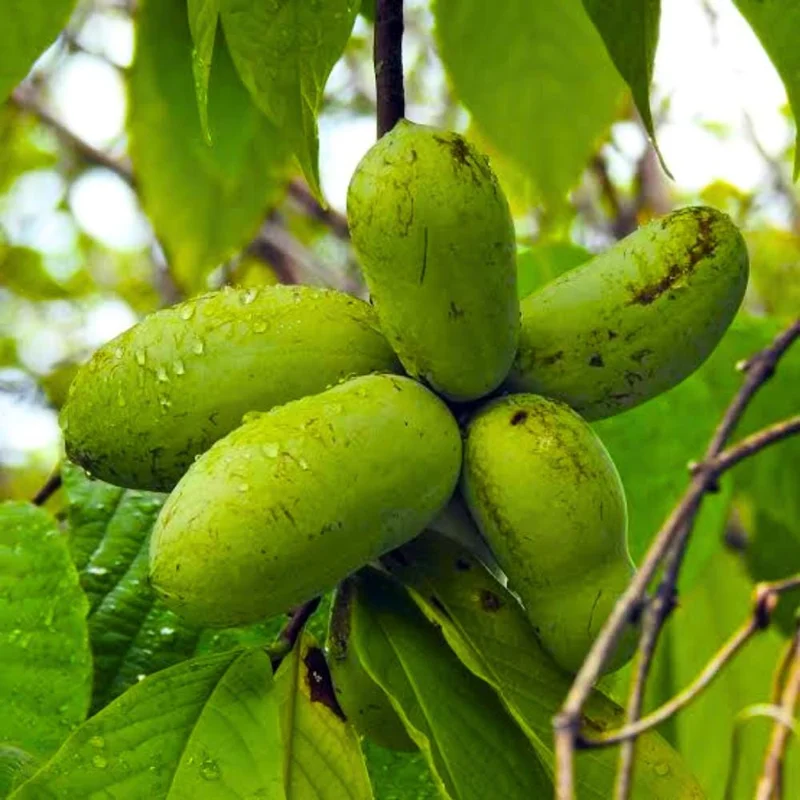
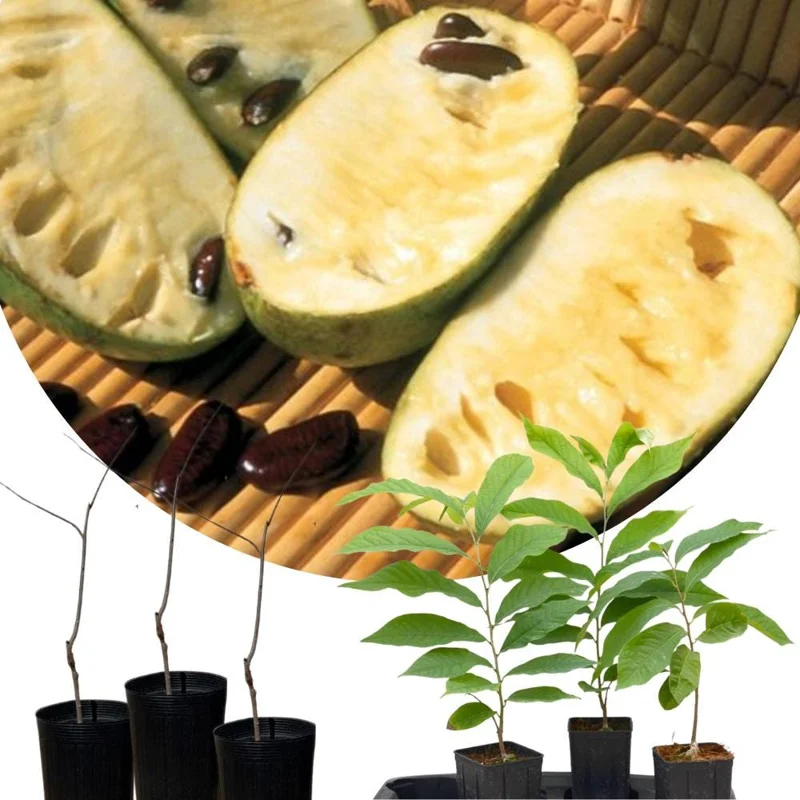
Bring home a pawpaw tree live plant, a 6-12 inch American pawpaw (Asimina triloba) seedling. This cold-hardy, native fruit tree is well-rooted and ready to plant, perfect for home gardens seeking unique, tropical-flavored fruit.
Estimated arrival
Sep 16
Sep 21 - Sep 23
Sep 26 - Sep 30

Reasonable Price
We offer reasonable price

Support 24/7
Contact us 24 hrs a day

100% Money Back
You've 30 days to Return

Payment Secure
100% secure payment
Overview
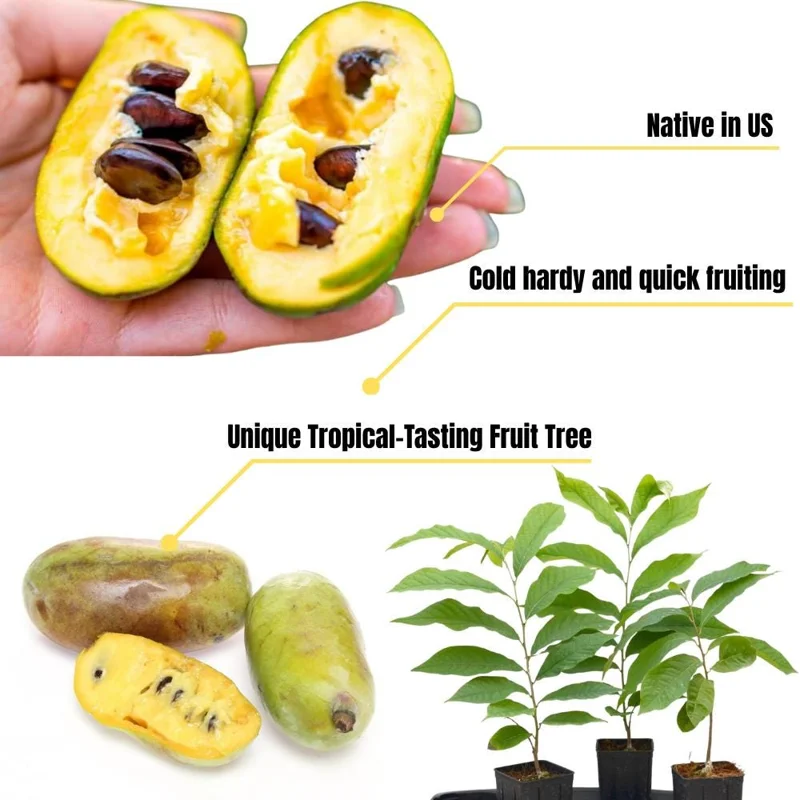
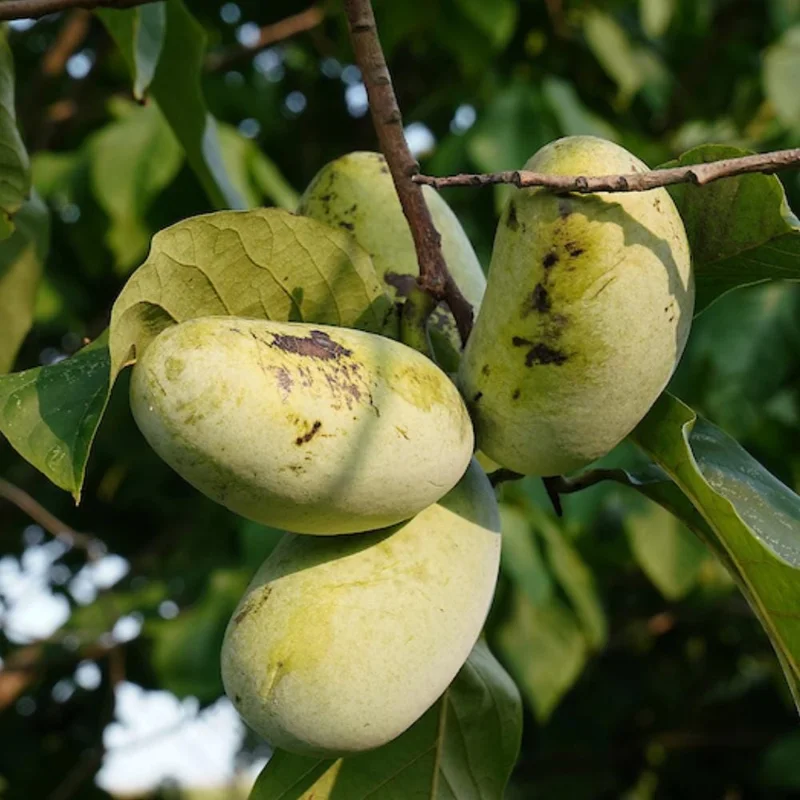
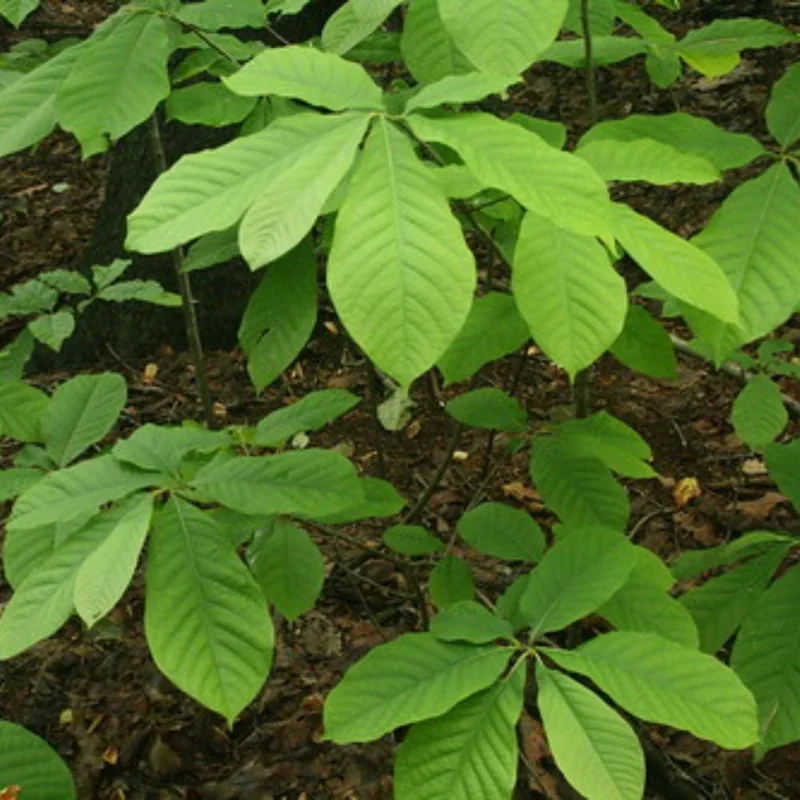
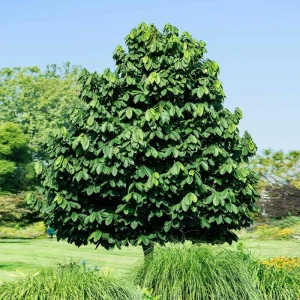
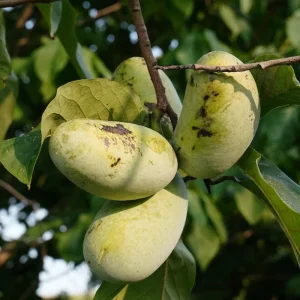
Cultivate a piece of American horticultural history with this pawpaw tree live plant. Known botanically as Asimina triloba, the American pawpaw tree is a fascinating and often overlooked native fruit tree, celebrated for its unique, creamy, tropical-flavored fruit. This offering provides a healthy, well-rooted seedling, typically 6-12 inches tall, ready to thrive in your garden. Pawpaws are distinct among temperate fruits, offering a taste reminiscent of banana, mango, and pineapple, making them a delightful addition for any fruit enthusiast or gardener looking to explore native edible landscapes. These trees are exceptionally cold-hardy and relatively easy to grow, adapting well to various conditions once established. By planting an Asimina triloba plant, you contribute to local biodiversity and enjoy a truly special harvest.
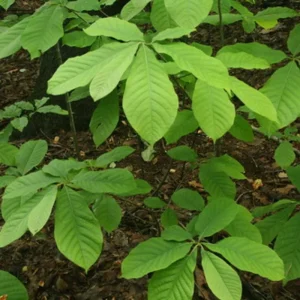
Our pawpaw tree live plant is propagated from strong, viable seedlings, ensuring a robust start for your future fruit producer. The pawpaw fruit tree is not only valued for its delicious produce but also for its ornamental qualities, featuring attractive foliage and unique maroon flowers in spring. Growing pawpaws is a rewarding experience, providing both ecological benefits and a bountiful harvest of America’s largest native fruit. This particular seedling is approximately one year old, indicating a solid foundation for growth and establishment in its new environment. Embrace the joy of growing your own native fruit with this exceptional plant.
Key Benefits
Adding a pawpaw tree live plant to your garden offers a multitude of advantages, from its unique fruit to its ecological contributions. This remarkable tree is a fantastic choice for gardeners of all experience levels.
- Rare & Unique Fruit Production: Enjoy the exotic, creamy, tropical-tasting fruit that the American pawpaw tree produces. It’s a flavor profile unlike any other temperate fruit, making it a culinary adventure.
- Cold Hardy & Adaptable: Unlike many tropical fruit trees, the Asimina triloba plant is remarkably cold-hardy, thriving in a wide range of USDA zones and enduring winter temperatures with ease, making it suitable for many climates.
- Native Ecosystem Support: As a native fruit tree, it supports local wildlife, including pollinators and specific butterfly species, contributing to the ecological health of your garden and region.
- Easy to Grow: Once established, the pawpaw fruit tree requires minimal maintenance, making it an excellent choice for both novice and experienced gardeners. It’s resilient and generally pest-resistant.
- Strong Root System: Our seedlings are provided with a well-developed root system, ensuring they establish quickly and begin vigorous growth soon after planting, reducing transplant shock.
- Ornamental Value: Beyond its fruit, the pawpaw offers attractive foliage and distinctive purple-brown flowers in the spring, adding visual interest to your landscape throughout the growing season.
- Sustainable Choice: Opting for a native plant like the pawpaw reduces the need for excessive care and resources, promoting a more sustainable and environmentally friendly gardening practice.
Plant Care & Growing Tips
Caring for your pawpaw tree live plant is straightforward, and with a few key considerations, you can ensure a healthy and productive tree. Pawpaws prefer a location with at least six hours of direct sunlight per day once established, though young seedlings benefit from some partial shade during their first year or two to prevent sunscald. They thrive in rich, well-draining soil with a slightly acidic to neutral pH (5.5-7.0). Incorporating organic matter like compost will significantly improve soil structure and fertility, providing an ideal environment for your American pawpaw tree to flourish.
Watering is crucial, especially during the establishment phase. Keep the soil consistently moist but never waterlogged. Deep watering once or twice a week, depending on rainfall and temperature, is generally sufficient. As the Asimina triloba plant matures, it becomes more drought-tolerant. Fertilize sparingly in the spring with a balanced, slow-release fertilizer or an organic option. Avoid high-nitrogen fertilizers, which can promote leafy growth at the expense of fruit production. Pruning is usually minimal, focusing on removing dead, damaged, or crossing branches to maintain good air circulation and shape. Watch out for potential pests like the pawpaw peduncle borer, though pawpaws are generally resistant to most serious issues. Ensure you plant at least two different pawpaw varieties for cross-pollination to guarantee fruit set, as most pawpaws are not self-fertile.
Size & Details
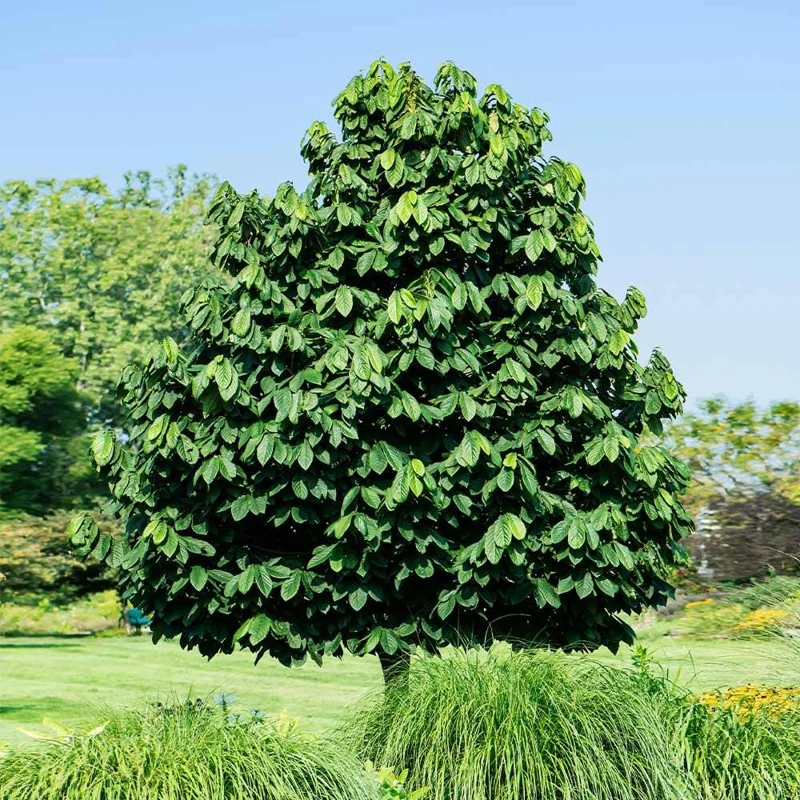
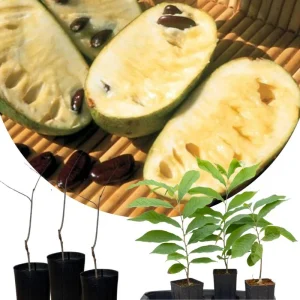
This offering features a healthy pawpaw tree live plant, approximately one year old, standing between 6 and 12 inches tall. Each seedling is grown in a quart-sized pot, providing ample space for its developing root system and ensuring it arrives ready for successful transplanting. The young plants are carefully nurtured to develop strong, fibrous roots, which are essential for quick establishment in your garden or larger container. While growth rates can vary based on environmental conditions and care, you can expect your pawpaw fruit tree to grow moderately, reaching a mature height of 15-20 feet, though some varieties can grow taller.
The native fruit tree will typically begin bearing fruit within 3-5 years after planting, depending on growing conditions and cultivar. These seedlings are ideal for starting your own pawpaw orchard or adding a unique specimen to your home landscape. They are shipped with their root ball intact and protected, minimizing stress during transit. Ensure you have a suitable planting site prepared upon arrival to give your new pawpaw the best possible start.
Frequently Asked Questions
- Q: How big does this pawpaw tree get? A: This pawpaw tree live plant is currently 6-12 inches tall. When mature, an American pawpaw tree typically reaches a height of 15-20 feet, though some can grow taller depending on the variety and growing conditions.
- Q: What size pot does it come in? A: Your Asimina triloba plant will arrive in a quart-sized nursery pot, providing its roots with a healthy start and making it easy to transplant into your garden or a larger container.
- Q: Is this an indoor or outdoor plant? A: The pawpaw tree live plant is an outdoor tree, well-suited for temperate climates. While young seedlings can be started indoors in controlled environments, they need to be transitioned outdoors to thrive and produce fruit.
- Q: How much sunlight does it need? A: Established pawpaw trees require full sun, meaning at least 6 hours of direct sunlight daily for optimal fruit production. However, young seedlings benefit from partial shade during their first year or two to protect them from intense sun.
- Q: Is this plant easy to care for? A: Yes, the pawpaw fruit tree is considered relatively easy to care for once established. It’s known for its resilience, cold-hardiness, and general resistance to pests and diseases, making it a good choice for various gardeners.
- Q: What condition will it arrive in? A: Your native fruit tree seedling will arrive well-rooted and healthy, carefully packaged to minimize stress during shipping. It will be in its quart-sized pot with soil, ready for planting.
- Q: How long until it produces fruit? A: Pawpaw trees typically begin bearing fruit within 3-5 years after planting, provided they are cross-pollinated by another pawpaw tree of a different genetic makeup.
- Q: When is the best time to plant a pawpaw tree? A: The best time to plant a pawpaw tree live plant is in early spring or fall when temperatures are moderate, allowing the tree to establish its root system before extreme heat or cold.
- Q: Can I grow just one pawpaw tree? A: While you can grow a single American pawpaw tree, they are generally not self-fertile. To ensure fruit production, it’s highly recommended to plant at least two different pawpaw varieties to allow for cross-pollination.
- Q: Will it survive winter in my zone? A: The Asimina triloba plant is highly cold-hardy, typically thriving in USDA Hardiness Zones 5-9. It is well-adapted to surviving cold winters in these regions.
Be the first to review “Pawpaw Tree Live Plant – American Asimina Triloba Seedling 6-12″ Tall – Quart Pot”
-
USDA Hardiness Zone
USDA Zones 5-9 -
Soil Type
Rich, well-draining soil with slightly acidic to neutral pH -
Sunlight Exposure
Full sun (established), partial shade (young seedlings) -
Expected Planting Period
Spring or Fall
People Also Viewd


Sold 134 products
Original price was: $3,536.00.$23.99Current price is: $23.99.

Sold 131 products
Original price was: $27.00.$24.00Current price is: $24.00.

Sold 130 products
Original price was: $89.99.$64.99Current price is: $64.99.

Sold 125 products
Original price was: $86.99.$66.99Current price is: $66.99.

Flower Bulbs
3 Cranesbill Wild Geranium Organic Maculatums Bare Roots | Wildflower for Outdoor Garden
Sold 116 products
Original price was: $21.99.$9.99Current price is: $9.99.

Sold 114 products
Original price was: $28.99.$17.99Current price is: $17.99.

Sold 110 products
Original price was: $63.99.$28.99Current price is: $28.99.
Sold 108 products
Original price was: $28.99.$17.99Current price is: $17.99.RELATED posts
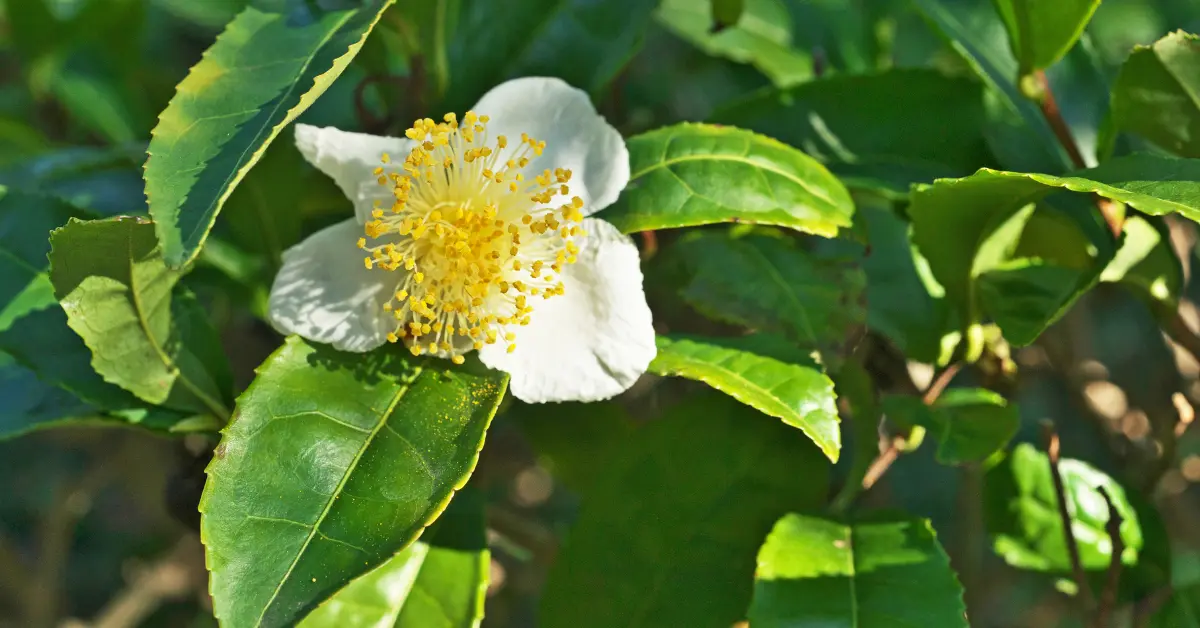
Growing Camellia Sinensis (Tea Plants) in Containers: A Complete Guide for Beginners
If you’ve ever wanted to sip a steaming, homegrown cup of fresh green, black, or [...]
Aug
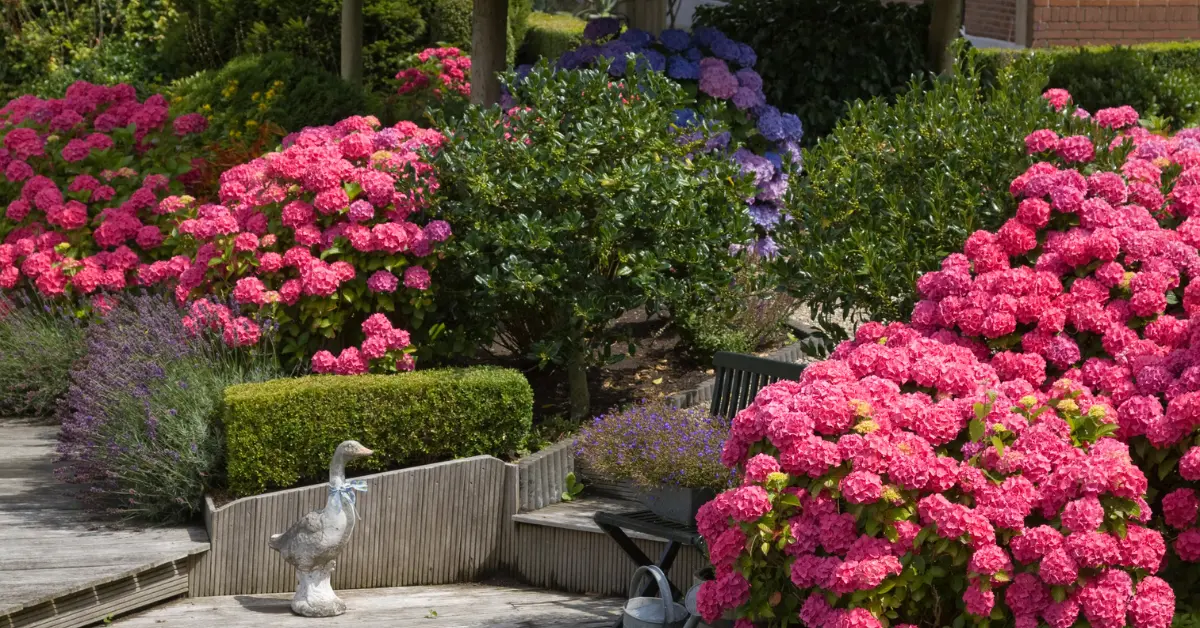
6 Best Shrubs to Plant in August You Must Try
Have you ever walked through a nursery late in the summer, admired the vibrant shrubs [...]
Aug
Growing Everbearing Strawberries in Containers: A Complete Guide for Beginners
Want to grow sweet, fresh strawberries but do not have a large garden? Everbearing strawberries [...]
Aug
Growing Egyptian Walking Onions in Containers: A Complete Guide for Beginners
If you’re looking for a hardy, no-fuss perennial onion that keeps on giving year after [...]
Jul
Growing Carolina Reaper Peppers in Pots: A Complete Guide for Beginners
If you’ve ever wanted to add some serious, record-breaking heat to your home cooking, you’ve [...]
May
Growing Curry Leaf Plant in Pots: A Complete Guide for Beginners
If you’re a fan of authentic South Asian cuisine, you already know that nothing compares [...]
May
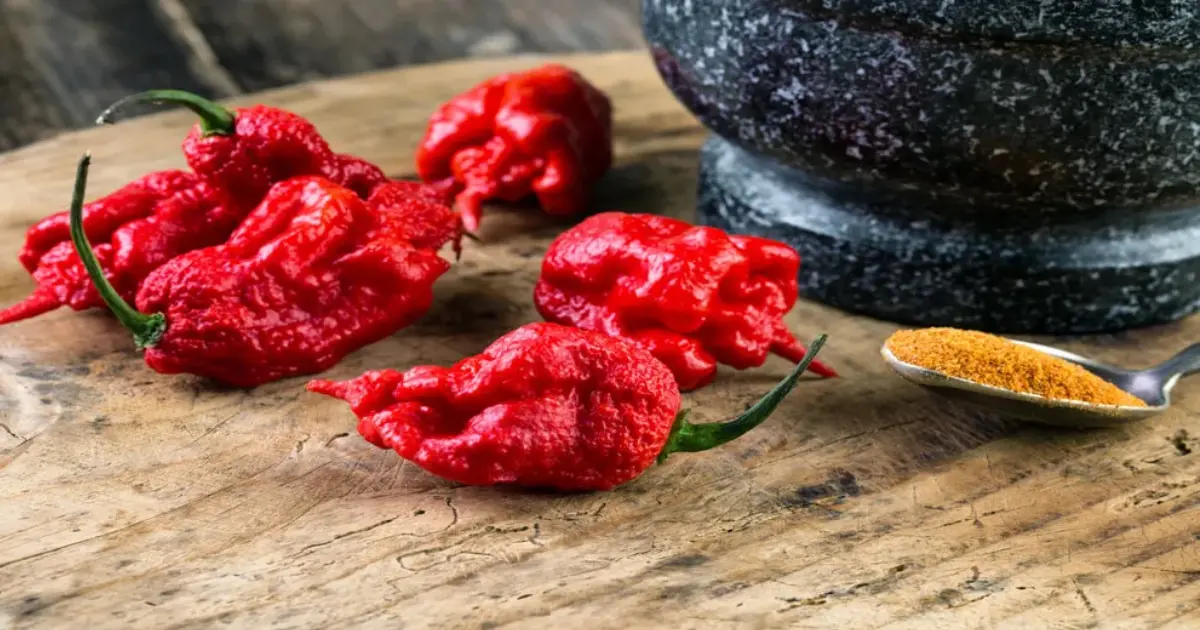
5 Tips for Growing Carolina Reaper Peppers to Get the Spiciest Harvest Ever
Holding the record for one of the world’s hottest peppers, the Reaper isn’t just a [...]
May
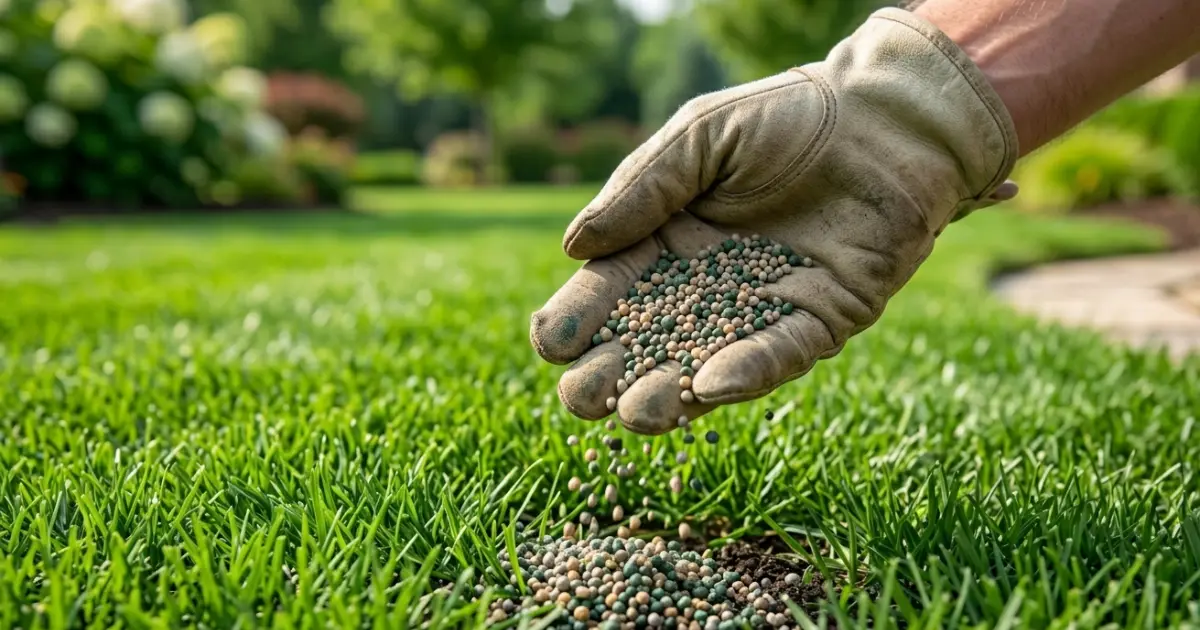
Best Fertilizers for Zoysia Grass in 2026: Get a Lush Lawn
As we enter the new year, the time has come to think about how we [...]
Apr

Reviews
There are no reviews yet.