
Pomegranate Live Plants – Set of 3 Seedlings, 8-10 Inch Tall, 4 Inch Pots, Fruit Trees
Original price was: $115.99.$85.99Current price is: $85.99.
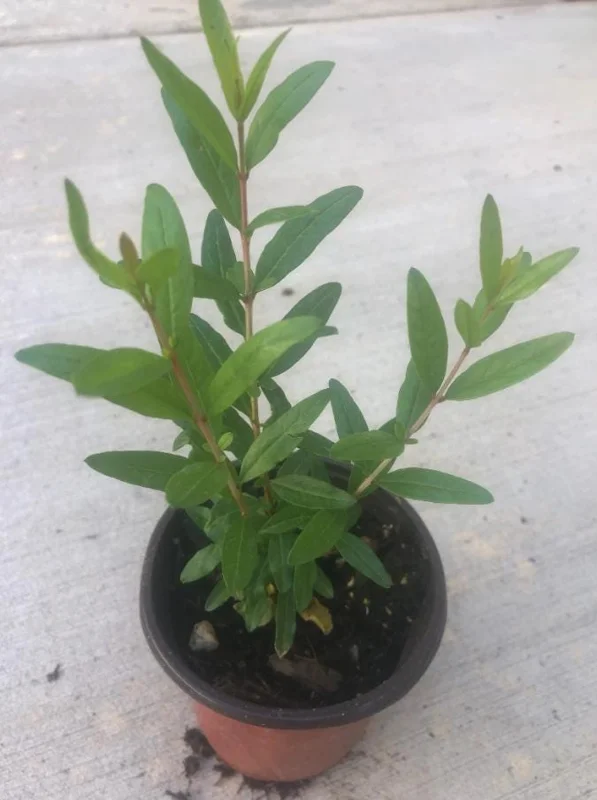
Bring the joy of growing your own fruit with this pomegranate live plant set. You’ll receive 3 healthy seedlings, each 8-10 inches tall in a 4-inch pot. Ideal for containers or garden planting, perfect for patios and balconies. Enjoy both ornamental beauty and future delicious harvests from your own pomegranate fruit tree.
Estimated arrival
Apr 07
Apr 12 - Apr 14
Apr 17 - Apr 21

Reasonable Price
We offer reasonable price

Support 24/7
Contact us 24 hrs a day

100% Money Back
You've 30 days to Return

Payment Secure
100% secure payment
Overview
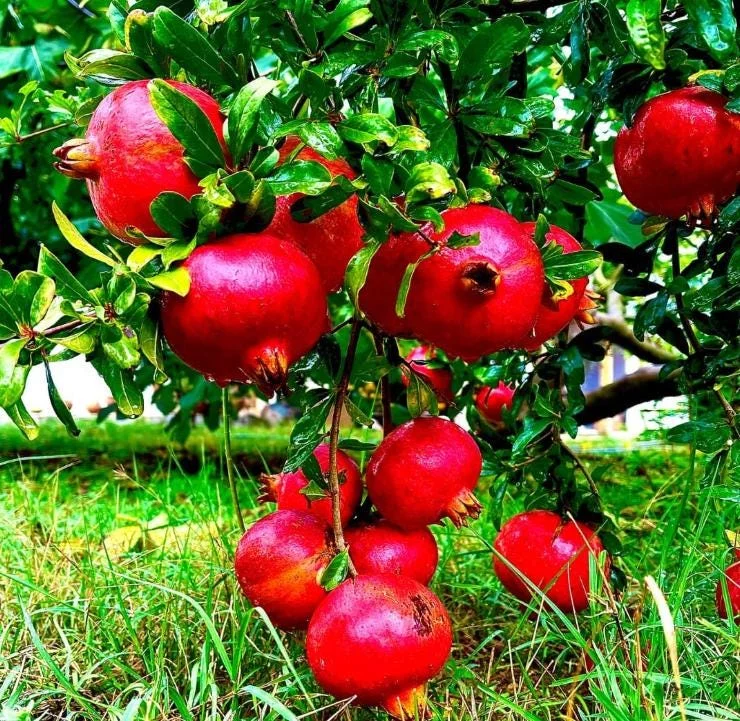
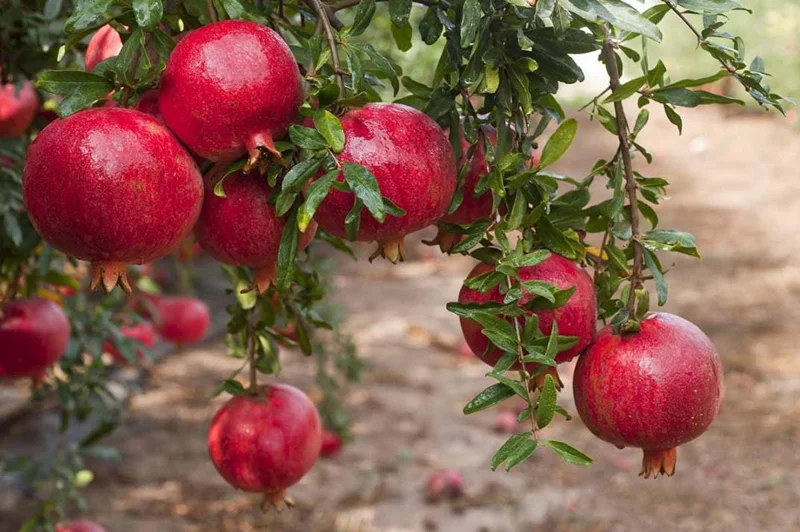
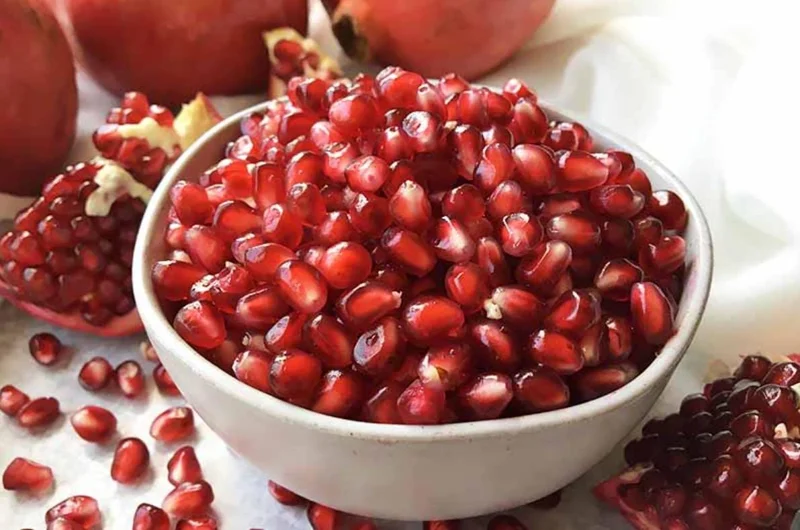
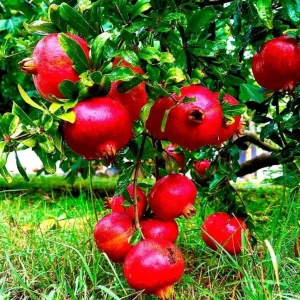
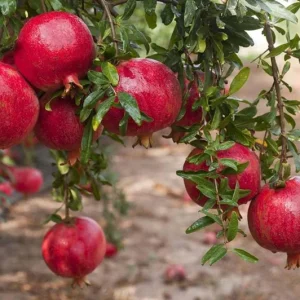
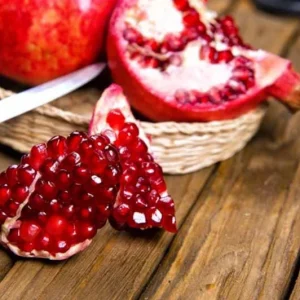
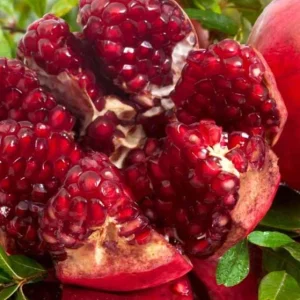
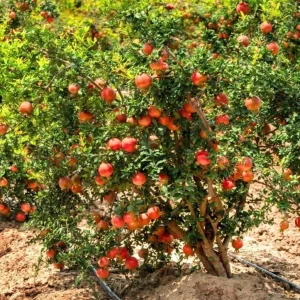
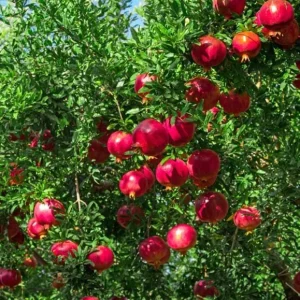
Introduce a touch of Mediterranean charm and the promise of delicious fruit to your home or garden with this set of 3 pomegranate live plant seedlings. Each healthy young plant measures approximately 8-10 inches tall and arrives nestled in its own 4-inch pot, ready for you to nurture. Pomegranates, scientifically known as Punica granatum, are renowned for their striking red fruits, vibrant flowers, and attractive glossy foliage. These compact fruit trees are an excellent choice for both experienced gardeners and beginners looking to cultivate their own produce. Whether you dream of harvesting your own juicy pomegranates or simply wish to add an exotic, drought-tolerant specimen to your landscape, these seedlings provide a fantastic starting point for growing your own pomegranate fruit tree.
These one-year-old seedlings are a practical and rewarding addition to any space. They are particularly well-suited for container gardening, making them perfect for urban dwellers, patios, balconies, or even bright indoor spaces. With proper care and patience, these plants will mature into productive fruit-bearing trees, offering both aesthetic appeal and a bountiful harvest. Embrace the journey of growing fresh fruit right at your fingertips with these adaptable and resilient pomegranate live plant specimens.
Key Benefits
Cultivating your own pomegranate plants comes with a multitude of advantages, offering both visual delight and the satisfaction of homegrown produce. These resilient plants are more than just a pretty face; they are a productive addition to any garden.
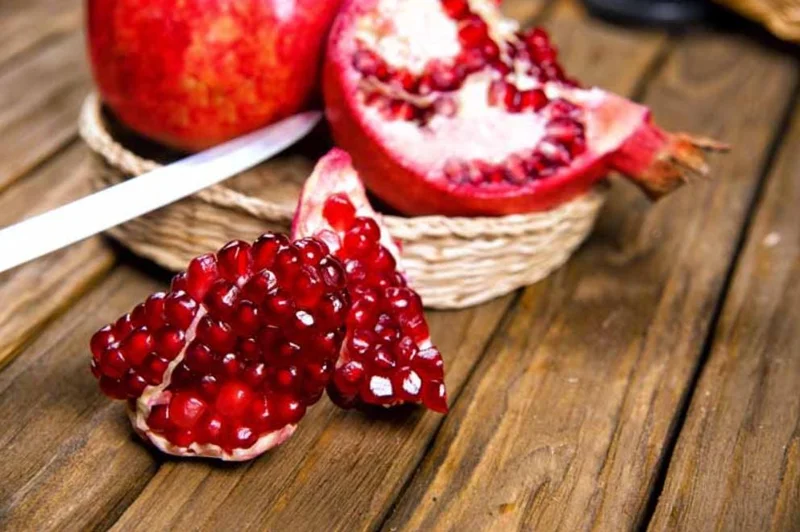
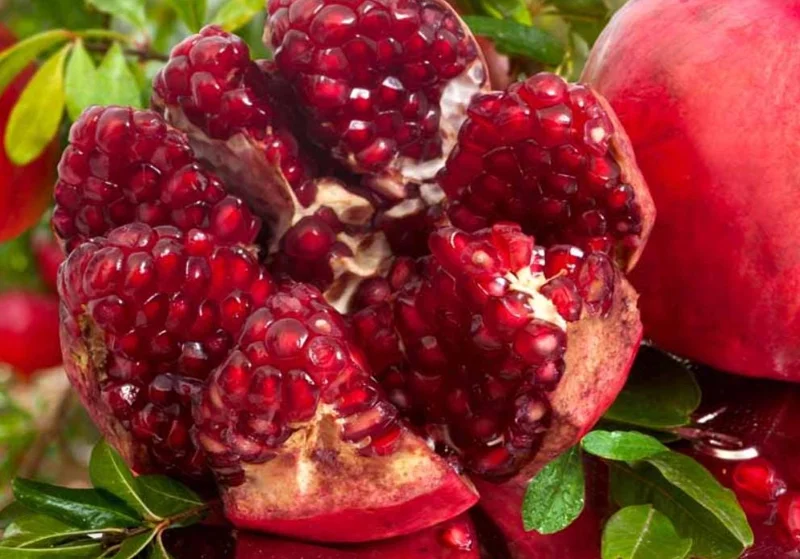
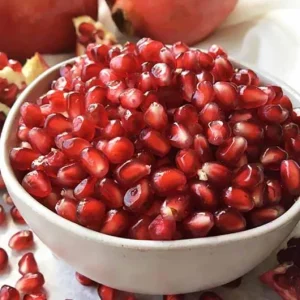
- Homegrown Produce: Experience the unparalleled satisfaction of harvesting your own fresh, juicy pomegranates right from your garden or patio. These fruits are not only delicious but also packed with antioxidants.
- Versatile Growing Options: These compact pomegranate live plant seedlings are perfectly sized for container gardening on patios, balconies, or small yards. They can also be planted directly in the ground, adapting to various garden designs.
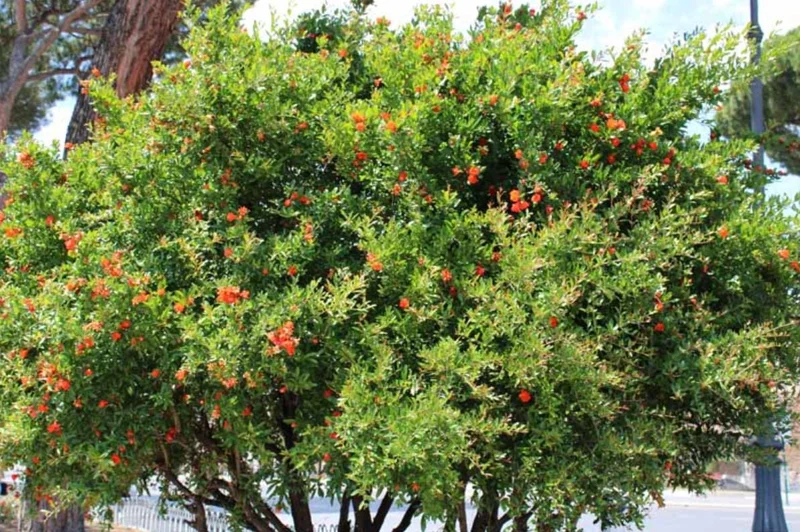
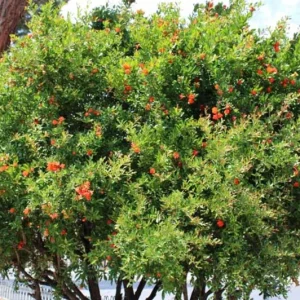
- Ornamental Appeal: Beyond their fruit, pomegranate plants boast attractive glossy green foliage and, in time, vibrant red-orange flowers, adding significant ornamental value to your outdoor or indoor space.
- Drought Tolerance: Once established, punica granatum plant varieties are known for their impressive drought resistance, making them a low-maintenance choice for water-wise gardening.
- Adaptable to Various Climates: Suitable for a wide range of USDA zones (7-10), these plants can thrive in diverse environments, and can even be brought indoors during colder months, making them a versatile choice for many gardeners.
- Compact Growth Habit: As a dwarf pomegranate plant, these seedlings are ideal for smaller spaces, allowing you to enjoy a fruit tree without requiring extensive garden real estate.
- Healthy and Vigorous: You’ll receive a set of three healthy, one-year-old seedlings, ensuring a strong start for your future fruit production.
Plant Care & Growing Tips
Caring for your pomegranate live plant seedlings is a rewarding process that requires attention to a few key environmental factors. For optimal growth and fruit production, full sun is highly recommended. This means your plants should receive at least 6-8 hours of direct sunlight per day. If growing indoors, ensure they are placed near a south-facing window or under powerful grow lights to mimic these conditions. Adequate light is crucial for the development of flowers and subsequent fruit. Without sufficient light, your pomegranate fruit tree may focus more on foliage growth than on producing its characteristic red fruits.
When it comes to watering, pomegranates prefer moderate moisture. Allow the top inch or two of soil to dry out slightly between waterings to prevent root rot, especially if you grow pomegranate indoors. Well-draining soil is paramount; a good quality potting mix for fruit trees or a blend of garden soil with sand and compost will work well. Avoid heavy, waterlogged soils. These plants are quite adaptable, but consistent moisture during flowering and fruiting periods will lead to better yields. Fertilize young plants sparingly, perhaps once a month during the growing season with a balanced, slow-release fertilizer.
Pomegranates thrive in warmer climates, typically USDA zones 7-10. If you live in a colder region (outside zone 7), it’s best to grow your dwarf pomegranate plant in a container so you can easily move it indoors during the winter months. Protect your plants from frost, as young pomegranates are particularly susceptible to cold damage. Indoors, ensure they are in a cool, bright location. Pruning can be done in late winter or early spring to shape the plant, remove dead branches, and encourage better air circulation and fruit production. With these care guidelines, your punica granatum plant will flourish.
Size & Details
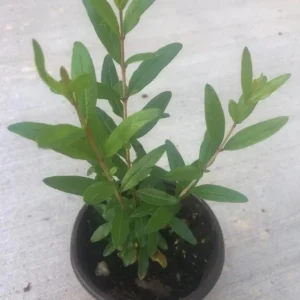
This offering includes a set of three vibrant pomegranate live plant seedlings. Each individual plant stands approximately 8-10 inches tall from the base of the pot to the tip of its tallest leaf, providing a substantial start for your gardening project. They are approximately one year old, indicating a well-established root system ready for transplanting. Each seedling is carefully cultivated and shipped in its own 4-inch nursery pot, ensuring the roots remain healthy and undisturbed during transit. These compact fruit trees are designed for easy handling and immediate planting, whether you choose to place them directly into your garden beds or into larger decorative containers.
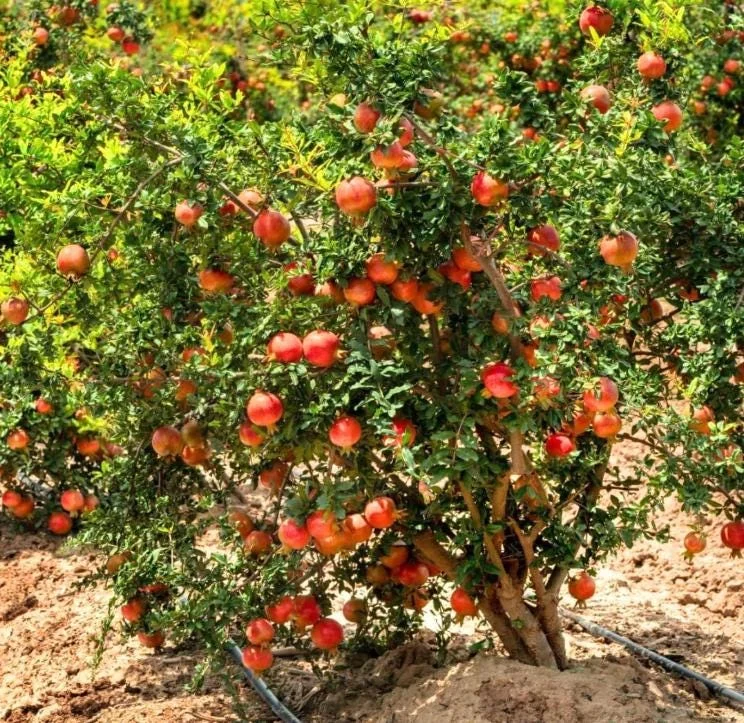
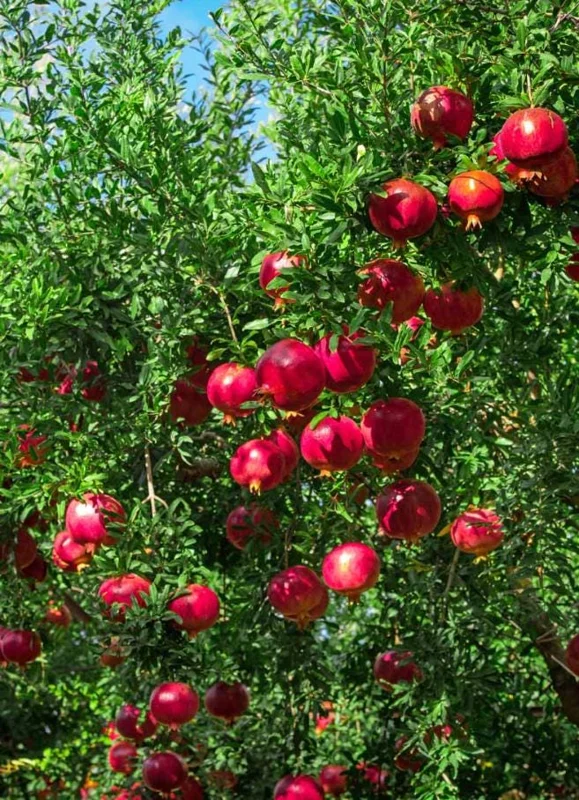
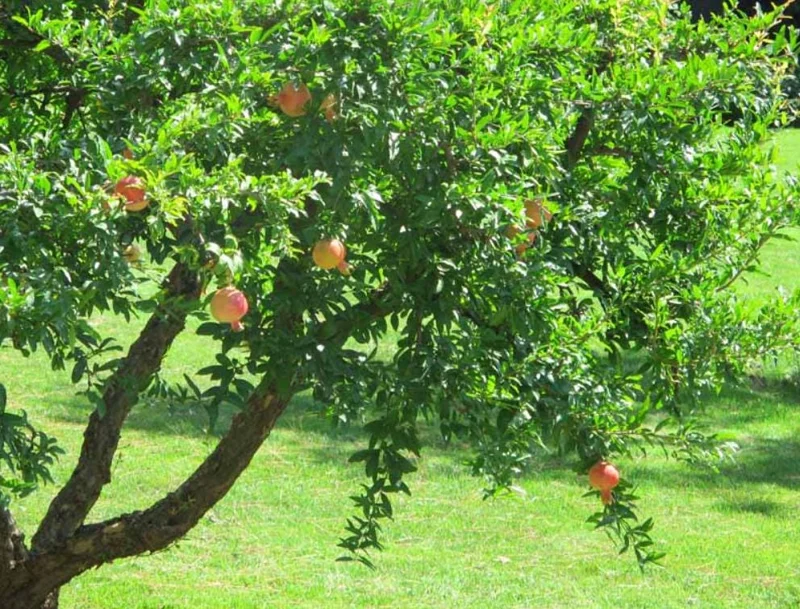
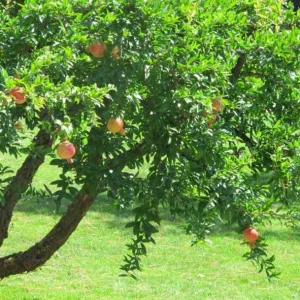
Pomegranates are known for their moderate growth rate, and with proper care, these seedlings will continue to grow steadily. When mature, a pomegranate fruit tree can reach heights of 10-20 feet if planted in the ground, though they can be kept much smaller through pruning, especially when grown as a dwarf pomegranate plant in containers. Expect to see the first fruits typically within 2-3 years, though this can vary based on growing conditions and care. These plants arrive ready to thrive, offering the potential for beautiful foliage and delicious harvests for years to come.
Frequently Asked Questions
- Q: How big will this pomegranate live plant get? A: Each seedling is currently 8-10 inches tall. If planted in the ground, a mature pomegranate tree can reach 10-20 feet, but they can be maintained at a smaller, more manageable size, especially when grown as a dwarf pomegranate plant in a container through regular pruning.
- Q: Is this an indoor or outdoor plant? How much sunlight does it need? A: This pomegranate live plant can thrive both indoors and outdoors. It requires full sun, meaning at least 6-8 hours of direct sunlight daily for optimal growth and fruit production. If grown indoors, place it in the brightest possible location.
- Q: Is this plant easy to care for? Is it good for beginners? A: Yes, pomegranates are relatively easy to care for, especially once established, making them suitable for beginners. They are drought-tolerant and adaptable, but consistent watering during fruiting and full sun are key.
- Q: What condition will the seedlings arrive in? Is it shipped in soil? A: Your pomegranate seedlings will be carefully packaged and shipped in three separate 4-inch pots, ensuring their roots are protected and healthy upon arrival. They will be in their original nursery soil.
- Q: How long until this pomegranate fruit tree blooms and produces fruit? A: With proper care, you can expect your punica granatum plant to start blooming and producing fruit typically within 2-3 years after planting. Fruit production can vary based on climate and growing conditions.
- Q: Will it survive winter in my zone? What’s the minimum temperature? A: Pomegranates are suitable for USDA zones 7-10. If you are in a colder zone, it’s recommended to grow your pomegranate live plant in a container so it can be moved indoors to protect it from frost during cold winters.
- Q: Can I grow pomegranate indoors all year round? A: Yes, you can grow pomegranate indoors year-round, provided it receives ample sunlight. A south-facing window or supplemental grow lights are essential to ensure it gets enough light for healthy growth and potential fruit development.
- Q: What type of soil is best for a pomegranate live plant? A: Pomegranates prefer well-draining soil. A good quality potting mix amended with some sand or perlite for improved drainage is ideal for container growing. For in-ground planting, ensure your garden soil drains well.
- Q: How often should I water my pomegranate seedlings? A: Water moderately, allowing the top 1-2 inches of soil to dry out between waterings. Avoid overwatering, as this can lead to root rot. Adjust frequency based on temperature and humidity.
- Q: Are these seedlings self-pollinating? A: Yes, most pomegranate varieties, including the common punica granatum plant, are self-pollinating, meaning a single plant can produce fruit without the need for another plant for cross-pollination.
Be the first to review “Pomegranate Live Plants – Set of 3 Seedlings, 8-10 Inch Tall, 4 Inch Pots, Fruit Trees”
-
USDA Hardiness Zone
7-10 -
Soil Type
Well-draining soil -
Sunlight Exposure
Full sun -
Expected Planting Period
Year-round indoors, spring to early summer outdoors
People Also Viewd


Sold 128 products
Original price was: $89.99.$64.99Current price is: $64.99.

Sold 128 products
Original price was: $27.00.$24.00Current price is: $24.00.
Sold 127 products
Original price was: $159.99.$139.99Current price is: $139.99.

Sold 126 products
Original price was: $3,536.00.$23.99Current price is: $23.99.

Sold 125 products
Original price was: $86.99.$66.99Current price is: $66.99.
Sold 116 products
Original price was: $27.99.$16.99Current price is: $16.99.

Flower Bulbs
3 Cranesbill Wild Geranium Organic Maculatums Bare Roots | Wildflower for Outdoor Garden
Sold 114 products
Original price was: $21.99.$6.99Current price is: $6.99.

Sold 114 products
Original price was: $28.99.$17.99Current price is: $17.99.RELATED posts
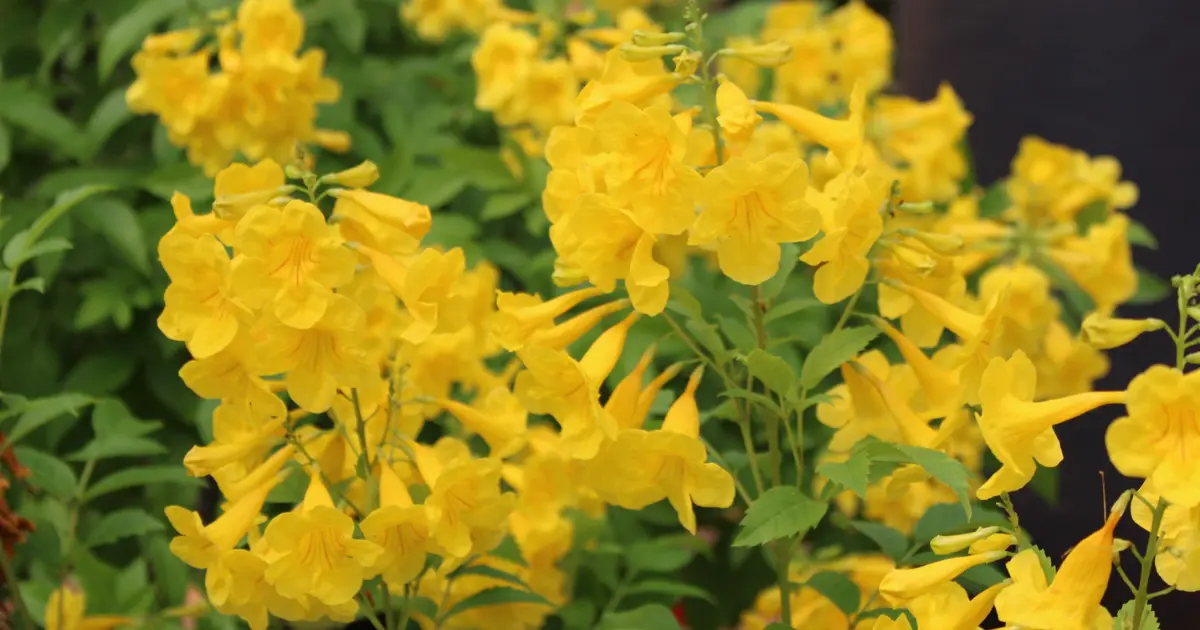
Mastering Esperanza Goldstar: Grow the Ultimate Yellow Bloom
Esperanza Goldstar is more than just a heat-tolerant shrub; for the American gardener battling the [...]
Apr
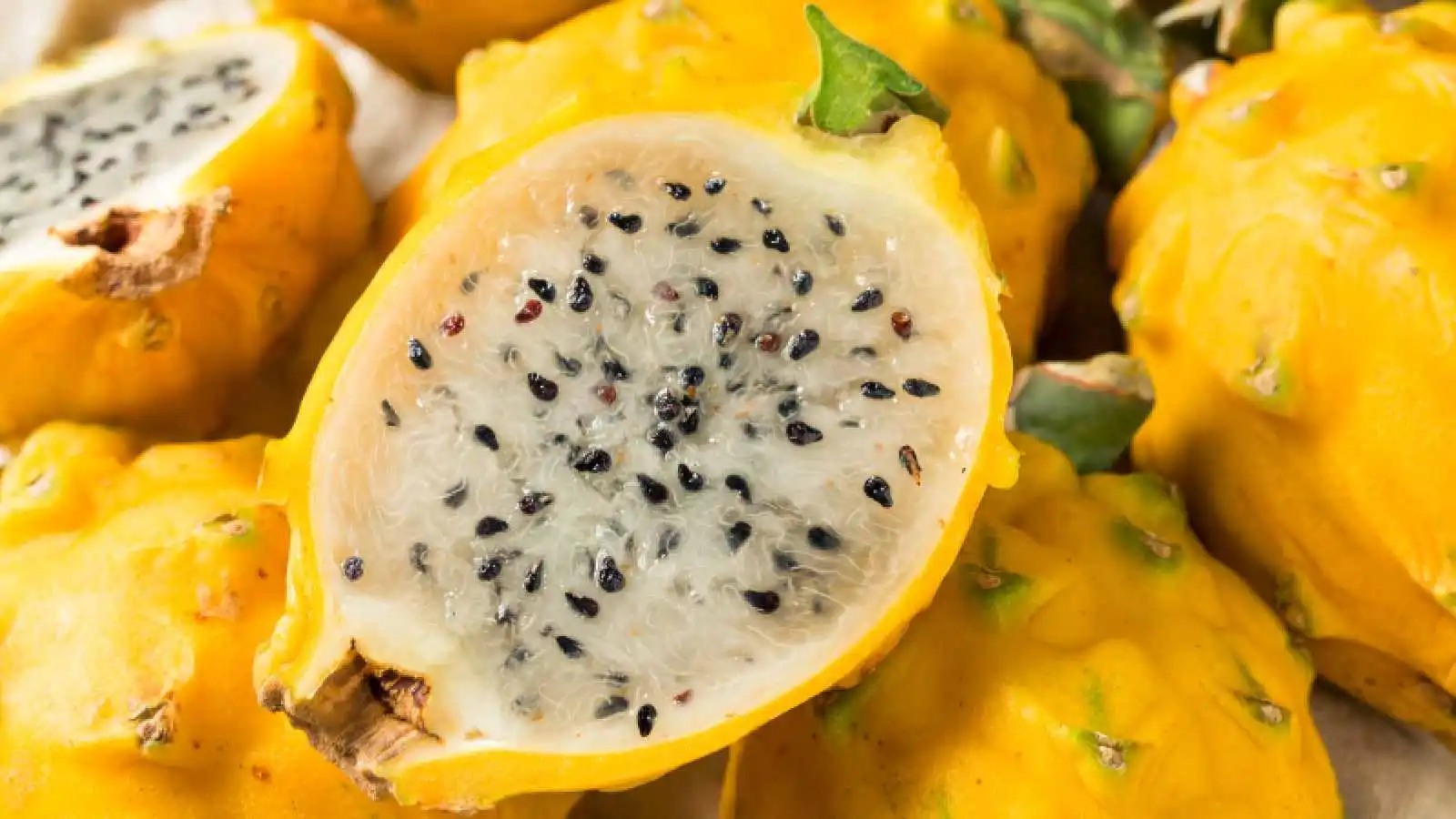
Yellow Dragon Fruit Plant Care: The Ultimate Guide for Healthy Growth
The yellow dragon fruit plant is a unique and rewarding addition to any home garden, [...]
Apr
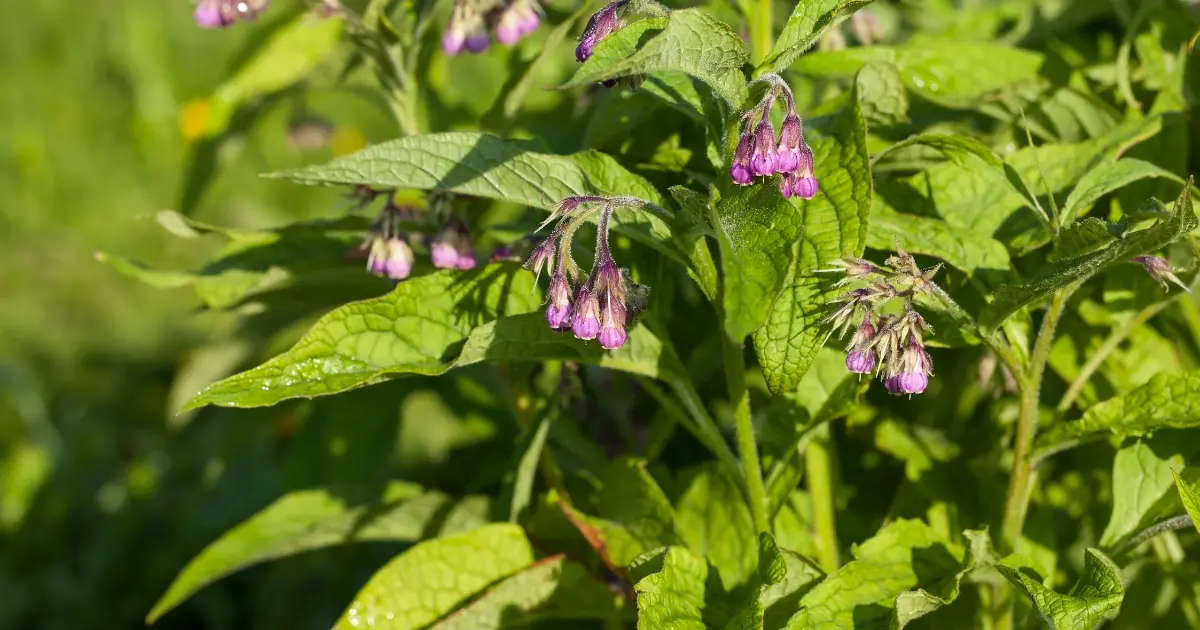
How to Identify Bocking 14 Comfrey: 5 Simple Visual Signs
If you’re growing comfrey for mulch, compost, or animal feed, knowing exactly which variety you [...]
Mar
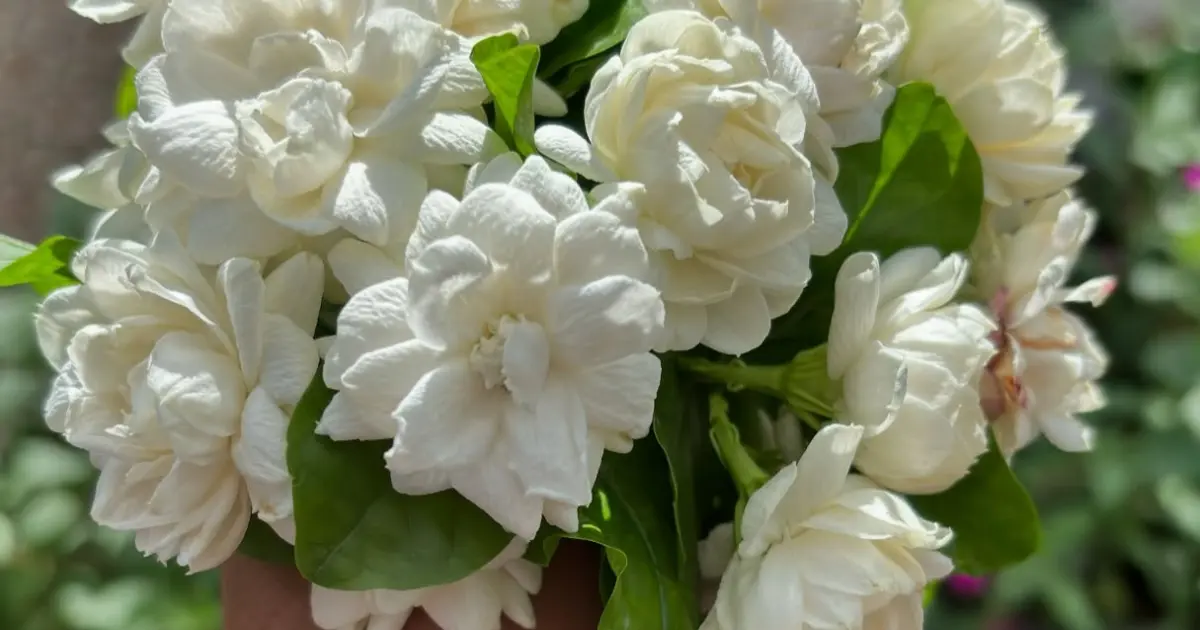
Grand Duke of Tuscany Jasmine: The Ultimate Guide to Growing a Fragrant Masterpiece
Have you ever caught a scent in the air so rich, creamy, and honey-sweet that [...]
Mar
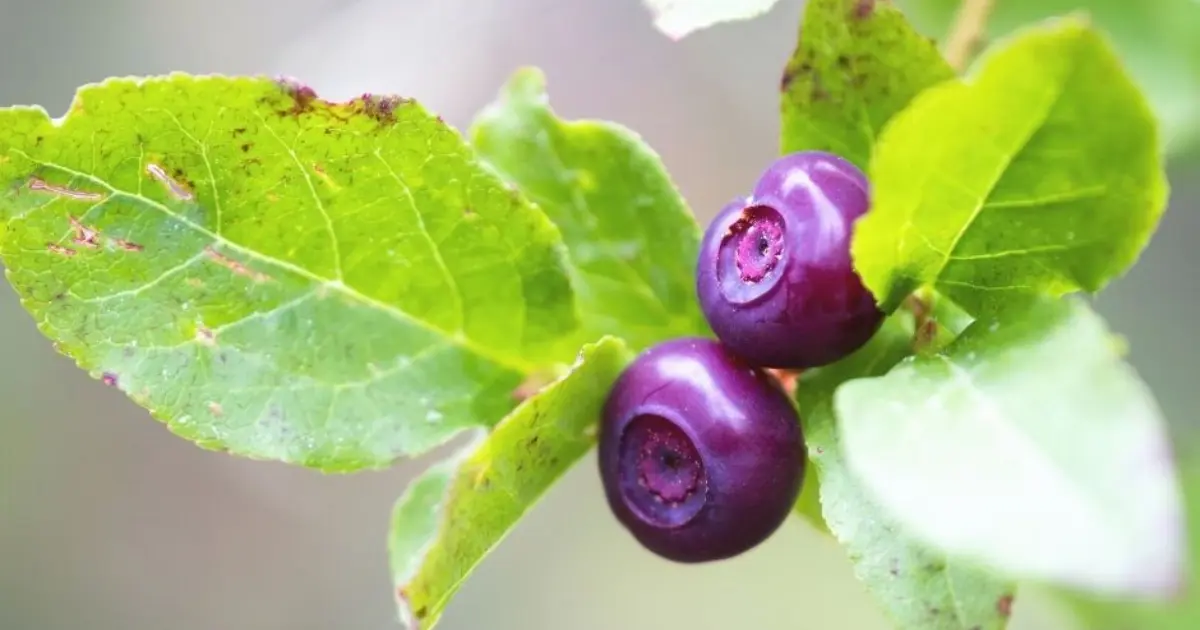
How to Grow Wild Huckleberries: A Guide to “Purple Gold”
Have you ever spent a summer afternoon hiking through the Pacific Northwest or the Rocky [...]
Mar
5 Best Shade-Loving Perennials for a Lush, Vibrant Garden
The world of gardening often shines a spotlight on sun-drenched blossoms, but there is a [...]
Mar

7 Common Curry Leaf Plant Problems: Easy Fixes for a Thriving Plant
Is your curry leaf plant looking a bit sad lately? Maybe you woke up to [...]
Mar
Best Time to Plant Bougainvillea: Timing for Vibrant Blooms
If you’re looking for a hardy tropical vine that delivers a riot of neon color, [...]
Feb


Reviews
There are no reviews yet.