
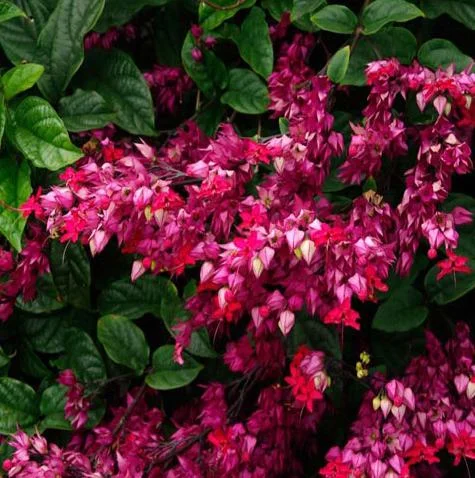
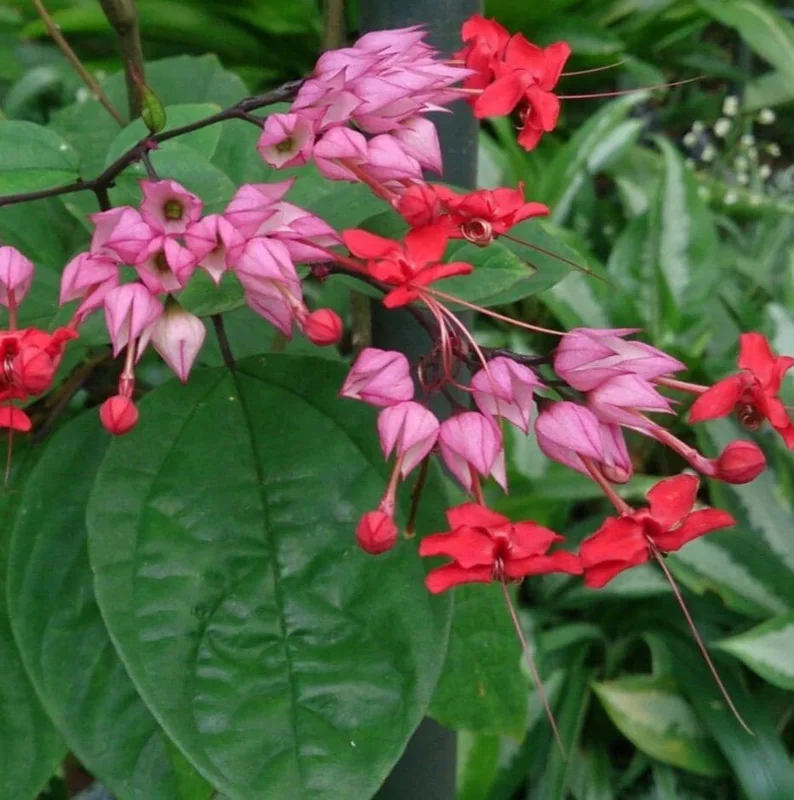
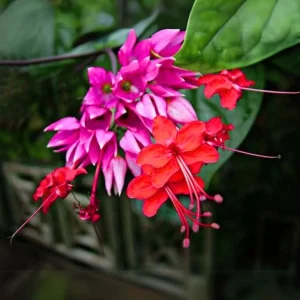
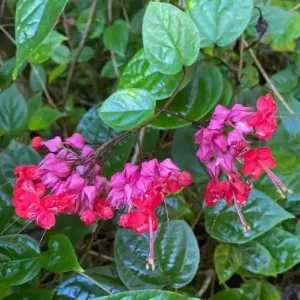
Red Purple Bleeding Heart Live Plant – Outdoor Perennial – 4 to 6 Inch Tall
Original price was: $45.99.$17.09Current price is: $17.09.
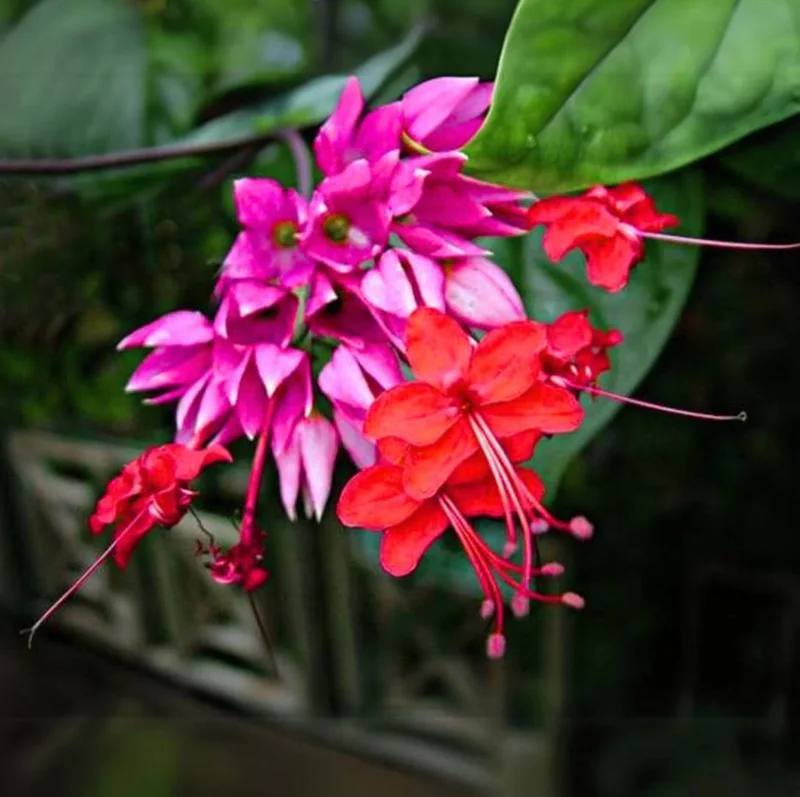
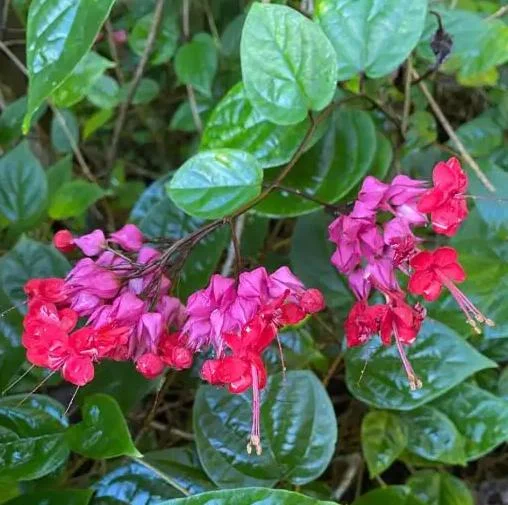
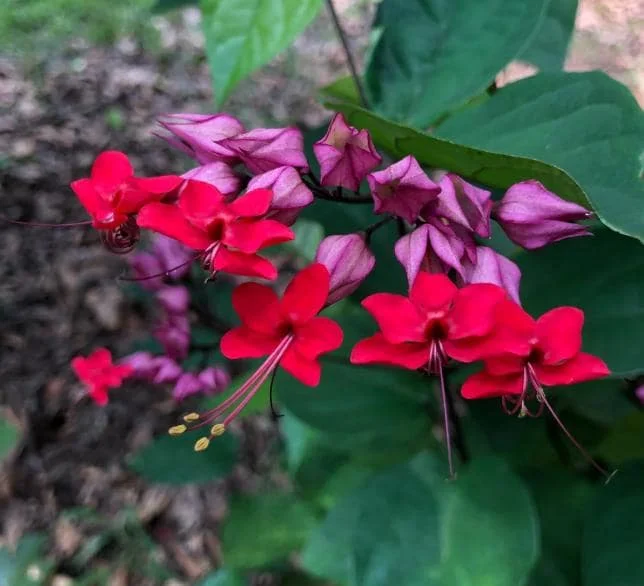
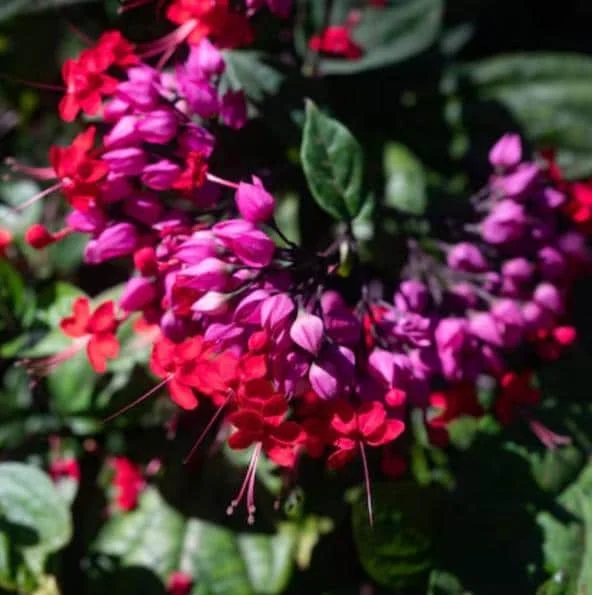
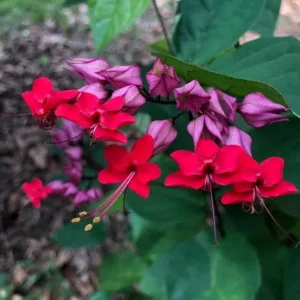
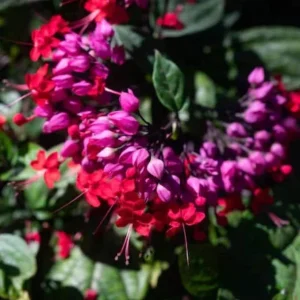
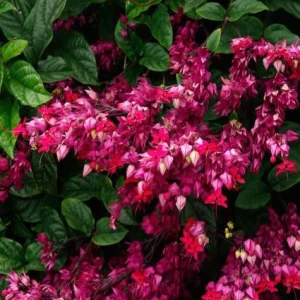
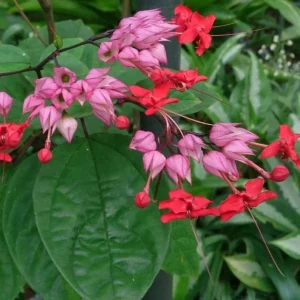
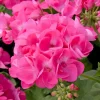
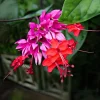
Bring captivating color to your garden with the red purple bleeding heart live plant. This beautiful perennial thrives in shade, producing elegant arching stems adorned with unique heart-shaped flowers in deep pink, red, or purplish-red hues. Ideal for outdoor gardens, growing 4 to 6 inches tall.
Estimated arrival
Oct 22
Oct 27 - Oct 29
Nov 01 - Nov 05

Reasonable Price
We offer reasonable price

Support 24/7
Contact us 24 hrs a day

100% Money Back
You've 30 days to Return

Payment Secure
100% secure payment
Overview
Introduce a touch of romantic elegance to your garden with the stunning red purple bleeding heart live plant. Known botanically as Dicentra spectabilis or Lamprocapnos spectabilis, this classic shade-loving perennial is a true showstopper. Its graceful, arching stems are beautifully lined with delicate, heart-shaped flowers that dangle in charming rows. The blooms showcase a captivating spectrum of colors, from deep pink and vibrant red to rich purplish-red, creating a striking visual contrast against its lush green foliage. This particular offering provides a healthy red purple bleeding heart live plant, typically measuring 4 to 6 inches tall, ready to establish itself and flourish in your outdoor landscape, bringing reliable spring and summer blooms for years to come.
The common name, “Bleeding Heart,” perfectly captures the distinct shape of its flowers, which appear as if a tiny drop is suspended from the bottom of each heart. This plant is an excellent choice for woodland gardens, shaded borders, or as an accent under trees, where its unique form and vibrant color can truly shine. It’s a low-maintenance beauty that adds an old-world charm to any garden setting, making it a beloved choice for both novice and experienced gardeners. If you’re looking for a distinctive and appealing perennial that thrives in less sunny spots, the red purple bleeding heart live plant is an exceptional option.
Key Benefits
The red purple bleeding heart live plant offers numerous advantages that make it a cherished addition to any garden:
- Stunning Ornamental Value: The most obvious benefit is its breathtaking beauty. The unique, heart-shaped flowers in shades of deep pink, red, or purplish-red create an unforgettable display, providing a focal point in any shaded garden area. Its arching habit adds graceful movement to the landscape.
- Shade Tolerance: Unlike many flowering plants that demand full sun, the red purple bleeding heart live plant thrives in partial to full shade, making it perfect for brightening up darker corners of your garden where other plants struggle to bloom.
- Early Spring Blooms: This perennial is among the first to flower in spring, often blooming from late spring into early summer. It provides much-needed color and cheer after the long winter months, signaling the arrival of warmer weather.
- Low Maintenance: Once established, this plant requires minimal care. It’s relatively pest-free and disease-resistant, making it an easy-care choice for busy gardeners. Its robust nature ensures it will return year after year with little fuss.
- Attracts Pollinators: While not a primary pollinator magnet, its early blooms can attract early-season bees and other beneficial insects, contributing to the biodiversity of your garden ecosystem.
- Versatile Garden Use: Ideal for woodland gardens, shaded perennial borders, cottage gardens, or as an underplanting for trees and shrubs. Its unique form and vibrant flowers make it suitable for various garden styles.
- Deer and Rabbit Resistant: Generally, deer and rabbits tend to leave bleeding heart plant care alone, which is a significant advantage in areas where these animals are a persistent problem for other plants.
Plant Care & Growing Tips
Caring for your red purple bleeding heart live plant is straightforward, ensuring years of beautiful blooms. This perennial prefers a location with bright, indirect light or partial to full shade. While it can tolerate some morning sun, it’s crucial to protect it from harsh afternoon sun, which can scorch its delicate foliage and shorten its blooming period. A spot under deciduous trees or on the north side of a building is often ideal, providing dappled light.
The soil is a critical factor for healthy growth. Clerodendrum bleeding heart thrives in rich, well-draining soil that is consistently moist but never waterlogged. Amend heavy clay soils with organic matter like compost or peat moss to improve drainage and fertility. If your soil is sandy, incorporating organic material will help retain moisture. Keep the soil consistently moist, especially during dry spells and the blooming season. However, avoid overwatering, as soggy conditions can lead to root rot. During peak growth, a balanced slow-release granular fertilizer applied in early spring can encourage vigorous growth and abundant flowering. This plant is hardy in USDA Zones 3 to 9, tolerating a wide range of climates. Ideal temperatures are between 55°F and 75°F. In colder zones, apply a layer of mulch in fall to protect the roots from freezing.
Pruning is minimal; simply remove spent flower stalks after blooming to encourage the plant to put energy into root development rather than seed production. The foliage of dicentra spectabilis often yellows and dies back in mid-summer, especially in warmer climates, as the plant enters dormancy. This is a natural process, and new growth will emerge the following spring. Do not be alarmed if your plant disappears after blooming; it’s simply resting. Providing adequate moisture and appropriate light conditions will ensure your shade loving perennial returns vigorously each year.
Size & Details
This offering includes a vibrant red purple bleeding heart live plant, typically arriving at a height of 4 to 6 inches tall from the soil line. These young plants are well-rooted and ready for transplanting into your garden. Bleeding Hearts are relatively fast growers, establishing quickly in suitable conditions. When mature, this perennial typically reaches a height of 2 to 3 feet and spreads about 2 to 3 feet wide, forming an attractive, mounding habit. The plant is shipped as a rooted live plant, carefully packaged to ensure its health and vitality upon arrival. Expect the first blooms in late spring to early summer, with flowering continuing for several weeks.
The mature size and spread make it an excellent choice for filling in gaps in shaded borders or creating a soft, natural look in woodland settings. While the foliage may die back in summer, the root system remains viable, ready to re-emerge with fresh growth and abundant flowers the following spring. Its moderate growth rate means it won’t quickly outgrow its space, making it a manageable and rewarding addition to your landscape design. The plant’s overall form is elegant and adds a textural element to garden beds.
Frequently Asked Questions
- Q: How big does this plant get? A: The red purple bleeding heart live plant typically grows to a mature height of 2 to 3 feet tall and spreads approximately 2 to 3 feet wide, forming a beautiful, mounding shape in your garden.
- Q: Is this an indoor or outdoor plant? A: This is an outdoor perennial plant, perfectly suited for garden beds, borders, and woodland settings. It thrives in shaded outdoor environments rather than indoors.
- Q: How much sunlight does it need? A: The bleeding heart plant care requires partial to full shade. It prefers bright, indirect light and should be protected from harsh afternoon sun to prevent foliage scorch.
- Q: What condition will it arrive in? A: Your red purple bleeding heart live plant will arrive as a healthy, rooted live plant, carefully packaged to ensure its safe journey and readiness for planting. It will be 4 to 6 inches tall.
- Q: Is this plant easy to care for? A: Yes, the clerodendrum bleeding heart is considered a low-maintenance plant. Once established, it requires consistent moisture and appropriate light but is generally pest and disease resistant.
- Q: How long until it blooms? A: Bleeding Hearts typically bloom in late spring to early summer, providing a vibrant display of heart-shaped flowers for several weeks. Established plants will bloom reliably each year.
- Q: Will it survive winter in my zone? A: This plant is cold-hardy in USDA Zones 3 to 9. In colder zones, applying a layer of mulch in the fall can help protect the roots through winter.
- Q: What type of soil does a bleeding heart prefer? A: The shade loving perennial thrives in rich, well-draining soil that is kept consistently moist. Amending with organic matter is beneficial for both drainage and fertility.
- Q: Can I divide this plant? A: Yes, Bleeding Hearts can be divided in early spring or fall when the plant is dormant. This is a good way to propagate new plants or manage the size of an existing clump.
- Q: Is it good for beginners? A: Absolutely! With its relatively low maintenance needs and tolerance for shade, the dicentra spectabilis is an excellent choice for beginner gardeners looking to add unique beauty to their outdoor spaces.
Be the first to review “Red Purple Bleeding Heart Live Plant – Outdoor Perennial – 4 to 6 Inch Tall”
-
USDA Hardiness Zone
USDA Zones 3 to 9 -
Soil Type
Rich, well-draining soil -
Sunlight Exposure
Bright, indirect light -
Expected Planting Period
Spring to summer
People Also Viewd
Sold 134 products
Original price was: $3,536.00.$23.99Current price is: $23.99.
Sold 132 products
Original price was: $27.00.$24.00Current price is: $24.00.
Sold 132 products
Original price was: $89.99.$64.99Current price is: $64.99.

Sold 125 products
Original price was: $86.99.$66.99Current price is: $66.99.
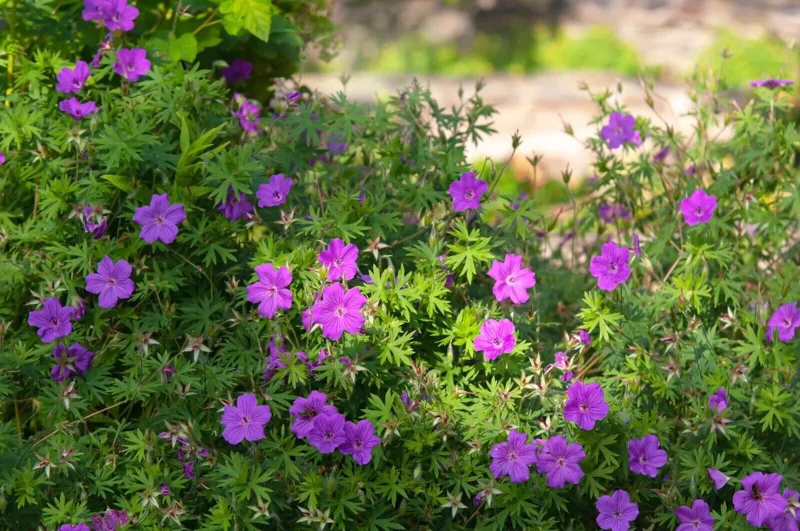
Flower Bulbs
3 Cranesbill Wild Geranium Organic Maculatums Bare Roots | Wildflower for Outdoor Garden
Sold 116 products
Original price was: $21.99.$9.99Current price is: $9.99.
Sold 114 products
Original price was: $28.99.$17.99Current price is: $17.99.
Sold 110 products
Original price was: $63.99.$28.99Current price is: $28.99.
Sold 108 products
Original price was: $28.99.$17.99Current price is: $17.99.RELATED posts
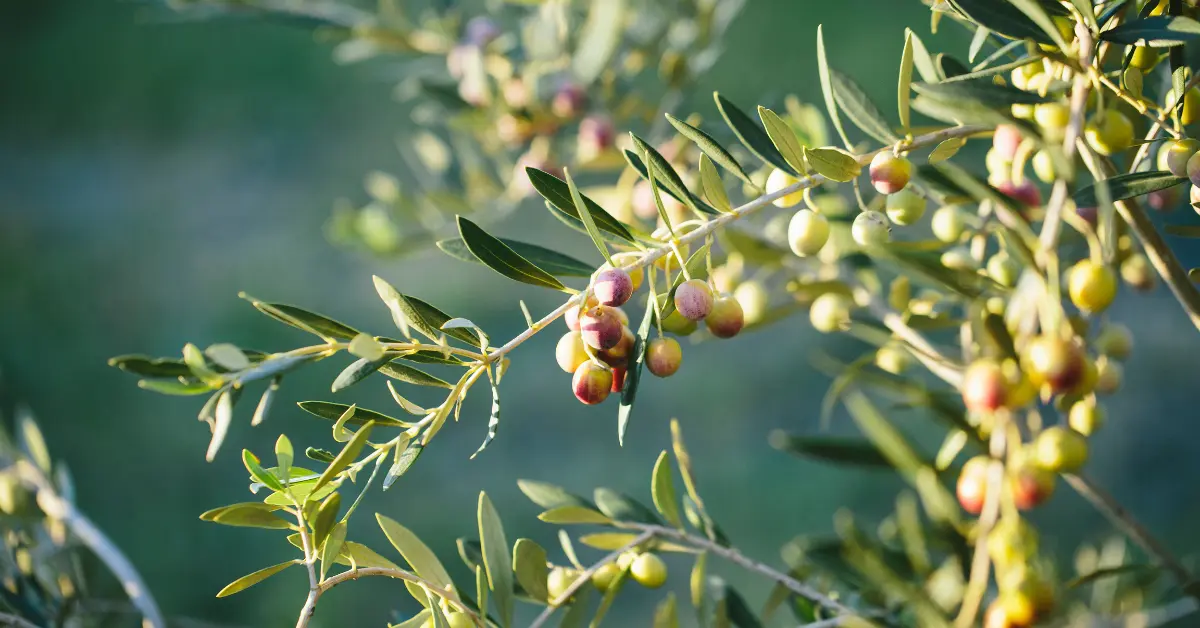
How to Grow Arbequina Olive Trees: The Ultimate Guide to Your Own Olive Grove
Arbequina Olive Tree (Olea europaea ‘Arbequina’) – the ultimate Mediterranean plant that brings a touch [...]
Oct
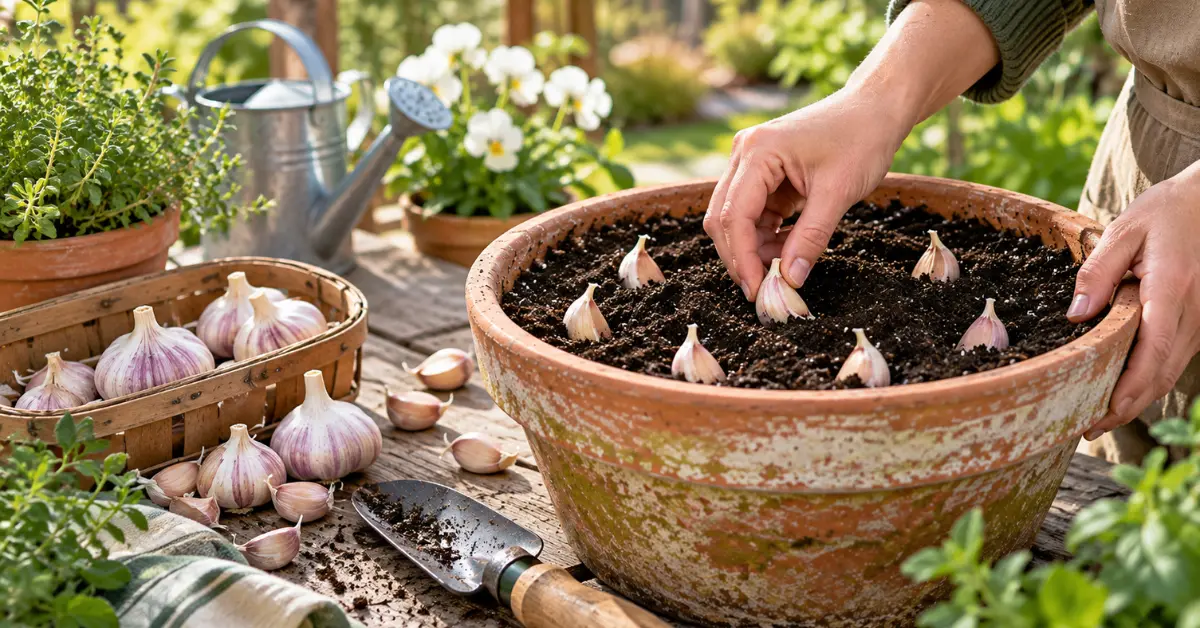
Growing Garlic in Containers This Fall: A Complete Guide for Beginners
If you’ve ever wanted to pop fresh, aromatic garlic cloves straight from your own patio [...]
Sep
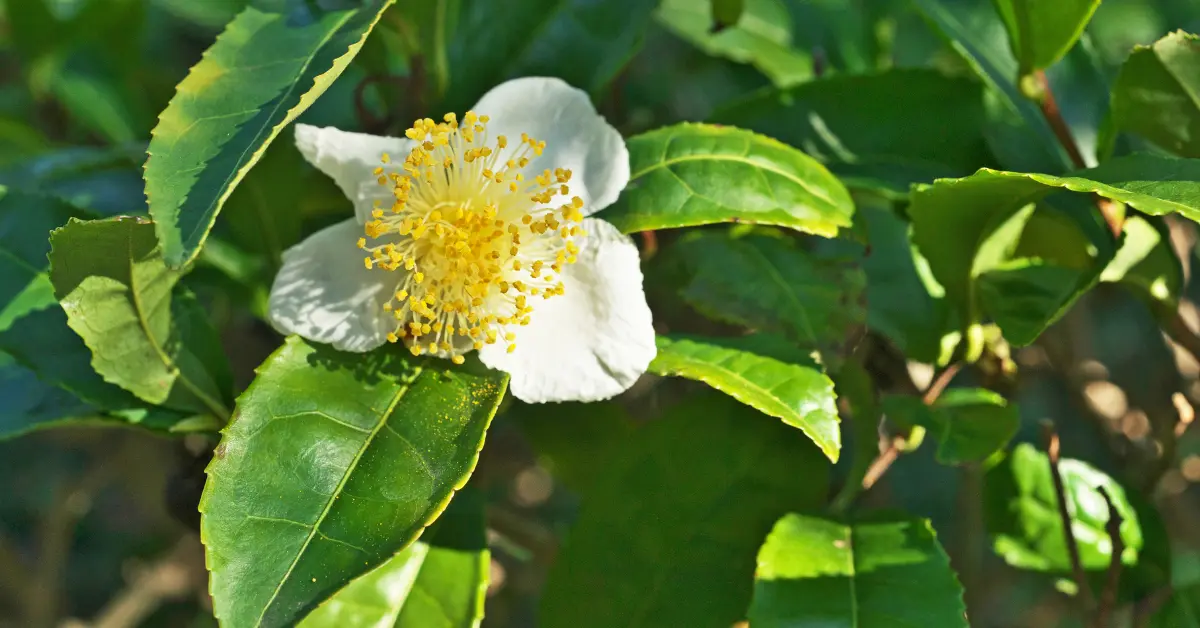
Growing Camellia Sinensis (Tea Plants) in Containers: A Complete Guide for Beginners
If you’ve ever wanted to sip a steaming, homegrown cup of fresh green, black, or [...]
Aug
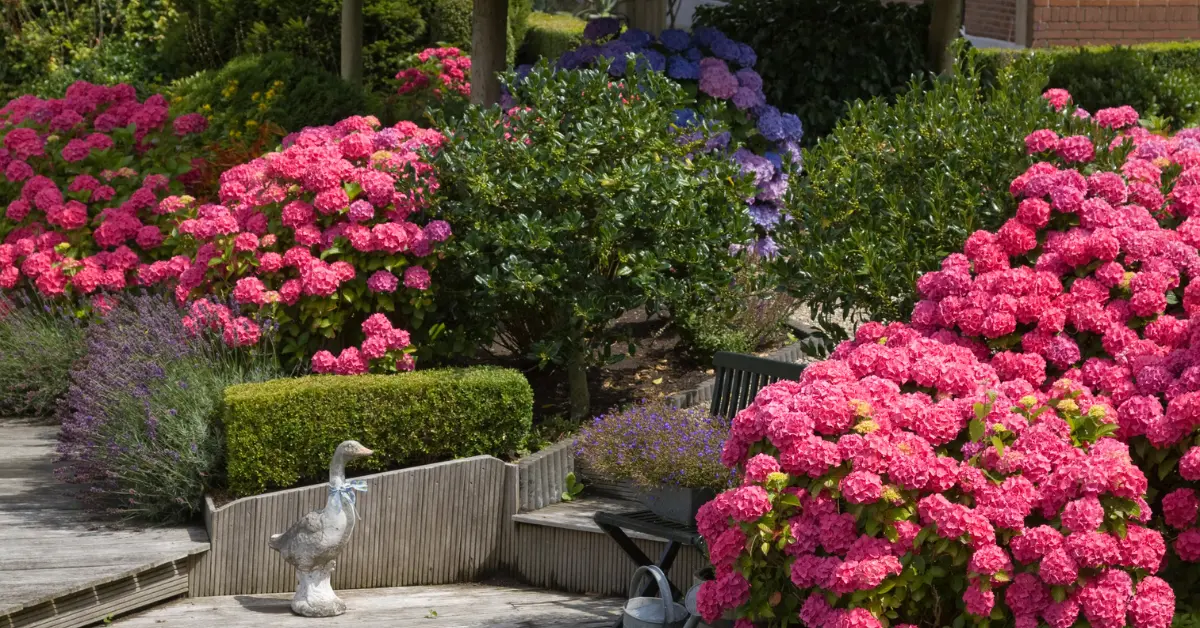
6 Best Shrubs to Plant in August You Must Try
Have you ever walked through a nursery late in the summer, admired the vibrant shrubs [...]
Aug
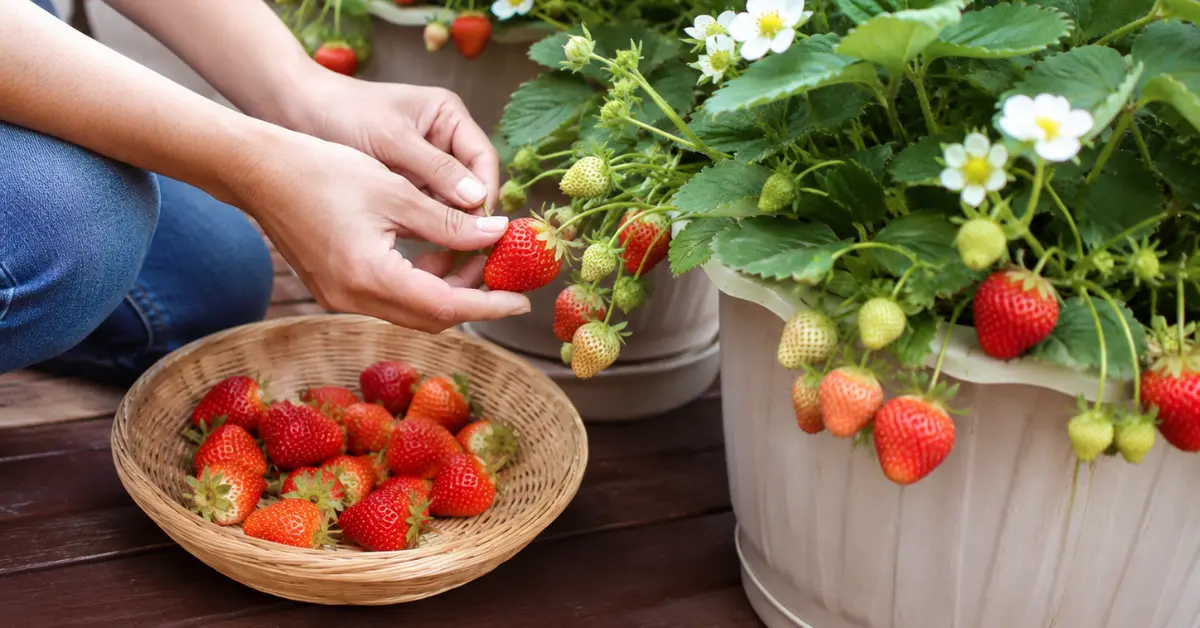
Growing Everbearing Strawberries in Containers: A Complete Guide for Beginners
Want to grow sweet, fresh strawberries but do not have a large garden? Everbearing strawberries [...]
Aug
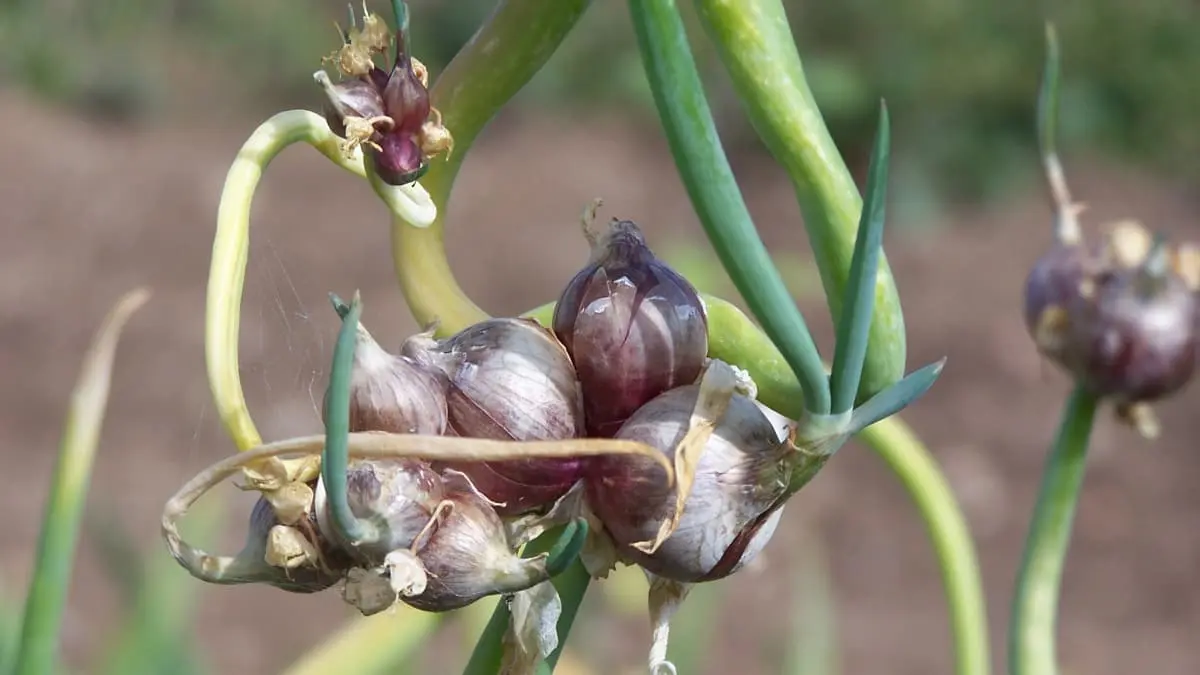
Growing Egyptian Walking Onions in Containers: A Complete Guide for Beginners
If you’re looking for a hardy, no-fuss perennial onion that keeps on giving year after [...]
Jul
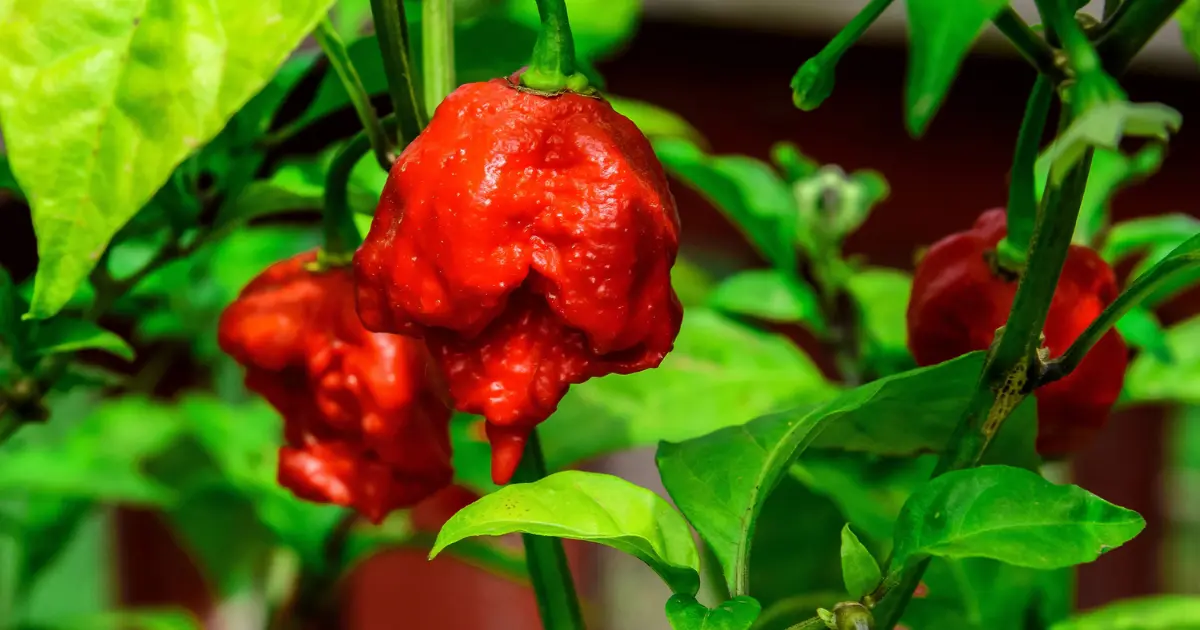
Growing Carolina Reaper Peppers in Pots: A Complete Guide for Beginners
If you’ve ever wanted to add some serious, record-breaking heat to your home cooking, you’ve [...]
May
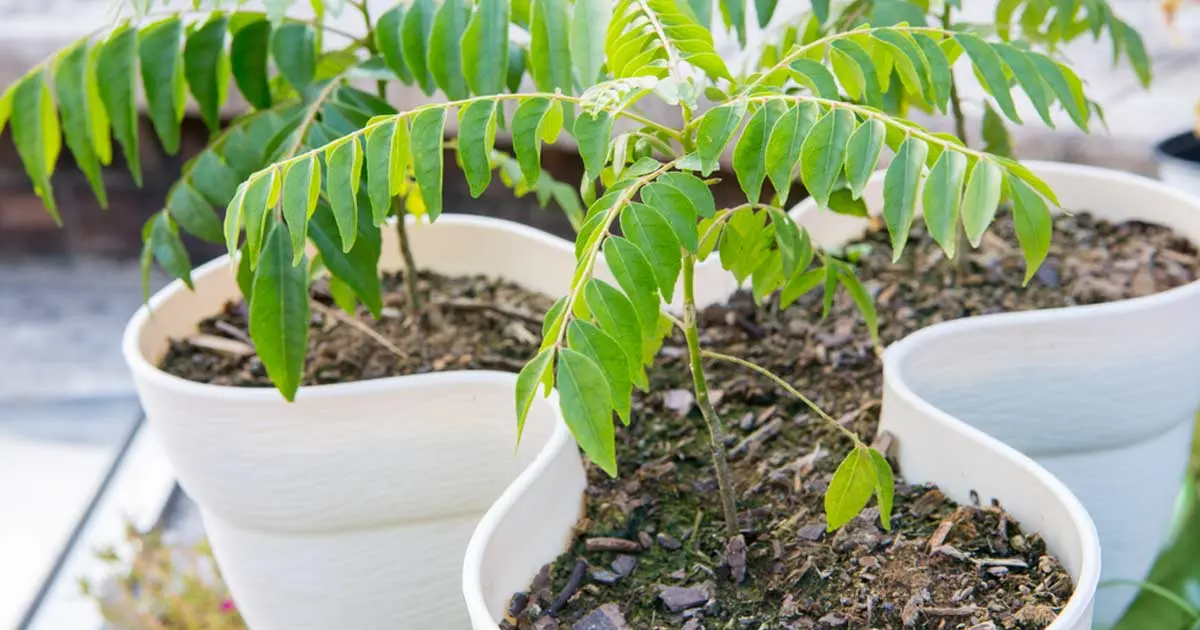
Growing Curry Leaf Plant in Pots: A Complete Guide for Beginners
If you’re a fan of authentic South Asian cuisine, you already know that nothing compares [...]
May
Reviews
There are no reviews yet.