
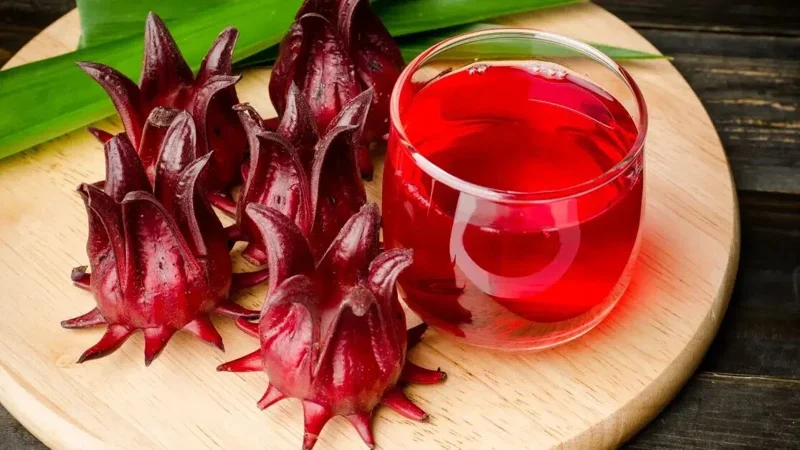
Roselle Seeds (25+ Count) – Asian Sour Leaf, Red Sorrel, Florida Cranberry, Jamaican Tea
Original price was: $22.09.$7.09Current price is: $7.09.
Cultivate your own vibrant roselle plants with our premium roselle seeds. These versatile seeds yield plants known as Asian Sour Leaf, Red Sorrel, and Florida Cranberry, perfect for brewing delicious Jamaican tea or adding a tangy flavor to culinary creations. Each packet contains 25+ seeds ready for planting.
Estimated arrival
Apr 07
Apr 12 - Apr 14
Apr 17 - Apr 21

Reasonable Price
We offer reasonable price

Support 24/7
Contact us 24 hrs a day

100% Money Back
You've 30 days to Return

Payment Secure
100% secure payment
Overview
Discover the joy of growing your own exotic and versatile plant with our premium roselle seeds. Often known by several common names such as Asian Sour Leaf, Red Sorrel, Florida Cranberry, and Jamaican Tea Plant, Roselle (Hibiscus sabdariffa) is a fascinating annual or perennial herb depending on your climate. These seeds allow you to cultivate the plant renowned for its vibrant red calyces, which are widely used for their tart flavor and striking color in beverages, jams, and culinary dishes. Originating from West Africa, roselle has found its way into tropical and subtropical regions worldwide, cherished for both its ornamental beauty and its edible parts. Growing roselle from seed is a rewarding experience, providing fresh ingredients for your kitchen and garden.
Our roselle seeds are carefully selected to ensure high germination rates, giving you the best start for a successful harvest. Whether you’re an experienced gardener or just beginning, planting these seeds will introduce a unique and beneficial plant to your landscape. The plant itself is quite resilient and can thrive in various conditions once established, offering a continuous supply of its prized calyces.
Key Benefits
Growing roselle seeds offers a multitude of benefits, from culinary versatility to garden aesthetics. This plant is a true gem for any home gardener looking for something both beautiful and productive.
- Culinary Versatility: The vibrant red calyces are the star of the show, used fresh or dried to make a tart, refreshing beverage known as Jamaican tea or agua de Jamaica. They can also be used in jams, jellies, sauces, and even as a flavorful addition to salads and savory dishes. The leaves themselves are edible and used in some cuisines as a sour vegetable.
- Ornamental Appeal: Beyond its culinary uses, the roselle plant boasts attractive foliage and beautiful, hibiscus-like flowers before the calyces form. Its bushy growth can add a tropical flair to your garden or patio.
- Easy to Grow: Roselle seeds are relatively easy to germinate and grow, making them suitable for gardeners of all skill levels. With proper care, you’ll be enjoying a bountiful harvest in no time.
- Health Benefits: Traditionally, roselle has been used for its potential health-promoting properties, including supporting cardiovascular health and providing antioxidants. Enjoying your homegrown roselle can be a step towards a healthier lifestyle.
- Drought Tolerant: Once established, roselle plants are quite resilient and can tolerate periods of drought, making them a good choice for water-wise gardening in appropriate climates.
- Attracts Pollinators: The flowers of the roselle plant can attract beneficial pollinators like bees and butterflies to your garden, contributing to a healthy ecosystem.
- Fast Growing: Roselle grows quickly, allowing for a relatively swift turnaround from planting the roselle seeds to harvesting the calyces, often within a few months.
Plant Care & Growing Tips
To successfully grow roselle from our high-quality seeds, understanding its basic care requirements is key. Roselle thrives in warm climates and prefers full sun exposure, ideally receiving at least 6-8 hours of direct sunlight daily. In hotter climates, some afternoon shade can be beneficial to prevent scorching. Plant your roselle seeds directly into the garden after the last frost date, or start them indoors 4-6 weeks before transplanting. Ensure the soil temperature is consistently above 65°F (18°C) for optimal germination.
Roselle prefers well-draining, fertile soil with a slightly acidic to neutral pH (6.0-7.0). Amend heavy clay soils with organic matter like compost to improve drainage and aeration. While established plants are somewhat drought-tolerant, consistent moisture is crucial during germination and early growth. Water deeply and regularly, especially during dry spells, but avoid waterlogging the soil. Fertilize sparingly; a balanced organic fertilizer applied once a month during the growing season is usually sufficient. Over-fertilization can lead to excessive foliage growth at the expense of calyx production. Pruning can encourage bushier growth and more calyces. Look out for common pests like aphids or whiteflies, and treat them with organic pest control methods if necessary. For those looking to grow roselle in containers, choose a pot at least 10-12 inches in diameter with good drainage holes.
Size & Details
Each packet contains 25+ roselle seeds, providing ample opportunity to establish a thriving patch of this wonderful plant. Roselle plants typically grow to an average height of 3-7 feet, with a spread of 2-5 feet, forming a bushy and attractive specimen. The growth rate is relatively fast, with the first harvest of calyces usually possible within 3-4 months after planting the roselle seeds. These plants have a perennial life cycle in tropical zones (USDA Zone 9 and above) but are typically grown as annuals in cooler climates due to their sensitivity to frost. The seeds you receive are suitable for planting across a wide range of growing zones, given appropriate warmth and sunlight. Expect beautiful red calyces that are ready for harvest when they are plump and firm. This quantity of seeds is ideal for home gardens, providing enough plants for culinary use and sharing.
Frequently Asked Questions
- Q: How big does a roselle plant get? A: A roselle plant typically grows between 3 to 7 feet tall and can spread 2 to 5 feet wide, forming a bushy structure. Its size can vary based on growing conditions and climate.
- Q: Is this an indoor or outdoor plant? A: Roselle is primarily an outdoor plant that thrives in warm, sunny conditions. In colder climates, it can be started indoors and transplanted outside after the last frost, or grown in large containers that can be moved indoors during winter.
- Q: How much sunlight does roselle need? A: Roselle requires at least 6-8 hours of direct sunlight per day to produce the best yields of calyces. Full sun is ideal, especially for those looking to grow roselle for its edible parts.
- Q: Is this plant easy to care for? A: Yes, roselle is considered relatively easy to care for, especially in warm climates. It needs consistent watering during establishment but becomes more drought-tolerant once mature. It’s a great choice for beginner gardeners.
- Q: Can I use roselle in cooking? A: Absolutely! The red calyces are famous for making tart beverages like Jamaican tea, and can also be used in jams, jellies, sauces, and as a tangy addition to various dishes. The young leaves are also edible.
- Q: When is the best time to plant roselle seeds? A: The best time to plant roselle seeds is in late spring or early summer, after all danger of frost has passed and the soil has warmed. In tropical regions, it can be planted year-round.
- Q: What’s the minimum temperature roselle can tolerate? A: Roselle is very sensitive to frost. It generally thrives in temperatures above 65°F (18°C) and will not tolerate temperatures below 40°F (4°C) for extended periods.
- Q: Will these seeds grow into Florida cranberry plants? A: Yes, ‘Florida Cranberry’ is one of the common names for Roselle (Hibiscus sabdariffa). These roselle seeds will indeed grow into the plant known as Florida Cranberry, producing the tart red calyces.
- Q: How long until I can harvest the calyces? A: You can typically expect to harvest the first calyces from your roselle plants within 90-120 days (3-4 months) after planting the seeds, depending on growing conditions.
- Q: Do I need to fertilize roselle plants? A: While roselle is not a heavy feeder, a balanced organic fertilizer applied once a month during the active growing season can promote healthier growth and better yields. Avoid excessive nitrogen.
Be the first to review “Roselle Seeds (25+ Count) – Asian Sour Leaf, Red Sorrel, Florida Cranberry, Jamaican Tea”
-
USDA Hardiness Zone
USDA zones 9-11 (as perennial), grown as annual elsewhere -
Soil Type
Well-draining, fertile soil -
Sunlight Exposure
Full sun (6-8 hours daily) -
Expected Planting Period
Late spring to early summer
People Also Viewd
Sold 128 products
Original price was: $89.99.$64.99Current price is: $64.99.
Sold 128 products
Original price was: $27.00.$24.00Current price is: $24.00.
Sold 127 products
Original price was: $159.99.$139.99Current price is: $139.99.
Sold 126 products
Original price was: $3,536.00.$23.99Current price is: $23.99.

Sold 125 products
Original price was: $86.99.$66.99Current price is: $66.99.
Sold 116 products
Original price was: $27.99.$16.99Current price is: $16.99.
Flower Bulbs
3 Cranesbill Wild Geranium Organic Maculatums Bare Roots | Wildflower for Outdoor Garden
Sold 114 products
Original price was: $21.99.$6.99Current price is: $6.99.
Sold 114 products
Original price was: $28.99.$17.99Current price is: $17.99.RELATED posts
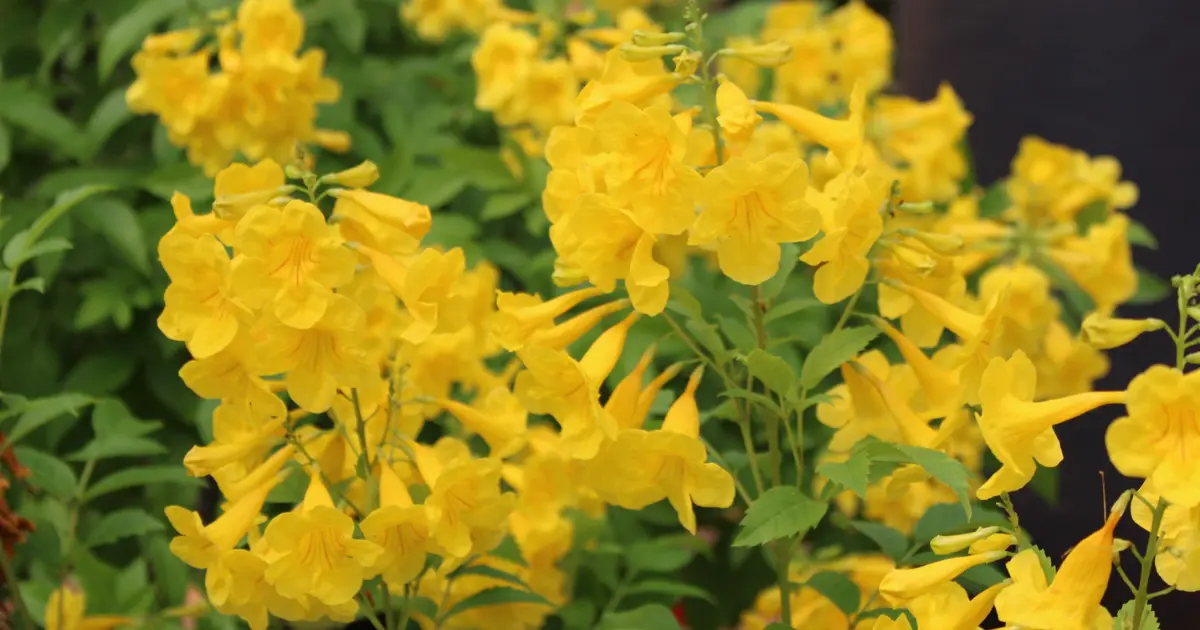
Mastering Esperanza Goldstar: Grow the Ultimate Yellow Bloom
Esperanza Goldstar is more than just a heat-tolerant shrub; for the American gardener battling the [...]
Apr
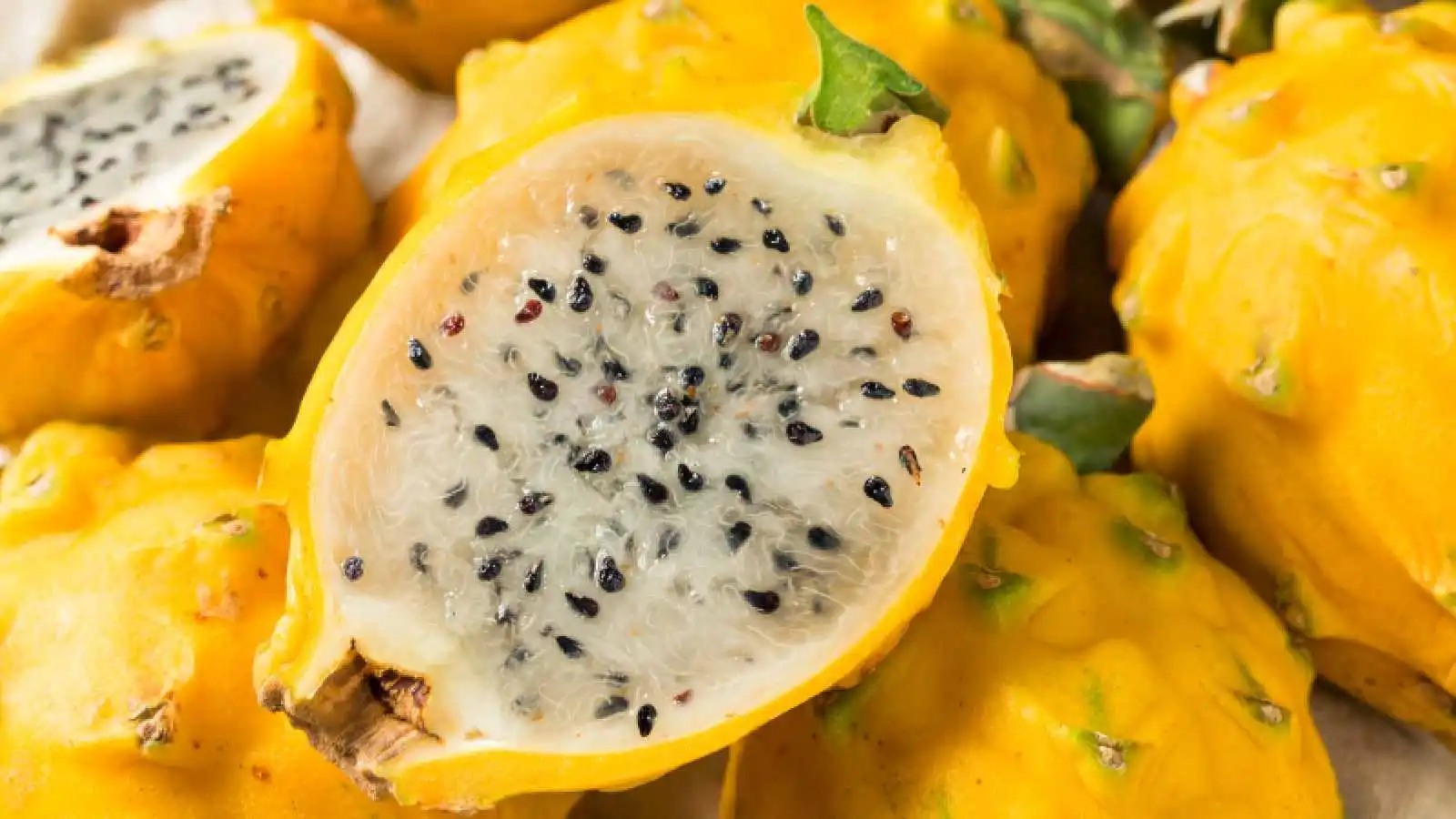
Yellow Dragon Fruit Plant Care: The Ultimate Guide for Healthy Growth
The yellow dragon fruit plant is a unique and rewarding addition to any home garden, [...]
Apr
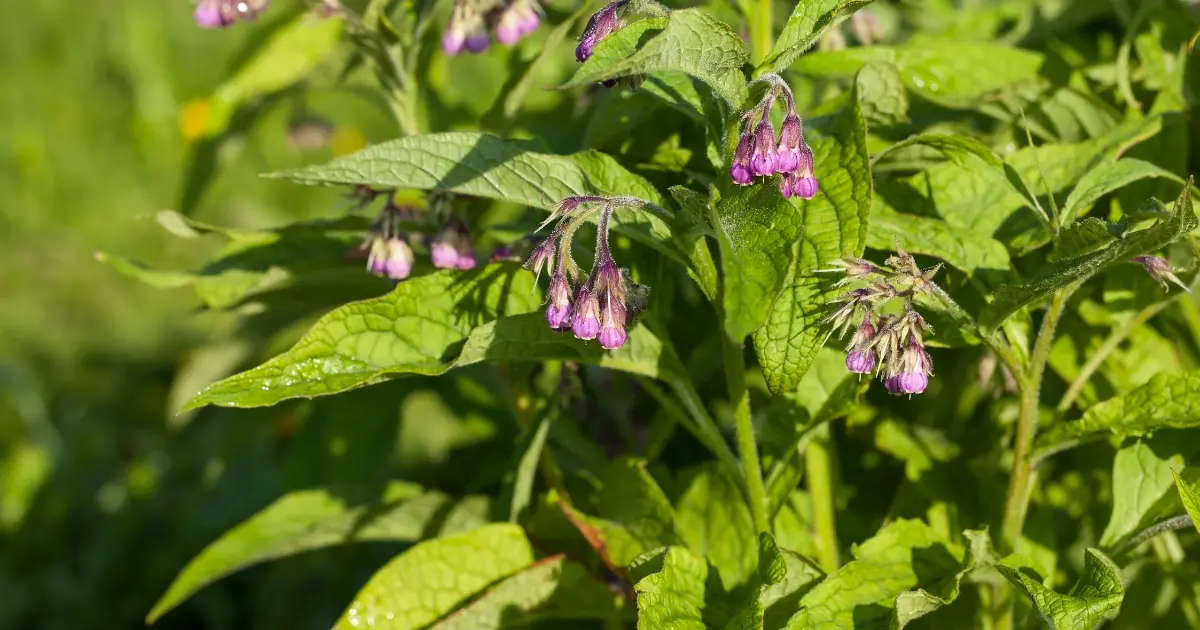
How to Identify Bocking 14 Comfrey: 5 Simple Visual Signs
If you’re growing comfrey for mulch, compost, or animal feed, knowing exactly which variety you [...]
Mar
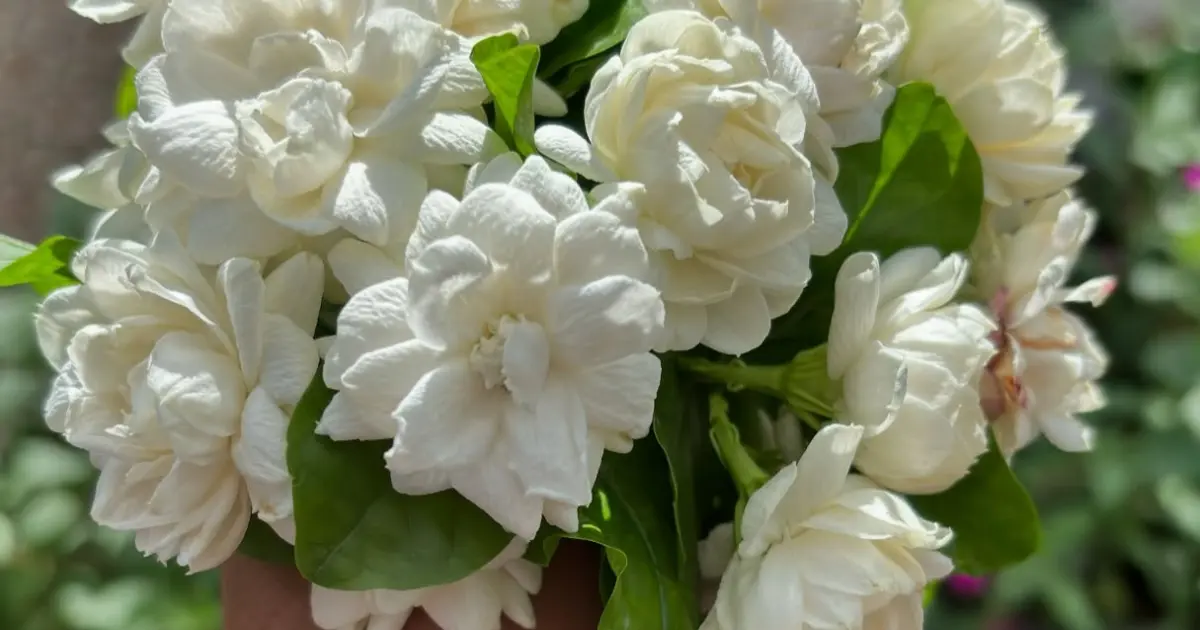
Grand Duke of Tuscany Jasmine: The Ultimate Guide to Growing a Fragrant Masterpiece
Have you ever caught a scent in the air so rich, creamy, and honey-sweet that [...]
Mar
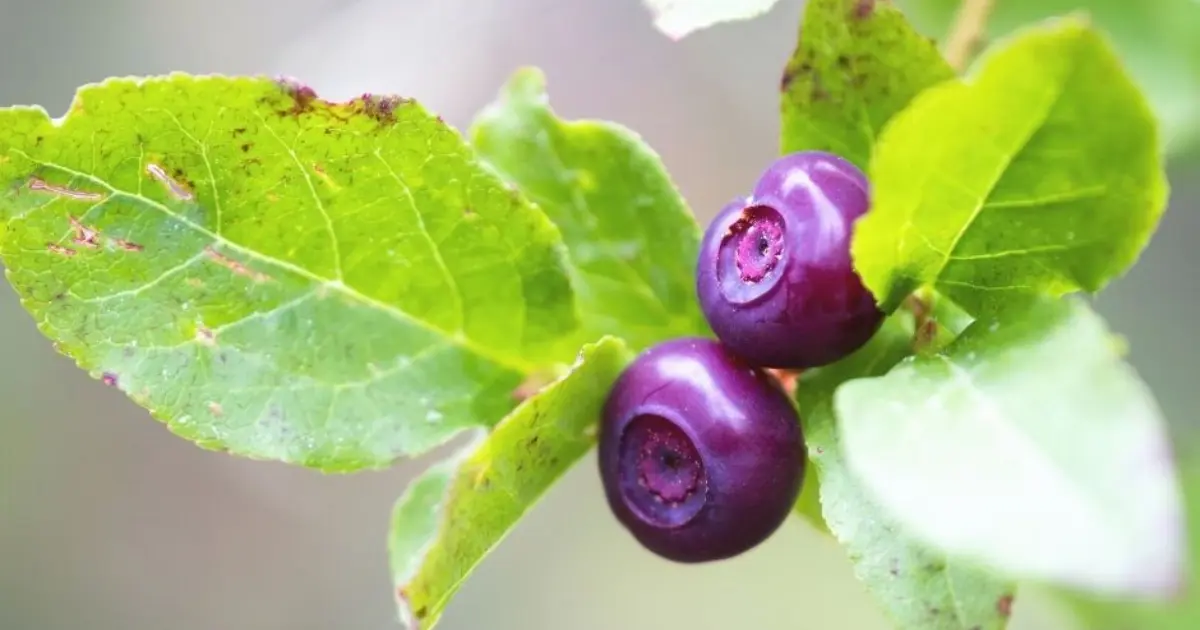
How to Grow Wild Huckleberries: A Guide to “Purple Gold”
Have you ever spent a summer afternoon hiking through the Pacific Northwest or the Rocky [...]
Mar
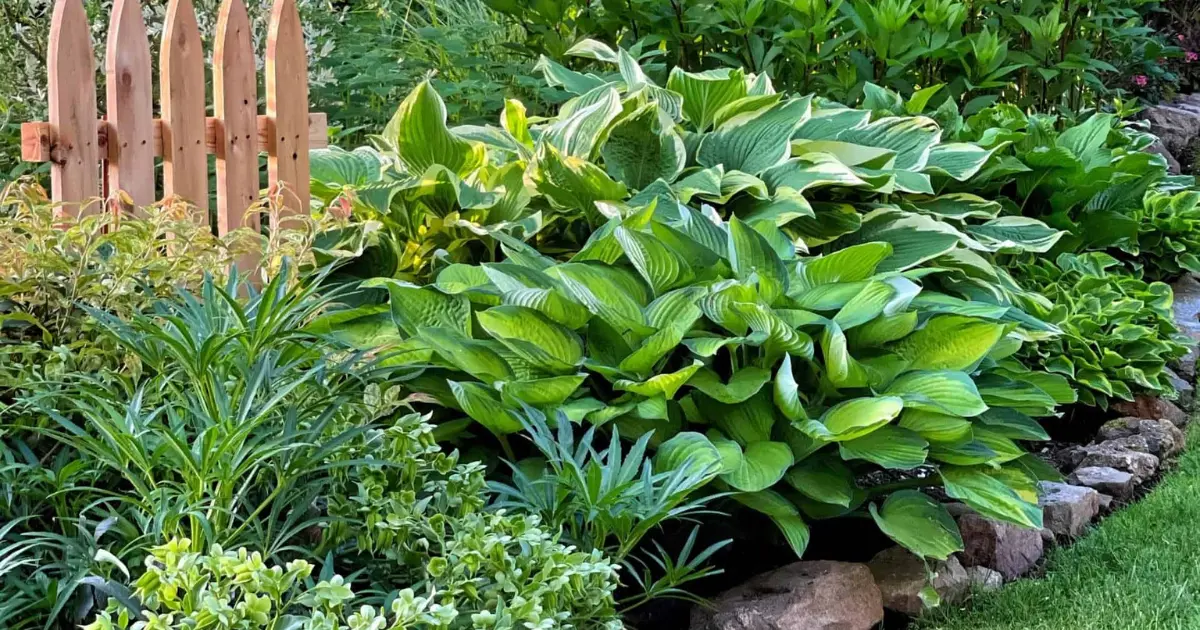
5 Best Shade-Loving Perennials for a Lush, Vibrant Garden
The world of gardening often shines a spotlight on sun-drenched blossoms, but there is a [...]
Mar

7 Common Curry Leaf Plant Problems: Easy Fixes for a Thriving Plant
Is your curry leaf plant looking a bit sad lately? Maybe you woke up to [...]
Mar
Best Time to Plant Bougainvillea: Timing for Vibrant Blooms
If you’re looking for a hardy tropical vine that delivers a riot of neon color, [...]
Feb


Reviews
There are no reviews yet.