
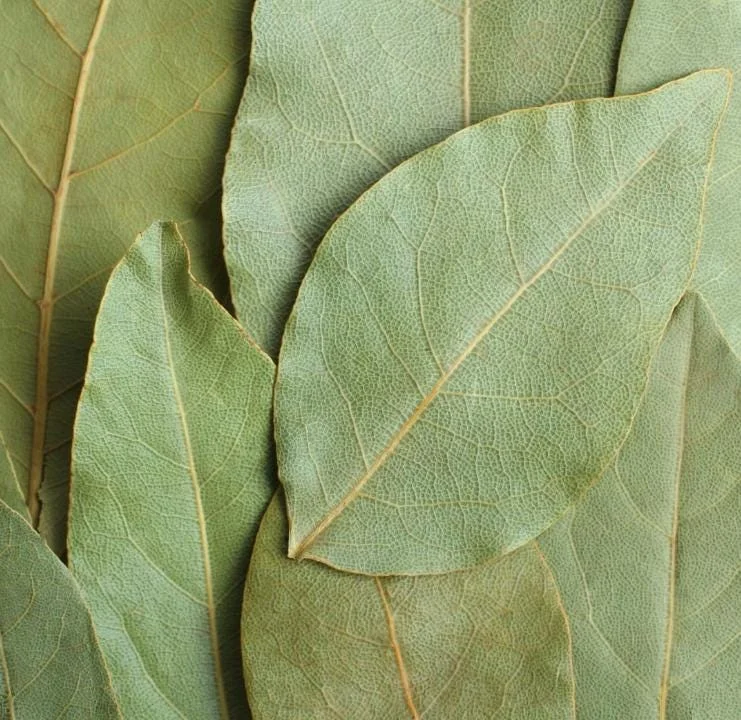
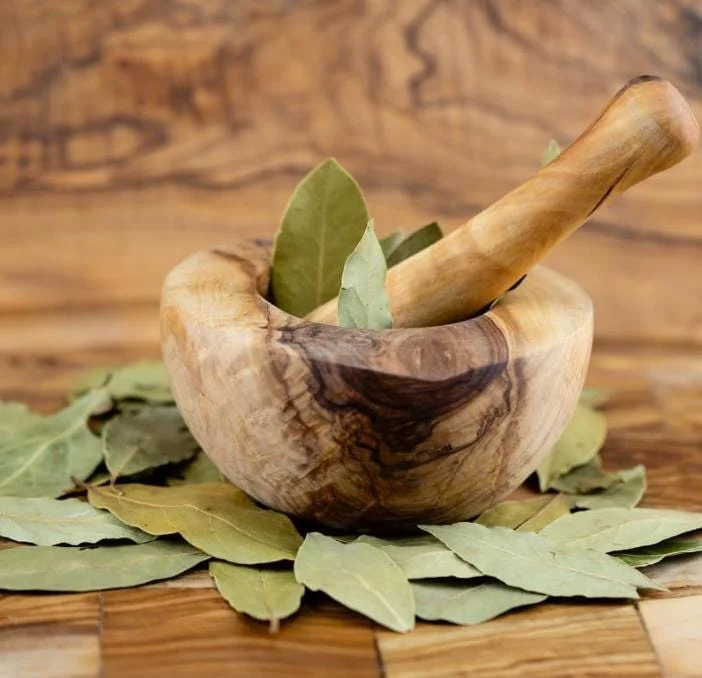
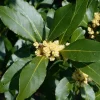
Set of 3 Bay Leaf Live Plants – Bay Laurel (Laurus nobilis) Culinary Herb, 8-10 Inch Tall, 3 Inch Pot
Original price was: $99.99.$69.99Current price is: $69.99.
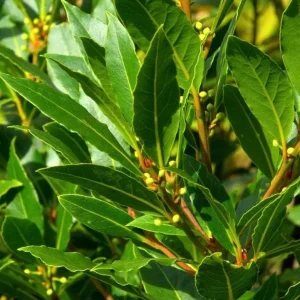
Cultivate your own aromatic leaves with this set of 3 bay leaf live plant specimens. Each bay laurel plant care is straightforward, offering both culinary and ornamental value. These laurus nobilis plant are approximately 8-10 inches tall and come in 3-inch pots, ready for your garden or kitchen.
Estimated arrival
Apr 07
Apr 12 - Apr 14
Apr 17 - Apr 21

Reasonable Price
We offer reasonable price

Support 24/7
Contact us 24 hrs a day

100% Money Back
You've 30 days to Return

Payment Secure
100% secure payment
Overview
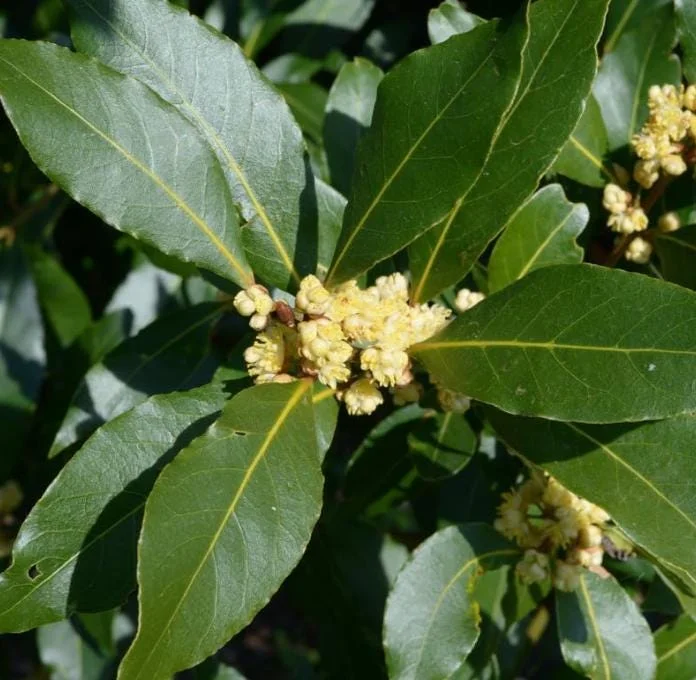
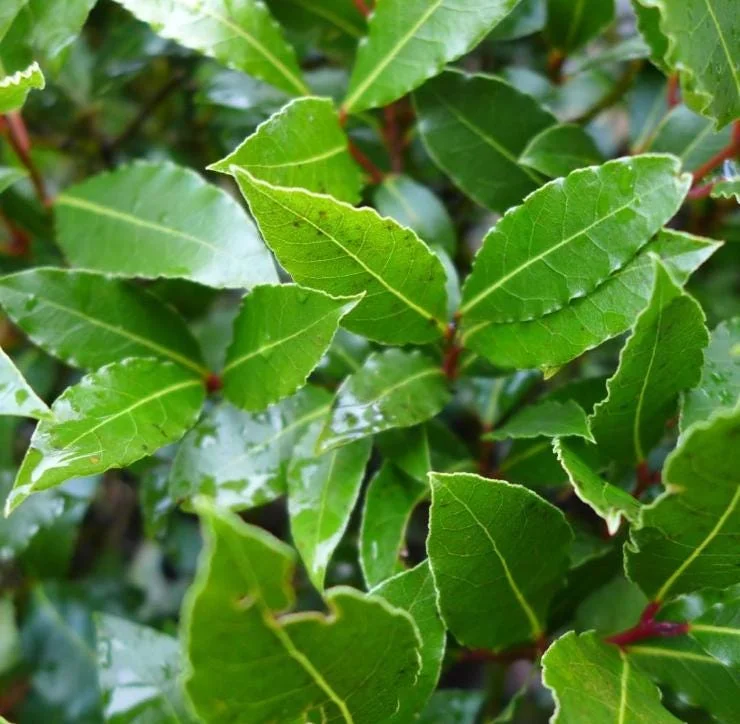
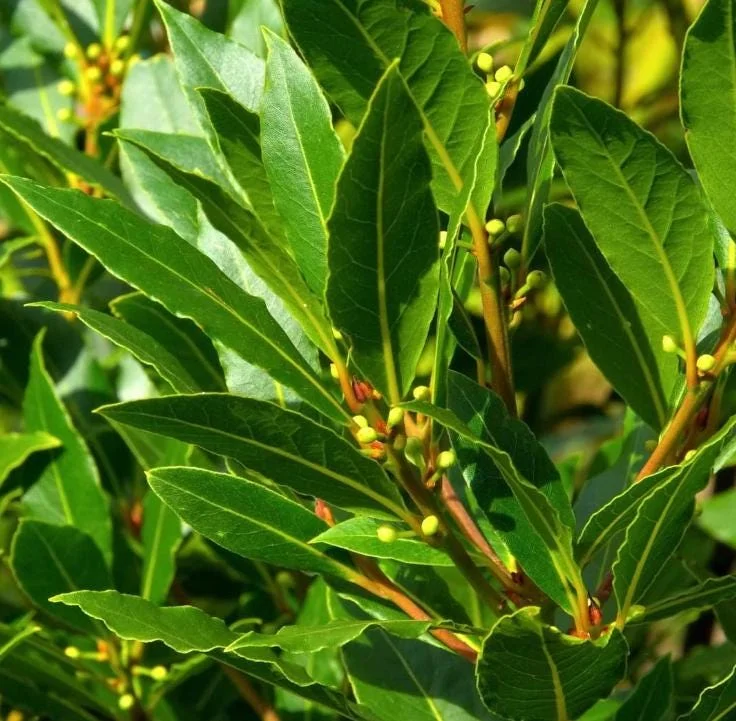
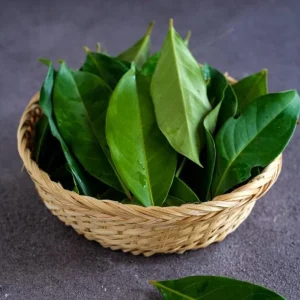
Experience the joy of growing your own fresh herbs with this exquisite set of three bay leaf live plant specimens. The bay laurel plant care is relatively simple, making it an ideal choice for both novice and experienced gardeners. Known botanically as Laurus nobilis, this evergreen shrub is cherished for its fragrant, glossy green leaves that are a staple in many culinary traditions worldwide. Each plant arrives ready to thrive, standing approximately 8–10 inches tall in its own 3-inch pot. Whether you’re looking to enhance your gourmet cooking or add a touch of classic Mediterranean elegance to your garden, these culinary herb plant are a perfect choice. They are versatile, suitable for container growing on patios or balconies, or for planting directly into your garden landscape.
The Bay Laurel is not just a practical herb; it’s also a beautiful ornamental plant. Its dense, dark green foliage and upright growth habit create an attractive focal point in any setting. With proper bay laurel plant care, these plants can grow into substantial shrubs or even small trees, providing a continuous supply of fresh bay leaves. Discover the satisfaction of harvesting your own aromatic leaves, knowing they are fresh, organic, and free from any additives when you cultivate your own laurus nobilis plant.
Key Benefits
Adding a bay leaf live plant to your home or garden offers numerous advantages, blending aesthetic appeal with practical utility. These versatile plants are a must-have for anyone who appreciates fresh ingredients and beautiful foliage.
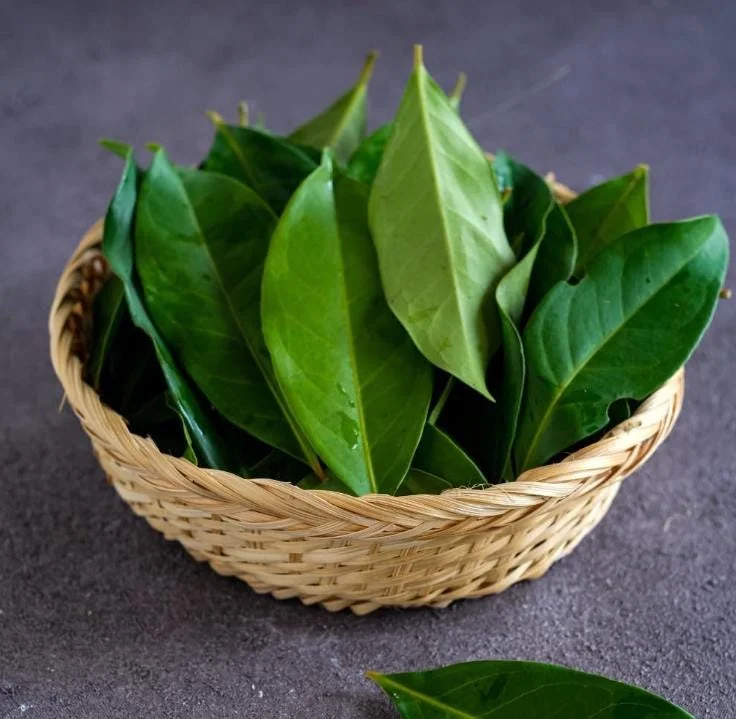
- Culinary Excellence: Provides a continuous supply of fresh, aromatic bay leaves, perfect for enhancing soups, stews, sauces, and marinades. The flavor from fresh leaves is often more vibrant than dried store-bought varieties, making it an essential culinary herb plant for any home cook.
- Ornamental Beauty: With its evergreen, glossy dark green leaves, the bay laurel plant care results in an attractive shrub that adds year-round visual interest to patios, balconies, or garden beds. It can be pruned into various shapes, including topiary.
- Air Purification: Like many living plants, the laurus nobilis plant contributes to a healthier indoor environment by naturally filtering air and producing oxygen, improving air quality in your home.
- Low Maintenance: Once established, these plants are relatively drought-tolerant and require minimal fuss, making them an excellent choice for busy gardeners seeking a rewarding plant without constant attention.
- Versatile Growing: Suitable for a variety of conditions, these plants can thrive in containers outdoors during warmer months, brought indoors during winter, or planted directly in the ground in appropriate climates.
- Natural Pest Repellent: The strong aroma of bay leaves can naturally deter certain common garden pests, offering a natural and eco-friendly pest control solution for your garden.
- Long-Lived: With proper bay laurel plant care, these plants can live for many years, becoming a lasting and productive addition to your garden or herb collection.
Plant Care & Growing Tips
Ensuring the health and vitality of your bay leaf live plant is straightforward with a few key care practices. These plants are quite resilient, but understanding their preferences will help them flourish, providing you with an abundance of fragrant leaves. They thrive in locations that receive full sun to partial shade, meaning at least 4-6 hours of direct sunlight per day. In hotter climates, some afternoon shade can protect the leaves from scorching. The laurus nobilis plant is adaptable but prefers a consistent environment.
When it comes to watering, consistent moisture is key, especially for young plants. Water regularly, allowing the top inch or two of soil to dry out slightly between waterings. Avoid overwatering, which can lead to root rot; well-draining soil is crucial for this culinary herb plant. Once established, the Bay Laurel becomes more drought-tolerant, but still benefits from occasional deep watering during dry spells. For soil, a well-draining potting mix is ideal for container growing, or rich, loamy garden soil if planting directly. Fertilize every 2-4 weeks during the growing season (spring and summer) with a balanced liquid fertilizer, reducing frequency in fall and winter. Pruning can be done as needed to maintain shape, control size, or harvest leaves, promoting bushier growth. The Bay Laurel is generally hardy in USDA zones 8-10, tolerating temperatures down to about 20°F (-6°C). In colder zones, it should be grown in containers and brought indoors during winter.
Size & Details
This offering includes a set of three vibrant bay leaf live plant specimens, each carefully nurtured in its own 3-inch nursery pot. At the time of shipment, each laurus nobilis plant stands approximately 8–10 inches tall from the base of the pot to the top of the foliage, providing a healthy start for your culinary or ornamental garden. These are young, actively growing plants, ready to establish quickly in their new environment. The compact size of the 3-inch pot makes them easy to transport and transplant into larger containers or directly into your garden bed. Expect a moderate growth rate, allowing you to enjoy harvesting fresh bay leaves within the first year. With diligent bay laurel plant care, these plants can eventually reach heights of 10-20 feet or more, though they can be easily kept smaller with regular pruning, making them suitable for various garden sizes and styles. All plants are shipped securely to ensure they arrive in excellent condition, ready for planting and continued growth.
Frequently Asked Questions
- Q: How big will my bay leaf live plant get? A: With proper care, a bay leaf live plant can grow into a large shrub or small tree, reaching heights of 10-20 feet. However, it can be easily kept smaller and bushier through regular pruning, especially when grown in a container.
- Q: Is this an indoor or outdoor plant? A: The laurus nobilis plant is versatile. It can be grown outdoors in USDA Zones 8-10 year-round. In colder climates, it’s best grown in a container and brought indoors during winter months to protect it from freezing temperatures.
- Q: How much sunlight does my culinary herb plant need? A: Your culinary herb plant thrives in full sun to partial shade. Aim for at least 4-6 hours of direct sunlight daily for optimal growth and leaf production. In very hot climates, some afternoon shade is beneficial.
- Q: Is this plant easy to care for? A: Yes, the Bay Laurel is considered relatively easy to care for, especially once established. It’s drought-tolerant and requires moderate watering and occasional feeding, making it suitable for gardeners of all experience levels.
- Q: What condition will my bay leaf live plant arrive in? A: Your plants will arrive as young, live specimens, approximately 8-10 inches tall, securely packaged in their 3-inch nursery pots. They will be healthy and ready for transplanting.
- Q: Can I use the leaves for cooking right away? A: Yes, you can begin harvesting leaves from your bay laurel plant care for culinary use once the plant has settled into its new environment and is showing active growth. Harvest sparingly at first to allow the plant to establish.
- Q: What kind of soil is best for a laurus nobilis plant? A: A well-draining soil mix is essential. For container plants, use a good quality potting mix. If planting in the ground, ensure the soil is rich, loamy, and drains effectively to prevent waterlogging.
- Q: Will my bay leaf live plant survive winter in my area? A: If you live in USDA Zones 8-10, your bay leaf live plant can typically survive winter outdoors. In colder zones, it must be protected from frost by bringing it indoors or providing adequate winter protection.
- Q: Is this plant pet-safe? A: While bay leaves are commonly used in human cooking, they can be toxic to pets if ingested in large quantities. It’s advisable to keep this culinary herb plant out of reach of curious pets.
- Q: When is the best time to plant my bay laurel plant? A: The best time to plant your bay laurel plant care is in spring or early summer after the last risk of frost has passed, allowing it ample time to establish before cooler weather.
Be the first to review “Set of 3 Bay Leaf Live Plants – Bay Laurel (Laurus nobilis) Culinary Herb, 8-10 Inch Tall, 3 Inch Pot”
-
USDA Hardiness Zone
USDA zones 8-10 -
Soil Type
Well-draining soil -
Sunlight Exposure
Full sun to partial shade -
Expected Planting Period
Spring to early summer
People Also Viewd


Sold 128 products
Original price was: $89.99.$64.99Current price is: $64.99.

Sold 128 products
Original price was: $27.00.$24.00Current price is: $24.00.
Sold 127 products
Original price was: $159.99.$139.99Current price is: $139.99.

Sold 126 products
Original price was: $3,536.00.$23.99Current price is: $23.99.

Sold 125 products
Original price was: $86.99.$66.99Current price is: $66.99.
Sold 116 products
Original price was: $27.99.$16.99Current price is: $16.99.

Flower Bulbs
3 Cranesbill Wild Geranium Organic Maculatums Bare Roots | Wildflower for Outdoor Garden
Sold 114 products
Original price was: $21.99.$6.99Current price is: $6.99.

Sold 114 products
Original price was: $28.99.$17.99Current price is: $17.99.RELATED posts
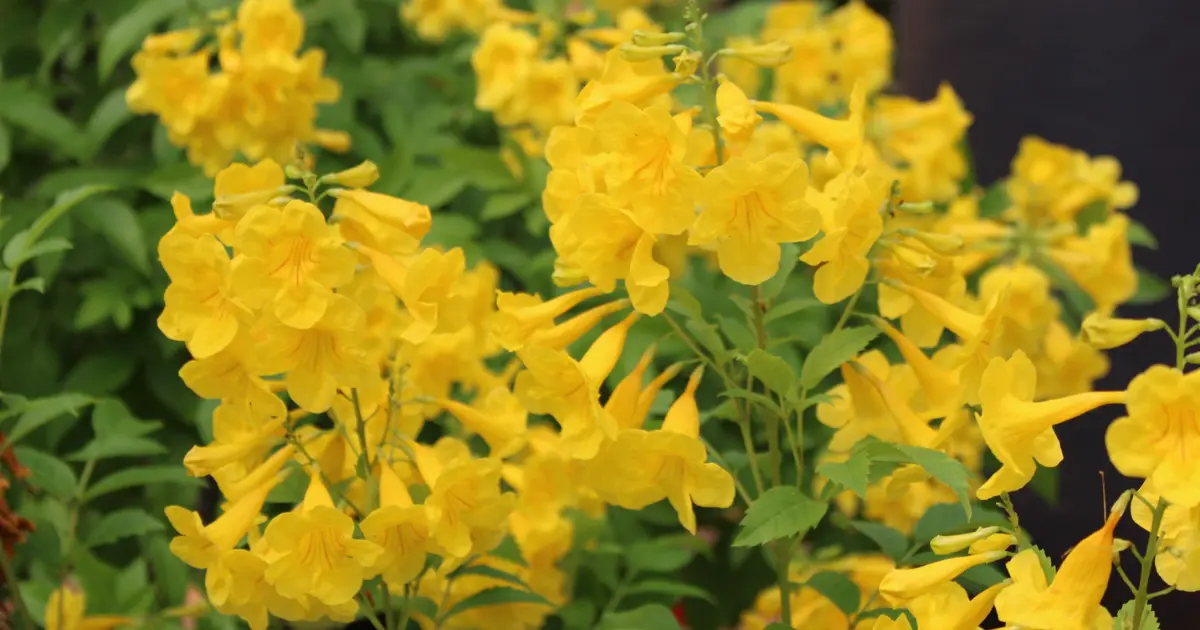
Mastering Esperanza Goldstar: Grow the Ultimate Yellow Bloom
Esperanza Goldstar is more than just a heat-tolerant shrub; for the American gardener battling the [...]
Apr
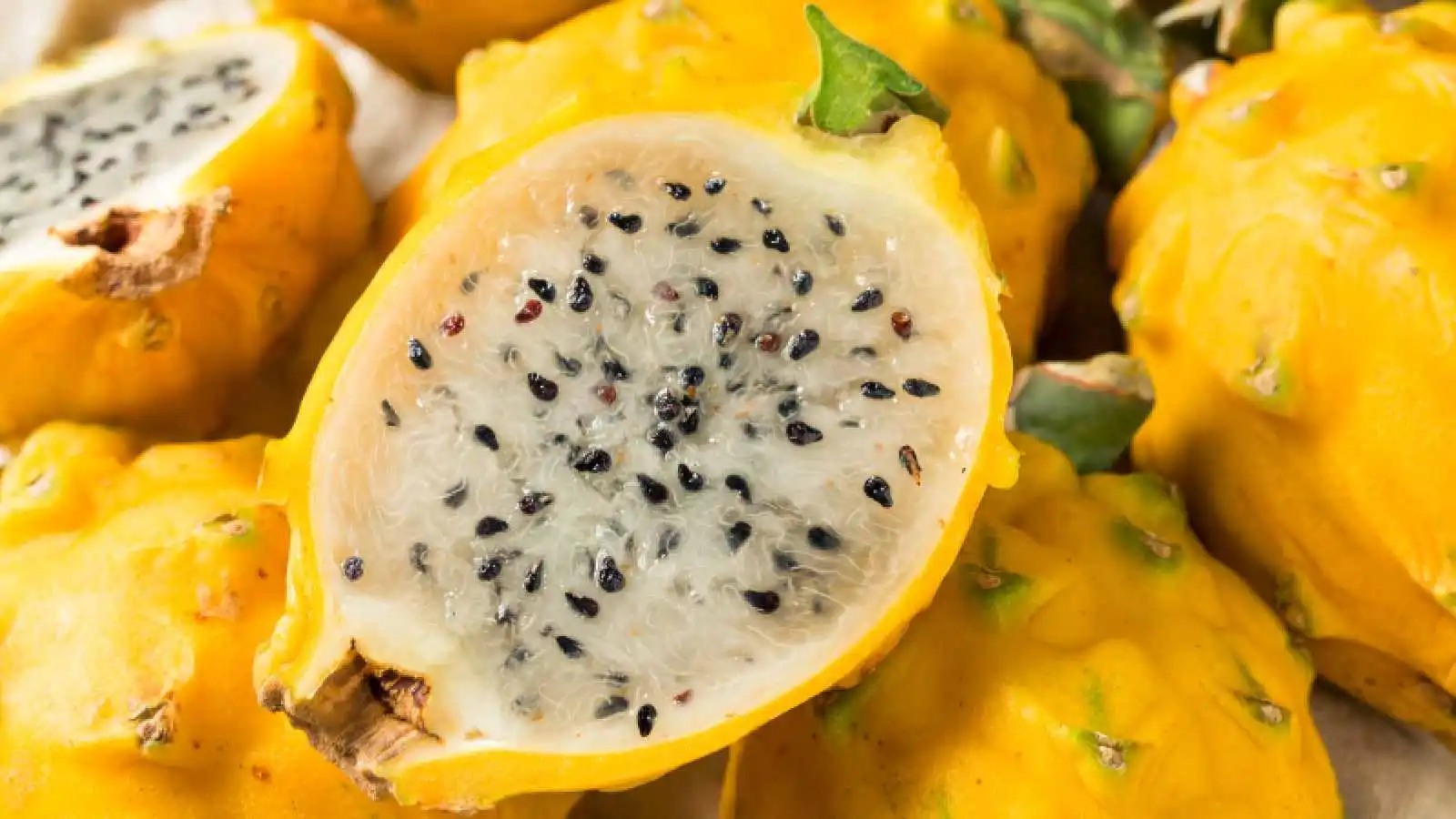
Yellow Dragon Fruit Plant Care: The Ultimate Guide for Healthy Growth
The yellow dragon fruit plant is a unique and rewarding addition to any home garden, [...]
Apr
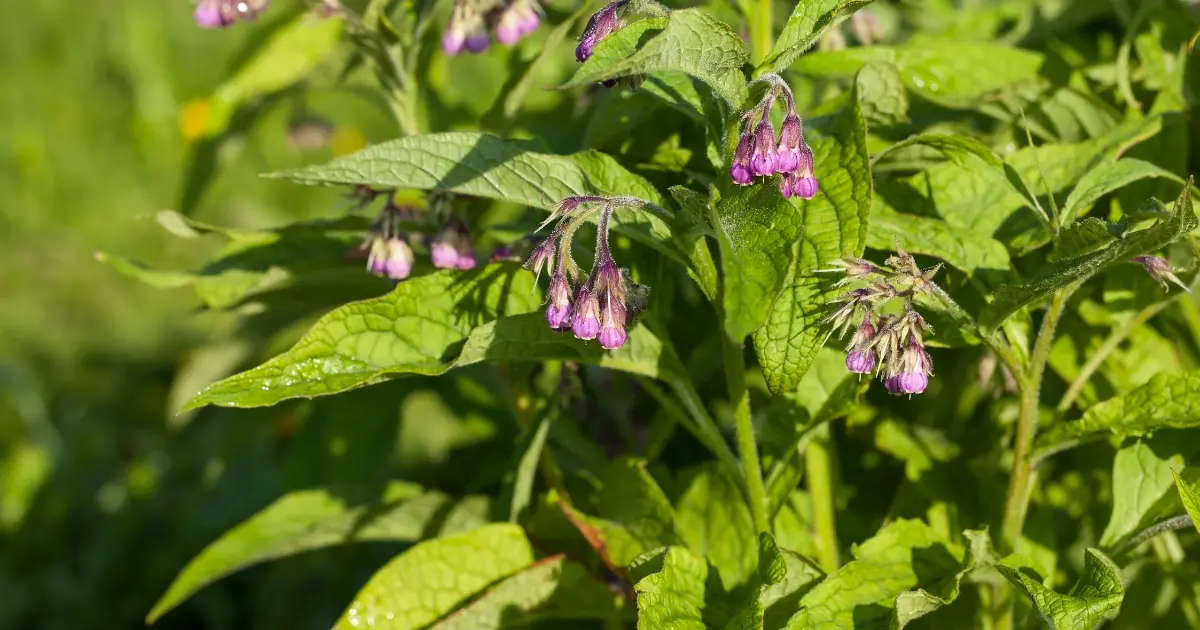
How to Identify Bocking 14 Comfrey: 5 Simple Visual Signs
If you’re growing comfrey for mulch, compost, or animal feed, knowing exactly which variety you [...]
Mar
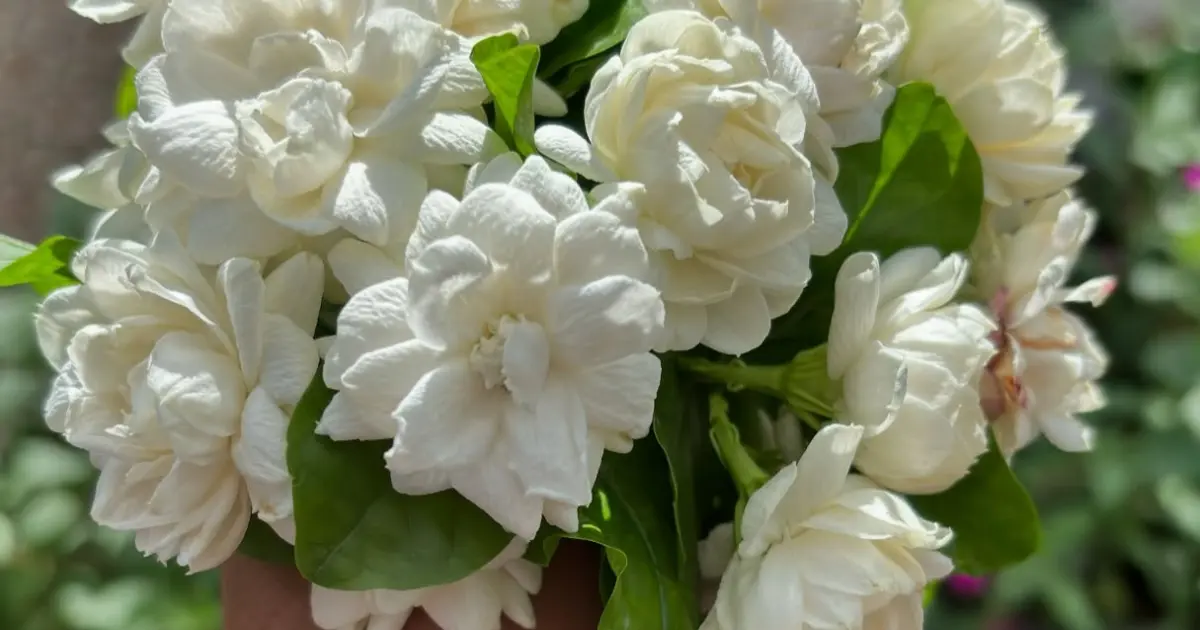
Grand Duke of Tuscany Jasmine: The Ultimate Guide to Growing a Fragrant Masterpiece
Have you ever caught a scent in the air so rich, creamy, and honey-sweet that [...]
Mar
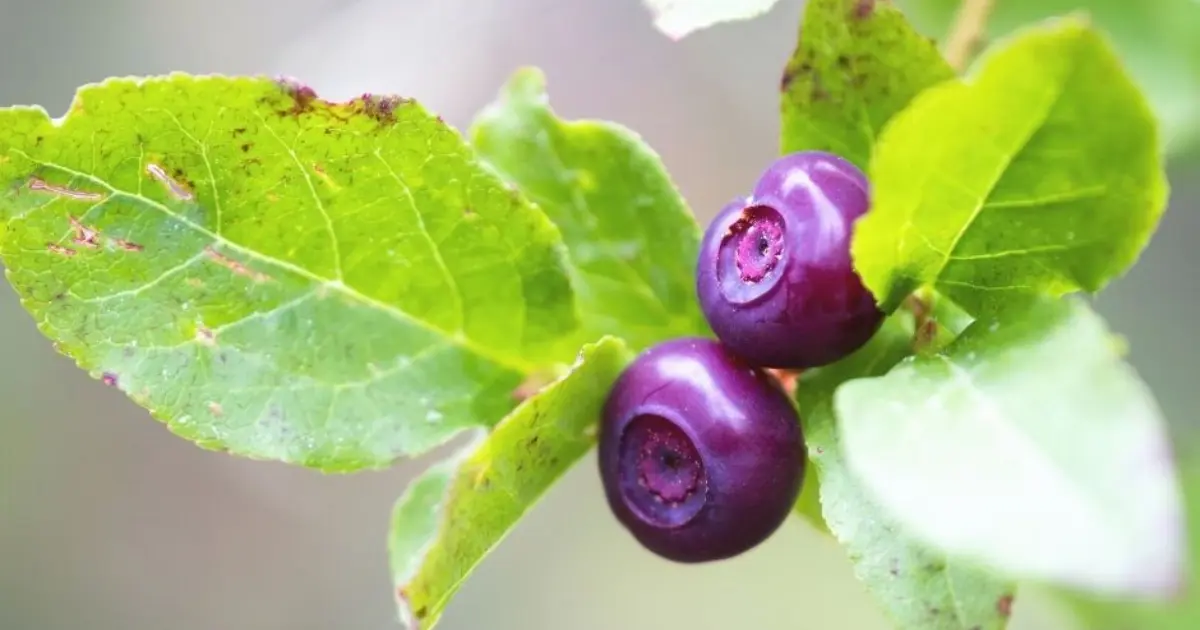
How to Grow Wild Huckleberries: A Guide to “Purple Gold”
Have you ever spent a summer afternoon hiking through the Pacific Northwest or the Rocky [...]
Mar
5 Best Shade-Loving Perennials for a Lush, Vibrant Garden
The world of gardening often shines a spotlight on sun-drenched blossoms, but there is a [...]
Mar

7 Common Curry Leaf Plant Problems: Easy Fixes for a Thriving Plant
Is your curry leaf plant looking a bit sad lately? Maybe you woke up to [...]
Mar
Best Time to Plant Bougainvillea: Timing for Vibrant Blooms
If you’re looking for a hardy tropical vine that delivers a riot of neon color, [...]
Feb
Reviews
There are no reviews yet.