
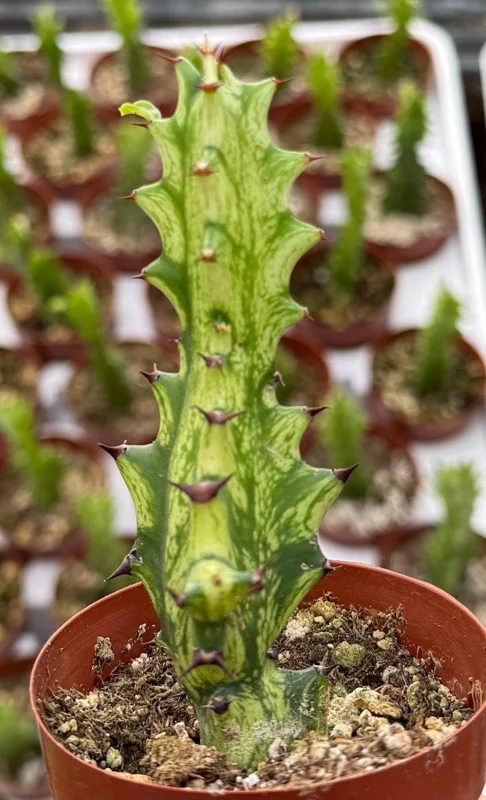
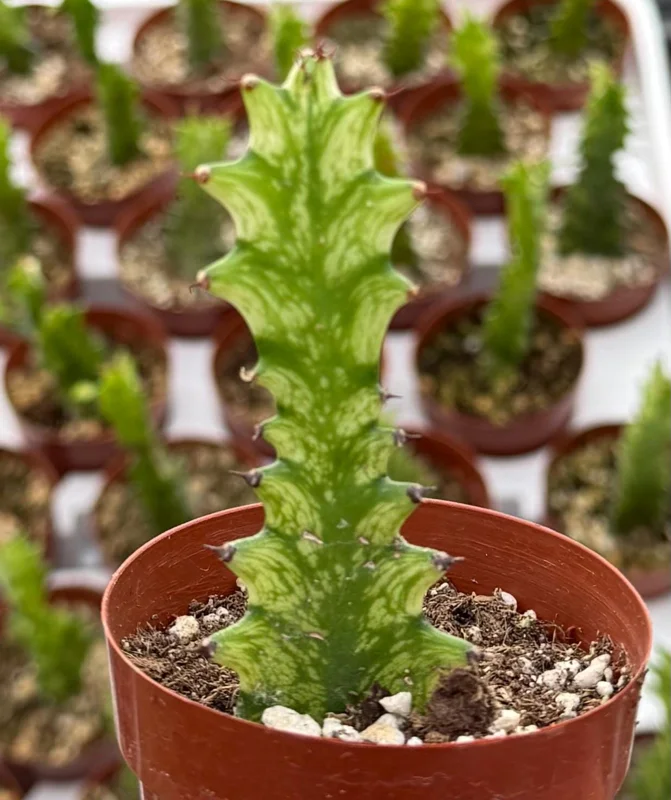
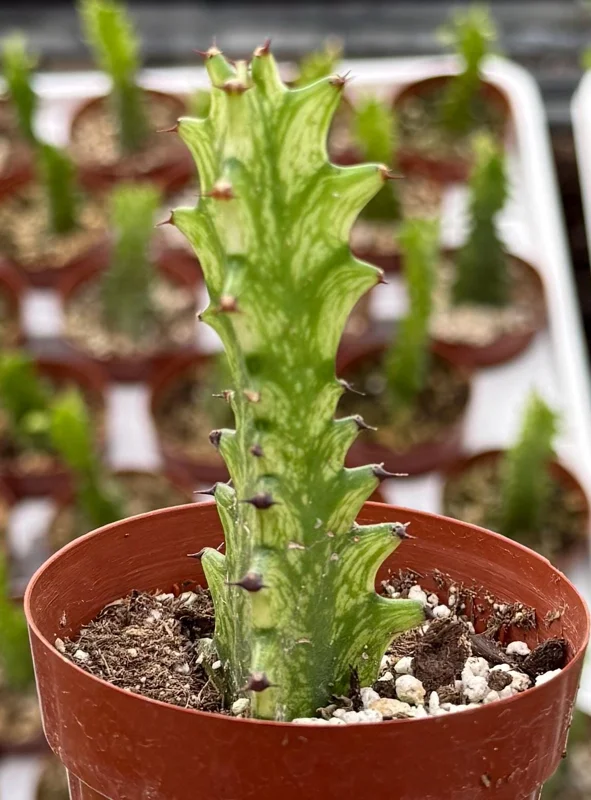
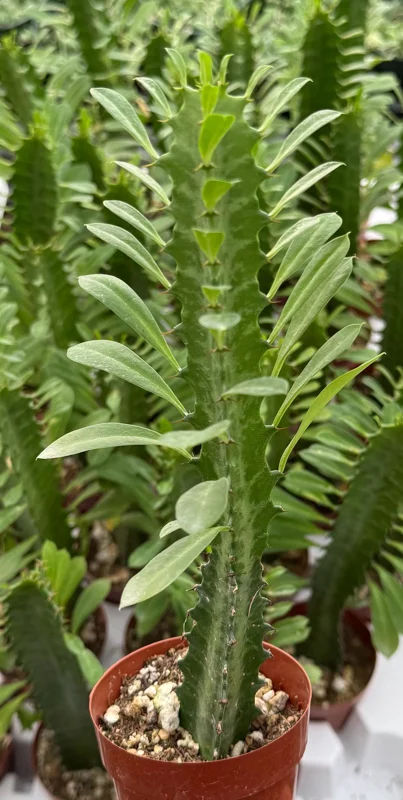
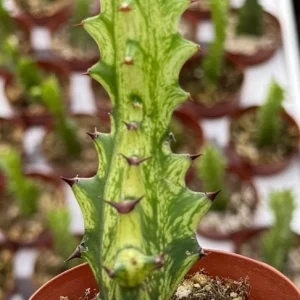
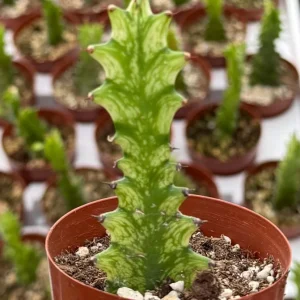
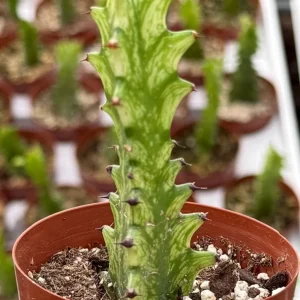
Variegated African Milk Tree Live Plant – Euphorbia Trigona – 3 Inch Pot
Price range: $23.99 through $24.99
Bring unique beauty to your home with the variegated African milk tree. This striking live succulent plant, also known as Euphorbia trigona plant, features vibrant green and creamy white stems, offering an architectural focal point. It’s an easy care houseplant, perfect for beginners and experienced plant parents alike.
Estimated arrival
Apr 08
Apr 13 - Apr 15
Apr 18 - Apr 22

Reasonable Price
We offer reasonable price

Support 24/7
Contact us 24 hrs a day

100% Money Back
You've 30 days to Return

Payment Secure
100% secure payment
Overview
Elevate your indoor plant collection with the magnificent variegated African milk tree, a truly captivating succulent that combines exotic appeal with remarkable ease of care. Scientifically known as Euphorbia trigona ‘Rubra’ or ‘Royal Red’ (though this specific variegated form is often simply referred to as Variegated Euphorbia trigona plant), this plant offers a striking visual presence. Despite its common name, it is a succulent, not a true tree, and certainly not a cactus, though its upright, ridged stems give it a distinct cactus-like silhouette. Our live succulent plant comes ready to thrive, bringing a touch of the exotic to any room. Its unique coloration and architectural form make it a conversation starter, perfect for adding vertical interest and a modern aesthetic to your living space. This particular cultivar stands out with its vibrant green stems adorned with irregular creamy white, pale yellow, or pinkish variegation, creating a truly artistic display that evolves with the plant’s growth.
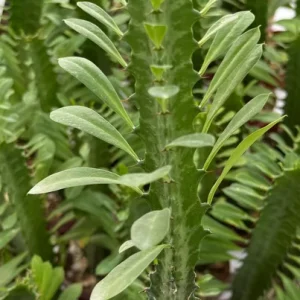
Originating from Central Africa, the variegated African milk tree is renowned for its resilience and ability to flourish with minimal intervention. It’s an ideal choice for those seeking a low-maintenance yet high-impact plant. The triangular stems are lined with small spines and may sprout tear-shaped leaves, often showcasing the same beautiful variegation as the stems. This robust plant can grow quite tall indoors, making it a spectacular floor plant or a stunning centerpiece on a large table. Its drought-tolerant nature means less frequent watering, liberating you from constant plant care worries and allowing you more time to simply enjoy its beauty. Embrace the allure of this unique succulent and transform your home or office into a verdant oasis with this exceptional specimen.
Key Benefits
The variegated African milk tree offers a multitude of benefits, making it an excellent addition to any plant enthusiast’s collection. Its distinctive appearance and straightforward care regimen contribute to its widespread appeal:
- Striking Visual Appeal: This live succulent plant boasts unique, architectural stems with vibrant green and creamy white or pinkish variegation, providing a dramatic focal point in any room. Its upright growth habit adds significant vertical interest.
- Low Maintenance: Ideal for busy individuals or beginners, the variegated African milk tree requires minimal watering and attention. It thrives on neglect, making it one of the easiest houseplants to care for.
- Drought Tolerant: As a succulent, it naturally stores water in its stems, making it highly drought-resistant. This reduces the frequency of watering and ensures it can withstand periods of forgotten care.
- Air Purifying Qualities: Like many houseplants, the Euphorbia trigona plant contributes to a healthier indoor environment by helping to filter airborne toxins and improve air quality, promoting a more breathable space.
- Architectural Form: Its strong, upright, triangular stems create a sculptural element, perfect for modern and minimalist decor styles. It can reach impressive heights, adding a grand statement to your home.
- Unique Variegation: The irregular patterns of creamy white, yellow, or pink on its green stems are truly captivating, ensuring that each plant is a unique piece of living art. This variegated form is particularly sought after.
- Resilient and Long-Lived: With proper care, this easy care houseplant can thrive for many years, becoming a long-term companion and a cherished part of your indoor garden.
Plant Care & Growing Tips
Caring for your variegated African milk tree is remarkably straightforward, making it an excellent choice for both novice and experienced plant parents. To ensure your live succulent plant thrives, understanding its basic needs is key. This succulent prefers bright, indirect light to full sun. Place it in a south or west-facing window where it can receive at least 4-6 hours of bright light daily. While it can tolerate some direct morning sun, intense afternoon sun might scorch its variegated sections, so a sheer curtain or slight distance from the window can be beneficial. Inadequate light can lead to leggy growth and less vibrant variegation, diminishing the striking appearance of your Euphorbia trigona plant.
Watering is perhaps the most critical aspect of care for any succulent, and the variegated African milk tree is no exception. It is highly drought-tolerant and extremely sensitive to overwatering, which can quickly lead to root rot. Allow the soil to dry out completely between waterings. When you do water, do so thoroughly until water drains from the bottom of the pot. In spring and summer, you might water every 2-4 weeks, reducing frequency significantly in fall and winter to once a month or even less. Always check the soil moisture before watering. A well-draining soil mix designed for cacti and succulents is essential, ideally containing perlite or pumice to ensure excellent drainage. During the growing season (spring and summer), you can feed your easy care houseplant with a balanced liquid fertilizer diluted to half strength, once every 2-4 weeks. Avoid fertilizing during its dormant period in fall and winter.
The variegated African milk tree prefers warm temperatures, ideally between 65-80°F (18-27°C). Protect it from cold drafts and temperatures below 50°F (10°C), as it is not frost-tolerant. It thrives in average household humidity and does not require additional misting. Repotting is generally needed only when the plant becomes root-bound, typically every 2-3 years. Choose a pot that is only slightly larger than the current one to prevent excess moisture retention. When handling, be mindful of its milky sap (latex), which can be irritating to the skin and eyes; wear gloves and wash hands thoroughly after contact. This robust and beautiful indoor cactus-like plant will reward your minimal efforts with years of stunning growth.
Size & Details
This variegated African milk tree is a vibrant live succulent plant, delivered ready to thrive in your home. It typically ships in a 3 inch nursery pot, providing a sturdy base for its initial growth. At the time of shipment, the plant usually stands between 4-8 inches tall, measured from the base of the pot to the top of the plant. This compact size makes it perfect for a desk, shelf, or as a starting point for a larger collection. The Euphorbia trigona plant has a moderate to fast growth rate under optimal conditions, often adding several inches of height per year.
When mature, this impressive indoor cactus-like plant can reach heights of several feet indoors, making it an excellent choice for creating vertical interest. Its stems are triangular in cross-section, approximately 1-2 inches wide, and will branch out over time, creating a fuller, more architectural silhouette. The plant’s variegated patterns are unique to each specimen, ensuring you receive a one-of-a-kind living sculpture. It is shipped carefully packaged to minimize stress during transit, ensuring it arrives in excellent condition, ready to be unwrapped and admired. Expect your easy care houseplant to settle quickly into its new environment and begin its journey of beautiful growth.
Frequently Asked Questions
- Q: How big does this variegated African milk tree get? A: While this live succulent plant is shipped in a 3 inch pot and is typically 4-8 inches tall, it can grow quite large indoors, often reaching several feet in height with proper care. Its ultimate size depends on growing conditions and pot size.
- Q: Is this an indoor or outdoor plant? A: The variegated African milk tree is predominantly grown as an indoor plant in most regions due to its sensitivity to cold. It can be moved outdoors in warm, frost-free climates during summer months but must be brought inside before temperatures drop.
- Q: How much sunlight does the Euphorbia trigona plant need? A: This succulent thrives in bright, indirect light to full sun. It prefers at least 4-6 hours of bright light daily, ideally from a south or west-facing window. Too little light can lead to leggy growth.
- Q: Is this plant easy to care for? A: Yes, the variegated African milk tree is considered an easy care houseplant, making it suitable for beginners. Its main requirements are bright light and infrequent watering, as it is very drought-tolerant.
- Q: What condition will the live succulent plant arrive in? A: Your plant will arrive carefully packaged in a 3 inch nursery pot, with soil, to ensure its safety during transit. We take great care to ensure it reaches you in excellent, healthy condition, ready for its new home.
- Q: How often should I water my indoor cactus-like plant? A: Water sparingly. Allow the soil to dry out completely between waterings. In warmer months, this might be every 2-4 weeks, while in cooler months, it could be once a month or less. Always check soil moisture before watering.
- Q: Is the variegated African milk tree pet-safe? A: No, the milky sap (latex) produced by the Euphorbia trigona plant can be irritating if ingested or if it comes into contact with skin or eyes. It’s best to keep this plant away from pets and curious children.
- Q: What kind of soil does this plant need? A: This live succulent plant requires a well-draining soil mix formulated for cacti and succulents. This typically includes amendments like perlite or pumice to prevent water retention and ensure good aeration.
- Q: Does the variegated African milk tree produce flowers? A: While it can produce small, inconspicuous flowers (cyathia), they are not the main ornamental feature. The beauty of this plant lies in its unique variegated stems and architectural form.
- Q: Can I propagate this easy care houseplant? A: Yes, the variegated African milk tree can be propagated from stem cuttings. Allow the cut ends to callus for several days before planting them in well-draining succulent soil.
| Variety | Green, Variegated |
|---|
Be the first to review “Variegated African Milk Tree Live Plant – Euphorbia Trigona – 3 Inch Pot”
-
USDA Hardiness Zone
USDA zones 10-11 (outdoors), typically grown indoors -
Soil Type
Well-draining succulent or cactus potting mix -
Sunlight Exposure
Bright indirect light to full sun -
Expected Planting Period
Year-round indoors
People Also Viewd
Sold 128 products
Original price was: $27.00.$24.00Current price is: $24.00.
Sold 128 products
Original price was: $89.99.$64.99Current price is: $64.99.
Sold 127 products
Original price was: $159.99.$139.99Current price is: $139.99.
Sold 126 products
Original price was: $3,536.00.$23.99Current price is: $23.99.

Sold 125 products
Original price was: $86.99.$66.99Current price is: $66.99.
Sold 116 products
Original price was: $27.99.$16.99Current price is: $16.99.
Sold 114 products
Original price was: $28.99.$17.99Current price is: $17.99.
Flower Bulbs
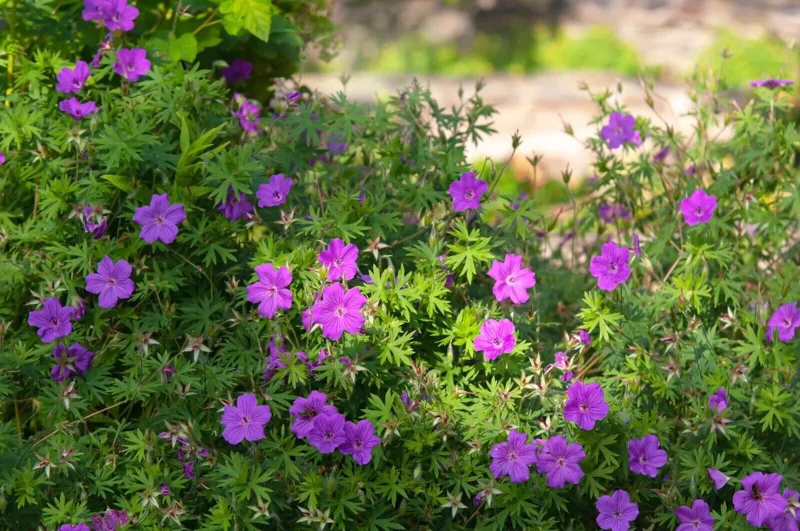
3 Cranesbill Wild Geranium Organic Maculatums Bare Roots | Wildflower for Outdoor Garden
Sold 114 products
Original price was: $21.99.$6.99Current price is: $6.99.RELATED posts
5 Pro Tips to Grow Esperanza ‘Gold Star’ Indoors: A Golden Glow for Your Home
While most gardeners know this Texas Superstar – Esperanza ‘Gold Star’ as a rugged outdoor [...]
Apr

Mastering Esperanza Goldstar: Grow the Ultimate Yellow Bloom
Esperanza Goldstar is more than just a heat-tolerant shrub; for the American gardener battling the [...]
Apr

Yellow Dragon Fruit Plant Care: The Ultimate Guide for Healthy Growth
The yellow dragon fruit plant is a unique and rewarding addition to any home garden, [...]
Apr
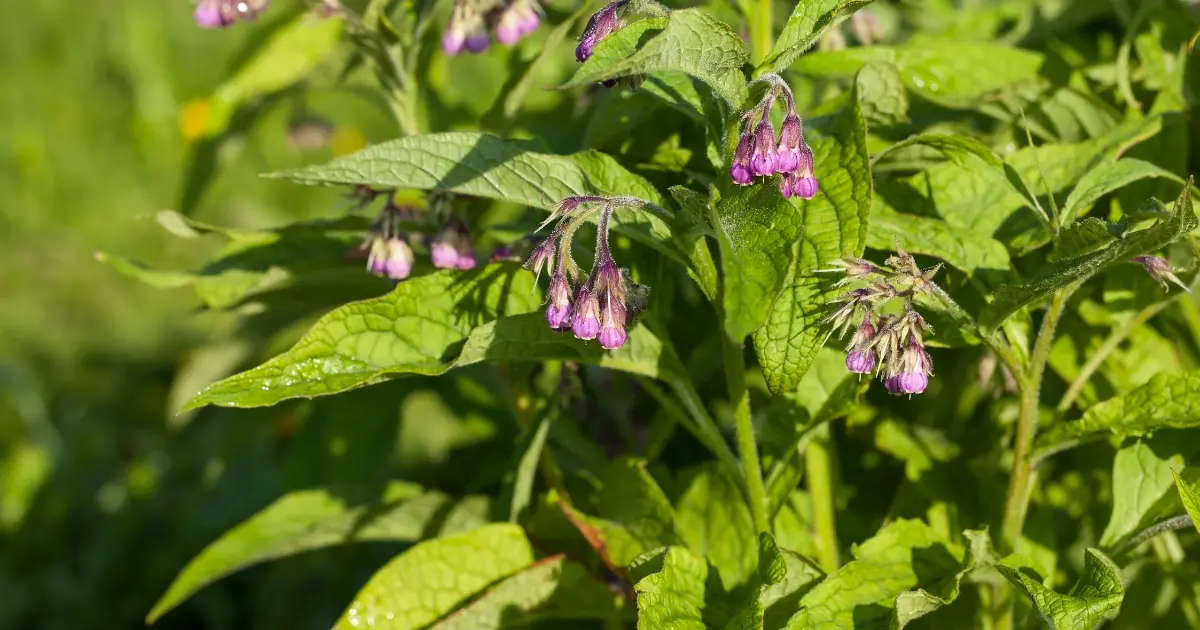
How to Identify Bocking 14 Comfrey: 5 Simple Visual Signs
If you’re growing comfrey for mulch, compost, or animal feed, knowing exactly which variety you [...]
Mar
Grand Duke of Tuscany Jasmine: The Ultimate Guide to Growing a Fragrant Masterpiece
Have you ever caught a scent in the air so rich, creamy, and honey-sweet that [...]
Mar
How to Grow Wild Huckleberries: A Guide to “Purple Gold”
Have you ever spent a summer afternoon hiking through the Pacific Northwest or the Rocky [...]
Mar

5 Best Shade-Loving Perennials for a Lush, Vibrant Garden
The world of gardening often shines a spotlight on sun-drenched blossoms, but there is a [...]
Mar

7 Common Curry Leaf Plant Problems: Easy Fixes for a Thriving Plant
Is your curry leaf plant looking a bit sad lately? Maybe you woke up to [...]
Mar

Reviews
There are no reviews yet.