
Sep
Guides
Top Pollinator-Friendly Plants to Bring Vibrancy to Your Garden
Gardening is one of life’s simple joys, but did you know your garden can also be a haven for some of nature’s most important helpers—pollinators? Creating a pollinator-friendly garden not only transforms your outdoor space into a colorful, lively oasis but also plays a crucial role in supporting biodiversity and the health of our environment. Bees, butterflies, hummingbirds, and other pollinators are vital to the reproduction of many plants, including fruits and vegetables we love to eat. By planting flowers that attract these busy creatures, you’re doing your part to help nature thrive—while enjoying the beauty and buzz of a thriving garden.
Top Pollinator-Friendly Plants to Brighten Your Garden
Let’s dive into some of the best plants to welcome pollinators into your yard:
Lavender
This fragrant beauty is a pollinator superstar. Lavender’s soft purple blooms and calming scent attract bees in droves, making it a staple in any pollinator garden. Lavender loves sunny spots and well-drained soil, so it’s perfect for gardeners looking for a low-maintenance, drought-tolerant option. Bonus: You can harvest and dry its flowers to create lovely sachets or homemade lavender oil!
Coneflower (Echinacea)
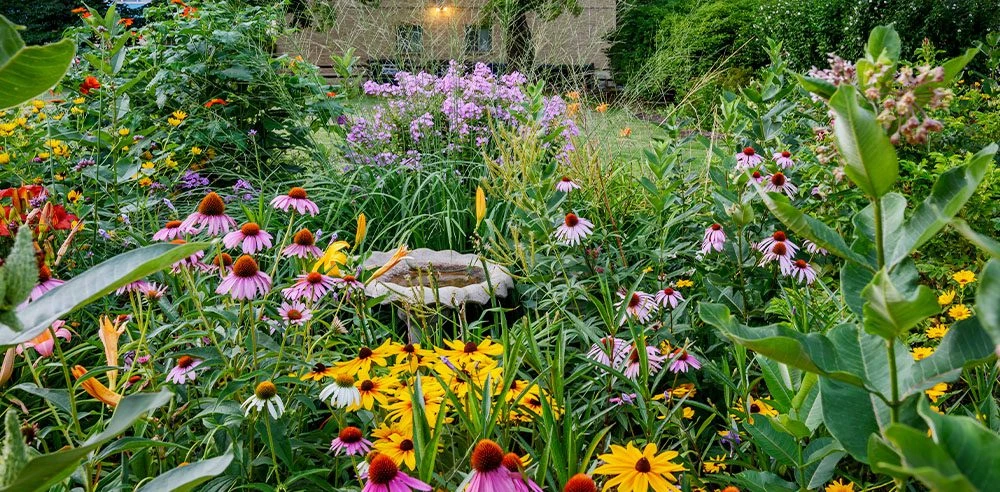
With its striking daisy-like petals in shades ranging from deep purple to bright pink and pure white, coneflowers bring vibrant color and height to your garden. These hardy perennials thrive in full sun and are magnets for both bees and butterflies, making them a lively centerpiece. Plus, they’re great for cutting and look stunning in fresh bouquets.
Milkweed
If you adore butterflies—especially monarchs—milkweed is a must-have. This unique plant is the primary host for monarch caterpillars, meaning it’s essential for their survival. Milkweed produces clusters of delicate pink, orange, or white flowers that attract adult butterflies for nectar. Growing milkweed helps sustain the entire life cycle of these magnificent pollinators, adding both beauty and purpose to your garden.
Bee Balm (Monarda)
As the name suggests, bee balm is a favorite hangout for bees, butterflies, and even hummingbirds. Its tubular flowers in red, pink, or purple bloom from mid-summer well into fall, providing a long-lasting nectar source. This bright, fragrant plant adds a splash of color and a touch of wild charm to your pollinator garden, perfect for naturalizing or planting in beds.
Black-Eyed Susan (Rudbeckia)
Radiating sunny cheer, black-eyed Susans are beloved by many pollinators. Their golden-yellow petals with dark centers bring warmth and vibrancy, brightening any garden corner. These drought-tolerant perennials flourish in sunny areas and are known for their resilience, making them an excellent choice for both beginners and seasoned gardeners.
Why Are Pollinator-Friendly Plants So Important?
Pollinators are the unsung heroes of the natural world. These tiny creatures—bees, butterflies, hummingbirds, and more—transfer pollen from flower to flower, enabling plants to produce fruits, seeds, and new plants. Without pollinators, the abundance of food we enjoy would be in serious jeopardy, and many ecosystems would struggle to survive. By planting a pollinator-friendly garden, you’re creating a safe space for these essential creatures, helping maintain biodiversity and promoting a healthy ecosystem right in your own backyard.
Tips for Growing a Thriving Pollinator Garden
To make your garden a buzzing hotspot for pollinators, keep these tips in mind:
- Plant in Clusters
Pollinators prefer groups of flowers rather than scattered single plants. By grouping the same species together, you create an easier feeding stop for them, which keeps them visiting your garden longer. - Choose a Variety of Plants
Include different types of flowers that bloom throughout the growing season—from early spring to late fall—so there’s always something blooming and providing nectar and pollen. - Avoid Pesticides
Chemicals can be harmful to pollinators. Instead, use natural pest control methods like companion planting, hand-picking pests, or introducing beneficial insects like ladybugs to keep your garden healthy and chemical-free. - Provide Shelter and Water
Add shallow dishes of water with pebbles for landing, and include plants and features that offer shelter from wind and rain to create a welcoming habitat.
Final Thoughts
Incorporating pollinator-friendly plants like lavender, coneflower, and milkweed into your garden is a beautiful way to support essential wildlife. Beyond just making your garden more colorful and fragrant, you’re helping sustain the delicate balance of nature. So get your hands dirty, plant those clusters, and watch your garden come alive with the flutter and hum of happy pollinators. Happy gardening!

How to Grow Arbequina Olive Trees: The Ultimate Guide to Your Own Olive Grove
Arbequina Olive Tree (Olea europaea ‘Arbequina’) – the ultimate Mediterranean plant that brings a touch [...]
Oct
Growing Garlic in Containers This Fall: A Complete Guide for Beginners
If you’ve ever wanted to pop fresh, aromatic garlic cloves straight from your own patio [...]
Sep
Growing Camellia Sinensis (Tea Plants) in Containers: A Complete Guide for Beginners
If you’ve ever wanted to sip a steaming, homegrown cup of fresh green, black, or [...]
Aug
6 Best Shrubs to Plant in August You Must Try
Have you ever walked through a nursery late in the summer, admired the vibrant shrubs [...]
Aug
Growing Everbearing Strawberries in Containers: A Complete Guide for Beginners
Want to grow sweet, fresh strawberries but do not have a large garden? Everbearing strawberries [...]
Aug
Growing Egyptian Walking Onions in Containers: A Complete Guide for Beginners
If you’re looking for a hardy, no-fuss perennial onion that keeps on giving year after [...]
Jul