
Mar
Guides
How to Grow Angel’s Trumpet from Seeds: A Step-by-Step Guide
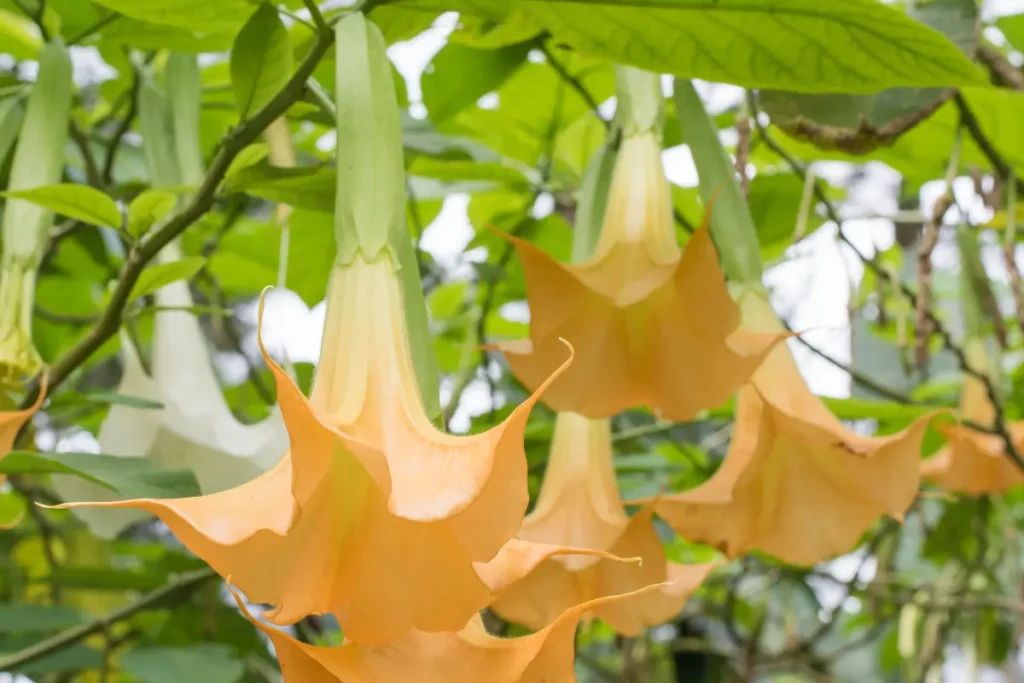
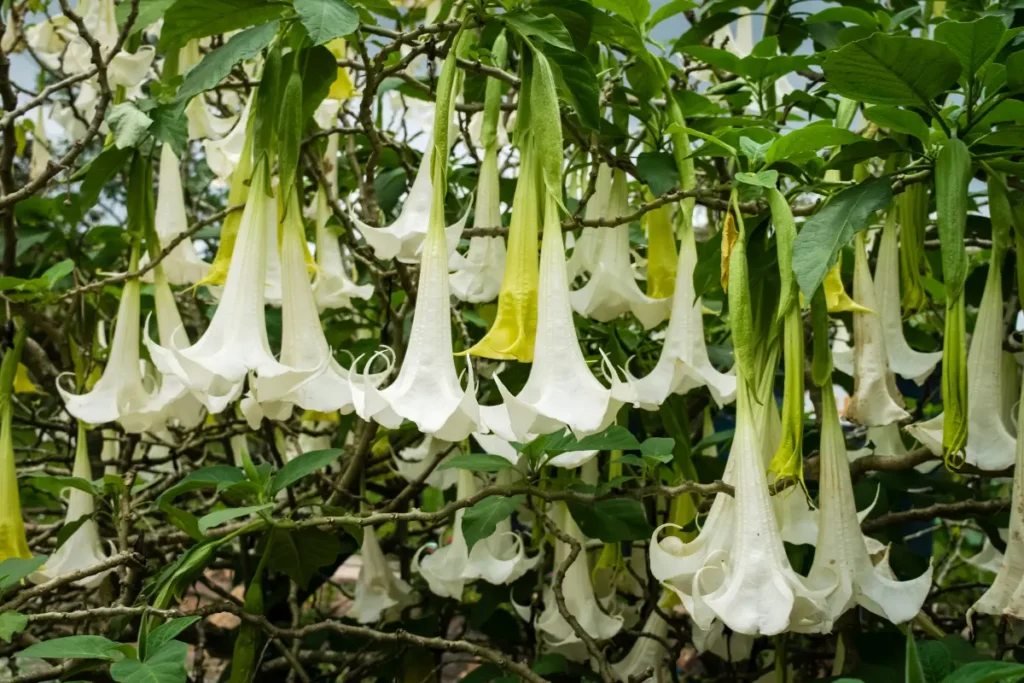
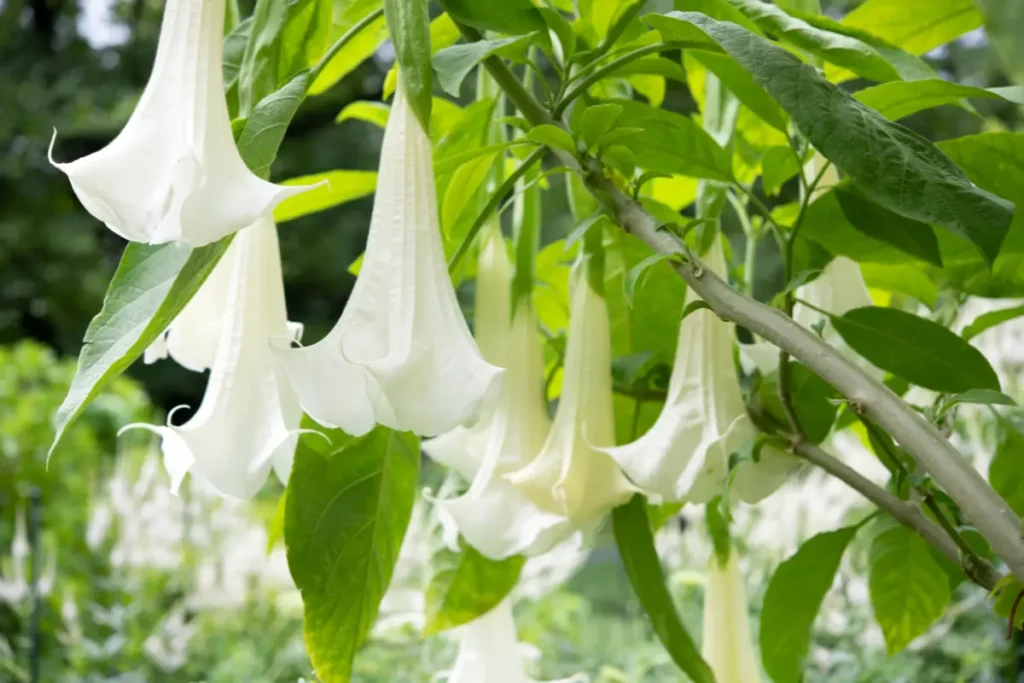
Angel’s Trumpet (Brugmansia) is a breathtakingly beautiful plant, renowned for its large, fragrant, trumpet-shaped flowers. While many gardeners prefer to grow Angel’s Trumpet from cuttings, growing it from seeds can be a rewarding experience. It may take a bit longer, but with the right conditions and patience, you can cultivate a stunning Brugmansia plant from seed. This guide will walk you through the entire process, from selecting high-quality seeds to successfully nurturing a mature, blooming plant.
Understanding Angel’s Trumpet Seeds
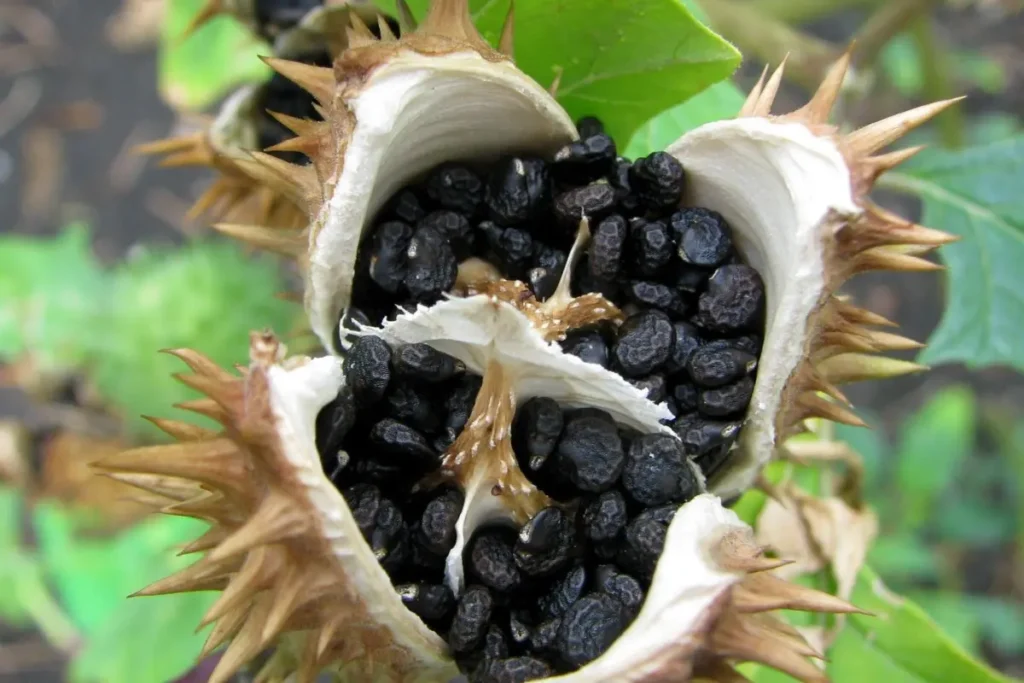
What Do Angel’s Trumpet Seeds Look Like?
Angel’s Trumpet seeds are relatively large, oval-shaped, and have a rough, textured coating. They require some preparation before they can successfully germinate, as their outer shell is quite tough.
Where to Get Angel’s Trumpet Seeds
-
Purchase from a reputable nursery or online store: Ensure that you’re getting fresh, high-quality seeds.
-
Harvesting seeds from an existing plant: Collect seeds from dried seed pods of a mature Angel’s Trumpet plant. Make sure the seeds are fully mature before harvesting.
How to Prepare Angel’s Trumpet Seeds for Planting
1. Scarification (Breaking the Seed Coat)
Angel’s Trumpet seeds have a hard outer shell that can slow down germination. Scarifying the seeds helps improve germination rates. Here’s how you can do it:
-
Gently rub the seed with sandpaper or a nail file to weaken the seed coat.
-
Alternatively, soak the seeds in warm water for 24 hours to help soften them.
2. Stratification (Cold Treatment for Dormancy Breakage)
Some growers find it beneficial to place the seeds in the refrigerator for 2-4 weeks before planting to mimic natural cold conditions and improve germination success.
How to Plant Angel’s Trumpet Seeds
1. Choosing the Right Soil
Angel’s Trumpet seeds thrive in light, well-draining soil with good moisture retention. Use a seed-starting mix or create your own blend:
-
50% peat moss or coco coir
-
30% perlite
-
20% compost or worm castings
2. Sowing the Seeds
-
Fill small seed-starting trays or pots with the prepared soil mix.
-
Place each seed ¼ inch deep into the soil and lightly cover.
-
Water the soil gently to keep it moist but not soggy.
3. Providing Optimal Germination Conditions
-
Temperature: Keep the soil warm (70-80°F or 21-27°C) using a seedling heat mat if necessary.
-
Light: Place the trays in bright, indirect sunlight or under grow lights.
-
Moisture: Maintain consistent moisture by covering the tray with plastic wrap or a humidity dome.
4. Germination Timeline
Germination typically takes 2-8 weeks, but patience is key. Some seeds may take longer, so don’t give up too soon!
Caring for Angel’s Trumpet Seedlings
1. Transplanting Seedlings
Once the seedlings have at least two sets of true leaves, they can be transplanted into individual pots with nutrient-rich soil.
2. Hardening Off
Before moving the young plants outdoors, gradually expose them to direct sunlight and outdoor temperatures over a 7-10 day period to prevent transplant shock.
3. Watering and Fertilization
-
Keep the soil moist but not waterlogged.
-
Begin feeding with a diluted liquid fertilizer (balanced 10-10-10 formula) once seedlings are a few inches tall.
4. Pruning for Bushier Growth
Pinching off the top growth can help the plant become fuller and encourage branching.
Transplanting Outdoors
1. Choosing the Right Spot
-
Plant in an area with full sun to partial shade (at least 6 hours of sunlight daily).
-
Ensure the site is sheltered from strong winds, as Angel’s Trumpet has delicate branches.
2. Soil Preparation
-
Enrich the planting site with organic compost.
-
Ensure well-draining soil to prevent root rot.
3. Spacing
Allow at least 3-5 feet of space between plants to encourage airflow and prevent disease.
How to Encourage Growth and Blooming
1. Watering Schedule
-
Water deeply at least 2-3 times a week, increasing in hot weather.
-
Keep the soil evenly moist but never soggy.
2. Fertilizing
-
Apply a balanced fertilizer (10-10-10) every 2 weeks.
-
Switch to a phosphorus-rich fertilizer once the plant matures to encourage flowering.
3. Pruning
-
Regularly prune to remove weak, dead, or crossing branches.
-
Shape the plant to encourage healthy branching.
4. Pest & Disease Prevention
-
Check for aphids, spider mites, and whiteflies.
-
Treat with insecticidal soap or neem oil if needed.
Common Problems and Solutions
1. Slow Germination
-
Ensure warm temperatures and keep seeds moist.
-
Try scarifying and soaking seeds before planting.
2. Seedlings Dying After Sprouting
-
Avoid overwatering to prevent damping off disease.
-
Provide good air circulation and avoid overly humid conditions.
3. Leggy Seedlings
-
Increase light exposure or place under grow lights.
-
Rotate the pots daily to ensure even growth.
FAQs About Growing Angel’s Trumpet from Seeds
Q: How long does it take for Angel’s Trumpet to bloom from seed?
A: It can take 1-2 years for Angel’s Trumpet grown from seed to produce flowers.
Q: Do Angel’s Trumpet seeds need light to germinate?
A: No, they need darkness to germinate, so covering them lightly with soil is necessary.
Q: Why are my Angel’s Trumpet seeds not germinating?
A: The seed coat may be too hard. Try scarifying and soaking them before planting.
Q: Can Angel’s Trumpet be grown in pots from seed?
A: Yes! Start in small containers and transplant as the plant grows.
Final Thoughts
Growing Angel’s Trumpet from seed is a rewarding process that requires patience and care. While it takes longer than growing from cuttings, the satisfaction of nurturing a plant from its earliest stages to full bloom is unmatched. By providing the right conditions—warmth, moisture, and well-prepared soil—you can successfully grow a healthy, thriving Angel’s Trumpet from seed.
Start planting today and enjoy the beauty and fragrance of this magnificent plant in your garden!

Growing Egyptian Walking Onions in Containers: A Complete Guide for Beginners
If you’re looking for a hardy, no-fuss perennial onion that keeps on giving year after [...]
Jul
Growing Carolina Reaper Peppers in Pots: A Complete Guide for Beginners
If you’ve ever wanted to add some serious, record-breaking heat to your home cooking, you’ve [...]
May
Growing Curry Leaf Plant in Pots: A Complete Guide for Beginners
If you’re a fan of authentic South Asian cuisine, you already know that nothing compares [...]
May
5 Tips for Growing Carolina Reaper Peppers to Get the Spiciest Harvest Ever
Holding the record for one of the world’s hottest peppers, the Reaper isn’t just a [...]
May
Best Fertilizers for Zoysia Grass in 2026: Get a Lush Lawn
As we enter the new year, the time has come to think about how we [...]
Apr
Bougainvillea Plant Care Tips: 7 Secrets to Explosive Blooms!
Are you staring at a bougainvillea that is all lush green leaves but hasn’t shown [...]
Apr