
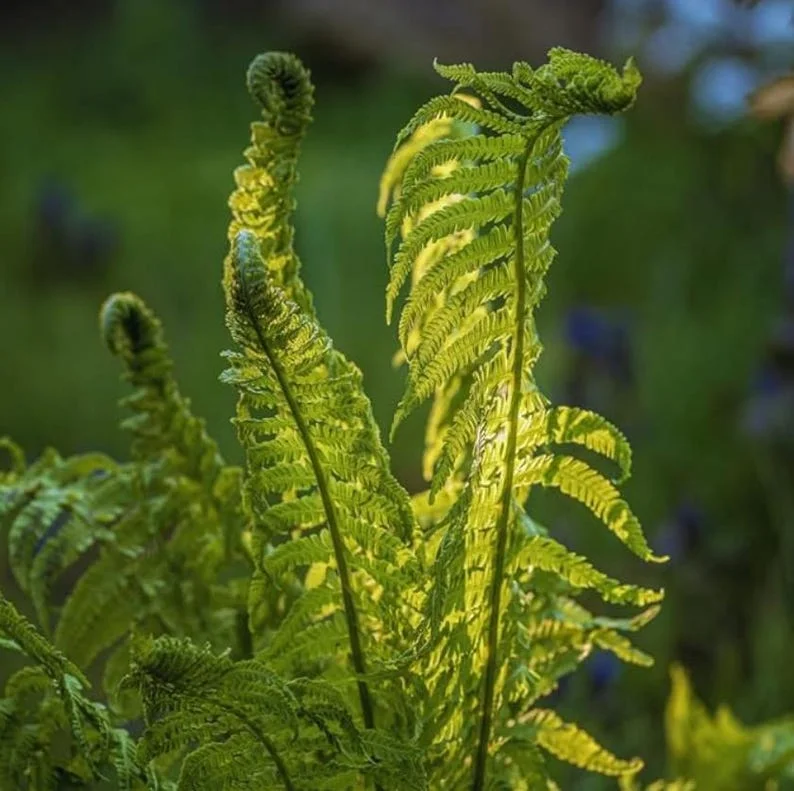
5 Ostrich Fern Rhizomes – Native Shade Perennial Live Plant – Outdoor
Original price was: $39.98.$19.99Current price is: $19.99.
Transform your shaded areas with a pack of 5 Ostrich Fern rhizomes. These native shade perennial plants are ideal for creating a natural, lush landscape, thriving in cooler, moist environments. Easy to establish and maintain, they bring elegant greenery to any garden.
Estimated arrival
Oct 11
Oct 16 - Oct 18
Oct 21 - Oct 25

Reasonable Price
We offer reasonable price

Support 24/7
Contact us 24 hrs a day

100% Money Back
You've 30 days to Return

Payment Secure
100% secure payment
Overview
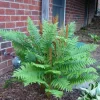
Discover the beauty and resilience of the ostrich fern rhizomes, a perfect choice for gardeners looking to enhance shaded areas with lush, vibrant foliage. These native shade perennial plants, scientifically known as Matteuccia struthiopteris, are renowned for their distinctive, upright, vase-shaped fronds that resemble ostrich plumes. Originating from temperate regions, including Tennessee, these ferns are incredibly hardy and adapt well to various conditions, making them a superb addition to woodland gardens, shaded borders, or along streams and ponds. Each rhizome (underground stem) contains the potential for a new, robust fern, promising a captivating display of natural elegance and texture in your landscape. They are a true testament to nature’s artistry, providing a serene and green sanctuary.
The Ostrich Fern is not only beautiful but also a practical choice for challenging shaded spots where many other plants struggle. Its vigorous growth habit allows it to quickly establish and spread, creating a dense, verdant groundcover that can suppress weeds. The fiddleheads, the young, coiled fronds, are even edible when properly harvested and prepared, adding an interesting culinary dimension to this already versatile plant. By planting these ostrich fern rhizomes, you’re not just adding greenery; you’re inviting a piece of natural history and ecological balance into your outdoor space, contributing to a healthier and more beautiful environment.
Key Benefits
The Ostrich Fern offers a multitude of benefits for any garden, particularly those with shaded areas. Its natural beauty and ease of care make it a favored choice among both novice and experienced gardeners. Here are some of the outstanding advantages of incorporating these hardy fern plants into your landscape:
- Exceptional Shade Tolerance: These ferns thrive in low-light conditions, making them perfect for those tricky spots under trees or on the north side of buildings where other plants often fail to flourish. They bring life and vibrancy to otherwise dull, dark corners of your garden.
- Robust and Hardy Nature: Ostrich Ferns are incredibly resilient, tolerating a wide range of temperatures and conditions once established. This hardiness ensures they return year after year, providing consistent beauty with minimal effort, making them truly hardy fern plants.
- Naturalizing Groundcover: With their spreading rhizomes, Ostrich Ferns naturally form dense colonies, effectively suppressing weeds and creating a lush, uniform groundcover. This naturalizing ability helps maintain a tidy and attractive garden with less manual labor.
- Elegant Aesthetic Appeal: The unique, upright fronds resemble the elegant plumes of an ostrich, adding a sophisticated and architectural element to your garden design. Their vibrant green color provides a refreshing contrast against other plants and hardscapes.
- Edible Fiddleheads: Beyond their ornamental value, the young, coiled fronds (fiddleheads) of the Ostrich Fern are edible and considered a delicacy. They can be harvested in spring and prepared like asparagus, offering a unique culinary experience directly from your garden.
- Low Maintenance Requirement: Once planted and established in suitable conditions, Ostrich Ferns require very little ongoing care. They are resistant to most pests and diseases, allowing you more time to enjoy your garden rather than tending to it.
- Erosion Control: Their extensive root system helps to stabilize soil, making them an excellent choice for slopes or areas prone to erosion, especially in shaded, moist environments. This makes them a valuable addition to any shade garden plants collection.
Plant Care & Growing Tips
Caring for your ostrich fern rhizomes is relatively straightforward, especially when planted in their preferred environment. These ferns are quite forgiving and, once established, require minimal intervention. For optimal growth, choose a location that receives partial to full shade. While they can tolerate some morning sun, direct afternoon sun can scorch their delicate fronds, leading to browning and stress. A spot under deciduous trees or on the north side of a structure is often ideal, providing consistent shade throughout the day. Ensure good air circulation to prevent fungal issues, particularly in humid climates.
Watering is crucial, especially during the establishment phase and dry periods. Ostrich Ferns prefer consistently moist, but not waterlogged, soil. Aim to keep the soil evenly damp, mimicking their natural habitat near streams and wetlands. Overwatering can lead to root rot, so proper drainage is essential. For soil, they thrive in rich, organic, well-draining soil with a slightly acidic to neutral pH. Incorporating compost or leaf mold into the planting area will significantly improve soil structure and fertility, providing the ideal conditions for these hardy fern plants to flourish. Mulching around the base of the plants will help retain soil moisture and regulate soil temperature.
Ostrich Ferns are winter-hardy and generally do not require special winter protection in their recommended USDA zones. They are deciduous, meaning their fronds will die back in winter and new growth will emerge in spring. Fertilization is usually not necessary if the soil is rich in organic matter. If growth appears sluggish, a light application of a balanced, slow-release fertilizer in early spring can be beneficial. Watch out for slugs and snails, which can sometimes feed on young fronds. Regular monitoring and appropriate organic pest control methods can keep these issues at bay. Understanding how to plant ostrich fern correctly will set you up for success.
Size & Details
This offering includes 5 Ostrich Fern rhizomes, ready for planting. Each rhizome is a viable section of the plant’s underground stem, capable of producing a new fern. When mature, Ostrich Ferns typically reach a height of 3 to 6 feet, with a spread of 2 to 3 feet, forming an elegant, vase-shaped clump. They are known for their relatively fast growth rate, quickly establishing themselves and expanding to fill their allotted space. These ferns are shipped as bare root rhizomes, which is the ideal form for planting and ensures robust establishment. Plant them in spring or early fall for best results, giving them ample time to settle before extreme temperatures. Expect to see the distinctive coiled fiddleheads emerge in early spring, unfurling into magnificent fronds over several weeks. These plants are grown to be shade garden plants, perfect for naturalizing.
Frequently Asked Questions
- Q: How big do these Ostrich Fern rhizomes get when mature? A: When fully grown, Ostrich Fern rhizomes can produce plants that typically reach an impressive height of 3 to 6 feet tall, with a spread of 2 to 3 feet, forming beautiful, dense clumps. Their upright, vase-shaped fronds create a striking presence in the garden.
- Q: Is this an indoor or outdoor plant? A: The Ostrich Fern is primarily an outdoor plant, perfectly suited for garden beds, woodland areas, and shaded landscapes. It thrives in conditions that mimic its natural forest habitat and is not typically grown as an indoor houseplant.
- Q: How much sunlight does the Ostrich Fern need? A: These ferns prefer partial to full shade. While they can tolerate a little morning sun, direct afternoon sunlight should be avoided as it can scorch their fronds. They are ideal for cultivating as shade garden plants.
- Q: Is this plant easy to care for, especially for beginners? A: Yes, Ostrich Ferns are considered relatively easy to care for, making them a great choice for beginners. Once established in suitable conditions with moist, well-draining soil and ample shade, they require minimal maintenance.
- Q: What condition will the rhizomes arrive in? A: The 5 Ostrich Fern rhizomes will arrive as bare root sections, ready for planting. This method ensures they are dormant and prepared for successful establishment in your garden upon arrival.
- Q: When is the best time to plant ostrich fern rhizomes? A: The best time to plant ostrich fern rhizomes is in spring, after the last frost, or in early fall. This allows them sufficient time to establish their root system before the stress of summer heat or winter cold.
- Q: Are the fiddleheads of the Ostrich Fern edible? A: Yes, the young, coiled fronds, known as fiddleheads, are edible and considered a spring delicacy. They should be properly harvested and cooked before consumption, similar to asparagus.
- Q: Will the Ostrich Fern survive winter in my zone? A: Ostrich Ferns are very cold hardy, typically thriving in USDA Zones 3-7. They are deciduous, meaning their fronds will die back in winter, but the rhizomes will survive underground and produce new growth in spring. These are truly hardy fern plants.
- Q: Do these ferns spread aggressively? A: Ostrich Ferns do spread by underground rhizomes, forming colonies over time. This makes them excellent for naturalizing and filling large shaded areas, but they can be contained with root barriers if spread is a concern.
- Q: What type of soil is best for Ostrich Ferns? A: They prefer rich, organic, consistently moist, and well-draining soil. Amending your soil with compost or leaf mold before planting will provide the ideal growing medium for these ferns.
Be the first to review “5 Ostrich Fern Rhizomes – Native Shade Perennial Live Plant – Outdoor”
-
USDA Hardiness Zone
USDA Zones 3-7 -
Soil Type
Rich, organic, moist, well-draining soil -
Sunlight Exposure
Partial to full shade -
Expected Planting Period
Spring or early fall
People Also Viewd
Sold 134 products
Original price was: $3,536.00.$23.99Current price is: $23.99.
Sold 132 products
Original price was: $27.00.$24.00Current price is: $24.00.
Sold 132 products
Original price was: $89.99.$64.99Current price is: $64.99.

Sold 125 products
Original price was: $86.99.$66.99Current price is: $66.99.
Flower Bulbs
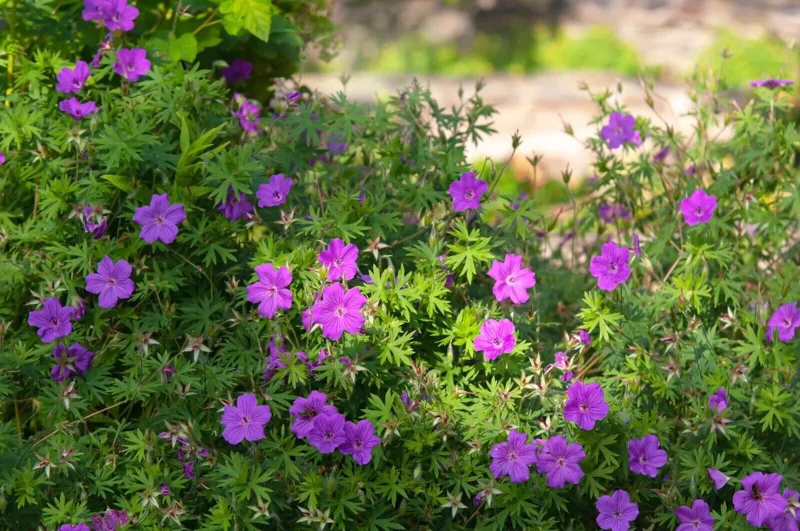
3 Cranesbill Wild Geranium Organic Maculatums Bare Roots | Wildflower for Outdoor Garden
Sold 116 products
Original price was: $21.99.$9.99Current price is: $9.99.
Sold 114 products
Original price was: $28.99.$17.99Current price is: $17.99.

Sold 110 products
Original price was: $63.99.$28.99Current price is: $28.99.
Sold 108 products
Original price was: $28.99.$17.99Current price is: $17.99.RELATED posts
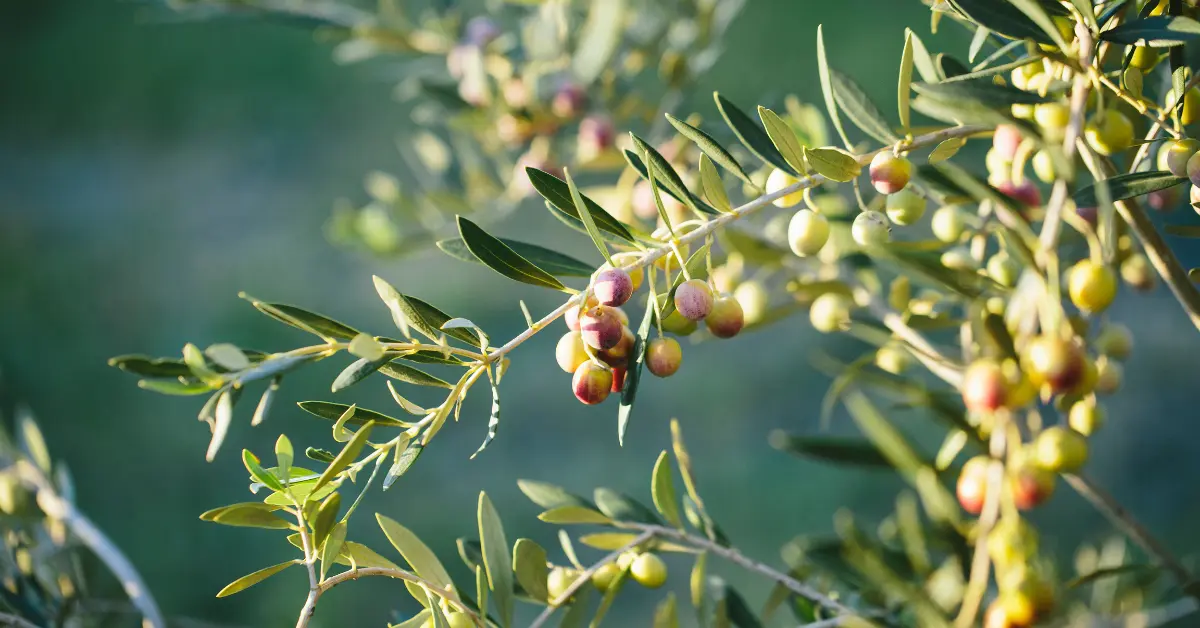
How to Grow Arbequina Olive Trees: The Ultimate Guide to Your Own Olive Grove
Arbequina Olive Tree (Olea europaea ‘Arbequina’) – the ultimate Mediterranean plant that brings a touch [...]
Oct
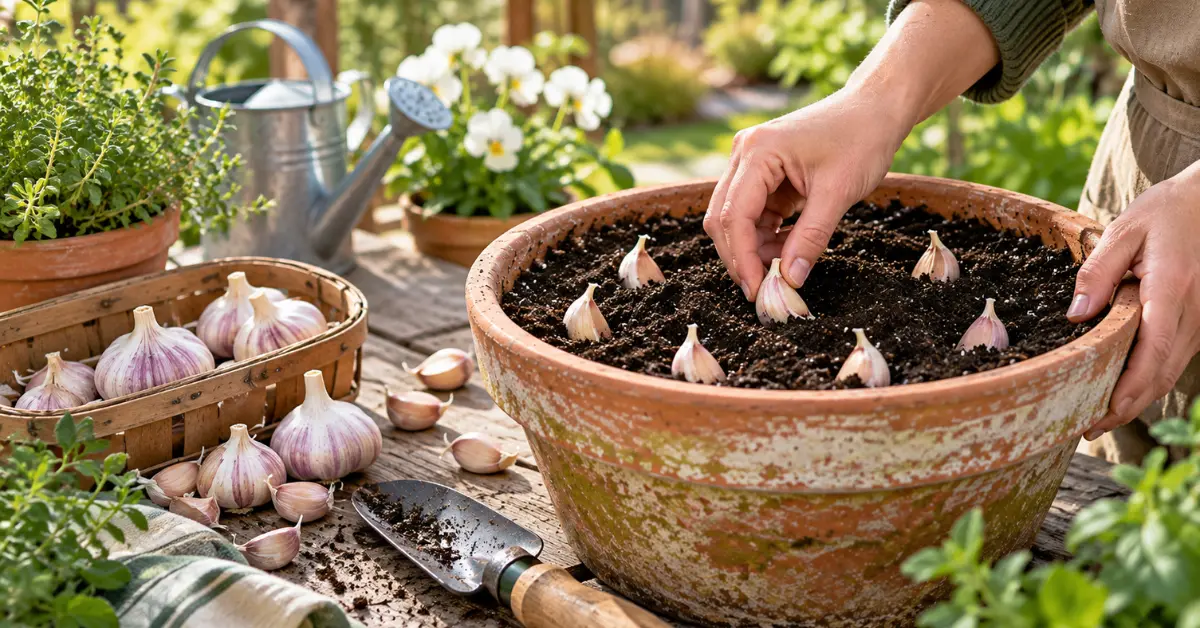
Growing Garlic in Containers This Fall: A Complete Guide for Beginners
If you’ve ever wanted to pop fresh, aromatic garlic cloves straight from your own patio [...]
Sep
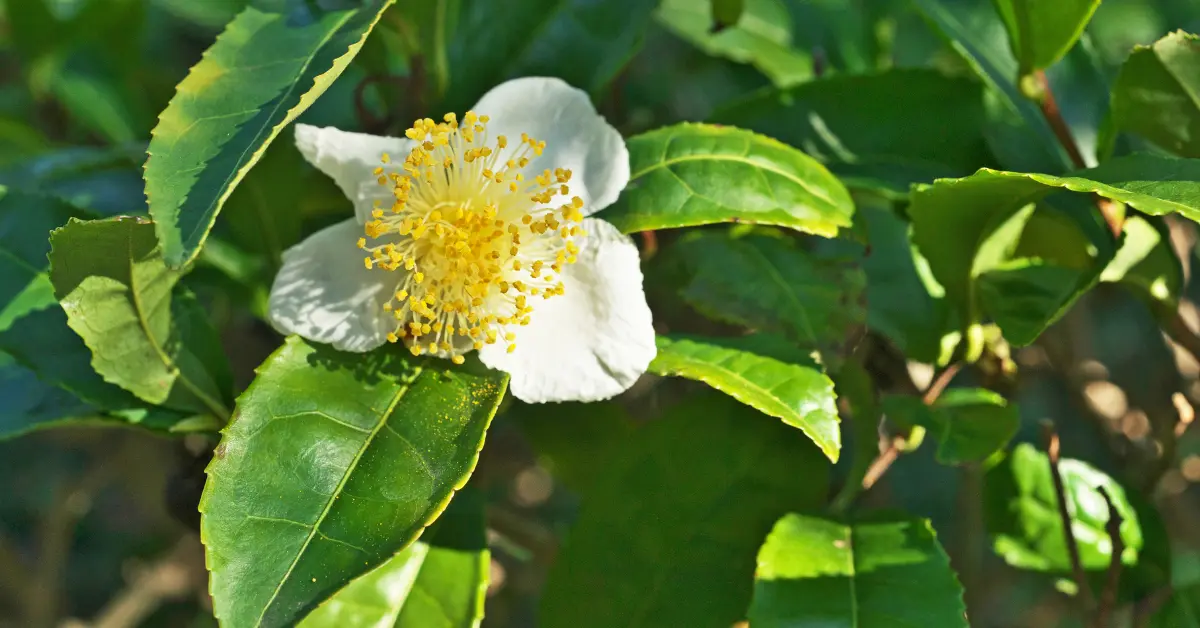
Growing Camellia Sinensis (Tea Plants) in Containers: A Complete Guide for Beginners
If you’ve ever wanted to sip a steaming, homegrown cup of fresh green, black, or [...]
Aug
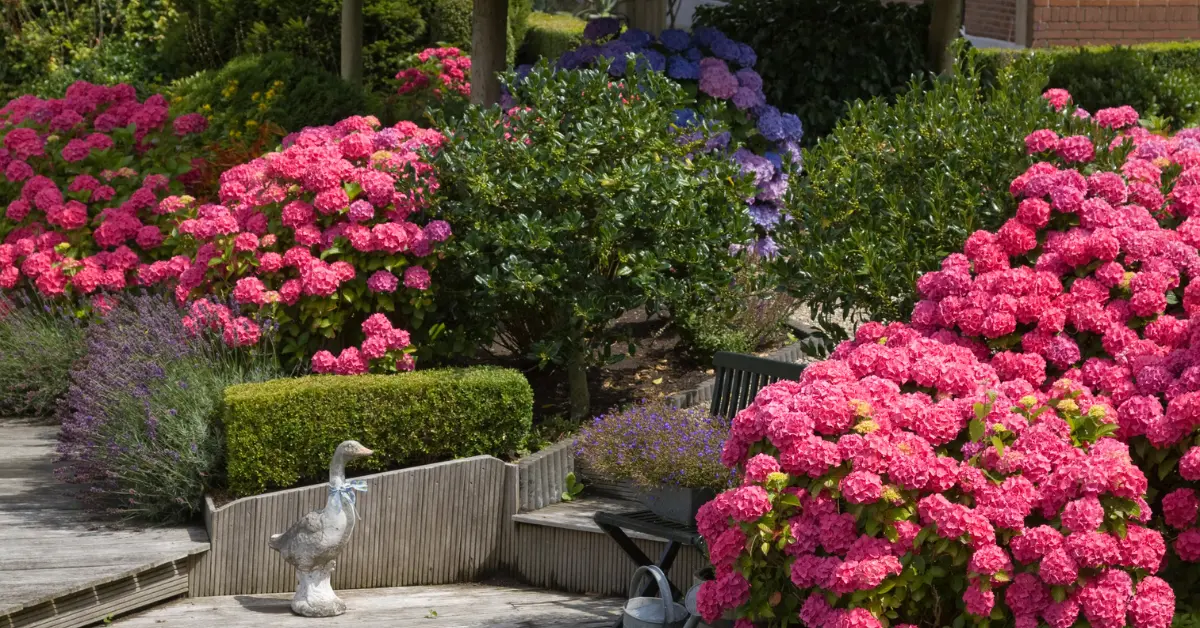
6 Best Shrubs to Plant in August You Must Try
Have you ever walked through a nursery late in the summer, admired the vibrant shrubs [...]
Aug

Growing Everbearing Strawberries in Containers: A Complete Guide for Beginners
Want to grow sweet, fresh strawberries but do not have a large garden? Everbearing strawberries [...]
Aug
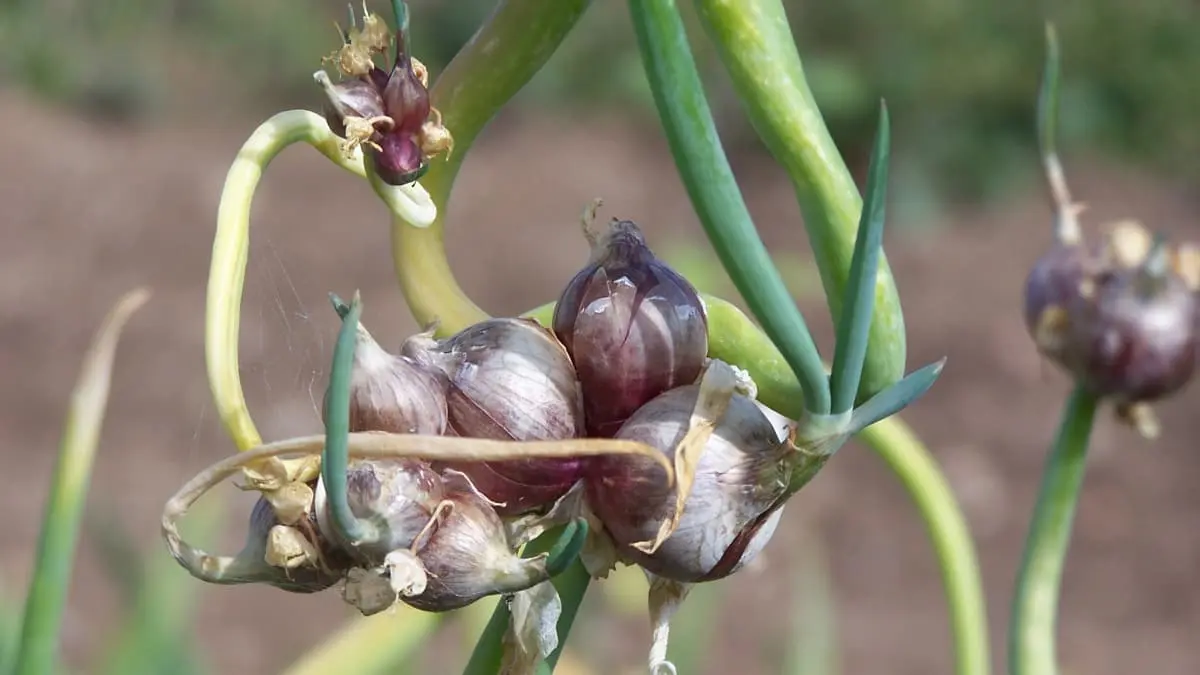
Growing Egyptian Walking Onions in Containers: A Complete Guide for Beginners
If you’re looking for a hardy, no-fuss perennial onion that keeps on giving year after [...]
Jul
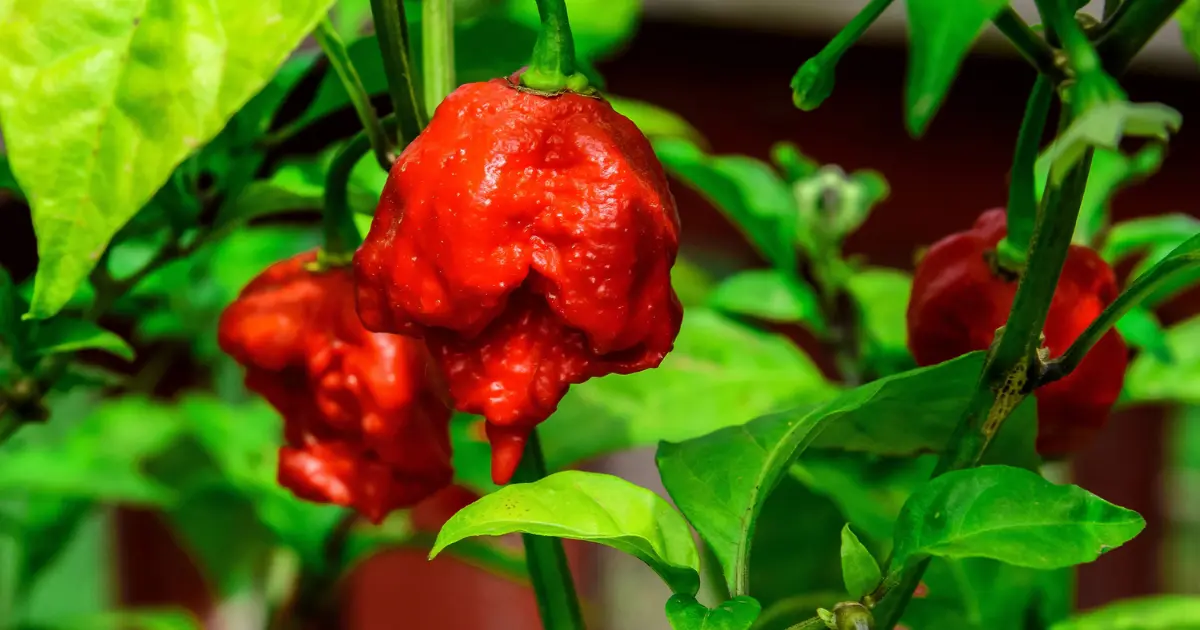
Growing Carolina Reaper Peppers in Pots: A Complete Guide for Beginners
If you’ve ever wanted to add some serious, record-breaking heat to your home cooking, you’ve [...]
May
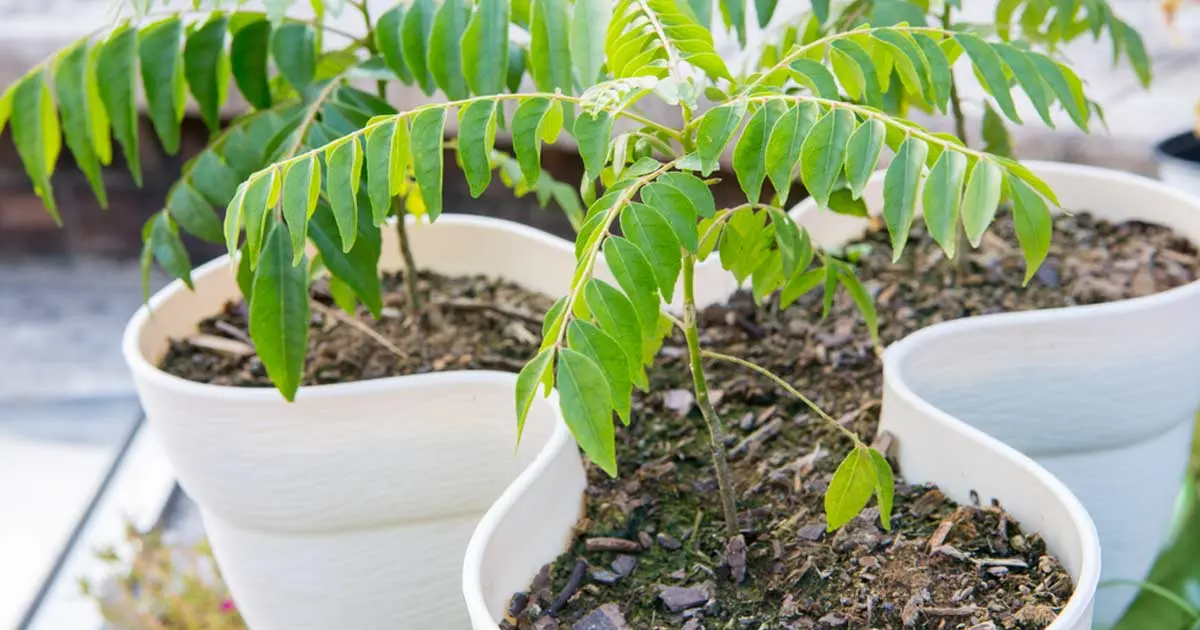
Growing Curry Leaf Plant in Pots: A Complete Guide for Beginners
If you’re a fan of authentic South Asian cuisine, you already know that nothing compares [...]
May

Reviews
There are no reviews yet.