
Bay Laurel Live Plant – 4″ Tall Culinary Herb Tree for Indoor/Outdoor Garden
Original price was: $59.99.$24.99Current price is: $24.99.
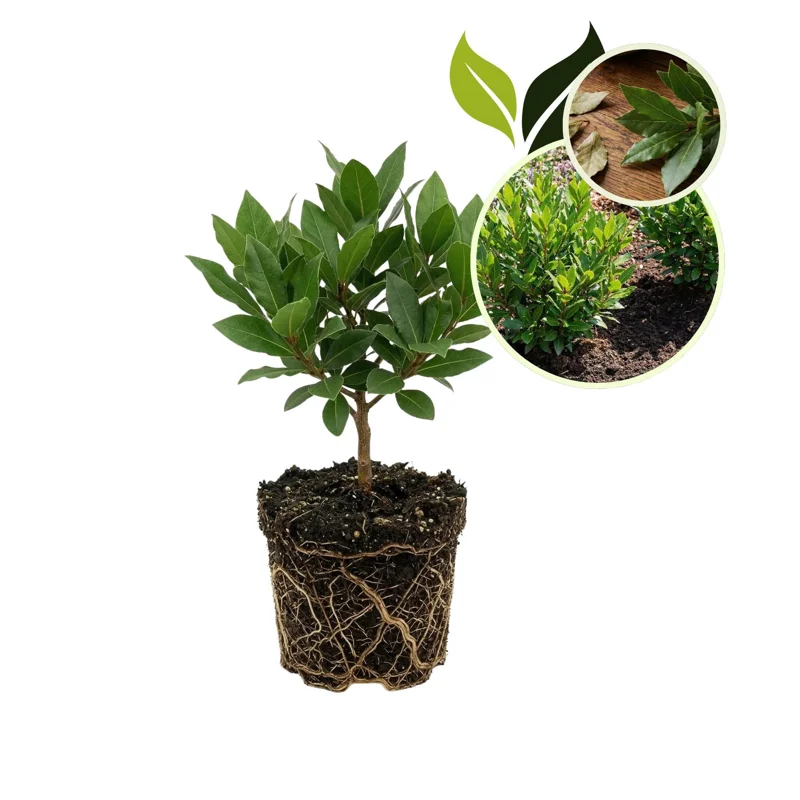
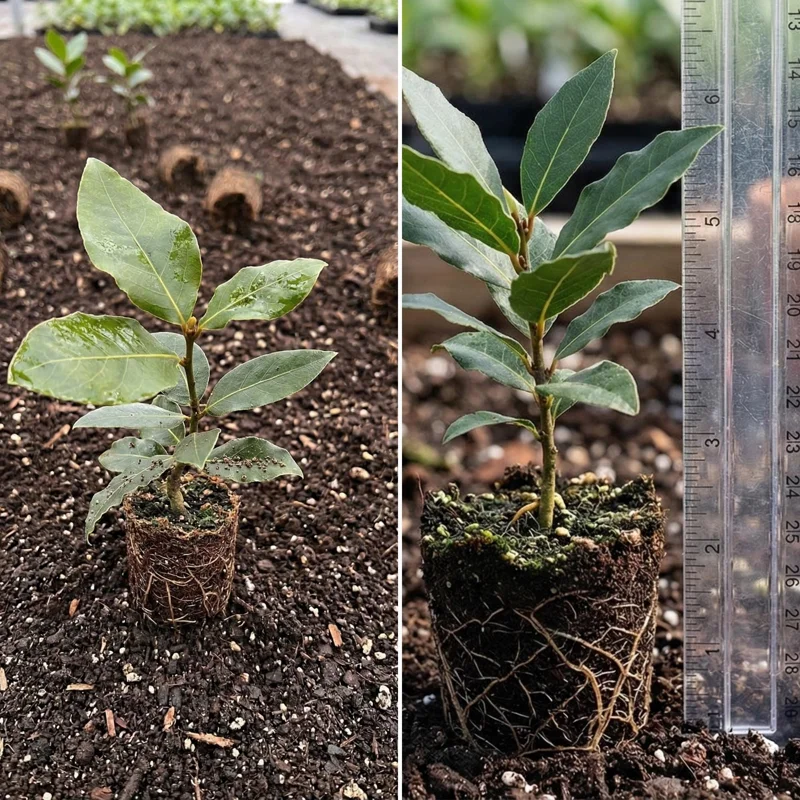
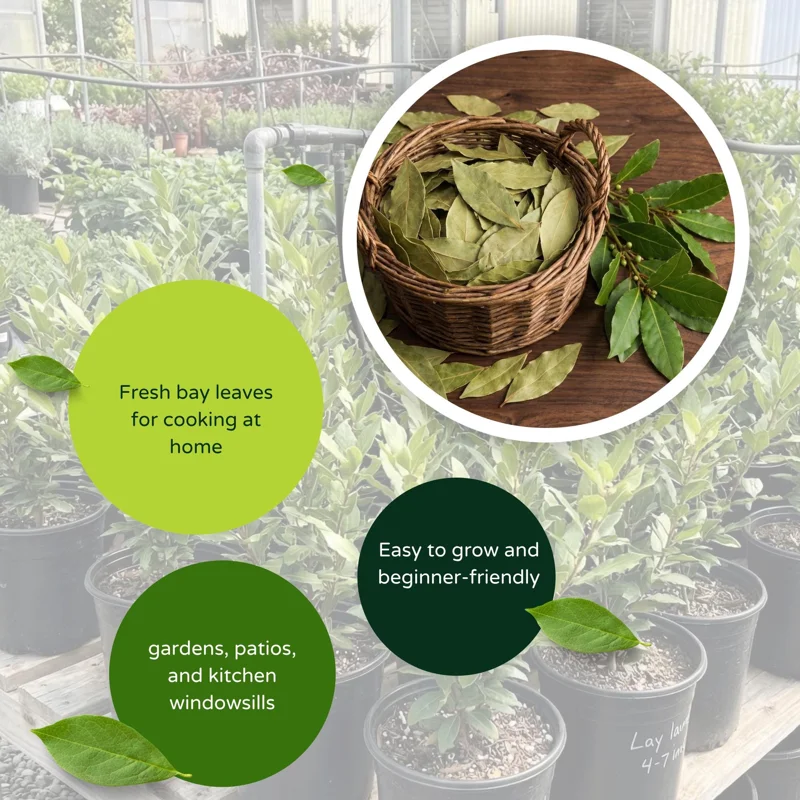
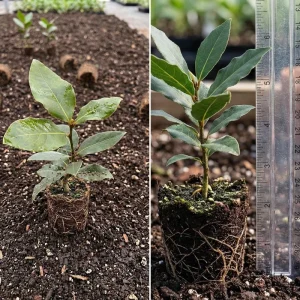
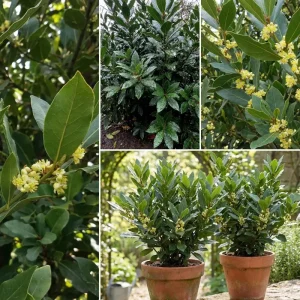
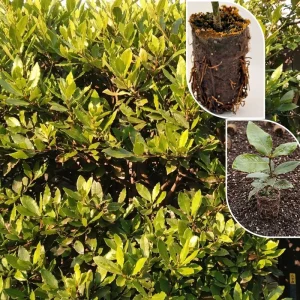
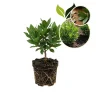
Cultivate your own aromatic bay leaves with this bay laurel live plant, approximately 4 inches tall. This versatile bay leaf herb plant is perfect for adding fresh flavor to your cooking and thrives in both indoor and outdoor garden settings. It’s a well-rooted starter that will grow into a beautiful culinary herb tree.
Estimated arrival
Sep 17
Sep 22 - Sep 24
Sep 27 - Oct 01

Reasonable Price
We offer reasonable price

Support 24/7
Contact us 24 hrs a day

100% Money Back
You've 30 days to Return

Payment Secure
100% secure payment
Overview
Discover the joy of growing your own fresh, aromatic bay leaves with this exquisite bay laurel live plant (Laurus nobilis). Standing approximately 4 inches tall, this young plant is a well-rooted starter, ready to thrive in your home or garden. Known for its glossy, fragrant leaves, the bay laurel live plant is a staple in Mediterranean cuisine, adding a distinctive flavor to soups, stews, and sauces. Beyond its culinary appeal, this evergreen shrub or small tree offers significant ornamental value, making it a beautiful addition to any kitchen, patio, or herb garden. Its slow-growing nature makes it manageable for containers, allowing you to easily bring it indoors during colder months. Embrace the tradition of fresh herbs with this versatile and elegant plant.
Key Benefits
Bringing a bay laurel live plant into your home or garden offers numerous advantages, enhancing both your culinary endeavors and your living space.
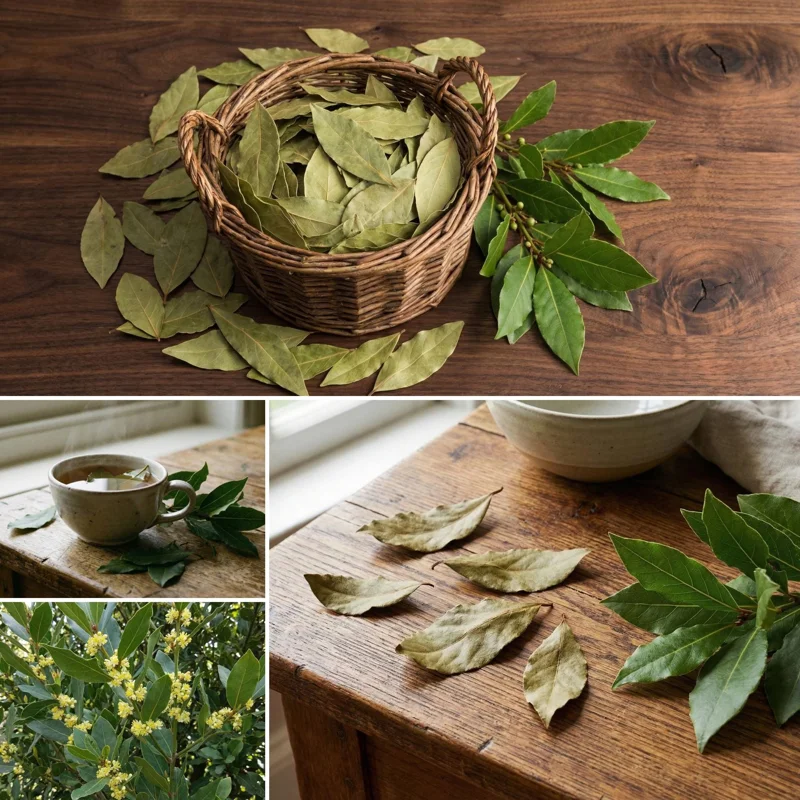
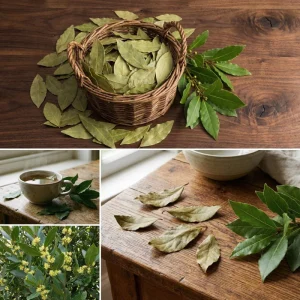
- Fresh Culinary Herb: Enjoy a constant supply of fresh bay leaves, superior in flavor and aroma to dried alternatives. These leaves are essential for gourmet cooking, infusing dishes with a rich, earthy, and slightly floral note.
- Aromatic Foliage: The fragrant leaves release a pleasant aroma, especially when brushed or crushed, contributing to a refreshing atmosphere in your home or garden.
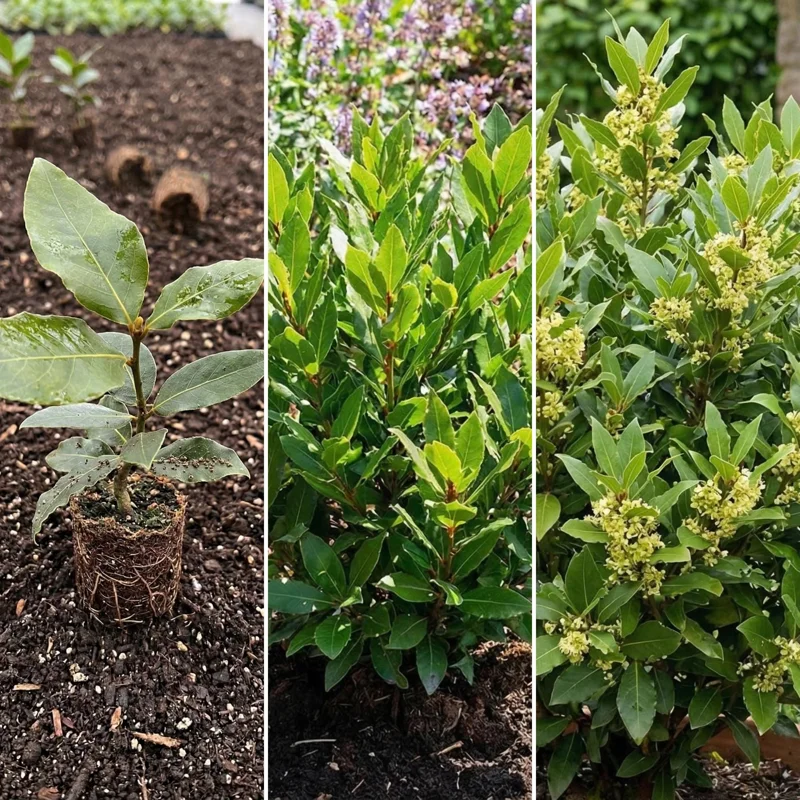
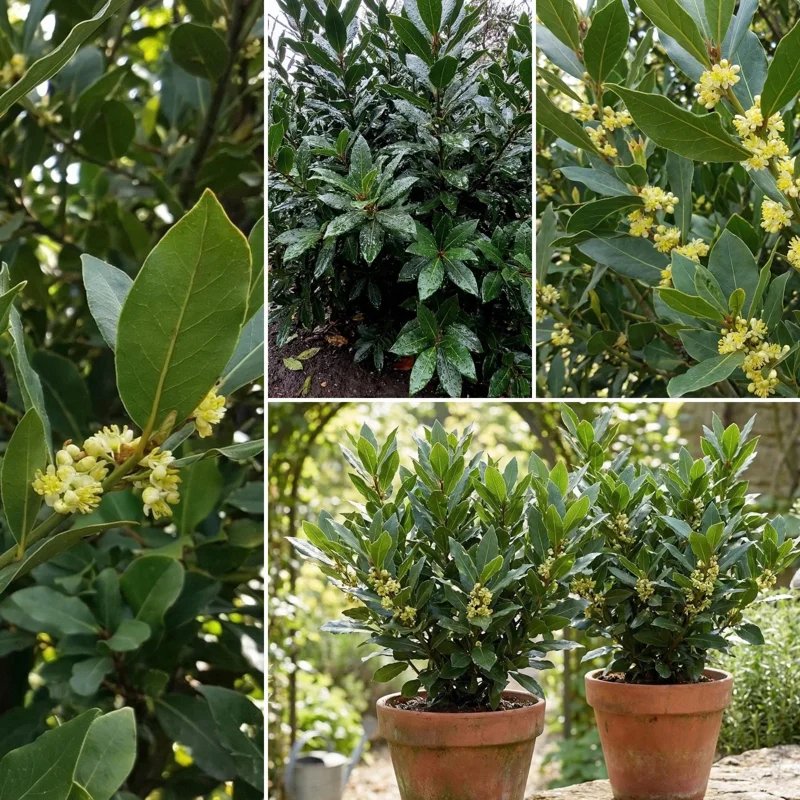
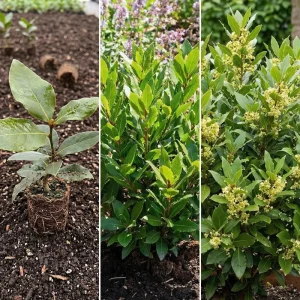
- Ornamental Beauty: With its dark green, leathery leaves and compact growth habit, the bay laurel live plant serves as an attractive evergreen specimen plant, suitable for formal or informal garden designs.
- Versatile Growing: This plant adapts well to both indoor and outdoor environments. In colder climates, it can be grown in a container and moved indoors to protect it from frost, making it a truly adaptable indoor bay tree.
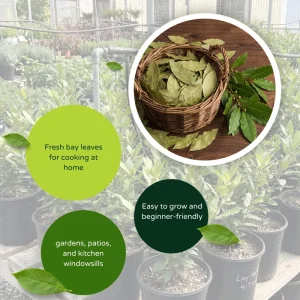
- Low Maintenance: Once established, bay laurel is relatively easy to care for, requiring moderate watering and sunlight, making it suitable for gardeners of all experience levels.
- Long-Lived: With proper care, a bay laurel can live for many years, becoming a cherished part of your plant collection and providing fresh herbs for decades.
- Traditional Significance: Bay laurel has a rich history, symbolizing victory and honor, adding a touch of classical elegance to your space.
Plant Care & Growing Tips
Caring for your bay laurel live plant is straightforward, ensuring a healthy and productive herb tree for years to come. This plant thrives in conditions that mimic its native Mediterranean climate. It prefers full sun to partial shade, meaning it should receive at least 4-6 hours of direct sunlight daily for optimal growth and leaf production. If growing indoors, place it near a bright, south-facing window or supplement with a grow light. Watering should be consistent but cautious; allow the top inch or two of soil to dry out between waterings to prevent root rot, which is a common issue for bay laurels. A well-draining potting mix is crucial for container-grown plants. Aim for a slightly acidic to neutral pH soil. The bay leaf herb plant is frost tender, so if you live in a colder climate (below USDA Zone 8), it’s essential to keep it in a container and bring it indoors before the first winter frost. Indoors, ensure it receives adequate light and protection from cold drafts. Fertilize sparingly during the growing season (spring and summer) with a balanced liquid fertilizer, reducing frequency in fall and winter. Pruning can be done to maintain shape and size, and to encourage bushier growth. Watch out for common pests like scale insects or mealybugs, treating them promptly with horticultural oil or insecticidal soap.
Size & Details
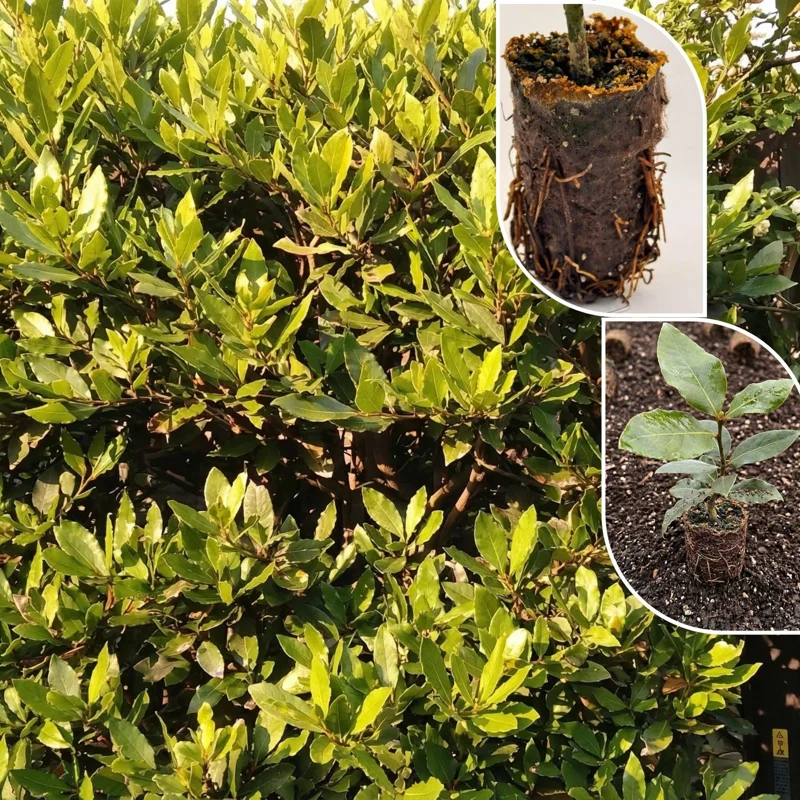
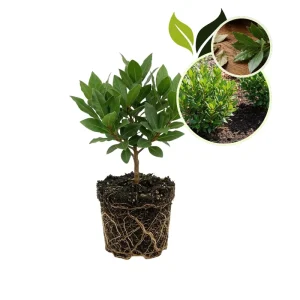
This offering is for a bay laurel live plant that stands approximately 4 inches tall from the base of the plant to the tip of its tallest leaf. It is a well-rooted starter plant, cultivated to ensure a strong beginning for your new herb tree. Bay laurel (Laurus nobilis) is a slow-growing shrub or small tree, reaching mature heights of 10-20 feet in ideal outdoor conditions, though it can be maintained at a much smaller size through pruning when grown in containers. This specimen is perfect for starting your own culinary herb tree collection and will arrive ready to be potted into a larger container or transplanted into your garden if your climate allows. Expect steady, manageable growth, providing you with fresh bay leaves as it matures.
Frequently Asked Questions
- Q: How big will this 4-inch tall bay laurel plant eventually get? A: While this bay laurel live plant starts at 4 inches tall, it’s a slow-growing shrub or small tree. In ideal outdoor conditions, it can reach 10-20 feet, but when kept in a container and pruned, it can be maintained at a much smaller, manageable size, typically 3-6 feet.
- Q: Is this an indoor or outdoor plant? A: This bay leaf herb plant is versatile and can be grown both indoors and outdoors. It thrives outdoors in USDA Zones 8-11. In colder climates, it should be grown in a container and brought indoors before the first frost to protect it.
- Q: How much sunlight does a bay laurel need? A: Bay laurel prefers full sun to partial shade, ideally receiving at least 4-6 hours of direct sunlight per day. If growing indoors, place it in the brightest available location, such as a south-facing window.
- Q: Is this plant easy to care for, especially for beginners? A: Yes, the bay laurel live plant is considered relatively easy to care for. Its main requirements are well-draining soil, consistent but moderate watering, and adequate sunlight. Avoiding overwatering is key.
- Q: What condition will the plant arrive in? A: Your culinary herb tree will arrive as a well-rooted starter plant, carefully packaged to ensure it reaches you in healthy condition, ready for planting.
- Q: Can I use the leaves from this plant in cooking right away? A: While the plant is young, you can begin harvesting leaves once it has established itself and put on some new growth, typically a few weeks after planting. Harvest sparingly at first to allow the plant to grow.
- Q: What is the best soil for a bay laurel plant? A: A well-draining potting mix is essential for this bay laurel live plant. You can use a standard potting mix amended with perlite or sand to improve drainage. Good drainage helps prevent root rot.
- Q: How often should I water my bay laurel? A: Water your bay laurel when the top 1-2 inches of soil feel dry to the touch. Avoid letting the plant sit in soggy soil, as this can lead to root problems. Reduce watering frequency in winter.
- Q: Is this bay laurel plant frost tolerant? A: No, the bay laurel live plant is frost tender. If you experience freezing temperatures, it must be protected. Bring container-grown plants indoors before the first frost.
- Q: Can I grow this bay laurel as an indoor bay tree year-round? A: Yes, you can successfully grow this bay laurel as an indoor bay tree year-round, provided it receives sufficient light and proper care, including adequate humidity and protection from cold drafts.
Be the first to review “Bay Laurel Live Plant – 4″ Tall Culinary Herb Tree for Indoor/Outdoor Garden”
-
USDA Hardiness Zone
USDA Zones 8-11 (outdoors) or year-round indoors -
Soil Type
Well-draining potting mix -
Sunlight Exposure
Full sun to partial shade -
Expected Planting Period
Year-round indoors; spring to early summer outdoors
People Also Viewd


Sold 134 products
Original price was: $3,536.00.$23.99Current price is: $23.99.

Sold 131 products
Original price was: $27.00.$24.00Current price is: $24.00.

Sold 131 products
Original price was: $89.99.$64.99Current price is: $64.99.

Sold 125 products
Original price was: $86.99.$66.99Current price is: $66.99.

Flower Bulbs
3 Cranesbill Wild Geranium Organic Maculatums Bare Roots | Wildflower for Outdoor Garden
Sold 116 products
Original price was: $21.99.$9.99Current price is: $9.99.

Sold 114 products
Original price was: $28.99.$17.99Current price is: $17.99.
Sold 110 products
Original price was: $63.99.$28.99Current price is: $28.99.
Sold 108 products
Original price was: $28.99.$17.99Current price is: $17.99.RELATED posts
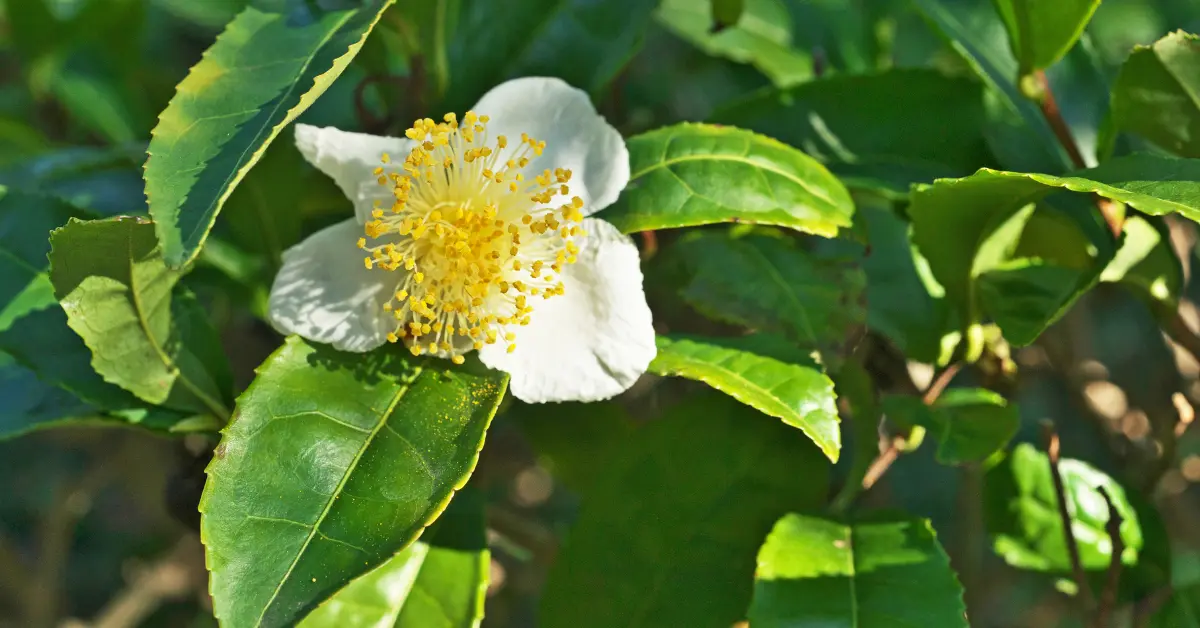
Growing Camellia Sinensis (Tea Plants) in Containers: A Complete Guide for Beginners
If you’ve ever wanted to sip a steaming, homegrown cup of fresh green, black, or [...]
Aug
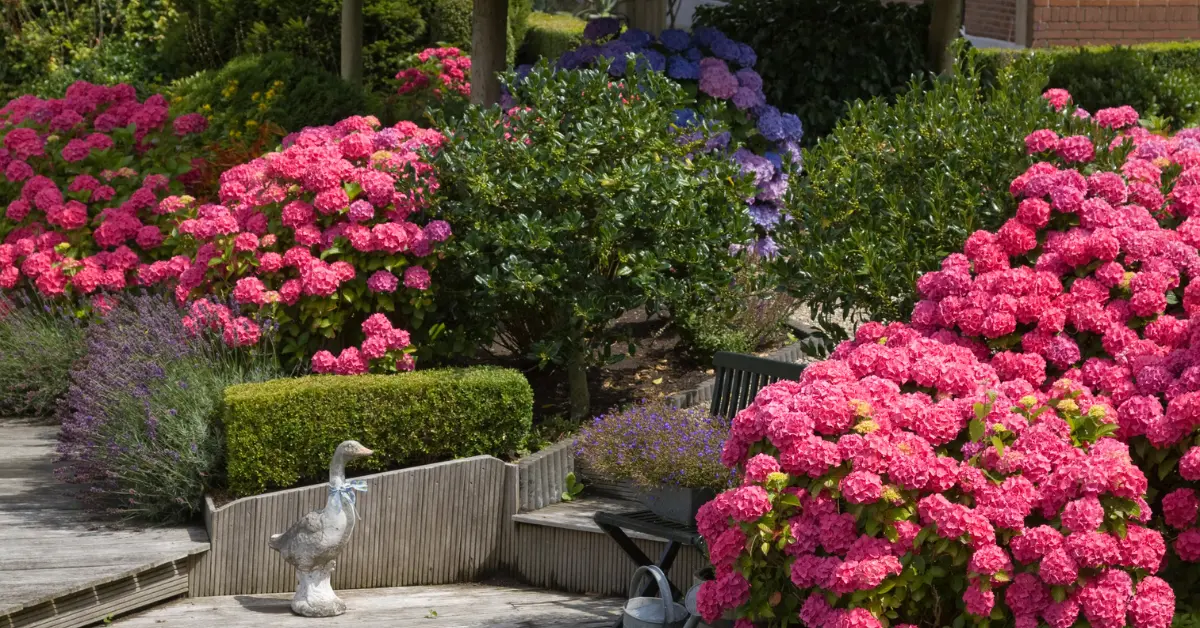
6 Best Shrubs to Plant in August You Must Try
Have you ever walked through a nursery late in the summer, admired the vibrant shrubs [...]
Aug
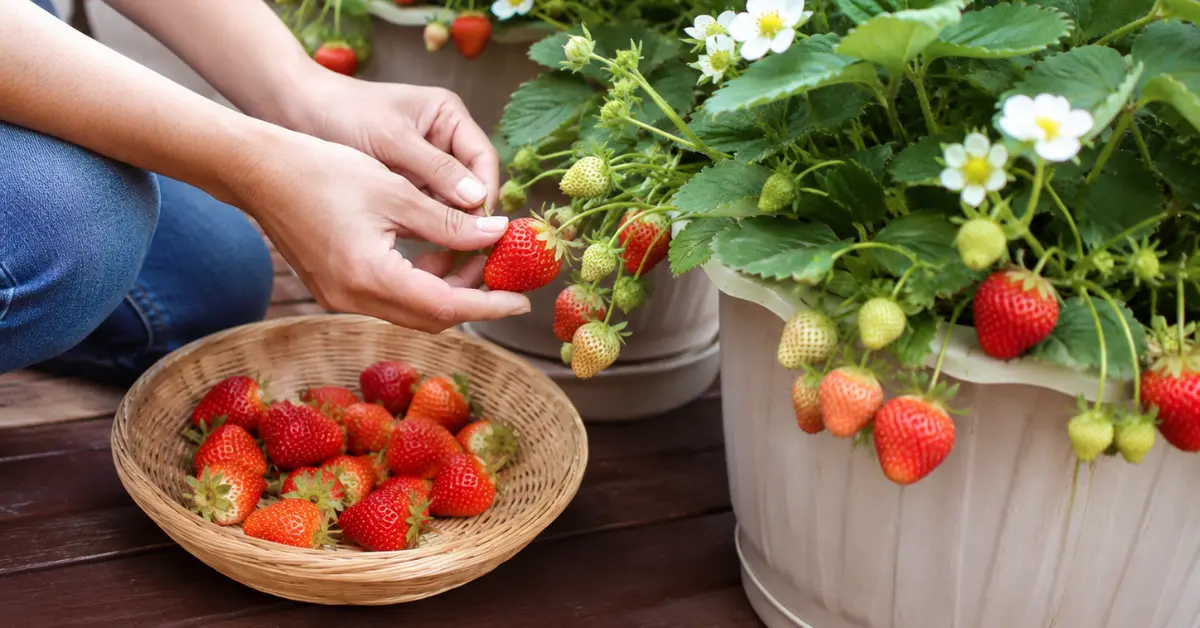
Growing Everbearing Strawberries in Containers: A Complete Guide for Beginners
Want to grow sweet, fresh strawberries but do not have a large garden? Everbearing strawberries [...]
Aug
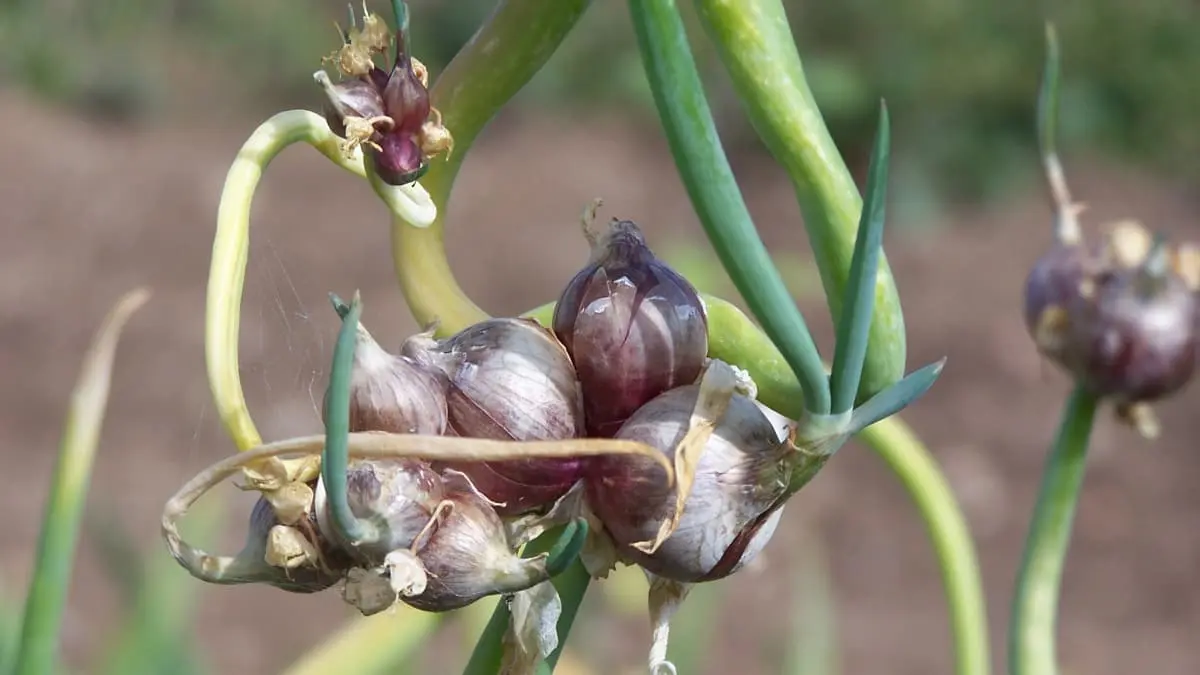
Growing Egyptian Walking Onions in Containers: A Complete Guide for Beginners
If you’re looking for a hardy, no-fuss perennial onion that keeps on giving year after [...]
Jul
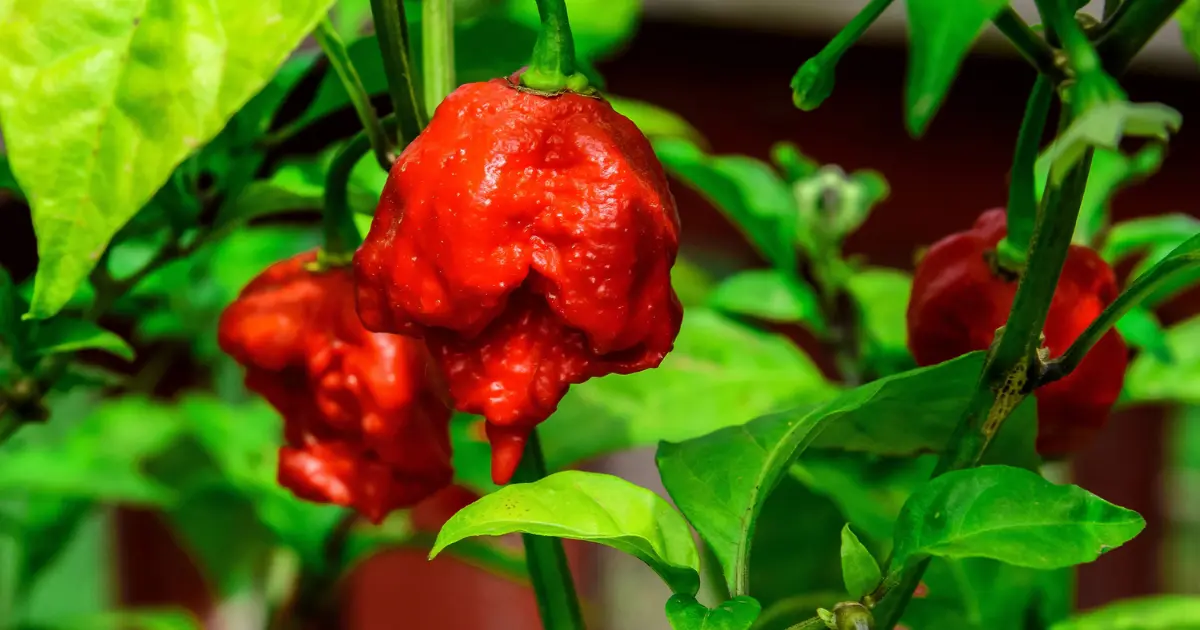
Growing Carolina Reaper Peppers in Pots: A Complete Guide for Beginners
If you’ve ever wanted to add some serious, record-breaking heat to your home cooking, you’ve [...]
May
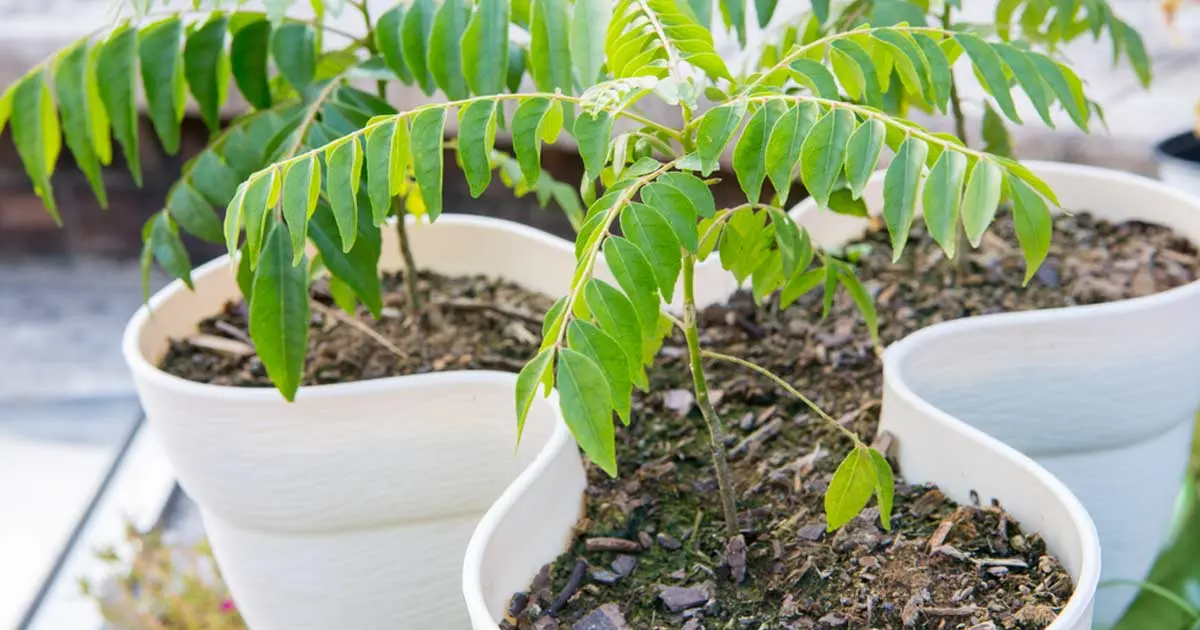
Growing Curry Leaf Plant in Pots: A Complete Guide for Beginners
If you’re a fan of authentic South Asian cuisine, you already know that nothing compares [...]
May
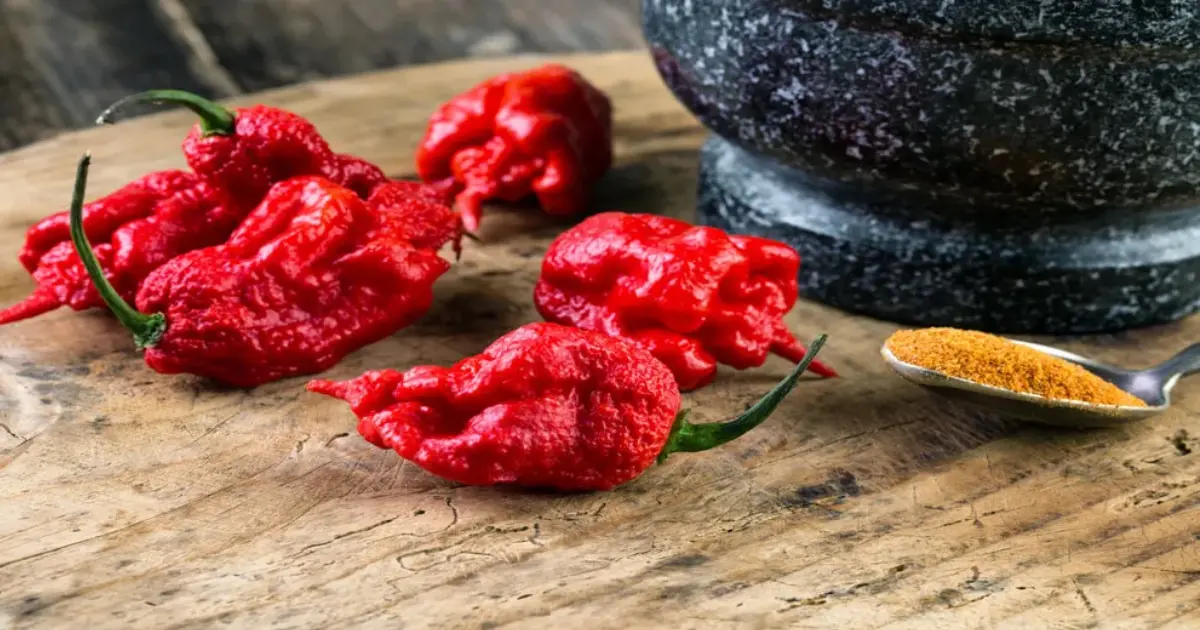
5 Tips for Growing Carolina Reaper Peppers to Get the Spiciest Harvest Ever
Holding the record for one of the world’s hottest peppers, the Reaper isn’t just a [...]
May
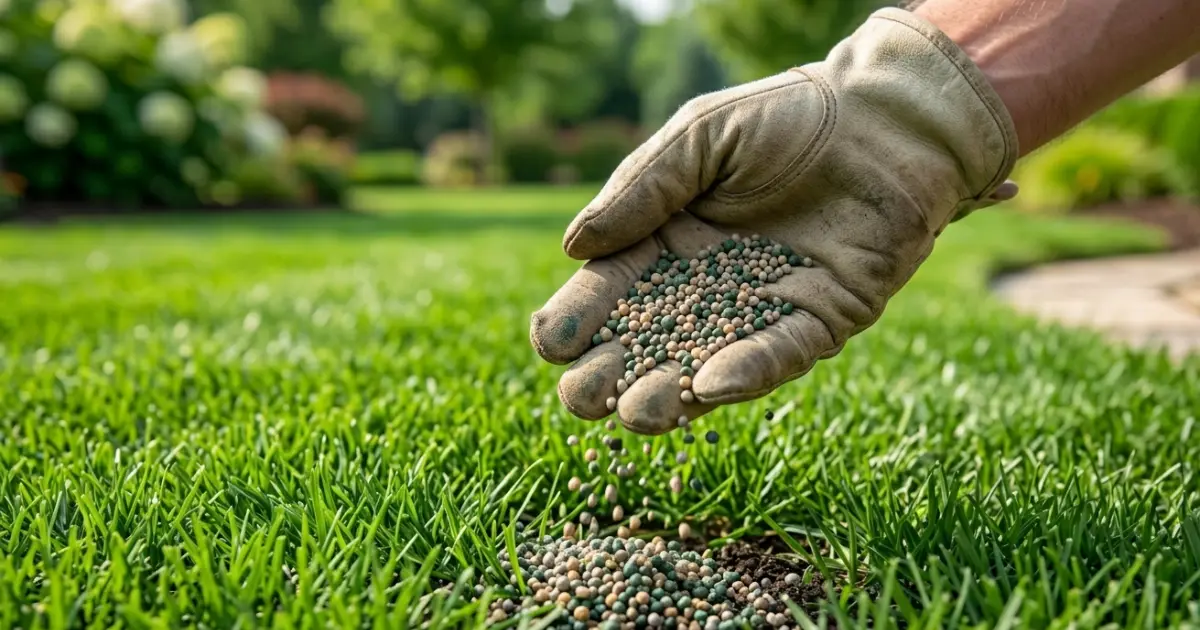
Best Fertilizers for Zoysia Grass in 2026: Get a Lush Lawn
As we enter the new year, the time has come to think about how we [...]
Apr
Reviews
There are no reviews yet.