
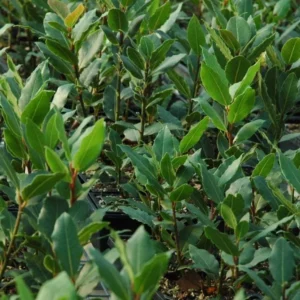
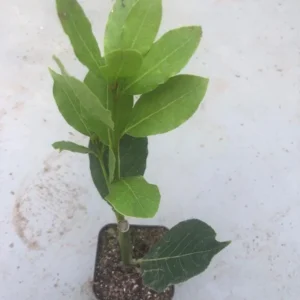
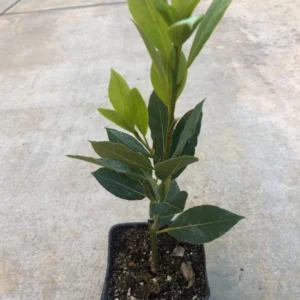
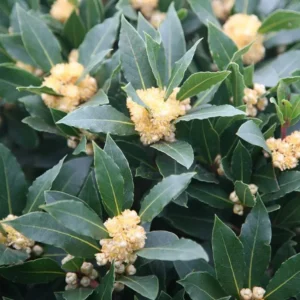
Bay Leaf Live Plant – Sweet Bay Laurel – Live plant – 8-10 inches – Indoor/Outdoor
Original price was: $139.98.$69.99Current price is: $69.99.
The bay leaf live plant is an aromatic herb perfect for culinary uses. Ideal for indoor and outdoor gardening, it enhances your dishes with its flavorful leaves.
Estimated arrival
Apr 12
Apr 17 - Apr 19
Apr 22 - Apr 26

Reasonable Price
We offer reasonable price

Support 24/7
Contact us 24 hrs a day

100% Money Back
You've 30 days to Return

Payment Secure
100% secure payment
Overview
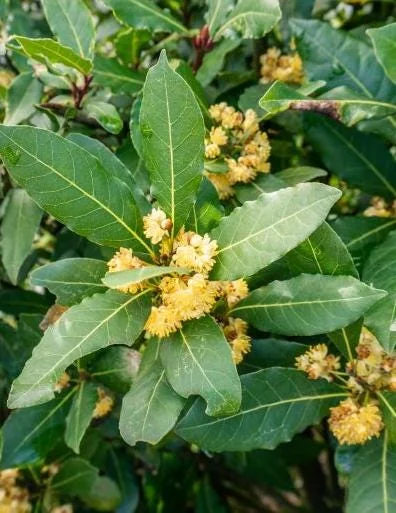
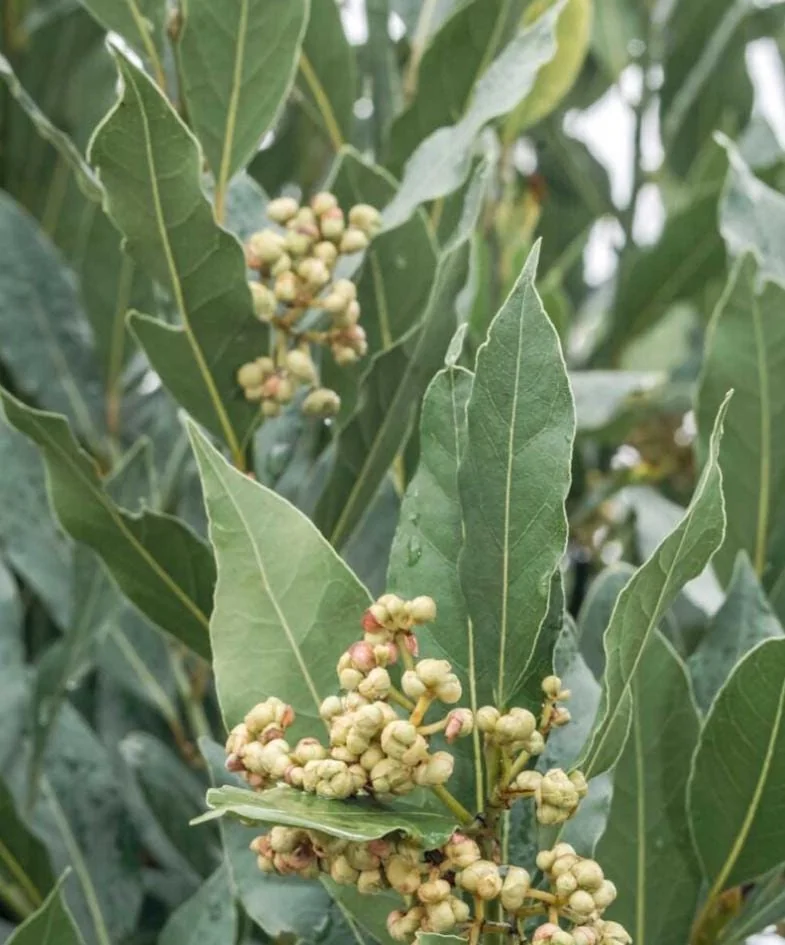
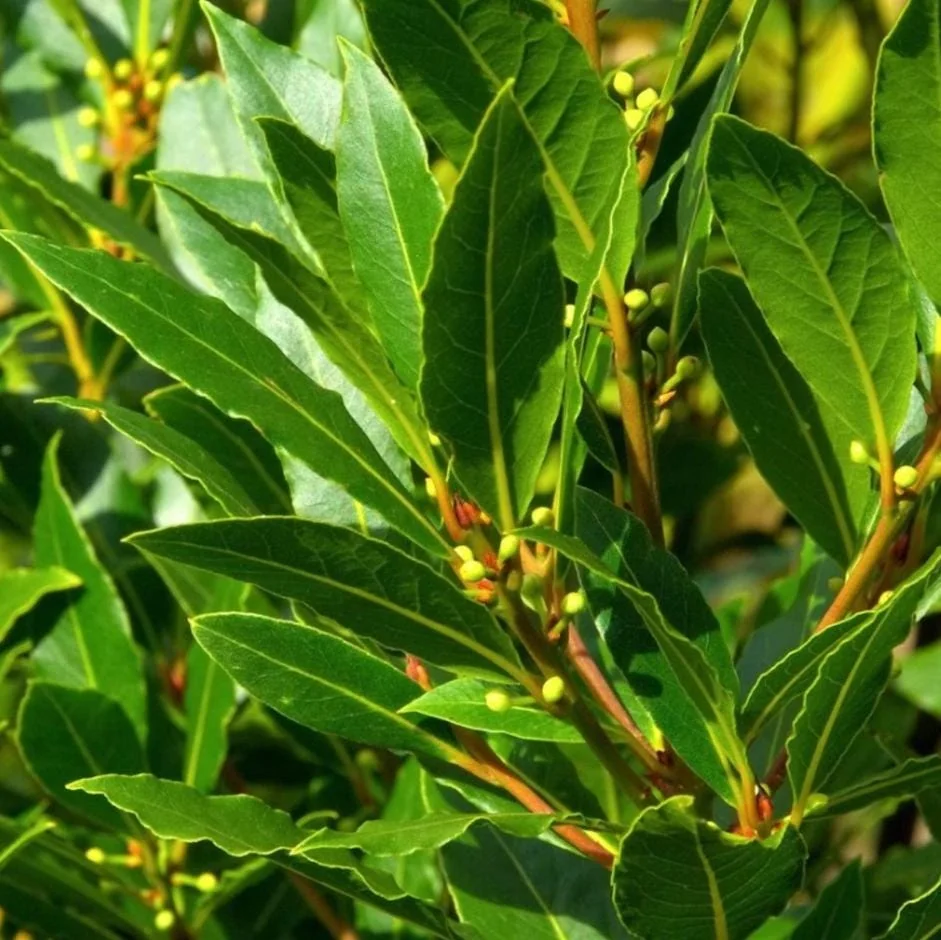
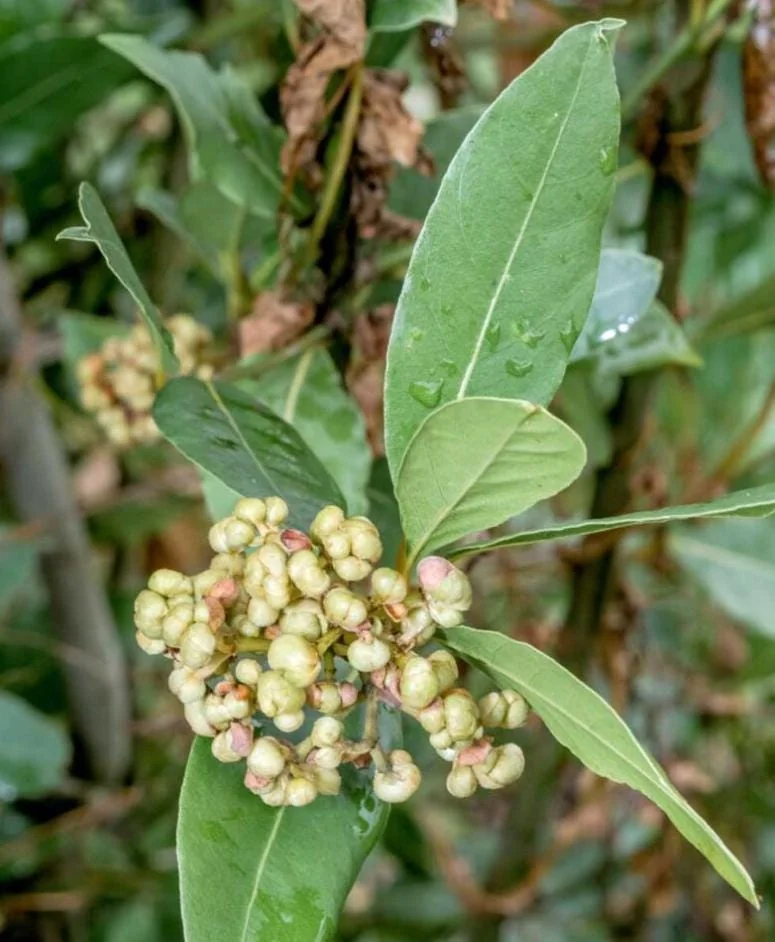
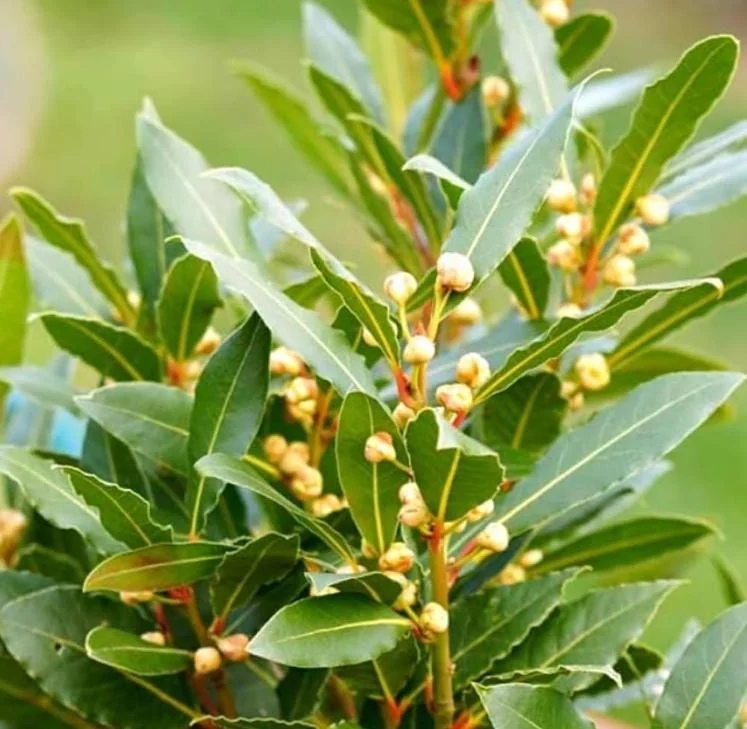
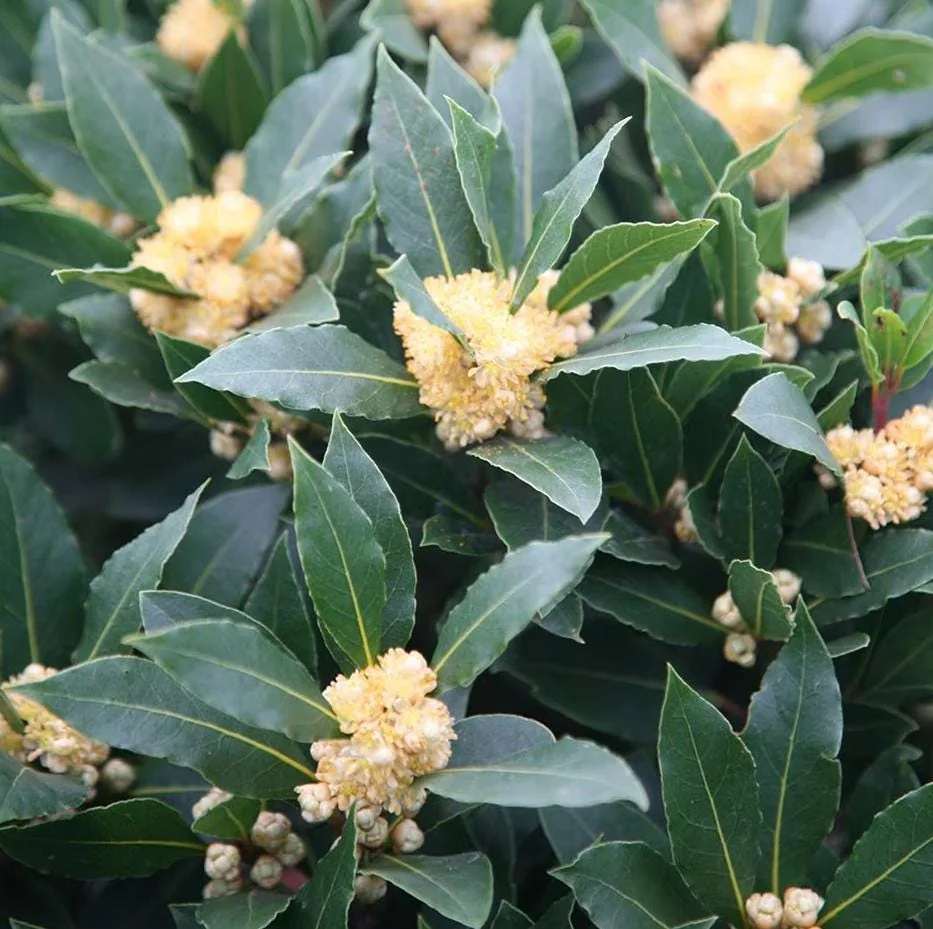
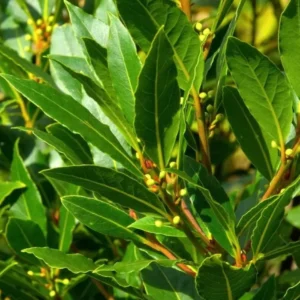
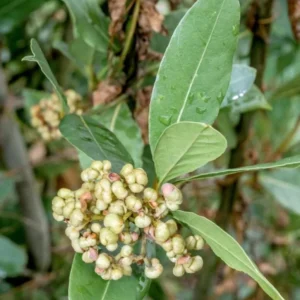
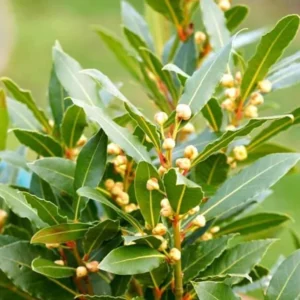
The bay leaf live plant is a delightful addition to any herb garden, known for its aromatic leaves that enhance various dishes. Also recognized as Laurus nobilis, this evergreen plant is native to the Mediterranean region. Whether you’re a cooking enthusiast or simply wish to enjoy the beauty of this herb, the bay leaf plant offers versatility, thriving both indoors and outdoors.
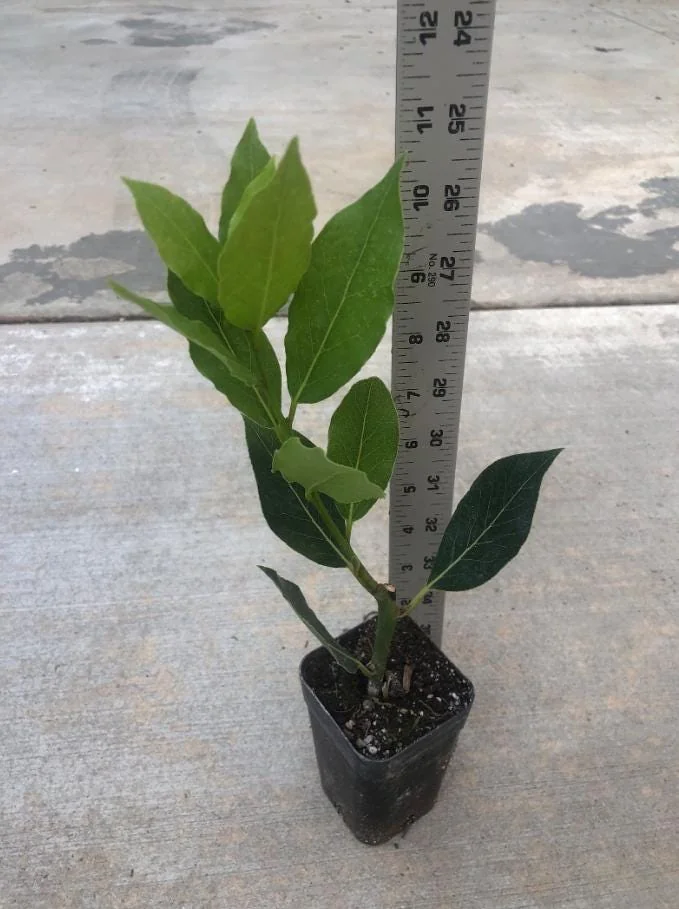
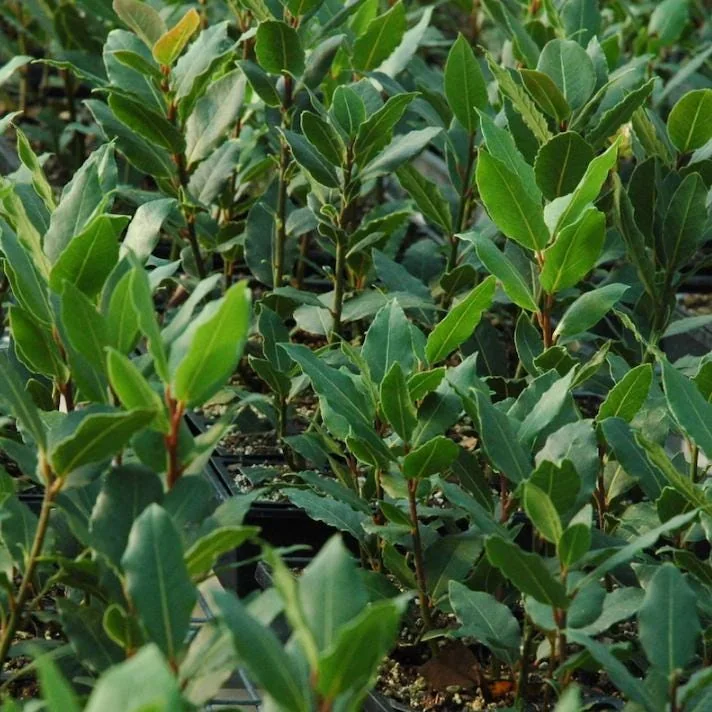
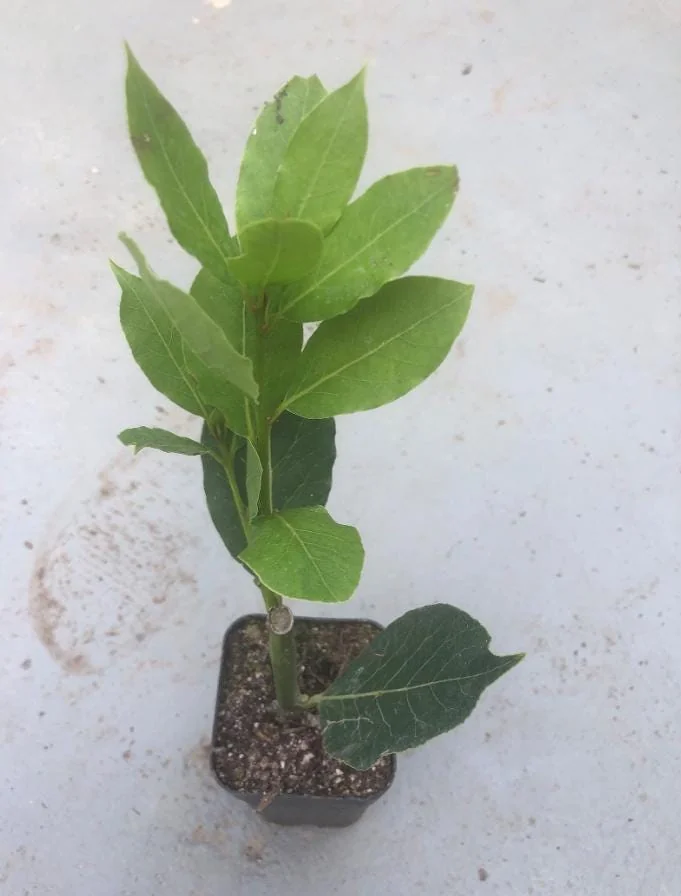
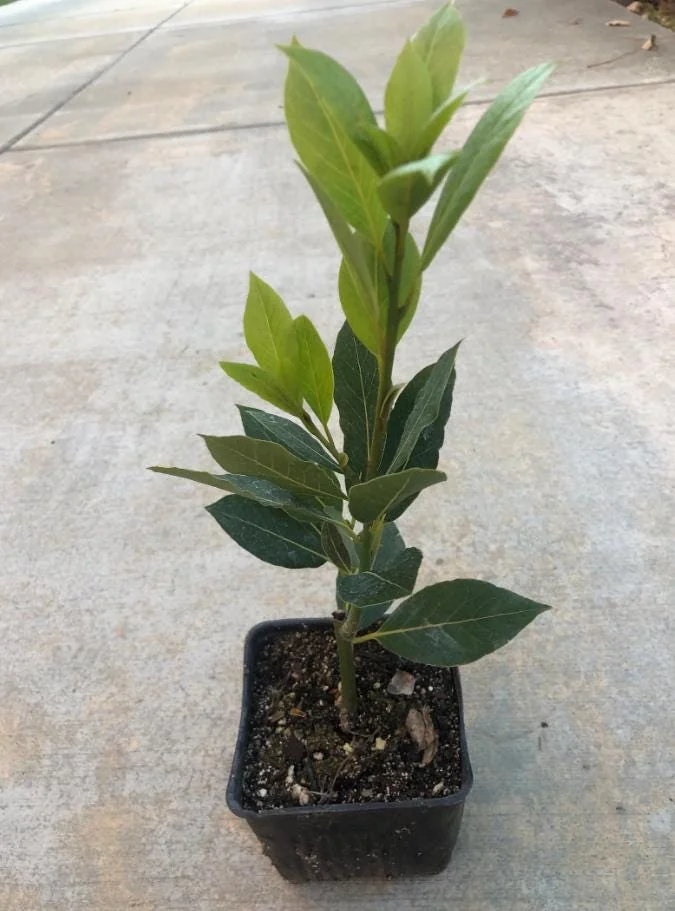
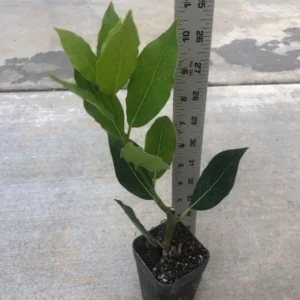
This particular plant is typically delivered in a 4-inch pot and stands between 8-10 inches tall. With its rich green foliage and fragrant leaves, it not only serves practical culinary purposes but also adds aesthetic appeal to your living space.
Key Benefits
The bay leaf live plant offers numerous advantages for gardeners and culinary enthusiasts alike:
- Culinary Uses: The leaves are widely used in cooking, imparting depth and flavor to soups, stews, and sauces.
- Low Maintenance: This herb is relatively easy to care for, making it suitable for both beginners and experienced gardeners.
- Decorative Appeal: Its lush green foliage adds a touch of elegance to any indoor or outdoor setting.
- Drought-Tolerant: Once established, the bay leaf plant can tolerate dry conditions, reducing the need for frequent watering.
- Medicinal Properties: Traditionally, bay leaves have been used for their potential health benefits, including anti-inflammatory properties.
- Versatile Growing Options: Can be grown in pots, making it a perfect choice for container gardening.
- Fragrant Aroma: The aromatic leaves provide a delightful scent, enhancing the ambiance of your home.
Plant Care & Growing Tips
To successfully grow your bay leaf live plant, follow these care instructions:
**Sunlight Requirements:** This plant thrives in full sun to partial shade, requiring at least 6 hours of sunlight daily. If you’re growing it indoors, place it near a sunny window where it can receive indirect light.
**Watering Schedule:** Keep the soil consistently moist but avoid overwatering. Allow the top inch of soil to dry out between waterings. Once the plant is established, it is somewhat drought-tolerant, allowing flexibility in your watering routine.
**Soil Type:** Use well-draining, rich soil to encourage healthy growth. A potting mix with organic matter works best for this herb.
**Temperature Range:** The bay leaf plant prefers warm temperatures and thrives in USDA zones 8-11. If you live in a colder climate, consider keeping it indoors during winter months.
**Fertilization Schedule:** Fertilize monthly during the growing season with a balanced fertilizer to promote healthy growth and lush foliage.
**Common Problems:** Watch for pests like aphids and spider mites. If you notice any, treat them promptly with insecticidal soap.
Size & Details
This bay leaf live plant measures about 8-10 inches tall and is shipped in a 4-inch pot. Typically, it grows slowly but steadily, reaching maturity in a few years. With proper care, you can expect to start harvesting leaves within a year of planting.
Frequently Asked Questions
- Q: How big does this plant get? A: The bay leaf plant can grow up to 10-20 feet tall if grown in optimal conditions outdoors. However, when kept in a pot, it can be pruned to maintain a manageable size.
- Q: Is this an indoor or outdoor plant? A: The bay leaf plant is versatile and can be grown both indoors and outdoors, making it suitable for various gardening setups.
- Q: Is this plant easy to care for? A: Yes, the bay leaf plant is relatively low maintenance and is great for beginner gardeners.
- Q: What condition will it arrive in? A: Your plant will arrive healthy and ready for transplanting, although some stress during shipping is normal.
- Q: Can I use bay leaves in cooking? A: Absolutely! Bay leaves are commonly used in cooking to add flavor to soups, sauces, and stews.
- Q: How long until it blooms? A: While bay leaves are primarily cultivated for their leaves, if conditions are right, you may see flowers in late spring to summer, but it may take several years for the plant to mature fully.
- Q: Will it survive winter in my zone? A: The bay leaf plant thrives in USDA zones 8-11; if you live in a colder zone, it’s best to bring it indoors during winter.
Be the first to review “Bay Leaf Live Plant – Sweet Bay Laurel – Live plant – 8-10 inches – Indoor/Outdoor”
-
USDA Hardiness Zone
USDA zones 8-11 -
Soil Type
well-draining, rich soil -
Sunlight Exposure
full sun to partial shade -
Expected Planting Period
year-round indoors
People Also Viewd
Sold 128 products
Original price was: $27.00.$24.00Current price is: $24.00.
Sold 128 products
Original price was: $89.99.$64.99Current price is: $64.99.
Sold 128 products
Original price was: $159.99.$139.99Current price is: $139.99.
Sold 126 products
Original price was: $3,536.00.$23.99Current price is: $23.99.

Sold 125 products
Original price was: $86.99.$66.99Current price is: $66.99.
Sold 116 products
Original price was: $27.99.$16.99Current price is: $16.99.
Sold 114 products
Original price was: $28.99.$17.99Current price is: $17.99.
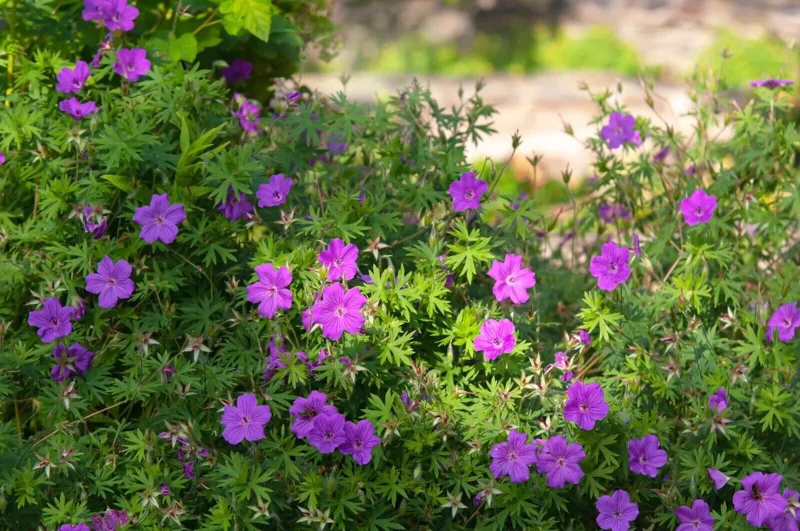
Flower Bulbs
3 Cranesbill Wild Geranium Organic Maculatums Bare Roots | Wildflower for Outdoor Garden
Sold 114 products
Original price was: $21.99.$6.99Current price is: $6.99.RELATED posts
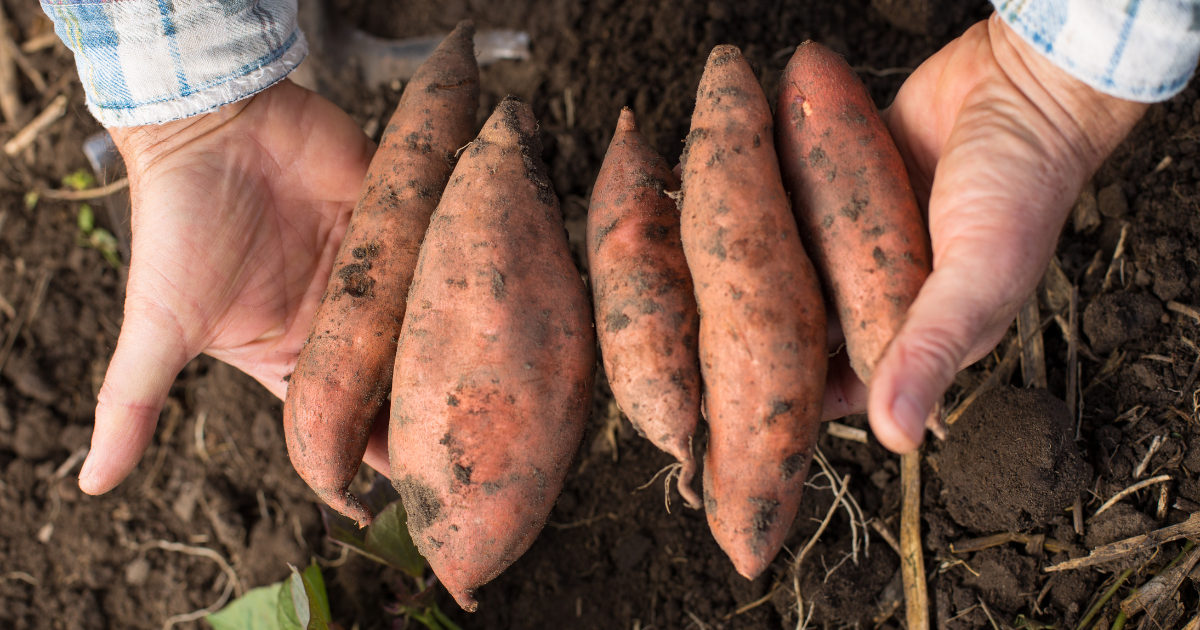
5 Tips for Growing Sweet Potatoes to Get the Biggest Sweet Potato Harvest Ever
If you are a fan of sweet potatoes, then these tips for growing sweet potatoes [...]
Apr
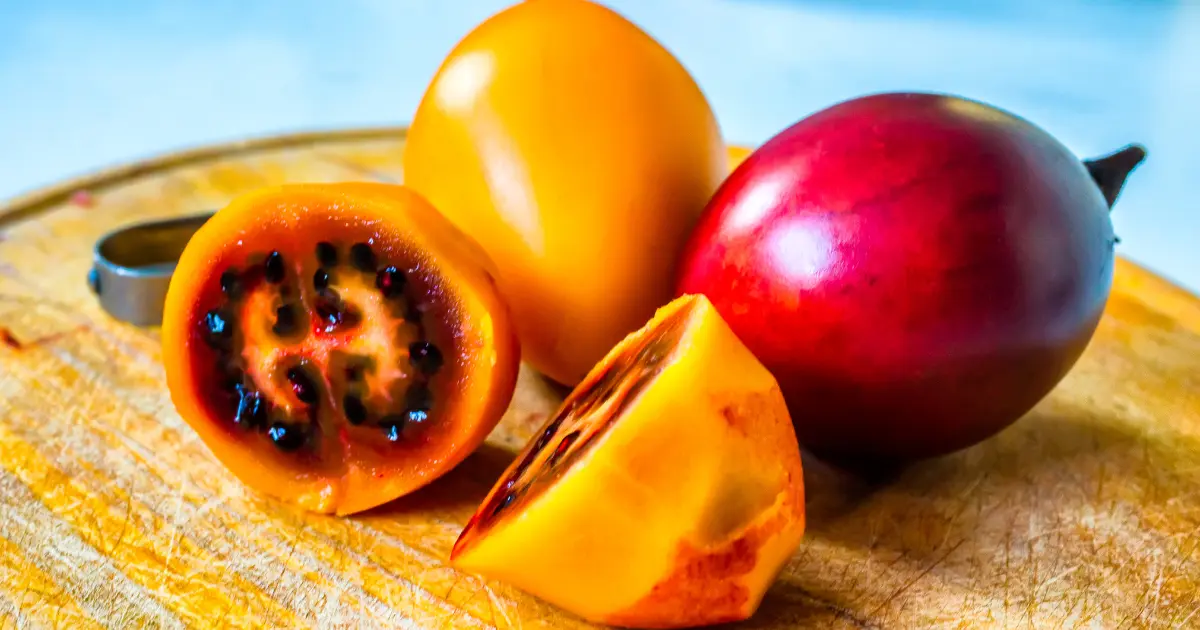
Tamarillo Tree Guide: Flavor, Texture & How to Eat Tree Tomatoes
The humble tomato is a kitchen staple we all know and love, but it rarely [...]
Apr
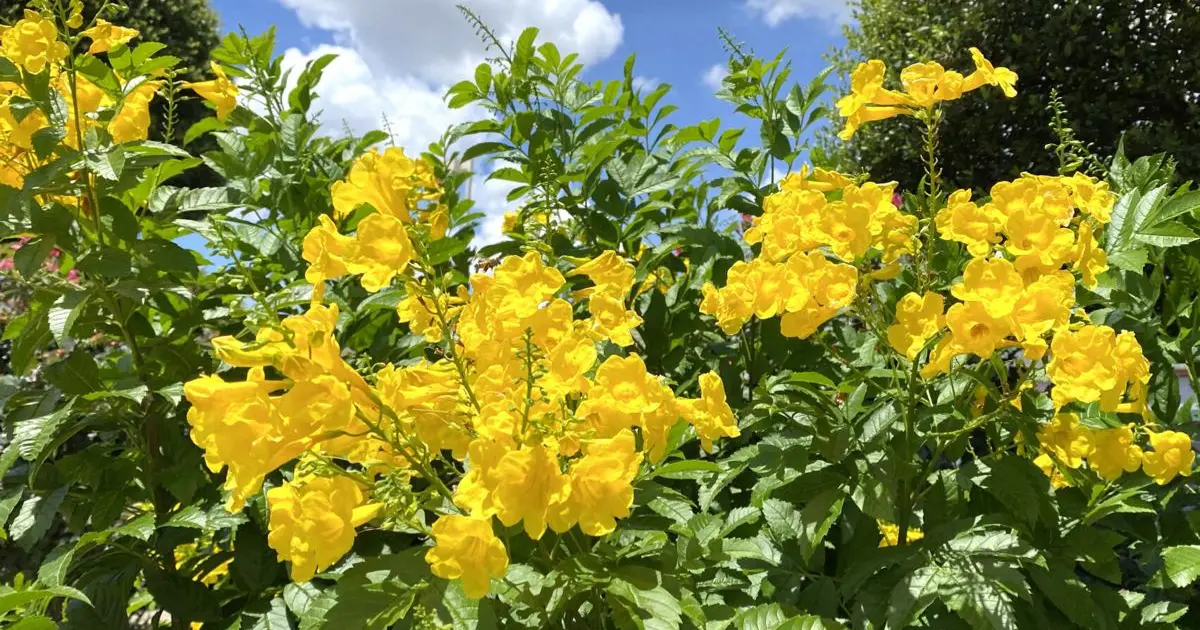
5 Pro Tips to Grow Esperanza ‘Gold Star’ Indoors: A Golden Glow for Your Home
While most gardeners know this Texas Superstar – Esperanza ‘Gold Star’ as a rugged outdoor [...]
Apr
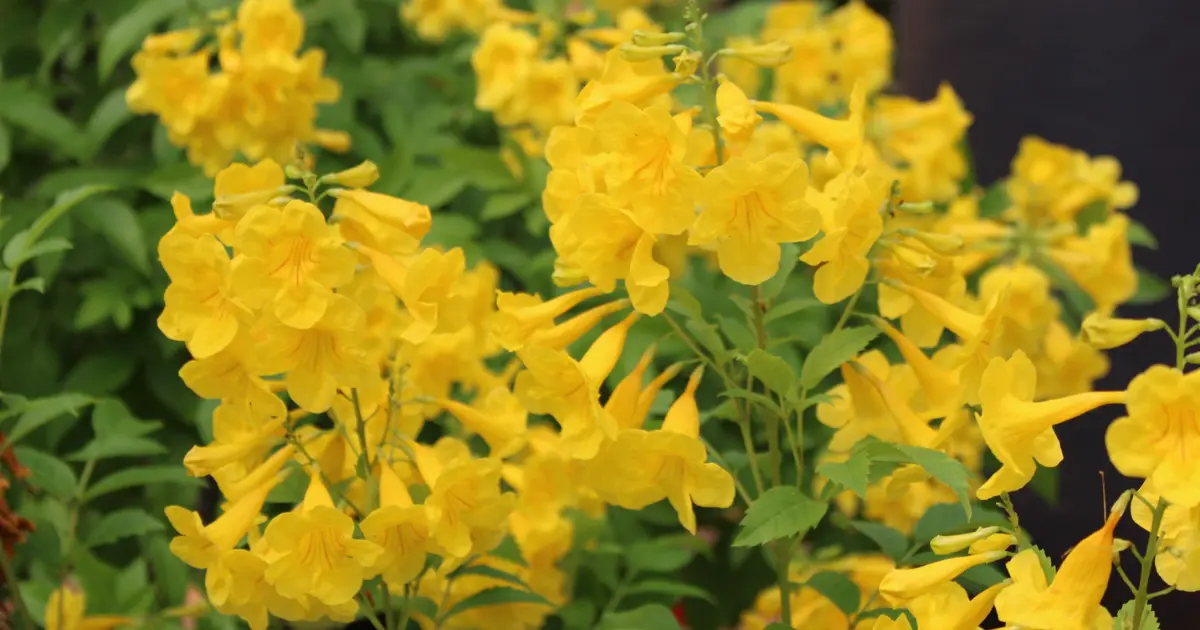
Mastering Esperanza Goldstar: Grow the Ultimate Yellow Bloom
Esperanza Goldstar is more than just a heat-tolerant shrub; for the American gardener battling the [...]
Apr
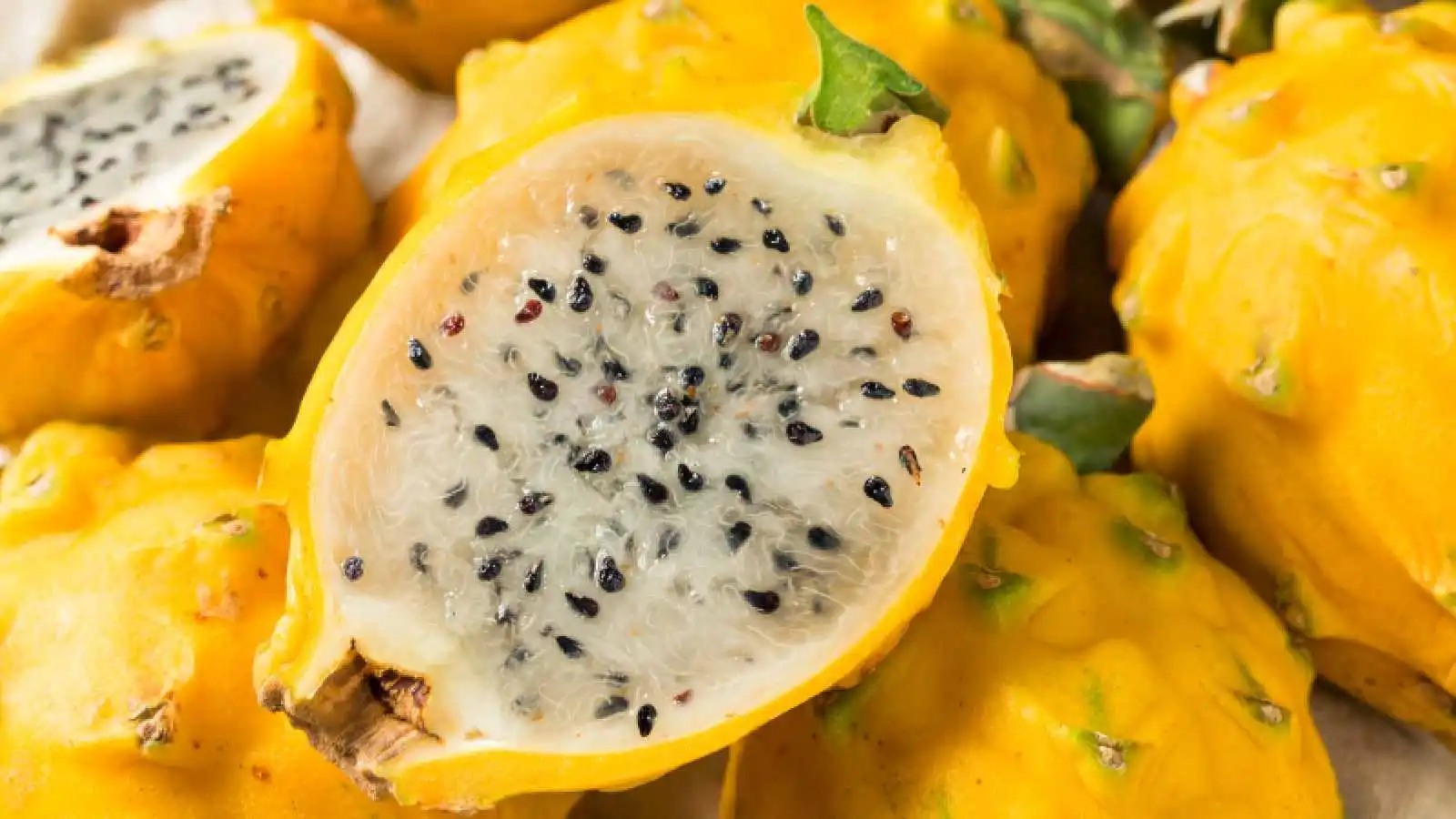
Yellow Dragon Fruit Plant Care: The Ultimate Guide for Healthy Growth
The yellow dragon fruit plant is a unique and rewarding addition to any home garden, [...]
Apr
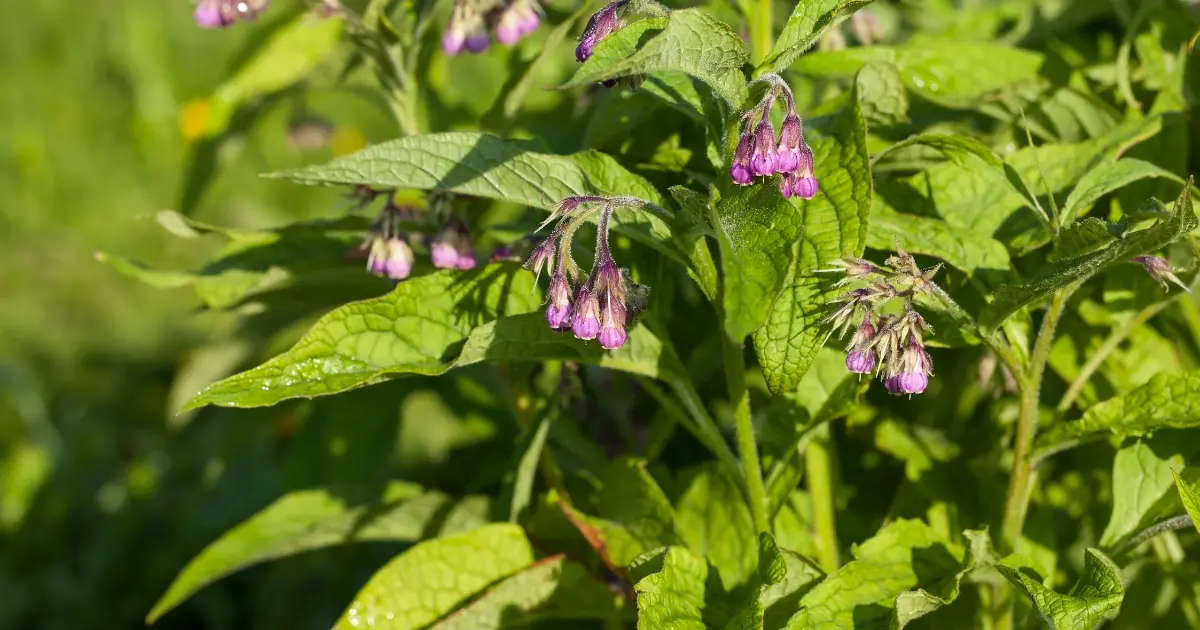
How to Identify Bocking 14 Comfrey: 5 Simple Visual Signs
If you’re growing comfrey for mulch, compost, or animal feed, knowing exactly which variety you [...]
Mar
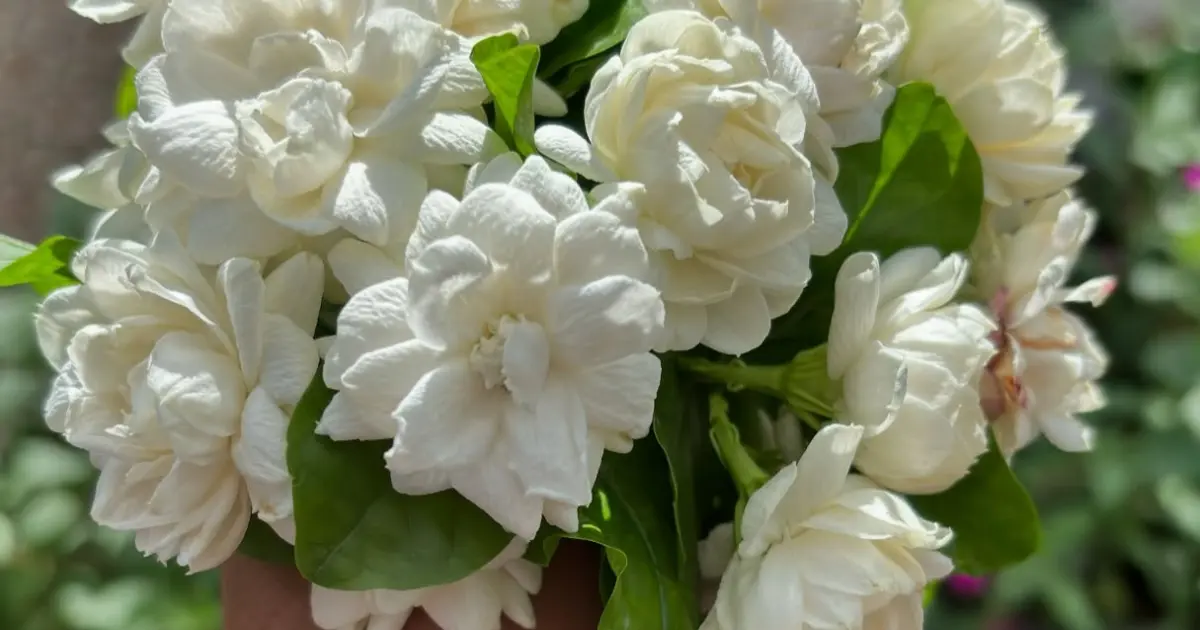
Grand Duke of Tuscany Jasmine: The Ultimate Guide to Growing a Fragrant Masterpiece
Have you ever caught a scent in the air so rich, creamy, and honey-sweet that [...]
Mar
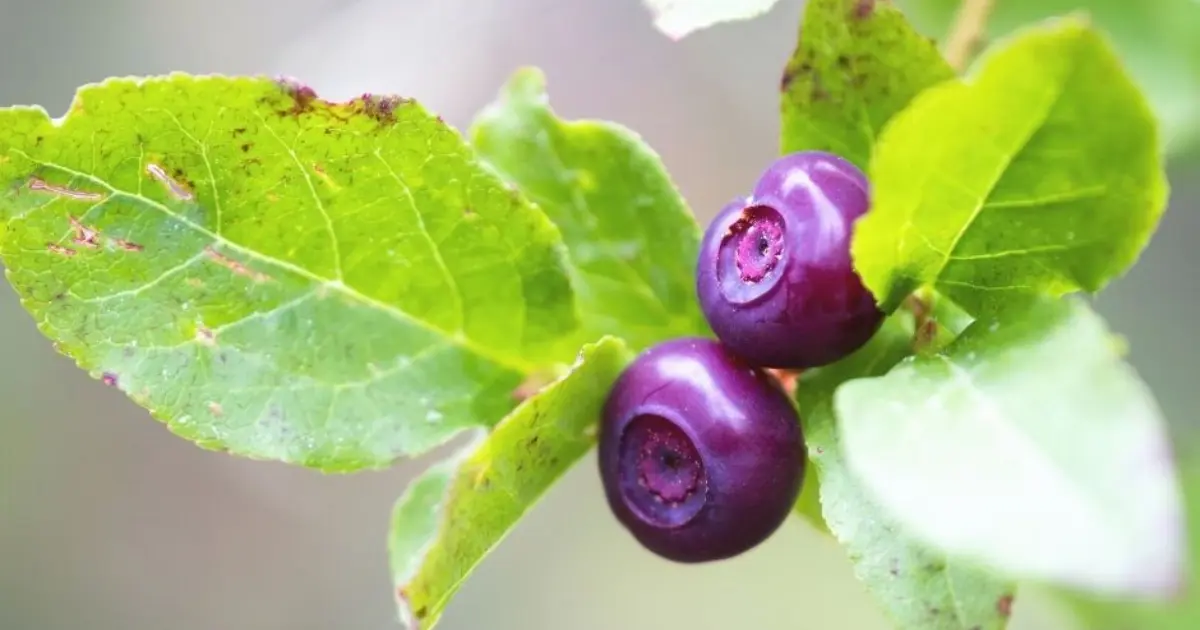
How to Grow Wild Huckleberries: A Guide to “Purple Gold”
Have you ever spent a summer afternoon hiking through the Pacific Northwest or the Rocky [...]
Mar
Reviews
There are no reviews yet.