
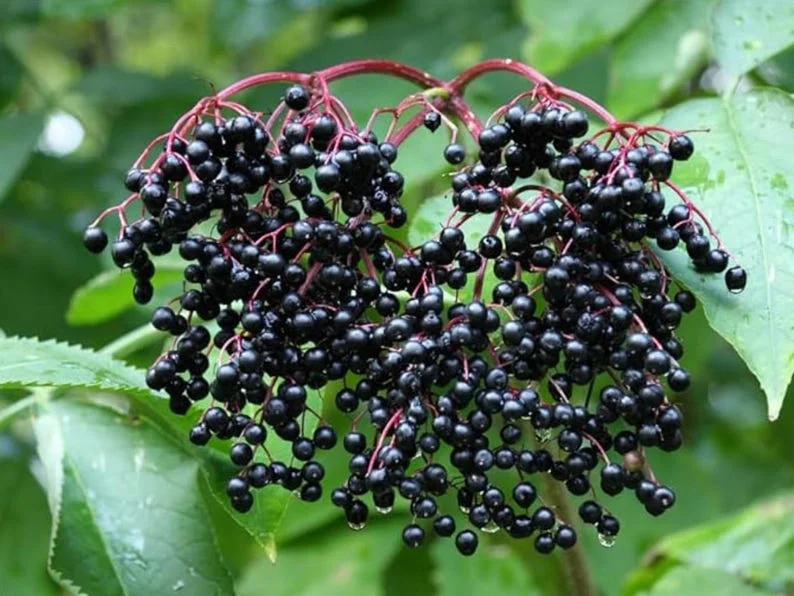
Black Elderberry Live Plant – Edible Berries – Quart Pot – 12″ Tall – Outdoor Shrub
Original price was: $45.98.$22.99Current price is: $22.99.
Cultivate your own source of delicious, healthy fruit with this black elderberry live plant. Arriving in a quart pot and standing 12″ tall, this robust shrub is ready to thrive in your outdoor garden, producing abundant, edible berries. Ideal for natural landscapes and culinary uses.
Estimated arrival
Sep 17
Sep 22 - Sep 24
Sep 27 - Oct 01

Reasonable Price
We offer reasonable price

Support 24/7
Contact us 24 hrs a day

100% Money Back
You've 30 days to Return

Payment Secure
100% secure payment
Overview
Bring the beauty and bounty of nature to your garden with this vibrant black elderberry live plant. Known botanically as Sambucus nigra, this remarkable shrub is a favorite among gardeners for its ornamental value, medicinal properties, and, most notably, its delicious edible berries. Our healthy, 12-inch tall plant comes established in a quart pot, ready for planting in your outdoor space. Elderberries are a fantastic addition to any landscape, offering seasonal interest with their creamy white flower clusters in late spring to early summer, followed by abundant dark purple to black berries. These berries are highly prized for making syrups, jams, jellies, and wines, and are often used in traditional remedies. Growing elderberries is a rewarding experience, providing both aesthetic appeal and a bountiful harvest.
This black elderberry live plant is a resilient and relatively low-maintenance option for both novice and experienced gardeners. It adapts well to various soil conditions and can tolerate a range of climates, making it a versatile choice for many USDA hardiness zones. Beyond its fruit production, the elderberry plant contributes to local ecosystems by attracting pollinators like bees and butterflies to its fragrant flowers and providing food for birds with its berries. Invest in a sambucus nigra plant today and enjoy the myriad benefits this incredible shrub has to offer, from its delightful blossoms to its healthful fruits.
Key Benefits
A black elderberry live plant offers a wealth of advantages for your garden and well-being. From its aesthetic appeal to its practical uses, this shrub is a true garden gem:
- Edible Berries: Enjoy a prolific harvest of dark, nutrient-rich berries perfect for making delicious jams, jellies, pies, and elderberry syrup. These berries are known for their distinct, slightly tart flavor and are a culinary delight.
- Attractive Foliage and Flowers: In spring, the plant boasts large, flat-topped clusters of fragrant, creamy-white flowers that add significant visual interest to your garden. The lush green foliage provides a beautiful backdrop throughout the growing season.
- Supports Local Wildlife: The flowers attract essential pollinators like bees and butterflies, contributing to a healthy garden ecosystem. The berries also provide a valuable food source for birds, enhancing biodiversity in your yard.
- Medicinal Properties: Elderberries have been used for centuries in traditional medicine, particularly for their immune-boosting properties. Many gardeners enjoy growing elderberries for their potential health benefits, often making homemade remedies.
- Easy to Grow: This robust shrub is known for its hardiness and adaptability, making it a relatively low-maintenance addition to most gardens. It tolerates various soil types and is quite resilient once established, making elderberry plant care straightforward.
- Versatile Landscape Use: Ideal for naturalized areas, hedges, or as a standalone specimen, the sambucus nigra plant fits beautifully into many garden designs. Its upright growth habit and attractive features make it a versatile choice.
- Good for Beginners: Due to its forgiving nature and vigorous growth, the black elderberry live plant is an excellent choice for those new to gardening, offering a high success rate and rewarding yields.
Plant Care & Growing Tips
Effective elderberry plant care ensures a healthy, productive shrub. Elderberries thrive in full sun to partial shade, meaning they need at least 6 hours of direct sunlight per day for optimal berry production. While they can tolerate some shade, less sun typically results in fewer berries. Plant your black elderberry live plant in well-draining soil that is rich in organic matter. They prefer slightly acidic to neutral soil (pH 5.5-7.0). If your soil is heavy clay or very sandy, amend it with compost or other organic materials to improve drainage and fertility. Ensure the planting hole is twice as wide as the root ball and just as deep, allowing the plant to settle comfortably.
Watering is crucial, especially during the first year after planting, to help the plant establish a strong root system. Keep the soil consistently moist but not waterlogged. Once established, elderberries are relatively drought-tolerant but will benefit from supplemental watering during prolonged dry spells, particularly when berries are developing. Fertilize in early spring with a balanced, all-purpose granular fertilizer or a layer of compost around the base of the plant. Pruning is essential for maintaining plant health and maximizing fruit production. In late winter or early spring, remove any dead, damaged, or weak canes. You can also thin out older, less productive canes to encourage new growth. The sambucus nigra plant is generally hardy in USDA Zones 3-9, tolerating cold winters and warm summers. Watch out for common pests like aphids and borers, and diseases such as powdery mildew, though elderberries are generally quite resistant. Regular inspection and good air circulation can prevent most issues, ensuring you have a healthy plant for growing elderberries.
Size & Details
This black elderberry live plant arrives as a well-rooted specimen, approximately 12 inches tall, and is shipped in a quart-sized nursery pot. This size is ideal for transplanting directly into your garden or a larger container upon arrival. Elderberry plants are known for their vigorous growth and can reach a mature height of 6-12 feet with a similar spread, depending on the variety and growing conditions. They typically begin producing berries within 1-2 years of planting, with peak production occurring in subsequent years. The plant will establish quickly, forming a robust shrub that provides both beauty and utility to your landscape. Expect beautiful flower clusters in late spring, followed by the development of berries throughout the summer, ready for harvest in late summer to early fall. With proper elderberry plant care, this plant will become a long-lasting and productive feature in your garden.
Frequently Asked Questions
- Q: How big does this black elderberry live plant get? A: This black elderberry live plant typically grows 6-12 feet tall and wide at maturity, depending on growing conditions and pruning. It has a relatively fast growth rate once established.
- Q: Is this an indoor or outdoor plant? A: This is an outdoor plant, best suited for gardens and landscapes where it can receive adequate sunlight and space to grow. It is not recommended for indoor cultivation.
- Q: How much sunlight does it need? A: Elderberries thrive in full sun to partial shade, ideally receiving at least 6 hours of direct sunlight per day for the best berry production.
- Q: Is this plant easy to care for? A: Yes, elderberry plant care is generally considered easy. Once established, they are quite hardy and require minimal attention, making them a good choice for beginners interested in growing elderberries.
- Q: What condition will it arrive in? A: Your black elderberry live plant will arrive healthy and well-rooted in a quart pot, carefully packaged to ensure safe transit. It will be ready for immediate planting.
- Q: When is the best time to plant this sambucus nigra plant? A: The best time to plant a sambucus nigra plant is in early spring or fall, allowing the roots to establish before extreme summer heat or winter cold.
- Q: Will it survive winter in my zone? A: This elderberry plant is hardy in USDA Zones 3-9. If you are within these zones, it should successfully overwinter and return in spring.
- Q: Can I use the berries for eating? A: Yes, the berries from this black elderberry live plant are edible after cooking and are commonly used to make delicious jams, jellies, syrups, and pies. It’s important to cook them before consumption.
- Q: What type of soil does it prefer? A: Elderberries prefer well-draining soil that is rich in organic matter. They can tolerate a range of soil types but perform best in slightly acidic to neutral conditions.
- Q: How long until it produces berries? A: Your black elderberry live plant may produce some berries in its first year, but typically begins to yield a significant harvest in its second or third year after planting.
Be the first to review “Black Elderberry Live Plant – Edible Berries – Quart Pot – 12″ Tall – Outdoor Shrub”
-
USDA Hardiness Zone
USDA Zones 3-9 -
Soil Type
Well-draining, rich in organic matter -
Sunlight Exposure
Full sun to partial shade -
Expected Planting Period
Early spring to fall
People Also Viewd


Sold 134 products
Original price was: $3,536.00.$23.99Current price is: $23.99.

Sold 131 products
Original price was: $27.00.$24.00Current price is: $24.00.

Sold 131 products
Original price was: $89.99.$64.99Current price is: $64.99.

Sold 125 products
Original price was: $86.99.$66.99Current price is: $66.99.

Flower Bulbs
3 Cranesbill Wild Geranium Organic Maculatums Bare Roots | Wildflower for Outdoor Garden
Sold 116 products
Original price was: $21.99.$9.99Current price is: $9.99.

Sold 114 products
Original price was: $28.99.$17.99Current price is: $17.99.
Sold 110 products
Original price was: $63.99.$28.99Current price is: $28.99.
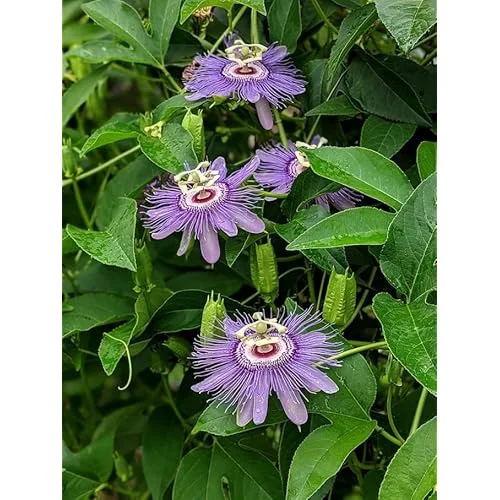
Sold 108 products
Original price was: $28.99.$17.99Current price is: $17.99.RELATED posts
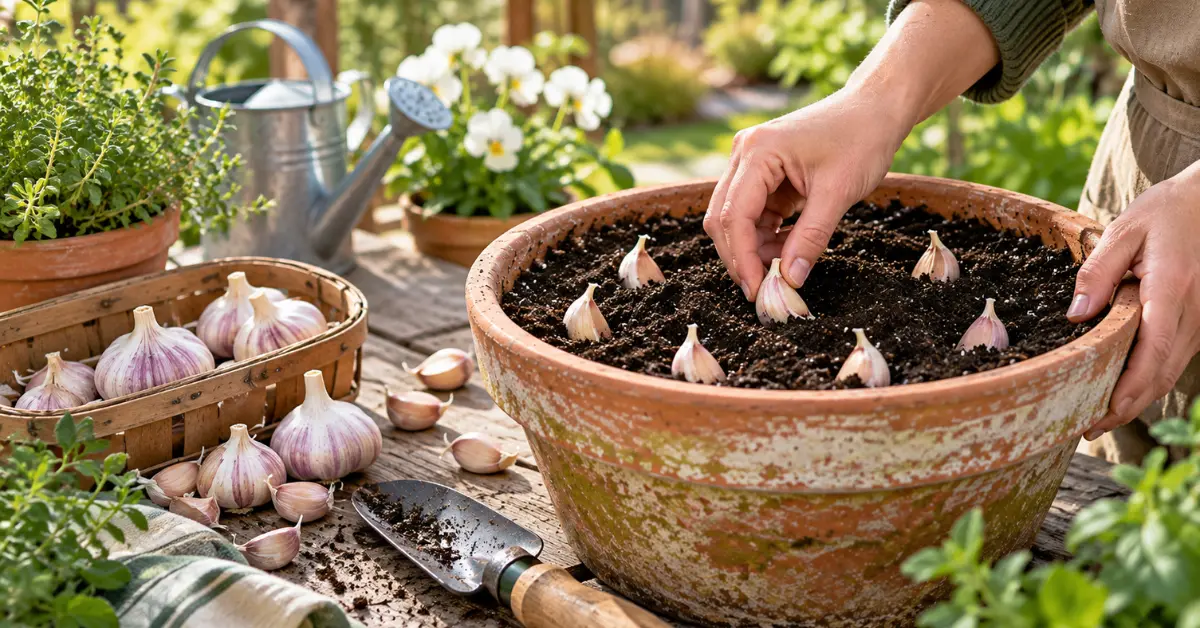
Growing Garlic in Containers This Fall: A Complete Guide for Beginners
If you’ve ever wanted to pop fresh, aromatic garlic cloves straight from your own patio [...]
Sep
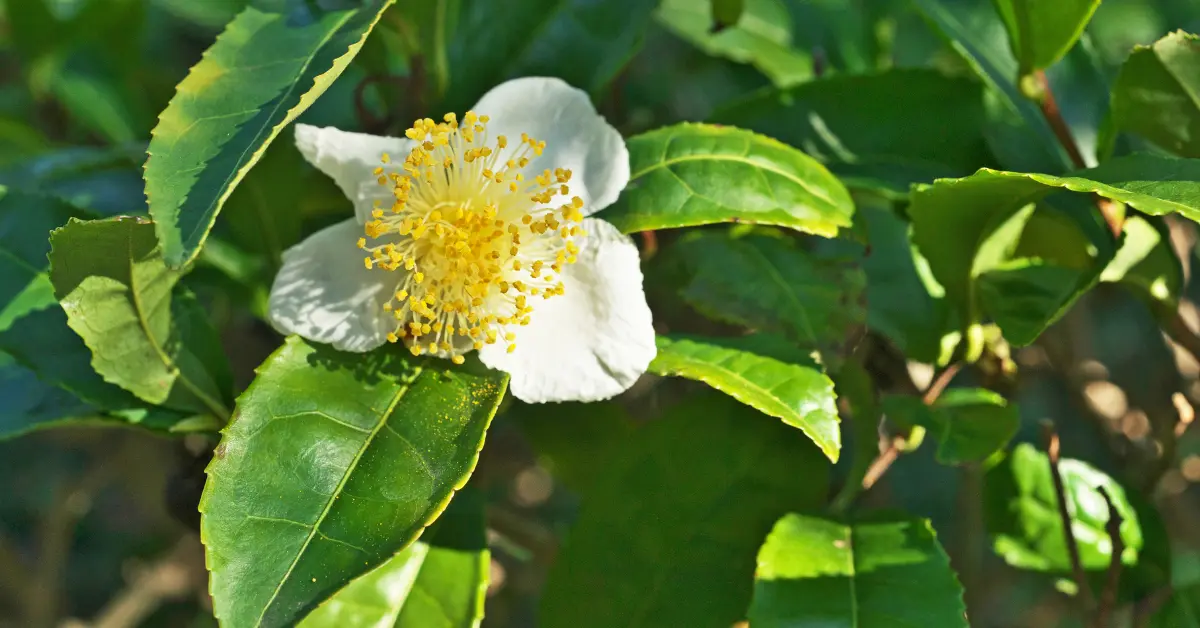
Growing Camellia Sinensis (Tea Plants) in Containers: A Complete Guide for Beginners
If you’ve ever wanted to sip a steaming, homegrown cup of fresh green, black, or [...]
Aug
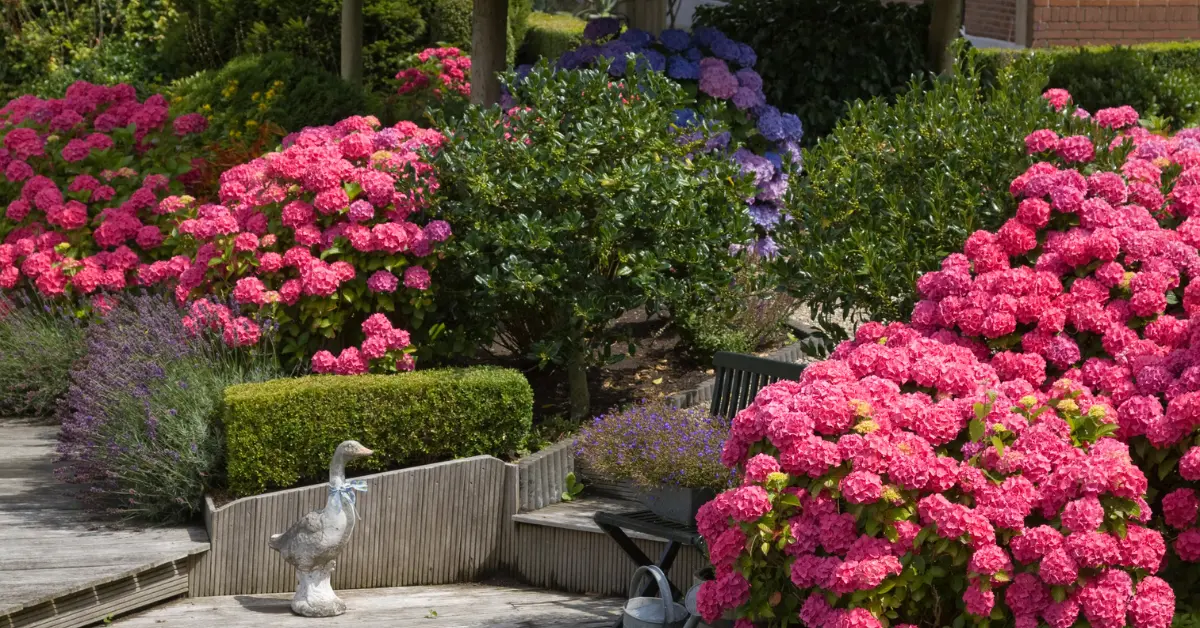
6 Best Shrubs to Plant in August You Must Try
Have you ever walked through a nursery late in the summer, admired the vibrant shrubs [...]
Aug
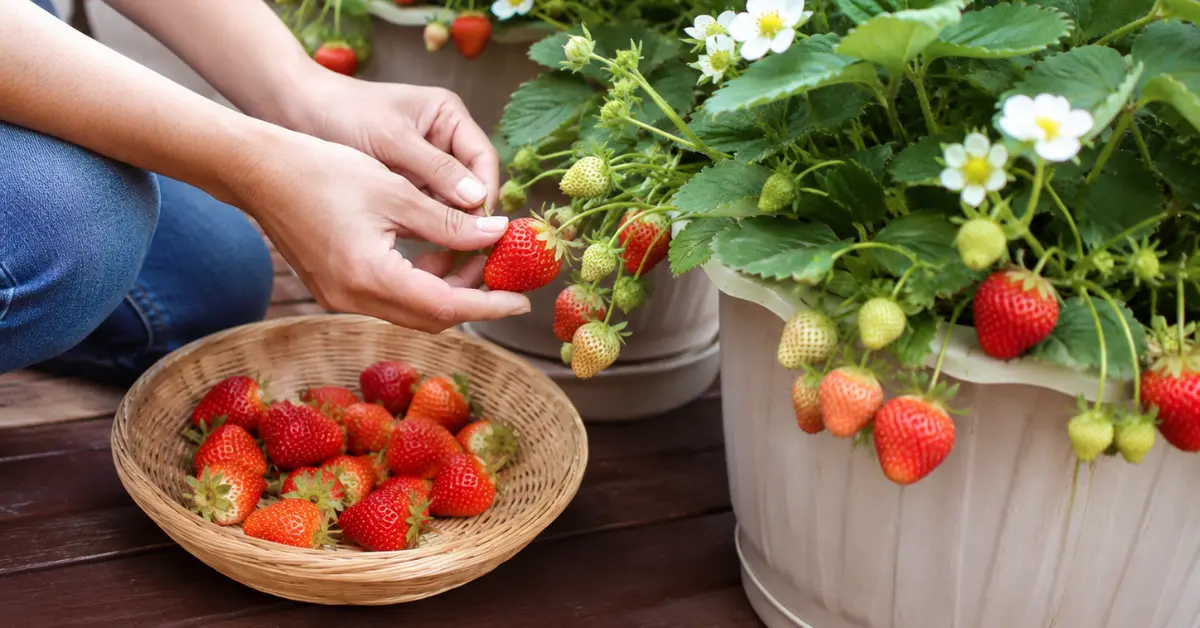
Growing Everbearing Strawberries in Containers: A Complete Guide for Beginners
Want to grow sweet, fresh strawberries but do not have a large garden? Everbearing strawberries [...]
Aug
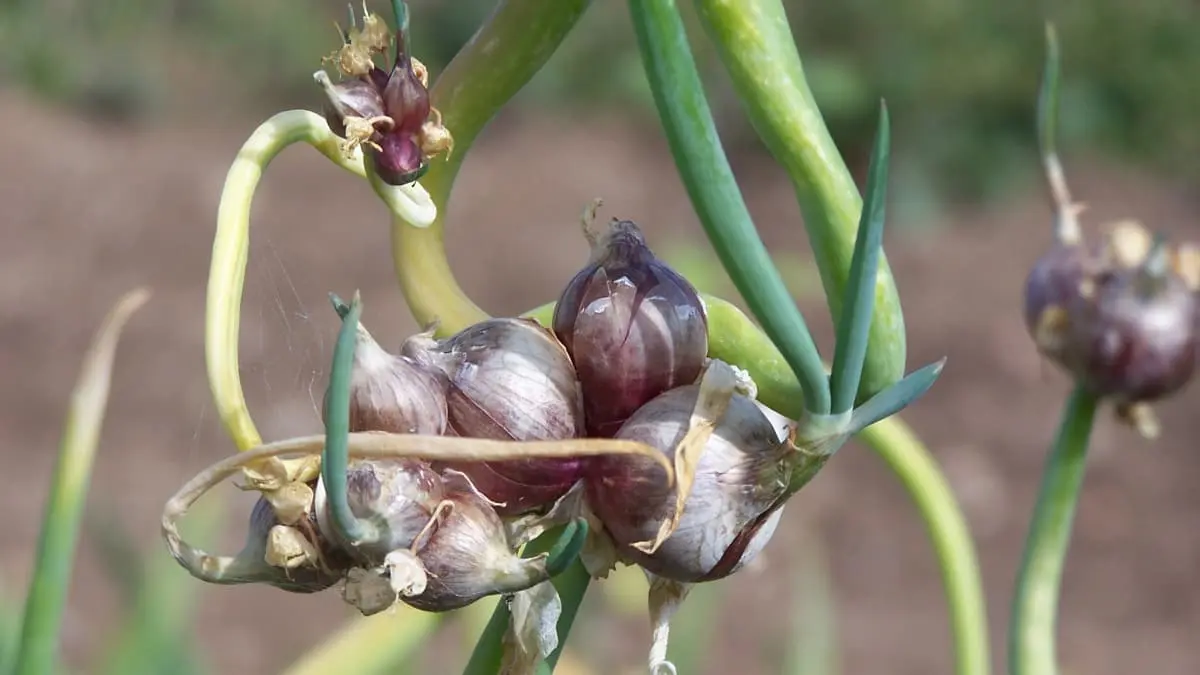
Growing Egyptian Walking Onions in Containers: A Complete Guide for Beginners
If you’re looking for a hardy, no-fuss perennial onion that keeps on giving year after [...]
Jul
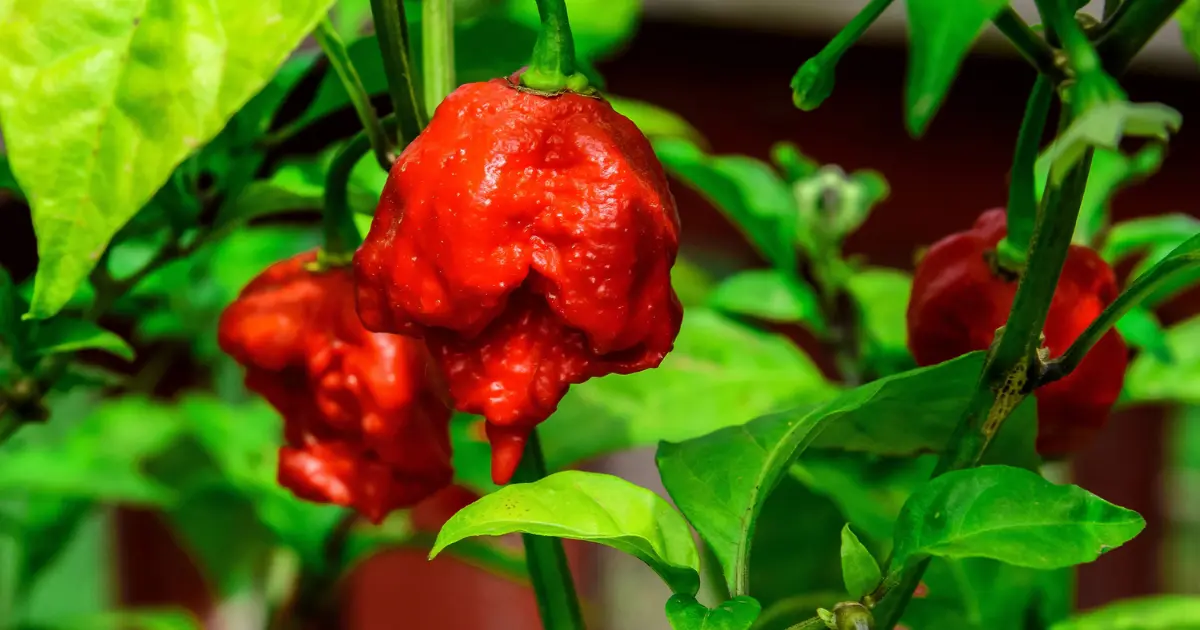
Growing Carolina Reaper Peppers in Pots: A Complete Guide for Beginners
If you’ve ever wanted to add some serious, record-breaking heat to your home cooking, you’ve [...]
May
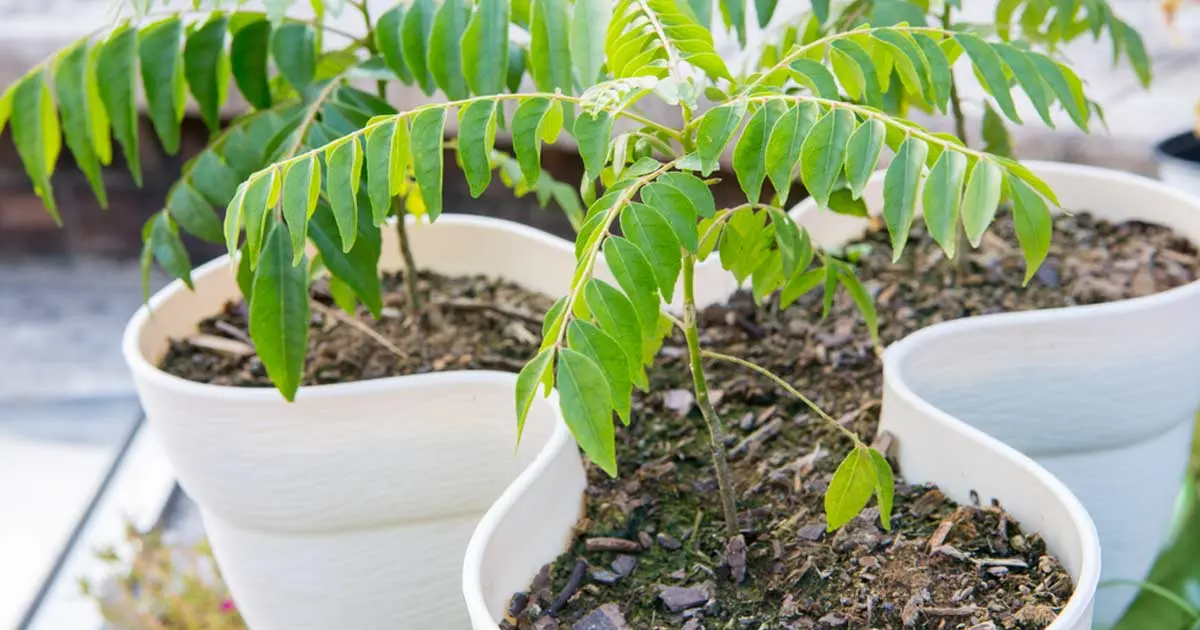
Growing Curry Leaf Plant in Pots: A Complete Guide for Beginners
If you’re a fan of authentic South Asian cuisine, you already know that nothing compares [...]
May
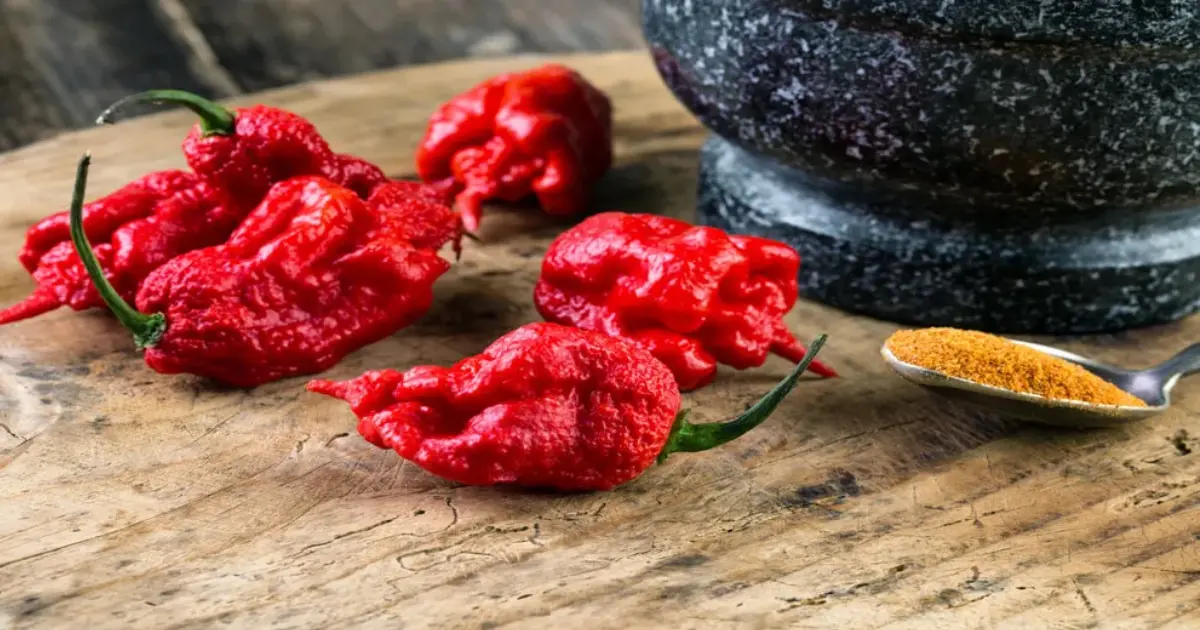
5 Tips for Growing Carolina Reaper Peppers to Get the Spiciest Harvest Ever
Holding the record for one of the world’s hottest peppers, the Reaper isn’t just a [...]
May
Reviews
There are no reviews yet.