
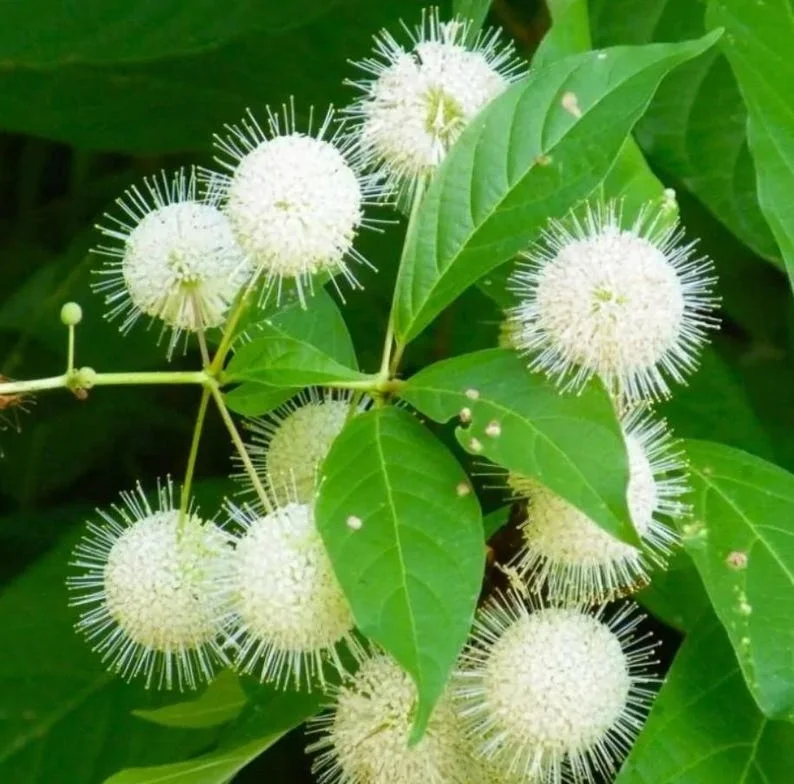
Button Bush Live Shrub – 6-12″ Tall – 4-Inch Pot – Native Plant
Original price was: $39.98.$19.99Current price is: $19.99.
Bring home a beautiful button bush live shrub, a fantastic native plant known for its unique, spherical white flowers. This moisture-loving shrub arrives 6-12 inches tall in a 4-inch pot, ready to create a vibrant habitat for pollinators and add charm to any garden. Ideal for wetland areas or rain gardens.
Estimated arrival
Sep 17
Sep 22 - Sep 24
Sep 27 - Oct 01

Reasonable Price
We offer reasonable price

Support 24/7
Contact us 24 hrs a day

100% Money Back
You've 30 days to Return

Payment Secure
100% secure payment
Overview
Introduce a touch of native beauty to your landscape with the button bush live shrub. This remarkable plant, scientifically known as Cephalanthus occidentalis, is celebrated for its distinctive, globe-shaped white flowers that bloom from summer into early fall. These unique blooms, resembling pincushions, are not only visually captivating but also act as a powerful magnet for a variety of pollinators, including bees, butterflies, and hummingbirds. As a native, moisture-loving shrub, the button bush live shrub thrives in conditions that might challenge other plants, making it an excellent choice for rain gardens, pond edges, or areas with consistently moist soil. Our vigorous young plants arrive 6-12 inches tall in a 4-inch pot, providing a healthy foundation for robust growth in your garden. This shrub is a cornerstone for creating biodiverse and resilient outdoor spaces.
The button bush live shrub is a deciduous plant, meaning it will shed its leaves in winter and return with fresh foliage in spring. Its adaptability to various soil types, as long as they retain moisture, makes it a versatile addition to many garden designs. Beyond its aesthetic appeal and ecological benefits, this shrub offers a low-maintenance solution for gardeners seeking to support local ecosystems. Whether you’re designing a wildlife garden or simply looking for an attractive, resilient plant, the button bush live shrub is an outstanding choice that promises years of beauty and ecological contribution.
Key Benefits
The button bush live shrub offers a multitude of advantages for both your garden and the local environment, making it a highly desirable addition for any plant enthusiast:
- Exceptional Pollinator Attractor: Its unique, fragrant white flowers are a major draw for native bees, butterflies (including swallowtails and monarchs), and hummingbirds, significantly boosting biodiversity in your garden. Planting button bush live shrub helps support vital pollinator populations.
- Native Ecosystem Support: As a native plant, it is perfectly adapted to local conditions and provides essential food and habitat for local wildlife, contributing to a healthier ecosystem. This includes providing shelter and nesting sites for birds.
- Moisture-Loving & Resilient: Thrives in wet or consistently moist soils, making it ideal for rain gardens, wetland restoration, pond edges, or areas prone to standing water where other plants struggle. It’s a key component for managing stormwater naturally.
- Unique Ornamental Appeal: The spherical, creamy-white flowers provide an unusual and striking visual element from summer through fall, followed by interesting reddish-brown seed heads that persist into winter. Its glossy green foliage provides a lush backdrop.
- Low Maintenance: Once established, the buttonbush plant care requirements are minimal. It is generally pest and disease resistant and requires little pruning, making it a hassle-free addition to your landscape.
- Versatile Landscape Use: Excellent for naturalizing areas, creating hedges, or as a specimen plant near water features. Its adaptability allows it to fit into various garden designs, from formal to wild.
- Erosion Control: Its robust root system helps stabilize soil in wet areas, preventing erosion along banks and shorelines. This makes it a practical choice for challenging landscapes.
Plant Care & Growing Tips
Caring for your button bush live shrub is relatively straightforward, especially given its native resilience. This plant thrives in full sun to partial shade, meaning it prefers at least 6 hours of direct sunlight per day, but can tolerate some afternoon shade, particularly in hotter climates. It is crucial to ensure consistent moisture for optimal growth; the button bush is naturally found in swamps, bogs, and along stream banks, indicating its strong preference for wet feet. When establishing, water frequently to ensure the soil remains moist, not just damp. Once established, it can tolerate occasional dry spells but will perform best with regular watering, especially during prolonged dry periods.
Regarding soil, the button bush live shrub is quite adaptable but performs best in rich, moist, well-draining soils that are high in organic matter. It can tolerate heavy clay soils as long as they remain consistently moist. A slightly acidic to neutral pH (6.0-7.0) is ideal, but it’s not overly particular. Fertilization is typically not necessary in rich soils, but if your soil is poor, a balanced slow-release fertilizer applied in early spring can encourage more vigorous growth. Pruning can be done in late winter or early spring to maintain shape, remove dead or damaged branches, or to encourage a bushier habit. The plant blooms on new wood, so pruning in early spring won’t sacrifice the season’s flowers. Understanding native wetland plants like the button bush ensures you provide the best possible environment for it to flourish.
Size & Details
Each button bush live shrub arrives as a healthy, actively growing plant, typically measuring 6 to 12 inches in height from the top of the soil. It is carefully rooted in a 4-inch nursery pot, providing a robust root ball ready for transplanting into your garden or a larger container. This ensures a strong start for your new plant, minimizing transplant shock. The growth rate of the button bush is considered moderate to fast, often adding 1-2 feet per year once established. Mature plants can reach a height and spread of 5-12 feet, creating a substantial presence in the landscape. Expect the unique, spherical white flowers to appear from mid-summer through early fall, followed by attractive reddish-brown seed heads that provide winter interest. This plant is a fantastic choice for those looking for pollinator garden shrubs that offer both beauty and ecological benefit.
Frequently Asked Questions
- Q: How big will the button bush live shrub get? A: A mature button bush can typically reach a height and spread of 5 to 12 feet, depending on conditions and pruning. It forms a dense, rounded shrub that can become quite large over time.
- Q: Is this an indoor or outdoor plant? A: The button bush live shrub is an outdoor plant, best suited for garden beds, rain gardens, or naturalized areas where it can receive adequate sunlight and moisture. It is not recommended for indoor cultivation.
- Q: How much sunlight does it need? A: This shrub performs best in full sun (at least 6 hours of direct sunlight daily) but can tolerate partial shade. In hotter climates, some afternoon shade can be beneficial.
- Q: What type of soil does the button bush prefer? A: It thrives in consistently moist to wet soils, including heavy clay, as long as moisture is abundant. It’s an excellent choice for areas with poor drainage or near water sources.
- Q: Is the button bush live shrub good for beginners? A: Yes, once established, its buttonbush plant care is quite low maintenance. Its adaptability to wet conditions makes it a forgiving choice for those new to gardening, especially in challenging moist areas.
- Q: What condition will the plant arrive in? A: Your button bush will arrive as a healthy, actively growing plant, 6-12 inches tall, securely rooted in a 4-inch nursery pot, ready for planting. We ensure careful packaging for safe transit.
- Q: When is the best time to plant the button bush? A: The best time to plant is in spring or early fall, allowing the plant to establish its root system before extreme temperatures. Ensure consistent watering after planting.
- Q: Will it attract pollinators to my garden? A: Absolutely! The button bush is a powerhouse for attracting a wide range of pollinators, including bees, butterflies, and hummingbirds, making it one of the best pollinator garden shrubs available.
- Q: What USDA Hardiness Zones is this plant suitable for? A: The button bush is generally hardy in USDA Zones 4-10, making it suitable for a wide range of climates across the United States.
- Q: Does it have any fall color? A: While primarily known for its summer flowers, the foliage of the button bush can turn yellow in the fall, adding another layer of seasonal interest to your landscape.
Be the first to review “Button Bush Live Shrub – 6-12″ Tall – 4-Inch Pot – Native Plant”
-
USDA Hardiness Zone
USDA Zones 4-10 -
Soil Type
Moist to wet, well-draining soil -
Sunlight Exposure
Full sun to partial shade -
Expected Planting Period
Spring to early fall
People Also Viewd


Sold 134 products
Original price was: $3,536.00.$23.99Current price is: $23.99.

Sold 131 products
Original price was: $89.99.$64.99Current price is: $64.99.

Sold 131 products
Original price was: $27.00.$24.00Current price is: $24.00.

Sold 125 products
Original price was: $86.99.$66.99Current price is: $66.99.

Flower Bulbs
3 Cranesbill Wild Geranium Organic Maculatums Bare Roots | Wildflower for Outdoor Garden
Sold 116 products
Original price was: $21.99.$9.99Current price is: $9.99.

Sold 114 products
Original price was: $28.99.$17.99Current price is: $17.99.
Sold 110 products
Original price was: $63.99.$28.99Current price is: $28.99.
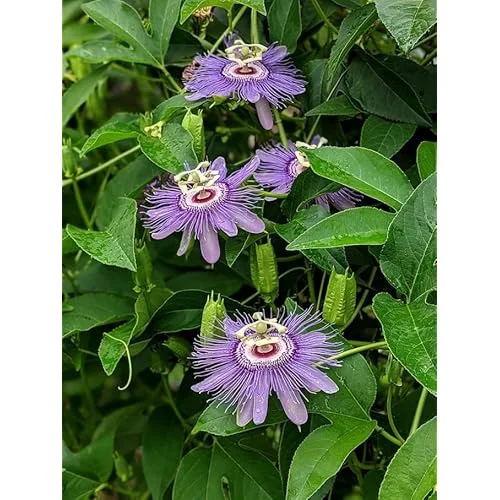
Sold 108 products
Original price was: $28.99.$17.99Current price is: $17.99.RELATED posts
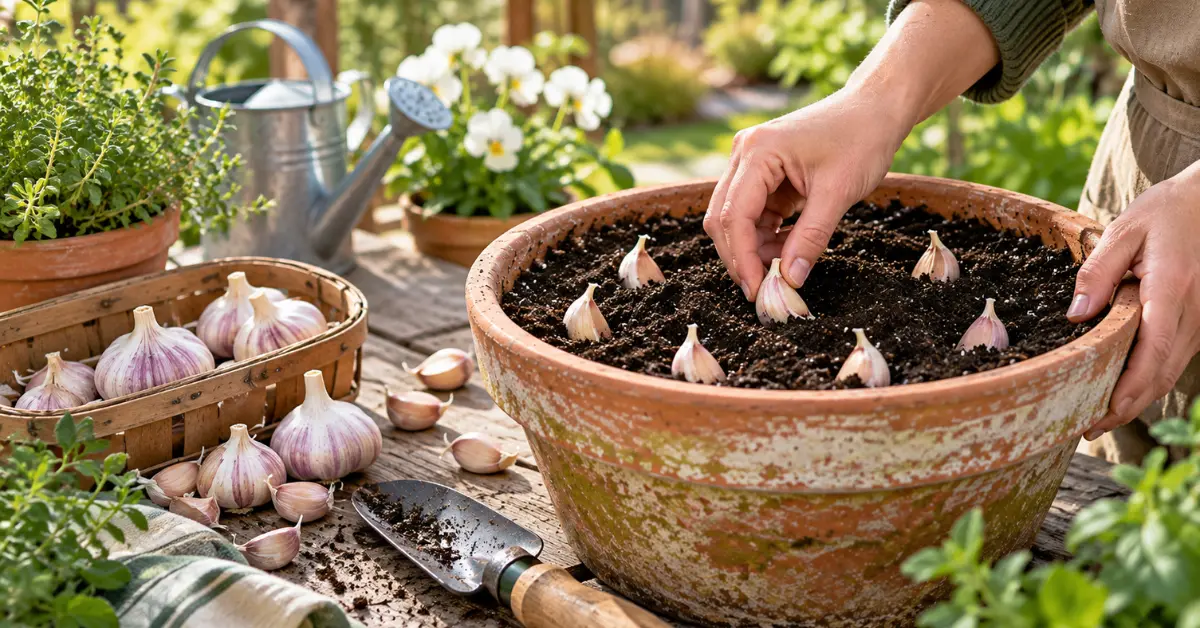
Growing Garlic in Containers This Fall: A Complete Guide for Beginners
If you’ve ever wanted to pop fresh, aromatic garlic cloves straight from your own patio [...]
Sep
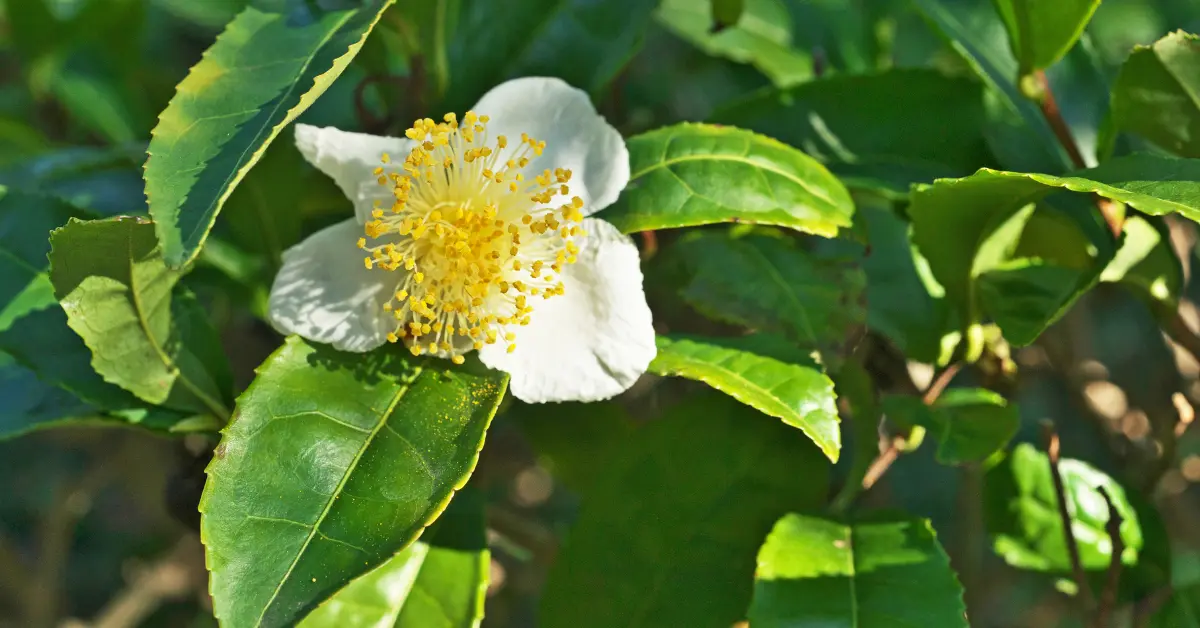
Growing Camellia Sinensis (Tea Plants) in Containers: A Complete Guide for Beginners
If you’ve ever wanted to sip a steaming, homegrown cup of fresh green, black, or [...]
Aug
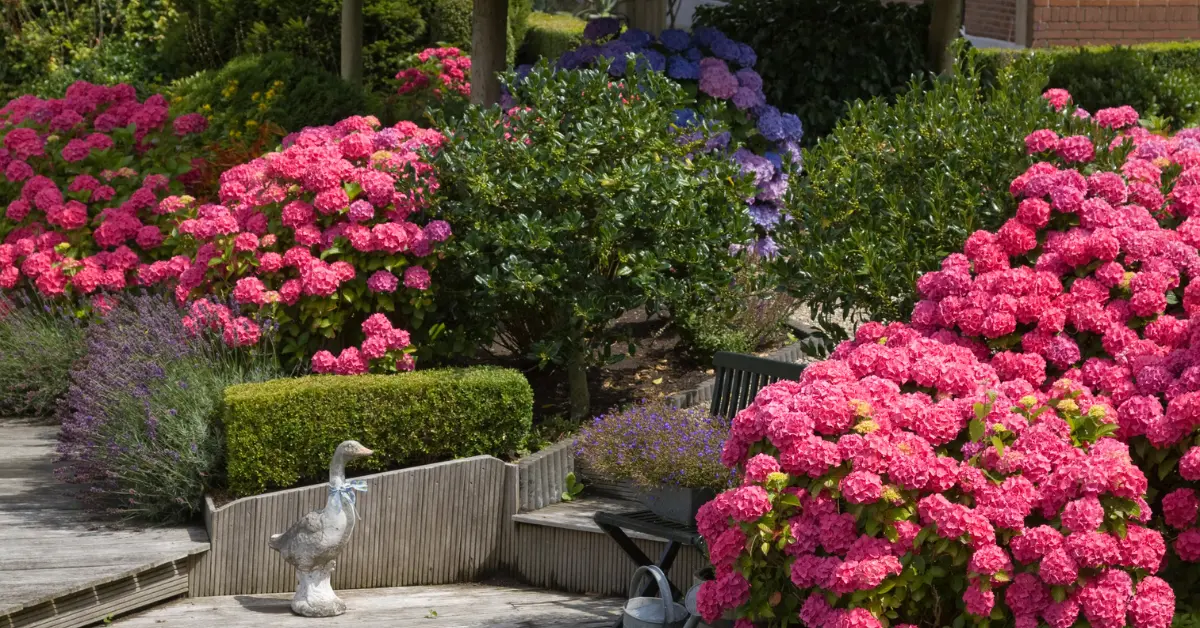
6 Best Shrubs to Plant in August You Must Try
Have you ever walked through a nursery late in the summer, admired the vibrant shrubs [...]
Aug
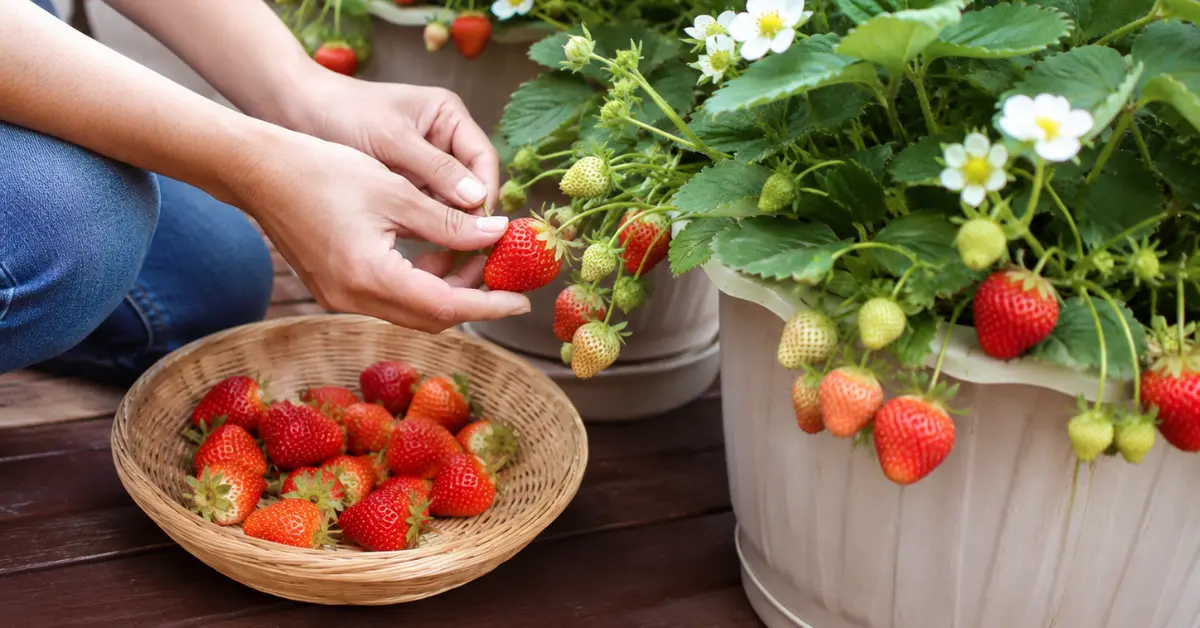
Growing Everbearing Strawberries in Containers: A Complete Guide for Beginners
Want to grow sweet, fresh strawberries but do not have a large garden? Everbearing strawberries [...]
Aug
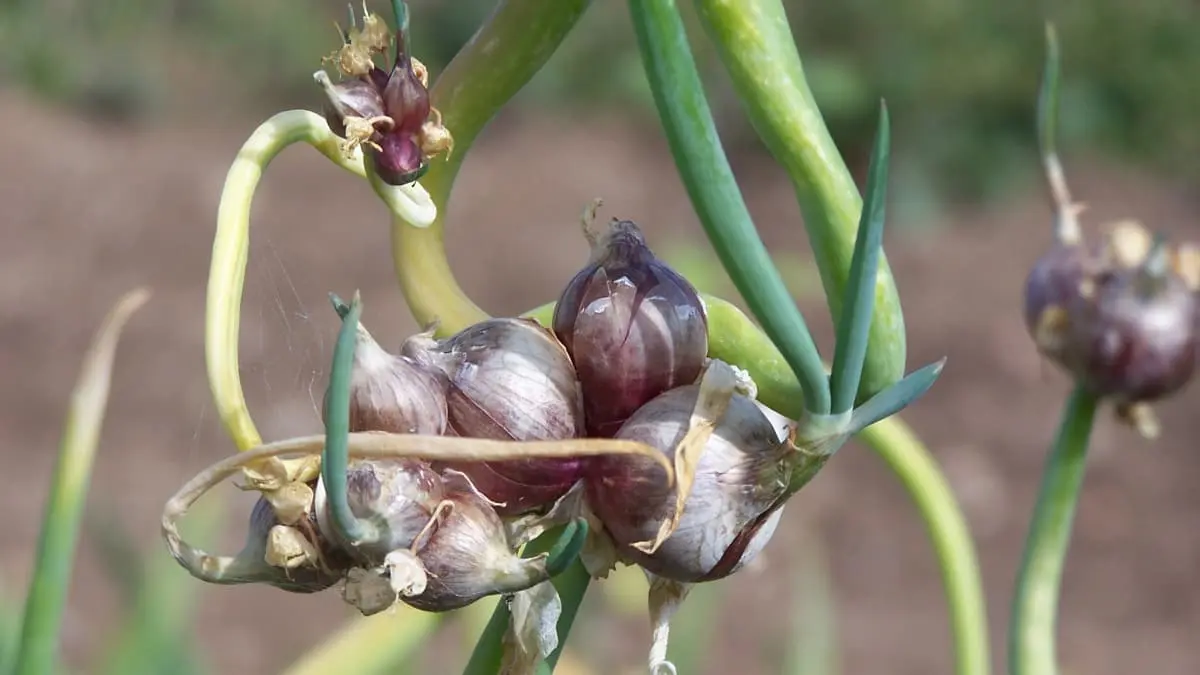
Growing Egyptian Walking Onions in Containers: A Complete Guide for Beginners
If you’re looking for a hardy, no-fuss perennial onion that keeps on giving year after [...]
Jul
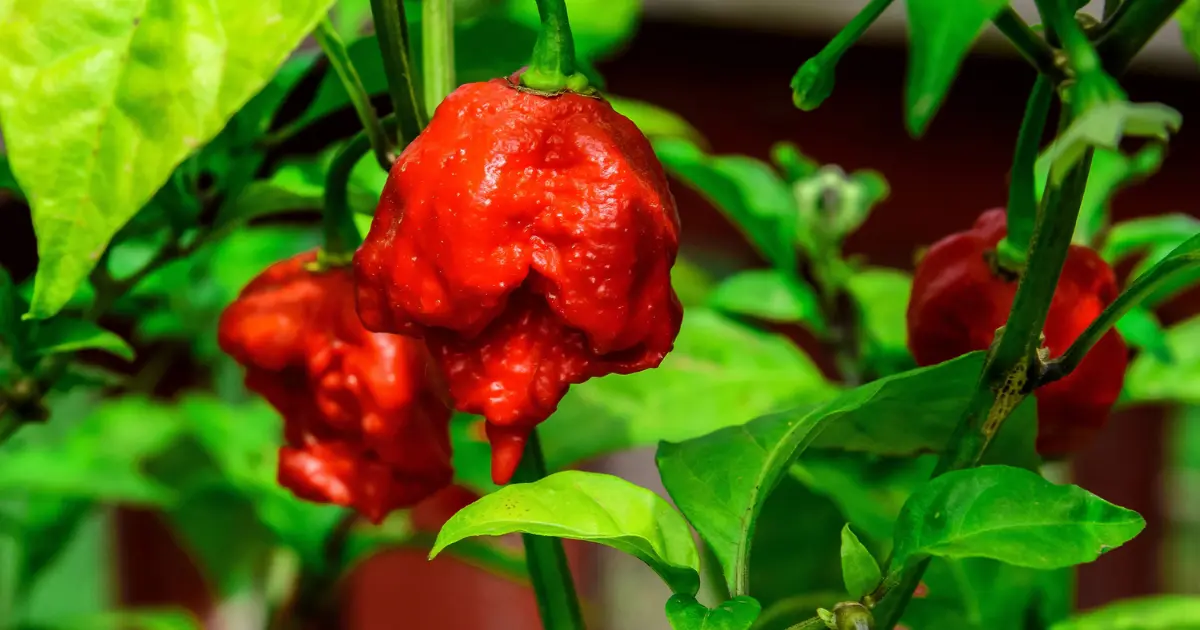
Growing Carolina Reaper Peppers in Pots: A Complete Guide for Beginners
If you’ve ever wanted to add some serious, record-breaking heat to your home cooking, you’ve [...]
May
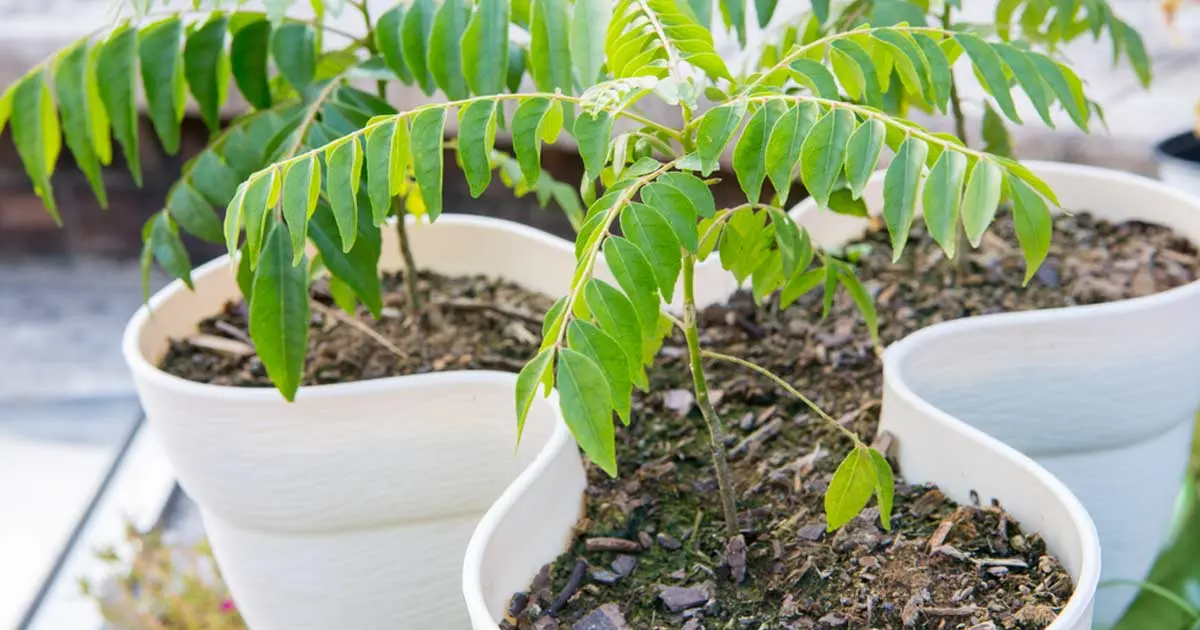
Growing Curry Leaf Plant in Pots: A Complete Guide for Beginners
If you’re a fan of authentic South Asian cuisine, you already know that nothing compares [...]
May
5 Tips for Growing Carolina Reaper Peppers to Get the Spiciest Harvest Ever
Holding the record for one of the world’s hottest peppers, the Reaper isn’t just a [...]
May
Reviews
There are no reviews yet.