
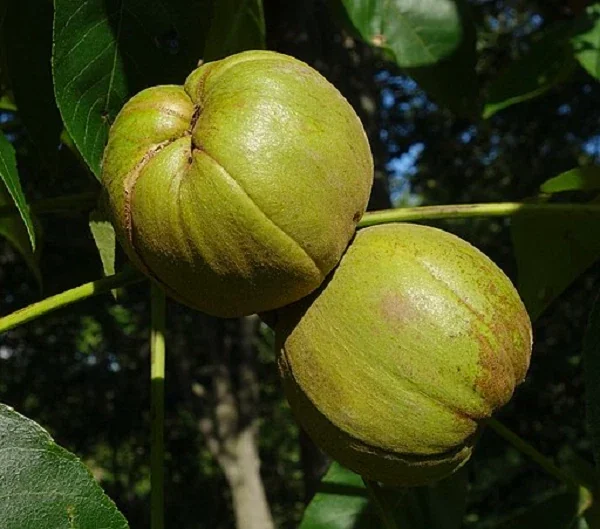
King Nut Hickory Tree Live Plant, 3 ft Tall, Shellbark Carya laciniosa, Outdoor
Original price was: $101.98.$50.99Current price is: $50.99.
Cultivate a magnificent king nut hickory tree, a 3 ft tall live plant known for its impressive size and abundant harvest of large, sweet nuts. This shellbark hickory tree (Carya laciniosa) is perfect for adding substantial shade and supporting local wildlife in your landscape.
Estimated arrival
Feb 26
Mar 03 - Mar 05
Mar 08 - Mar 12

Reasonable Price
We offer reasonable price

Support 24/7
Contact us 24 hrs a day

100% Money Back
You've 30 days to Return

Payment Secure
100% secure payment
Overview
Embark on a rewarding journey with your very own king nut hickory tree, also known as the Shellbark Hickory (Carya laciniosa). This impressive 3 ft tall live plant seedling offers the promise of a majestic shade tree and abundant harvests of exceptionally large, sweet nuts. Originating from the central and eastern United States, the king nut hickory tree is prized for its robust growth, striking appearance, and the valuable timber it produces. This seedling is ready to establish itself in your landscape, providing beauty and sustenance for generations to come. Ideal for those looking to add a resilient and productive large nut tree to their property, the King Nut Hickory is a true investment in nature’s bounty.
Known for its distinctive shaggy bark, which peels away in long strips as the tree matures, the shellbark hickory tree adds significant visual interest to any garden or homestead. Beyond its aesthetic appeal, this tree is a powerhouse of productivity, yielding some of the largest and most flavorful nuts among all hickory species. Planting a carya laciniosa live plant means choosing a species celebrated for its hardiness and adaptability, capable of thriving in a variety of conditions and providing a sustainable food source.
This magnificent tree is a true cornerstone for any large garden or estate, offering not just visual appeal but also tangible benefits that last for decades. Its deep root system and sturdy trunk ensure it stands strong against the elements, becoming a sentinel in your landscape.
Key Benefits
Adding a king nut hickory tree to your landscape offers a multitude of advantages, enhancing both the aesthetic and functional value of your property. These benefits extend from ecological contributions to personal enjoyment and potential harvests, making the king nut hickory tree an excellent choice for any enthusiast.
- Abundant Nut Production: The primary draw of the king nut hickory tree is its incredibly large and sweet nuts, which are highly sought after for baking, snacking, and wildlife sustenance. A mature tree can provide a bountiful harvest, making it a valuable large nut tree.
- Exceptional Shade: As it grows, the King Nut Hickory develops into a large, stately tree with a broad canopy, providing excellent shade during hot summer months, reducing cooling costs, and creating comfortable outdoor living spaces. It’s truly a magnificent shade tree for nuts.
- Wildlife Support: The nuts are a crucial food source for various wildlife, including squirrels, deer, and birds, contributing to the biodiversity and ecological health of your local environment.
- Valuable Timber: Beyond its nuts and shade, Carya laciniosa is also known for its strong, durable wood, which is highly valued for tool handles, furniture, and flooring.
- Dramatic Landscape Element: The unique shaggy bark of the shellbark hickory tree provides year-round visual interest, especially in winter when the bark contrasts beautifully with snow and other deciduous trees.
- Long-Term Investment: Hickory trees are long-lived, often thriving for hundreds of years. Planting one is an investment in the future, providing benefits for generations.
- Low Maintenance Once Established: After its initial establishment period, this hardy tree requires minimal care, making it a sustainable choice for busy gardeners and landowners.
- Climate Resilience: The King Nut Hickory is known for its hardiness and ability to adapt to various climates within its USDA zones, making it a robust addition to many landscapes.
Plant Care & Growing Tips
Caring for your king nut hickory tree seedling involves understanding its specific needs to ensure robust growth and future nut production. These trees prefer full sun exposure, meaning at least 6 hours of direct sunlight per day. While they are adaptable, a location with ample sunlight will promote the best growth and nut yield for your carya laciniosa live plant. Ensure your planting site offers sufficient space for the tree to reach its full mature size, both in height and canopy spread.
When it comes to soil, the King Nut Hickory thrives in deep, rich, moist, and well-draining soil. It can tolerate a range of soil types, including sandy loams and clay, but prefers slightly acidic to neutral pH. Ensure the planting site doesn’t have standing water, as good drainage is crucial. Regular watering is essential during the first few years after planting, especially during dry periods, to help the root system establish. Once mature, the tree becomes more drought-tolerant. The shellbark hickory tree is hardy in USDA zones 4-8. It’s important to protect young trees from harsh winter winds in colder zones. Fertilization can be beneficial in the spring with a balanced, slow-release fertilizer, especially if soil tests indicate nutrient deficiencies. Pruning is generally minimal, focusing on removing dead, damaged, or crossing branches to maintain a strong structure for this future large nut tree. Proper care during its early stages will ensure a healthy, productive tree for decades.
Pest and disease resistance is generally high for the King Nut Hickory, though monitoring for common tree ailments is always recommended. Early detection and treatment can prevent more serious issues. Ensure good air circulation around the tree and maintain proper watering to reduce stress, which can make trees more susceptible to problems.
Size & Details
This offering is for one king nut hickory tree seedling, standing approximately 3 ft tall. The exact height may vary slightly due to natural growth patterns. The seedling is typically shipped in a dormant state or with minimal foliage, depending on the season, to ensure safe transit and successful transplanting. King Nut Hickories are known for their moderate to fast growth rate, eventually reaching heights of 60-80 feet with a spread of 40-60 feet, making them an excellent choice for a substantial shade tree for nuts. Expect the tree to begin producing nuts within 10-15 years, with optimal production occurring as it matures further. The nuts themselves are notably large, often measuring over 2 inches long, making them stand out among other hickory varieties. This carya laciniosa live plant is a long-term investment that will enhance your property for generations.
The impressive mature size of the King Nut Hickory means it requires significant space to thrive, making it suitable for larger yards, farms, or park-like settings. Its robust structure and deep roots contribute to its longevity and ability to withstand various environmental conditions once established. The tree’s aesthetic appeal, particularly its unique bark, makes it a focal point in any landscape.
Frequently Asked Questions
- Q: How big does this plant get? A: The king nut hickory tree can grow quite large, typically reaching heights of 60 to 80 feet, with some specimens exceeding 100 feet. It also develops a substantial canopy spread of 40 to 60 feet, providing excellent shade.
- Q: Is this an indoor or outdoor plant? A: The King Nut Hickory is strictly an outdoor tree. It requires ample space to grow and thrives in full sun, making it unsuitable for indoor cultivation.
- Q: How much sunlight does it need? A: For optimal growth and nut production, your carya laciniosa live plant requires full sun, meaning at least 6 hours of direct sunlight per day. More sun generally leads to better yields and a healthier king nut hickory tree.
- Q: Is this plant easy to care for? A: Once established, the King Nut Hickory is considered a relatively low-maintenance tree. It requires consistent watering during its initial establishment phase but becomes quite hardy and self-sufficient afterward.
- Q: What condition will it arrive in? A: Your shellbark hickory tree seedling will arrive carefully packaged, typically in a dormant state or with protective wrapping around its root ball, ready for planting.
- Q: How long until it produces nuts? A: This large nut tree typically begins to bear nuts within 10 to 15 years after planting. Production will increase as the tree matures, offering a significant harvest for many decades.
- Q: What’s the best time to plant this tree? A: The ideal time to plant a King Nut Hickory is in early spring or late fall, when the tree is dormant or semi-dormant, to minimize transplant shock and allow roots to establish before extreme weather.
- Q: Will it survive winter in my zone? A: The king nut hickory tree is hardy in USDA Zones 4-8, meaning it can withstand winter temperatures in these regions. Ensure your local zone falls within this range for successful growth.
- Q: What type of soil does it prefer? A: This tree prefers deep, rich, moist, and well-draining soil, thriving in slightly acidic to neutral pH levels. Good drainage is key to preventing root issues, ensuring a strong shade tree for nuts.
- Q: Is the King Nut Hickory a solitary tree or does it need a companion? A: While a single King Nut Hickory will grow, planting two or more King Nut Hickories or other hickory varieties can improve pollination and lead to a more abundant nut harvest.
- Q: What are the nuts like? A: The nuts from the King Nut Hickory are notably large and sweet, making them excellent for eating fresh, baking, or as a food source for wildlife.
Be the first to review “King Nut Hickory Tree Live Plant, 3 ft Tall, Shellbark Carya laciniosa, Outdoor”
-
USDA Hardiness Zone
USDA Zones 4-8 -
Soil Type
Deep, rich, moist, well-draining soil -
Sunlight Exposure
Full sun -
Expected Planting Period
Early spring or late fall
People Also Viewd
Sold 128 products
Original price was: $27.00.$24.00Current price is: $24.00.
Sold 125 products
Original price was: $86.99.$66.99Current price is: $66.99.
Sold 125 products
Original price was: $26.99.$16.99Current price is: $16.99.
Sold 123 products
Original price was: $89.99.$64.99Current price is: $64.99.
Sold 122 products
Original price was: $3,536.00.$23.99Current price is: $23.99.
Sold 116 products
Original price was: $27.99.$16.99Current price is: $16.99.
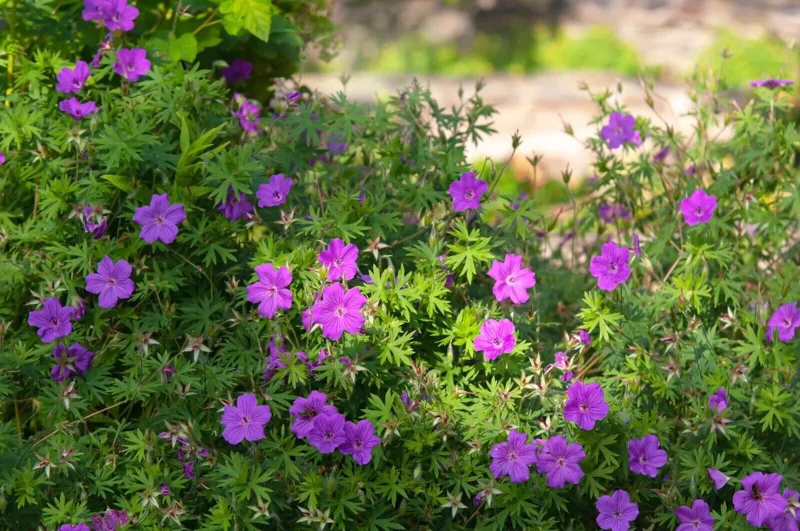
Flower Bulbs
3 Cranesbill Wild Geranium Organic Maculatums Bare Roots | Wildflower for Outdoor Garden
Sold 114 products
Original price was: $21.99.$6.99Current price is: $6.99.
Sold 114 products
Original price was: $28.99.$17.99Current price is: $17.99.RELATED posts
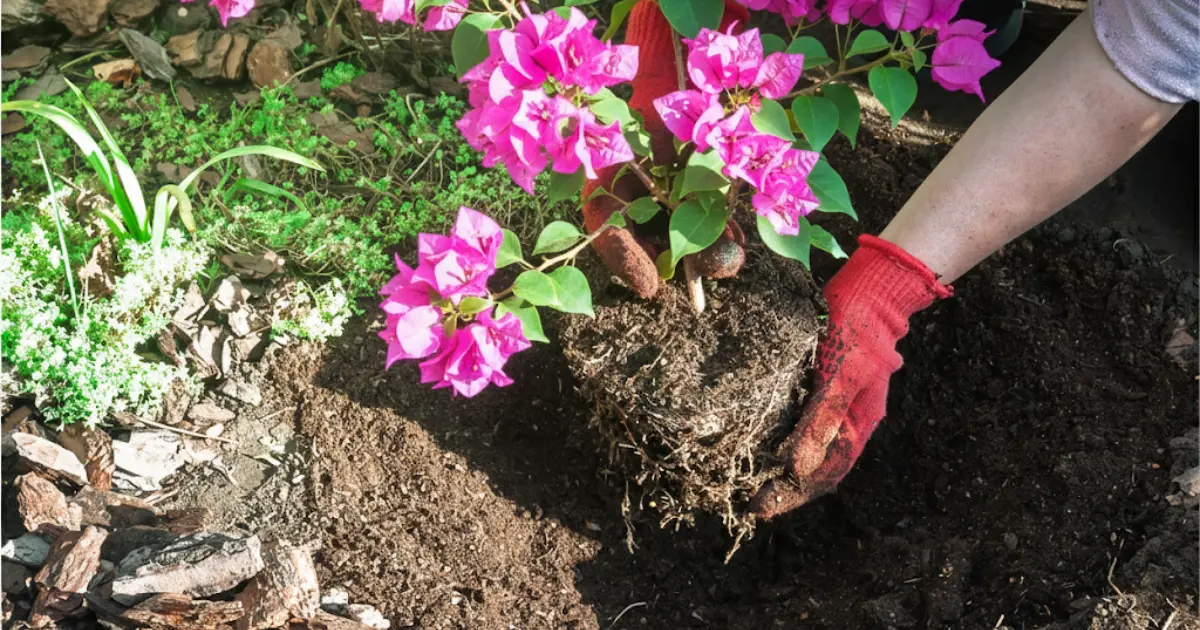
Best Time to Plant Bougainvillea: Timing for Vibrant Blooms
If you’re looking for a hardy tropical vine that delivers a riot of neon color, [...]
Feb
How to Propagate Purple Passion Plants (Gynura aurantiaca)
Have you ever been mesmerized by the neon-purple glow and fuzzy, velvet-like leaves of a [...]
Feb
How to Grow Beauregard Sweet Potatoes: From Slips to a Bountiful Harvest
Are you ready to add a classic, heavy-hitting favorite to your vegetable patch? If you’ve [...]
Feb
7 Expert Tips to Grow Lush Ivy Indoors: A Beginner’s Guide
Are you tired of seeing the same old Pothos vines in every corner of your [...]
Feb
7 Reasons Why Tamarillo Trees Are a Garden Must-Have
Once you start growing a garden, you will keep finding more reasons to add more [...]
Jan
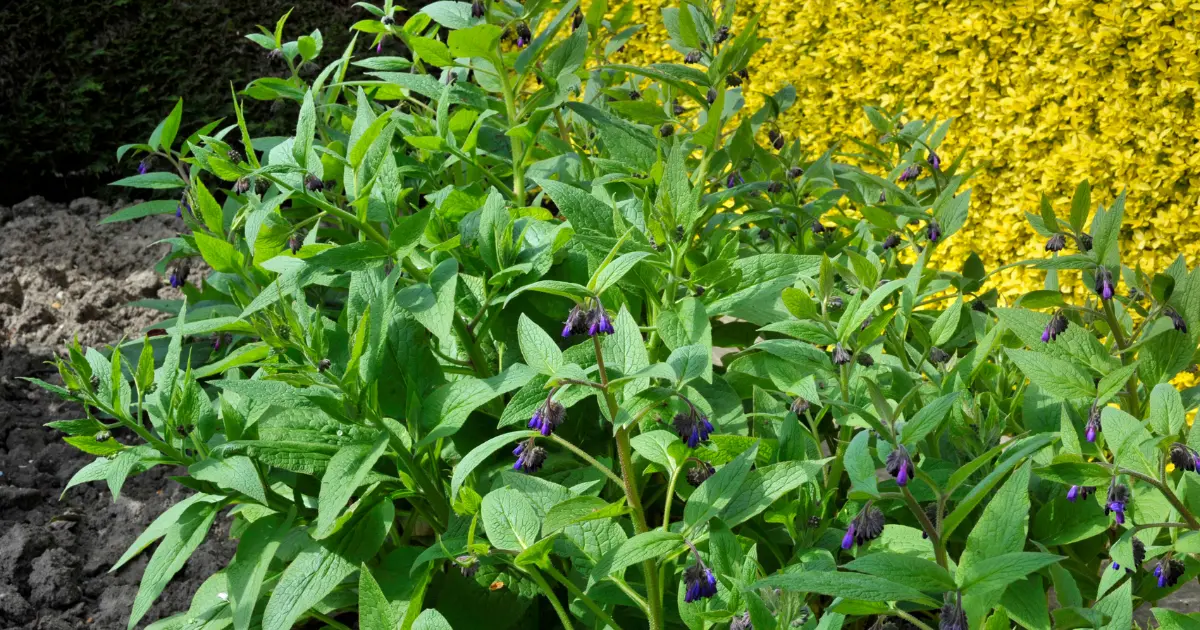
Comfrey Companion Planting: What to Grow Next to Your Comfrey Patch?
Have you ever looked at that lush, fast-growing patch of comfrey in the corner of [...]
Jan
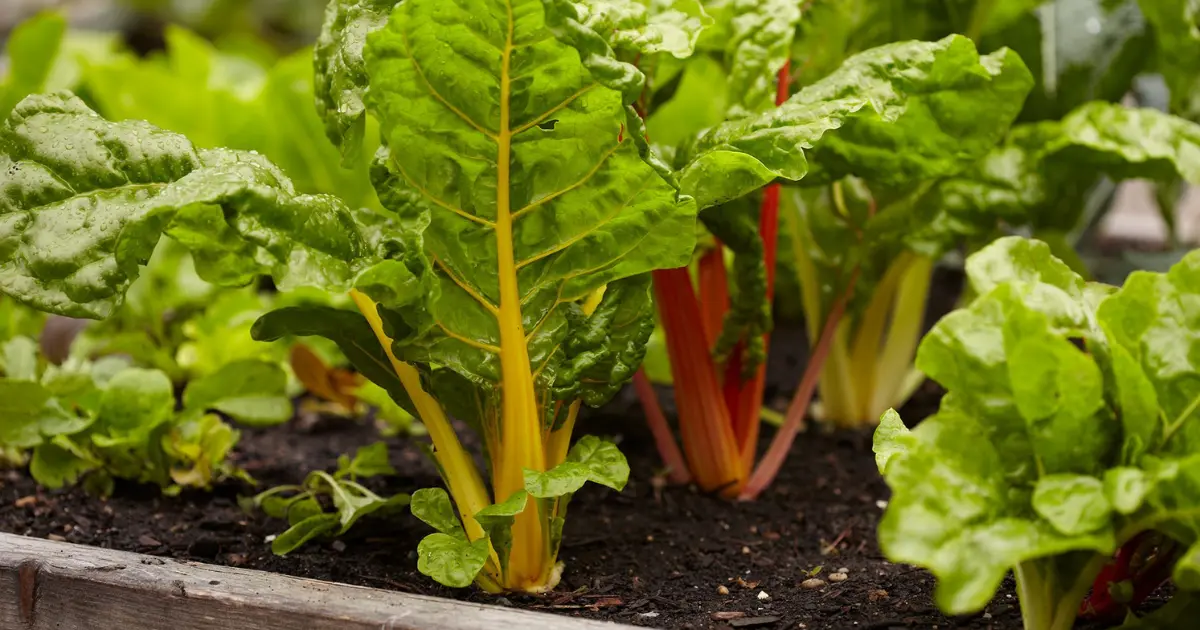
7 Vegetables to Plant in December for a Bountiful Winter Harvest
Winter gardening is a challenge many new gardeners shy away from. But if you’re among [...]
Dec
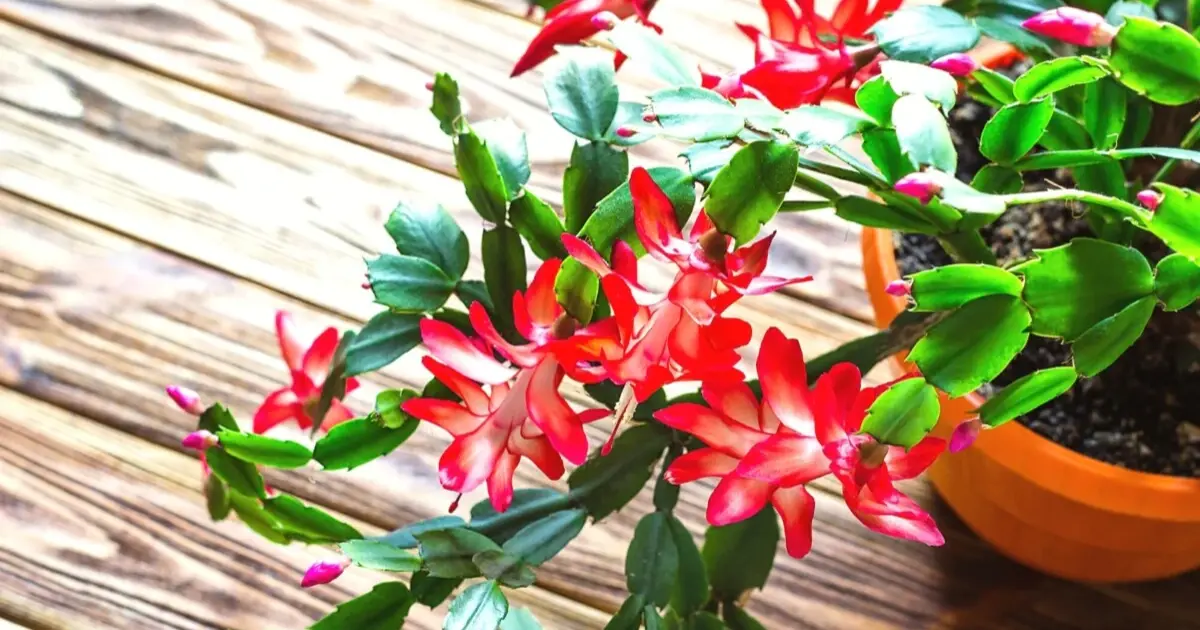
9 Common Christmas Cactus Problems and How to Fix Them
Have you ever walked past your Christmas cactus and wondered why it suddenly looks sad? [...]
Nov
Reviews
There are no reviews yet.