
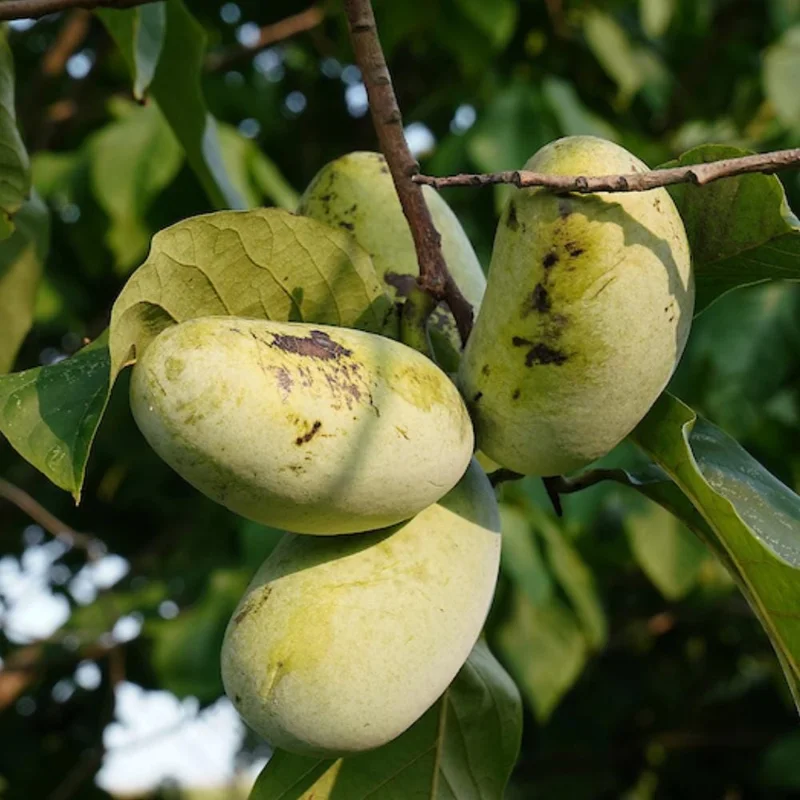
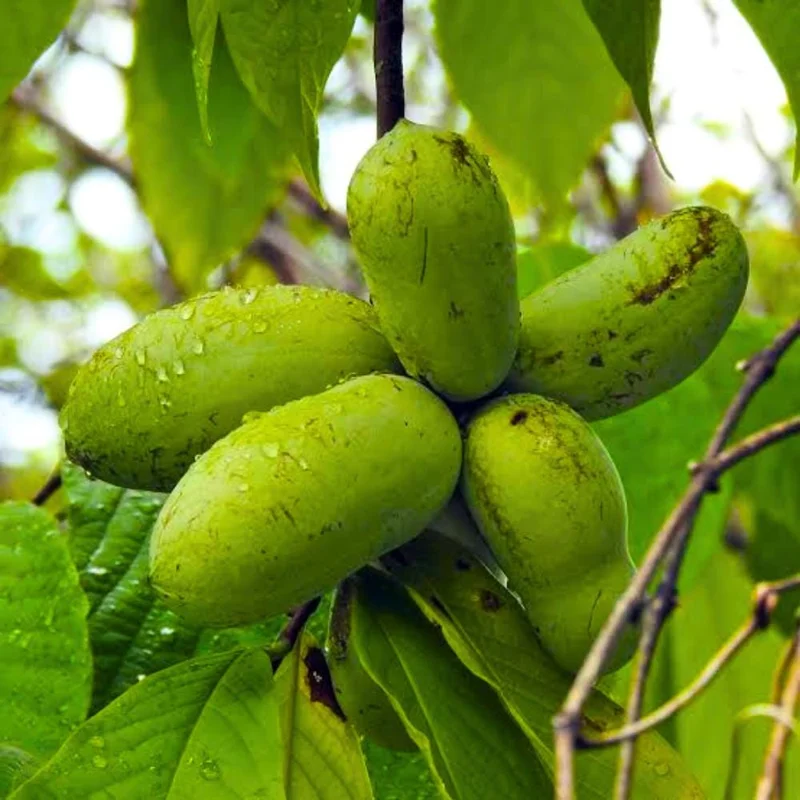


Pawpaw Tree Live Plant – Asimina Triloba Seedling, 6 inch to 1 Foot Tall
Original price was: $71.29.$36.29Current price is: $36.29.
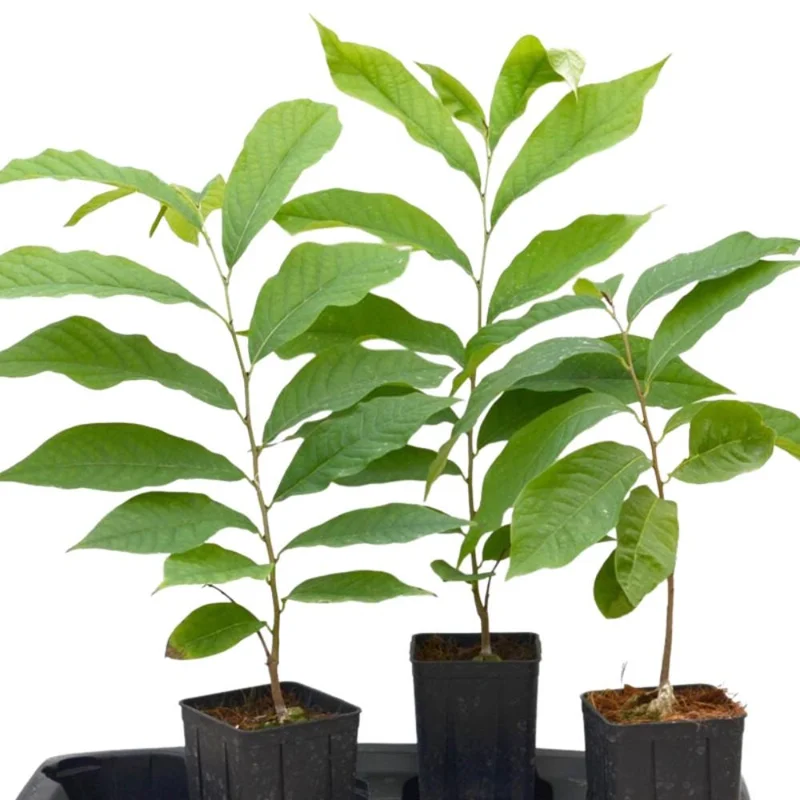
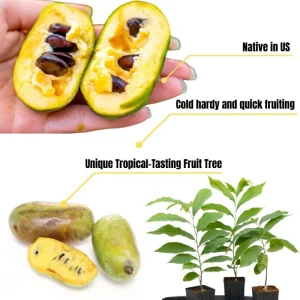
Bring a unique taste of the tropics to your garden with a pawpaw tree live plant. This asimina triloba plant is a well-rooted, 6 inch to 1 foot tall seedling, ready for planting. Enjoy delicious, creamy fruit from this native fruit trees that is also cold hardy fruit trees and easy to grow.
Estimated arrival
Sep 19
Sep 24 - Sep 26
Sep 29 - Oct 03

Reasonable Price
We offer reasonable price

Support 24/7
Contact us 24 hrs a day

100% Money Back
You've 30 days to Return

Payment Secure
100% secure payment
Overview
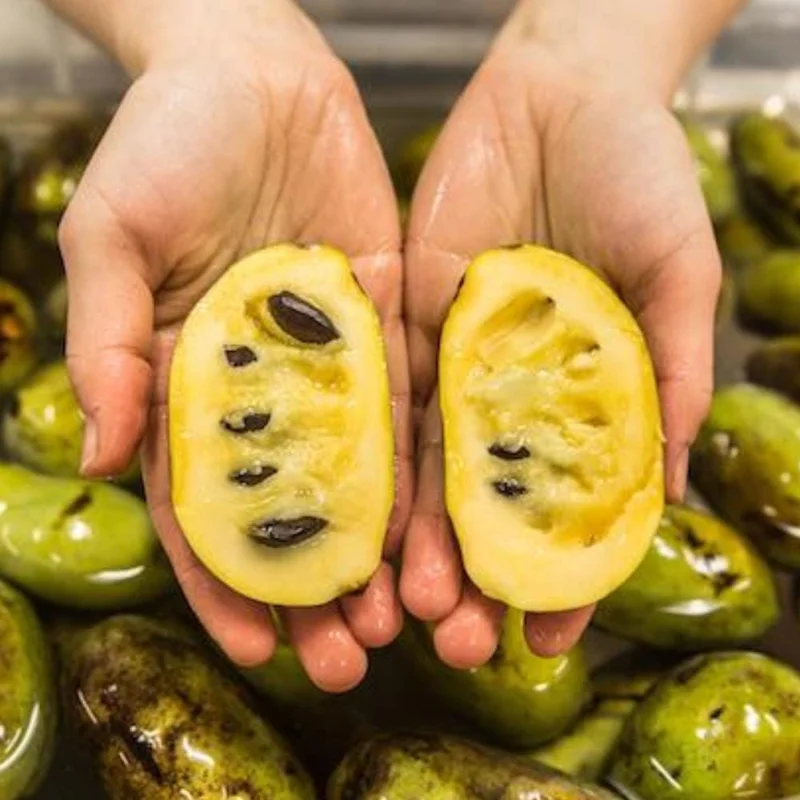
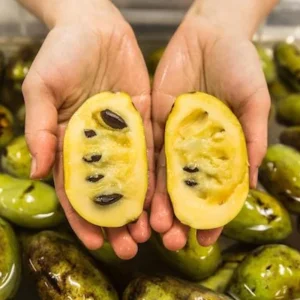
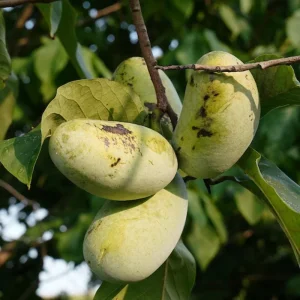
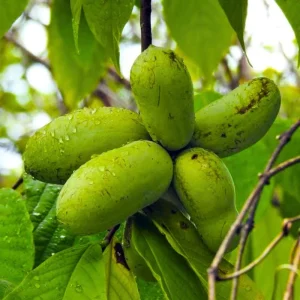
Discover the joy of growing your own exotic-tasting fruit with this pawpaw tree live plant. The pawpaw, also known by its botanical name Asimina triloba plant, is a remarkable native North American fruit tree that offers a unique tropical flavor reminiscent of banana, mango, and pineapple. Grown from healthy, well-rooted seedlings, this young tree is ready to thrive in your home garden or native landscape. Unlike many tropical fruits, the pawpaw is incredibly cold hardy, making it an excellent choice for a wide range of climates (USDA Zones 5-9). Its ease of cultivation and delicious yield make it a rewarding addition for both seasoned gardeners and those new to growing fruit trees. Embrace the opportunity to cultivate one of America’s forgotten native treasures and enjoy fresh, homegrown pawpaw fruit.
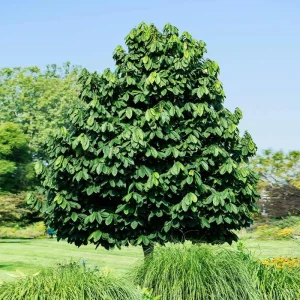
This particular pawpaw tree live plant is a robust specimen, ranging from 6 inches to 1 foot in height, ensuring a strong start for your edible garden. The Asimina triloba is not only a source of delectable fruit but also a beautiful ornamental tree, offering attractive foliage and unique maroon flowers in the spring. It’s a fantastic way to support local ecosystems by planting native fruit trees and enjoying a sustainable source of food right in your backyard. Experience the satisfaction of harvesting your own sweet, creamy pawpaws, a fruit that truly stands apart.
Key Benefits
Investing in a pawpaw tree live plant brings a wealth of benefits to your garden and palate. This exceptional tree offers both culinary delight and ecological value, making it a truly versatile choice for any nature lover.
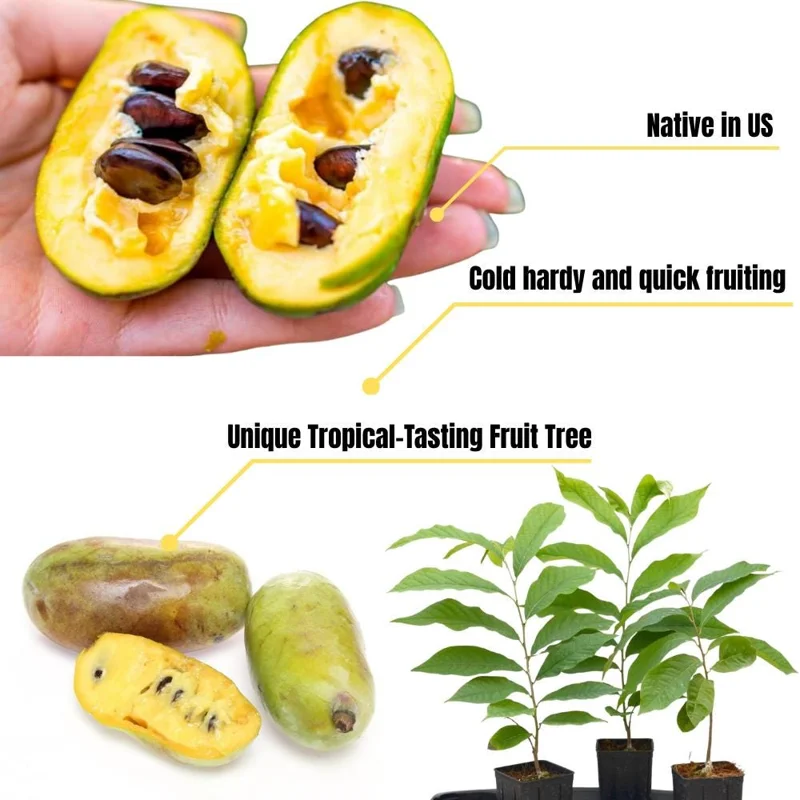
- Unique Tropical Flavor: Enjoy the distinct taste of pawpaw fruit, often described as a blend of banana, mango, and pineapple. This rare treat is not commonly found in grocery stores, making homegrown pawpaws a special experience.
- Cold Hardy & Adaptable: Unlike many tropical fruit trees, the asimina triloba plant is remarkably cold hardy, thriving in USDA Zones 5-9. This resilience makes it suitable for a broad range of climates where other exotic fruits wouldn’t survive.
- Easy to Grow: Pawpaw trees are known for being low-maintenance once established. They require minimal care, making them an ideal choice for both experienced gardeners and beginners looking for cold hardy fruit trees.
- Native Ecosystem Support: By planting native fruit trees like the pawpaw, you contribute to local biodiversity and provide food sources for native wildlife, including the zebra swallowtail butterfly.
- Nutrient-Rich Fruit: Pawpaw fruit is packed with vitamins, minerals, and antioxidants, offering a healthy and delicious addition to your diet.
- Beautiful Landscape Addition: Beyond its fruit, the pawpaw tree features attractive foliage and unique spring blossoms, adding ornamental value to your garden or landscape.
- Disease Resistant: Pawpaw trees are generally resistant to most common diseases and pests, reducing the need for chemical interventions and promoting organic gardening practices.
Plant Care & Growing Tips
Caring for your pawpaw tree live plant is straightforward, ensuring a healthy and productive tree for years to come. Pawpaws prefer a location with at least 6 hours of direct sunlight once established. However, young seedlings benefit from some partial shade during their first year or two, especially in hot afternoon sun. Consider planting them on the east side of a larger tree or structure, or use a temporary shade cloth to protect them. The ideal soil for an asimina triloba plant is well-draining, fertile, and slightly acidic (pH 5.5-7.0). Amend heavy clay soils with organic matter like compost or aged manure to improve drainage and nutrient content. Ensure the planting site is not prone to standing water, as pawpaws dislike wet feet.
Water your young pawpaw tree live plant regularly, especially during dry spells, to keep the soil consistently moist but not waterlogged. Once established, pawpaws are relatively drought-tolerant but will produce better fruit with consistent moisture. Fertilize sparingly in the first year with a balanced, slow-release fertilizer. In subsequent years, apply a balanced organic fertilizer in early spring as new growth begins. Pawpaws are generally hardy in USDA Zones 5-9, tolerating winter temperatures down to -20°F (-29°C). Pruning is typically minimal; focus on removing dead, damaged, or crossing branches to maintain good air circulation and shape. Remember that pawpaws often require cross-pollination from a different pawpaw cultivar to produce fruit, so consider planting at least two genetically distinct trees for optimal yield of these cold hardy fruit trees.
Size & Details
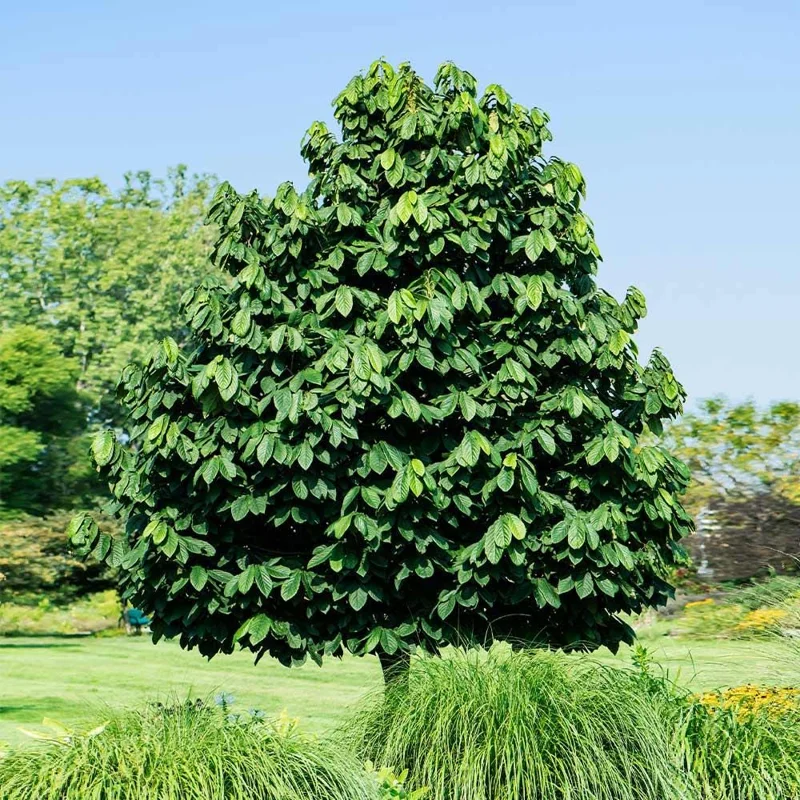
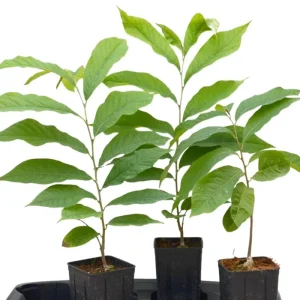
This offering is for one pawpaw tree live plant, a vigorous seedling measuring approximately 6 inches to 1 foot in height. Each seedling is grown from healthy stock and comes with a well-developed root system, ensuring it is ready for successful outdoor planting upon arrival. These young asimina triloba plant specimens are typically shipped in a nursery pot or carefully packaged with their root ball protected, ensuring minimal stress during transit. Pawpaws are moderate growers, reaching mature heights of 15-20 feet with a spread of 10-15 feet, though they can be kept smaller with pruning. They generally begin to bear fruit within 3-5 years after planting, with peak production occurring around 7-10 years. The size provided is ideal for easy transplanting and establishing a strong foundation for future growth. These native fruit trees are a long-term investment in your garden’s beauty and bounty.
Frequently Asked Questions
- Q: How big does this plant get? A: This pawpaw tree live plant is a seedling measuring 6 inches to 1 foot tall. Once mature, pawpaw trees typically reach a height of 15-20 feet with a spread of 10-15 feet, though their size can be managed with pruning.
- Q: Is this an indoor or outdoor plant? A: The asimina triloba plant is an outdoor tree, well-suited for gardens and landscapes. While young seedlings may benefit from temporary shade, they require outdoor conditions to thrive and produce fruit.
- Q: How much sunlight does it need? A: Established pawpaw trees prefer full sun (at least 6 hours of direct sunlight daily). However, young seedlings should be protected from intense afternoon sun for their first one to two years with partial shade.
- Q: Is this plant easy to care for? A: Yes, pawpaw trees are considered relatively easy to care for once established. They are low-maintenance, disease-resistant, and are excellent cold hardy fruit trees making them suitable for gardeners of various experience levels.
- Q: What condition will it arrive in? A: Your pawpaw tree live plant will arrive as a healthy, well-rooted seedling, carefully packaged to ensure its safety and vitality during transit. It will be ready for immediate planting upon arrival.
- Q: How long until it produces fruit? A: Pawpaw trees typically begin to produce fruit within 3-5 years after planting. Optimal fruit production usually occurs around 7-10 years of age, especially if you have planted multiple native fruit trees for cross-pollination.
- Q: Will it survive winter in my zone? A: Yes, pawpaw trees are remarkably cold hardy and thrive in USDA Hardiness Zones 5-9. This means they can tolerate winter temperatures down to approximately -20°F (-29°C).
- Q: Do I need more than one pawpaw tree to get fruit? A: While some pawpaw trees can self-pollinate, most varieties require cross-pollination from a genetically different pawpaw tree to produce a good yield of fruit. It is highly recommended to plant at least two different pawpaw cultivars for optimal fruiting.
- Q: What type of soil is best for a pawpaw tree? A: Pawpaws prefer well-draining, fertile, and slightly acidic soil with a pH between 5.5 and 7.0. Amending the soil with organic matter will help ensure good drainage and nutrient availability for your asimina triloba plant.
- Q: Can I grow pawpaws in a container? A: While it’s possible to grow young pawpaw trees in large containers for a limited time, they are ultimately large trees that prefer to be planted in the ground to reach their full potential and produce abundant fruit.
Be the first to review “Pawpaw Tree Live Plant – Asimina Triloba Seedling, 6 inch to 1 Foot Tall”
-
USDA Hardiness Zone
5-9 -
Soil Type
Well-draining, fertile, slightly acidic soil -
Sunlight Exposure
Full sun (partial shade for young seedlings) -
Expected Planting Period
Spring to early summer
People Also Viewd


Sold 134 products
Original price was: $3,536.00.$23.99Current price is: $23.99.

Sold 131 products
Original price was: $89.99.$64.99Current price is: $64.99.

Sold 131 products
Original price was: $27.00.$24.00Current price is: $24.00.

Sold 125 products
Original price was: $86.99.$66.99Current price is: $66.99.

Flower Bulbs
3 Cranesbill Wild Geranium Organic Maculatums Bare Roots | Wildflower for Outdoor Garden
Sold 116 products
Original price was: $21.99.$9.99Current price is: $9.99.

Sold 114 products
Original price was: $28.99.$17.99Current price is: $17.99.

Sold 110 products
Original price was: $63.99.$28.99Current price is: $28.99.
Sold 108 products
Original price was: $28.99.$17.99Current price is: $17.99.RELATED posts
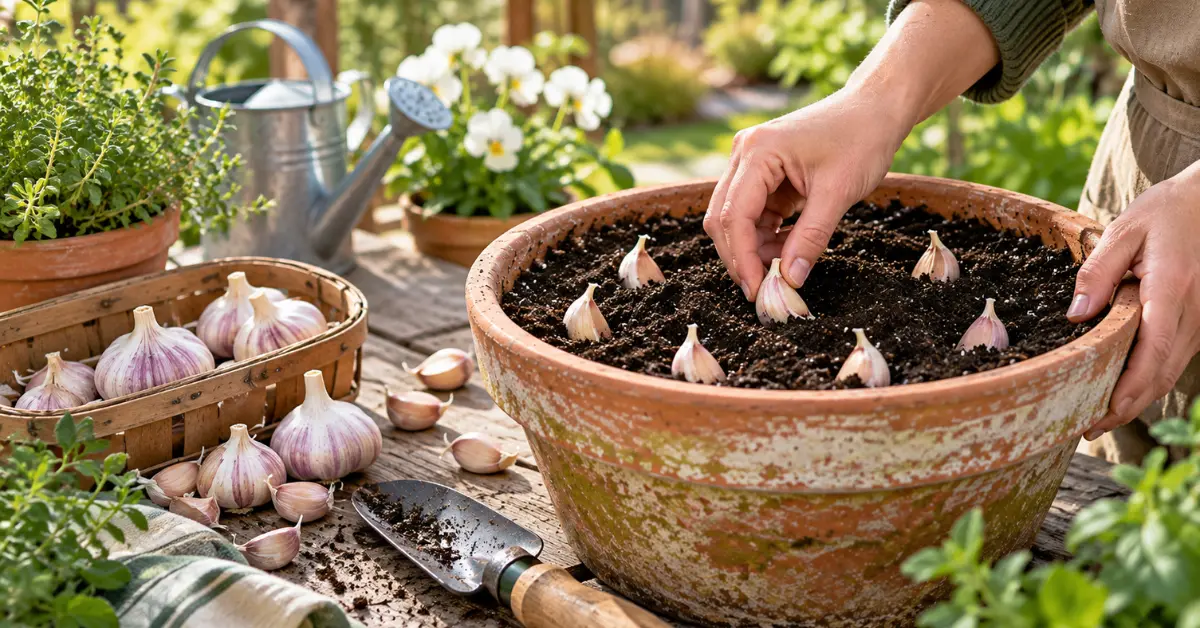
Growing Garlic in Containers This Fall: A Complete Guide for Beginners
If you’ve ever wanted to pop fresh, aromatic garlic cloves straight from your own patio [...]
Sep
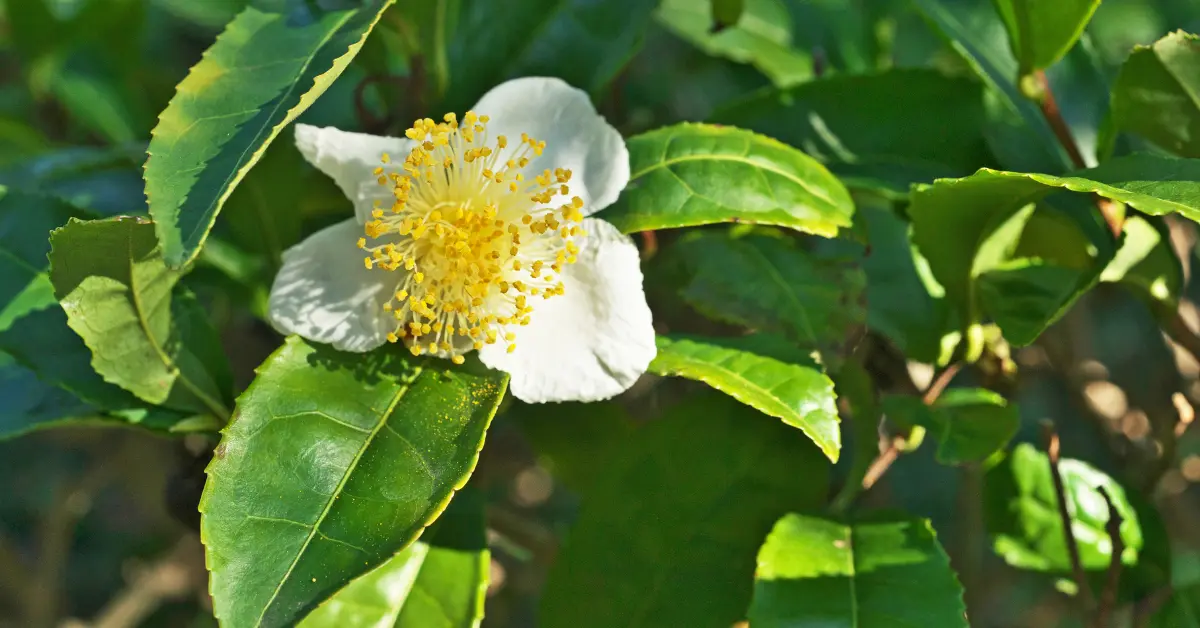
Growing Camellia Sinensis (Tea Plants) in Containers: A Complete Guide for Beginners
If you’ve ever wanted to sip a steaming, homegrown cup of fresh green, black, or [...]
Aug
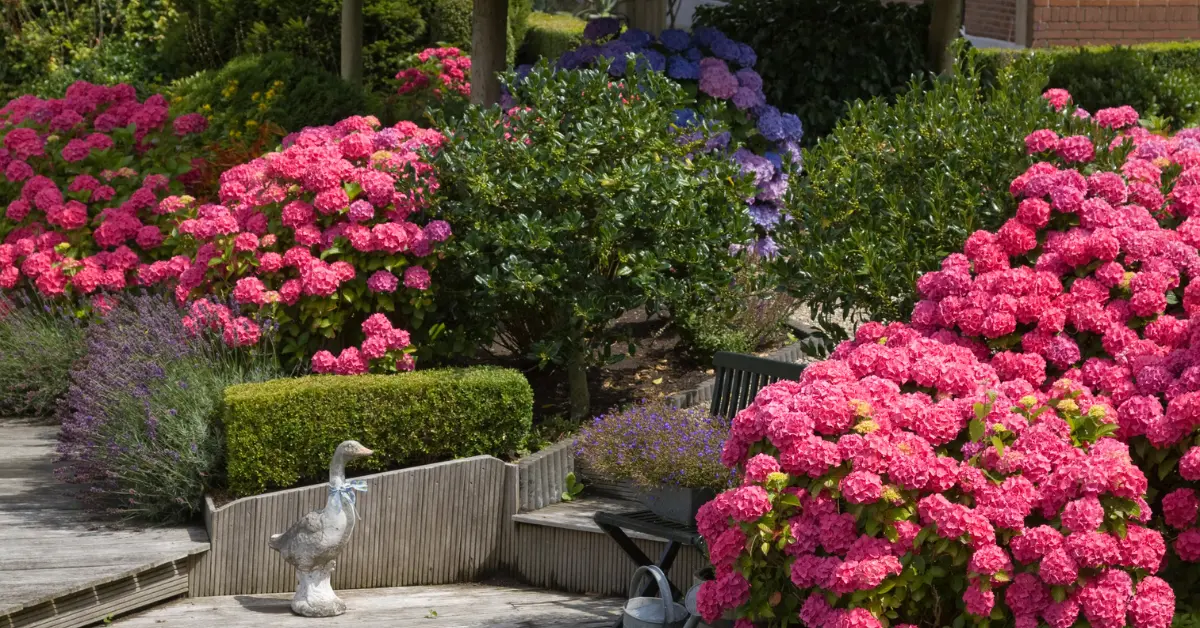
6 Best Shrubs to Plant in August You Must Try
Have you ever walked through a nursery late in the summer, admired the vibrant shrubs [...]
Aug
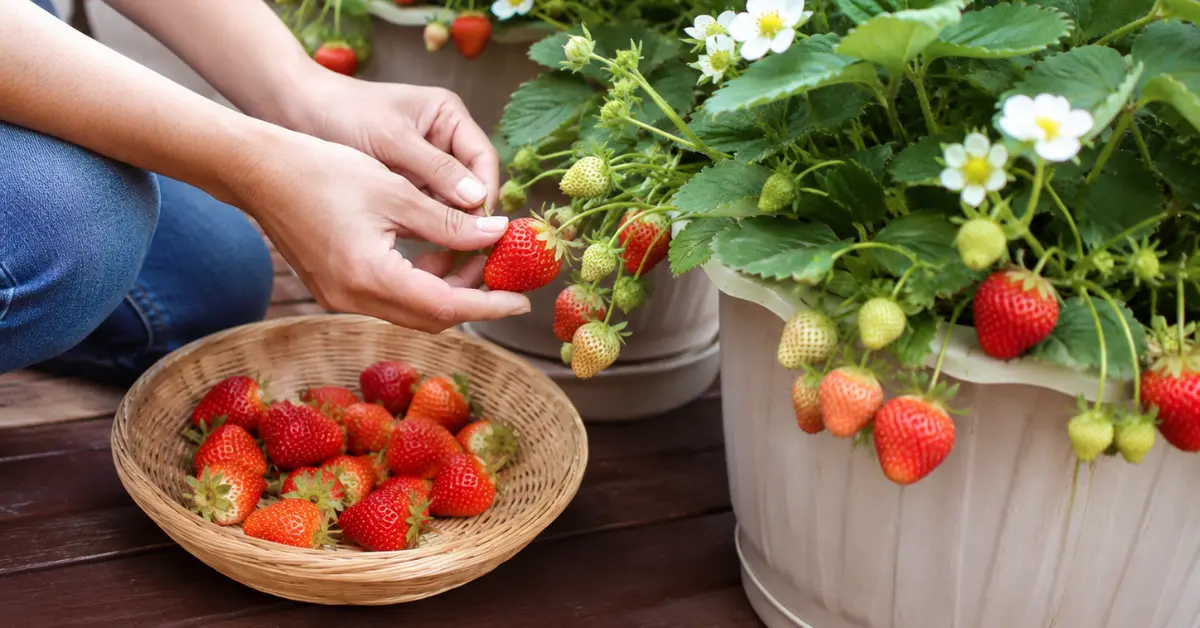
Growing Everbearing Strawberries in Containers: A Complete Guide for Beginners
Want to grow sweet, fresh strawberries but do not have a large garden? Everbearing strawberries [...]
Aug
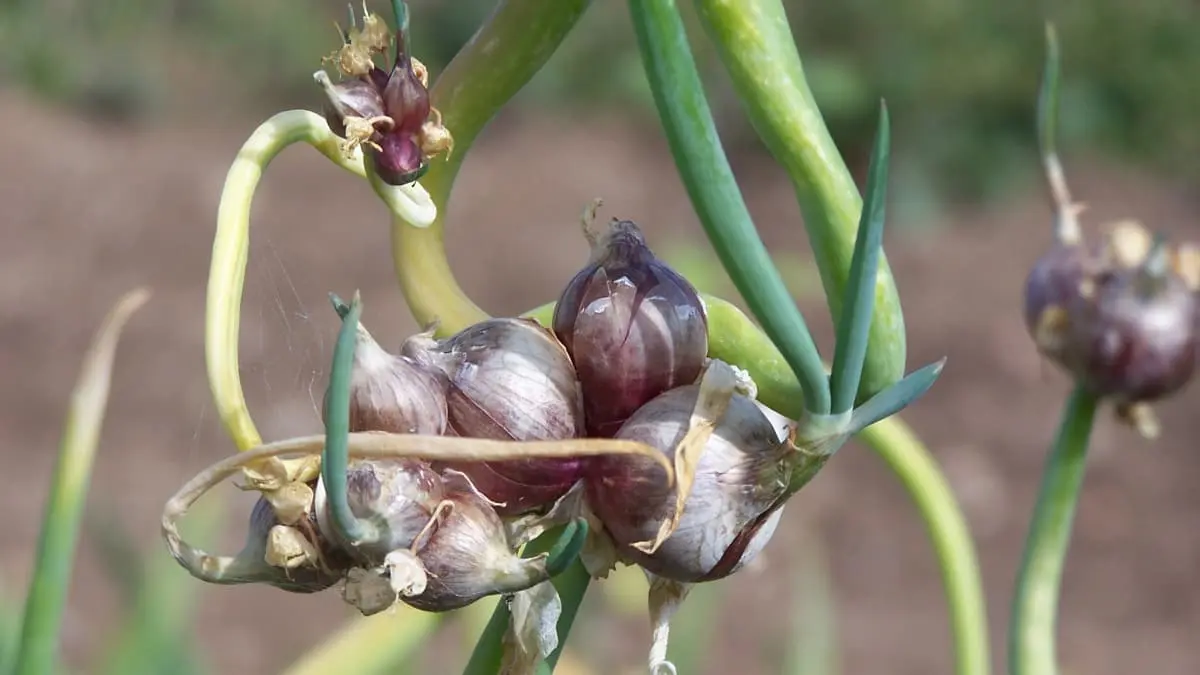
Growing Egyptian Walking Onions in Containers: A Complete Guide for Beginners
If you’re looking for a hardy, no-fuss perennial onion that keeps on giving year after [...]
Jul
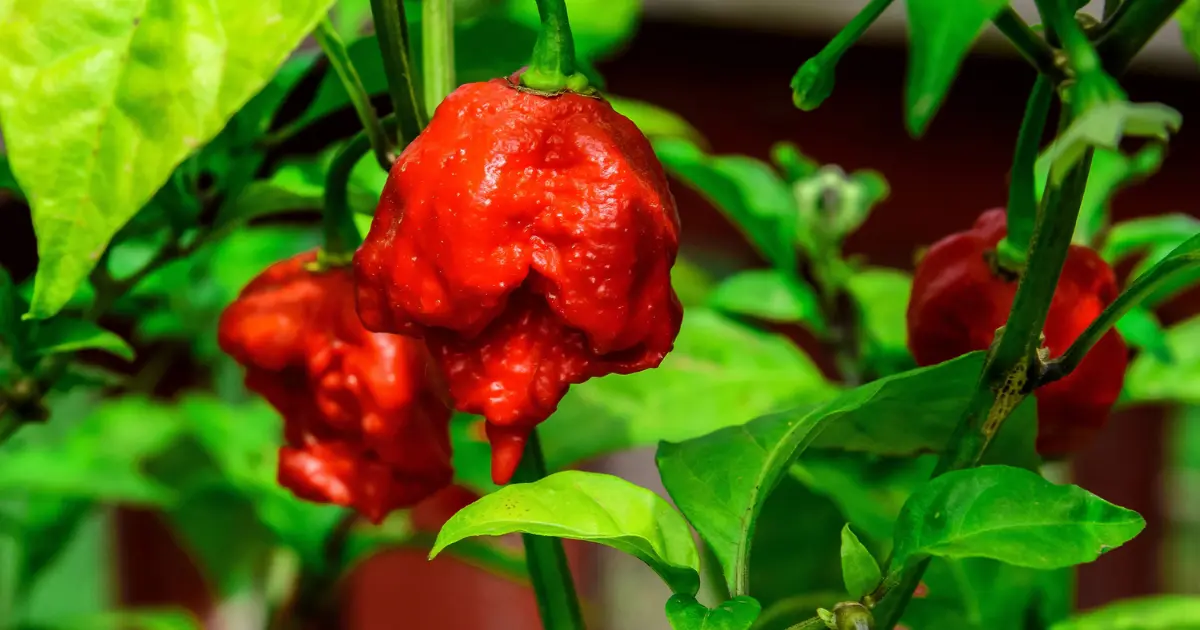
Growing Carolina Reaper Peppers in Pots: A Complete Guide for Beginners
If you’ve ever wanted to add some serious, record-breaking heat to your home cooking, you’ve [...]
May
Growing Curry Leaf Plant in Pots: A Complete Guide for Beginners
If you’re a fan of authentic South Asian cuisine, you already know that nothing compares [...]
May
5 Tips for Growing Carolina Reaper Peppers to Get the Spiciest Harvest Ever
Holding the record for one of the world’s hottest peppers, the Reaper isn’t just a [...]
May



Reviews
There are no reviews yet.