
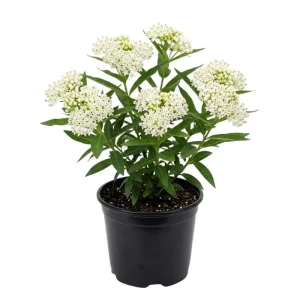

White Milkweed Live Plant – 12-18 Inches Tall – Vibrant Outdoor Flowers for Pollinator Gardens
Price range: $61.99 through $89.99
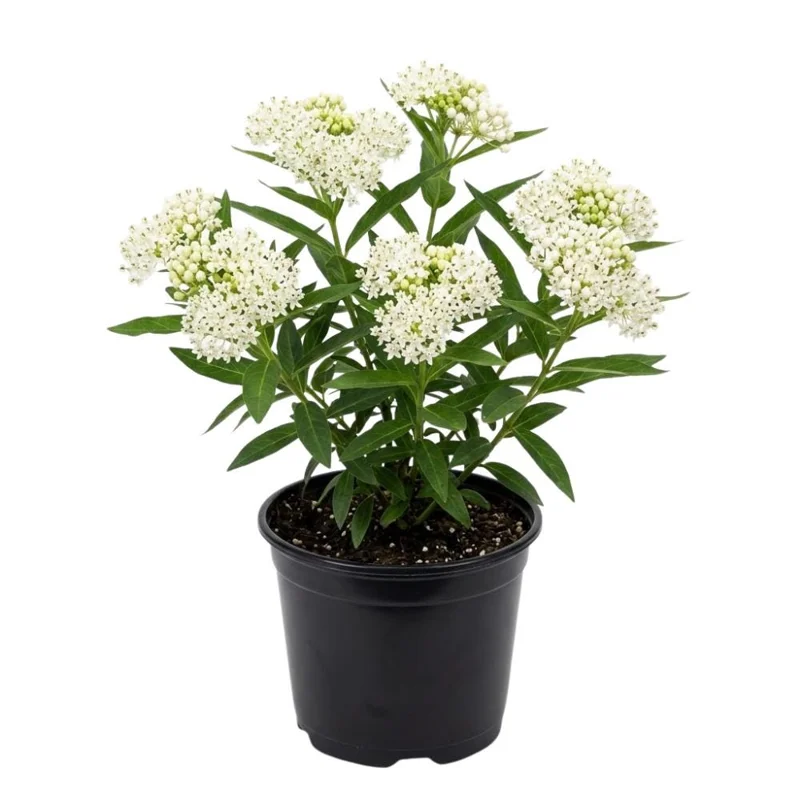
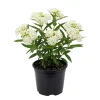
Introduce a beautiful white milkweed live plant to your outdoor space. Standing 12-18 inches tall, this plant attracts essential pollinators with its vibrant flowers. Ideal for garden beds, it returns each season.
Estimated arrival
Sep 15
Sep 20 - Sep 22
Sep 25 - Sep 29

Reasonable Price
We offer reasonable price

Support 24/7
Contact us 24 hrs a day

100% Money Back
You've 30 days to Return

Payment Secure
100% secure payment
Overview
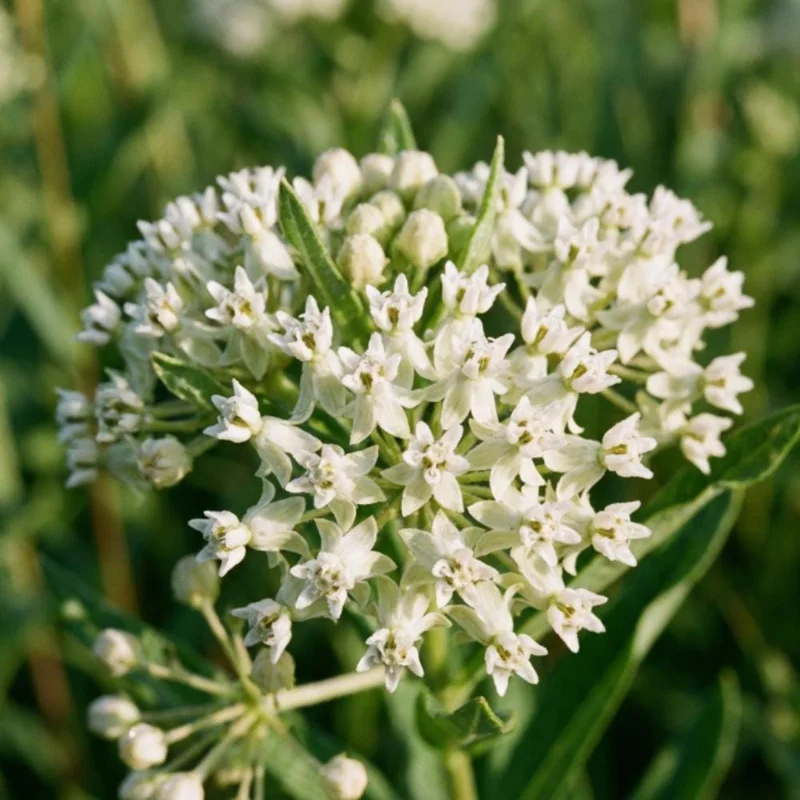
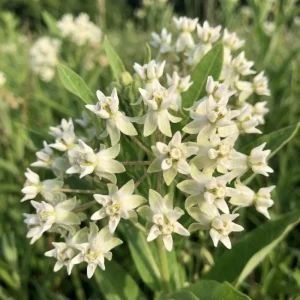
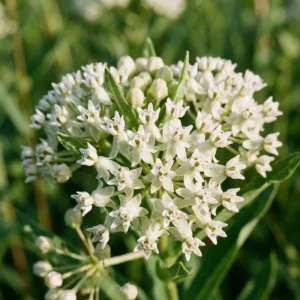
Transform your outdoor garden into a haven for wildlife with this stunning white milkweed live plant. Measuring between 12 and 18 inches tall, this vigorous plant is delivered ready to thrive in your landscape. Known scientifically as Asclepias species (often Asclepias incarnata or similar varieties with white blooms), milkweed is an indispensable part of a healthy ecosystem, especially for monarch butterflies. This particular variety offers elegant white flowers that add a touch of natural beauty and serenity to any garden setting. Beyond its aesthetic appeal, the white milkweed live plant plays a crucial role in supporting local biodiversity by providing nectar for various pollinators and serving as a host plant for monarch caterpillars, making it a must-have for any eco-conscious gardener.
Our white milkweed live plant is a young, healthy specimen, carefully cultivated to ensure strong growth and abundant blooms. It’s a perennial, meaning it will return year after year, establishing a lasting presence in your garden. This makes it an excellent long-term investment for sustainable gardening and creating a vibrant, living landscape. Whether you’re an experienced gardener or just starting, adding this robust milkweed variety is a rewarding experience, contributing to both the beauty and ecological health of your outdoor environment.
Key Benefits
Adding a white milkweed live plant to your garden offers a multitude of benefits, both for your landscape and for the environment. These plants are more than just pretty flowers; they are ecological powerhouses that enhance the overall health and vibrancy of your outdoor space. You’ll find that the rewards extend far beyond simple aesthetics:
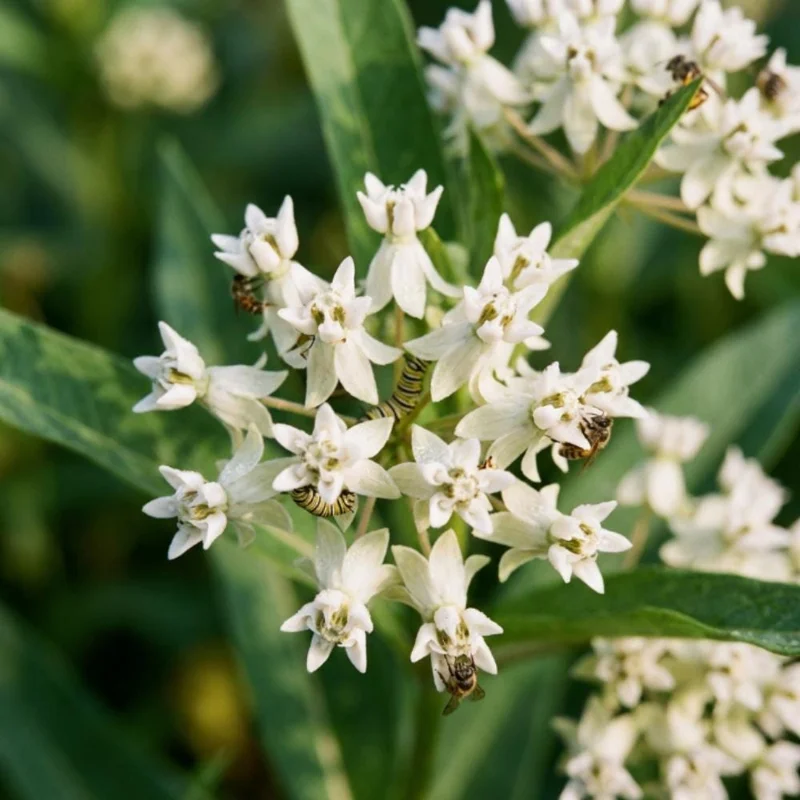
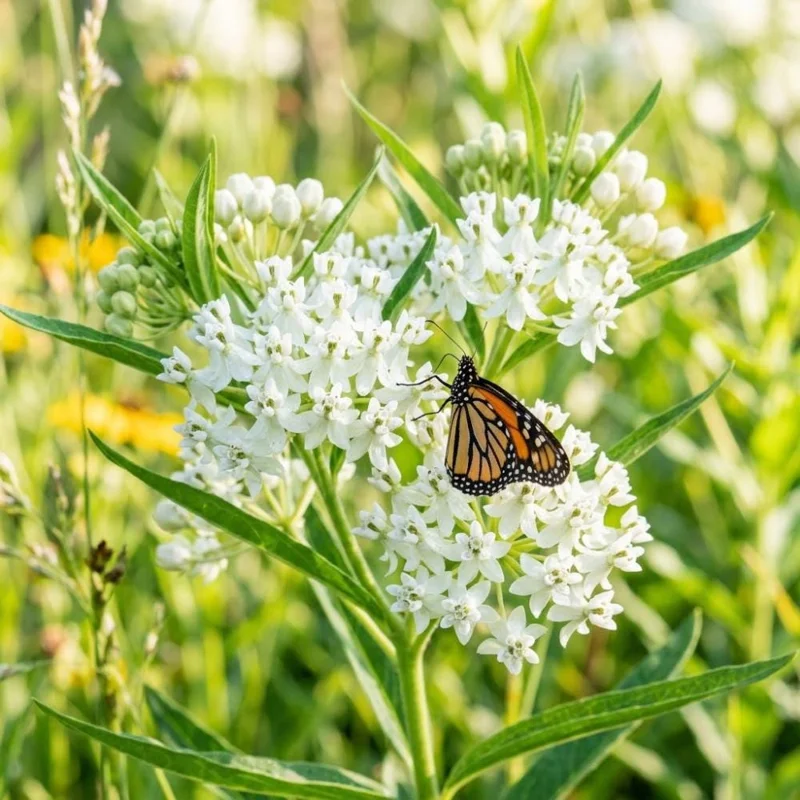
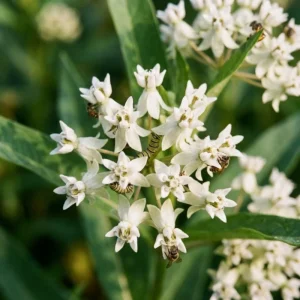
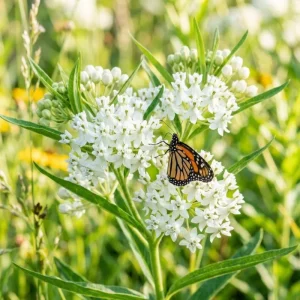
- Pollinator Magnet: This plant is a vital nectar source for a wide array of pollinators, including bees, butterflies, and hummingbirds. Its attractive white flowers are a beacon for these beneficial insects, encouraging a thriving garden ecosystem.
- Monarch Host Plant: Crucially, the white milkweed live plant is the sole food source for monarch butterfly caterpillars. By planting milkweed, you directly support the monarch population, aiding in their lifecycle and conservation efforts.
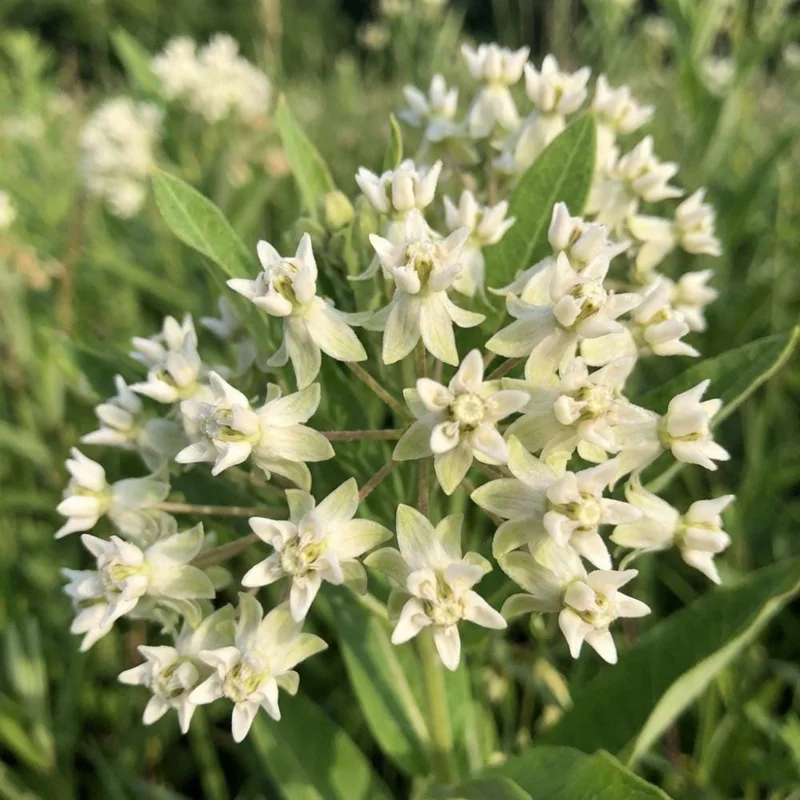
- Seasonal Beauty: Enjoy a prolonged blooming period with vibrant white flowers that add texture and color to your garden beds and borders throughout the growing season. The delicate blooms are both charming and impactful.
- Easy to Grow: Once established, milkweed is remarkably low-maintenance, requiring basic care to flourish. It’s an excellent choice for gardeners seeking impactful plants without extensive upkeep.
- Perennial Growth: As a perennial, this plant will return each growing season, providing consistent beauty and ecological support year after year. It establishes a robust root system, ensuring its longevity in your garden.
- Drought Tolerant: After establishment, milkweed exhibits good drought tolerance, making it a resilient choice for various climates and reducing the need for constant watering.
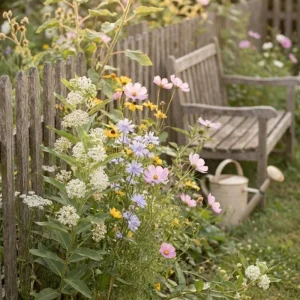
- Naturalizes Easily: Ideal for naturalized areas, meadows, and native plant gardens, it can form attractive clumps that blend seamlessly with a natural landscape design.
Plant Care & Growing Tips
Caring for your white milkweed live plant is relatively straightforward, ensuring it thrives and provides abundant blooms and ecological benefits. Understanding its basic needs will help you create an ideal environment for growth. This perennial is quite resilient once established, making it a rewarding addition to many garden types.
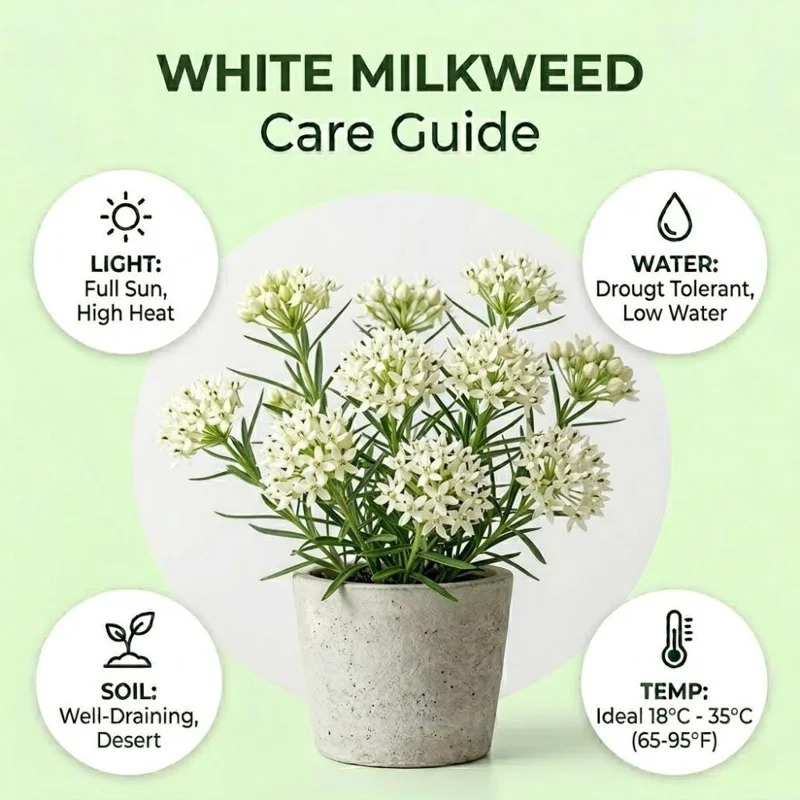
For optimal growth, your white milkweed live plant prefers full sun to partial shade. This means it should receive at least 6 hours of direct sunlight per day, though it can tolerate some afternoon shade in hotter climates. Adequate sunlight is crucial for vigorous flowering and overall plant health. When it comes to watering, keep the soil evenly moist, especially during its early growth stages. Once established, milkweed becomes more drought-tolerant, but consistent moisture will promote lusher growth and more profuse blooming. Avoid waterlogging, as this can lead to root rot. The ideal soil preference for growing milkweed outdoors is well-draining to moderately moist soil. It can adapt to various soil types, including sandy or clay soils, as long as drainage is sufficient. Incorporating some organic matter can improve soil structure and nutrient availability.
This white milkweed live plant is suitable for USDA Hardiness Zones 6–9, meaning it can withstand winter temperatures in these regions and return in the spring. In colder months, it may go dormant, with its foliage dying back, only to regrow robustly when warmer temperatures arrive. Fertilization is generally not heavily required, particularly in nutrient-rich soils, but a balanced, slow-release fertilizer can be applied in spring to encourage robust growth. Monitor for common garden pests, though milkweed is generally quite resistant. Aphids can sometimes be an issue; a strong spray of water or insecticidal soap usually manages them effectively. Ensure good air circulation to prevent fungal diseases. By following these simple guidelines, you’ll ensure a healthy and thriving white milkweed live plant that beautifies your garden and supports vital pollinators.
Size & Details
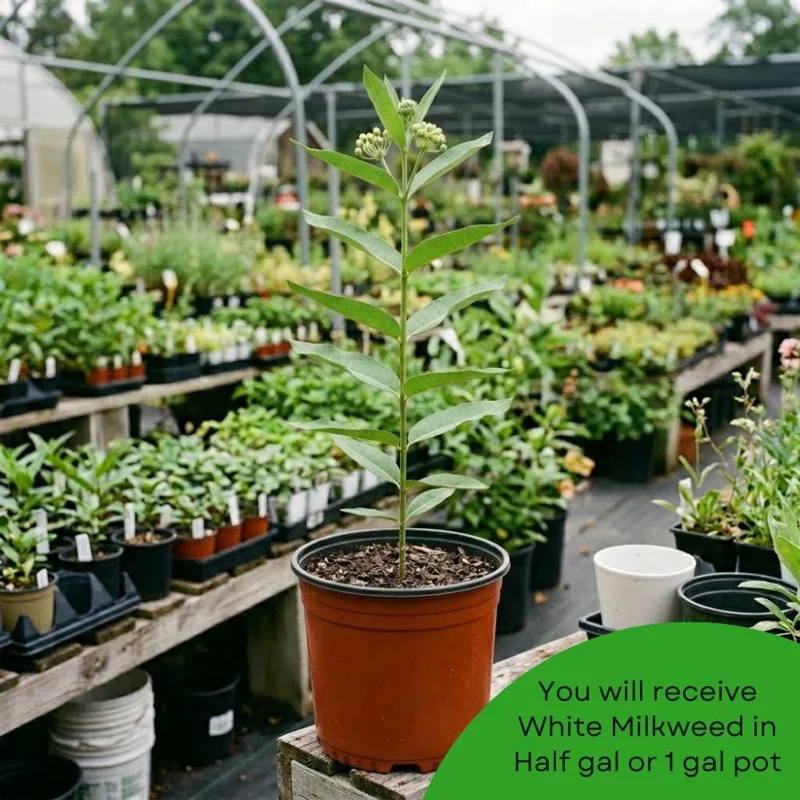
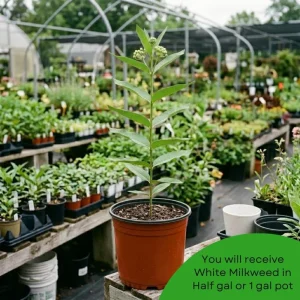
This offering is for a single white milkweed live plant, which will arrive as a young, actively growing specimen. Each plant measures approximately 12 to 18 inches tall from the base of the stem to the tip of its tallest leaf or stalk. It is shipped in a nursery pot, ensuring its root system is intact and ready for transplanting into your garden. The plant is designed for outdoor garden beds, borders, and naturalized areas, providing an immediate impact upon planting.
Expect this plant to develop slender, sturdy stems that will produce its characteristic vibrant white flowers seasonally. The growth rate is moderate, establishing itself well within the first growing season. While specific mature dimensions can vary based on growing conditions, milkweed typically forms clumps that can reach 2-4 feet in height and spread. It will go dormant in colder months, but its robust root system ensures it returns with renewed vigor each spring, contributing to your pollinator garden plant efforts for years to come.
Frequently Asked Questions
- Q: How big will this white milkweed live plant get? A: This white milkweed live plant typically grows to an average height of 2-4 feet at maturity, with a similar spread, forming attractive clumps in your garden. The plant you receive will be 12-18 inches tall.
- Q: Is this an indoor or outdoor plant? A: This particular milkweed variety is primarily an outdoor plant, best suited for garden beds, borders, and naturalized areas where it can receive ample sunlight and support pollinators. It is not recommended for indoor cultivation.
- Q: How much sunlight does this white milkweed need? A: Your white milkweed live plant thrives in full sun to partial shade, meaning it requires at least 6 hours of direct sunlight per day for optimal growth and flowering.
- Q: What condition will the plant arrive in? A: Your plant will arrive as a healthy, live young plant, approximately 12-18 inches tall, shipped in a nursery pot with its root system intact and soil to ensure a smooth transition to your garden.
- Q: Is this plant easy to care for? A: Yes, once established, growing milkweed outdoors is considered low-maintenance. It requires basic care, including consistent watering during establishment and suitable light conditions, making it a good choice for various gardeners.
- Q: When is the best time to plant this white milkweed? A: The best time to plant your white milkweed is in spring or early summer after the last frost, allowing it ample time to establish before colder weather.
- Q: Will it survive winter in my zone? A: This milkweed is hardy in USDA Zones 6–9. It is a perennial that will go dormant in colder months and regrow vigorously from its roots in the spring within these zones.
- Q: What kind of soil does this plant prefer? A: It performs best in well-draining to moderately moist soil. While adaptable, good drainage is key to preventing root issues.
- Q: Why should I plant this white milkweed? A: This plant is crucial for supporting monarch butterflies as their host plant and attracts a wide range of other pollinators, making it an essential addition for creating a vibrant pollinator garden plant.
- Q: What is the scientific name for this plant? A: While commonly referred to as asclepias tuberosa white (often a misnomer for white-flowered milkweed), it is generally an Asclepias species, such as Asclepias incarnata ‘Ice Ballet’ or similar white-blooming varieties.
| Size | 1 Gall Pot, Hafl Gallon Pot |
|---|
Be the first to review “White Milkweed Live Plant – 12-18 Inches Tall – Vibrant Outdoor Flowers for Pollinator Gardens”
-
USDA Hardiness Zone
USDA Zones 6–9 -
Soil Type
Well-draining to moderately moist soil -
Sunlight Exposure
Full sun to partial shade -
Expected Planting Period
Spring to early summer
People Also Viewd
Sold 134 products
Original price was: $3,536.00.$23.99Current price is: $23.99.
Sold 131 products
Original price was: $27.00.$24.00Current price is: $24.00.
Sold 130 products
Original price was: $89.99.$64.99Current price is: $64.99.

Sold 125 products
Original price was: $86.99.$66.99Current price is: $66.99.
Flower Bulbs
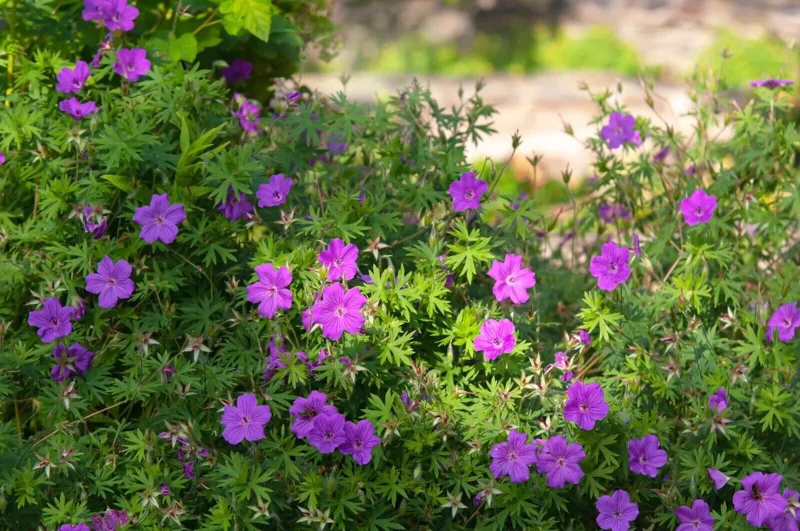
3 Cranesbill Wild Geranium Organic Maculatums Bare Roots | Wildflower for Outdoor Garden
Sold 116 products
Original price was: $21.99.$9.99Current price is: $9.99.
Sold 114 products
Original price was: $28.99.$17.99Current price is: $17.99.
Sold 110 products
Original price was: $63.99.$28.99Current price is: $28.99.
Sold 108 products
Original price was: $28.99.$17.99Current price is: $17.99.RELATED posts
Growing Camellia Sinensis (Tea Plants) in Containers: A Complete Guide for Beginners
If you’ve ever wanted to sip a steaming, homegrown cup of fresh green, black, or [...]
Aug
6 Best Shrubs to Plant in August You Must Try
Have you ever walked through a nursery late in the summer, admired the vibrant shrubs [...]
Aug

Growing Everbearing Strawberries in Containers: A Complete Guide for Beginners
Want to grow sweet, fresh strawberries but do not have a large garden? Everbearing strawberries [...]
Aug
Growing Egyptian Walking Onions in Containers: A Complete Guide for Beginners
If you’re looking for a hardy, no-fuss perennial onion that keeps on giving year after [...]
Jul
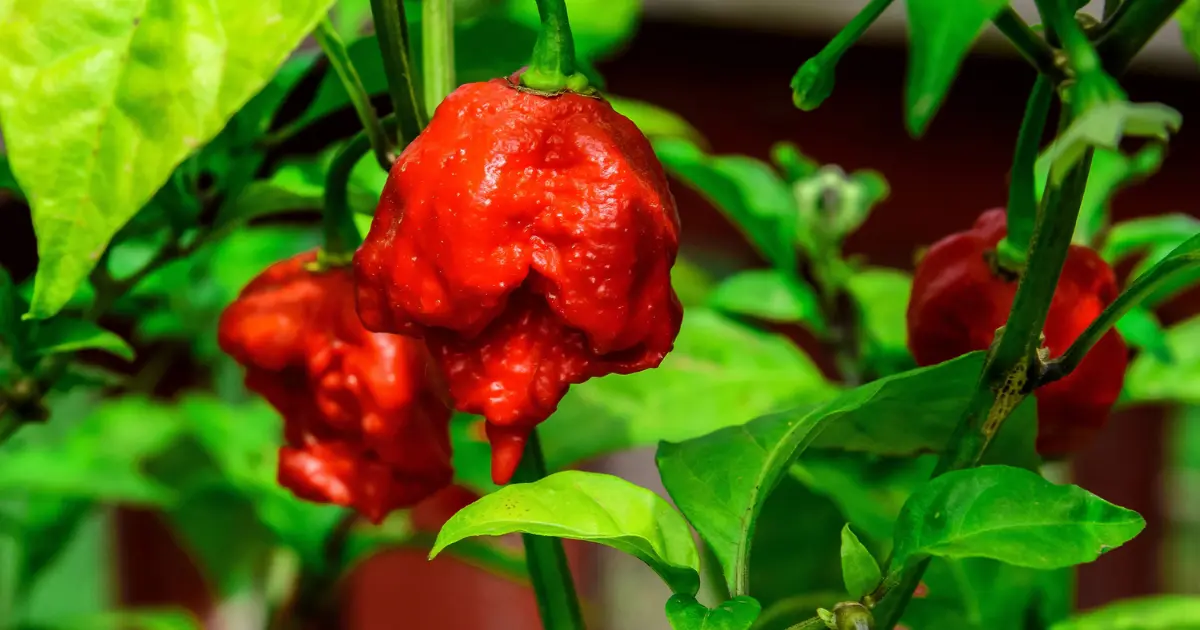
Growing Carolina Reaper Peppers in Pots: A Complete Guide for Beginners
If you’ve ever wanted to add some serious, record-breaking heat to your home cooking, you’ve [...]
May
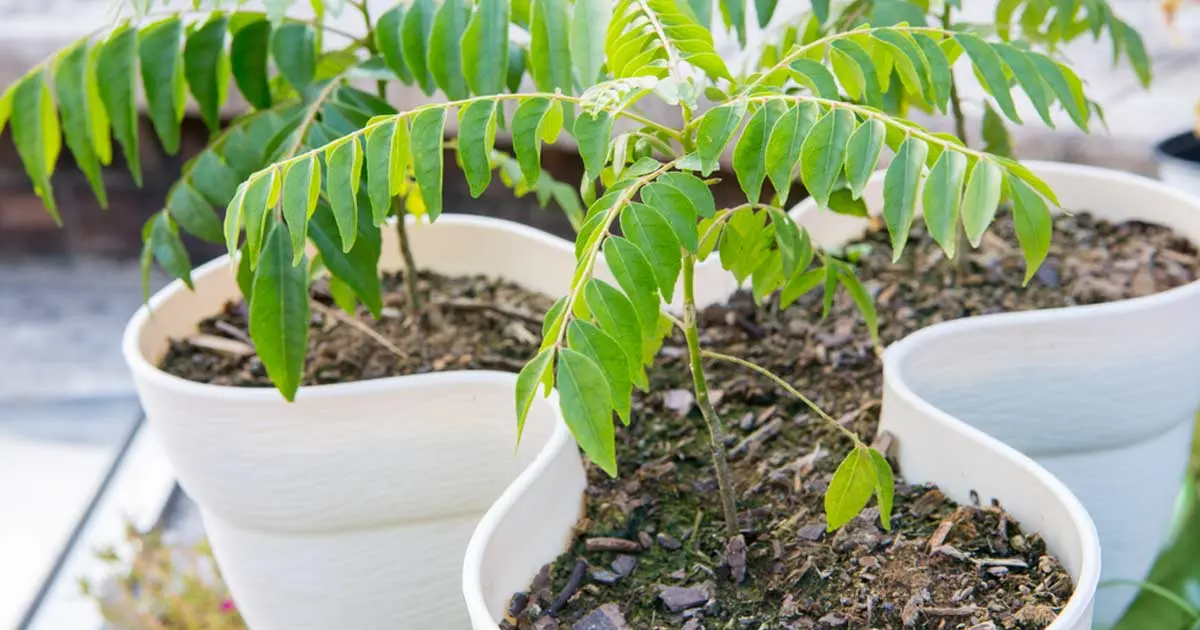
Growing Curry Leaf Plant in Pots: A Complete Guide for Beginners
If you’re a fan of authentic South Asian cuisine, you already know that nothing compares [...]
May

5 Tips for Growing Carolina Reaper Peppers to Get the Spiciest Harvest Ever
Holding the record for one of the world’s hottest peppers, the Reaper isn’t just a [...]
May
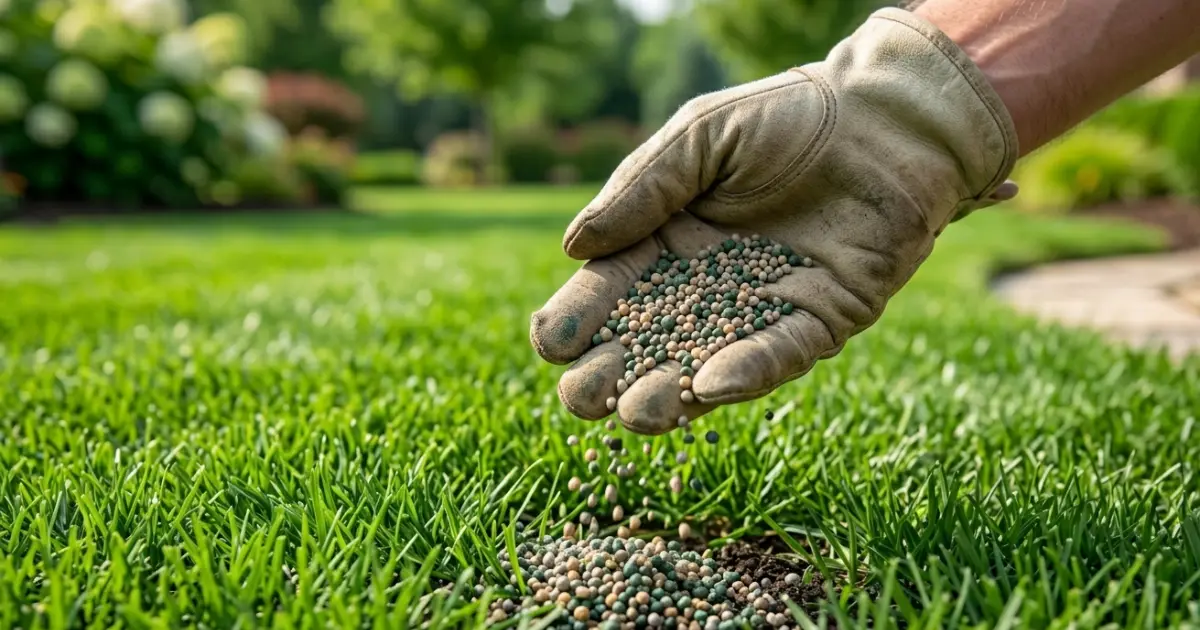
Best Fertilizers for Zoysia Grass in 2026: Get a Lush Lawn
As we enter the new year, the time has come to think about how we [...]
Apr

Reviews
There are no reviews yet.