
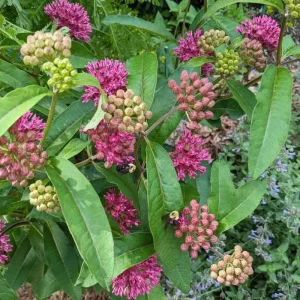
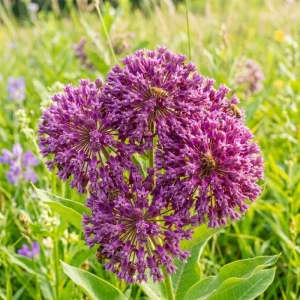
Purple Milkweed Live Plant – 12-18 Inches Tall – Outdoor Perennial for Pollinators
Price range: $59.99 through $87.99
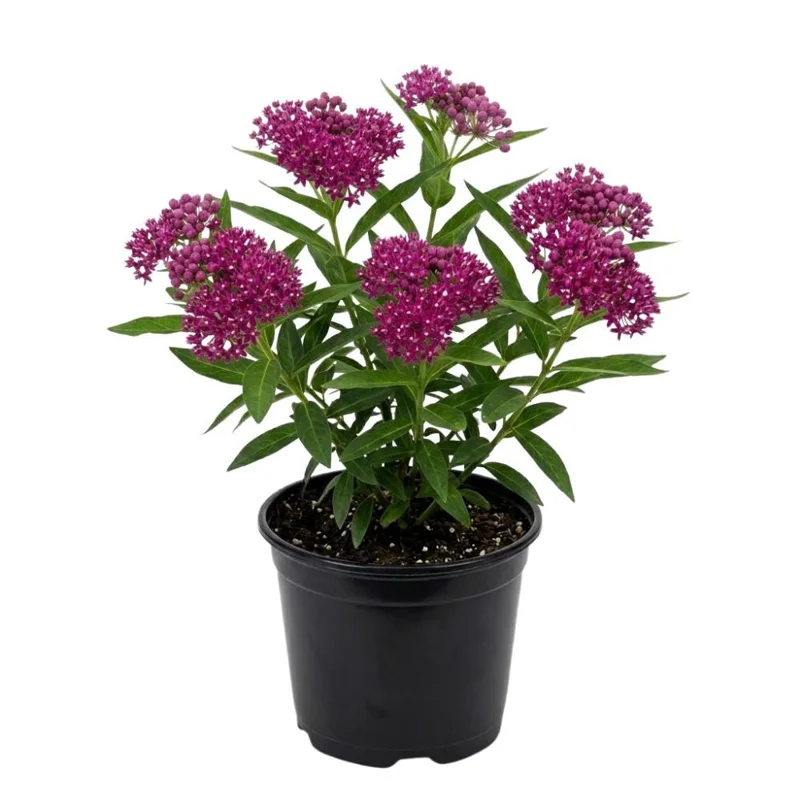
Bring life and color to your garden with this beautiful purple milkweed live plant. Measuring 12-18 inches tall, it’s ideal for attracting butterflies and other pollinators. This resilient perennial thrives in USDA Zones 6-9, making it a perfect addition to garden beds and containers.
Estimated arrival
Sep 15
Sep 20 - Sep 22
Sep 25 - Sep 29

Reasonable Price
We offer reasonable price

Support 24/7
Contact us 24 hrs a day

100% Money Back
You've 30 days to Return

Payment Secure
100% secure payment
Overview
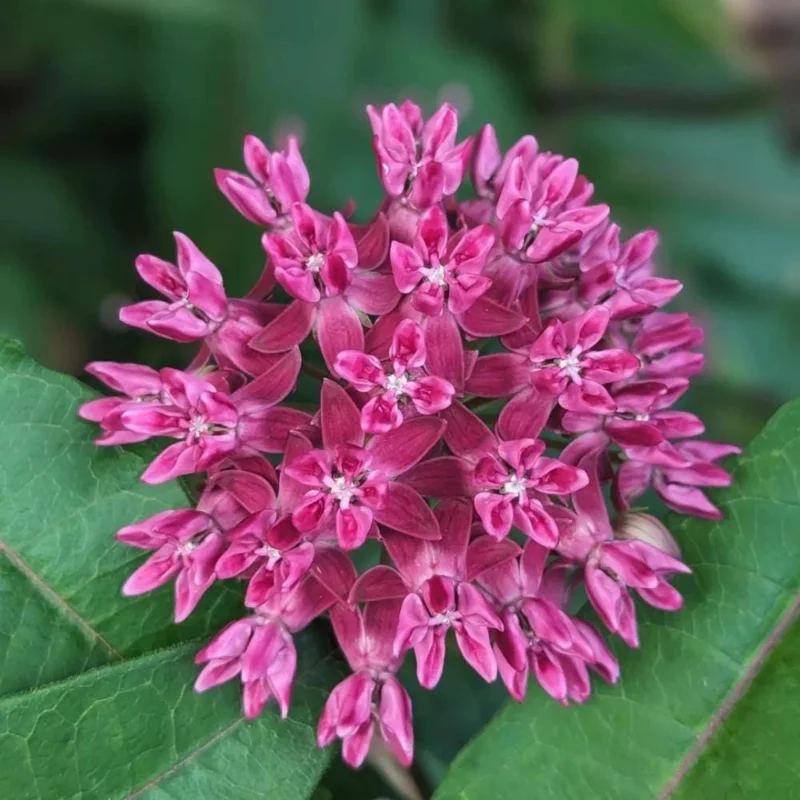
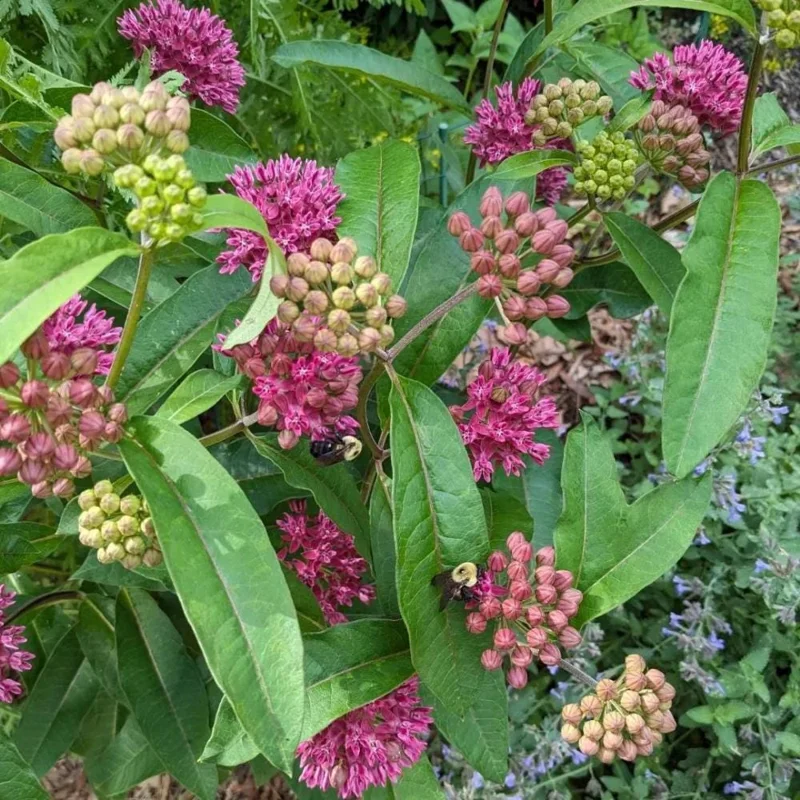
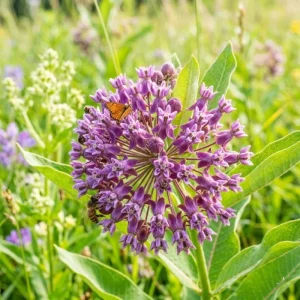
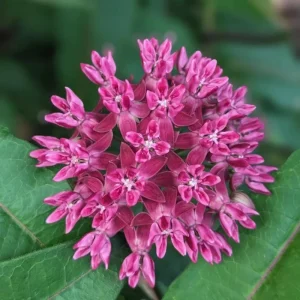
Introduce a touch of vibrant nature to your outdoor spaces with our exquisite purple milkweed live plant. This robust perennial, scientifically known as Asclepias purpurascens, is celebrated for its stunning deep purple flower clusters that emerge throughout the growing season. Each live young plant arrives approximately 12 to 18 inches tall, ready to establish itself in your garden or a decorative container. Unlike common milkweed varieties, purple milkweed live plant offers a unique aesthetic with its rich coloration and slender stems, making it a focal point in any landscape. It’s not just a beautiful addition; it’s a vital one, serving as a crucial host plant for monarch butterfly caterpillars and a nectar source for many other beneficial pollinators. Embrace sustainable gardening practices and create a thriving ecosystem right in your backyard with this exceptional plant.
Our purple milkweed live plant is carefully cultivated to ensure healthy growth and vigorous flowering. It’s a fantastic choice for gardeners looking to support local wildlife while enjoying a low-maintenance, visually appealing perennial. Whether you’re designing a dedicated pollinator garden, enhancing a border, or adding a native touch to naturalized areas, this plant will exceed expectations. Its ability to return each growing season under suitable conditions ensures years of beauty and ecological benefit. Discover the joy of nurturing a plant that contributes so much to biodiversity and the natural beauty of your outdoor environment.
Key Benefits
Adding a purple milkweed live plant to your garden offers a multitude of advantages, from ecological support to aesthetic enhancement. This plant is a true garden hero, providing both beauty and purpose.
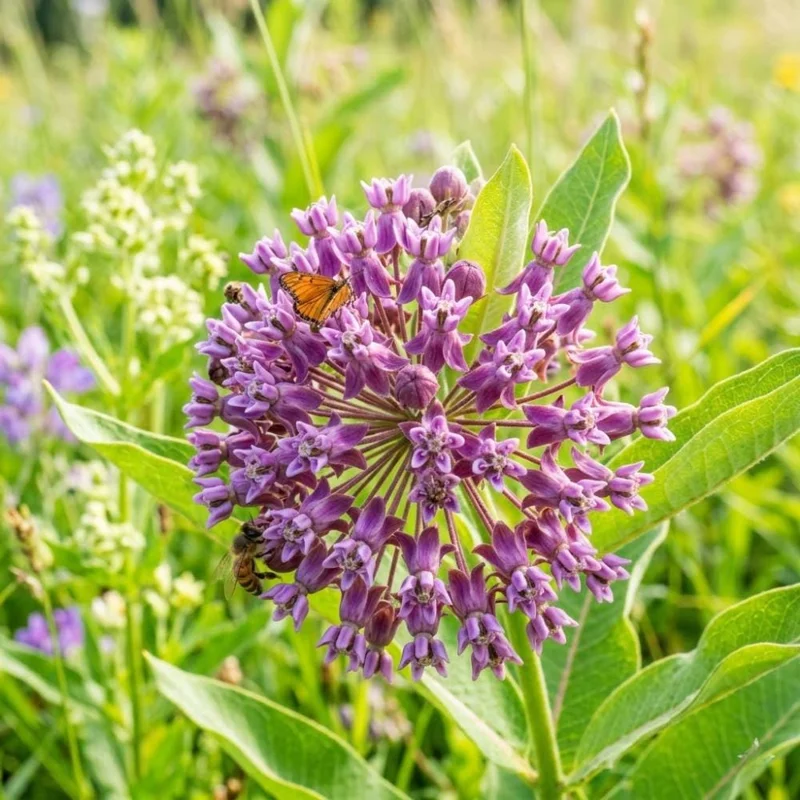
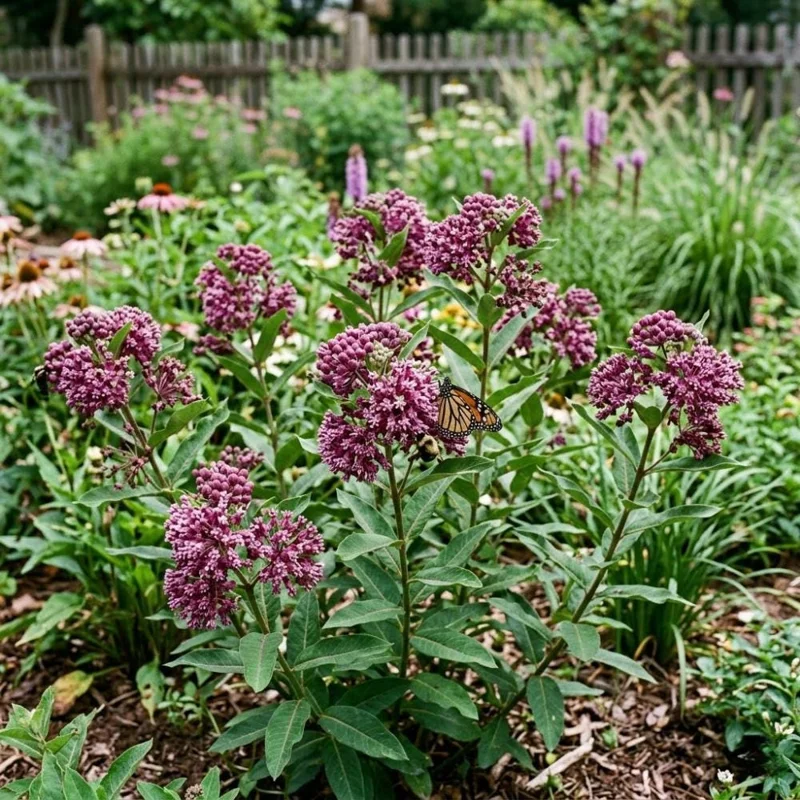
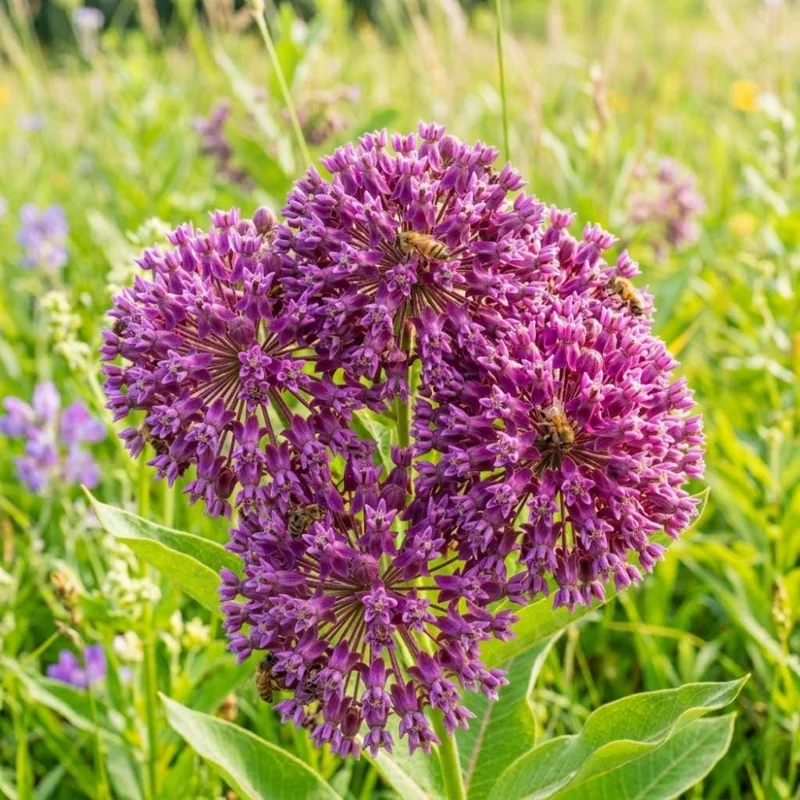
- Pollinator Magnet: Attracts a wide array of pollinators, including monarch butterflies, bees, and other beneficial insects, making it an essential component of any pollinator garden. The vibrant purple blooms are irresistible to these garden helpers.
- Monarch Host Plant: Serves as a critical food source for monarch butterfly caterpillars, supporting their life cycle and contributing to the conservation of this iconic species. Planting purple milkweed live plant directly aids monarch reproduction.
- Drought Tolerant: Once established, this resilient plant exhibits good drought tolerance, reducing the need for constant watering and making it a water-wise choice for various climates.
- Seasonal Beauty: Produces striking deep purple flowers that add a unique splash of color to your garden from late spring through summer, providing continuous visual interest.
- Low Maintenance: Requires basic care once established, thriving with minimal intervention and making it suitable for both experienced and novice gardeners. Its hardiness ensures it returns year after year.
- Versatile Landscaping: Perfect for garden beds, borders, naturalized areas, and even containers, offering flexibility in garden design and placement.
- Perennial Growth: Returns each growing season, providing long-lasting beauty and ecological benefits without the need for annual replanting. This ensures a consistent and reliable presence in your landscape.
Plant Care & Growing Tips
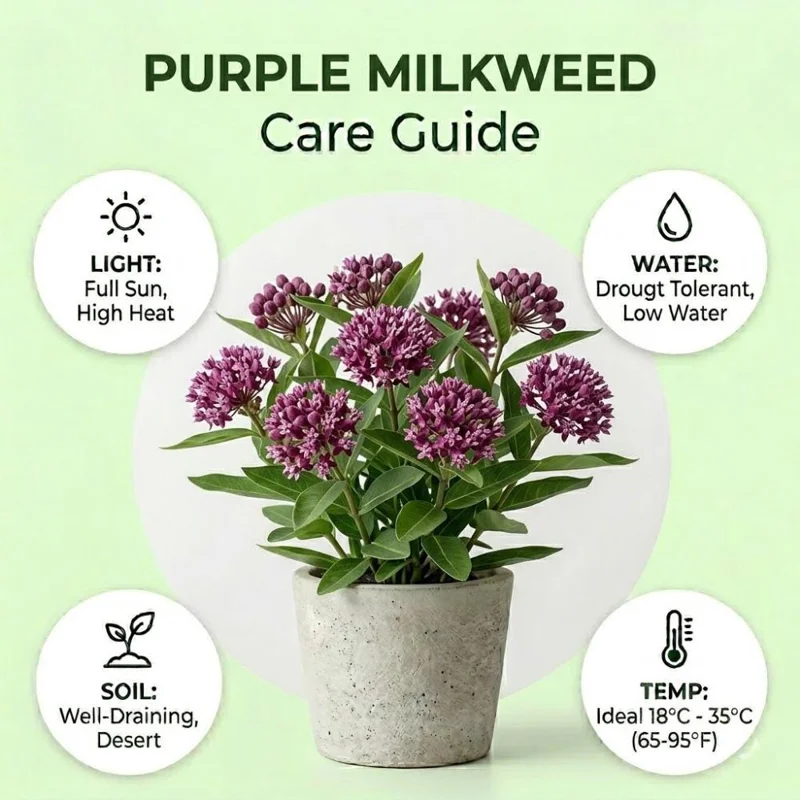
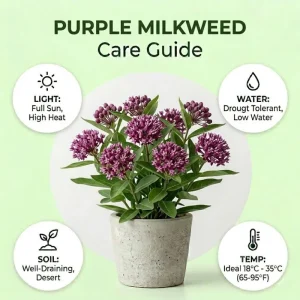
Caring for your purple milkweed live plant is straightforward, ensuring it thrives and provides vibrant blooms for years to come. This plant is known for its resilience once established, but providing optimal conditions during its initial growth phase will lead to the best results. Understanding the specific needs of Asclepias purpurascens is key to its success in your garden. For successful growth, focus on proper light, watering, and soil conditions, which are critical for any purple milkweed care routine.
For light requirements, the purple milkweed live plant prefers full sun to partial shade. Ideally, it should receive at least 6 hours of direct sunlight daily to encourage abundant flowering. While it can tolerate some shade, too little light may result in fewer blooms and leggy growth. When it comes to watering, keep the soil evenly moist, especially during early growth and dry spells. Once established, it becomes more tolerant of drier conditions, but consistent moisture will promote healthier growth. Ensure the soil is well-draining to prevent root rot, as milkweeds do not like soggy feet. A good way to assess moisture is to check the top inch of soil; if it feels dry, it’s time to water. The ideal soil preference for this plant is well-draining to moderately moist soil. It can adapt to various soil types, including sandy, loamy, and clay soils, as long as drainage is adequate. Incorporating compost or other organic matter can improve soil structure and fertility.
This species is suitable for USDA Hardiness Zones 6–9, meaning it can withstand winter temperatures in these regions and will return in spring. In colder months, the plant may go dormant, with its foliage dying back to the ground, only to regrow vigorously in the spring. Fertilization is generally not heavily required, especially in fertile soils. However, a light application of a balanced, slow-release fertilizer in early spring can boost growth. Watch out for common pests like aphids, which can be managed with insecticidal soap or a strong spray of water. Providing good air circulation and avoiding overhead watering can help prevent fungal diseases. Following these purple milkweed care tips will ensure your plant flourishes and continues to attract beautiful butterflies.
Size & Details
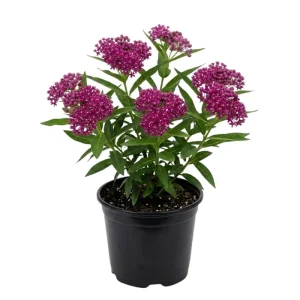
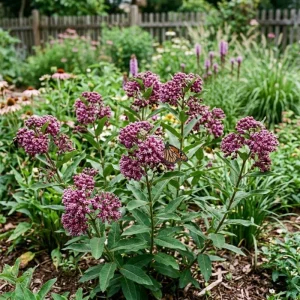
This offering includes one healthy purple milkweed live plant, which arrives as a young, actively growing specimen. Each plant measures approximately 12 to 18 inches tall from the base of the pot to the tip of its tallest stem, providing a substantial start for your garden. The plant is shipped in a nursery pot, ensuring its root system is intact and protected during transit, facilitating a smooth transition to your garden or larger container. While the initial height is modest, Asclepias purpurascens is known for its moderate to fast growth rate once established, quickly reaching its mature size. Mature plants typically grow to an average height of 2 to 4 feet tall and spread about 1 to 2 feet wide, forming an attractive upright clump.
The plant will develop slender, sturdy stems that hold its distinctive deep purple flower clusters. Flowering typically occurs from late spring through mid-summer, depending on your specific climate and planting time. Expect the plant to establish itself well within the first growing season, developing a robust root system. As a perennial, it will return reliably each year in its suitable hardiness zones, going dormant in colder months and regrowing from its roots in the spring. This consistent return makes it a valuable long-term investment for any gardener focused on creating a vibrant, pollinator-friendly landscape. The plant’s structure and growth habit make it an excellent choice for adding vertical interest to garden beds or as a stand-alone specimen in a large container. Consider the mature size when planning its placement to allow for optimal growth and air circulation.
Frequently Asked Questions
- Q: How big does this purple milkweed live plant get? A: This purple milkweed live plant typically grows to a mature height of 2 to 4 feet tall and spreads about 1 to 2 feet wide. It arrives at 12-18 inches tall, ready to grow.
- Q: Is this an indoor or outdoor plant? A: This is an outdoor perennial plant, best suited for garden beds, borders, and naturalized areas. It requires outdoor conditions to thrive and complete its life cycle.
- Q: How much sunlight does purple milkweed need? A: The purple milkweed live plant prefers full sun to partial shade, ideally receiving at least 6 hours of direct sunlight per day for optimal flowering.
- Q: Is this plant easy to care for? Is it good for beginners? A: Yes, once established, this plant is relatively low maintenance and resilient, making it a good choice for both experienced and beginner gardeners. Adhering to basic purple milkweed care guidelines will ensure success.
- Q: What condition will the plant arrive in? A: Your purple milkweed live plant will arrive as a healthy, live young plant, carefully packaged in a nursery pot with its root system intact to ensure a smooth transition to your garden.
- Q: When is the best time to plant purple milkweed? A: The best time to plant purple milkweed is typically in spring after the last frost, or in early fall. This allows the plant to establish its root system before extreme temperatures.
- Q: Will it survive winter in my zone? A: This plant is suitable for USDA Hardiness Zones 6-9. If you are within these zones, it will typically go dormant in winter and regrow from its roots in the spring.
- Q: How often should I water my purple milkweed? A: Keep the soil evenly moist, especially during the plant’s early growth. Once established, it becomes more drought tolerant, but consistent moisture during dry periods is beneficial. Always ensure well-draining soil.
- Q: Why is purple milkweed important for butterflies? A: Purple milkweed live plant is a crucial host plant for monarch butterfly caterpillars, meaning they exclusively feed on its leaves. It also provides nectar for adult monarchs and other pollinators.
- Q: Can I grow purple milkweed in a container? A: Yes, you can grow purple milkweed in a large container, provided it has good drainage and enough space for the roots to grow. Ensure the container is big enough to accommodate its mature size.
| Size | 1 Gall Pot, Hafl Gallon Pot |
|---|
Be the first to review “Purple Milkweed Live Plant – 12-18 Inches Tall – Outdoor Perennial for Pollinators”
-
USDA Hardiness Zone
USDA Zones 6–9 -
Soil Type
Well-draining to moderately moist soil -
Sunlight Exposure
Full sun to partial shade -
Expected Planting Period
Spring to early summer
People Also Viewd


Sold 134 products
Original price was: $3,536.00.$23.99Current price is: $23.99.

Sold 131 products
Original price was: $27.00.$24.00Current price is: $24.00.

Sold 130 products
Original price was: $89.99.$64.99Current price is: $64.99.

Sold 125 products
Original price was: $86.99.$66.99Current price is: $66.99.

Flower Bulbs
3 Cranesbill Wild Geranium Organic Maculatums Bare Roots | Wildflower for Outdoor Garden
Sold 116 products
Original price was: $21.99.$9.99Current price is: $9.99.

Sold 114 products
Original price was: $28.99.$17.99Current price is: $17.99.

Sold 110 products
Original price was: $63.99.$28.99Current price is: $28.99.
Sold 108 products
Original price was: $28.99.$17.99Current price is: $17.99.RELATED posts
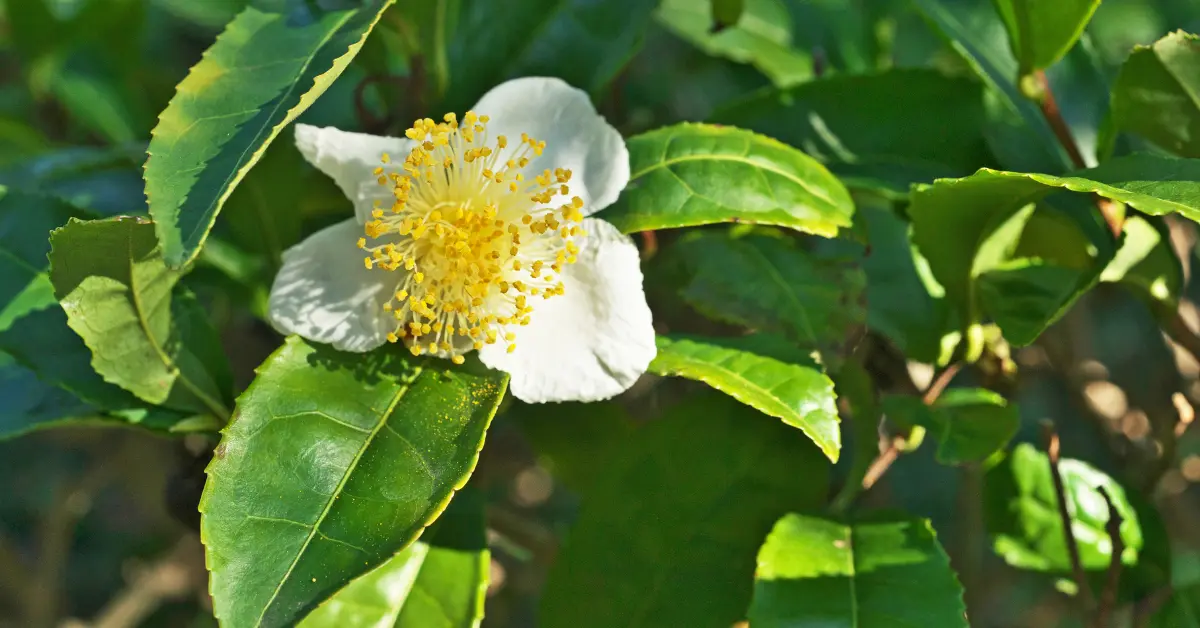
Growing Camellia Sinensis (Tea Plants) in Containers: A Complete Guide for Beginners
If you’ve ever wanted to sip a steaming, homegrown cup of fresh green, black, or [...]
Aug
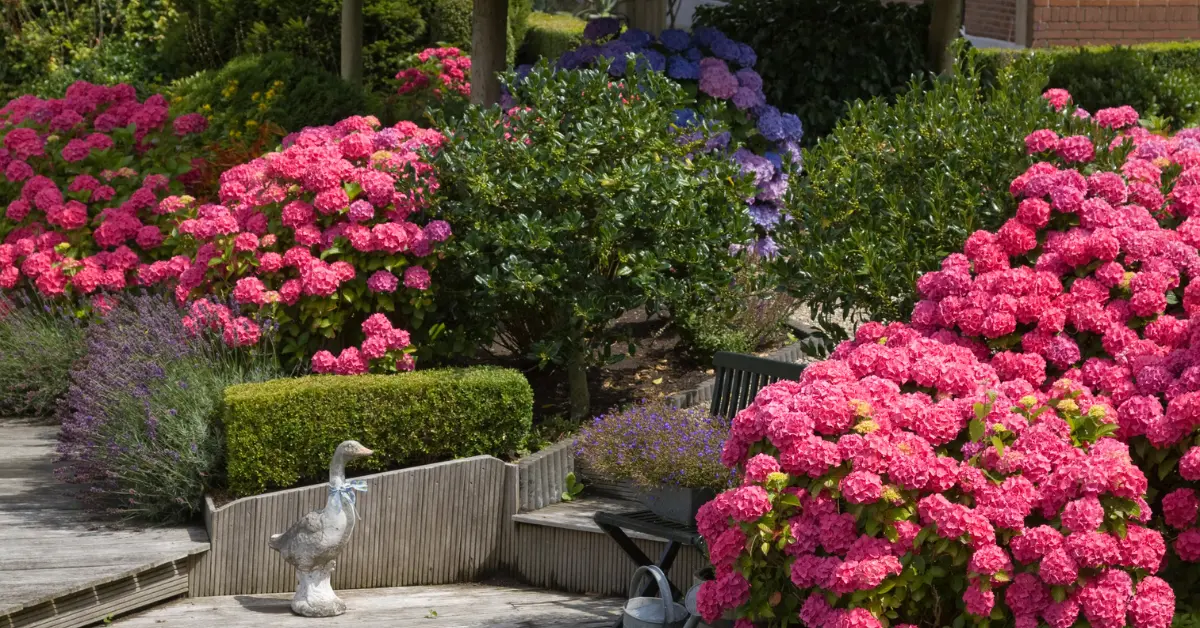
6 Best Shrubs to Plant in August You Must Try
Have you ever walked through a nursery late in the summer, admired the vibrant shrubs [...]
Aug

Growing Everbearing Strawberries in Containers: A Complete Guide for Beginners
Want to grow sweet, fresh strawberries but do not have a large garden? Everbearing strawberries [...]
Aug
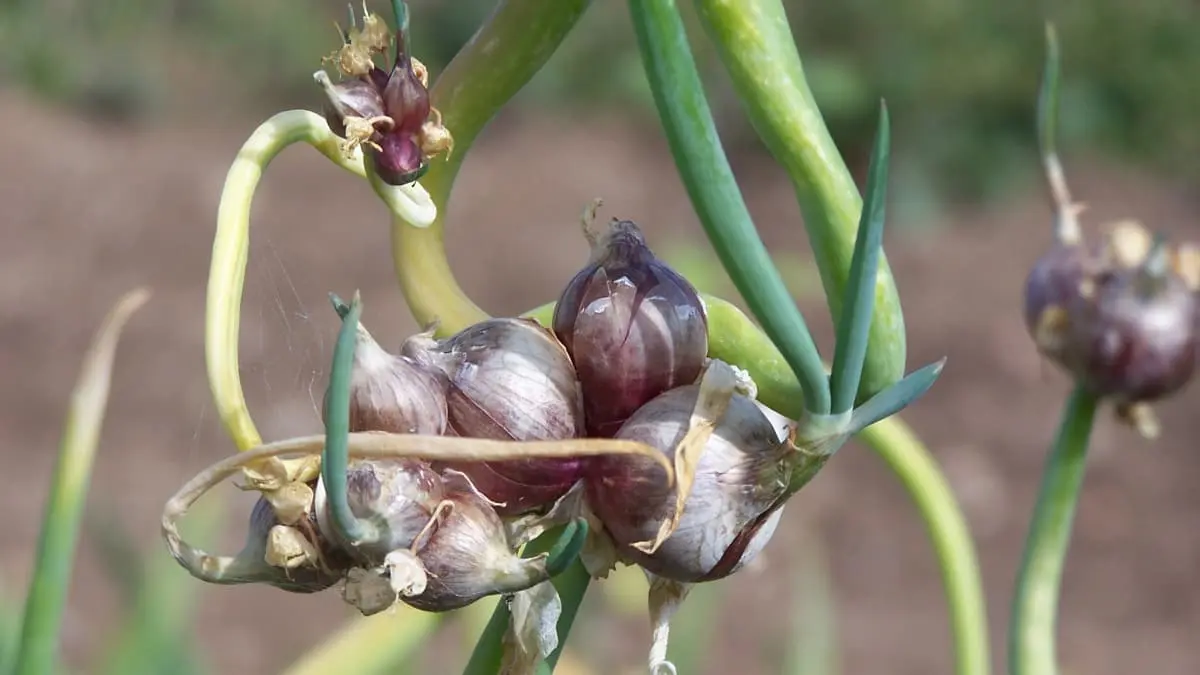
Growing Egyptian Walking Onions in Containers: A Complete Guide for Beginners
If you’re looking for a hardy, no-fuss perennial onion that keeps on giving year after [...]
Jul
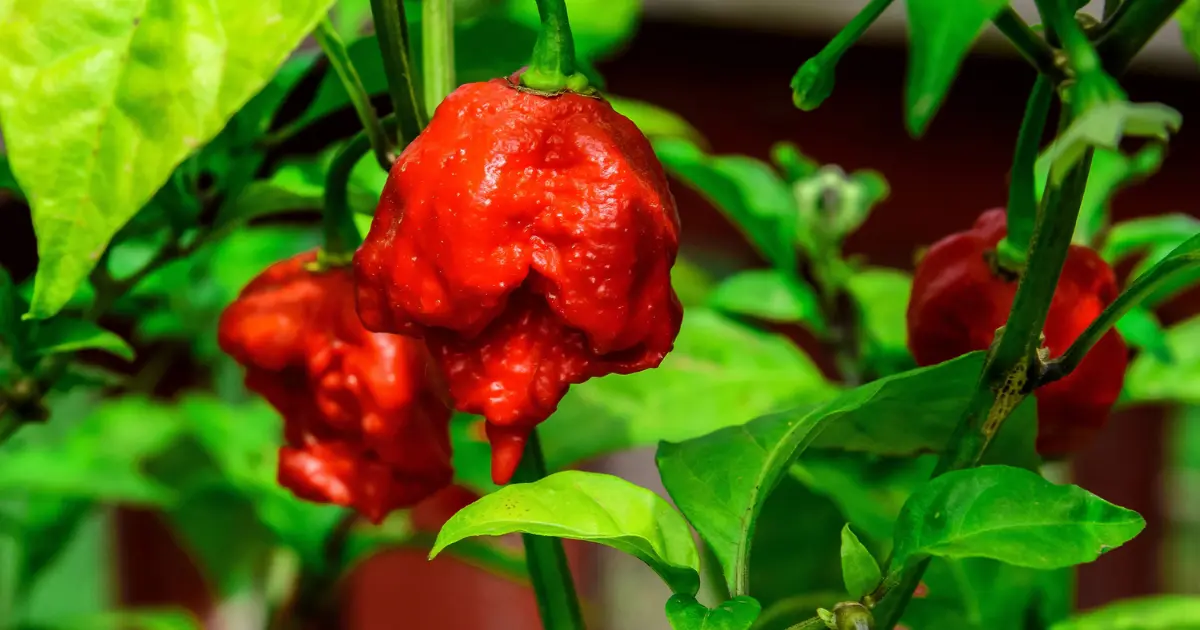
Growing Carolina Reaper Peppers in Pots: A Complete Guide for Beginners
If you’ve ever wanted to add some serious, record-breaking heat to your home cooking, you’ve [...]
May
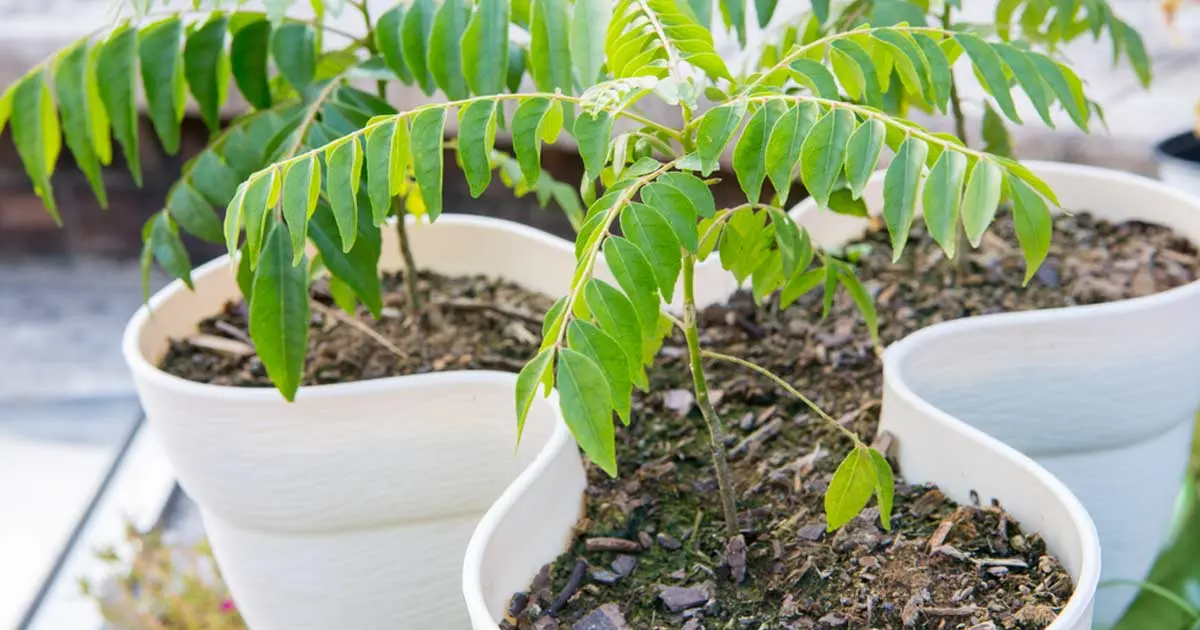
Growing Curry Leaf Plant in Pots: A Complete Guide for Beginners
If you’re a fan of authentic South Asian cuisine, you already know that nothing compares [...]
May

5 Tips for Growing Carolina Reaper Peppers to Get the Spiciest Harvest Ever
Holding the record for one of the world’s hottest peppers, the Reaper isn’t just a [...]
May
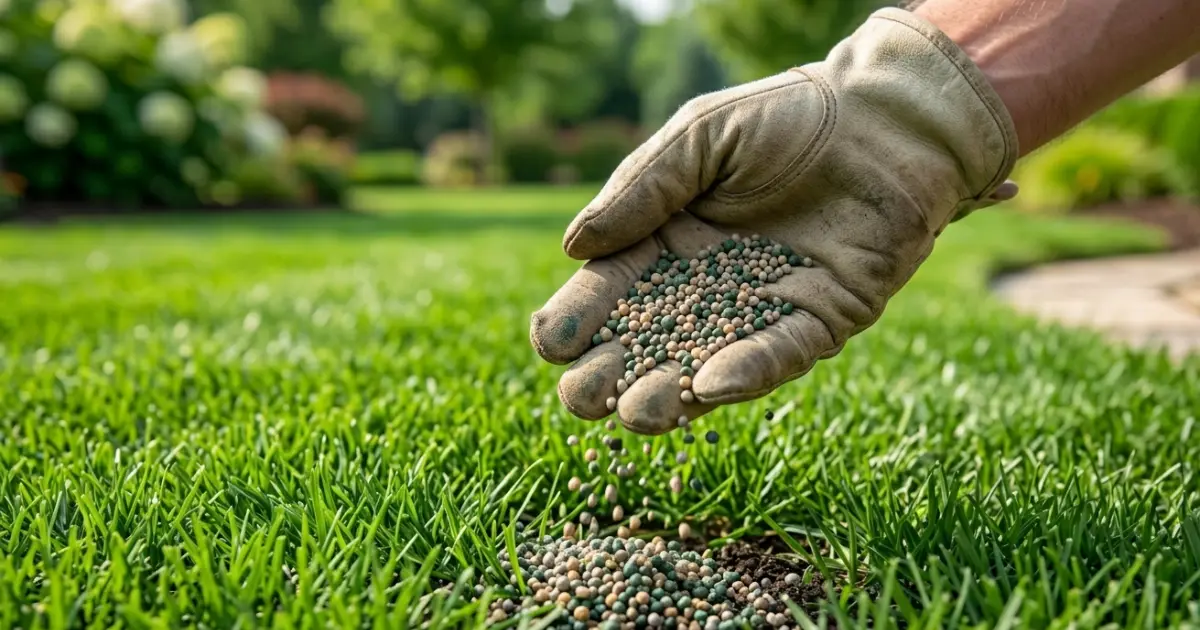
Best Fertilizers for Zoysia Grass in 2026: Get a Lush Lawn
As we enter the new year, the time has come to think about how we [...]
Apr

Reviews
There are no reviews yet.