
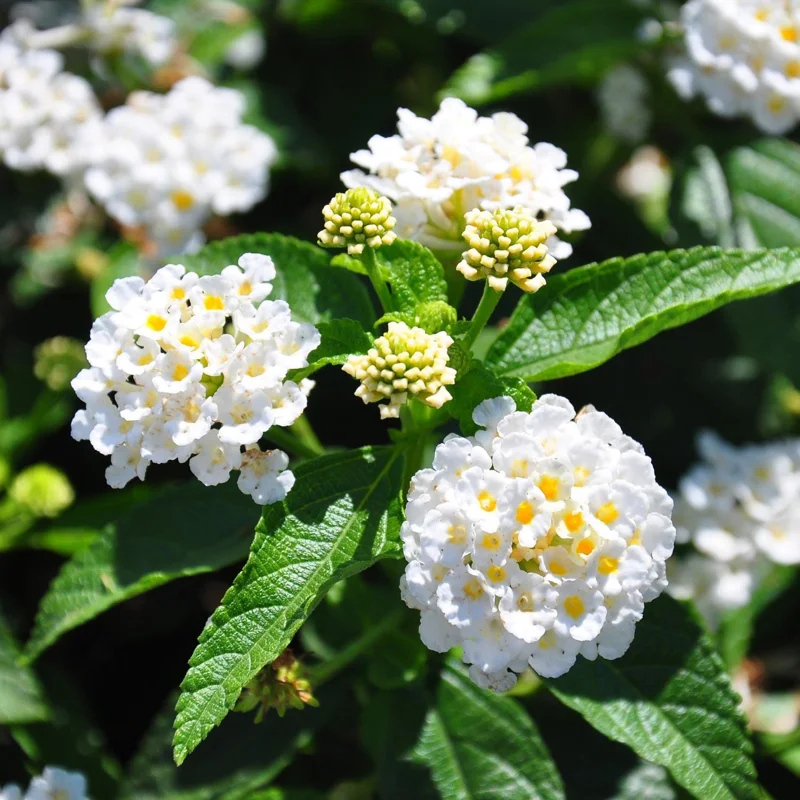
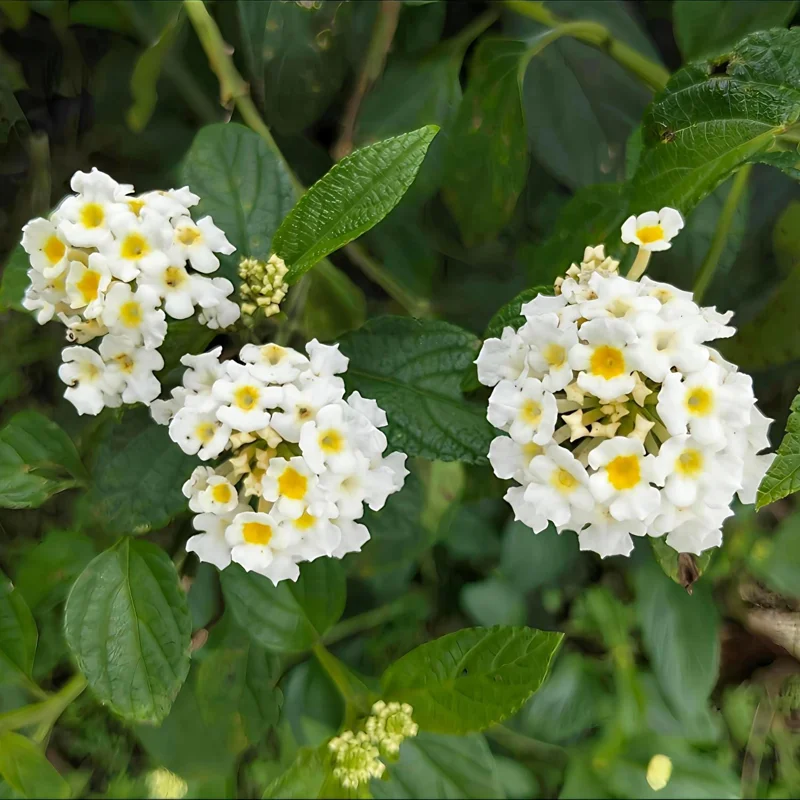
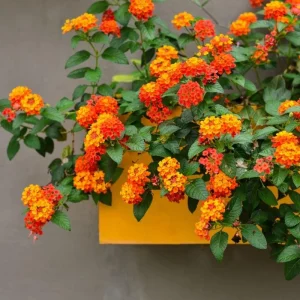
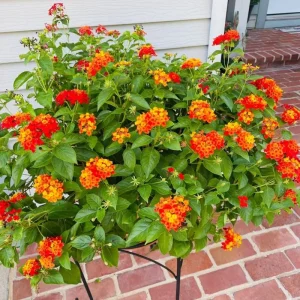
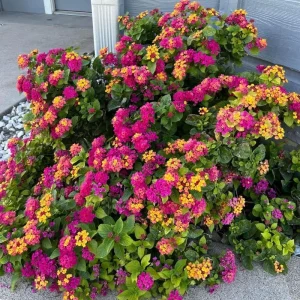
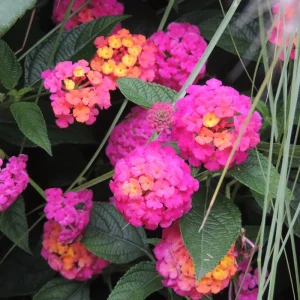
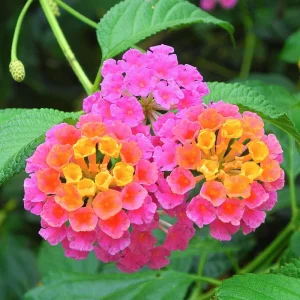
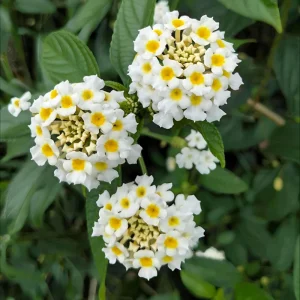
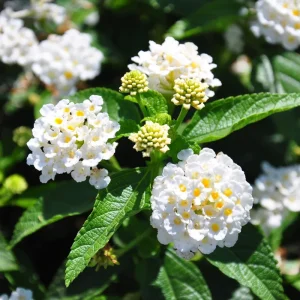
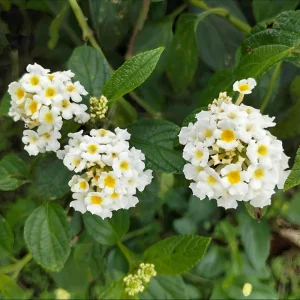
Lantana Live Plant – 4 Inch Pot – Colorful Flowers for Garden & Containers
Original price was: $51.91.$21.91Current price is: $21.91.
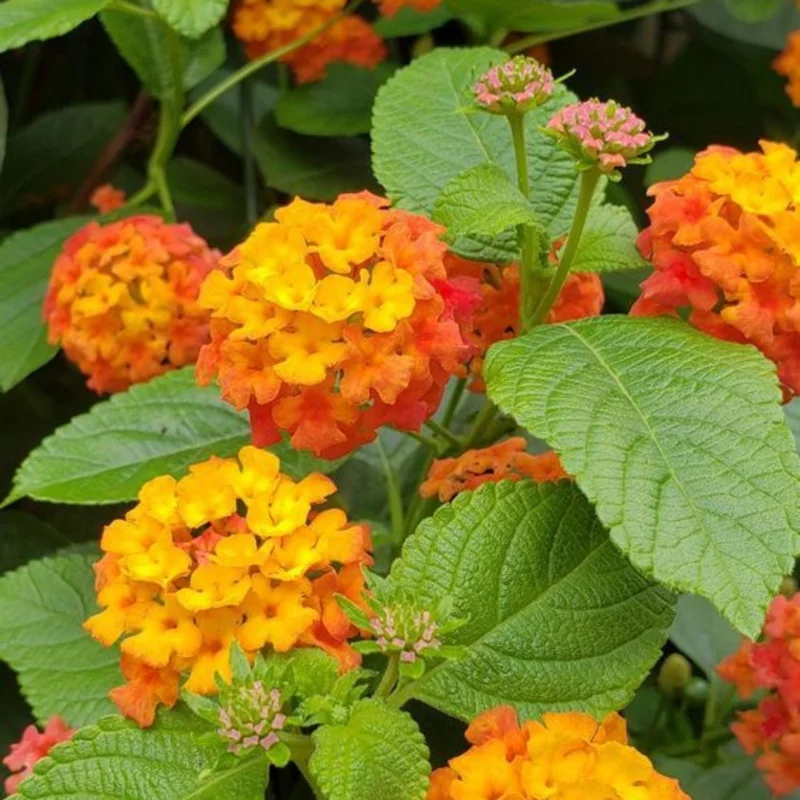
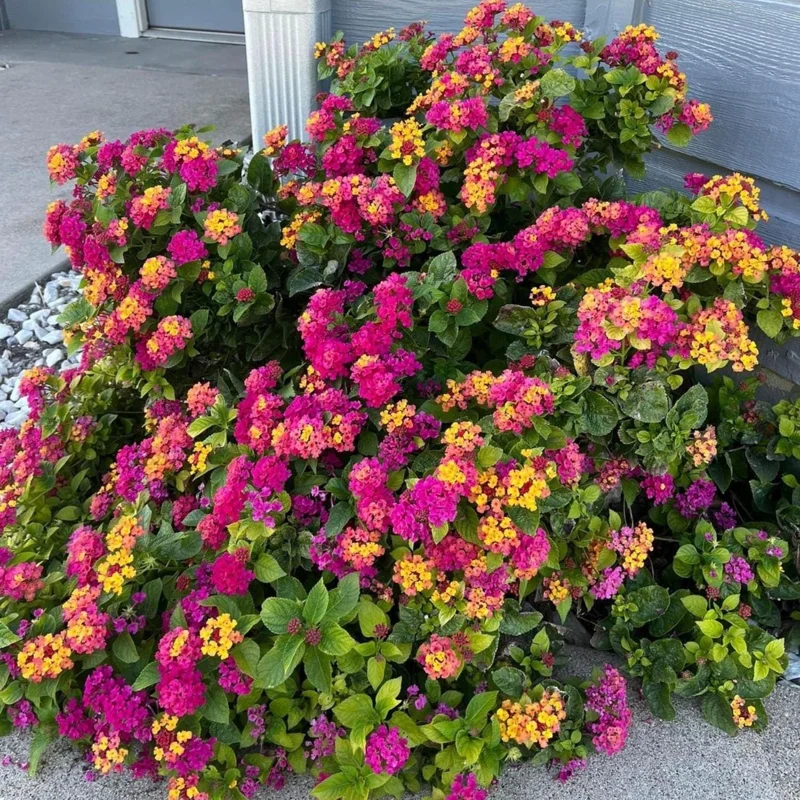
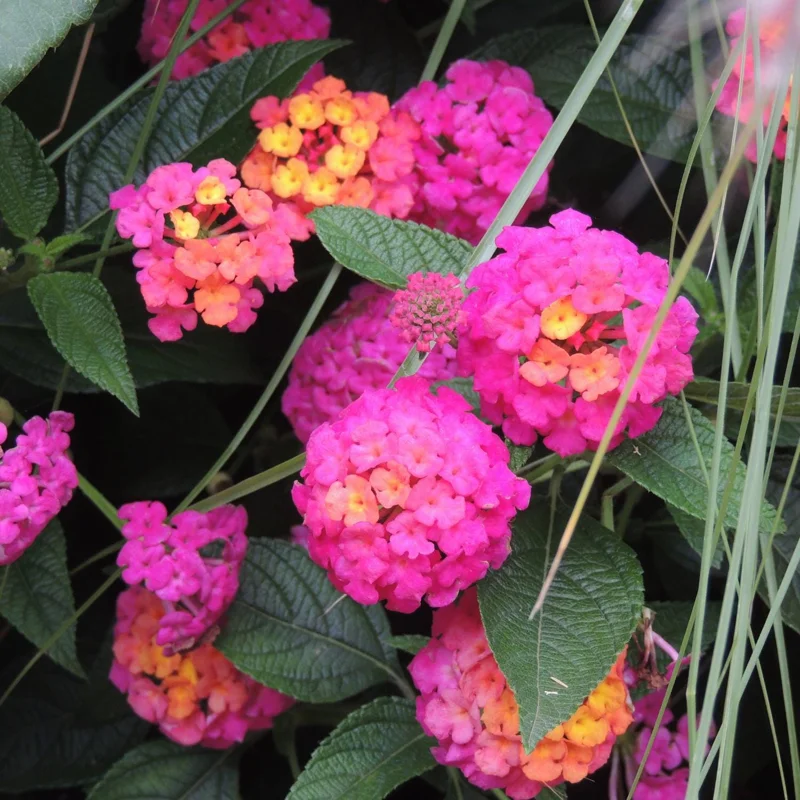
Bring vibrant color to your garden with this Lantana live plant in a 4-inch pot. Known for its continuous, colorful blooms, this plant is perfect for both containers and garden beds. It’s an excellent choice for sunny spots due to its heat and drought tolerance, making it a low-maintenance beauty for any landscape.
Estimated arrival
Sep 15
Sep 20 - Sep 22
Sep 25 - Sep 29

Reasonable Price
We offer reasonable price

Support 24/7
Contact us 24 hrs a day

100% Money Back
You've 30 days to Return

Payment Secure
100% secure payment
Overview
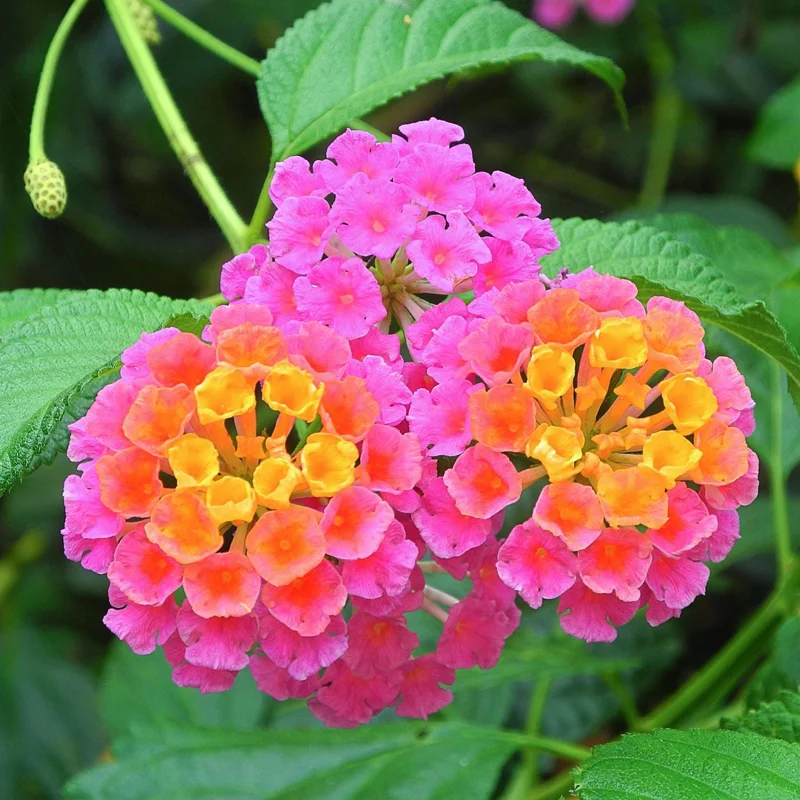
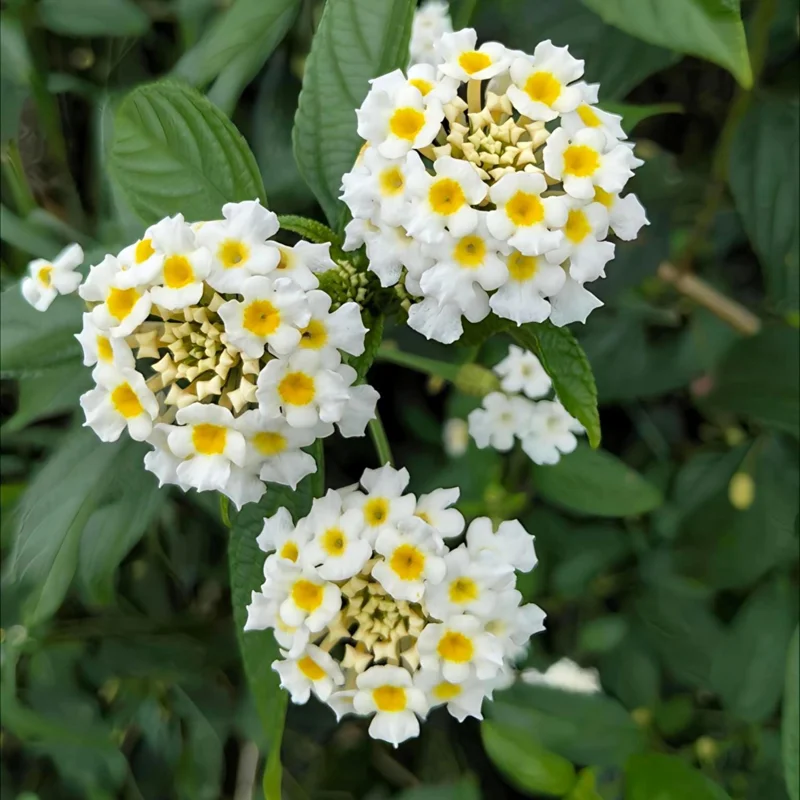
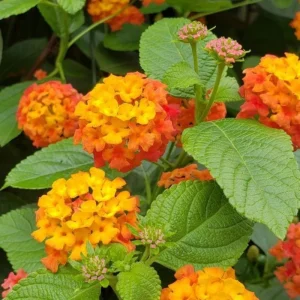
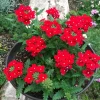
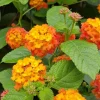
Introduce a burst of continuous color and charm to your outdoor space with our stunning Lantana live plant. This beautiful flowering plant, provided in a healthy 4-inch pot, is ready to thrive and transform your garden or patio. Lantana, scientifically known as Lantana camara, is celebrated for its clusters of vibrant, multi-colored flowers that bloom prolifically from spring through fall, offering a dynamic display of hues. Known for its resilience and vigor, the Lantana live plant is an ideal choice for gardeners seeking both beauty and ease of care. Its ability to attract pollinators like butterflies and hummingbirds makes it a lively addition to any garden, enhancing biodiversity and natural appeal. Whether you’re an experienced green thumb or just starting out, this plant promises a rewarding growing experience with minimal fuss.
Our Lantana live plant is a versatile perennial in warmer climates (USDA Zones 8-11) and can be enjoyed as a vibrant annual elsewhere. It adapts well to various settings, from sunny garden beds to decorative containers and hanging baskets. The robust nature of this plant means it can withstand challenging conditions, such as intense heat and periods of drought once established, making it a sustainable and practical choice for many landscapes. Its bushy, spreading growth habit ensures a full and lush appearance, providing ample coverage and a spectacular floral show throughout the growing season. Embrace the beauty and hardiness of Lantana for an effortlessly colorful garden.
Key Benefits
Choosing a Lantana live plant for your outdoor space offers numerous advantages, from its aesthetic appeal to its beneficial environmental impact. Here are some of the key benefits you can expect:
- Continuous, Vibrant Blooms: Enjoy an extended season of breathtaking color with clusters of flowers that bloom continuously throughout the warm months. The ever-changing hues add dynamic visual interest to your garden.
- Heat & Drought Tolerant: Perfectly suited for hot climates and summer gardens, this plant thrives in full sun and requires less water once established, making it a low-maintenance superstar. It’s an excellent choice for water-wise landscaping.
- Attracts Pollinators: The bright, nectar-rich flowers are a magnet for butterflies, hummingbirds, and other beneficial pollinators, helping to support local ecosystems and bring your garden to life.
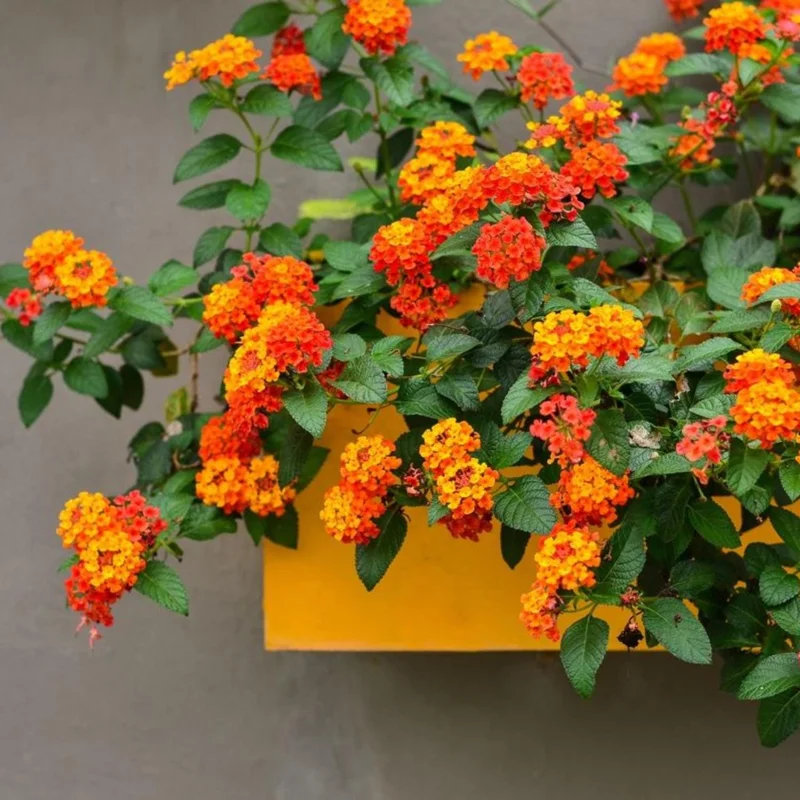
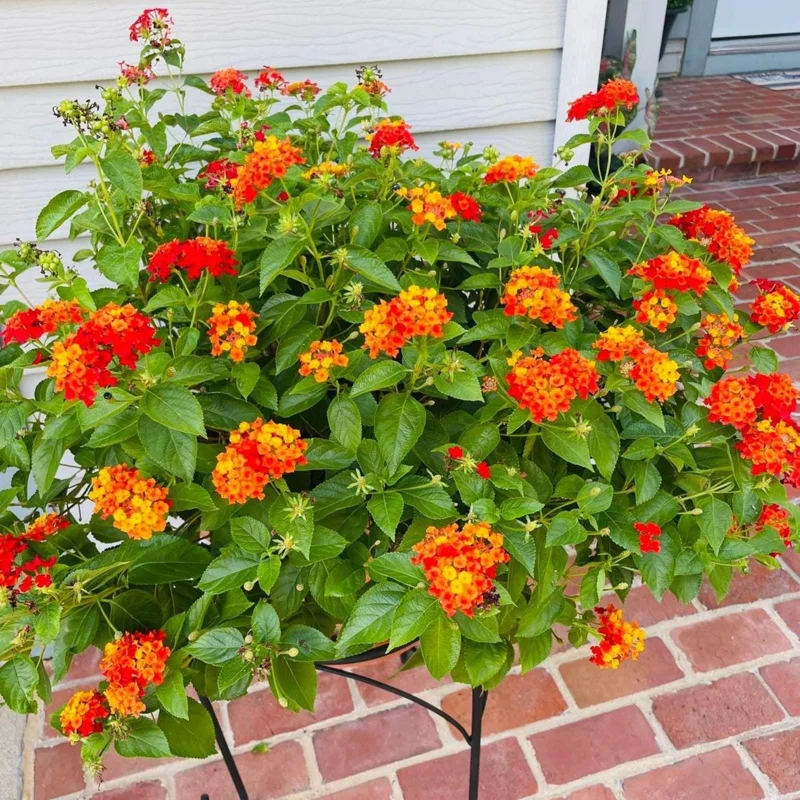
- Versatile Landscaping: Ideal for a variety of uses, including garden beds, borders, rock gardens, containers, and hanging baskets. Its bushy, spreading habit fills spaces beautifully.
- Low Maintenance: Requires minimal care, making it perfect for busy gardeners. Occasional pruning helps encourage fuller growth and an even more spectacular display of colorful lantana flowers.
- Deer Resistant: Lantana is generally unappealing to deer, offering a beautiful flowering option for areas where deer browsing is a concern.
- Enhances Curb Appeal: The profusion of bright colors significantly boosts the aesthetic appeal of your home and garden, creating a welcoming and cheerful atmosphere.
Plant Care & Growing Tips
Caring for your Lantana live plant is straightforward, thanks to its resilient nature. To ensure your plant flourishes and produces abundant colorful lantana flowers, follow these simple guidelines. Lantana thrives in full sun, meaning it needs at least 6-8 hours of direct sunlight per day. Choose a location in your garden or on your patio that receives ample sunshine. Inadequate light can lead to sparse flowering and leggy growth, so prioritize a sunny spot for the best results.
When it comes to watering, the Lantana live plant prefers moderate moisture. Water regularly after planting to help it establish, ensuring the soil is consistently moist but not waterlogged. Once established, Lantana becomes quite drought-tolerant, requiring less frequent watering. Allow the top inch or two of soil to dry out between waterings. Overwatering can lead to root rot, so good drainage is crucial. Plant your Lantana in well-draining soil, ideally a sandy loam, that allows excess water to escape easily. While it’s not overly particular about soil pH, a slightly acidic to neutral range (6.0-7.0) is generally preferred. For optimal growth and continuous blooms, consider feeding your lantana for containers or garden beds with a balanced, slow-release fertilizer once or twice during the growing season, especially if your soil is poor.
Maintaining your Lantana involves occasional pruning to encourage a bushier habit and more prolific flowering. Deadhead spent blooms regularly to promote new flower production. In warmer climates where it’s a perennial (USDA Zones 8-11), you can prune it back more significantly in late winter or early spring before new growth begins. In colder zones where it’s grown as an annual, no extensive pruning is needed beyond shaping. Watch out for common pests like whiteflies or spider mites, especially in dry conditions. Addressing these issues promptly with appropriate organic or chemical controls will help maintain the plant’s health. Understanding proper lantana plant care ensures a vibrant display year after year.
Size & Details
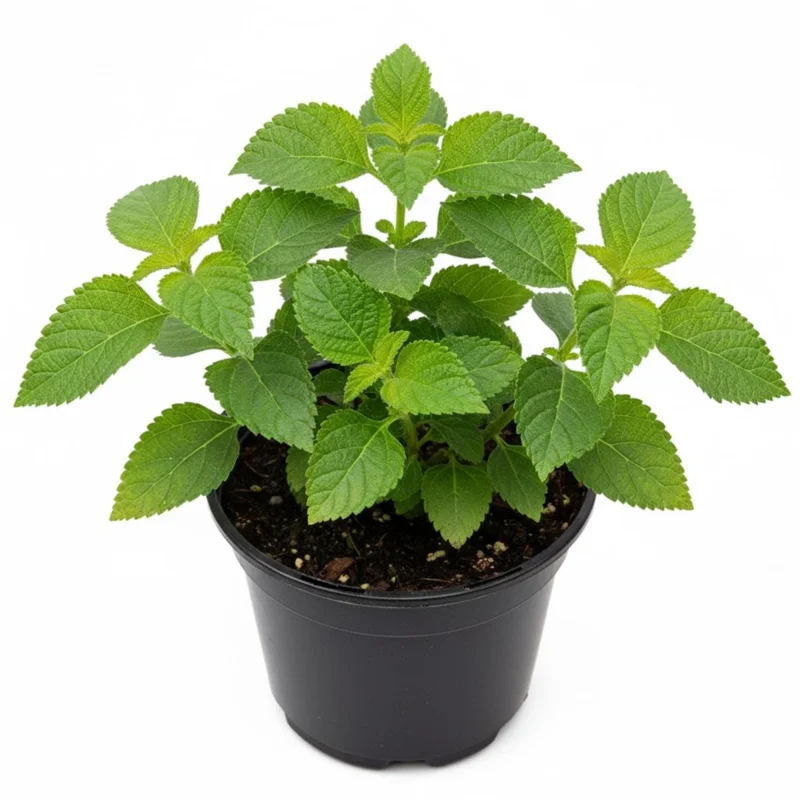
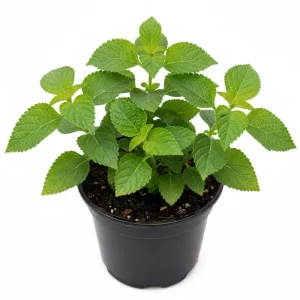
This offering includes a healthy Lantana live plant, delivered ready to plant in a 4-inch nursery pot. The plant size will vary by season, but it will be a well-rooted starter plant poised for vigorous growth. Upon maturity, the Lantana typically reaches a height of 12–36 inches and spreads 18–36 inches wide, forming an attractive, bushy, and spreading growth habit. Its mature size makes it suitable for various landscape applications, from groundcover to container specimen. The plant’s robust root system ensures a smooth transition to your garden or larger pots, allowing it to establish quickly and begin producing its signature colorful lantana flowers.
As a perennial in USDA Hardiness Zones 8–11, this Lantana live plant will return year after year, providing continuous beauty. In cooler zones, it performs as a vibrant annual, offering a season-long display of blooms. Its compact yet spreading nature makes it an excellent choice for filling garden spaces or creating dynamic container arrangements. Expect consistent flowering throughout the warm season, bringing cheerful hues to your outdoor areas. The plant’s adaptability and relatively fast growth rate mean you won’t have to wait long to enjoy its full splendor.
Frequently Asked Questions
- Q: How big does this Lantana plant get? A: This Lantana live plant typically matures to a height of 12–36 inches and spreads 18–36 inches wide, developing a bushy, spreading habit. Its final size can be influenced by growing conditions and pruning.
- Q: What size pot does it come in? A: The Lantana live plant is shipped in a 4-inch nursery pot, providing a healthy start for your garden or container planting.
- Q: Is this an indoor or outdoor plant? A: Lantana is primarily an outdoor plant, thriving in full sun. While it can be briefly brought indoors in very cold climates, it generally prefers outdoor conditions for optimal growth and flowering.
- Q: How much sunlight does it need? A: For the best display of colorful lantana flowers, this plant requires full sun, meaning at least 6-8 hours of direct sunlight daily.
- Q: Is this plant easy to care for? A: Yes, Lantana is known for its low maintenance requirements. It’s heat and drought tolerant once established, making lantana plant care relatively simple for gardeners of all experience levels.
- Q: What condition will it arrive in? A: Your Lantana live plant will arrive well-rooted and carefully packaged, ready for planting. We take great care to ensure it reaches you in excellent condition.
- Q: How long until it blooms? A: Lantana plants typically bloom continuously throughout the warm season. Depending on when you receive it, it may already have buds or flowers, or it will begin blooming shortly after planting as it settles into its new environment.
- Q: When is the best time to plant Lantana? A: The best time to plant Lantana is in spring after all danger of frost has passed, allowing it ample time to establish before the peak summer heat.
- Q: Will it survive winter in my zone? A: Lantana is perennial in USDA Hardiness Zones 8–11. In cooler zones, it is typically grown as an annual. If you are in zones colder than 8, it will likely not survive winter outdoors.
- Q: What type of soil does Lantana prefer? A: This Lantana live plant prefers well-draining soil. While not overly particular, a sandy loam is ideal. Good drainage is crucial to prevent root issues.
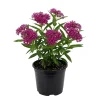
| Primary color | Pink |
|---|
Be the first to review “Lantana Live Plant – 4 Inch Pot – Colorful Flowers for Garden & Containers”
-
USDA Hardiness Zone
USDA Zones 8–11 (annual in cooler zones) -
Soil Type
Well-draining soil -
Sunlight Exposure
Full sun -
Expected Planting Period
Spring to early summer
People Also Viewd


Sold 134 products
Original price was: $3,536.00.$23.99Current price is: $23.99.

Sold 131 products
Original price was: $27.00.$24.00Current price is: $24.00.

Sold 130 products
Original price was: $89.99.$64.99Current price is: $64.99.

Sold 125 products
Original price was: $86.99.$66.99Current price is: $66.99.

Flower Bulbs
3 Cranesbill Wild Geranium Organic Maculatums Bare Roots | Wildflower for Outdoor Garden
Sold 116 products
Original price was: $21.99.$9.99Current price is: $9.99.

Sold 114 products
Original price was: $28.99.$17.99Current price is: $17.99.
Sold 110 products
Original price was: $63.99.$28.99Current price is: $28.99.
Sold 108 products
Original price was: $28.99.$17.99Current price is: $17.99.RELATED posts
Growing Camellia Sinensis (Tea Plants) in Containers: A Complete Guide for Beginners
If you’ve ever wanted to sip a steaming, homegrown cup of fresh green, black, or [...]
Aug
6 Best Shrubs to Plant in August You Must Try
Have you ever walked through a nursery late in the summer, admired the vibrant shrubs [...]
Aug
Growing Everbearing Strawberries in Containers: A Complete Guide for Beginners
Want to grow sweet, fresh strawberries but do not have a large garden? Everbearing strawberries [...]
Aug
Growing Egyptian Walking Onions in Containers: A Complete Guide for Beginners
If you’re looking for a hardy, no-fuss perennial onion that keeps on giving year after [...]
Jul
Growing Carolina Reaper Peppers in Pots: A Complete Guide for Beginners
If you’ve ever wanted to add some serious, record-breaking heat to your home cooking, you’ve [...]
May
Growing Curry Leaf Plant in Pots: A Complete Guide for Beginners
If you’re a fan of authentic South Asian cuisine, you already know that nothing compares [...]
May
5 Tips for Growing Carolina Reaper Peppers to Get the Spiciest Harvest Ever
Holding the record for one of the world’s hottest peppers, the Reaper isn’t just a [...]
May
Best Fertilizers for Zoysia Grass in 2026: Get a Lush Lawn
As we enter the new year, the time has come to think about how we [...]
Apr
Reviews
There are no reviews yet.