
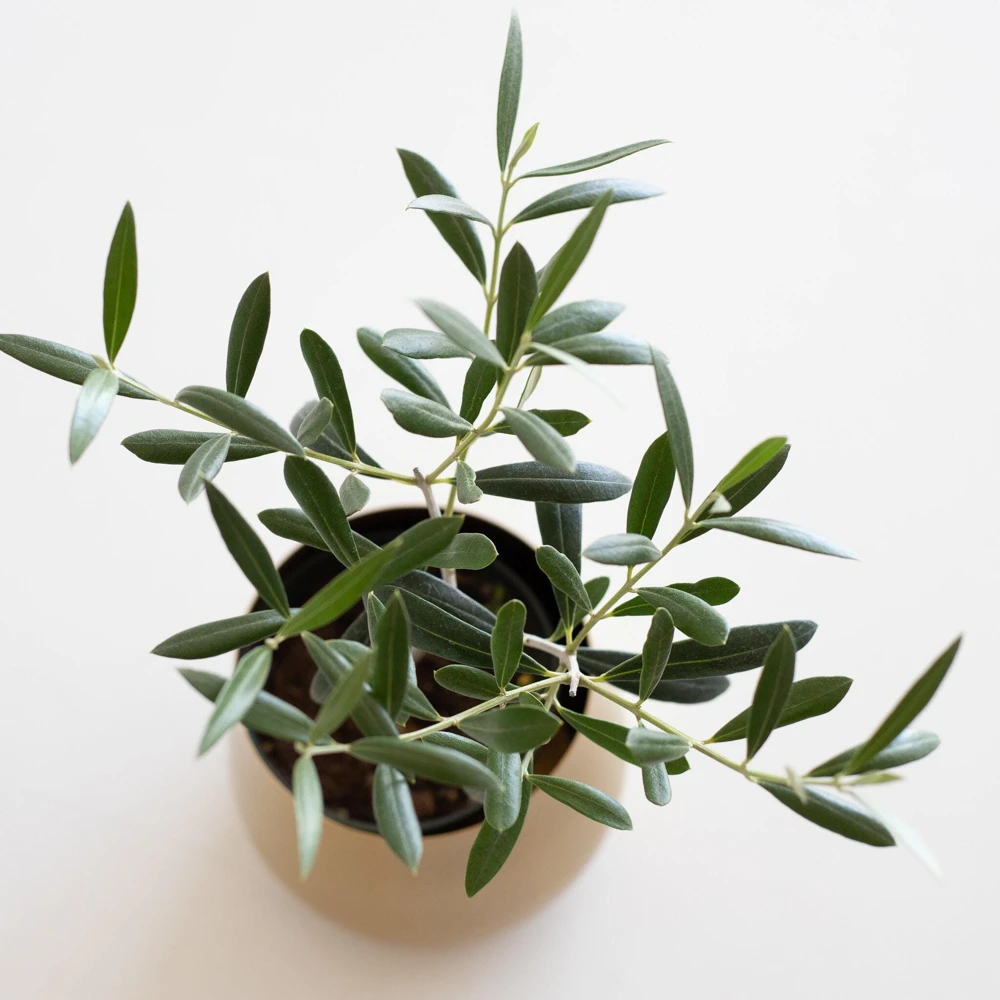
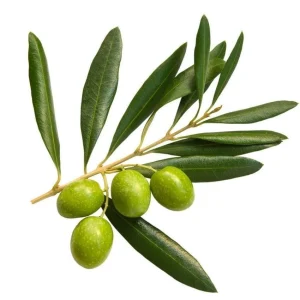
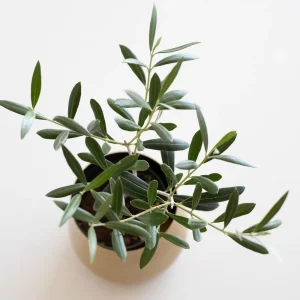
Olive Tree Live Plant – Olea Europaea Tropical Aceituna, 10-18 inches, Outdoor
Original price was: $143.60.$93.60Current price is: $93.60.
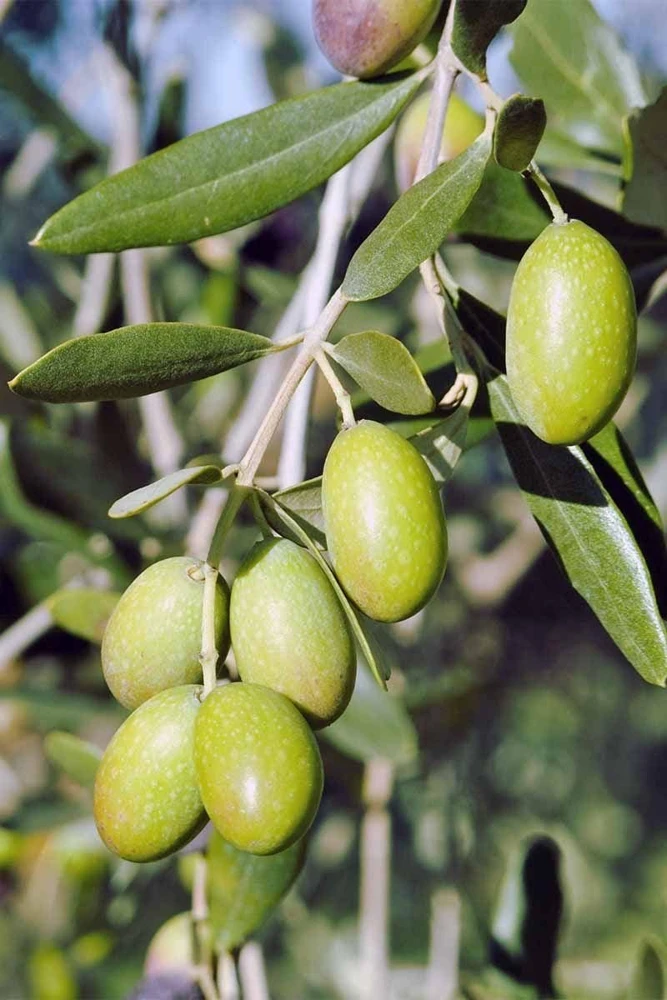
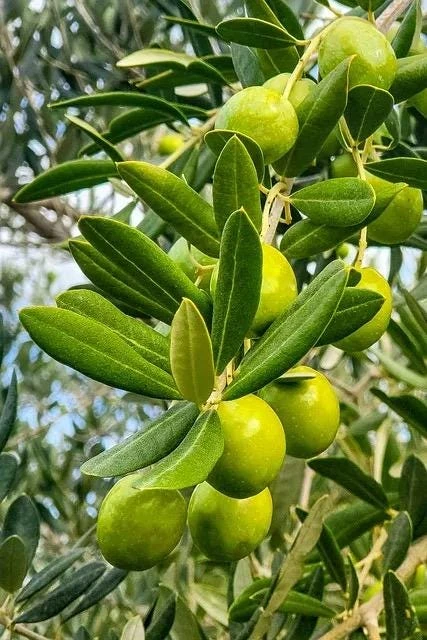
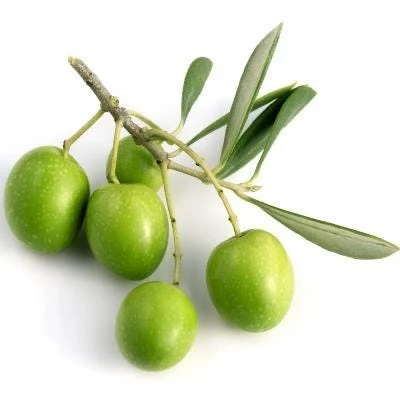
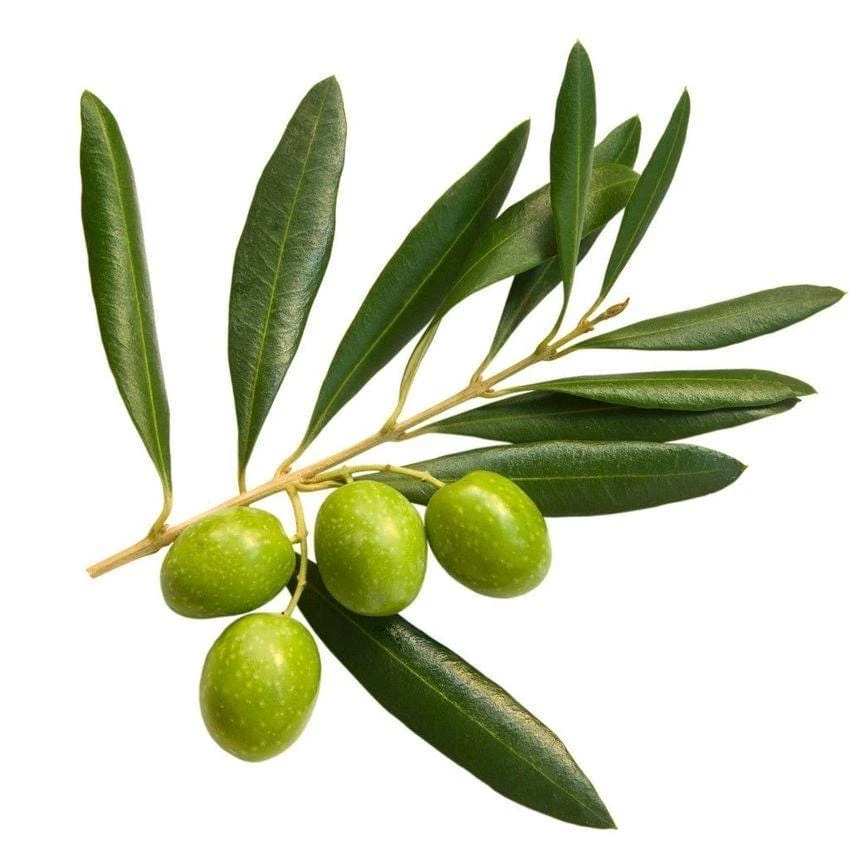
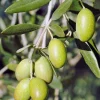
Bring the Mediterranean to your home with this beautiful olive tree live plant (Olea europaea). Standing 10-18 inches tall, this tropical aceituna variety is ideal for outdoor gardens, patios, or large containers, offering both ornamental beauty and the potential for delicious fruit.
Estimated arrival
Sep 14
Sep 19 - Sep 21
Sep 24 - Sep 28

Reasonable Price
We offer reasonable price

Support 24/7
Contact us 24 hrs a day

100% Money Back
You've 30 days to Return

Payment Secure
100% secure payment
Overview
Cultivate a piece of the Mediterranean with our exquisite olive tree live plant. This Olea europaea variety, often referred to as a tropical aceituna, arrives at a healthy 10-18 inches in height, ready to thrive in your garden or a spacious container. Known for its silvery-green foliage and elegant form, the olive tree is a symbol of peace and longevity. While primarily valued for its ornamental appeal in many regions, this plant has the potential to produce the beloved olive fruit, a staple in Mediterranean cuisine and the source of high-quality olive oil. Whether you’re an experienced gardener or just starting, growing an Olea europaea plant offers a rewarding and beautiful addition to your outdoor space.
The olive tree is remarkably resilient and adaptable, making it a popular choice for various climates. Our tropical olive tree is specifically suited for warmer environments, bringing a touch of exotic charm. Its slow growth rate and manageable size make it suitable for a range of landscape designs, from formal gardens to casual patio settings. Enjoy the timeless beauty and potential bounty of this iconic tree.
Key Benefits
Adding an olive tree live plant to your home or garden offers numerous advantages, blending aesthetic appeal with practical benefits. This versatile plant is more than just a beautiful specimen; it’s a living piece of history and a potential source of culinary delight.
- Ornamental Beauty: The distinctive silvery-green leaves and gnarled trunk of the olive tree provide year-round visual interest and a sophisticated, classic aesthetic to any outdoor space. It creates a serene and elegant atmosphere.
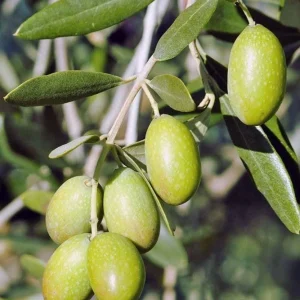
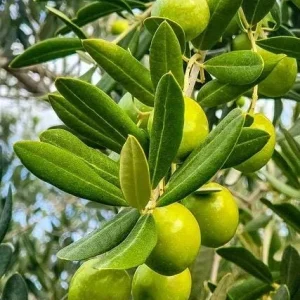
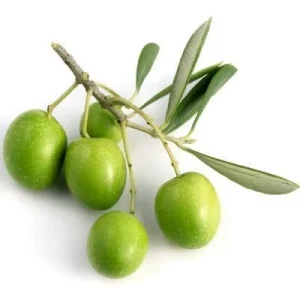
- Potential for Fruit: With proper care and favorable conditions, this tropical aceituna variety can produce its own olives, allowing you to harvest fresh fruit for culinary use or even for making your own olive oil. Enjoy the satisfaction of home-grown produce.
- Drought Tolerance: Once established, growing olive tree plants are remarkably tolerant of dry conditions, making them an excellent choice for water-wise landscaping and regions with limited rainfall. This reduces the need for frequent watering.
- Low Maintenance: Olive trees are generally low-maintenance plants, requiring minimal pruning and care once they are established. This makes them a great option for gardeners seeking beauty without constant upkeep.
- Air Purification: Like many plants, the olive tree contributes to a healthier environment by absorbing carbon dioxide and releasing oxygen, improving air quality around your home.
- Cultural Significance: The olive tree holds deep cultural and historical significance, often associated with peace, prosperity, and longevity. Having one in your garden connects you to this rich heritage.
- Versatile Landscaping: Suitable for planting directly in the ground or growing in large containers, the aceituna plant can be a focal point, part of a Mediterranean-themed garden, or an attractive patio accent.
Plant Care & Growing Tips
Caring for your olive tree live plant is a rewarding experience, leading to a beautiful and potentially fruitful addition to your landscape. Olive trees thrive in conditions that mimic their native Mediterranean environment.
Sunlight Requirements: Olive trees absolutely love sunlight. They require at least 6-8 hours of direct full sun per day to flourish and produce fruit. Position your tree in the brightest spot in your garden or on your patio. While they can tolerate some partial shade, fruit production will be significantly reduced. For indoor growing, a south-facing window with ample direct light is crucial, or supplement with grow lights.
Watering Schedule and Soil Moisture: When first planted, water your olive tree regularly to establish a strong root system, typically 2-3 times a week. Once established, olive trees are very drought-tolerant and prefer their soil to dry out between waterings. Overwatering is a common cause of issues; ensure the soil is dry to the touch several inches down before watering again. Reduce watering significantly during cooler months. Proper watering is key for a healthy tropical olive tree.
Soil Type and Drainage: Excellent drainage is paramount for olive trees. They prefer well-draining, sandy or rocky soil. If planting in a container, use a high-quality potting mix designed for cacti or succulents, or amend a standard potting mix with perlite or sand to improve drainage. Heavy, clay-rich soils that retain too much moisture can lead to root rot. The pH preference is slightly alkaline to neutral (pH 6.5-8.0).
Temperature Range and USDA Hardiness Zone: This Olea europaea plant is best suited for USDA Zones 8-10, though some varieties can tolerate Zone 7 with protection. They prefer warm temperatures and can withstand heat. While mature trees can tolerate brief dips below freezing, young trees are more sensitive and should be protected from frost. If grown in a container in colder zones, bring the plant indoors during winter.
Fertilization Schedule and Type: Fertilize your olive tree sparingly, especially if it’s young. A balanced, slow-release fertilizer (e.g., 10-10-10) can be applied in early spring as new growth begins. For established trees, a nitrogen-rich fertilizer can encourage foliage growth, while a fertilizer with higher phosphorus and potassium can aid in fruit production. Avoid over-fertilizing, which can burn the roots.
Common Problems and Solutions: Olive trees are generally robust but can encounter issues. Yellowing leaves often indicate overwatering or nutrient deficiency. Pests like scale insects or olive fruit flies can be managed with horticultural oil or appropriate organic pesticides. Ensure good air circulation to prevent fungal diseases. Pruning dead or diseased branches helps maintain plant health and shape, and is an important part of growing olive tree varieties.
Size & Details
This olive tree live plant is a young specimen, typically arriving between 10 to 18 inches in height, measured from the base of the pot to the top of the foliage. It is shipped as a well-rooted plant in its nursery container, ready for transplanting into a larger pot or directly into your garden. The growth rate of an aceituna plant is generally slow to moderate, allowing it to be easily managed in various settings. Expect it to gradually increase in size, developing its characteristic gnarled trunk and dense canopy over time. With optimal conditions, mature olive trees can reach heights of 20-30 feet, though container-grown plants will remain significantly smaller and can be pruned to maintain desired dimensions. The fruit, if produced, typically ripens in late summer to fall.
Frequently Asked Questions
- Q: How big does this plant get? A: This olive tree live plant arrives at 10-18 inches tall. If planted in the ground, it can eventually reach 20-30 feet, but in a container, its size will be much more manageable and can be controlled with pruning.
- Q: What size pot does it come in? A: The plant is shipped in a standard nursery pot, typically 4-6 inches in diameter, ensuring the roots are protected during transit and ready for transplanting.
- Q: Is this an indoor or outdoor plant? A: While young plants can be kept indoors temporarily in a very bright spot, the tropical olive tree thrives best outdoors in full sun. In colder climates, it can be overwintered indoors.
- Q: How much sunlight does it need? A: Olive trees require a minimum of 6-8 hours of direct sunlight per day to grow vigorously and potentially produce fruit. More sun is always better for this Mediterranean native.
- Q: Is this plant easy to care for? A: Yes, once established, olive trees are considered relatively low-maintenance and drought-tolerant. The most crucial aspects are ample sunlight and well-draining soil to prevent overwatering.
- Q: What condition will it arrive in? A: Your Olea europaea plant will arrive carefully packaged, healthy, and actively growing, with its root ball intact within its nursery pot, ready for its new home.
- Q: Can I use the olives from this tree for eating or oil? A: Yes, this variety has the potential to produce olives (aceitunas) suitable for eating or oil production, given proper care and environmental conditions. Curing is required before consumption.
- Q: How long until it produces fruit? A: Olive trees typically begin to bear fruit when they are 3-5 years old. This aceituna plant is young, so patience and consistent care are key for future harvests.
- Q: Will it survive winter in my zone? A: This tropical olive tree variety is generally hardy in USDA Zones 8-10. If you are in a colder zone, it’s recommended to grow it in a container and bring it indoors during the winter months to protect it from frost.
- Q: What type of soil is best for growing olive tree plants? A: Well-draining, sandy, or rocky soil is ideal. If using potting mix, ensure it’s formulated for good drainage, possibly with added perlite or sand.
Be the first to review “Olive Tree Live Plant – Olea Europaea Tropical Aceituna, 10-18 inches, Outdoor”
-
USDA Hardiness Zone
USDA Zones 8-10 -
Soil Type
Well-draining, sandy or rocky soil -
Sunlight Exposure
Full sun (6-8+ hours daily) -
Expected Planting Period
Spring to early summer (year-round indoors in bright light)
People Also Viewd


Sold 134 products
Original price was: $3,536.00.$23.99Current price is: $23.99.

Sold 131 products
Original price was: $27.00.$24.00Current price is: $24.00.

Sold 130 products
Original price was: $89.99.$64.99Current price is: $64.99.

Sold 125 products
Original price was: $86.99.$66.99Current price is: $66.99.

Flower Bulbs
3 Cranesbill Wild Geranium Organic Maculatums Bare Roots | Wildflower for Outdoor Garden
Sold 116 products
Original price was: $21.99.$9.99Current price is: $9.99.

Sold 114 products
Original price was: $28.99.$17.99Current price is: $17.99.
Sold 110 products
Original price was: $63.99.$28.99Current price is: $28.99.
Sold 108 products
Original price was: $28.99.$17.99Current price is: $17.99.RELATED posts
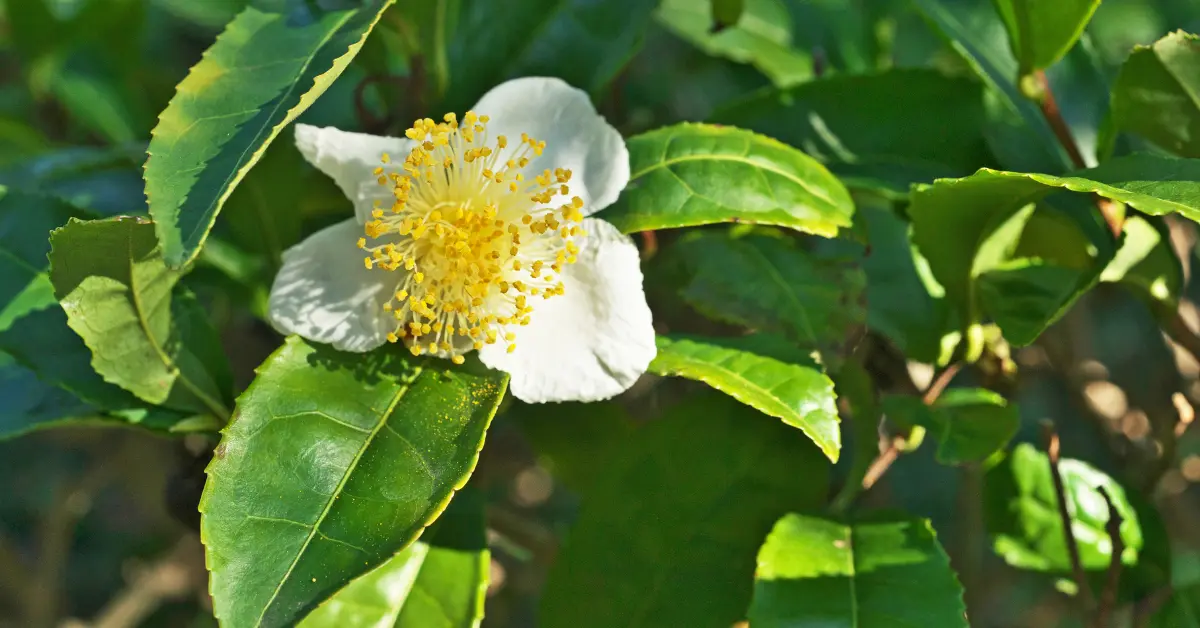
Growing Camellia Sinensis (Tea Plants) in Containers: A Complete Guide for Beginners
If you’ve ever wanted to sip a steaming, homegrown cup of fresh green, black, or [...]
Aug
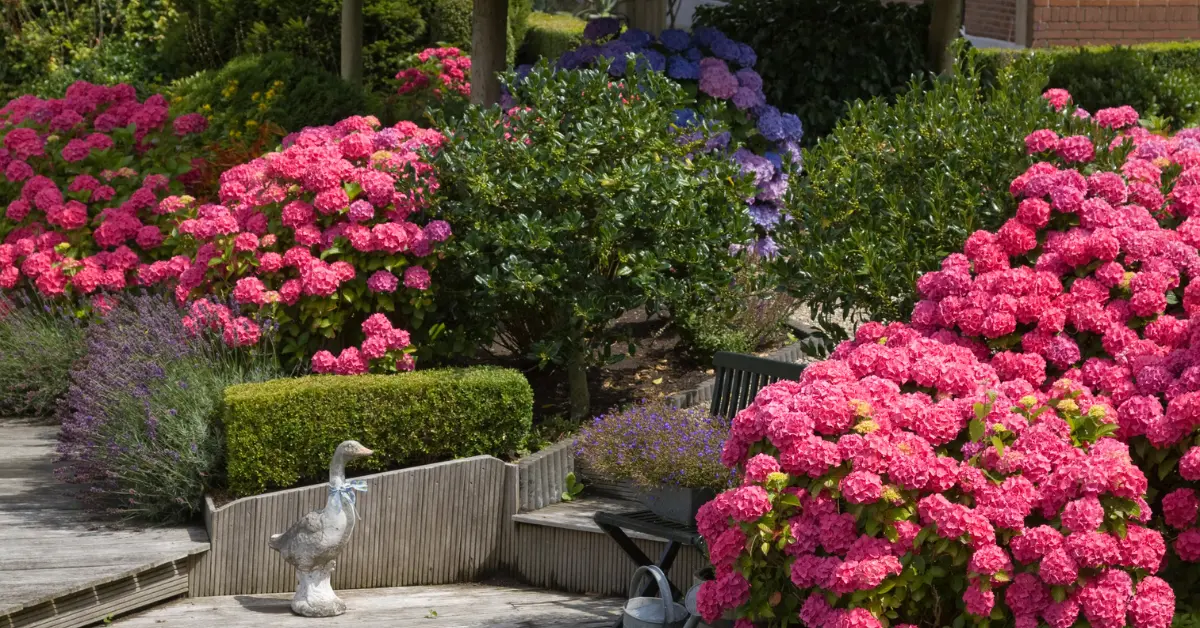
6 Best Shrubs to Plant in August You Must Try
Have you ever walked through a nursery late in the summer, admired the vibrant shrubs [...]
Aug
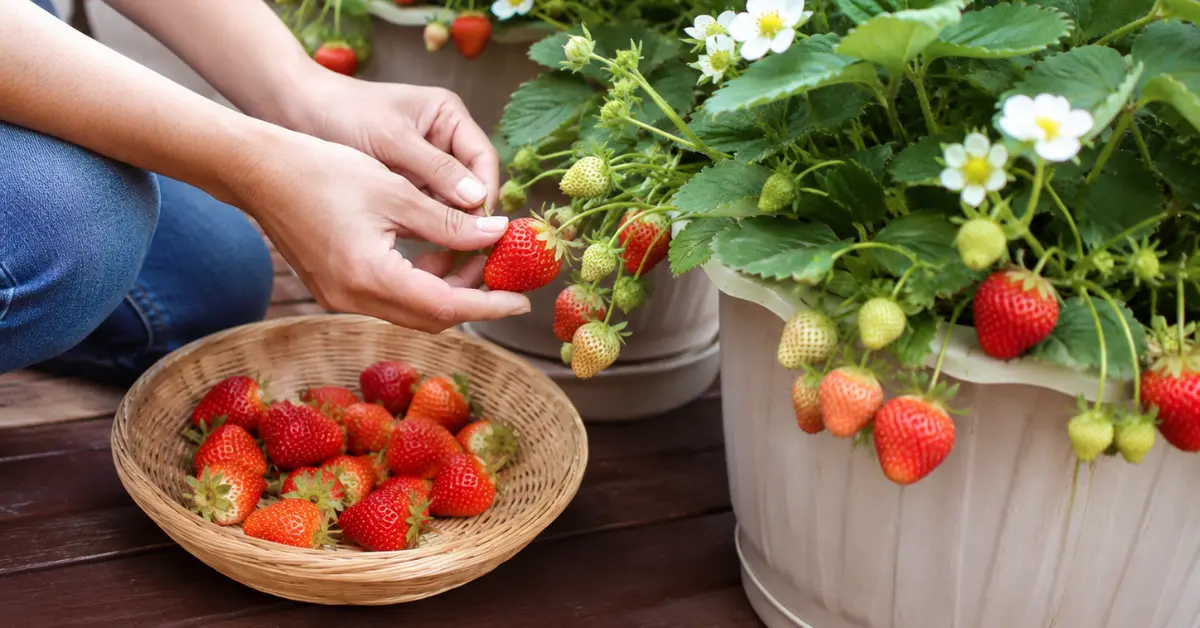
Growing Everbearing Strawberries in Containers: A Complete Guide for Beginners
Want to grow sweet, fresh strawberries but do not have a large garden? Everbearing strawberries [...]
Aug
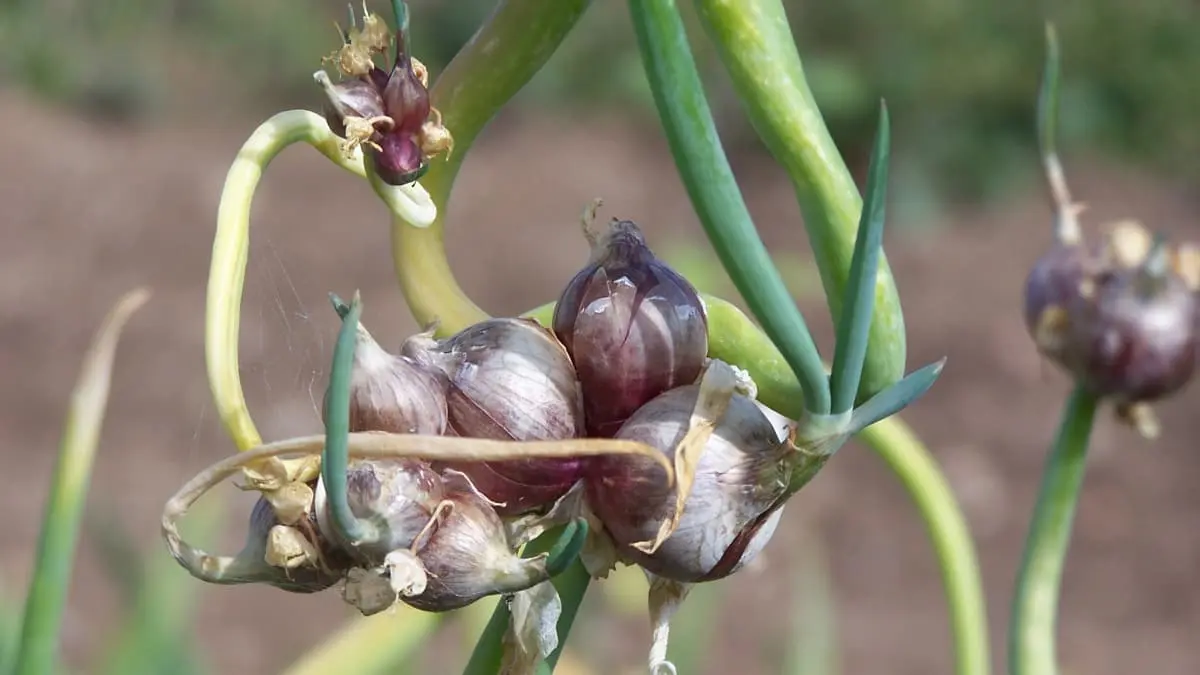
Growing Egyptian Walking Onions in Containers: A Complete Guide for Beginners
If you’re looking for a hardy, no-fuss perennial onion that keeps on giving year after [...]
Jul
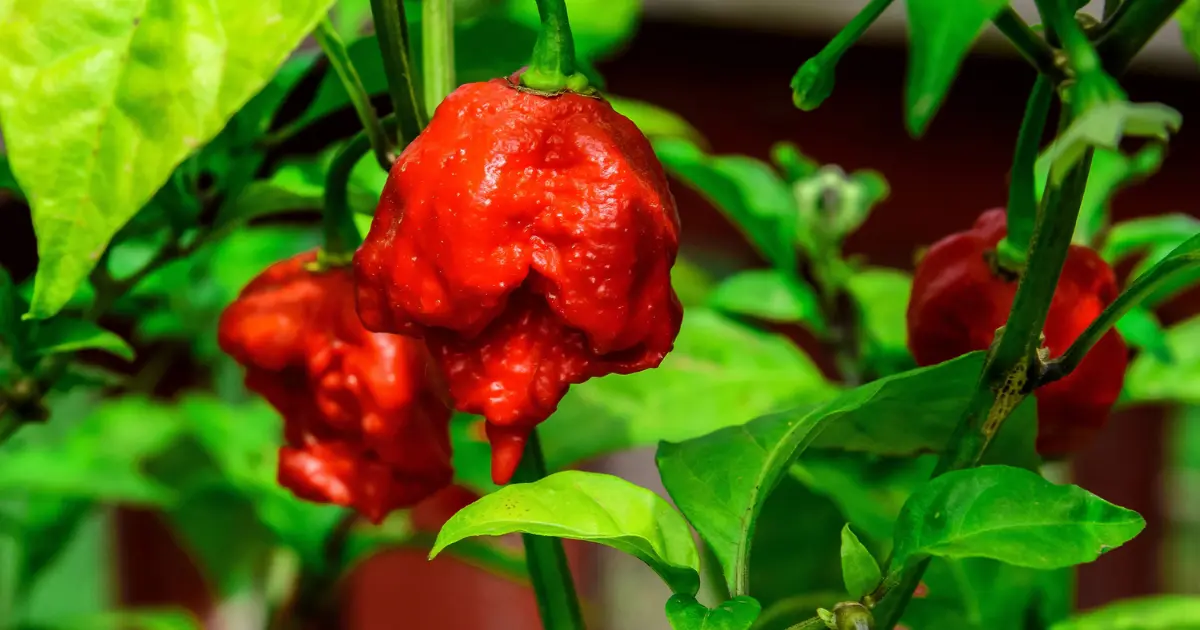
Growing Carolina Reaper Peppers in Pots: A Complete Guide for Beginners
If you’ve ever wanted to add some serious, record-breaking heat to your home cooking, you’ve [...]
May
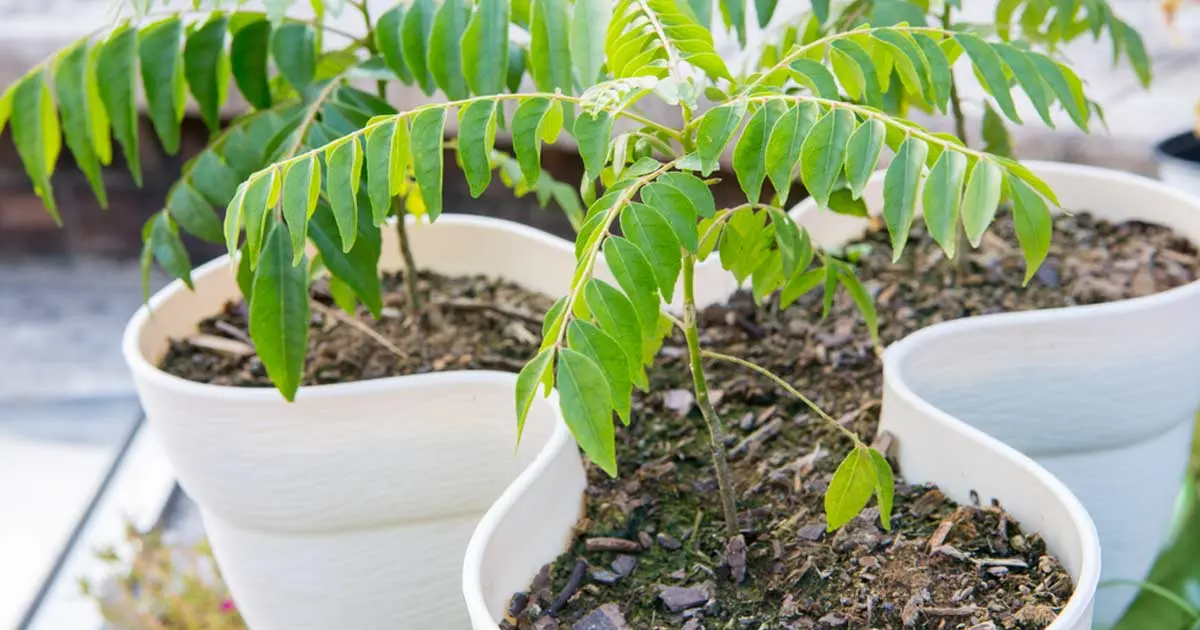
Growing Curry Leaf Plant in Pots: A Complete Guide for Beginners
If you’re a fan of authentic South Asian cuisine, you already know that nothing compares [...]
May
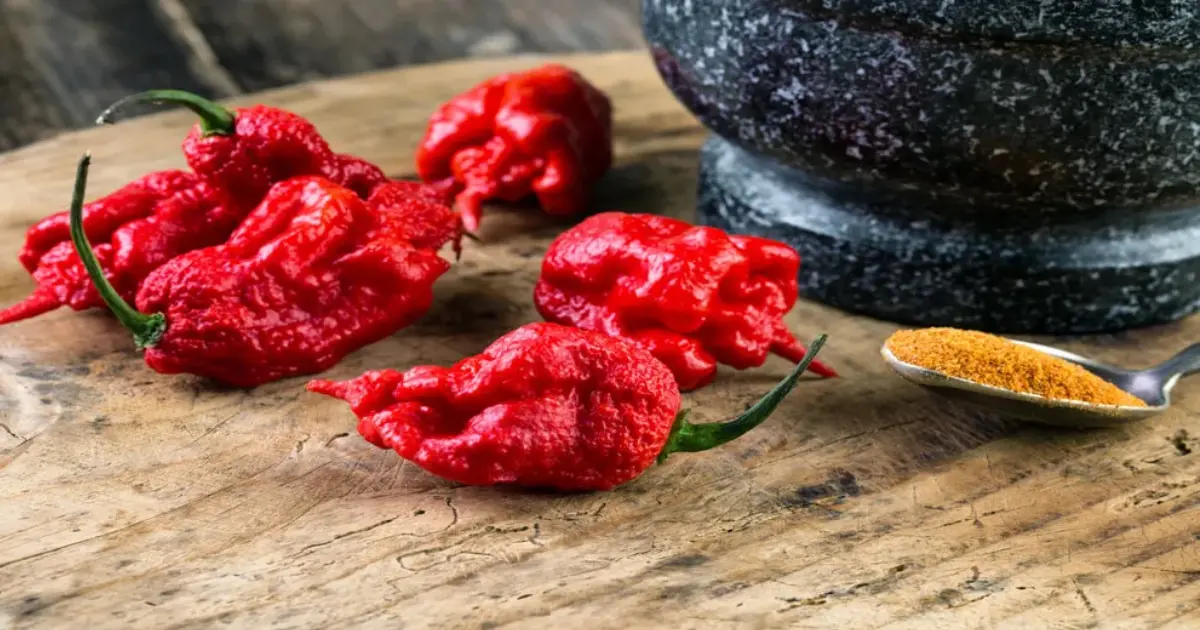
5 Tips for Growing Carolina Reaper Peppers to Get the Spiciest Harvest Ever
Holding the record for one of the world’s hottest peppers, the Reaper isn’t just a [...]
May
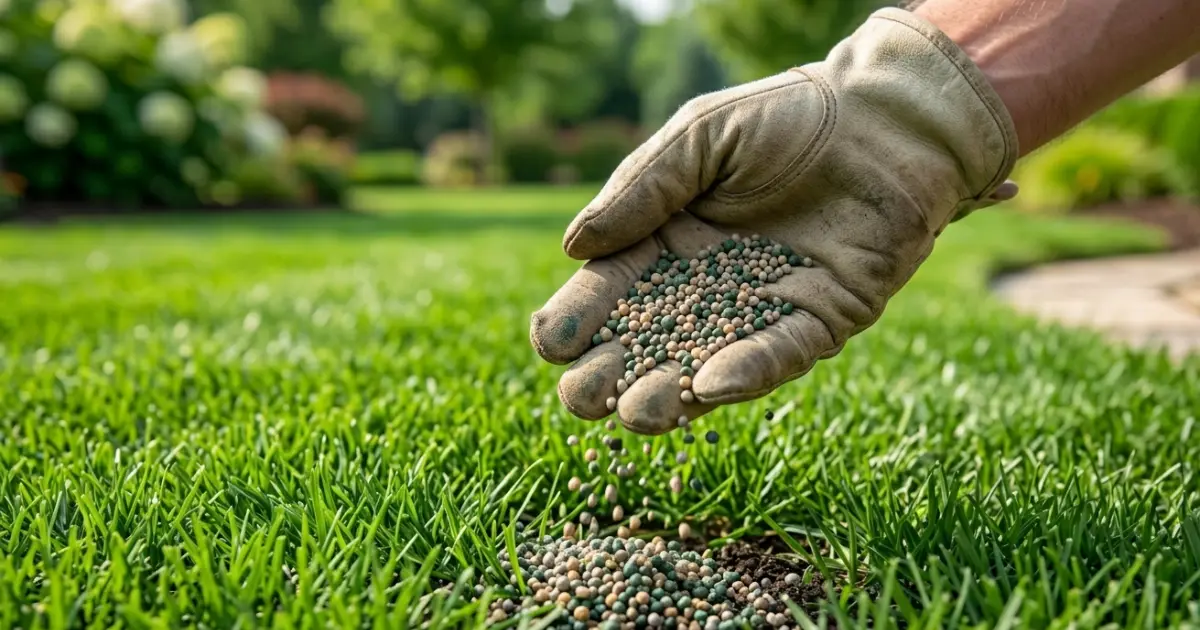
Best Fertilizers for Zoysia Grass in 2026: Get a Lush Lawn
As we enter the new year, the time has come to think about how we [...]
Apr
Reviews
There are no reviews yet.