
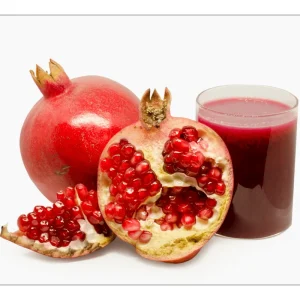
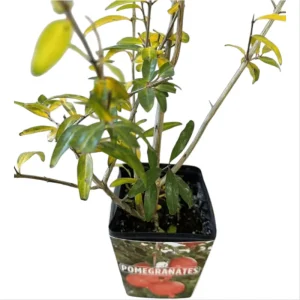
Salavatski Pomegranate Live Starter Plant – Edible Fruit, 4 Inch Pot
Original price was: $66.99.$46.99Current price is: $46.99.
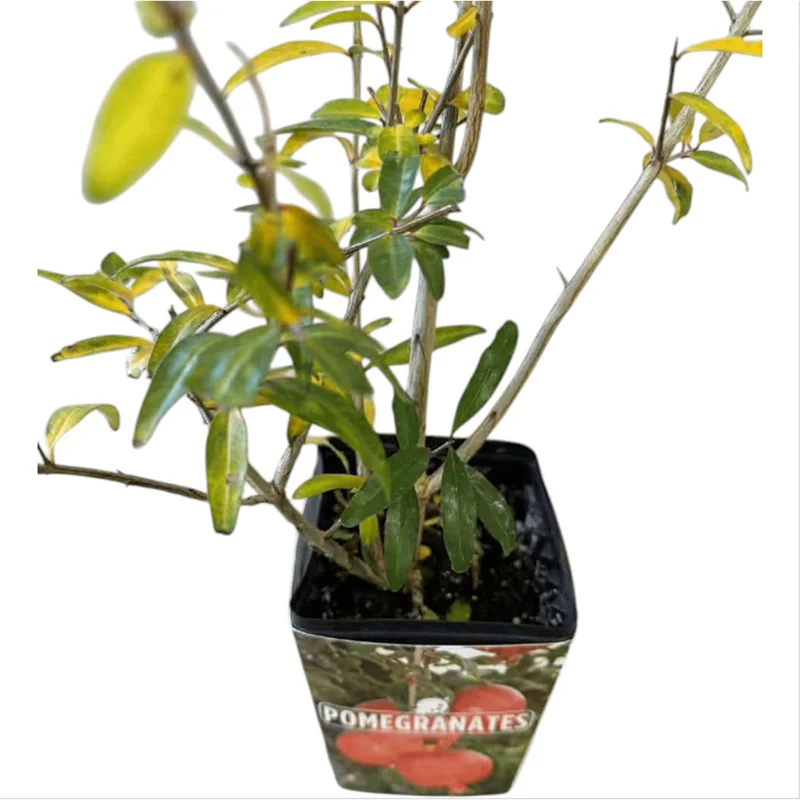
Cultivate your own delicious fruit with this Salavatski pomegranate live plant. This starter plant comes in a 4 inch pot plant, ready for planting in your garden. Known for its easy-to-grow nature and abundant, edible fruit plant production, it’s a fantastic addition for gardeners in USDA zones 6-10 seeking fresh pomegranates.
Estimated arrival
Apr 09
Apr 14 - Apr 16
Apr 19 - Apr 23

Reasonable Price
We offer reasonable price

Support 24/7
Contact us 24 hrs a day

100% Money Back
You've 30 days to Return

Payment Secure
100% secure payment
Overview
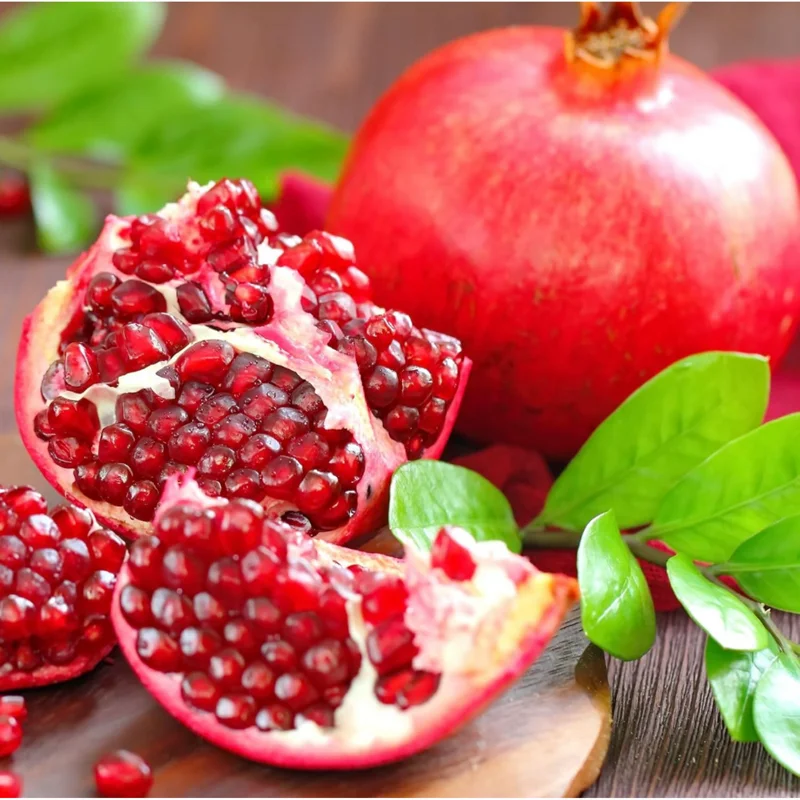
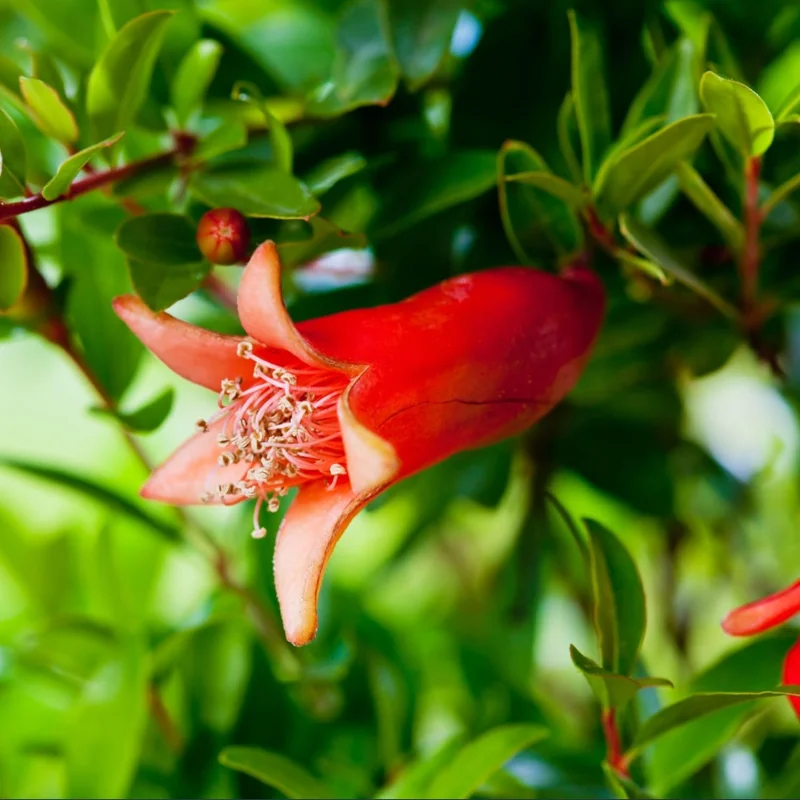
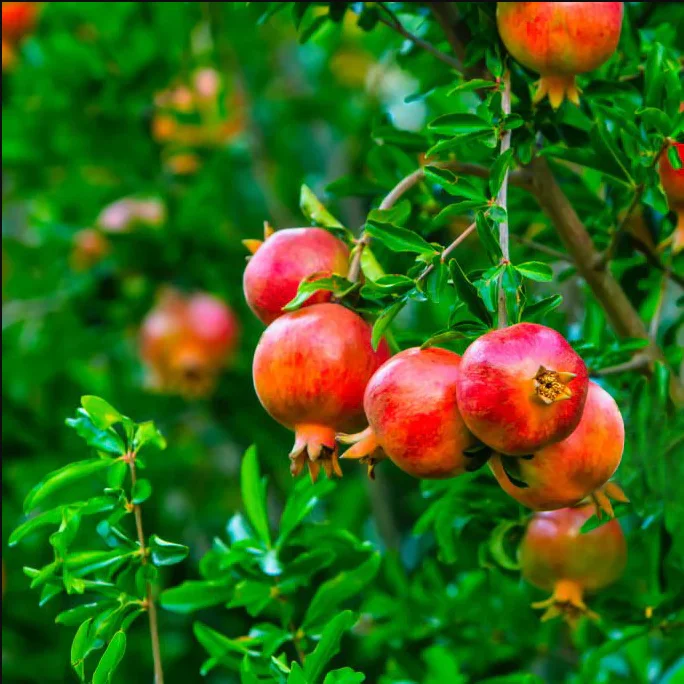
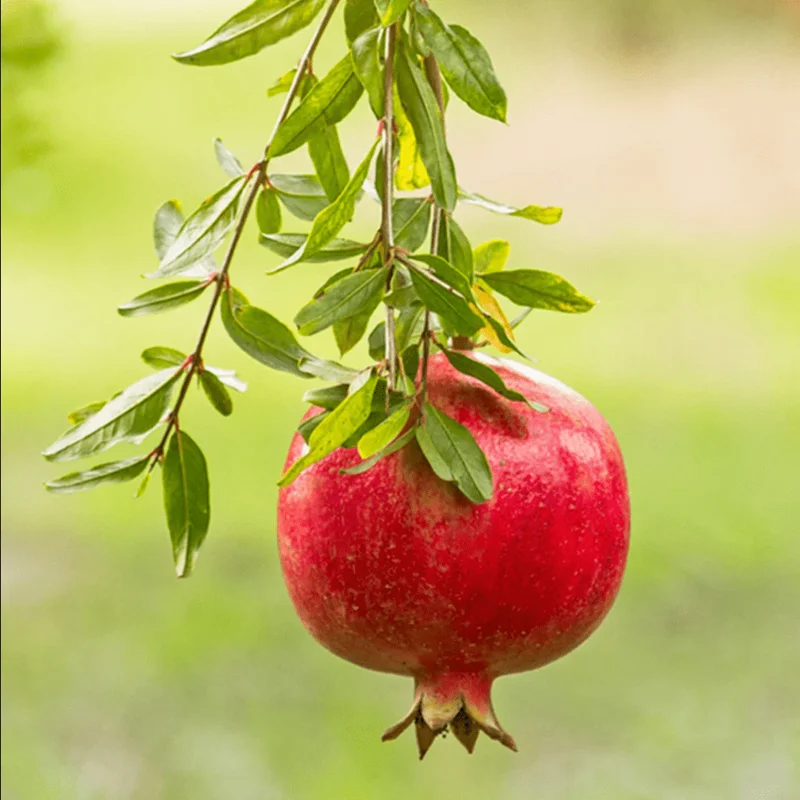
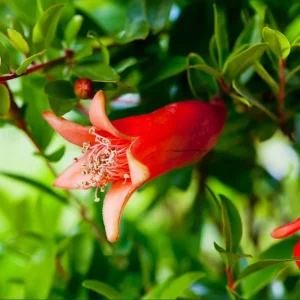
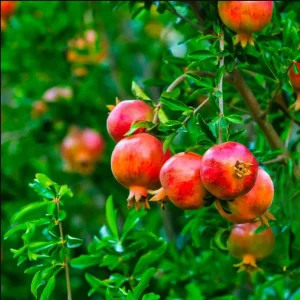
Bring the joy of homegrown fruit to your garden with the Salavatski pomegranate live plant. This robust and easy-to-grow variety is celebrated for its delicious, juicy pomegranates and adaptability across various climates. Originating from Central Asia, the ‘Salavatski’ cultivar is particularly noted for its cold hardiness, making it a popular choice for gardeners in USDA zones 6-10. Whether you’re an experienced horticulturist or a beginner looking to expand your edible landscape, this starter plant offers a rewarding experience. It’s a self-fertile variety, meaning a single plant can produce fruit, though planting a second can often enhance overall yield. Enjoy the beauty of its vibrant orange-red flowers in spring, followed by bountiful, sweet-tart fruit in the fall.
This Salavatski pomegranate live plant arrives as a healthy starter, carefully nurtured and ready for transplanting. Its resilient nature and attractive foliage make it a wonderful specimen plant, while its primary appeal lies in the succulent fruit it produces. Imagine harvesting fresh pomegranates directly from your own backyard, perfect for snacking, juicing, or adding to culinary creations. This plant is not just an ornamental addition; it’s a productive investment in your home garden.
Key Benefits
Adding a Salavatski pomegranate live plant to your garden offers numerous advantages, from aesthetic appeal to the delight of fresh, homegrown produce. This variety is an excellent choice for those seeking both beauty and utility in their landscape.
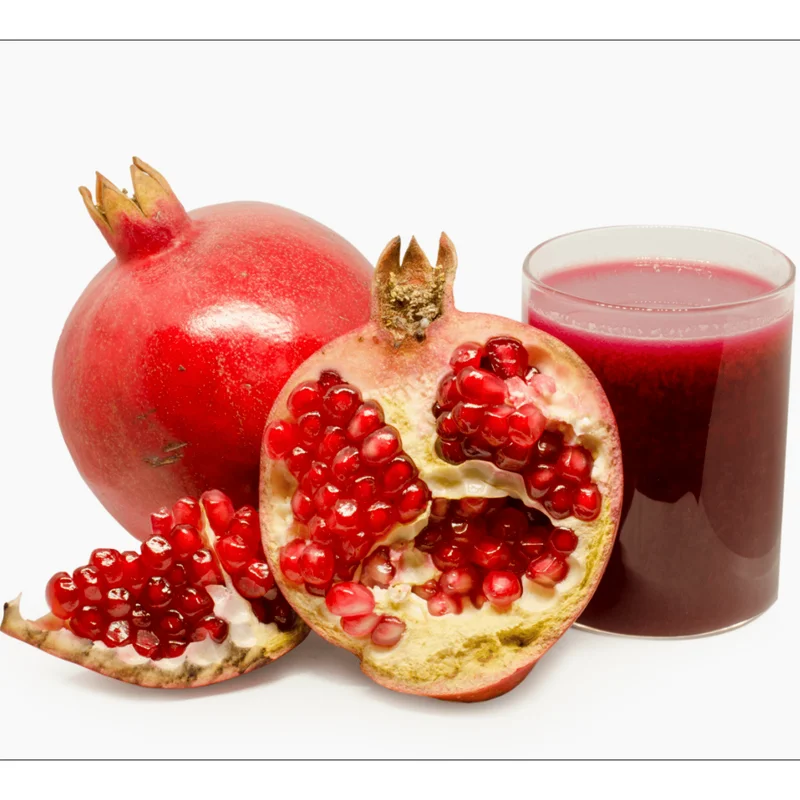
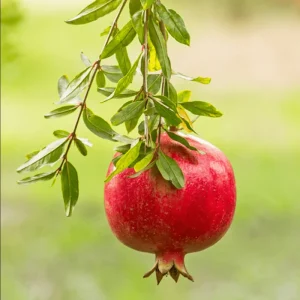
- Abundant Edible Fruit Plant: Enjoy a prolific harvest of sweet-tart pomegranates, perfect for fresh eating, juices, salads, and desserts. The ‘Salavatski’ is known for its reliable fruit production once established.
- Cold Hardy & Adaptable: Thrives in a wide range of climates, particularly hardy in USDA zones 6-10, making it more versatile than many other pomegranate varieties. Its resilience ensures better survival through colder winters.
- Easy to Grow: This pomegranate tree care is relatively low-maintenance, suitable for both novice and experienced gardeners. With proper planting and initial care, it establishes quickly and flourishes.
- Self-Fertile Variety: While a second plant can boost yields, a single ‘Salavatski’ plant is capable of producing fruit on its own, simplifying the planting process for smaller gardens.
- Beautiful Ornamental Value: Beyond its fruit, the plant features attractive glossy green foliage and striking orange-red flowers in spring, adding significant visual interest to your garden.
- Drought Tolerant: Once established, the Salavatski pomegranate live plant demonstrates good drought tolerance, reducing water requirements in mature plants compared to many other fruit trees.
- Nutrient-Rich Harvest: Pomegranates are packed with antioxidants and vitamins, offering a healthy and delicious addition to your diet directly from your garden.
Plant Care & Growing Tips
Successful cultivation of your Salavatski pomegranate live plant begins with understanding its basic needs for sunlight, soil, and water. This hardy plant is relatively forgiving, but providing optimal conditions will ensure the best growth and fruit production. For those looking to grow pomegranate fruit, proper care is crucial from the start.
Plant your Salavatski pomegranate live plant in a location that receives at least six hours of full sun daily. This ensures robust growth and maximum fruit development. Well-draining soil is paramount; pomegranates do not tolerate soggy roots. A sandy or clay loam with a pH between 5.5 and 6.5 is ideal. If your soil is heavy or compacted, amend it generously with organic matter such as compost, perlite, or vermiculite to improve drainage and aeration. When planting, dig a hole twice as wide as the root ball and just as deep. Carefully remove the plant from its 4 inch pot plant, loosen any circling roots, and place it in the center of the hole. Backfill with amended soil, tamping gently to remove air pockets, and water thoroughly.
Water regularly after planting until the tree is established, which typically takes one to two growing seasons. Once established, pomegranates are moderately drought-tolerant, but consistent watering during dry spells, especially when fruit is developing, will lead to larger, juicier fruit. Allow the soil to dry slightly between waterings. Fertilize in early spring with a balanced, slow-release fertilizer designed for fruit trees, following package instructions. Pruning should be done in late winter or early spring to remove dead or crossing branches, maintain an open canopy, and encourage new fruit-bearing wood. This pomegranate tree care routine will help ensure a healthy and productive plant for many years.
Size & Details
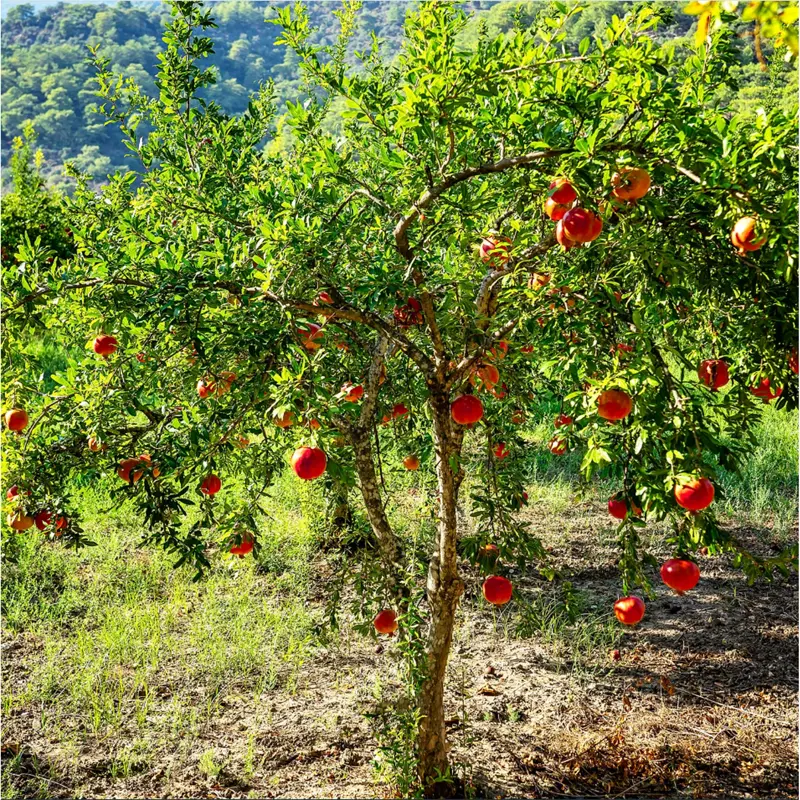
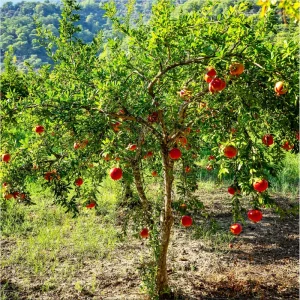
This offering is for one Salavatski pomegranate live plant starter, shipped in a convenient 4 inch pot plant. At the time of shipment, the plant will typically stand between 6-12 inches tall, depending on seasonal growth and individual plant development. Pomegranate trees are relatively fast-growing, especially in their early years, and can reach mature heights of 10-20 feet with a similar spread if left unpruned. However, they can be easily maintained at a smaller size through regular pruning, making them suitable for various garden sizes or even large containers. Expect the plant to begin flowering and potentially setting fruit within 2-3 years, with significant yields coming as it matures. The ‘Salavatski’ variety is known for producing medium to large-sized fruits, typically ripening in late summer to early fall.
Your plant will arrive carefully packaged to ensure its safety during transit. It is a young, vigorous plant ready to be transplanted into your garden or a larger pot. While it is self-fertile, planting another pomegranate nearby can often lead to a more abundant harvest. This is a fantastic opportunity to grow pomegranate fruit and enjoy its unique flavor and health benefits directly from your home.
Frequently Asked Questions
- Q: How big does this Salavatski pomegranate live plant get? A: If left unpruned, the Salavatski pomegranate live plant can reach heights of 10-20 feet and a similar spread. However, it can be easily maintained at a smaller, more manageable size through regular pruning, making it versatile for various garden spaces.
- Q: What size pot does it come in? A: This Salavatski pomegranate live plant is shipped as a healthy starter in a 4 inch pot plant, ready for transplanting into your garden or a larger container upon arrival.
- Q: Is this an indoor or outdoor plant? A: The Salavatski pomegranate live plant is primarily an outdoor plant, hardy in USDA zones 6-10. In colder zones, it can be grown in a large container and moved indoors during winter.
- Q: How much sunlight does it need? A: To thrive and produce abundant fruit, this pomegranate requires at least six hours of full sun daily. More sunlight generally leads to better fruit development.
- Q: Is this plant easy to care for? A: Yes, the Salavatski pomegranate live plant is considered relatively easy to care for, making it suitable for beginners. It requires well-draining soil, full sun, and consistent watering until established.
- Q: What condition will it arrive in? A: Your plant will arrive healthy, well-packaged, and ready for planting. We take great care to ensure it reaches you in optimal condition, protected from transit stress.
- Q: When is the best time to plant a Salavatski pomegranate? A: The best time to plant your Salavatski pomegranate live plant is in the spring after the last frost, or in early fall in warmer climates, allowing it time to establish before extreme temperatures.
- Q: Will it survive winter in my zone? A: The ‘Salavatski’ variety is known for its cold hardiness and will survive winters in USDA zones 6-10. If you are in a colder zone, consider growing it in a container and providing winter protection indoors.
- Q: Does this plant need another pomegranate to produce fruit? A: While the Salavatski pomegranate live plant is self-fertile and can produce fruit on its own, planting a second tree can often increase overall fruit production and yield.
- Q: How long until it starts producing edible fruit? A: You can typically expect your edible fruit plant to start producing fruit within 2-3 years after planting, with yields increasing as the plant matures.
Be the first to review “Salavatski Pomegranate Live Starter Plant – Edible Fruit, 4 Inch Pot”
-
USDA Hardiness Zone
USDA zones 6-10 -
Soil Type
Well-draining sandy or clay loam -
Sunlight Exposure
Full sun (at least 6 hours daily) -
Expected Planting Period
Spring to early summer
People Also Viewd


Sold 128 products
Original price was: $89.99.$64.99Current price is: $64.99.
Sold 128 products
Original price was: $159.99.$139.99Current price is: $139.99.

Sold 128 products
Original price was: $27.00.$24.00Current price is: $24.00.

Sold 126 products
Original price was: $3,536.00.$23.99Current price is: $23.99.

Sold 125 products
Original price was: $86.99.$66.99Current price is: $66.99.
Sold 116 products
Original price was: $27.99.$16.99Current price is: $16.99.

Flower Bulbs
3 Cranesbill Wild Geranium Organic Maculatums Bare Roots | Wildflower for Outdoor Garden
Sold 114 products
Original price was: $21.99.$6.99Current price is: $6.99.

Sold 114 products
Original price was: $28.99.$17.99Current price is: $17.99.RELATED posts
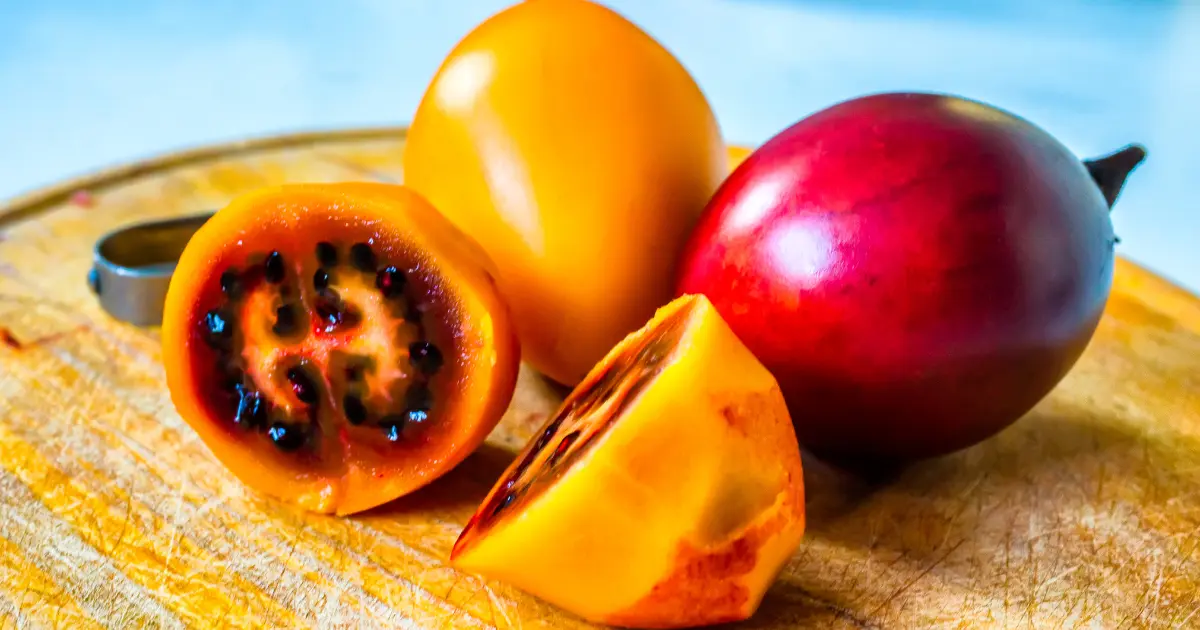
Tamarillo Tree Guide: Flavor, Texture & How to Eat Tree Tomatoes
The humble tomato is a kitchen staple we all know and love, but it rarely [...]
Apr
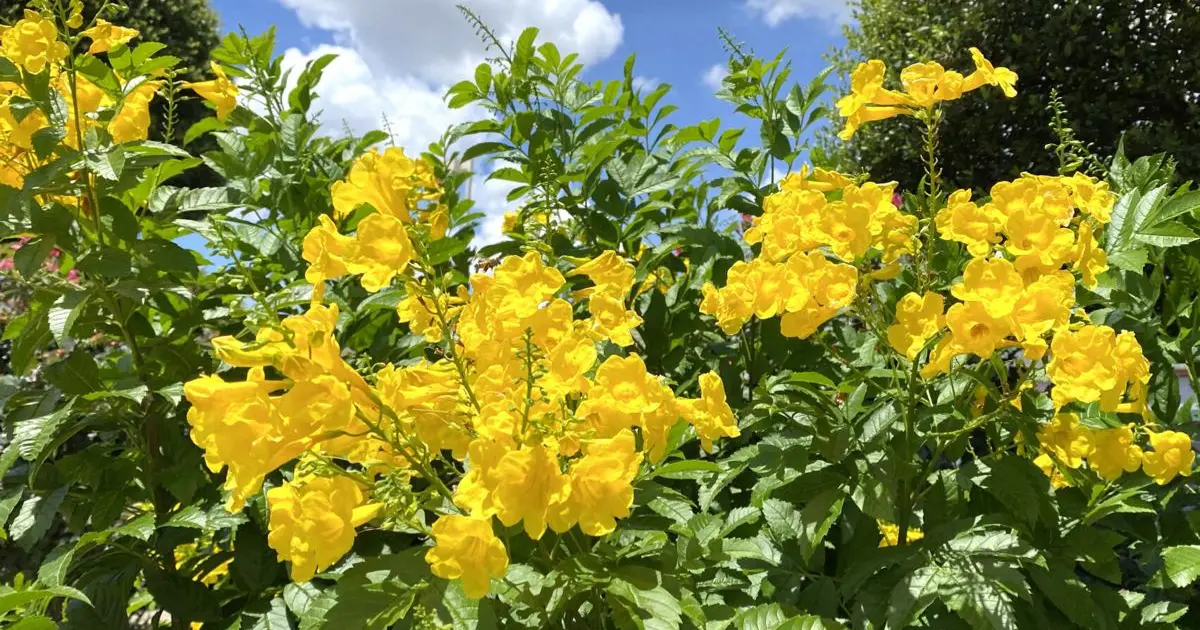
5 Pro Tips to Grow Esperanza ‘Gold Star’ Indoors: A Golden Glow for Your Home
While most gardeners know this Texas Superstar – Esperanza ‘Gold Star’ as a rugged outdoor [...]
Apr
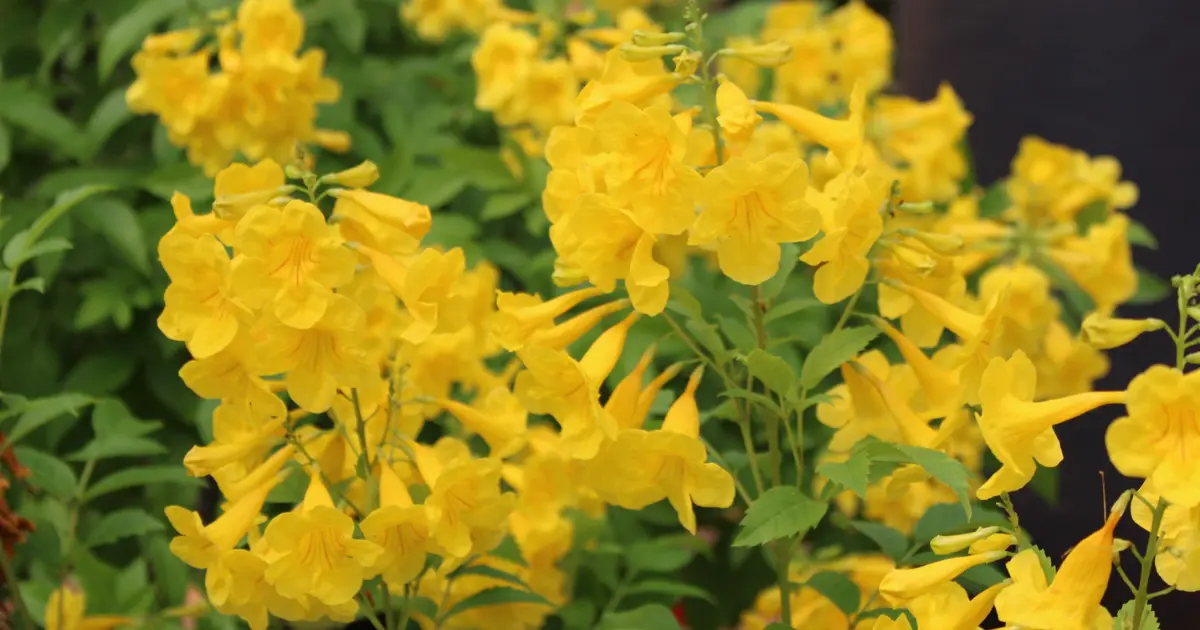
Mastering Esperanza Goldstar: Grow the Ultimate Yellow Bloom
Esperanza Goldstar is more than just a heat-tolerant shrub; for the American gardener battling the [...]
Apr
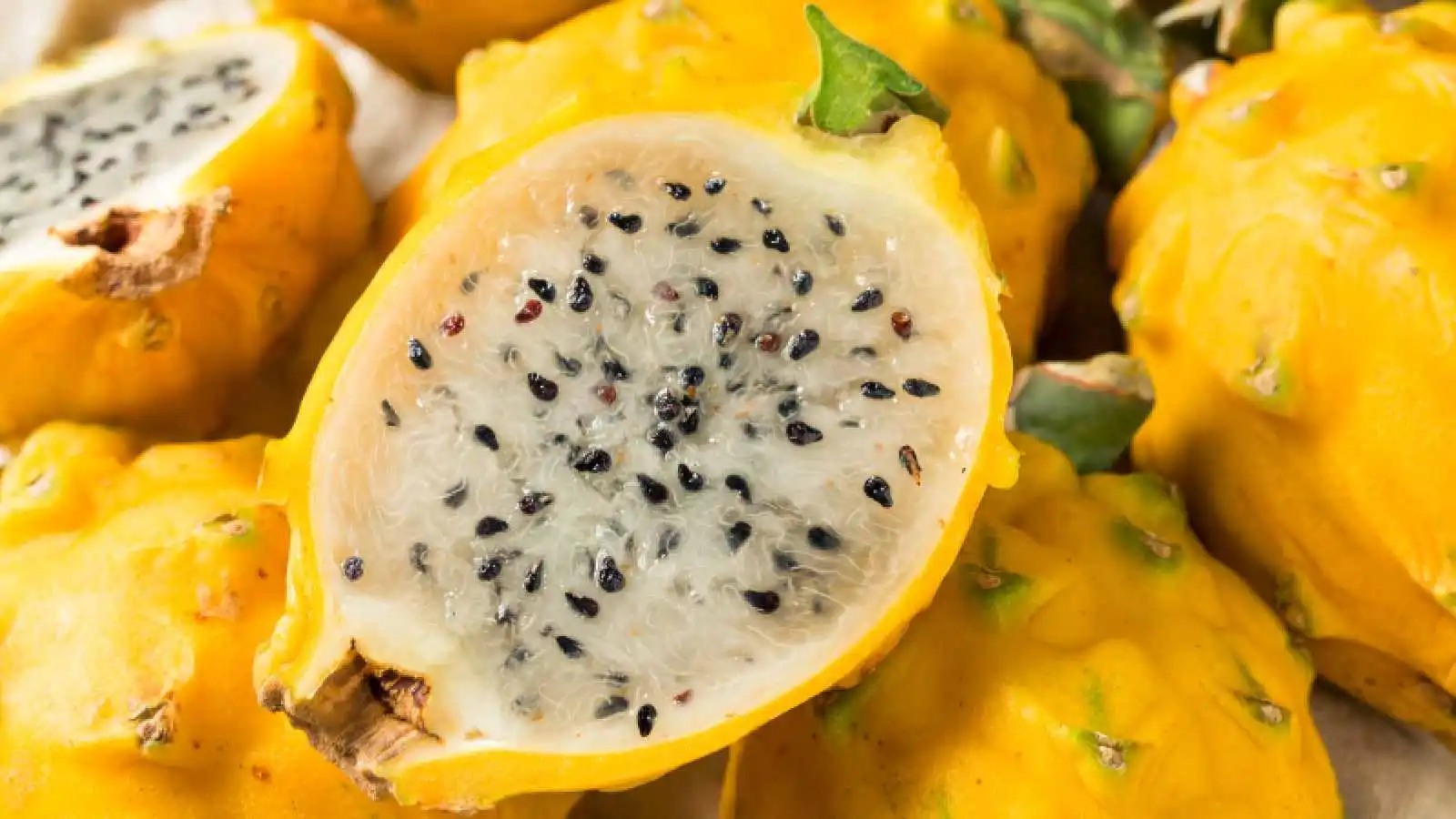
Yellow Dragon Fruit Plant Care: The Ultimate Guide for Healthy Growth
The yellow dragon fruit plant is a unique and rewarding addition to any home garden, [...]
Apr
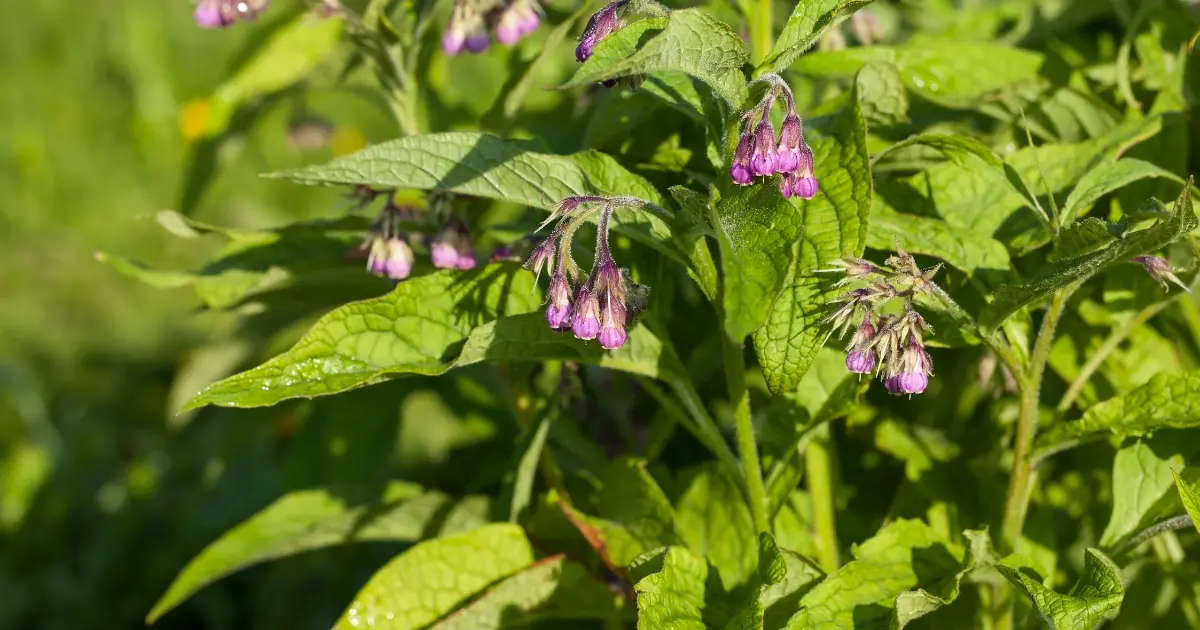
How to Identify Bocking 14 Comfrey: 5 Simple Visual Signs
If you’re growing comfrey for mulch, compost, or animal feed, knowing exactly which variety you [...]
Mar
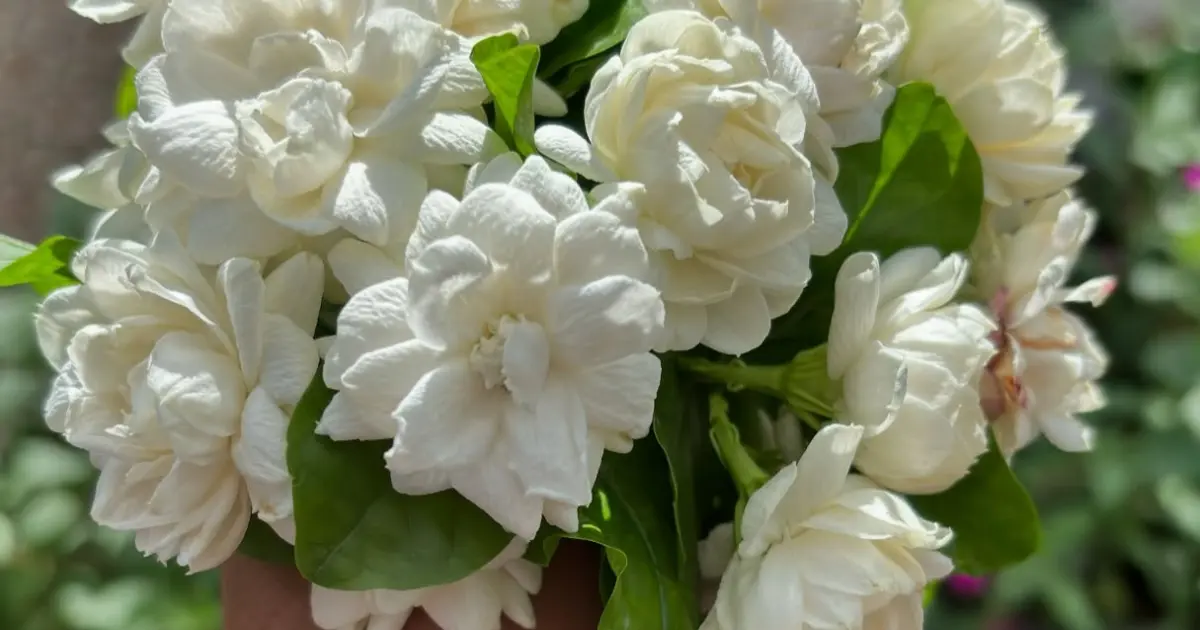
Grand Duke of Tuscany Jasmine: The Ultimate Guide to Growing a Fragrant Masterpiece
Have you ever caught a scent in the air so rich, creamy, and honey-sweet that [...]
Mar
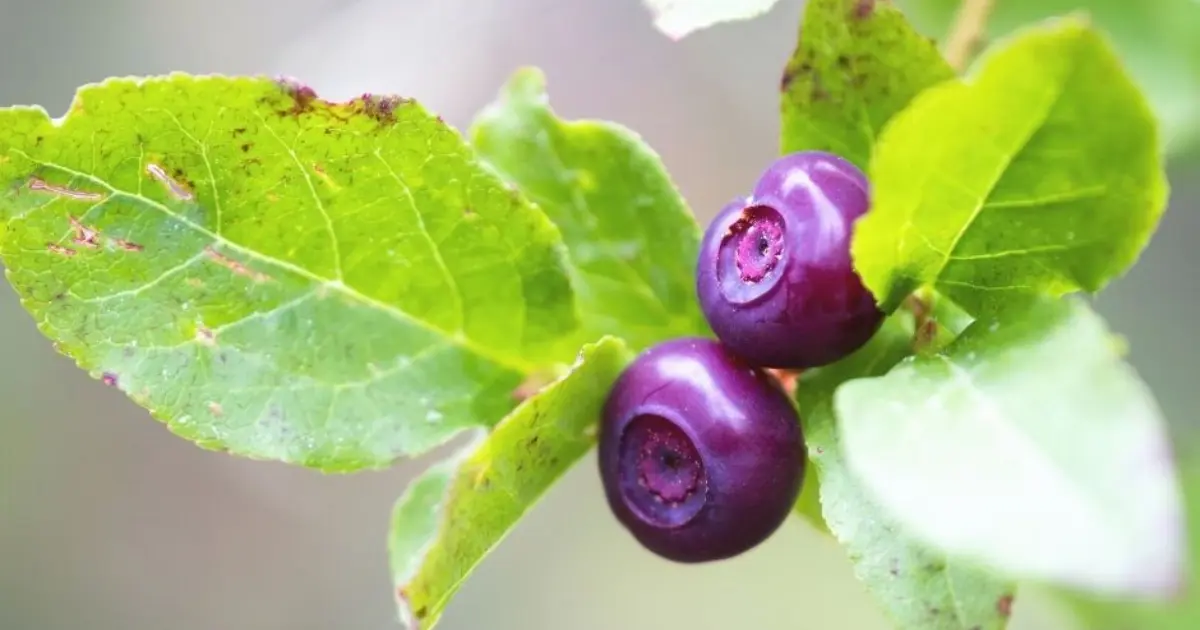
How to Grow Wild Huckleberries: A Guide to “Purple Gold”
Have you ever spent a summer afternoon hiking through the Pacific Northwest or the Rocky [...]
Mar
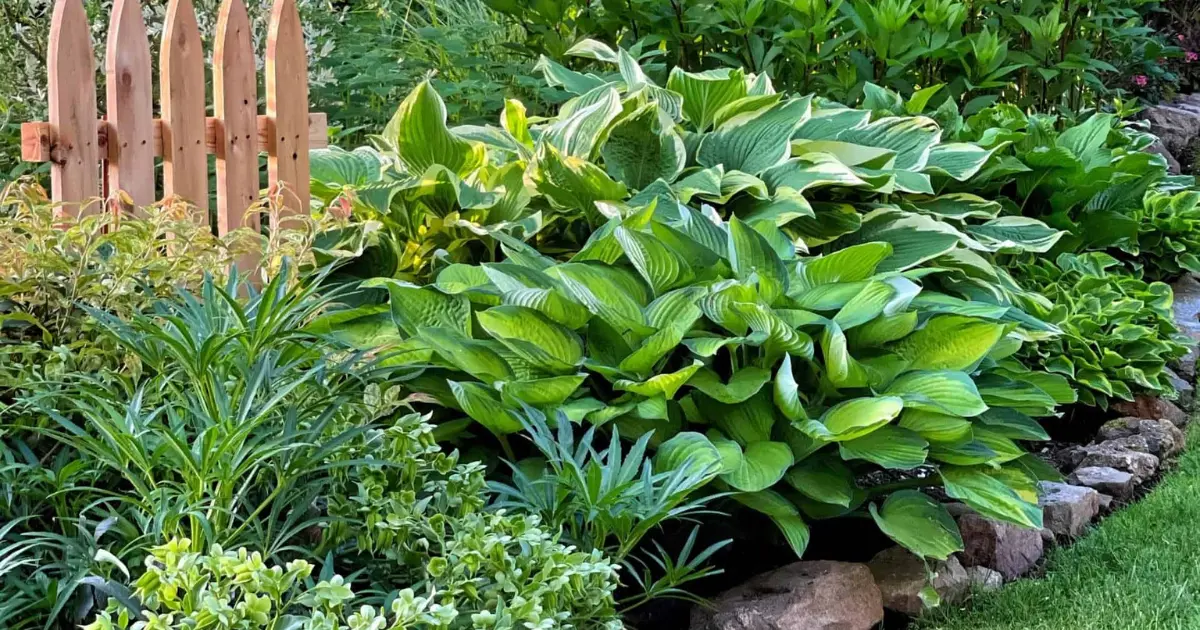
5 Best Shade-Loving Perennials for a Lush, Vibrant Garden
The world of gardening often shines a spotlight on sun-drenched blossoms, but there is a [...]
Mar



Reviews
There are no reviews yet.