
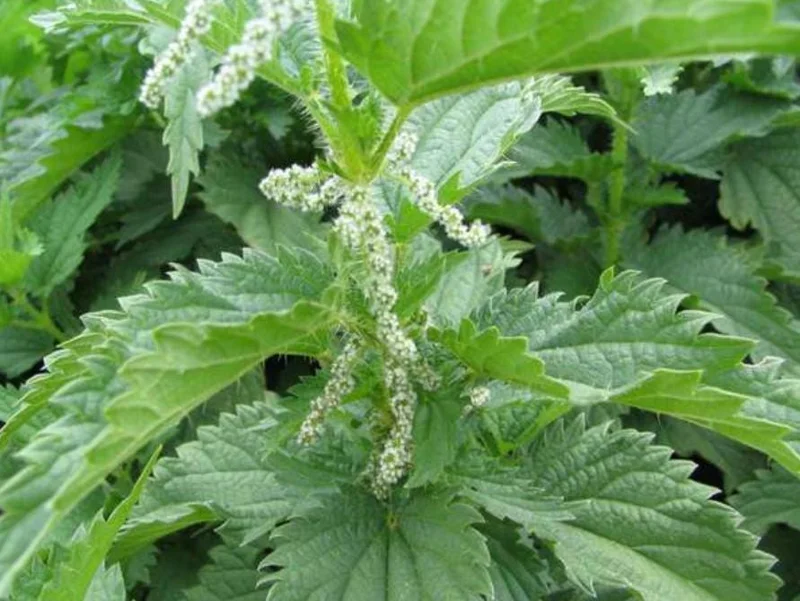
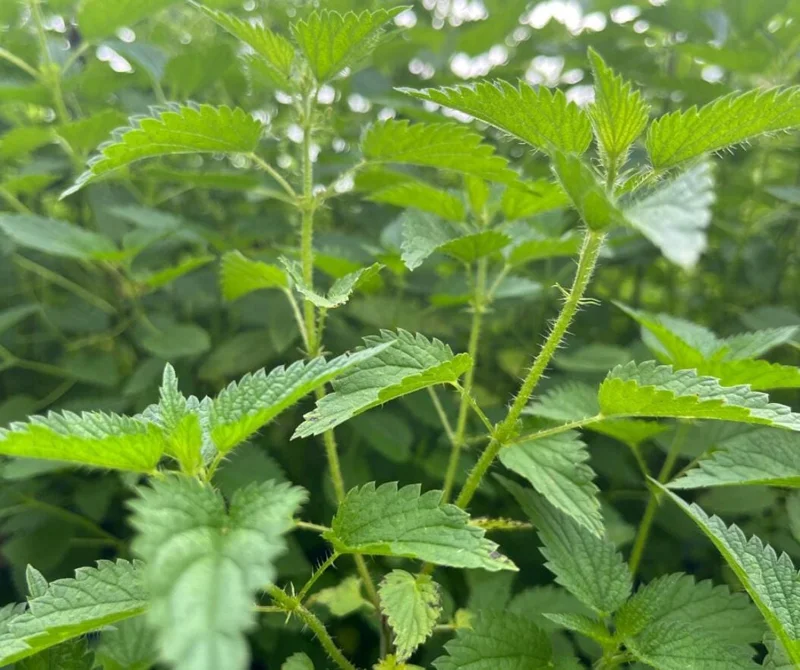
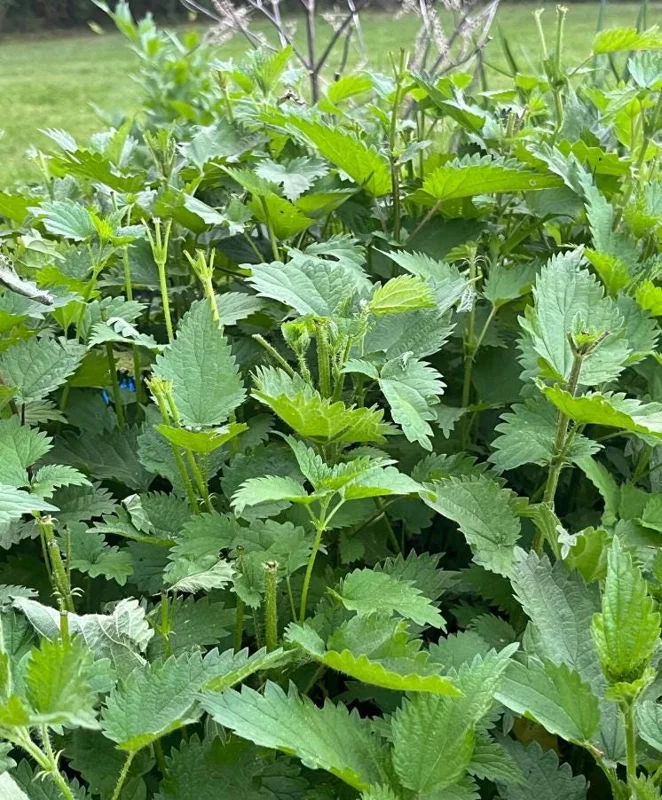
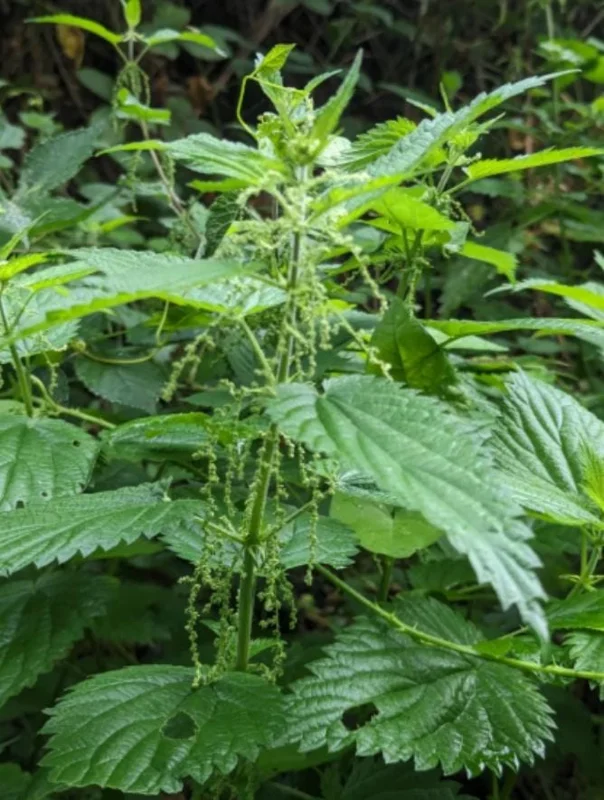
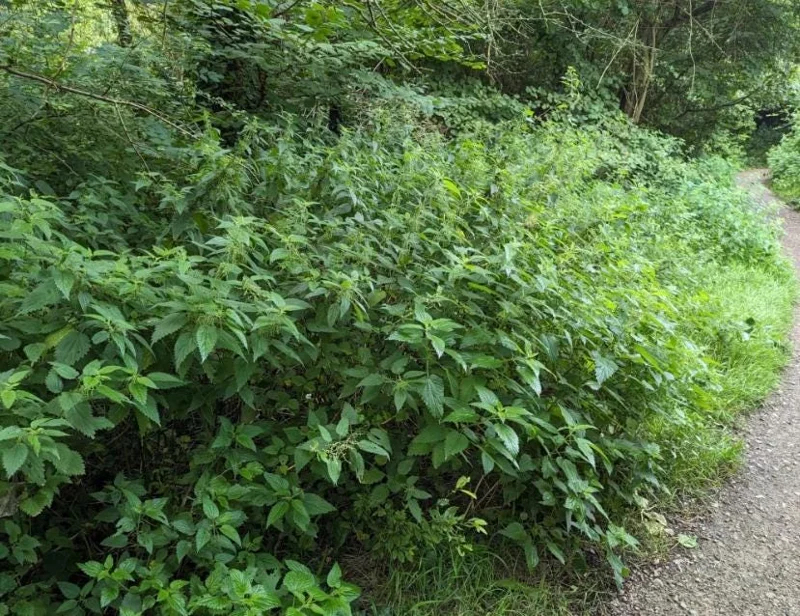
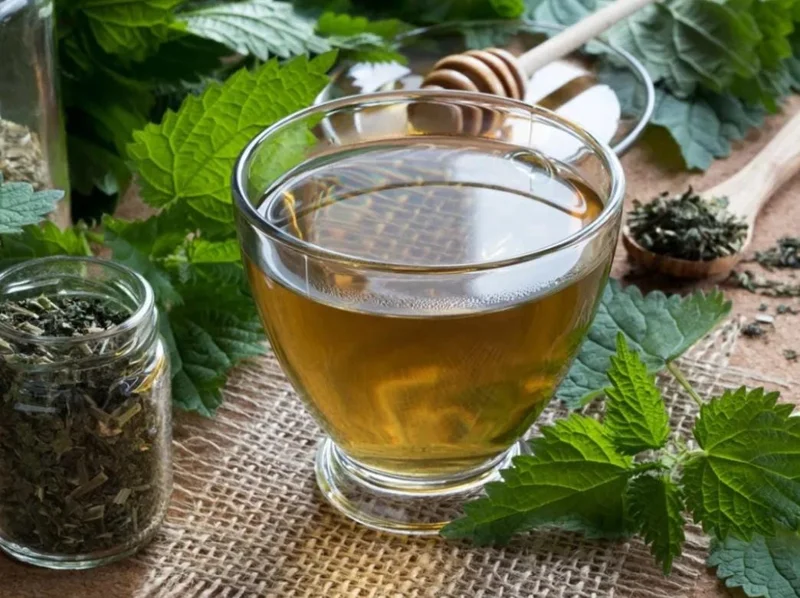
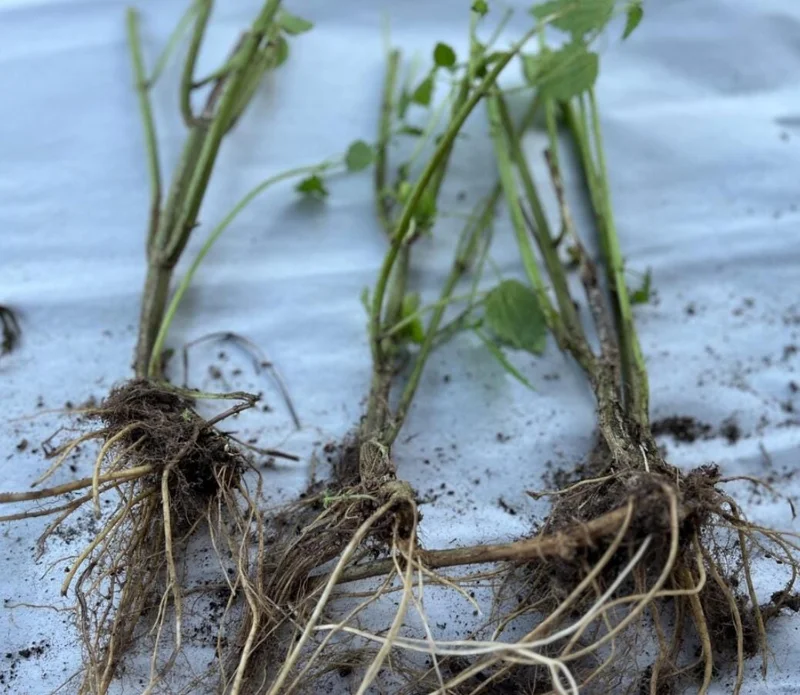
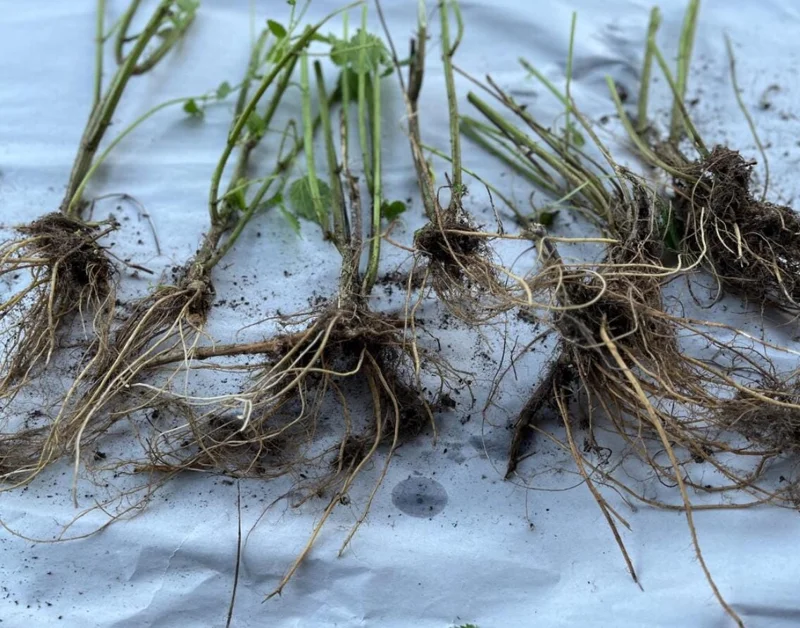
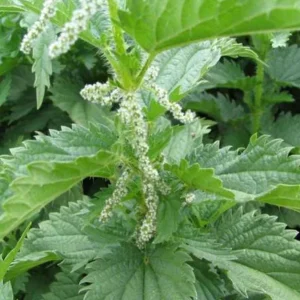
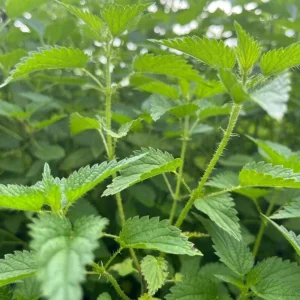
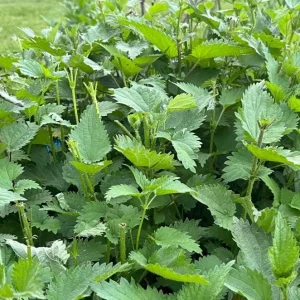
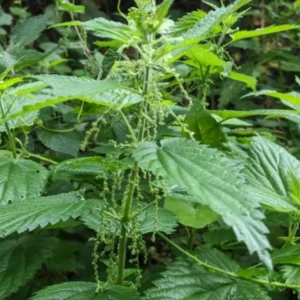
Set of 3 Stinging Nettle Bare Roots – Urtica dioica – Live Medicinal Herb Plant for Garden
Original price was: $56.99.$21.99Current price is: $21.99.
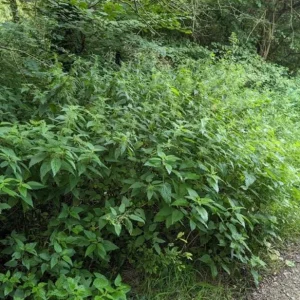
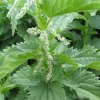
Cultivate a thriving herb garden with this set of 3 Stinging Nettle bare roots. Known scientifically as Urtica dioica, this robust perennial is prized for its medicinal and culinary uses, making it an excellent addition to any garden. Perfect for creating a medicinal herb garden or for those interested in growing stinging nettle for teas and remedies.
Estimated arrival
Sep 14
Sep 19 - Sep 21
Sep 24 - Sep 28

Reasonable Price
We offer reasonable price

Support 24/7
Contact us 24 hrs a day

100% Money Back
You've 30 days to Return

Payment Secure
100% secure payment
Overview
Discover the versatility of nature with our set of 3 Stinging Nettle bare roots. Scientifically known as Urtica dioica, this hardy perennial herb is a powerhouse of nutrients and has been revered for centuries for its extensive medicinal, culinary, and ecological benefits. Ideal for gardeners looking to establish a robust and beneficial plant, these bare roots provide a strong foundation for a healthy, fast-growing nettle patch. Whether you’re interested in traditional herbal remedies, nutrient-rich culinary ingredients, or simply enhancing your garden’s biodiversity, Urtica dioica plant is an excellent choice. This particular offering provides a convenient way to start your own patch of this incredible plant, ensuring you have a steady supply of fresh nettle leaves.
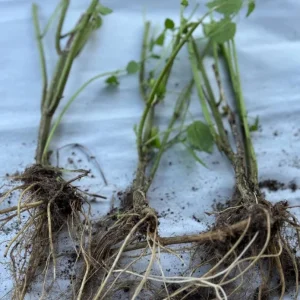
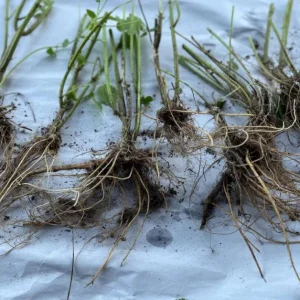
Stinging Nettle bare roots are a reliable and cost-effective method for propagating this valuable plant. Upon arrival, these bare roots are dormant, ready to be planted directly into your garden or prepared soil. They quickly establish themselves, developing into mature plants that will provide abundant harvests. This plant is a fantastic addition for those passionate about permaculture, sustainable living, or those simply wishing to grow their own natural remedies and foods. Embrace the opportunity to grow your own edible nettle plant and enjoy its numerous advantages.
Key Benefits
Incorporating stinging nettle bare roots into your garden offers a wide array of advantages, from health benefits to ecological contributions. This remarkable plant is more than just a garden filler; it’s a valuable resource. Here are some of the key benefits you can expect:
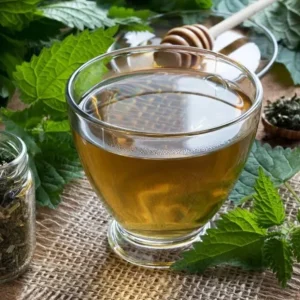
- Medicinal Properties: Stinging Nettle is celebrated globally for its traditional medicinal uses. Rich in vitamins, minerals, and antioxidants, it has been historically used to support overall wellness, aid in detoxification, and address various ailments. Growing your own ensures a fresh supply for herbal teas and remedies.
- Culinary Versatility: Young nettle leaves, when cooked, lose their sting and become a highly nutritious green. They can be used in soups, stews, pesto, smoothies, and other dishes, offering a spinach-like flavor with an added nutritional boost. Having an edible nettle plant in your garden expands your culinary options.
- Ecological Contributions: Nettle plants serve as host plants for several butterfly species, contributing to local biodiversity. They also help improve soil health by accumulating nutrients, making them a valuable addition to permaculture systems and a medicinal herb garden.
- Easy to Grow: Once established, Urtica dioica plant is remarkably low-maintenance and vigorous. It adapts to various soil types and light conditions, making it suitable for both experienced and novice gardeners.
- Sustainable Resource: As a perennial, stinging nettle returns year after year, providing a continuous harvest without the need for replanting. This makes it a highly sustainable and environmentally friendly choice for your garden.
- Nutrient-Rich Leaves: Packed with iron, calcium, magnesium, and vitamins A, C, and K, stinging nettle is a nutritional powerhouse. Regular consumption can contribute significantly to a balanced diet and overall health.
- Adaptable and Resilient: This plant thrives in a wide range of climates and conditions, demonstrating strong resilience against pests and diseases. This makes growing stinging nettle a rewarding experience with minimal fuss.
Plant Care & Growing Tips
To ensure your stinging nettle bare roots flourish, understanding their care requirements is essential. Stinging Nettle (Urtica dioica) is a relatively forgiving plant, but providing optimal conditions will lead to a more vigorous and productive patch. This plant thrives in USDA zones 3–10, demonstrating its adaptability across various climates. When considering growing stinging nettle, remember it prefers a consistently moist environment.
For sunlight, Urtica dioica plant performs best in full sun to partial shade. Aim for at least 4-6 hours of direct sunlight daily for optimal growth and leaf production. In hotter climates, partial shade during the intense afternoon sun can prevent scorching. The ideal soil for stinging nettle is moist, fertile, and well-drained. It tolerates a range of soil types but will truly thrive in rich, organic matter. Amending your soil with compost before planting can significantly boost growth. Keep the soil consistently moist, especially during dry spells, but avoid waterlogging, which can lead to root rot. Regular watering is crucial during the establishment phase of your stinging nettle bare roots.
Planting is best done in spring or fall. Space your bare roots 12–18 inches apart to allow for adequate growth and air circulation. While stinging nettle is a robust grower, it benefits from a balanced, organic fertilizer application in early spring, especially if your soil is not particularly rich. Pest and disease issues are generally minimal for this resilient plant. Harvesting young leaves regularly encourages new growth. Be mindful that stinging nettle can spread aggressively if not contained, so consider planting it in an area where its spread can be managed, or use root barriers. This ensures your medicinal herb garden remains balanced and productive.
Size & Details
This offering includes a set of 3 Stinging Nettle bare roots, providing a solid foundation for establishing a healthy and productive patch. Each bare root is dormant upon arrival, ensuring it transplants well and quickly establishes itself in your garden. Once planted, Stinging Nettle (Urtica dioica) typically grows to a height of 2–5 feet tall and can spread up to 2–3 feet wide, forming dense clumps over time. The growth rate is fast, with visible foliage emerging within a few weeks of planting under favorable conditions. These bare roots are designed for direct planting into garden beds or large containers, offering a natural and effective way to cultivate this versatile herb.
The mature plants will produce vibrant green leaves, which are the primary part harvested for medicinal and culinary uses. As a perennial, the plant will die back in winter and re-emerge in spring, providing continuous harvests for many years. Expect your edible nettle plant to reach a harvestable size within the first growing season. This format allows for efficient shipping and easy handling, making it simple to incorporate stinging nettle bare roots into your existing garden plan or to start a new medicinal herb garden from scratch.
Frequently Asked Questions
- Q: How big does this plant get? A: Stinging Nettle typically grows to a height of 2–5 feet tall and can spread 2–3 feet wide, forming dense patches. Its size can vary based on growing conditions and climate.
- Q: Is this an indoor or outdoor plant? A: While it can be grown in large containers indoors with adequate light, stinging nettle bare roots are primarily intended for outdoor cultivation in garden beds, where they can thrive and spread naturally.
- Q: How much sunlight does it need? A: Stinging Nettle prefers full sun to partial shade, ideally receiving at least 4-6 hours of direct sunlight per day. It can tolerate more shade but may produce fewer leaves.
- Q: Is this plant easy to care for? A: Yes, Urtica dioica plant is known for being relatively low-maintenance and vigorous once established, making it suitable for gardeners of all experience levels. Consistent moisture and good soil are key.
- Q: What condition will it arrive in? A: Your stinging nettle bare roots will arrive dormant, without leaves or soil, carefully packaged to ensure their health during transit. They are ready for immediate planting upon receipt.
- Q: Can I use stinging nettle in cooking? A: Absolutely! Young stinging nettle leaves are highly nutritious and lose their sting when cooked. They can be used in various dishes, similar to spinach, making it a wonderful edible nettle plant.
- Q: When is the best time to plant stinging nettle bare roots? A: The ideal times for planting are in the spring after the last frost or in the fall before the ground freezes, allowing the roots to establish well.
- Q: Will it survive winter in my zone? A: Stinging Nettle is a very hardy perennial, thriving in USDA zones 3–10. It will die back to the ground in winter in colder zones but will reliably re-emerge in spring.
- Q: Is it good for beginners who want a medicinal herb garden? A: Yes, its robust nature and minimal care requirements make growing stinging nettle an excellent choice for beginners looking to start a medicinal or culinary herb garden.
- Q: How long until I can harvest the leaves? A: You can typically begin harvesting young leaves within the first growing season after planting your stinging nettle bare roots, often within a few weeks to a couple of months, depending on conditions.
Be the first to review “Set of 3 Stinging Nettle Bare Roots – Urtica dioica – Live Medicinal Herb Plant for Garden”
-
USDA Hardiness Zone
USDA zones 3–10 -
Soil Type
Moist, fertile, well-draining soil -
Sunlight Exposure
Full sun to partial shade -
Expected Planting Period
Spring or Fall
People Also Viewd
Sold 134 products
Original price was: $3,536.00.$23.99Current price is: $23.99.
Sold 131 products
Original price was: $27.00.$24.00Current price is: $24.00.
Sold 130 products
Original price was: $89.99.$64.99Current price is: $64.99.

Sold 125 products
Original price was: $86.99.$66.99Current price is: $66.99.
Flower Bulbs
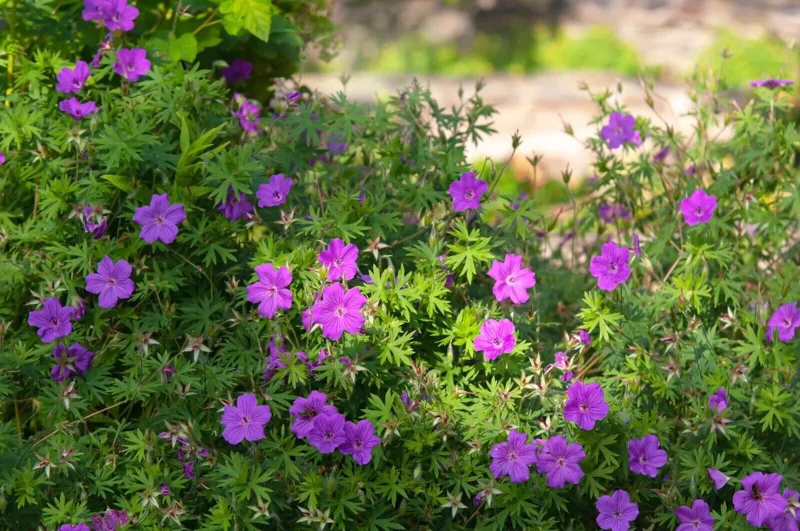
3 Cranesbill Wild Geranium Organic Maculatums Bare Roots | Wildflower for Outdoor Garden
Sold 116 products
Original price was: $21.99.$9.99Current price is: $9.99.
Sold 114 products
Original price was: $28.99.$17.99Current price is: $17.99.
Sold 110 products
Original price was: $63.99.$28.99Current price is: $28.99.
Sold 108 products
Original price was: $28.99.$17.99Current price is: $17.99.RELATED posts
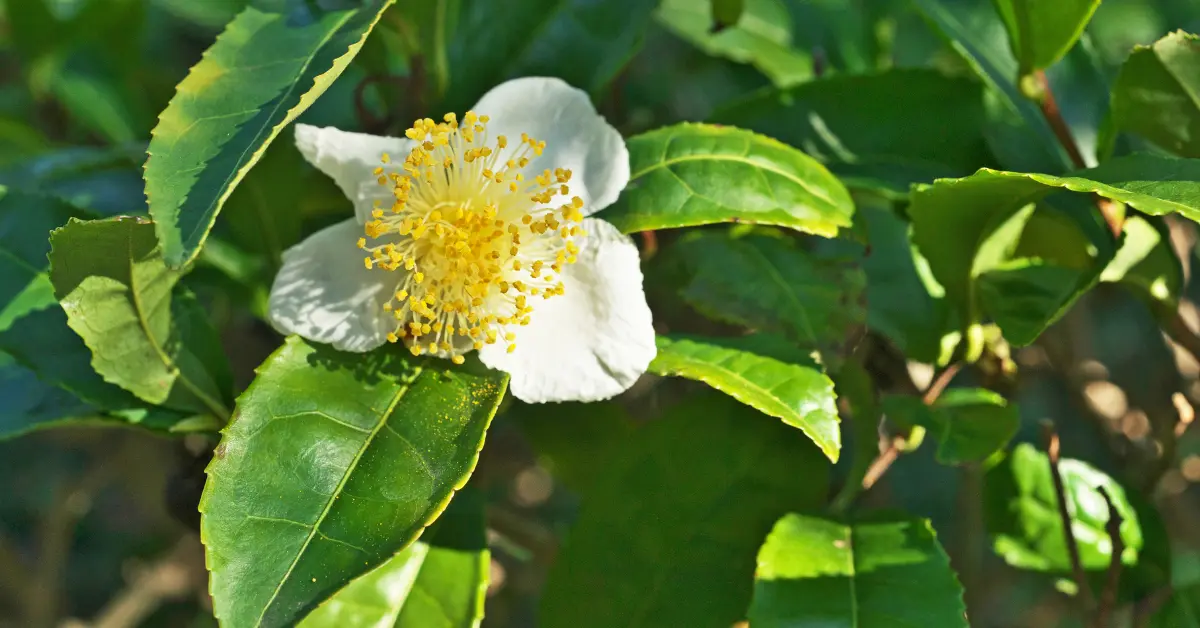
Growing Camellia Sinensis (Tea Plants) in Containers: A Complete Guide for Beginners
If you’ve ever wanted to sip a steaming, homegrown cup of fresh green, black, or [...]
Aug
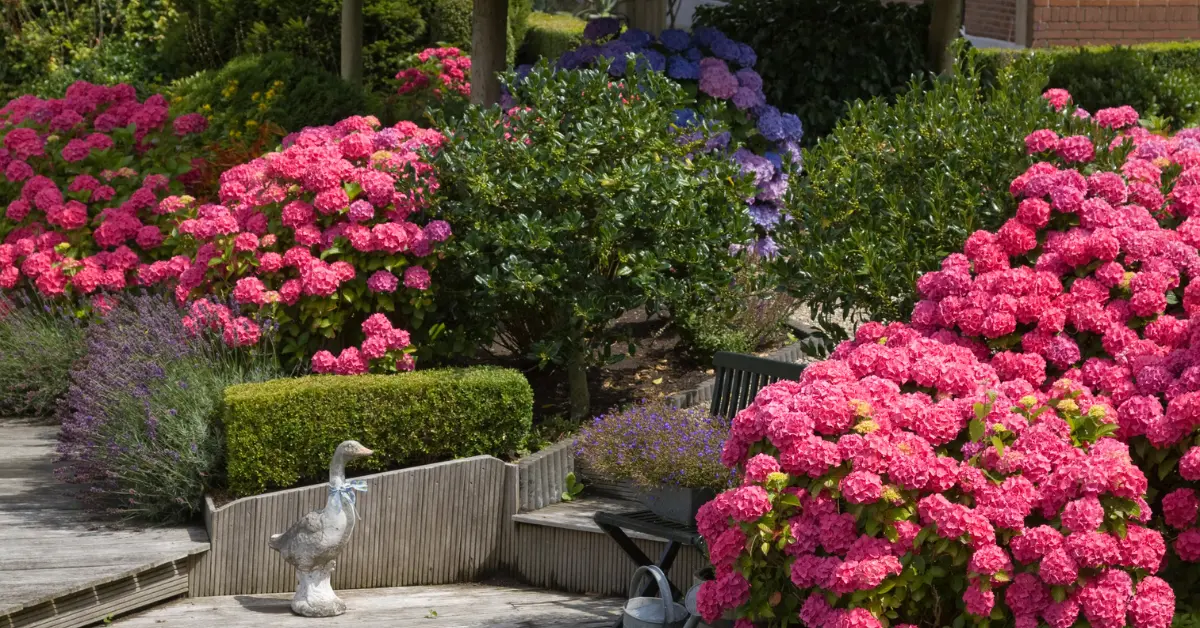
6 Best Shrubs to Plant in August You Must Try
Have you ever walked through a nursery late in the summer, admired the vibrant shrubs [...]
Aug
Growing Everbearing Strawberries in Containers: A Complete Guide for Beginners
Want to grow sweet, fresh strawberries but do not have a large garden? Everbearing strawberries [...]
Aug
Growing Egyptian Walking Onions in Containers: A Complete Guide for Beginners
If you’re looking for a hardy, no-fuss perennial onion that keeps on giving year after [...]
Jul
Growing Carolina Reaper Peppers in Pots: A Complete Guide for Beginners
If you’ve ever wanted to add some serious, record-breaking heat to your home cooking, you’ve [...]
May
Growing Curry Leaf Plant in Pots: A Complete Guide for Beginners
If you’re a fan of authentic South Asian cuisine, you already know that nothing compares [...]
May
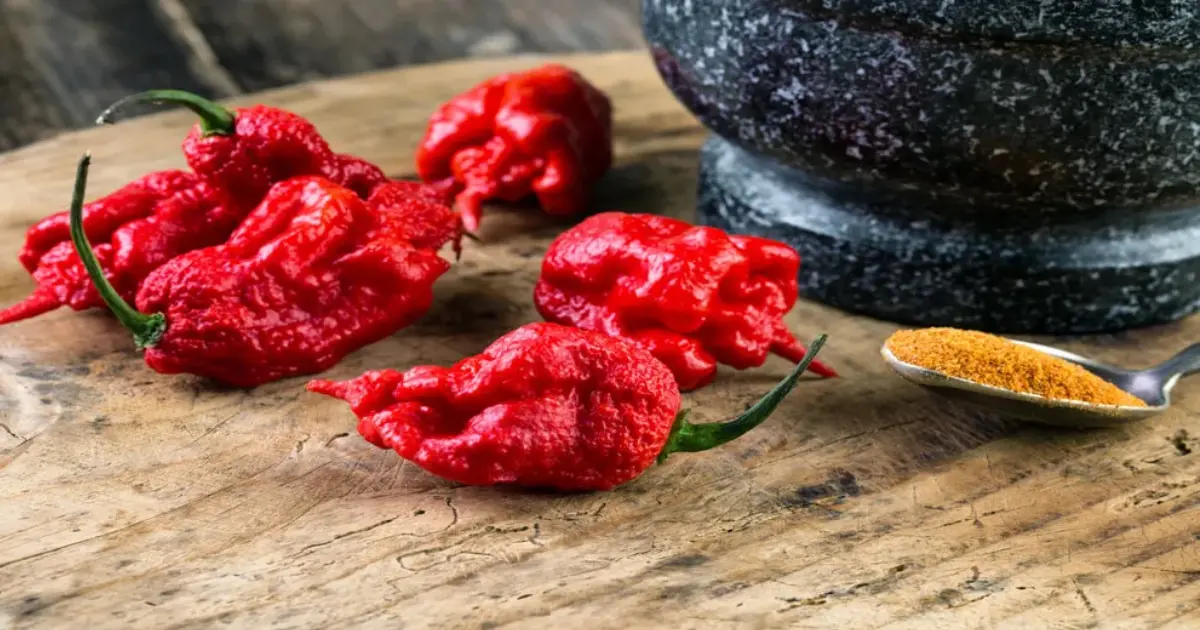
5 Tips for Growing Carolina Reaper Peppers to Get the Spiciest Harvest Ever
Holding the record for one of the world’s hottest peppers, the Reaper isn’t just a [...]
May
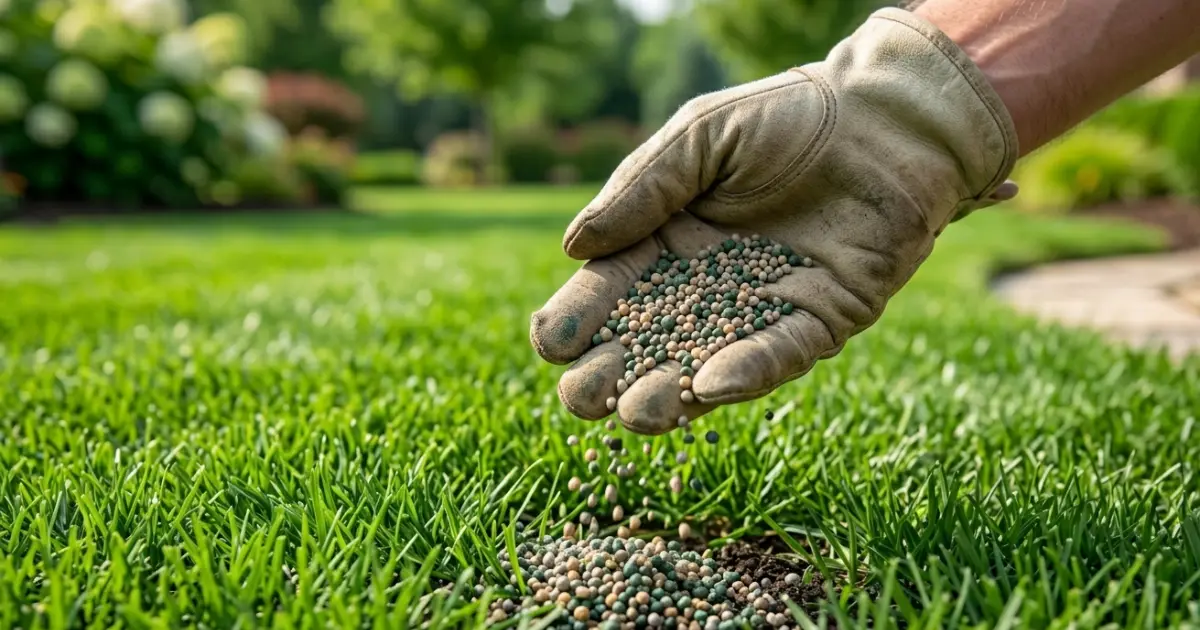
Best Fertilizers for Zoysia Grass in 2026: Get a Lush Lawn
As we enter the new year, the time has come to think about how we [...]
Apr
Reviews
There are no reviews yet.