
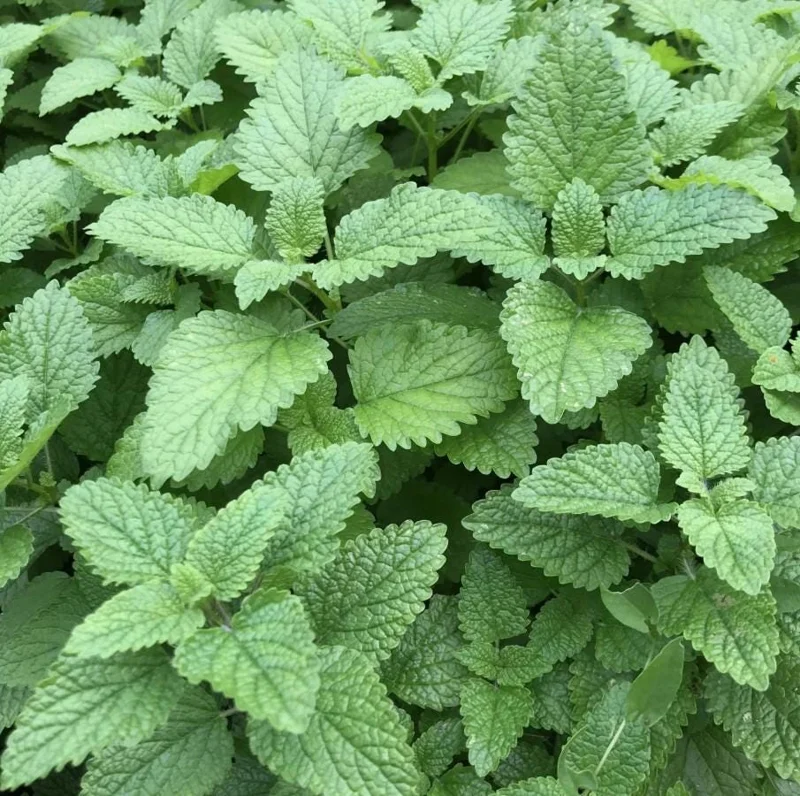
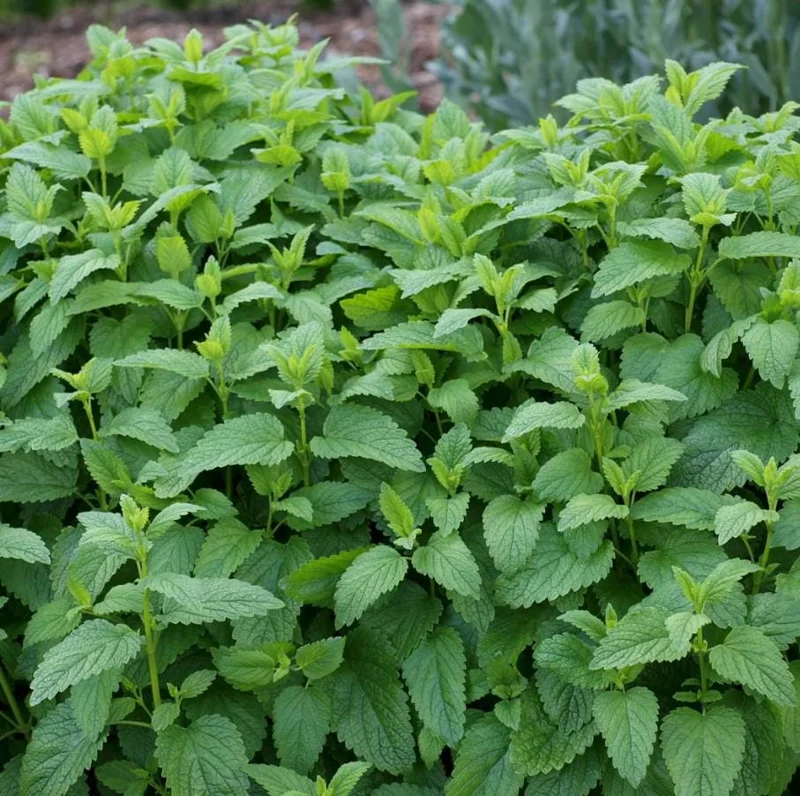
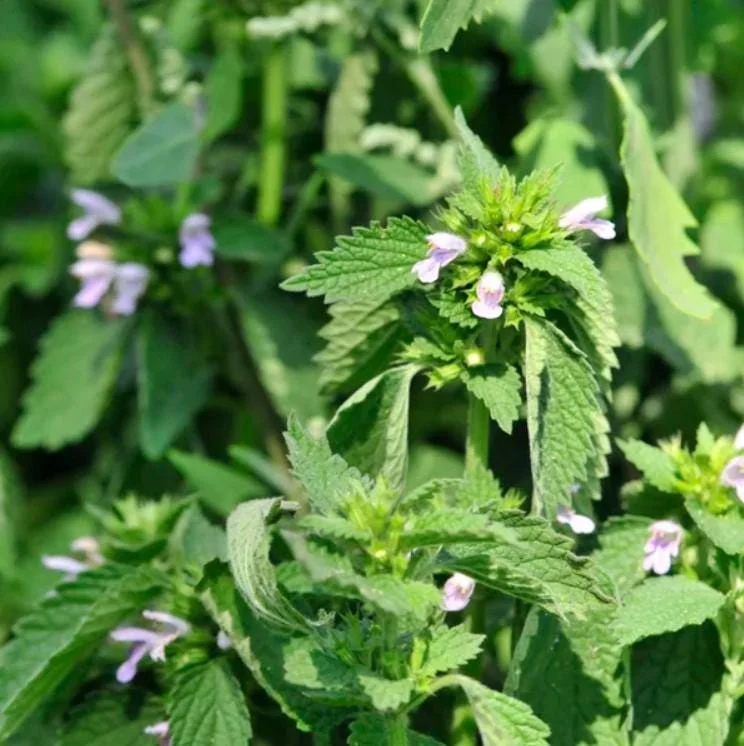
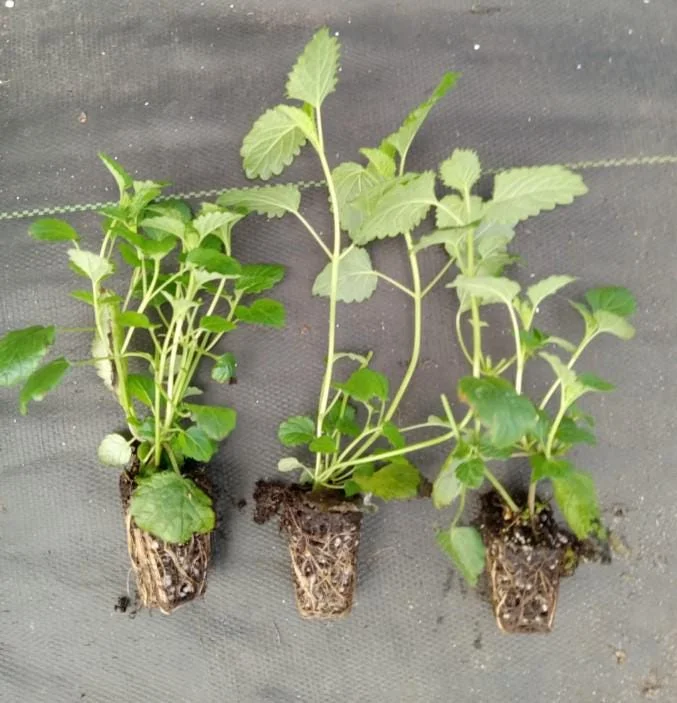
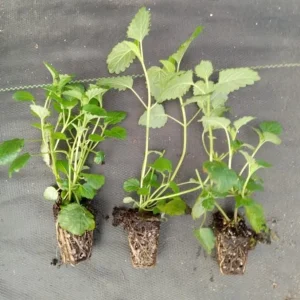
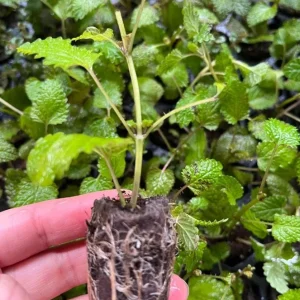
Lemon Balm Live Starter Plant – 3-6 Inch Tall Fragrant Perennial Herb for Garden
Original price was: $52.19.$17.19Current price is: $17.19.
Bring the delightful citrusy aroma of lemon balm live plant to your home or garden. This easy-to-grow melissa officinalis plant is a fragrant perennial herb, ideal for:
- Herbal teas and culinary uses
- Attracting pollinators
- Creating a calming atmosphere
Estimated arrival
Sep 14
Sep 19 - Sep 21
Sep 24 - Sep 28

Reasonable Price
We offer reasonable price

Support 24/7
Contact us 24 hrs a day

100% Money Back
You've 30 days to Return

Payment Secure
100% secure payment
Overview
Discover the joy of growing your own lemon balm live plant (Melissa officinalis), a delightful and versatile perennial herb from the mint family. Known for its distinct citrusy aroma and calming properties, this fragrant herb plant is a cherished addition to any garden or kitchen. Our starter plants are carefully cultivated to ensure a healthy beginning, ready to thrive in your care. Whether you’re an experienced gardener or just starting out, this easy-to-grow herb offers both beauty and utility, making it a perfect choice for those seeking natural remedies, culinary ingredients, or a charming pollinator magnet. The melissa officinalis plant is native to Southern Europe and the Mediterranean region, where it has been valued for centuries.
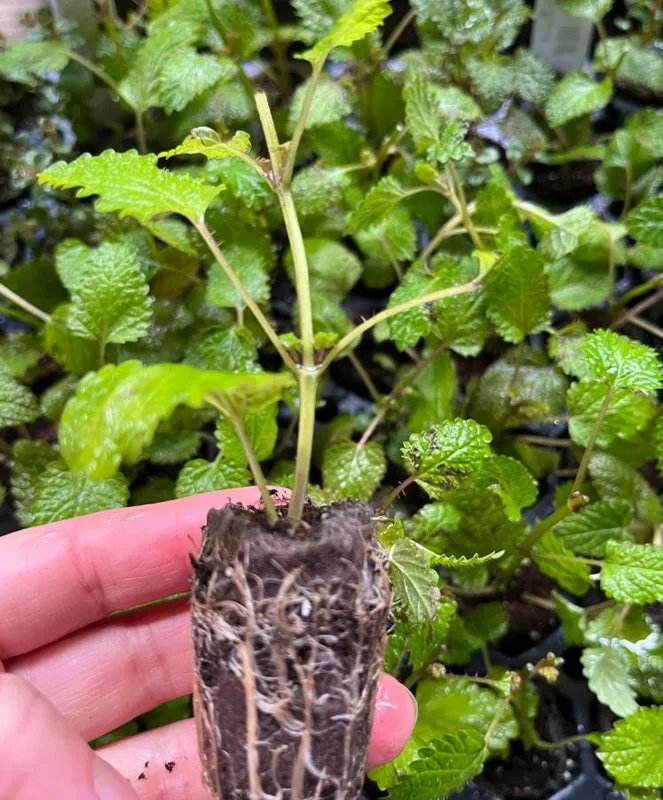
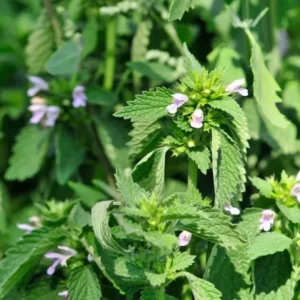
This particular offering is for healthy lemon balm live plant starter plants, typically 3-6 inches tall, ready to be transplanted into your preferred garden spot or container. Lemon balm is a vigorous grower, quickly establishing itself and providing an abundance of aromatic leaves throughout the growing season. Its lush green foliage and subtle white flowers add a touch of natural elegance, while its strong, pleasant scent can deter pests and attract beneficial insects like bees, supporting a healthy ecosystem. Embrace the simple pleasure of fresh, home-grown lemon balm.
Key Benefits
Incorporating a lemon balm live plant into your garden offers numerous advantages, from its delightful fragrance to its practical uses. This versatile herb enriches your environment and provides a sustainable source of fresh leaves.
- Calming Aroma: The strong, citrusy scent of lemon balm is renowned for its calming and stress-reducing properties, making it ideal for aromatherapy and relaxing teas.
- Culinary Versatility: Fresh lemon balm leaves can be used to enhance a variety of dishes, from refreshing drinks and desserts to savory meals, adding a unique lemony zest.
- Pollinator Magnet: The small, delicate flowers attract bees, butterflies, and other beneficial pollinators, contributing to the health and biodiversity of your garden.
- Medicinal Properties: Traditionally used in herbal remedies, melissa officinalis plant is believed to aid in digestion, promote sleep, and alleviate anxiety.
- Easy to Grow: A very forgiving and robust plant, lemon balm is suitable for gardeners of all skill levels, requiring minimal maintenance once established.
- Perennial Growth: As a perennial herb garden staple, it returns year after year, providing a continuous supply of fresh leaves without needing to replant annually.
- Companion Planting: Lemon balm can be a beneficial companion plant, potentially deterring certain pests and attracting beneficial insects to neighboring plants.
Plant Care & Growing Tips
Caring for your lemon balm live plant is straightforward, making it an excellent choice for both novice and experienced gardeners. This hardy herb thrives with basic attention, rewarding you with abundant, fragrant foliage. It prefers temperate climates and is hardy in USDA zones 4–9, allowing it to withstand a range of environmental conditions. For optimal growth, provide your melissa officinalis plant with full sun to partial shade. In hotter climates, some afternoon shade is beneficial to prevent leaf scorch and keep the foliage vibrant. Aim for at least 6 hours of sunlight daily if possible, or bright, filtered light indoors.
When it comes to watering, keep the soil lightly moist, especially during dry spells. Avoid waterlogging, as this can lead to root rot. Well-drained soil is crucial; a pH between 6.0–7.5 is ideal, though lemon balm tolerates a range of soil types, performing best in fertile loam. Fertilize sparingly, as too much nitrogen can reduce the concentration of essential oils responsible for its fragrance. A balanced, organic fertilizer applied once or twice during the growing season is usually sufficient. Regular harvesting encourages bushier growth and prevents the plant from becoming leggy. Watch out for common issues like powdery mildew in humid conditions; ensuring good air circulation by proper spacing (12–18 inches apart) can help prevent this.
Size & Details
This offering includes lemon balm live plant starter plants, typically ranging from 3 to 6 inches in height upon arrival. These young plants are ready for transplanting and will quickly establish themselves in your garden or container. Lemon balm is a fast-growing perennial that can reach mature heights of 1 to 2 feet (30-60 cm) tall and wide, forming a bushy, attractive mound. It is shipped as a live, rooted plant, carefully packaged to ensure its health during transit. With proper care, you can expect your perennial herb garden addition to begin producing harvestable leaves once it reaches 6-8 inches tall, usually within a few weeks of planting.
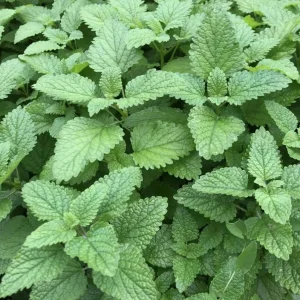
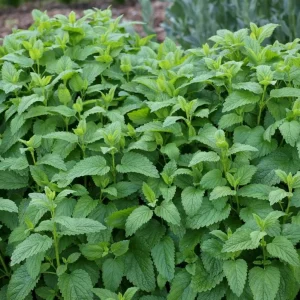
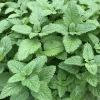
The plant will develop into a robust specimen with characteristic oval, serrated leaves that emit a strong lemon scent when bruised. This herb is known for its vigorous growth rate, especially in favorable conditions, and can spread through self-seeding if not managed. While specific pot size is not listed, these starter plants are suitable for immediate planting into a larger container or directly into your garden bed, where they will quickly expand. The lemon balm care instructions provided will help you nurture these plants to their full potential, ensuring a bountiful harvest of fragrant leaves for years to come.
Frequently Asked Questions
- Q: How big does this plant get? A: A lemon balm live plant typically grows 1 to 2 feet tall and wide at maturity, forming a bushy, herbaceous perennial. Our starter plants are 3-6 inches tall upon arrival, ready to grow.
- Q: Is this an indoor or outdoor plant? A: Lemon balm can be grown both indoors and outdoors. It thrives outdoors in USDA zones 4-9 and can also be cultivated indoors near a sunny window or under grow lights.
- Q: How much sunlight does it need? A: This fragrant herb plant prefers full sun to partial shade. In hot climates, partial afternoon shade is recommended to prevent leaf scorch. Aim for at least 6 hours of direct or bright indirect light daily.
- Q: Is this plant easy to care for? A: Yes, lemon balm is very easy to care for, making it suitable for beginners. It’s a robust and forgiving plant that requires minimal attention once established, primarily consistent watering and occasional harvesting.
- Q: What condition will it arrive in? A: Your lemon balm live plant will arrive as a healthy, rooted starter plant, carefully packaged to withstand transit. Some minor wilting or yellowing of leaves is normal and the plant will recover quickly.
- Q: Can I use lemon balm in cooking? A: Absolutely! Lemon balm is a fantastic culinary herb. Its citrusy flavor is excellent in teas, salads, desserts, chicken, fish, and refreshing beverages.
- Q: How long until I can harvest leaves? A: You can begin harvesting leaves once your melissa officinalis plant is about 6-8 inches tall, usually a few weeks after planting and establishment. Frequent harvesting encourages bushier growth.
- Q: Is lemon balm pet-safe? A: While generally considered non-toxic to pets, it’s always best to monitor your pets to ensure they don’t consume large quantities of any plant. Consult a vet if you have concerns.
- Q: When is the best time to plant lemon balm? A: The best time to plant a perennial herb garden starter like lemon balm is after the last danger of frost in spring, or you can start seeds indoors 6-8 weeks before the last frost.
- Q: What is the ideal soil for lemon balm? A: Lemon balm prefers moist, well-drained soil with a pH of 6.0–7.5. It tolerates a range of soil types but performs best in fertile loam.
Be the first to review “Lemon Balm Live Starter Plant – 3-6 Inch Tall Fragrant Perennial Herb for Garden”
-
USDA Hardiness Zone
USDA zones 4–9 -
Soil Type
Moist, well-drained soil; pH 6.0–7.5 -
Sunlight Exposure
Full sun to partial shade -
Expected Planting Period
Spring to early summer
People Also Viewd
Sold 134 products
Original price was: $3,536.00.$23.99Current price is: $23.99.
Sold 131 products
Original price was: $27.00.$24.00Current price is: $24.00.
Sold 130 products
Original price was: $89.99.$64.99Current price is: $64.99.

Sold 125 products
Original price was: $86.99.$66.99Current price is: $66.99.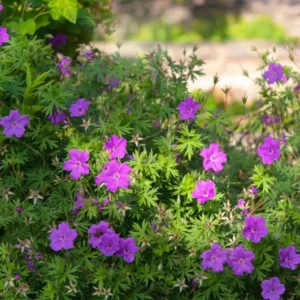
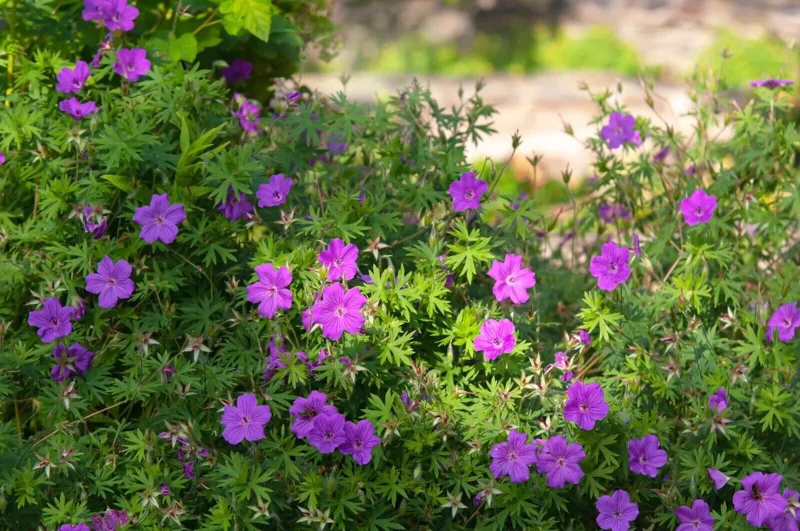
Flower Bulbs
3 Cranesbill Wild Geranium Organic Maculatums Bare Roots | Wildflower for Outdoor Garden
Sold 116 products
Original price was: $21.99.$9.99Current price is: $9.99.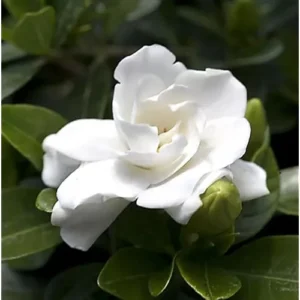
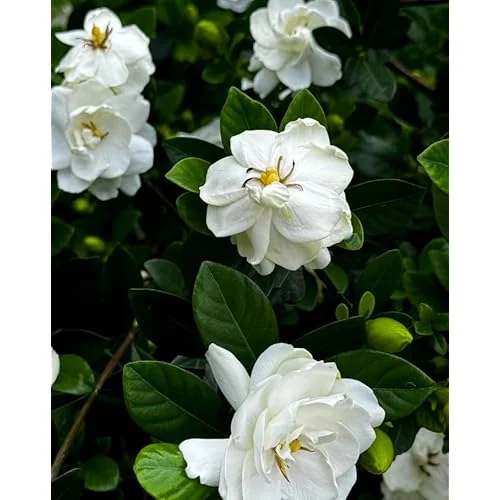
Sold 114 products
Original price was: $28.99.$17.99Current price is: $17.99.
Sold 110 products
Original price was: $63.99.$28.99Current price is: $28.99.
Sold 108 products
Original price was: $28.99.$17.99Current price is: $17.99.RELATED posts
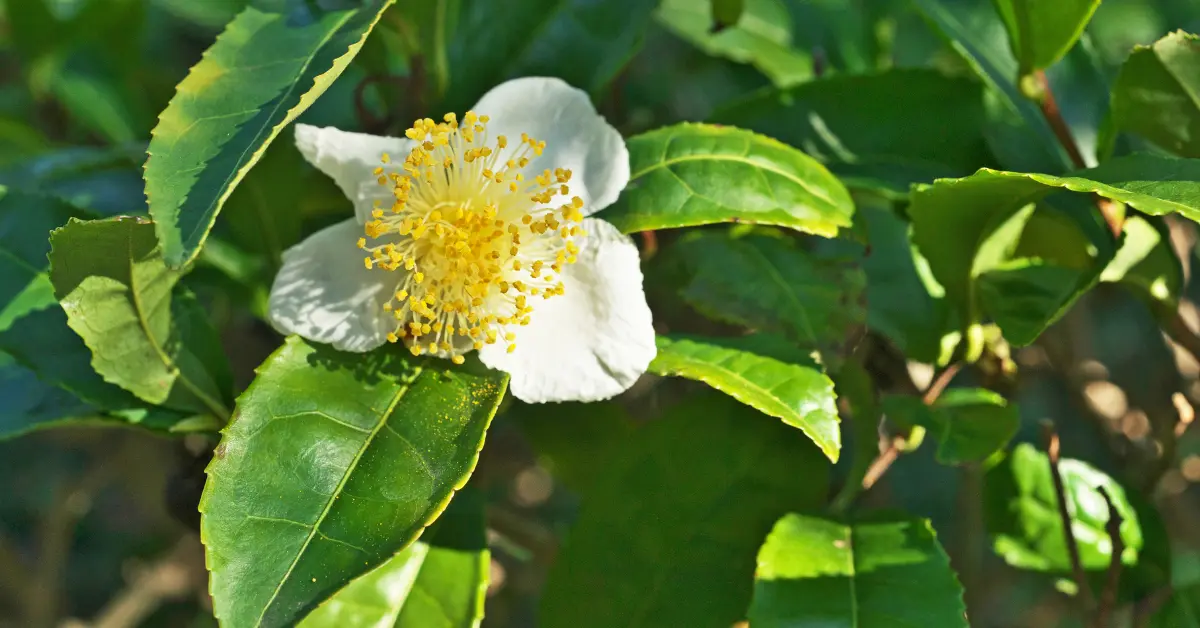
Growing Camellia Sinensis (Tea Plants) in Containers: A Complete Guide for Beginners
If you’ve ever wanted to sip a steaming, homegrown cup of fresh green, black, or [...]
Aug
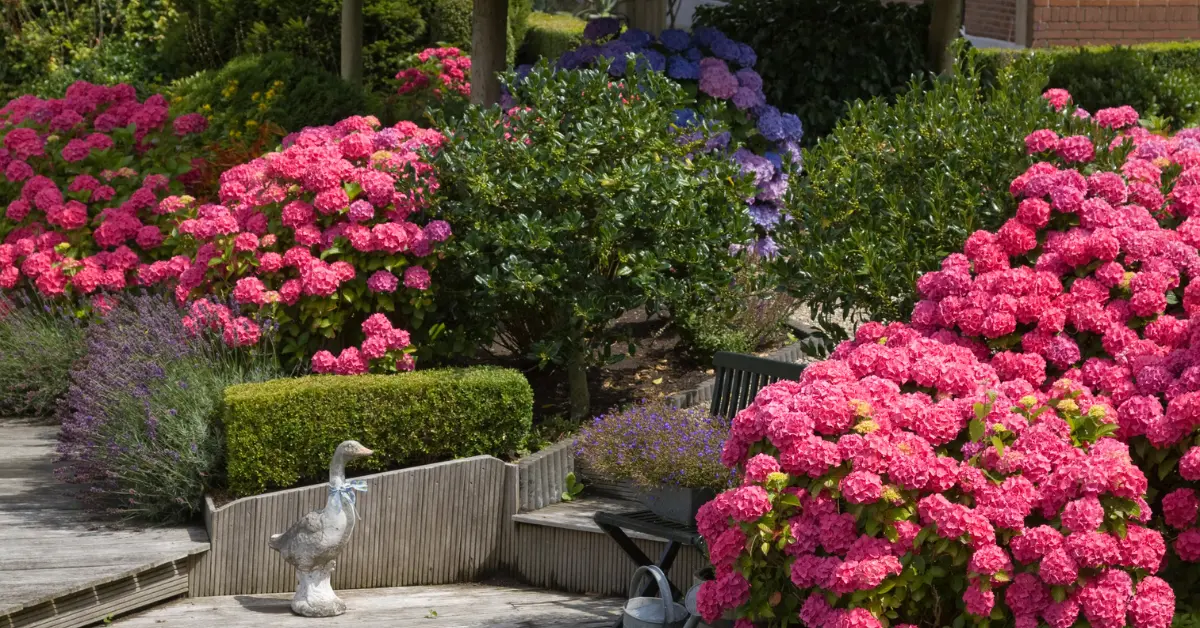
6 Best Shrubs to Plant in August You Must Try
Have you ever walked through a nursery late in the summer, admired the vibrant shrubs [...]
Aug
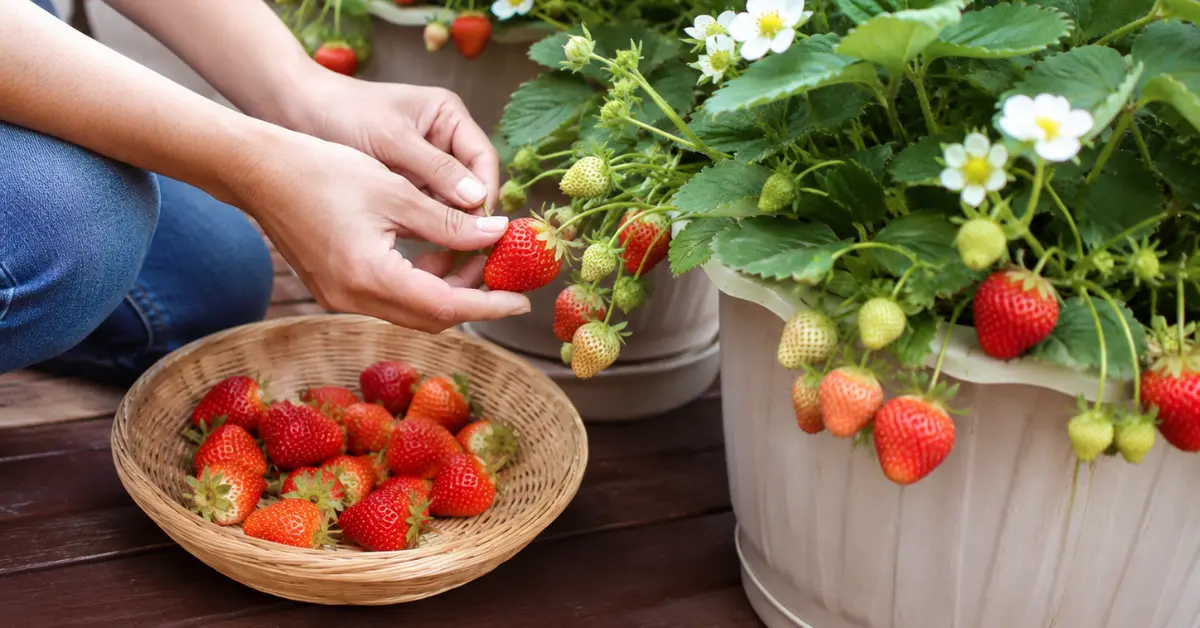
Growing Everbearing Strawberries in Containers: A Complete Guide for Beginners
Want to grow sweet, fresh strawberries but do not have a large garden? Everbearing strawberries [...]
Aug
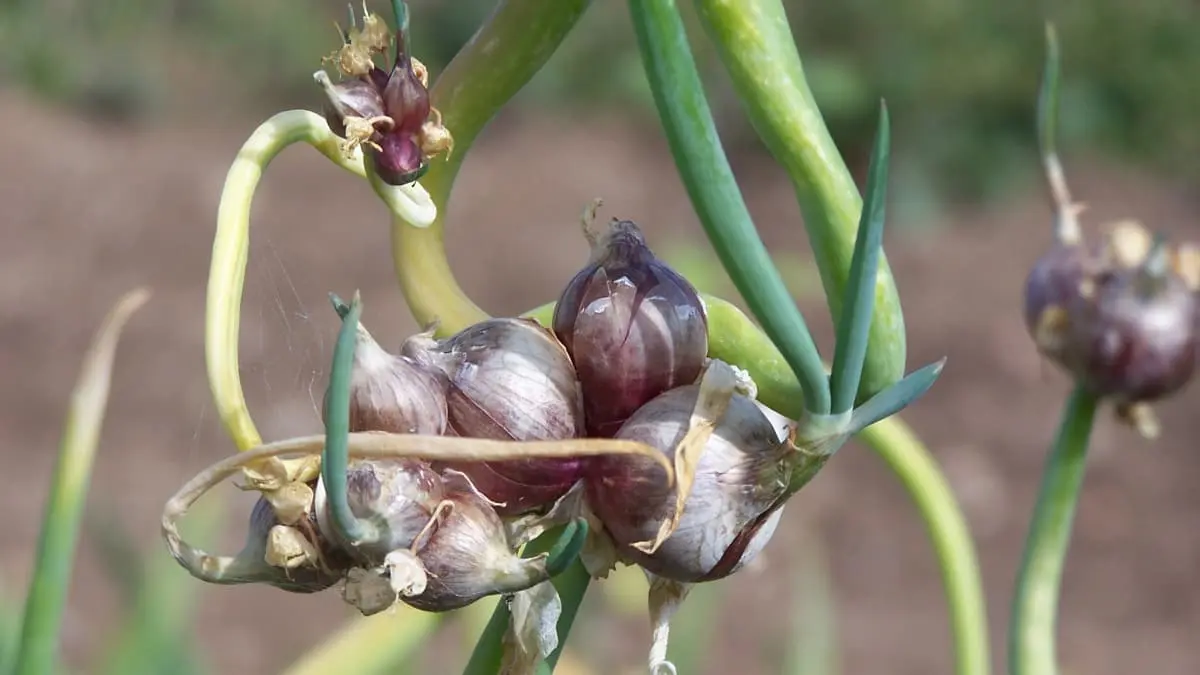
Growing Egyptian Walking Onions in Containers: A Complete Guide for Beginners
If you’re looking for a hardy, no-fuss perennial onion that keeps on giving year after [...]
Jul
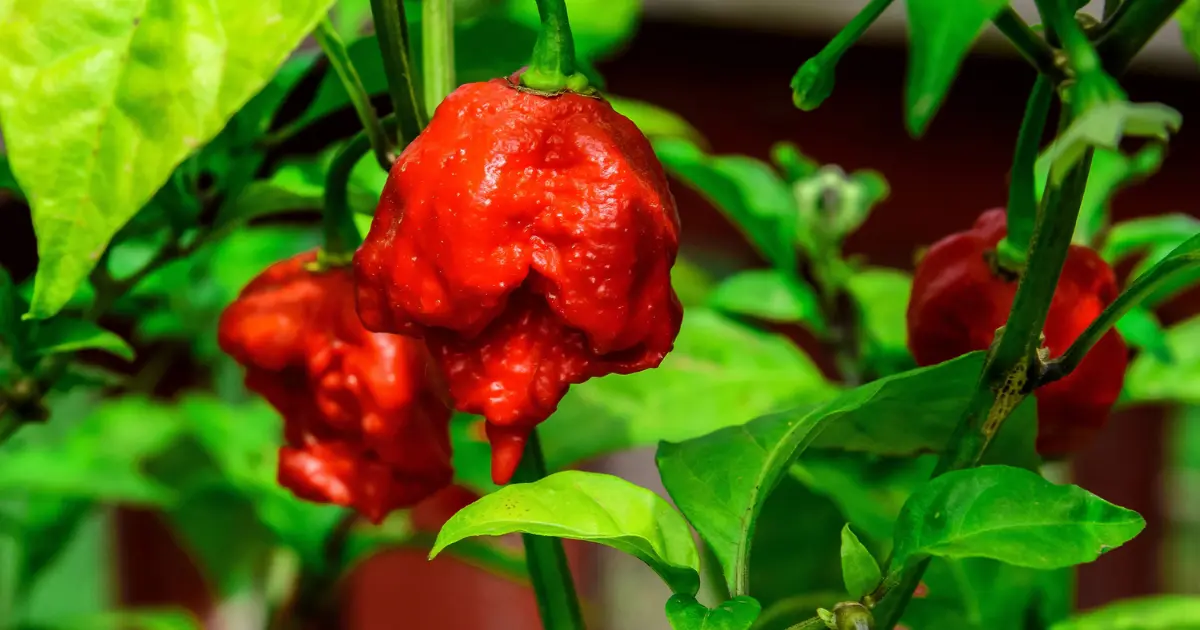
Growing Carolina Reaper Peppers in Pots: A Complete Guide for Beginners
If you’ve ever wanted to add some serious, record-breaking heat to your home cooking, you’ve [...]
May
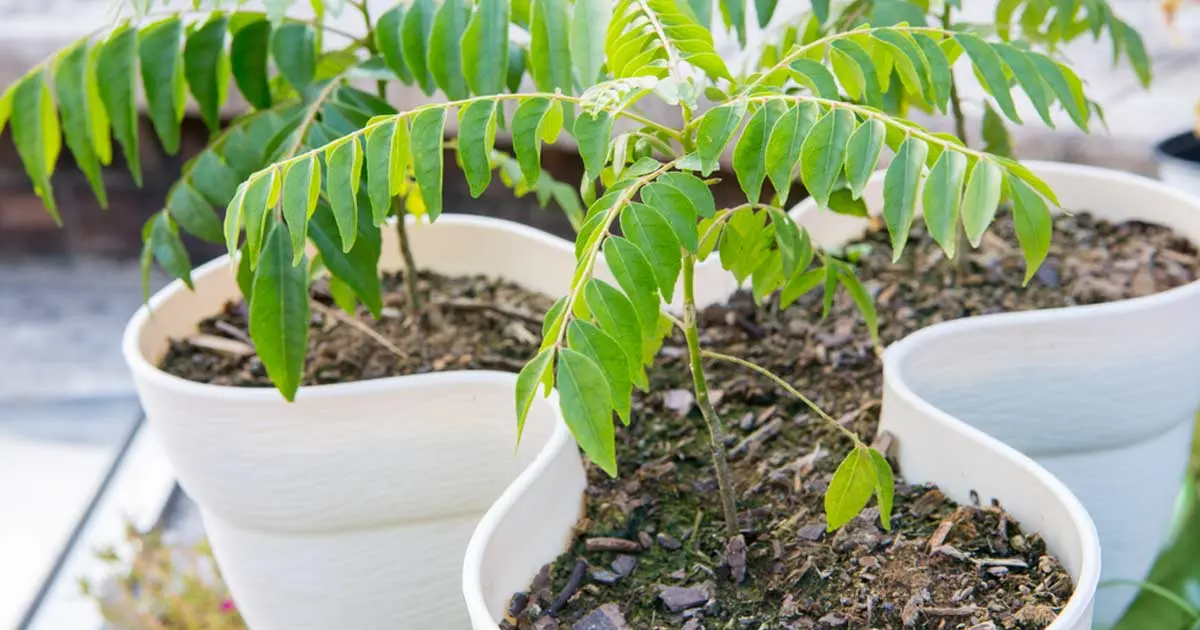
Growing Curry Leaf Plant in Pots: A Complete Guide for Beginners
If you’re a fan of authentic South Asian cuisine, you already know that nothing compares [...]
May
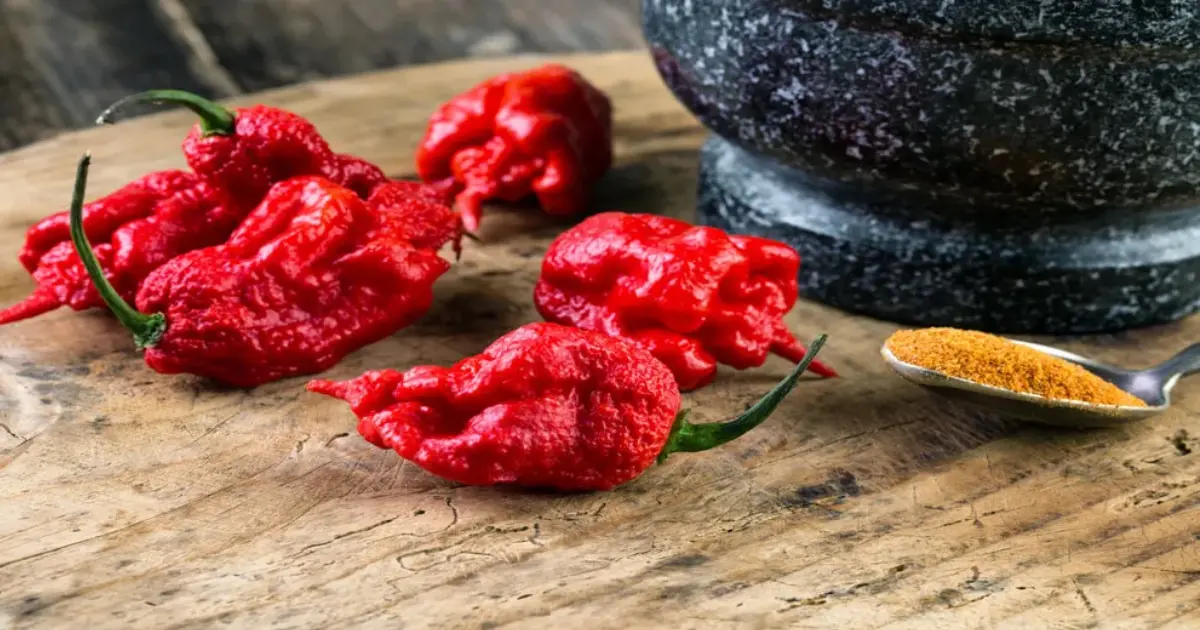
5 Tips for Growing Carolina Reaper Peppers to Get the Spiciest Harvest Ever
Holding the record for one of the world’s hottest peppers, the Reaper isn’t just a [...]
May
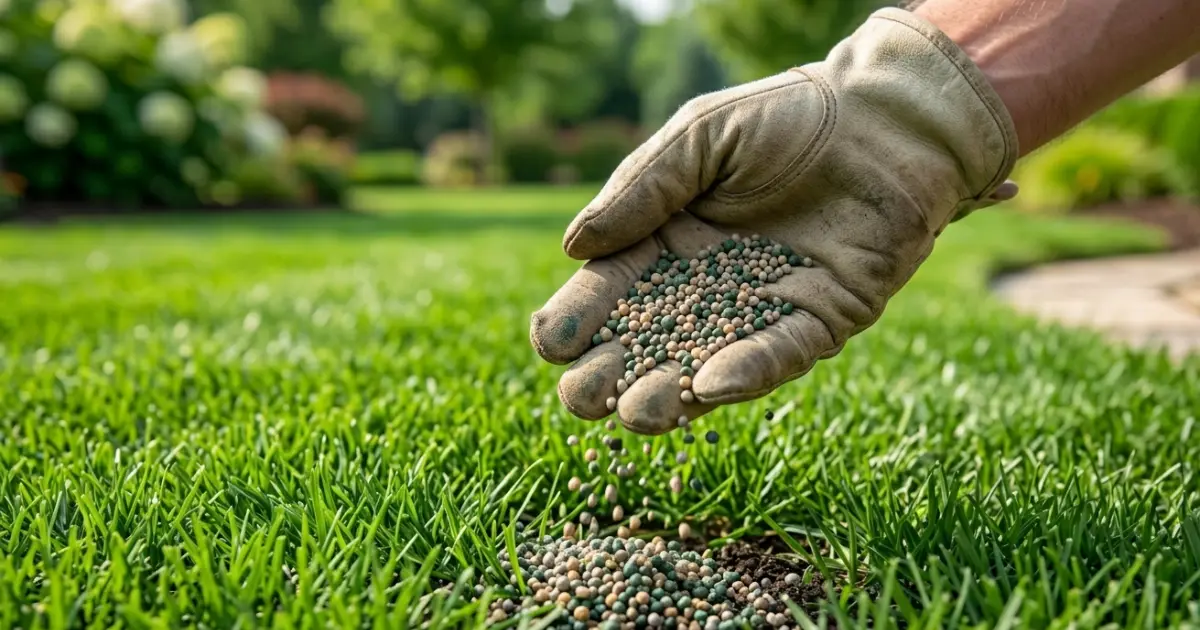
Best Fertilizers for Zoysia Grass in 2026: Get a Lush Lawn
As we enter the new year, the time has come to think about how we [...]
Apr
Reviews
There are no reviews yet.