
Dutch Master Yellow Trumpet Daffodil Bulbs – 6 Flower Bulbs, Outdoor
Original price was: $52.44.$18.99Current price is: $18.99.
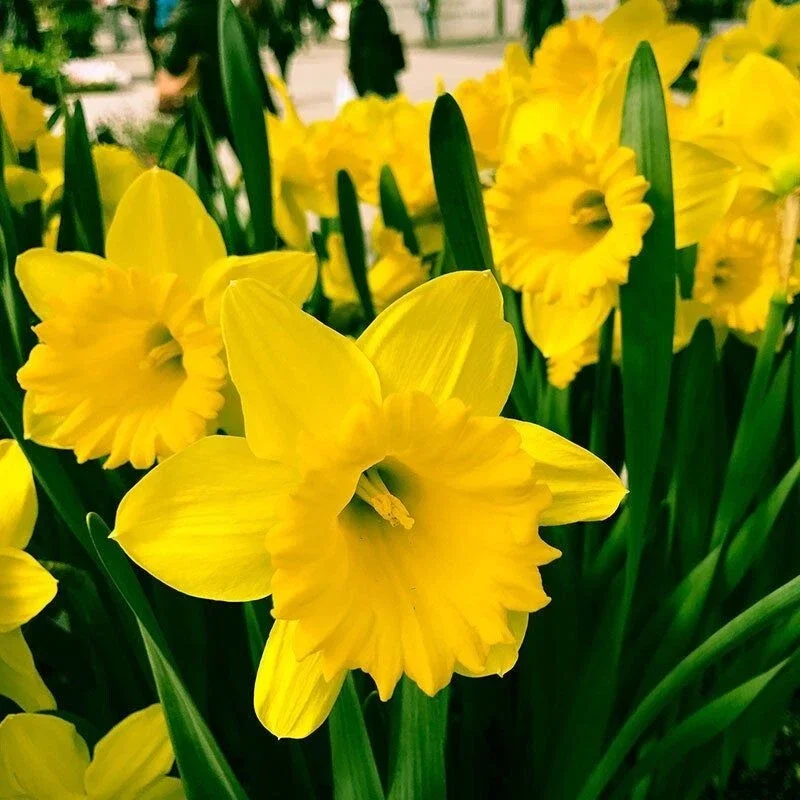
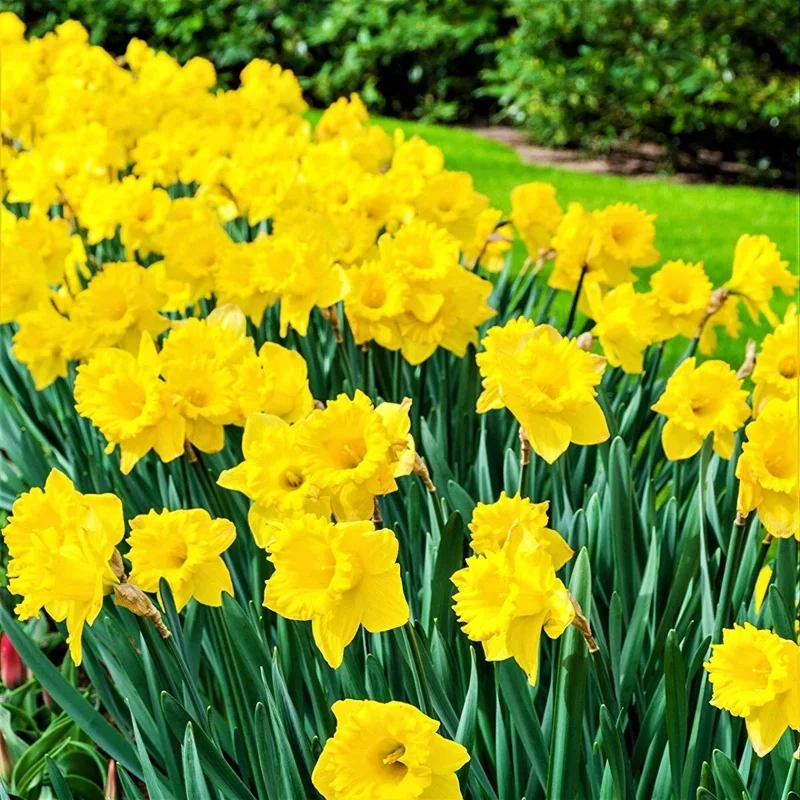
Bring classic spring beauty to your garden with Dutch Master daffodil bulbs. This 6-pack of premium flower bulbs produces stunning, large, golden-yellow trumpet daffodils. Ideal for borders, mass plantings, or naturalizing, these hardy bulbs promise a vibrant display year after year.
Estimated arrival
Oct 05
Oct 10 - Oct 12
Oct 15 - Oct 19

Reasonable Price
We offer reasonable price

Support 24/7
Contact us 24 hrs a day

100% Money Back
You've 30 days to Return

Payment Secure
100% secure payment
Overview
Transform your garden into a springtime spectacle with Dutch Master daffodil bulbs. Renowned for their majestic presence and brilliant golden-yellow hues, the ‘Dutch Master’ is one of the most iconic and beloved trumpet daffodil varieties. These robust flower bulbs are a gardener’s delight, offering reliable and spectacular blooms that herald the arrival of spring. Each bulb is carefully selected to ensure vigorous growth and abundant flowering, making them a perfect choice for both novice and experienced gardeners alike. Plant these daffodil bulbs in groups for a dramatic impact, or scatter them for a more naturalized look across lawns, under trees, or along pathways. Their cheerful color and sturdy stems also make them excellent for cutting, allowing you to bring the joy of spring indoors.
The yellow trumpet daffodil, specifically the ‘Dutch Master’ variety, is celebrated for its classic form: a large, prominent trumpet surrounded by broad, overlapping petals, all in a uniform, radiant yellow. These daffodils are not just beautiful; they are also remarkably resilient, often deer-resistant, and relatively low-maintenance once established. They thrive in a wide range of climates and soil conditions, returning year after year to brighten your landscape. This pack of 6 flower bulbs provides a fantastic foundation for a stunning spring display, promising weeks of vibrant color and a touch of timeless elegance.
Key Benefits
Planting Dutch Master daffodil bulbs offers numerous advantages, enhancing your garden’s beauty and your gardening experience:
- Vibrant Spring Color: Enjoy a magnificent display of bright golden-yellow flowers that are among the first to bloom, signaling the end of winter and the beginning of spring. These cheerful blooms instantly uplift the mood of any garden space.
- Low Maintenance: Once planted, these daffodil bulbs require minimal care. They are hardy, resilient, and generally pest-free, making them perfect for busy gardeners or those new to bulb planting.
- Deer and Rodent Resistant: Daffodils contain alkaloids that are unpalatable to deer and most rodents, protecting your beautiful blooms from common garden nibblers. This allows your display to flourish undisturbed.
- Excellent for Naturalizing: ‘Dutch Master’ daffodils readily multiply over time, forming larger clumps and spreading natural beauty throughout your landscape. They are ideal for creating drifts of color in woodland settings or open lawns.
- Versatile Garden Use: These vibrant daffodils are perfect for borders, mass plantings, rock gardens, containers, or as cut flowers. Their strong stems make them an excellent choice for floral arrangements, bringing the freshness of spring indoors.
- Long-Lasting Blooms: Each flower provides a sustained period of color, contributing significantly to your garden’s aesthetic appeal for several weeks during the spring season. The robust nature of the yellow trumpet daffodil ensures a reliable show.
- Perennial Beauty: These bulbs are perennials, meaning they return year after year with increasing vigor and beauty, providing a long-term investment in your garden’s charm. Understanding the daffodil planting guide ensures this longevity.
Plant Care & Growing Tips
Successful growth of your Dutch Master daffodil bulbs begins with proper planting and ongoing care. Choose a site that receives full sun to partial shade; at least 6 hours of direct sunlight daily is ideal for the best blooms. While daffodils can tolerate some shade, too much will result in fewer flowers. Ensure the soil is well-draining, as daffodil bulbs are susceptible to rot in waterlogged conditions. Amend heavy clay soils with organic matter like compost or peat moss to improve drainage and fertility. The ideal pH for daffodils is slightly acidic to neutral (6.0-7.0).
Plant the bulbs in the fall, typically 6-8 weeks before the ground freezes. Dig a hole approximately 6-8 inches deep and place the bulb with the pointed end facing upwards. Space bulbs about 4-6 inches apart for a massed effect, or further apart for naturalizing. Cover with soil and water thoroughly. After planting, ensure consistent moisture, especially during dry periods in fall and spring. Once the foliage emerges in spring, continue to water if rainfall is scarce. Fertilize with a balanced bulb food or bone meal at planting time and again after blooming, but avoid high-nitrogen fertilizers which promote foliage over flowers. Crucially, do not cut back the foliage after blooming; allow it to yellow and die back naturally, as this process replenishes the bulb for the following year’s blooms. This is a key step in any daffodil planting guide.
Daffodils are generally hardy and resistant to most pests and diseases. However, keep an eye out for slugs or snails, which can be managed with organic baits. If bulbs fail to bloom, it could be due to insufficient sunlight, premature removal of foliage, or overcrowding. If bulbs become too crowded after several years, they may need to be dug up, divided, and replanted in late summer or early fall. Following these guidelines will help you achieve a spectacular and long-lasting display of spring flowering bulbs.
Size & Details
This package contains 6 premium Dutch Master daffodil bulbs, ready for planting. Each bulb is of flowering size, promising robust growth and magnificent blooms in the upcoming spring season. When mature, ‘Dutch Master’ daffodils typically grow to a height of 16-20 inches (40-50 cm) with a spread of 6-8 inches (15-20 cm) per plant, creating a substantial and impactful presence in the garden. The large, golden-yellow flowers measure approximately 4-5 inches (10-12 cm) across, making them highly visible and striking.
These bulbs ship dormant and are best planted in the fall for spring blooming. They typically begin to flower in early to mid-spring, depending on your specific climate and planting zone. The ‘Dutch Master’ is known for its strong, upright stems that hold the large flowers proudly, making them excellent cut flowers. With proper care and favorable conditions, these spring flowering bulbs will multiply over the years, enhancing your garden’s beauty with each passing season.
Frequently Asked Questions
- Q: How big do Dutch Master Daffodils get? A: Dutch Master daffodil bulbs typically produce plants that reach a height of 16-20 inches (40-50 cm) with a flower span of about 4-5 inches (10-12 cm) across. They create a significant visual impact in the garden.
- Q: Is this an indoor or outdoor plant? A: These are primarily outdoor bulbs, designed to be planted in garden beds, borders, or naturalized areas. While they can be forced indoors for a temporary display, their natural habitat is outdoors.
- Q: How much sunlight does the yellow trumpet daffodil need? A: For the best blooming results, ‘Dutch Master’ daffodils require at least 6 hours of direct sunlight per day. They can tolerate partial shade, especially in warmer climates, but full sun encourages the most abundant flowers.
- Q: Is this plant easy to care for? A: Yes, ‘Dutch Master’ daffodils are considered very easy to care for. Once planted correctly according to a good daffodil planting guide, they are largely self-sufficient, requiring minimal watering and feeding.
- Q: How long until these spring flowering bulbs bloom? A: When planted in the fall, these bulbs will typically bloom in early to mid-spring of the following year. The exact timing can vary based on your local climate and weather conditions.
- Q: When is the best time to plant Dutch Master daffodil bulbs? A: The best time to plant these daffodil bulbs is in the fall, about 6-8 weeks before the ground typically freezes in your area. This allows them to establish roots before winter.
- Q: Will these daffodils survive winter in my zone? A: Yes, ‘Dutch Master’ daffodils are very hardy and are suitable for USDA Zones 3-8. They require a cold dormancy period to bloom properly and will reliably return each spring in these zones.
- Q: Are these daffodil bulbs deer resistant? A: Yes, daffodils, including the ‘Dutch Master’ variety, are generally considered deer and rodent resistant. Their natural compounds make them unappetizing to most common garden pests.
- Q: What condition will the bulbs arrive in? A: Your Dutch Master daffodil bulbs will arrive dormant, firm, and healthy, ready for immediate planting. They are carefully packaged to ensure their quality during transit.
- Q: How do I ensure my daffodils return year after year? A: To ensure perennial blooming, allow the foliage to yellow and die back naturally after flowering. This process provides essential nutrients back to the bulb for the next season’s growth. Avoid cutting foliage prematurely. This advice is crucial when learning how to grow daffodils successfully.
Be the first to review “Dutch Master Yellow Trumpet Daffodil Bulbs – 6 Flower Bulbs, Outdoor”
-
USDA Hardiness Zone
USDA Zones 3-8 -
Soil Type
Well-draining soil -
Sunlight Exposure
Full sun to partial shade -
Expected Planting Period
Fall
People Also Viewd
Sold 134 products
Original price was: $3,536.00.$23.99Current price is: $23.99.
Sold 132 products
Original price was: $27.00.$24.00Current price is: $24.00.
Sold 132 products
Original price was: $89.99.$64.99Current price is: $64.99.

Sold 125 products
Original price was: $86.99.$66.99Current price is: $66.99.
Flower Bulbs
3 Cranesbill Wild Geranium Organic Maculatums Bare Roots | Wildflower for Outdoor Garden
Sold 116 products
Original price was: $21.99.$9.99Current price is: $9.99.
Sold 114 products
Original price was: $28.99.$17.99Current price is: $17.99.
Sold 110 products
Original price was: $63.99.$28.99Current price is: $28.99.
Sold 108 products
Original price was: $28.99.$17.99Current price is: $17.99.RELATED posts
How to Grow Arbequina Olive Trees: The Ultimate Guide to Your Own Olive Grove
Arbequina Olive Tree (Olea europaea ‘Arbequina’) – the ultimate Mediterranean plant that brings a touch [...]
Oct
Growing Garlic in Containers This Fall: A Complete Guide for Beginners
If you’ve ever wanted to pop fresh, aromatic garlic cloves straight from your own patio [...]
Sep
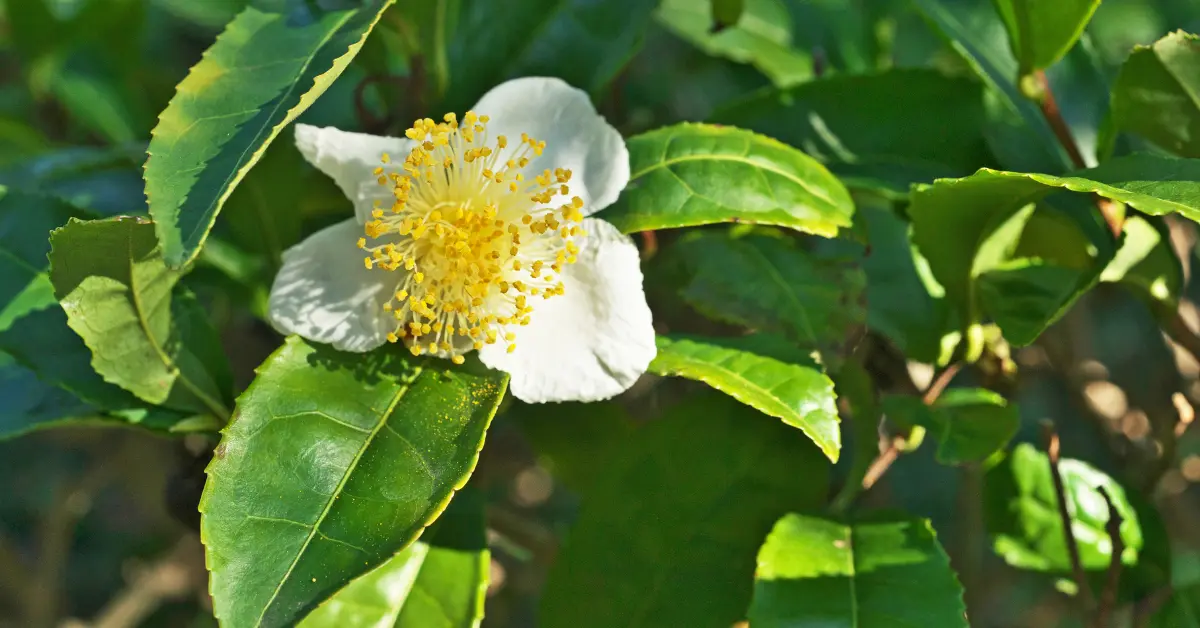
Growing Camellia Sinensis (Tea Plants) in Containers: A Complete Guide for Beginners
If you’ve ever wanted to sip a steaming, homegrown cup of fresh green, black, or [...]
Aug
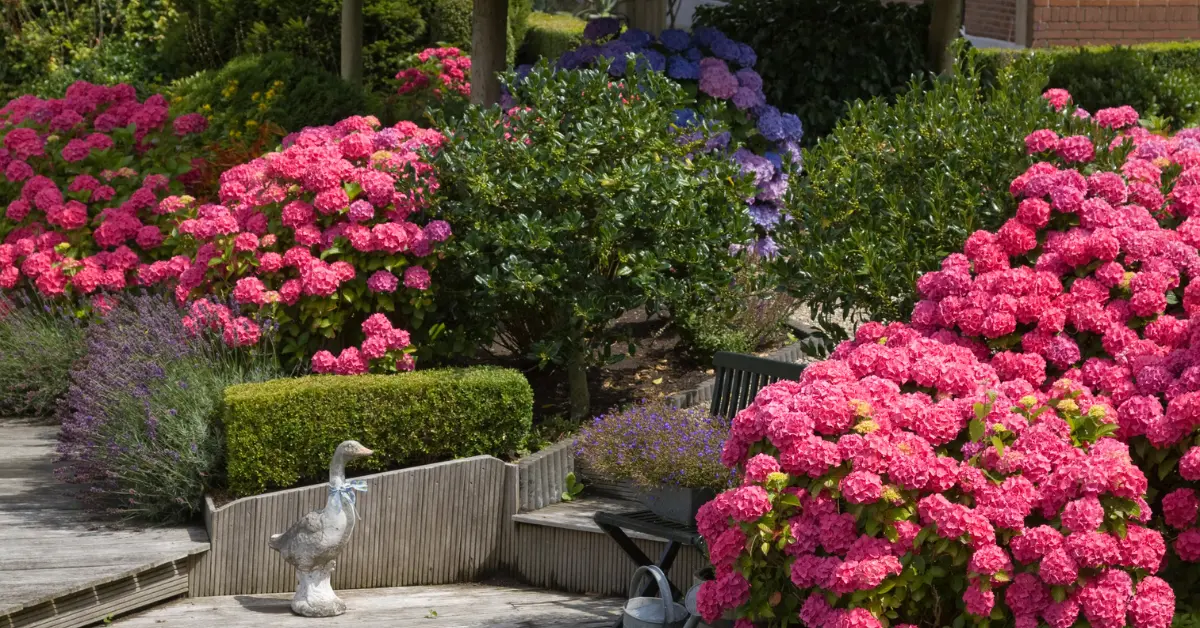
6 Best Shrubs to Plant in August You Must Try
Have you ever walked through a nursery late in the summer, admired the vibrant shrubs [...]
Aug
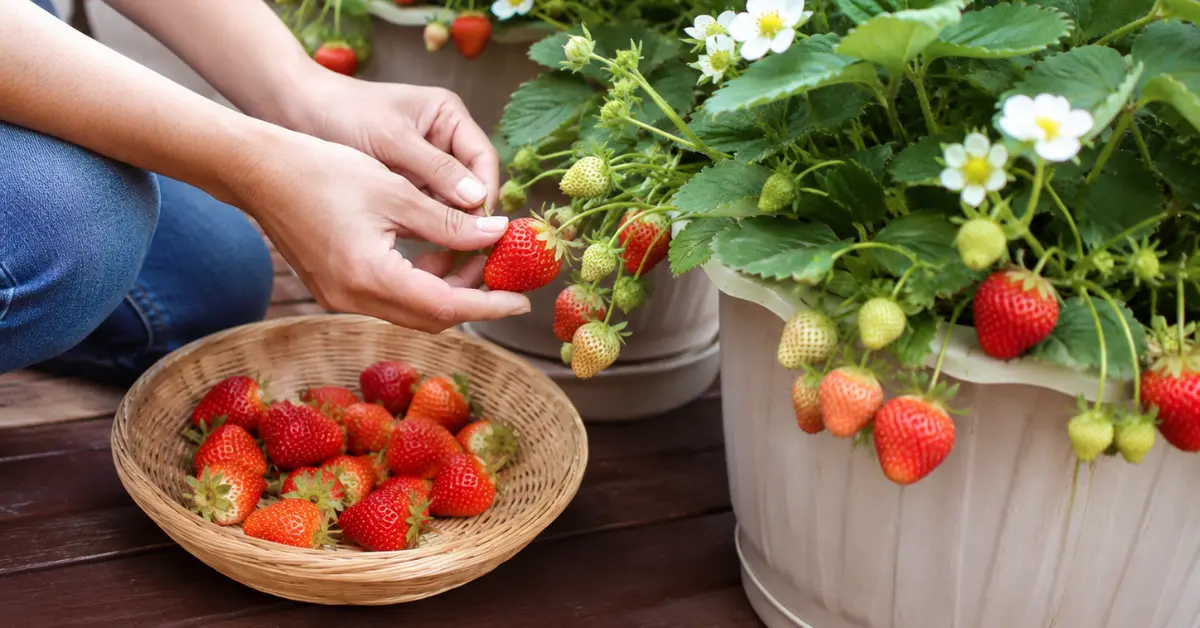
Growing Everbearing Strawberries in Containers: A Complete Guide for Beginners
Want to grow sweet, fresh strawberries but do not have a large garden? Everbearing strawberries [...]
Aug
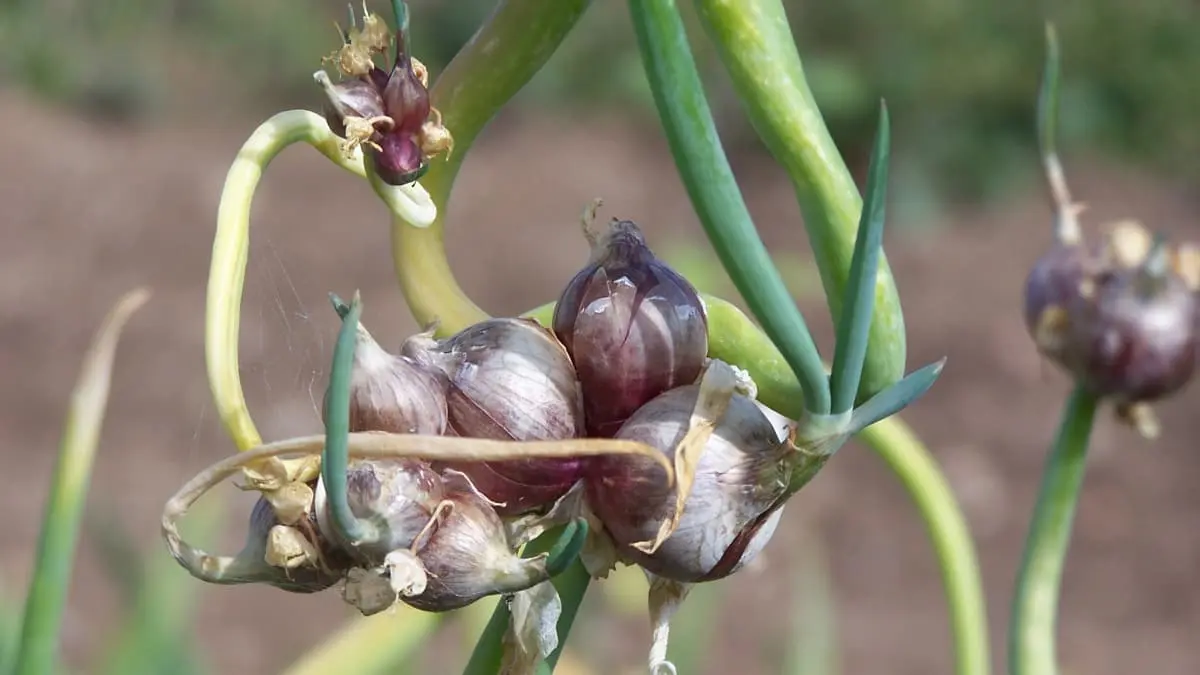
Growing Egyptian Walking Onions in Containers: A Complete Guide for Beginners
If you’re looking for a hardy, no-fuss perennial onion that keeps on giving year after [...]
Jul
Growing Carolina Reaper Peppers in Pots: A Complete Guide for Beginners
If you’ve ever wanted to add some serious, record-breaking heat to your home cooking, you’ve [...]
May
Growing Curry Leaf Plant in Pots: A Complete Guide for Beginners
If you’re a fan of authentic South Asian cuisine, you already know that nothing compares [...]
May

Reviews
There are no reviews yet.