
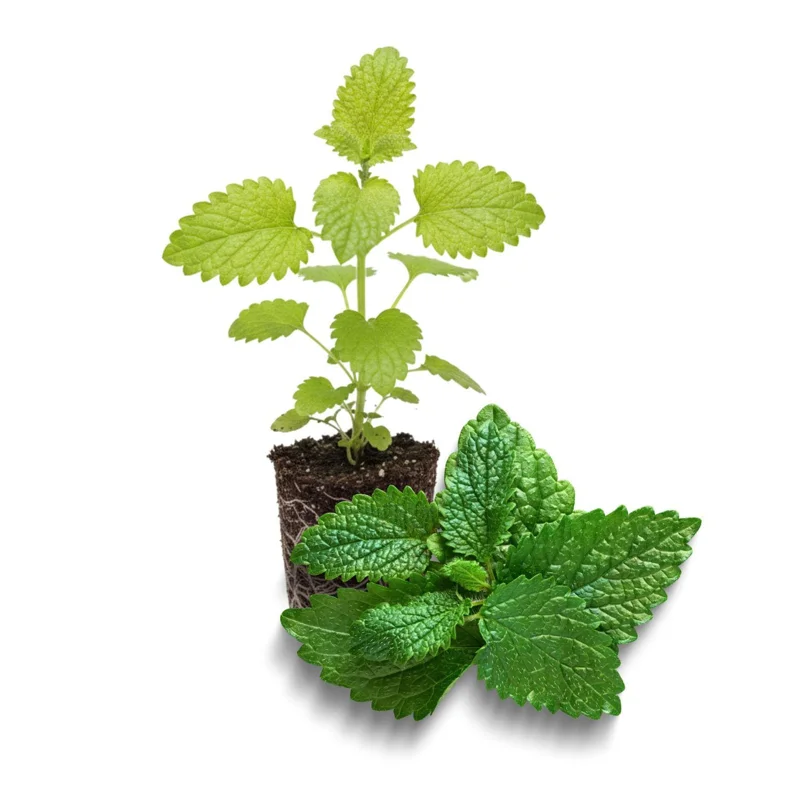
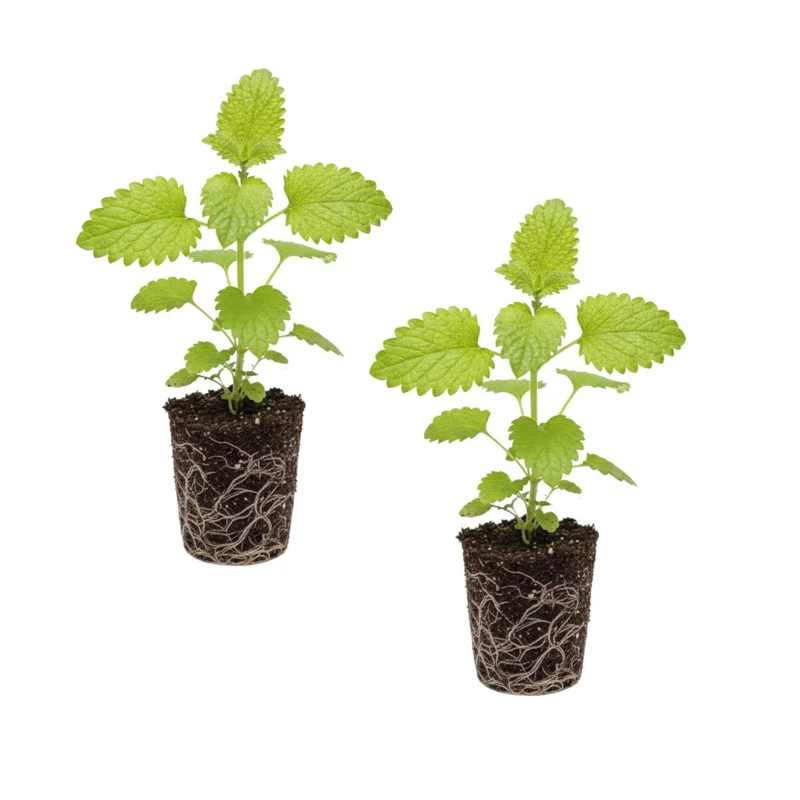
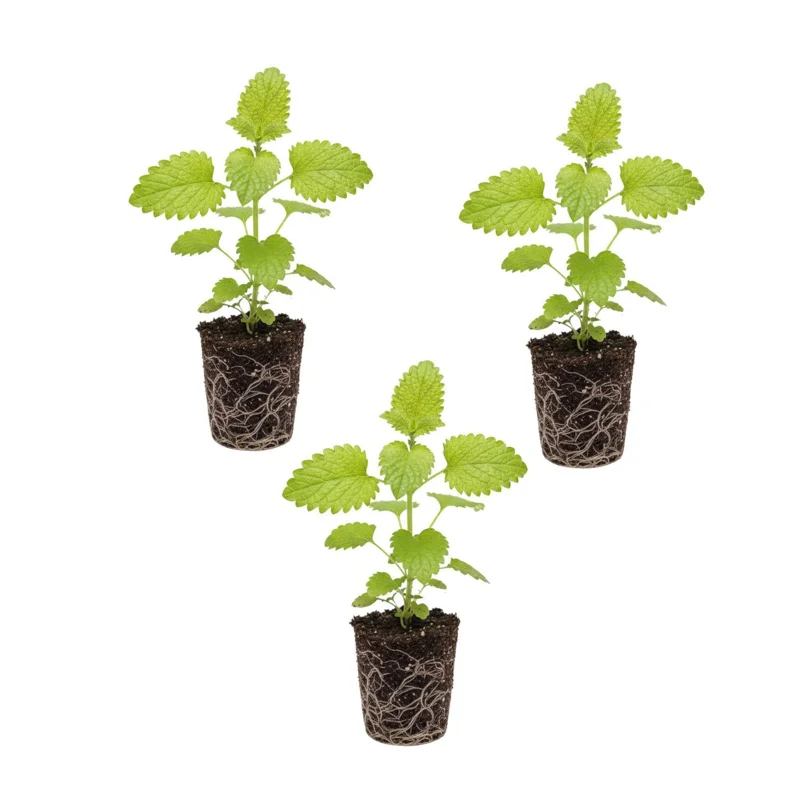
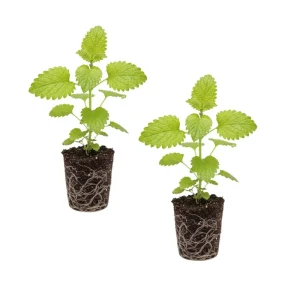
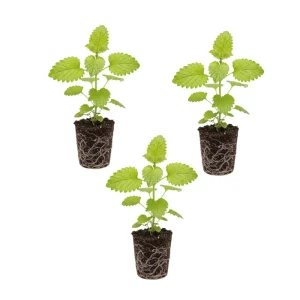
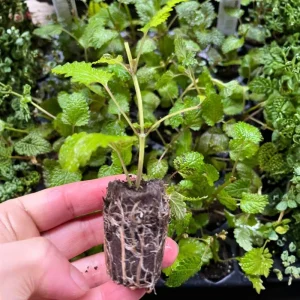
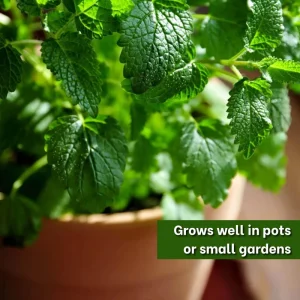
Lemon Balm Live Plant – Fresh Lemon Scent Herb Plug – Beginner Friendly Indoor/Outdoor
Price range: $17.29 through $32.59
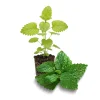
Bring the refreshing scent of citrus into your home with a lemon balm live plant. This vibrant herb offers a soft green color and a clean, calming aroma, perfect for any space. Easy to grow and maintain, it’s an ideal choice for both novice and experienced gardeners looking for a delightful fresh lemon herb.
Estimated arrival
Oct 07
Oct 12 - Oct 14
Oct 17 - Oct 21

Reasonable Price
We offer reasonable price

Support 24/7
Contact us 24 hrs a day

100% Money Back
You've 30 days to Return

Payment Secure
100% secure payment
Overview
Discover the joy of growing your own lemon balm live plant, a delightful herb known for its refreshing citrusy fragrance and gentle appeal. This starter plant, often referred to as Melissa officinalis, is a member of the mint family and is cherished for its soft, crinkled leaves that release a clean lemon scent with just a touch. Ideal for enhancing your living space, this fresh lemon herb thrives in various settings, from a sunny windowsill to an outdoor garden bed. Its calming aroma makes it a wonderful addition to any home, contributing to a serene and inviting atmosphere. Whether you’re an experienced gardener or just starting your green journey, the lemon balm live plant offers an accessible and rewarding growing experience, bringing a touch of nature’s tranquility right to your fingertips.
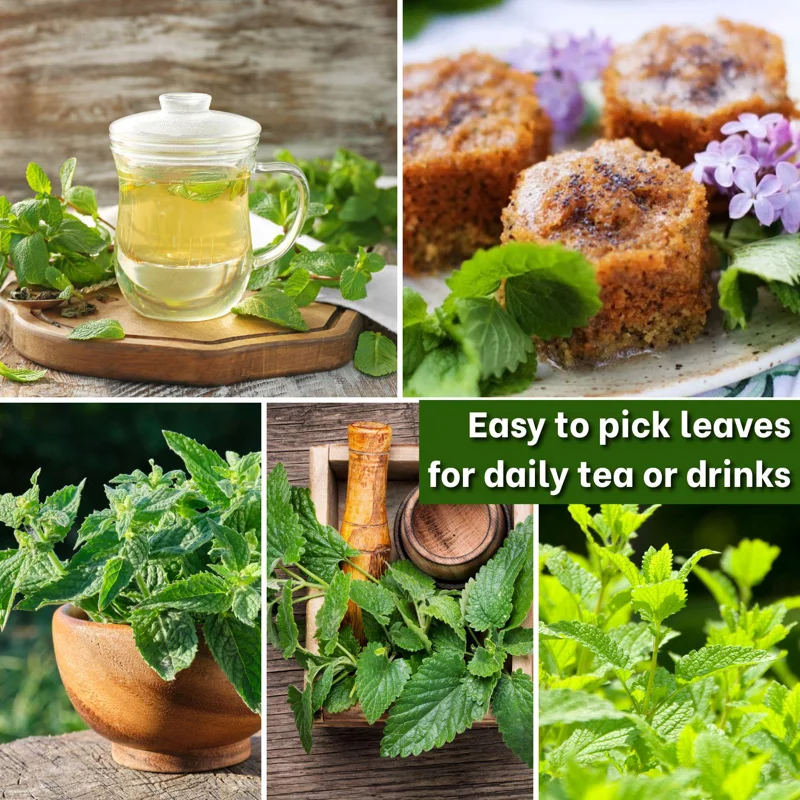
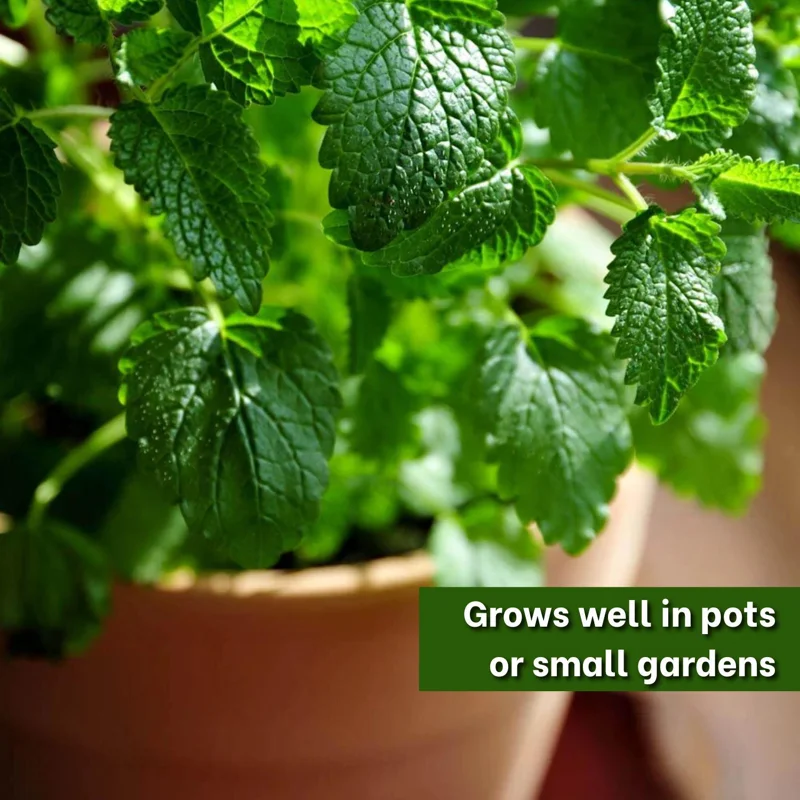
Known for its versatility, lemon balm is not only a beautiful ornamental plant but also a useful culinary herb. Its leaves can be used in teas, desserts, and savory dishes, adding a bright, zesty flavor. The plant’s resilient nature and ability to grow in pots make it an excellent choice for urban dwellers or those with limited garden space. Embrace the simplicity and charm of this wonderful herb, and enjoy the continuous supply of fresh, aromatic leaves that your lemon balm live plant will provide.
Key Benefits
Cultivating a lemon balm live plant offers a multitude of advantages, enriching your home and garden with its unique qualities. This adaptable herb provides both aesthetic appeal and practical benefits that make it a standout choice for any plant enthusiast.
- Delightful Aroma: The primary benefit of this plant is its captivating fresh lemon scent. Simply brushing against the leaves releases a clean, uplifting fragrance that can help create a calming and pleasant environment indoors or out.
- Versatile Growth: The lemon balm live plant is highly adaptable, thriving equally well in garden beds or containers. This flexibility allows you to enjoy its beauty and fragrance whether you have a sprawling garden or a small balcony.
- Easy to Care For: Known as a beginner plant, lemon balm requires minimal attention, making it perfect for those new to gardening. It’s forgiving of minor neglect and quickly bounces back, ensuring a successful growing experience.
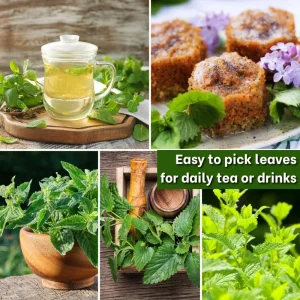
- Culinary Uses: Beyond its scent, lemon balm leaves are a fantastic addition to various culinary creations. Use them to make soothing teas, flavor desserts, or add a subtle citrus note to salads and drinks.
- Attractive Foliage: With its soft green leaves, the lemon balm plant adds a touch of natural beauty to any setting. Its gentle appearance complements other plants and decor, creating a harmonious display.
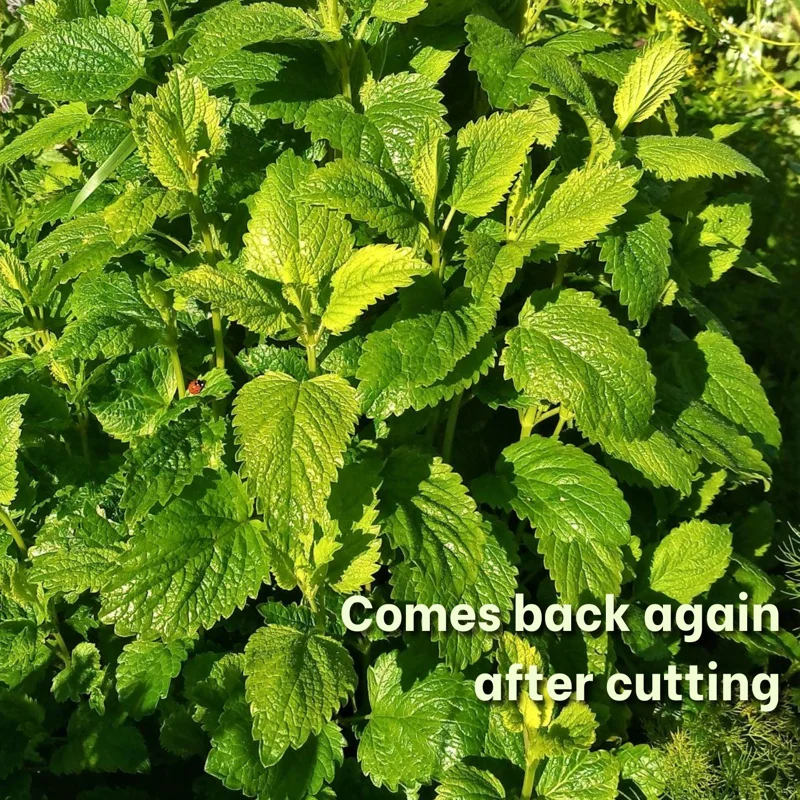
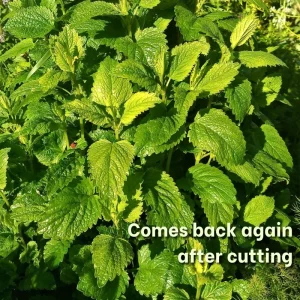
- Resilient and Regrowing: This herb is known for its ability to be trimmed and grow back vigorously. This means you can harvest leaves regularly for use without harming the plant, ensuring a continuous supply of fresh herbs.
Plant Care & Growing Tips
Caring for your lemon balm live plant is straightforward, making it an excellent choice for gardeners of all skill levels. To ensure your plant flourishes, pay attention to its basic needs for light, water, and soil. Lemon balm is a hardy herb that can tolerate a range of conditions, but optimal care will result in a more robust and fragrant plant.
For sunlight, lemon balm prefers bright light or partial sun. If growing indoors, place it near a south or west-facing window where it can receive several hours of bright, indirect light daily. If outdoors, a spot with morning sun and afternoon shade is ideal, especially in hotter climates, to protect the leaves from scorching. While it can tolerate full sun, consistent moisture will be crucial in such conditions. Your indoor herb garden will thrive with adequate light.
Watering should be consistent; aim to keep the soil lightly moist. Avoid letting the soil completely dry out, especially in pots, but also ensure it’s not waterlogged, as this can lead to root rot. Check the soil moisture regularly by feeling the top inch of soil. If it feels dry, it’s time to water. Lemon balm is not overly particular about soil type but prefers well-draining soil. A standard potting mix enriched with some organic matter works well for container planting. For outdoor beds, ensure the soil drains freely.
Lemon balm is quite resilient to temperature fluctuations, generally hardy in USDA zones 4-9. It can withstand light frosts but will benefit from protection in colder winters. For container plants, bringing them indoors during the coldest months is a good practice. Fertilization is not strictly necessary for lemon balm, especially if planted in good soil. However, a light application of a balanced liquid fertilizer every 4-6 weeks during the growing season can encourage bushier growth. Pruning is beneficial to maintain shape and encourage new growth, and it also provides you with fresh leaves for harvest. This simple routine will help you maintain a healthy and productive lemon balm live plant.
Size & Details
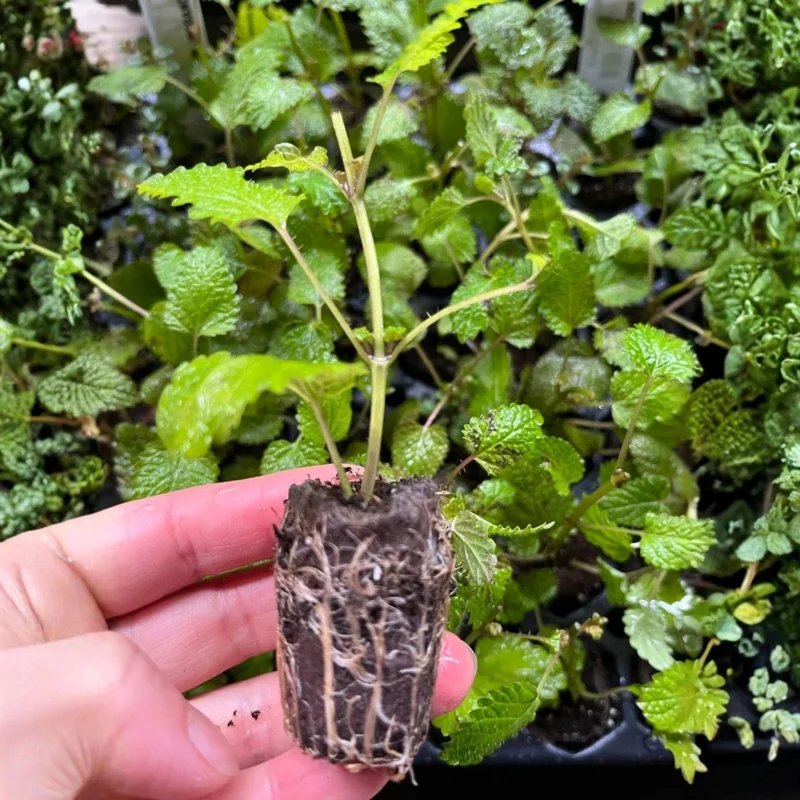
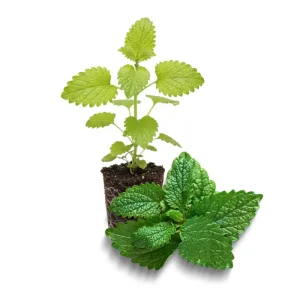
Your lemon balm live plant arrives as a healthy starter plug, ready for transplanting into a larger pot or your garden. While the initial size will be compact, this herb is known for its vigorous growth. When mature, lemon balm typically reaches a height of 18-24 inches and spreads similarly, forming a bushy mound of fragrant foliage. Its growth rate is moderate to fast, allowing you to enjoy a substantial plant within a single growing season.
This resilient herb can be easily contained in small to medium pots, making it perfect for a kitchen windowsill or a patio herb collection. If planted directly in the ground, give it ample space, as it can spread readily. The plant will establish quickly after planting, developing its characteristic soft green leaves and eventually small, inconspicuous white flowers in summer. These flowers are attractive to pollinators, adding another layer of ecological benefit to your garden. Enjoy the journey of watching your fresh lemon herb grow from a small plug into a flourishing, aromatic specimen.
Frequently Asked Questions
- Q: How big does this lemon balm live plant get? A: A mature lemon balm plant typically grows to about 18-24 inches tall and wide. Its size can be managed with regular trimming and pruning, especially when grown in containers.
- Q: Is this an indoor or outdoor plant? A: Lemon balm is versatile and can thrive both indoors and outdoors. It’s an excellent choice for an indoor herb garden on a sunny windowsill or as part of an outdoor garden or patio display.
- Q: How much sunlight does my fresh lemon herb need? A: This plant prefers bright light to partial sun. If growing indoors, place it in a location with several hours of bright, indirect light. Outdoors, a spot with morning sun and afternoon shade is often ideal.
- Q: Is this plant easy to care for? A: Yes, lemon balm is considered a very easy-to-care-for plant, making it a perfect beginner plant. It tolerates a range of conditions and is quite forgiving, requiring consistent watering and adequate light.
- Q: What condition will the plant arrive in? A: Your lemon balm will arrive as a healthy starter plug, carefully packaged to ensure its safety during transit. It will be ready for immediate transplanting into its permanent home.
- Q: Can I use lemon balm in cooking? A: Absolutely! Lemon balm leaves are fantastic for culinary uses. They can be added to teas, lemonades, salads, desserts, and even savory dishes for a fresh, citrusy flavor.
- Q: How often should I water my lemon balm live plant? A: Keep the soil lightly moist. Check the top inch of soil; if it feels dry, it’s time to water. Avoid overwatering, as well as letting the plant dry out completely.
- Q: Will my lemon balm live plant survive winter? A: Lemon balm is generally hardy in USDA zones 4-9. In colder zones, it may die back in winter but often regrows from the roots in spring. Container plants can be brought indoors for winter protection.
- Q: What kind of soil is best for lemon balm? A: Lemon balm thrives in well-draining soil. A good quality all-purpose potting mix works well for containers, and garden soil amended with organic matter is suitable for outdoor planting.
- Q: Is lemon balm safe for pets? A: Lemon balm is generally considered non-toxic to pets, but it’s always best to monitor pets to ensure they don’t consume large quantities of any plant.
| Quantity | 1 Lemon Balm, 2 Lemon Balm, 3 Lemon Balm |
|---|
Be the first to review “Lemon Balm Live Plant – Fresh Lemon Scent Herb Plug – Beginner Friendly Indoor/Outdoor”
-
USDA Hardiness Zone
USDA zones 4-9 -
Soil Type
Well-draining soil -
Sunlight Exposure
Bright light or partial sun -
Expected Planting Period
Year-round indoors, spring to early summer outdoors
People Also Viewd


Sold 134 products
Original price was: $3,536.00.$23.99Current price is: $23.99.

Sold 132 products
Original price was: $27.00.$24.00Current price is: $24.00.

Sold 132 products
Original price was: $89.99.$64.99Current price is: $64.99.

Sold 125 products
Original price was: $86.99.$66.99Current price is: $66.99.

Flower Bulbs
3 Cranesbill Wild Geranium Organic Maculatums Bare Roots | Wildflower for Outdoor Garden
Sold 116 products
Original price was: $21.99.$9.99Current price is: $9.99.

Sold 114 products
Original price was: $28.99.$17.99Current price is: $17.99.
Sold 110 products
Original price was: $63.99.$28.99Current price is: $28.99.
Sold 108 products
Original price was: $28.99.$17.99Current price is: $17.99.RELATED posts
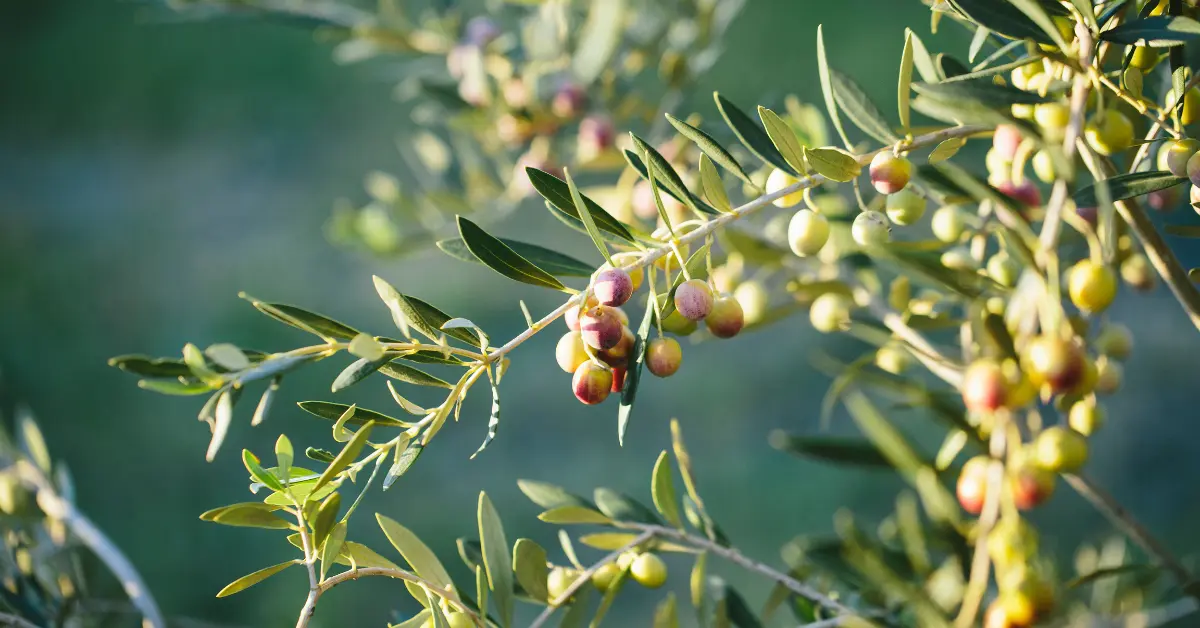
How to Grow Arbequina Olive Trees: The Ultimate Guide to Your Own Olive Grove
Arbequina Olive Tree (Olea europaea ‘Arbequina’) – the ultimate Mediterranean plant that brings a touch [...]
Oct
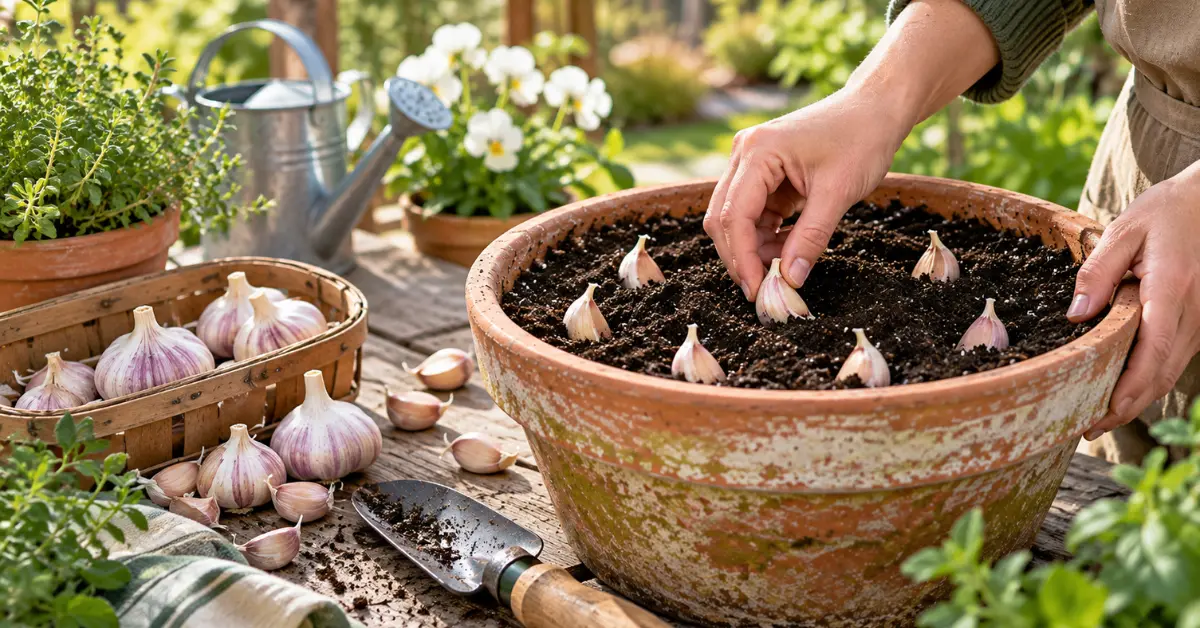
Growing Garlic in Containers This Fall: A Complete Guide for Beginners
If you’ve ever wanted to pop fresh, aromatic garlic cloves straight from your own patio [...]
Sep
Growing Camellia Sinensis (Tea Plants) in Containers: A Complete Guide for Beginners
If you’ve ever wanted to sip a steaming, homegrown cup of fresh green, black, or [...]
Aug
6 Best Shrubs to Plant in August You Must Try
Have you ever walked through a nursery late in the summer, admired the vibrant shrubs [...]
Aug
Growing Everbearing Strawberries in Containers: A Complete Guide for Beginners
Want to grow sweet, fresh strawberries but do not have a large garden? Everbearing strawberries [...]
Aug
Growing Egyptian Walking Onions in Containers: A Complete Guide for Beginners
If you’re looking for a hardy, no-fuss perennial onion that keeps on giving year after [...]
Jul
Growing Carolina Reaper Peppers in Pots: A Complete Guide for Beginners
If you’ve ever wanted to add some serious, record-breaking heat to your home cooking, you’ve [...]
May
Growing Curry Leaf Plant in Pots: A Complete Guide for Beginners
If you’re a fan of authentic South Asian cuisine, you already know that nothing compares [...]
May
Reviews
There are no reviews yet.