
Turmeric Live Plant 4-8 Inch – Curcuma Longa Tropical Herb – Indoor/Outdoor
Original price was: $51.99.$22.99Current price is: $22.99.
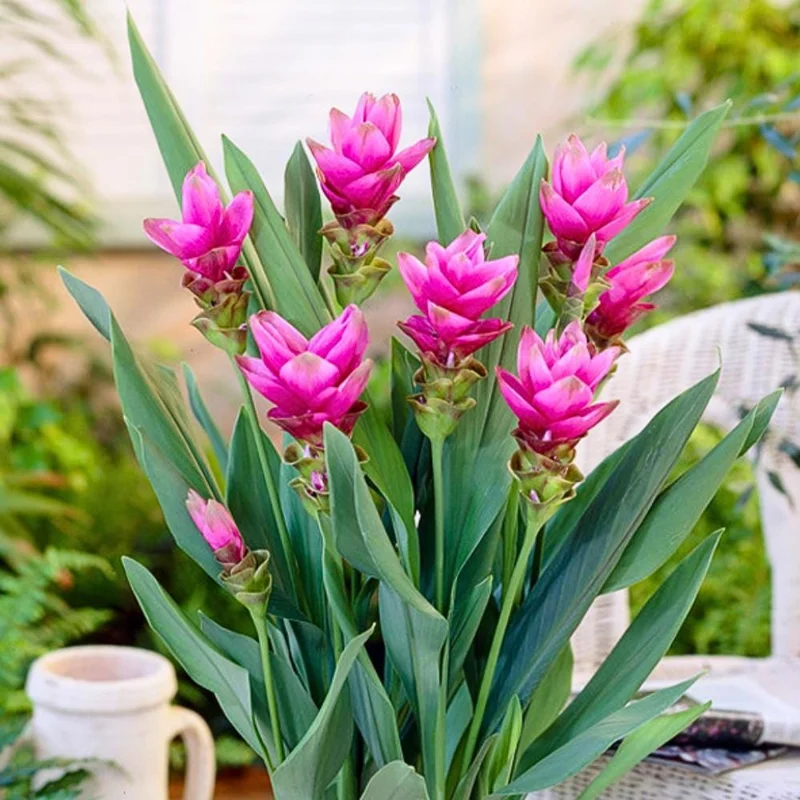
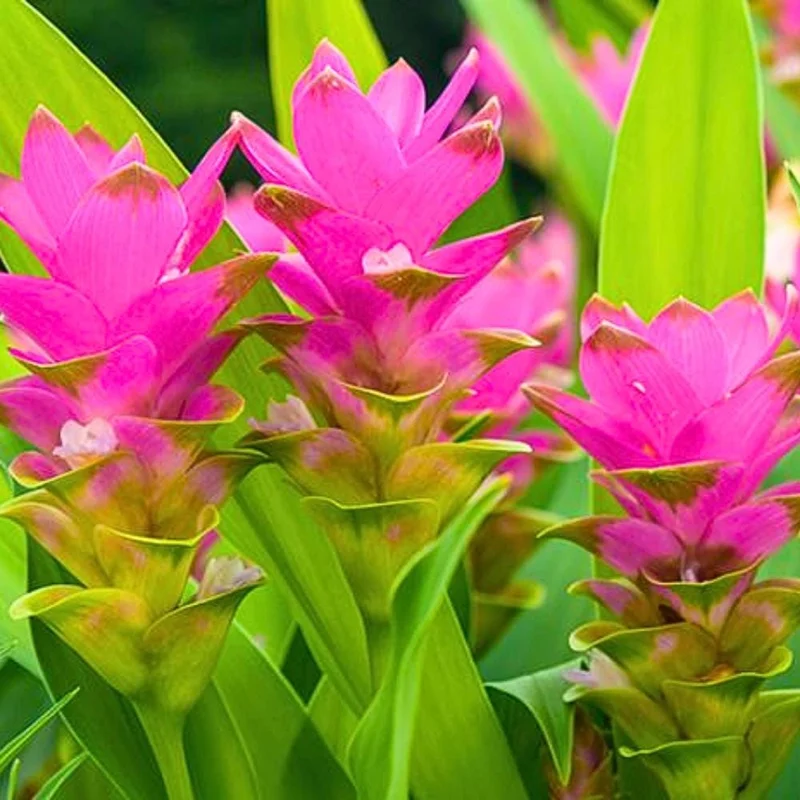
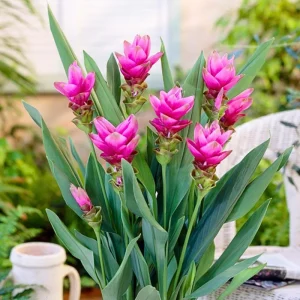
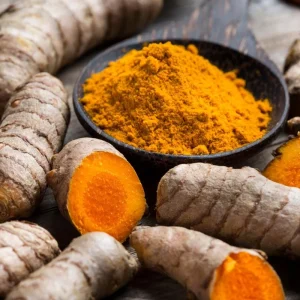
Bring the exotic beauty and culinary versatility of a turmeric live plant into your home or garden. This curcuma longa plant, measuring 4-8 inches, is a vibrant tropical herb known for its striking flowers and healthful rhizomes. Easy to grow both indoors and outdoors.
Estimated arrival
Oct 05
Oct 10 - Oct 12
Oct 15 - Oct 19

Reasonable Price
We offer reasonable price

Support 24/7
Contact us 24 hrs a day

100% Money Back
You've 30 days to Return

Payment Secure
100% secure payment
Overview
Discover the vibrant world of the turmeric live plant, botanically known as Curcuma longa. This remarkable tropical herb is not only a source of the golden spice turmeric, widely celebrated for its culinary and health benefits, but also an attractive ornamental plant. Originating from Southeast Asia, the curcuma longa plant thrives in warm, humid environments, making it an excellent choice for adding a touch of the tropics to your home or garden. Our robust 4-8 inch tall plants are ready to be nurtured, promising both aesthetic appeal with their lush foliage and beautiful flowers, and the rewarding experience of harvesting your own fresh turmeric rhizomes. Whether you’re an experienced gardener or just starting, growing your own turmeric is a fulfilling endeavor.
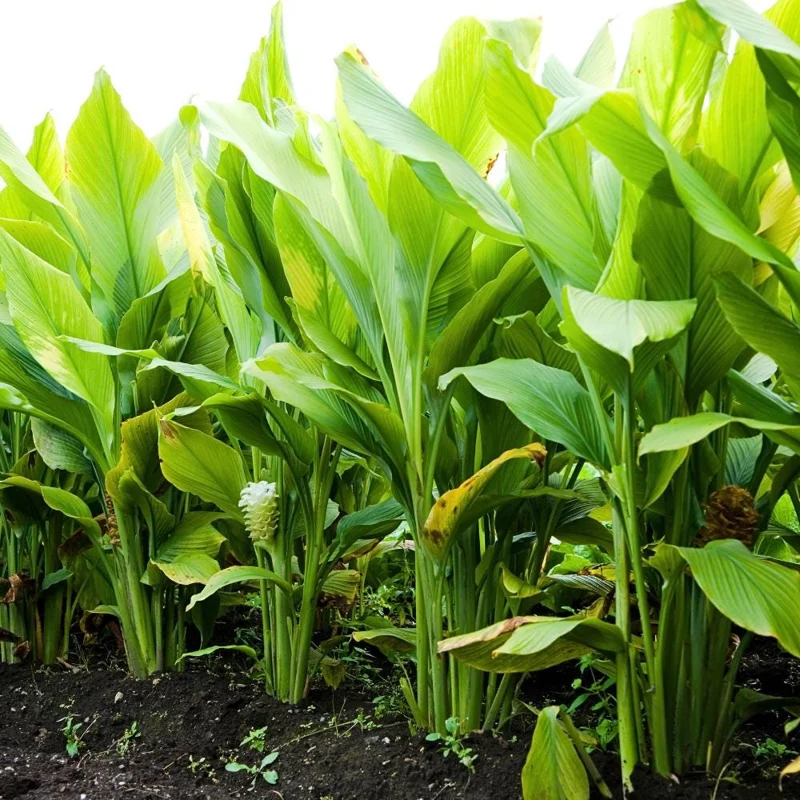
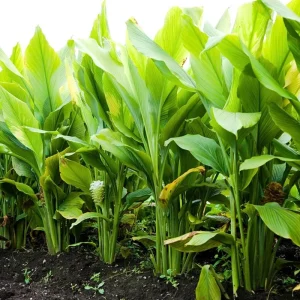
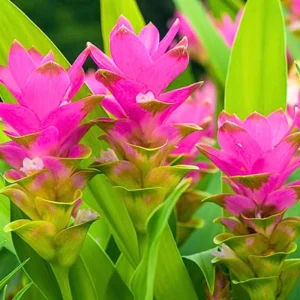
The turmeric live plant offers a unique blend of functionality and beauty. Its broad, vibrant green leaves create a lush backdrop, while its often pink or white inflorescences add an exotic splash of color. Beyond its visual charm, the plant is revered globally for its underground rhizomes, which are a staple in many cuisines and traditional medicine systems. Cultivating this plant allows you to enjoy fresh, potent turmeric, far superior in flavor and aroma to its dried, powdered counterpart. It’s an ideal choice for those looking to expand their herb garden with something truly special.
Key Benefits
Embrace the many advantages of cultivating a turmeric live plant. This versatile tropical herb enriches your environment and offers tangible rewards:
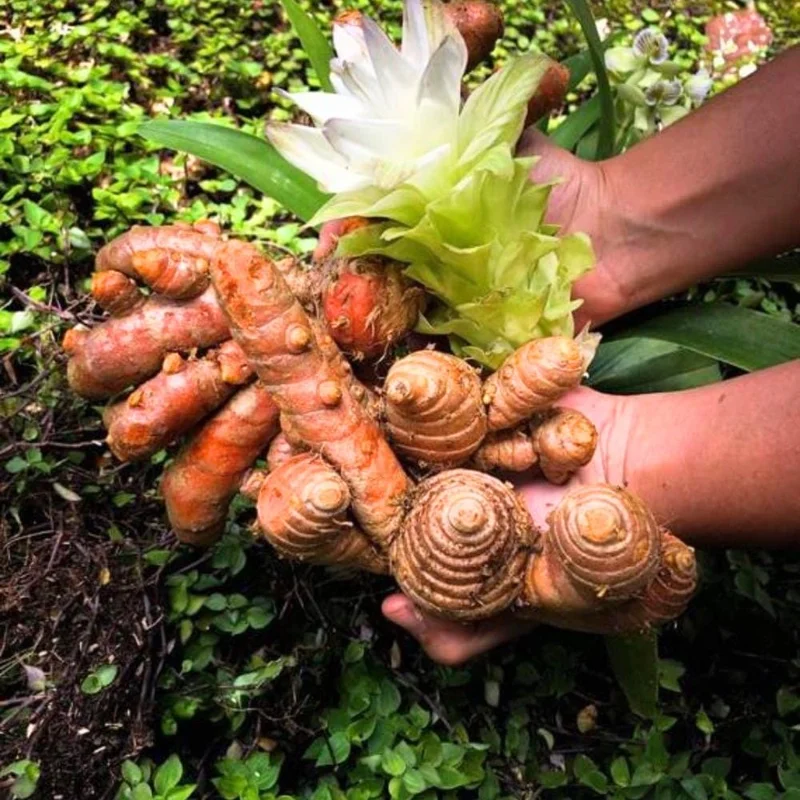
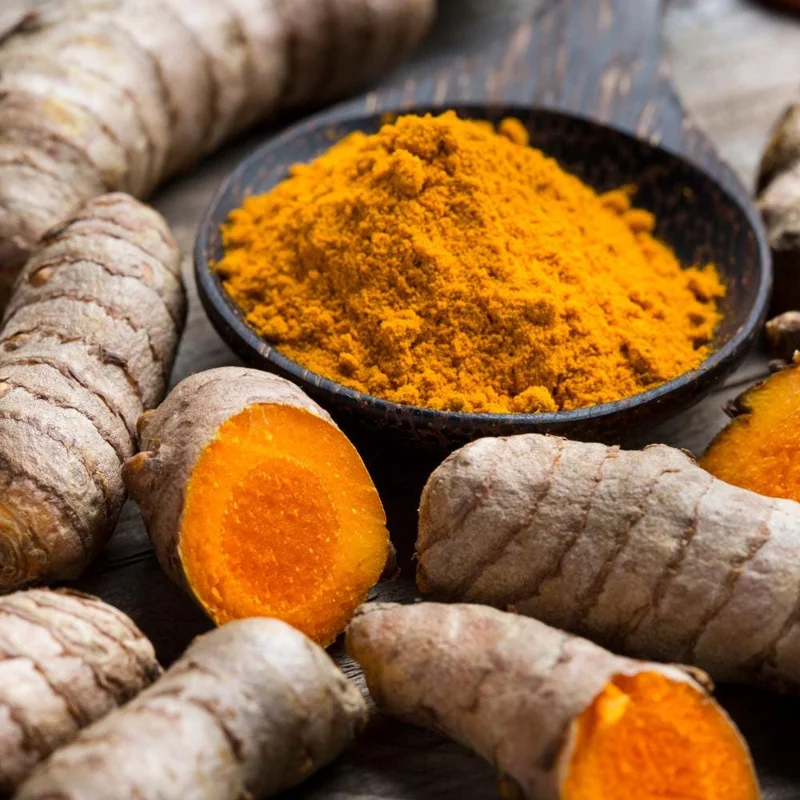
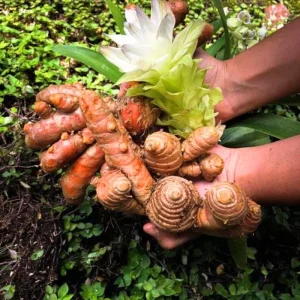
- Culinary Delight: Harvest your own fresh turmeric rhizomes, known for their earthy, peppery flavor and vibrant golden color. Perfect for curries, teas, smoothies, and a wide array of dishes, ensuring you always have a fresh supply.
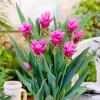
- Ornamental Beauty: The lush, broad green leaves and striking flower spikes (often pink, white, or yellow depending on the variety) provide a beautiful, exotic touch to any indoor space or outdoor garden.
- Health Benefits: Fresh turmeric is renowned for its active compound, curcumin, which is associated with various health-promoting properties. Enjoy the potential wellness advantages of this natural superfood.
- Easy to Grow: This curcuma longa plant is surprisingly resilient and can thrive with basic care, making it suitable for both novice and experienced gardeners. Its adaptability allows it to be grown in pots or directly in the ground.
- Air Purification: Like many houseplants, the turmeric plant contributes to a healthier indoor environment by helping to filter airborne toxins and improve air quality.
- Tropical Ambiance: Instantly transform your space into a tropical oasis with the vibrant foliage and exotic appearance of this plant, creating a relaxing and inviting atmosphere.
- Educational Experience: Growing your own food, especially a unique spice like turmeric, can be a rewarding educational experience for families and children, teaching them about plant cycles and sustainable living.
Plant Care & Growing Tips
Caring for your turmeric live plant is straightforward, ensuring a bountiful harvest and beautiful foliage. Grow turmeric indoors or outdoors, depending on your climate. These tropical plants thrive in warm temperatures, ideally between 68-95°F (20-35°C). If growing outdoors, ensure temperatures do not drop below 50°F (10°C) for extended periods; otherwise, bring them inside or treat them as annuals. They prefer a location with bright, indirect sunlight or partial shade. Direct, intense afternoon sun can scorch the leaves, especially in hot climates, so a spot receiving morning sun and afternoon shade is ideal.
The turmeric plant care routine includes consistent watering. Keep the soil consistently moist but never waterlogged. Good drainage is crucial to prevent rhizome rot. Water thoroughly when the top inch of soil feels dry to the touch. During the dormant period (usually in cooler months when growth slows), reduce watering. For soil, a rich, well-draining potting mix is best. Amend garden soil with compost or other organic matter to improve fertility and drainage. Fertilize every 4-6 weeks during the growing season with a balanced liquid fertilizer. Common problems include yellowing leaves from overwatering or nutrient deficiencies, and occasional spider mites in dry indoor conditions; regular misting can help deter pests.
When you grow turmeric indoors, choose a pot that is at least 12 inches in diameter and depth to allow ample space for rhizome development. Ensure the pot has drainage holes. A south or west-facing window with filtered light is often perfect. You can also supplement with grow lights if natural light is insufficient. Maintaining high humidity, perhaps with a pebble tray or humidifier, will mimic its natural tropical habitat. This attention to detail will ensure your tropical herb plant flourishes, providing you with both beauty and a valuable harvest.
Size & Details
This offering includes one healthy turmeric live plant, measuring approximately 4–8 inches in height from the base of the soil to the top of the foliage. The plant arrives in a nursery pot, typically 3-4 inches in diameter, ready for transplanting into a larger container or directly into your garden bed. Each plant is carefully selected to ensure vigor and health, providing you with a strong start for growing your own turmeric. The growth rate is moderate, with significant rhizome development usually occurring within 8-10 months under optimal conditions. Expect the plant to mature into a bushy specimen, potentially reaching 2-3 feet tall and wide when fully grown, producing edible rhizomes that can be harvested once the foliage begins to yellow and die back, typically in late fall or early winter.
The curcuma longa plant is shipped securely to minimize stress during transit, ensuring it arrives in excellent condition. It is a perennial in USDA Zones 8-11, where it can remain outdoors year-round. In cooler zones, it is best grown as an annual or brought indoors before the first frost. The plant will enter a dormant phase in colder months, during which watering should be reduced. With proper care, this single plant can yield a substantial amount of fresh turmeric rhizomes, offering a continuous supply for your culinary and wellness needs.
Frequently Asked Questions
- Q: How big does this plant get? A: This turmeric live plant is currently 4-8 inches tall. With proper care, it can grow to a mature size of 2-3 feet in height and width, producing lush foliage and rhizomes.
- Q: What size pot does it come in? A: Your turmeric plant will arrive in a standard nursery pot, typically 3-4 inches in diameter, suitable for immediate transplanting into a larger container or garden.
- Q: Is this an indoor or outdoor plant? A: The curcuma longa plant can be grown both indoors and outdoors. It thrives in warm, humid conditions and is perennial in USDA Zones 8-11. In cooler climates, it can be grown as an annual or brought indoors during winter.
- Q: How much sunlight does it need? A: This tropical herb prefers bright, indirect sunlight or partial shade. Avoid intense, direct afternoon sun, which can scorch the leaves. Morning sun with afternoon shade is ideal.
- Q: Is this plant easy to care for? A: Yes, turmeric plant care is relatively easy. It requires consistent watering, well-draining soil, and warm temperatures. It’s a good choice for both beginner and experienced gardeners.
- Q: What condition will it arrive in? A: Your plant will be carefully packaged and shipped to ensure it arrives healthy and vibrant, ready to be planted and begin its growth journey.
- Q: Can I use the turmeric from this plant in cooking? A: Absolutely! This tropical herb plant is the same species that produces the culinary spice turmeric. You can harvest and use the fresh rhizomes in your cooking once they mature.
- Q: How long until it’s ready to harvest? A: Rhizomes are typically ready for harvest 8-10 months after planting, usually when the foliage starts to yellow and die back in late fall or early winter.
- Q: What’s the best way to grow turmeric indoors? A: To grow turmeric indoors, place it in a large pot (at least 12 inches) with good drainage, provide bright indirect light, keep the soil consistently moist, and maintain high humidity.
- Q: Will it survive winter in my zone? A: If you are in USDA Zones 8-11, it can survive outdoors. In colder zones, the plant should be brought indoors before the first frost or grown as an annual.
Be the first to review “Turmeric Live Plant 4-8 Inch – Curcuma Longa Tropical Herb – Indoor/Outdoor”
-
USDA Hardiness Zone
USDA zones 8–11 (perennial), otherwise grow as annual or indoors -
Soil Type
Rich, well-draining potting mix or garden soil amended with organic matter -
Sunlight Exposure
Bright indirect light to partial shade -
Expected Planting Period
Year-round indoors, spring to early summer outdoors (after last frost)
People Also Viewd
Sold 134 products
Original price was: $3,536.00.$23.99Current price is: $23.99.
Sold 132 products
Original price was: $27.00.$24.00Current price is: $24.00.
Sold 132 products
Original price was: $89.99.$64.99Current price is: $64.99.

Sold 125 products
Original price was: $86.99.$66.99Current price is: $66.99.
Flower Bulbs
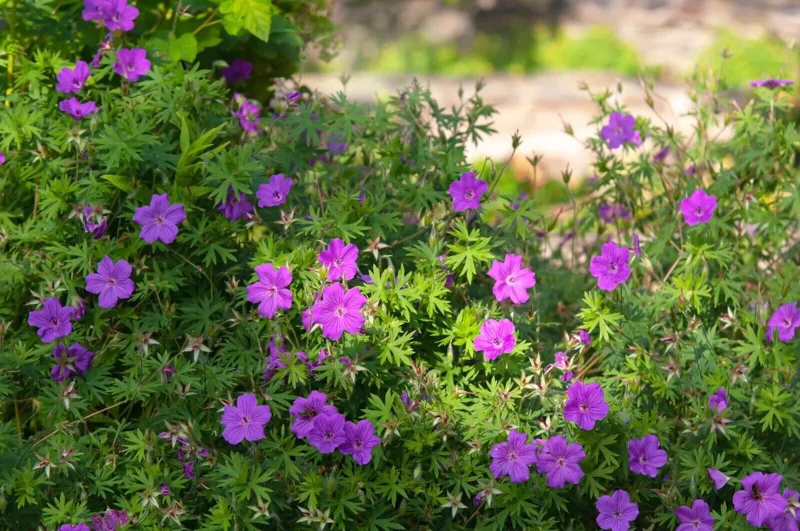
3 Cranesbill Wild Geranium Organic Maculatums Bare Roots | Wildflower for Outdoor Garden
Sold 116 products
Original price was: $21.99.$9.99Current price is: $9.99.
Sold 114 products
Original price was: $28.99.$17.99Current price is: $17.99.
Sold 110 products
Original price was: $63.99.$28.99Current price is: $28.99.
Sold 108 products
Original price was: $28.99.$17.99Current price is: $17.99.RELATED posts
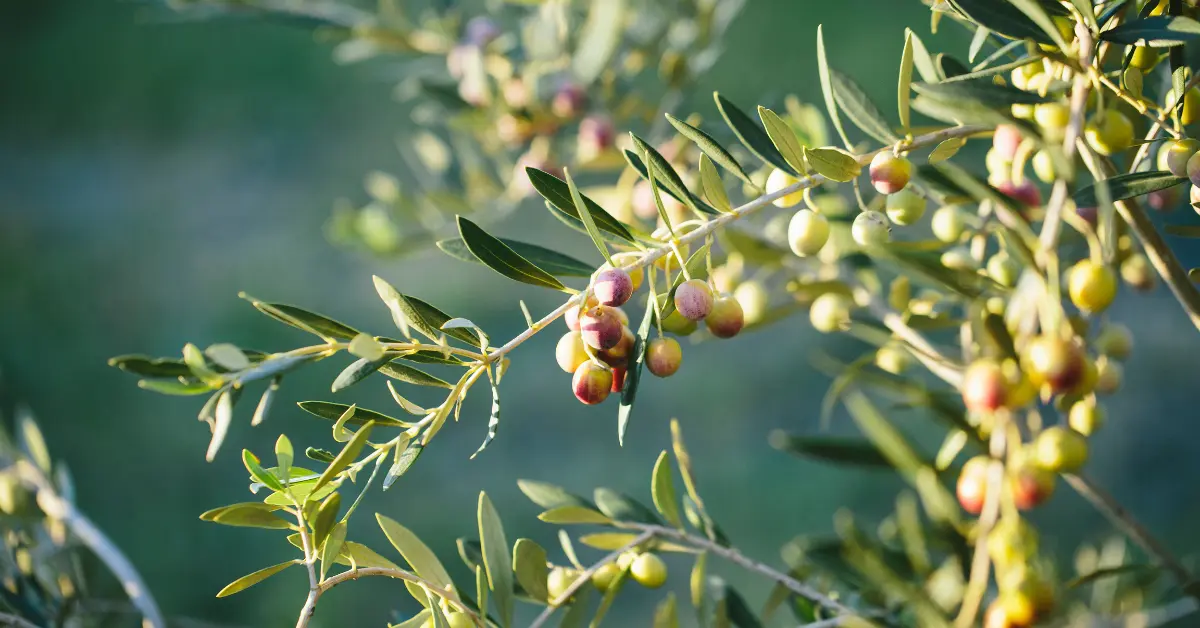
How to Grow Arbequina Olive Trees: The Ultimate Guide to Your Own Olive Grove
Arbequina Olive Tree (Olea europaea ‘Arbequina’) – the ultimate Mediterranean plant that brings a touch [...]
Oct
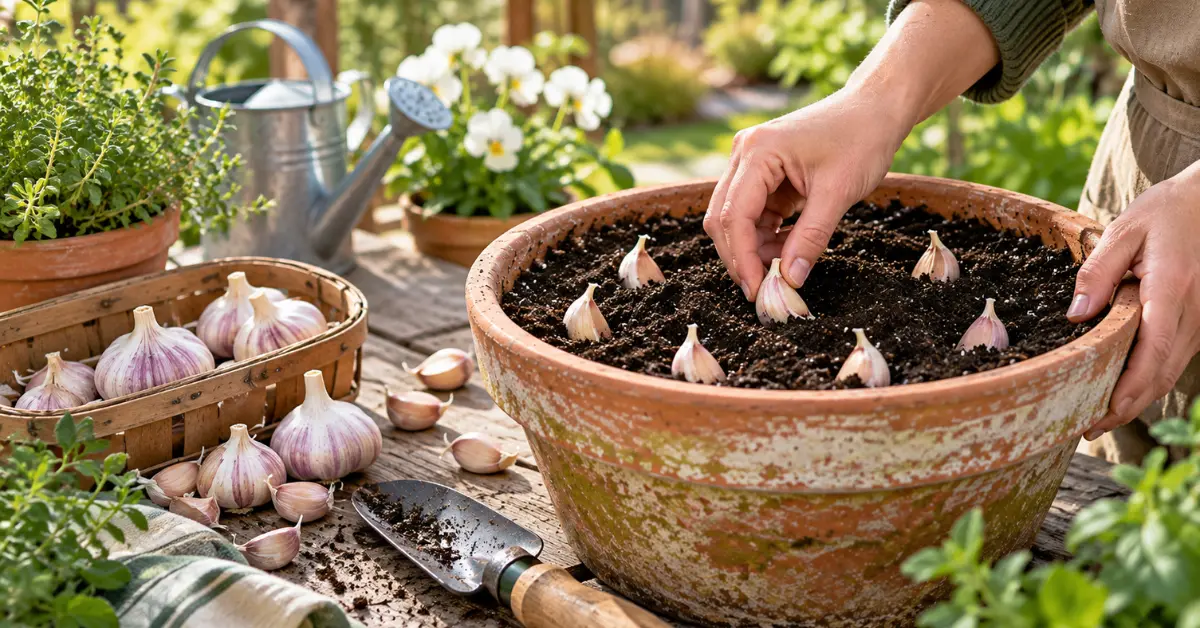
Growing Garlic in Containers This Fall: A Complete Guide for Beginners
If you’ve ever wanted to pop fresh, aromatic garlic cloves straight from your own patio [...]
Sep
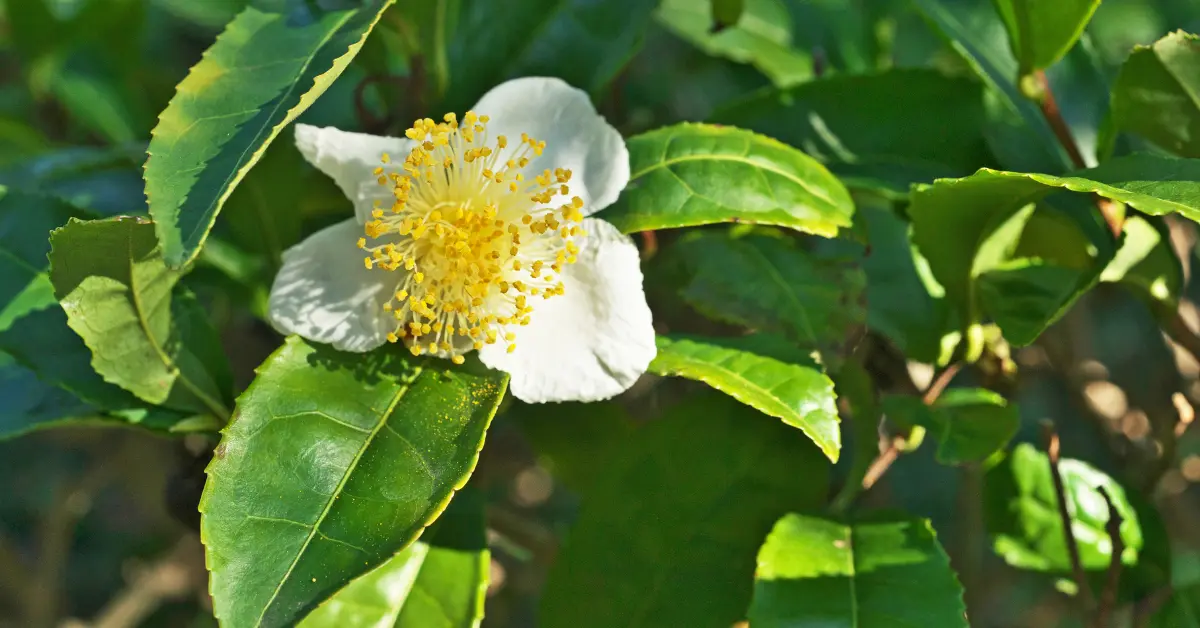
Growing Camellia Sinensis (Tea Plants) in Containers: A Complete Guide for Beginners
If you’ve ever wanted to sip a steaming, homegrown cup of fresh green, black, or [...]
Aug
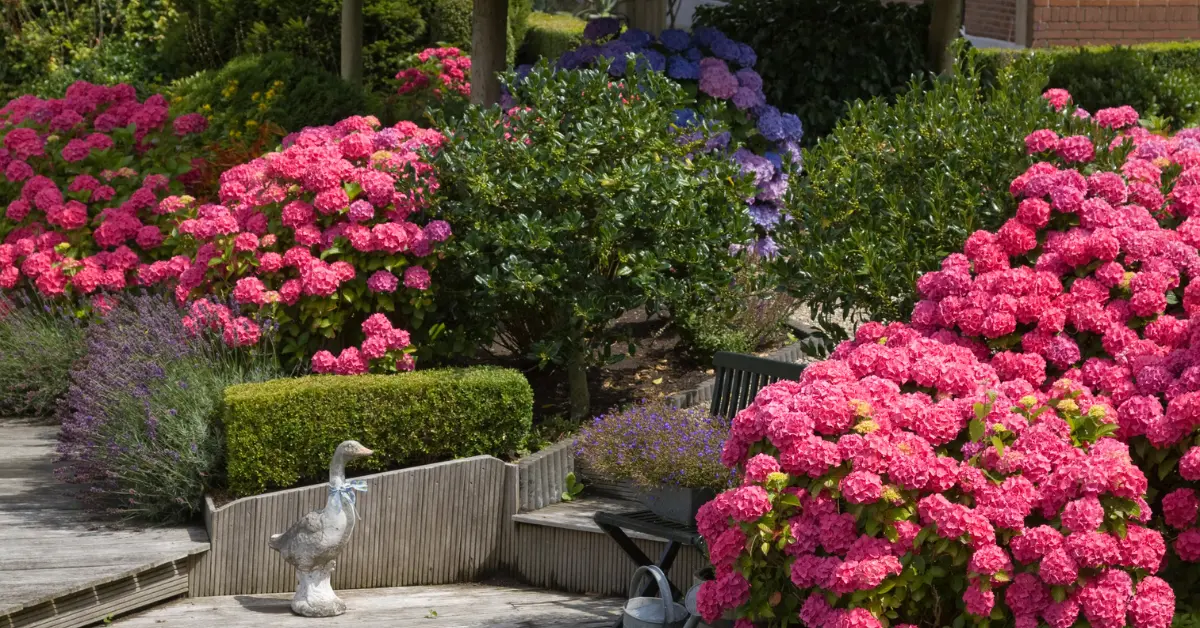
6 Best Shrubs to Plant in August You Must Try
Have you ever walked through a nursery late in the summer, admired the vibrant shrubs [...]
Aug
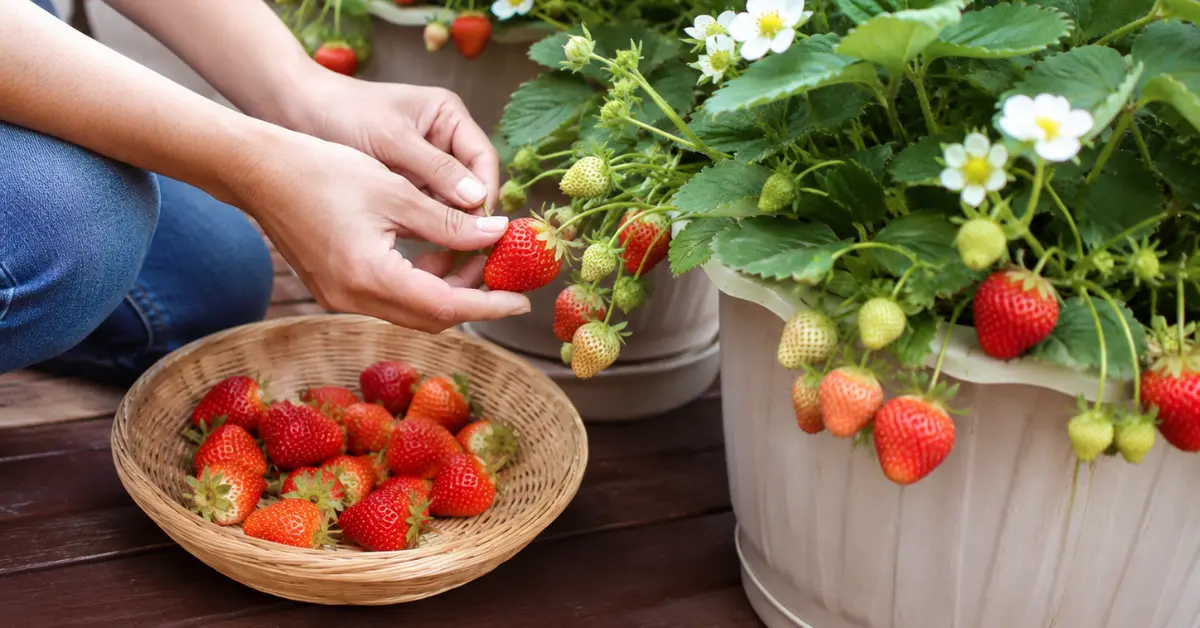
Growing Everbearing Strawberries in Containers: A Complete Guide for Beginners
Want to grow sweet, fresh strawberries but do not have a large garden? Everbearing strawberries [...]
Aug
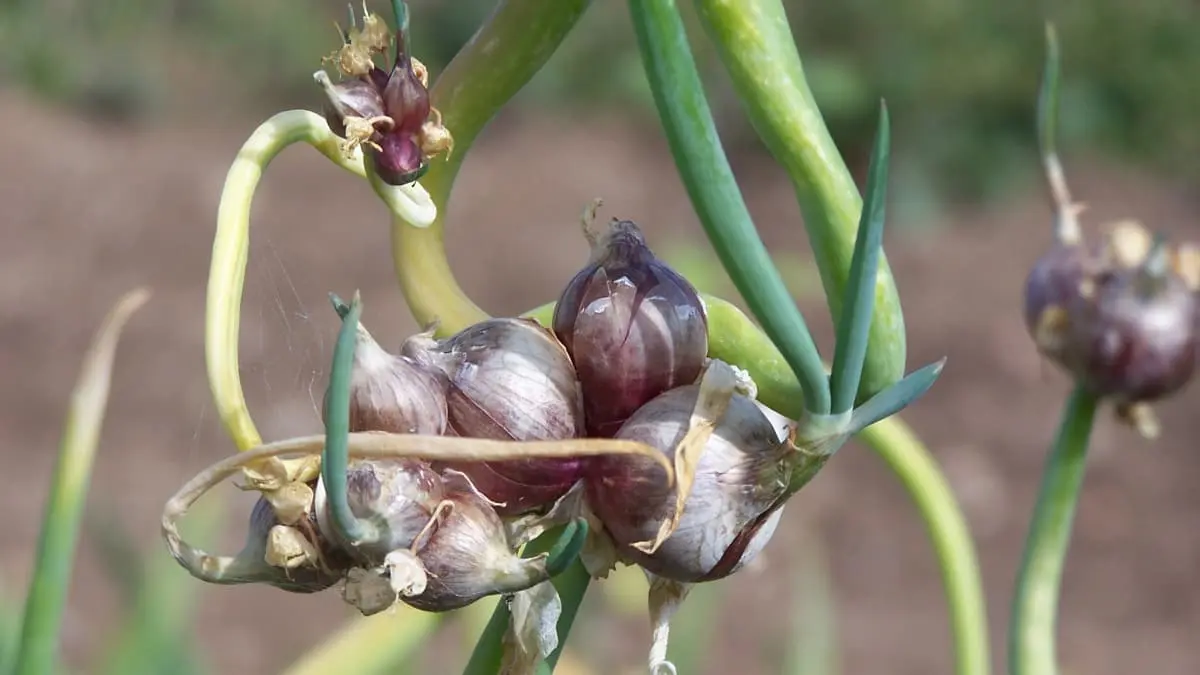
Growing Egyptian Walking Onions in Containers: A Complete Guide for Beginners
If you’re looking for a hardy, no-fuss perennial onion that keeps on giving year after [...]
Jul
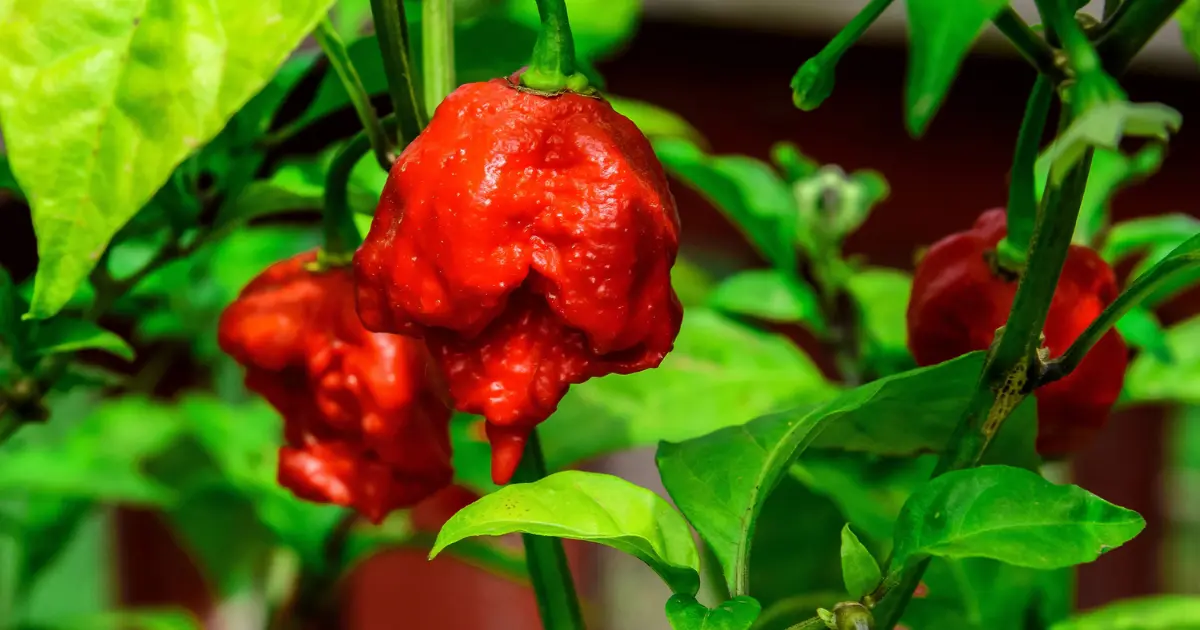
Growing Carolina Reaper Peppers in Pots: A Complete Guide for Beginners
If you’ve ever wanted to add some serious, record-breaking heat to your home cooking, you’ve [...]
May
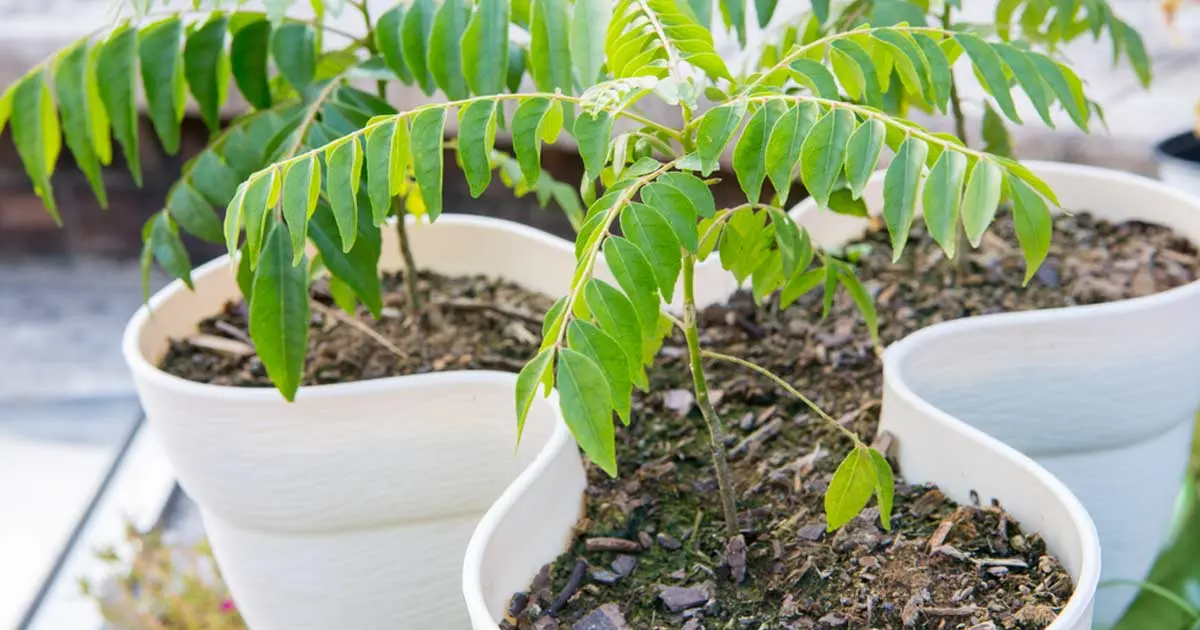
Growing Curry Leaf Plant in Pots: A Complete Guide for Beginners
If you’re a fan of authentic South Asian cuisine, you already know that nothing compares [...]
May
Reviews
There are no reviews yet.