
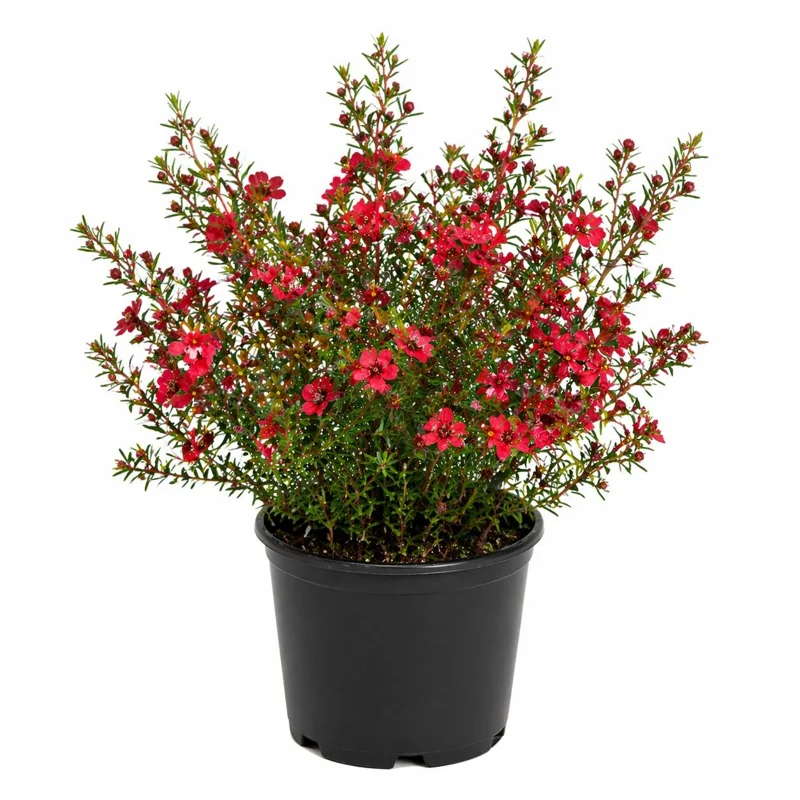
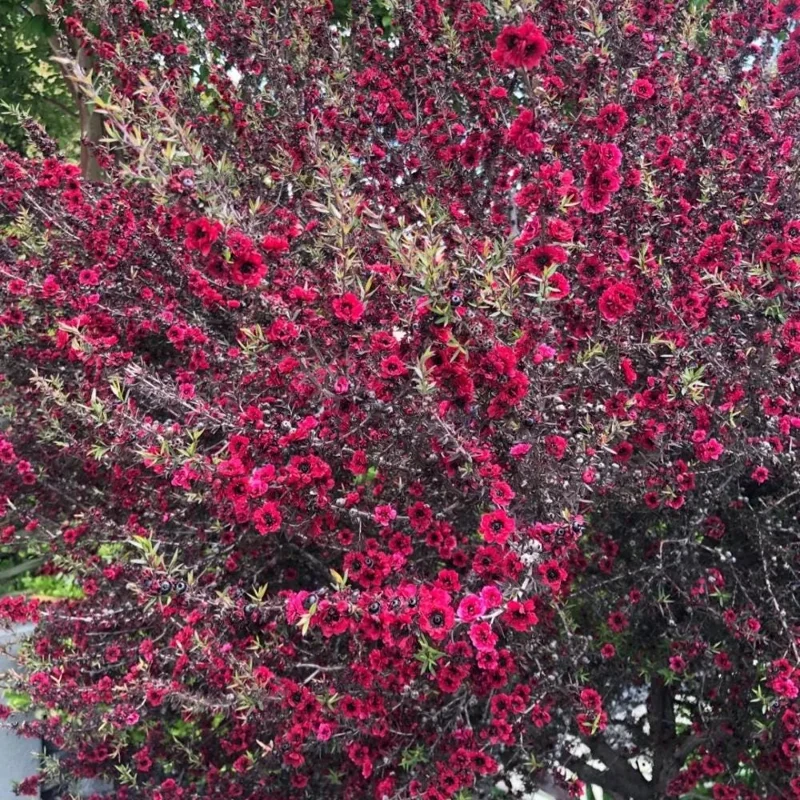
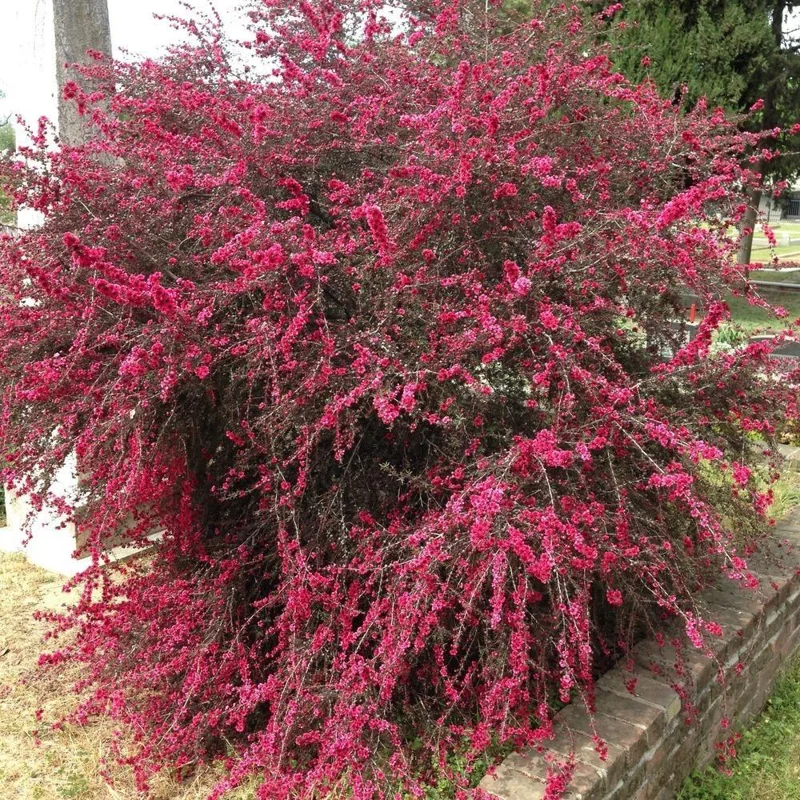
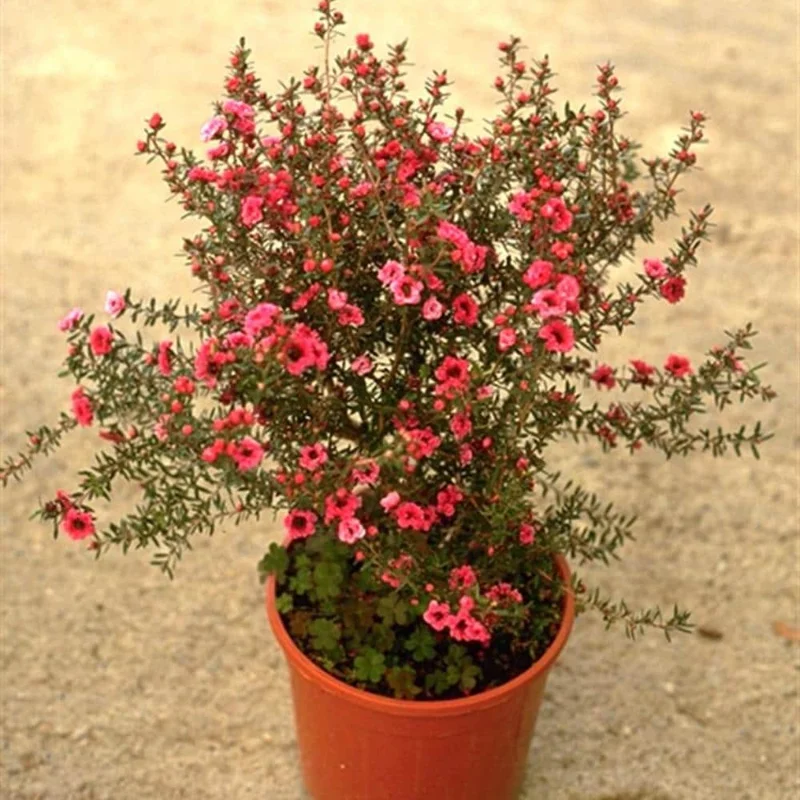
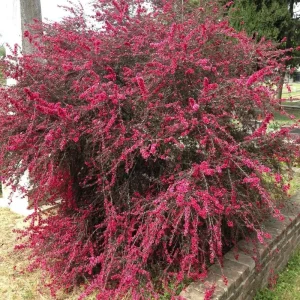
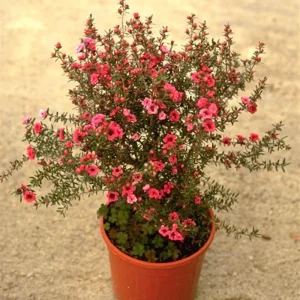
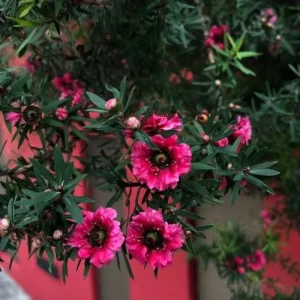
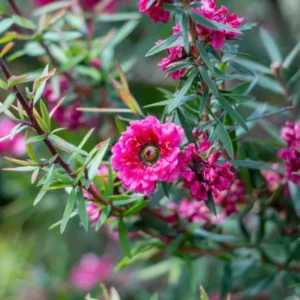
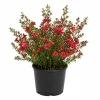
Red Manuka Tea Plant 4-7 Inches – Fragrant Live Herb for Garden/Indoor
Original price was: $51.99.$22.99Current price is: $22.99.
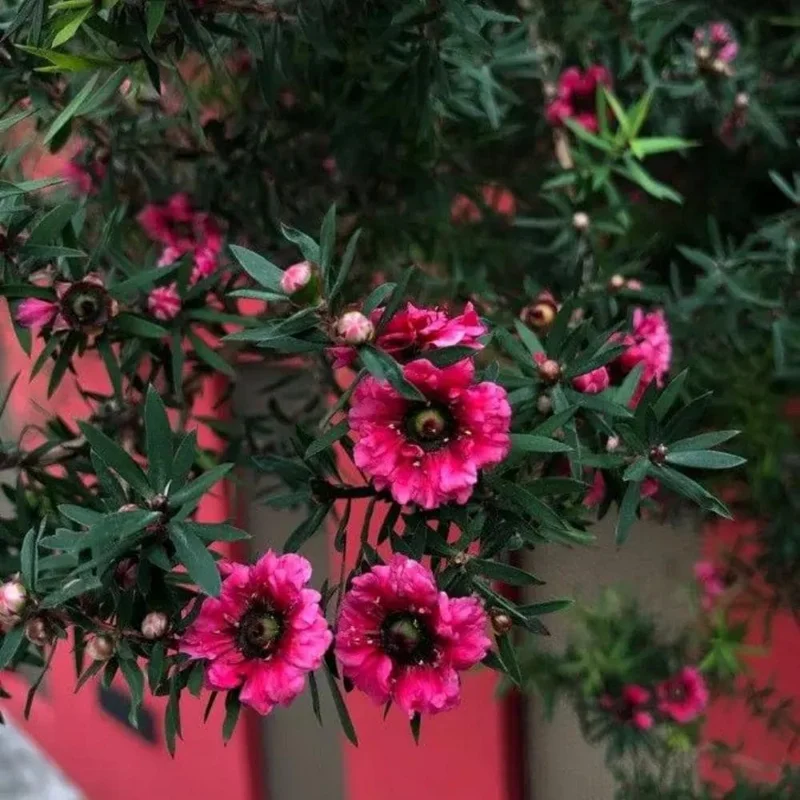
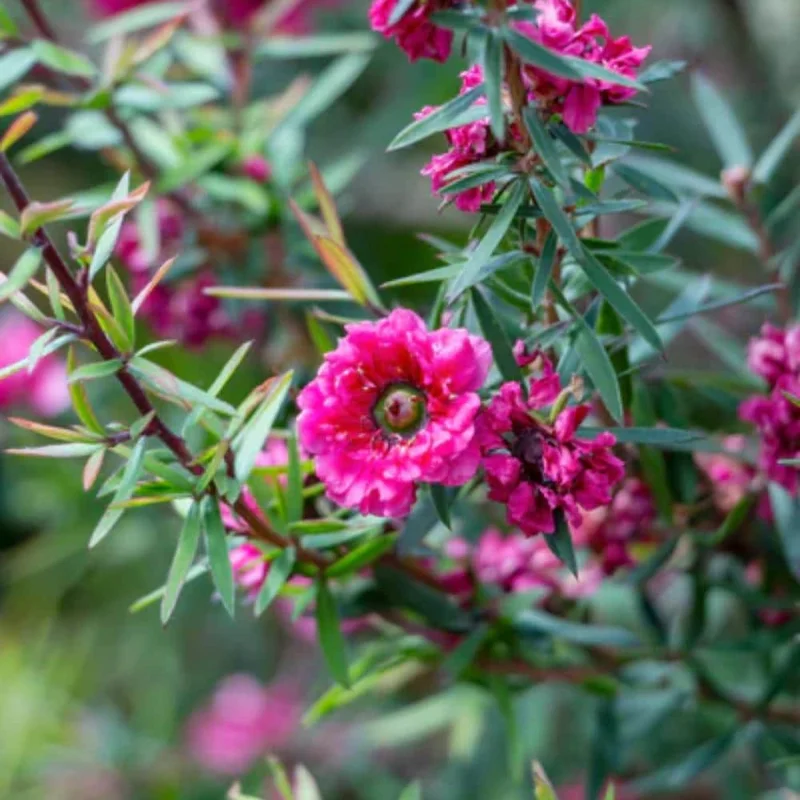
Introduce the unique red manuka tea plant to your space. This 4-7 inch starter plant features beautiful evergreen foliage and fragrant, aromatic leaves. Perfect for creating a natural, soothing atmosphere, it thrives both indoors and outdoors.
Estimated arrival
Oct 05
Oct 10 - Oct 12
Oct 15 - Oct 19

Reasonable Price
We offer reasonable price

Support 24/7
Contact us 24 hrs a day

100% Money Back
You've 30 days to Return

Payment Secure
100% secure payment
Overview
Introduce the captivating red manuka tea plant to your home or garden. This unique 4-7 inch starter plant, also known as Leptospermum scoparium, is celebrated for its distinctive red-tinged evergreen foliage and highly aromatic leaves. Originating from New Zealand and Australia, the Manuka plant is not only visually appealing but also offers a refreshing, soothing fragrance that can enhance any environment. This live herb is perfect for those looking to add a touch of natural beauty and an intriguing scent to their space, whether it’s a vibrant outdoor garden or a tranquil indoor oasis. Its robust nature makes it a rewarding addition for both novice and experienced gardeners.
Key Benefits
The red manuka tea plant is more than just a beautiful specimen; it brings a host of benefits to its surroundings, making it a highly desirable choice for plant enthusiasts.
- Aromatic Fragrance: Enjoy the pleasant, distinctive aroma released by its leaves, which can create a calming and refreshing atmosphere in any room or garden area. This natural scent is a key feature of the Manuka bush.
- Evergreen Beauty: Maintain year-round visual interest with its lush, evergreen foliage. The vibrant red hues in its leaves provide continuous color, even during colder months, making it a standout plant.
- Versatile Growth: This fragrant herb plant can be successfully cultivated both indoors as a charming potted specimen or outdoors in garden beds, adapting well to various settings.
- Easy Care: Known for its hardiness, the Manuka plant is relatively low-maintenance, making it an excellent choice for gardeners seeking a rewarding plant without extensive effort.
- Natural Ambiance: Perfect for creating a serene and natural environment, its presence can contribute to a peaceful and inviting atmosphere in your living space or outdoor sanctuary.
- Unique Appeal: Stand out with a plant that offers both aesthetic beauty and a unique aromatic quality, distinguishing it from more common garden varieties.
- Potential for Tea: While primarily ornamental, some varieties of Manuka are known for leaves used in herbal teas, offering an additional layer of interest for the curious gardener.
Plant Care & Growing Tips
Caring for your red manuka tea plant is straightforward, ensuring it thrives and brings beauty to your space for years to come. These plants prefer a location that receives ample sunlight. Outdoors, choose a spot with full sun exposure for at least 6 hours daily. If growing indoors, place it near a bright, south-facing window where it can get plenty of light. Insufficient light can lead to leggy growth and reduced flowering. The Manuka plant is tolerant of various soil types but absolutely requires well-drained conditions. A sandy loam or a potting mix amended with perlite or grit works best to prevent waterlogging, which can be detrimental to its root system. When considering how to grow a tea tree plant indoor, ensure excellent drainage is paramount.
Watering should be consistent but moderate. Allow the top inch or two of soil to dry out completely between waterings, then water thoroughly until it drains from the bottom. Overwatering is a common issue, so always check soil moisture before adding more water. Manuka plants are relatively drought-tolerant once established but will perform best with regular moisture. For optimal growth and flowering, fertilize sparingly with a balanced, slow-release fertilizer during the growing season (spring and summer). Avoid over-fertilizing, as this can harm the plant. Pruning can be done after flowering to maintain shape and encourage bushier growth. The manuka plant care routine is designed to be simple and effective.
Size & Details
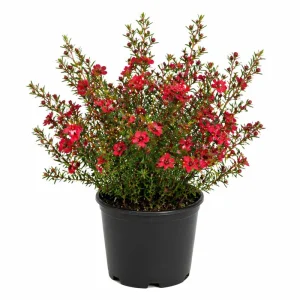
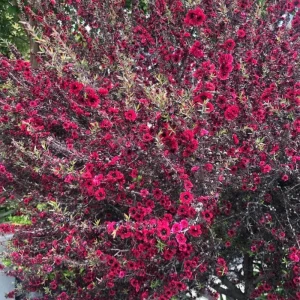
This offering is for a red manuka tea plant starter, typically measuring between 4-7 inches in height. These young plants are robust and ready to establish themselves in your garden or a larger pot. Manuka plants have a moderate growth rate and can eventually reach heights of 6-10 feet outdoors, with a similar spread, forming an attractive bush or small tree. When grown indoors, their size can be managed with regular pruning and appropriate container size, often remaining more compact, around 3-5 feet. They are shipped as live, healthy plants, carefully packaged to ensure safe arrival, ready for immediate planting in their permanent location. Expect them to settle quickly and begin showing new growth within a few weeks, adapting to their new environment.
Frequently Asked Questions
- Q: How big does this red manuka tea plant get? A: This starter plant is 4-7 inches tall. Outdoors, it can grow into a bush or small tree reaching 6-10 feet tall and wide. Indoors, its size can be managed with pruning, typically staying around 3-5 feet.
- Q: Is this an indoor or outdoor plant? A: The red manuka tea plant is versatile and can thrive both indoors, given sufficient light, and outdoors in suitable climates. It is a great option for both garden beds and potted specimens.
- Q: How much sunlight does it need? A: Manuka plants prefer full sun, meaning at least 6 hours of direct sunlight per day. If grown indoors, place it in the brightest available window, ideally south-facing.
- Q: Is this plant easy to care for? A: Yes, the manuka plant care routine is considered relatively easy. It’s a hardy plant that tolerates various conditions, making it suitable for gardeners of all experience levels.
- Q: What condition will it arrive in? A: Your fragrant herb plant will arrive as a live, healthy starter plant, carefully packaged to minimize stress during transit and ensure it reaches you in excellent condition, ready for planting.
- Q: Can I use the leaves to make tea? A: While some varieties of Manuka are used for tea, this specific plant is primarily sold for its ornamental and aromatic qualities. Always research proper identification and preparation methods if considering consumption.
- Q: Will it survive winter in my zone? A: Manuka plants are generally hardy in USDA zones 9-11. In colder zones, they should be brought indoors during winter or treated as annuals.
- Q: What type of soil does the tea tree plant indoor prefer? A: It thrives in well-draining soil. A sandy loam or a good quality potting mix amended with perlite or sand to improve drainage is ideal for this plant.
- Q: How often should I water my Manuka plant? A: Water thoroughly when the top 1-2 inches of soil feel dry to the touch. Avoid overwatering, as consistent wet feet can lead to root issues for your manuka bush live.
- Q: When is the best time to plant? A: Spring or early summer is generally the best time to plant outdoors, allowing the plant to establish before extreme temperatures. Indoor planting can be done year-round.
Be the first to review “Red Manuka Tea Plant 4-7 Inches – Fragrant Live Herb for Garden/Indoor”
-
USDA Hardiness Zone
USDA zones 9-11 -
Soil Type
Well-draining soil, sandy loam -
Sunlight Exposure
Full sun -
Expected Planting Period
Spring to early summer outdoors, year-round indoors
People Also Viewd
Sold 134 products
Original price was: $3,536.00.$23.99Current price is: $23.99.
Sold 132 products
Original price was: $27.00.$24.00Current price is: $24.00.
Sold 132 products
Original price was: $89.99.$64.99Current price is: $64.99.

Sold 125 products
Original price was: $86.99.$66.99Current price is: $66.99.
Flower Bulbs
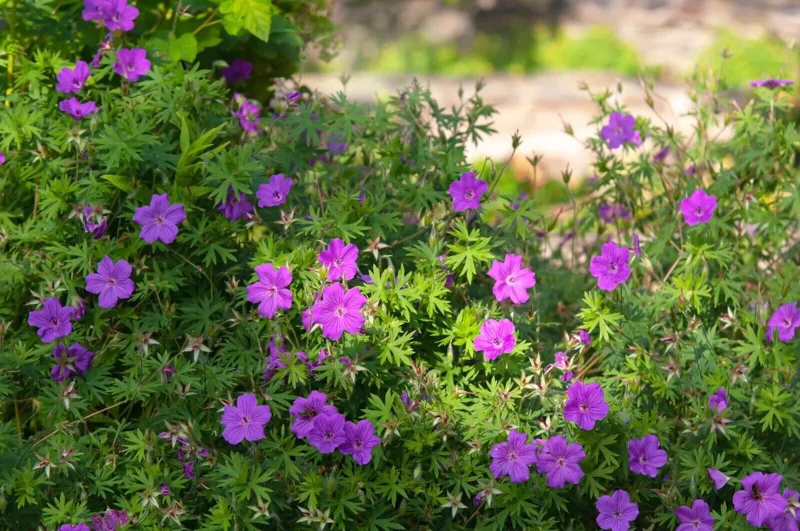
3 Cranesbill Wild Geranium Organic Maculatums Bare Roots | Wildflower for Outdoor Garden
Sold 116 products
Original price was: $21.99.$9.99Current price is: $9.99.
Sold 114 products
Original price was: $28.99.$17.99Current price is: $17.99.
Sold 110 products
Original price was: $63.99.$28.99Current price is: $28.99.
Sold 108 products
Original price was: $28.99.$17.99Current price is: $17.99.RELATED posts
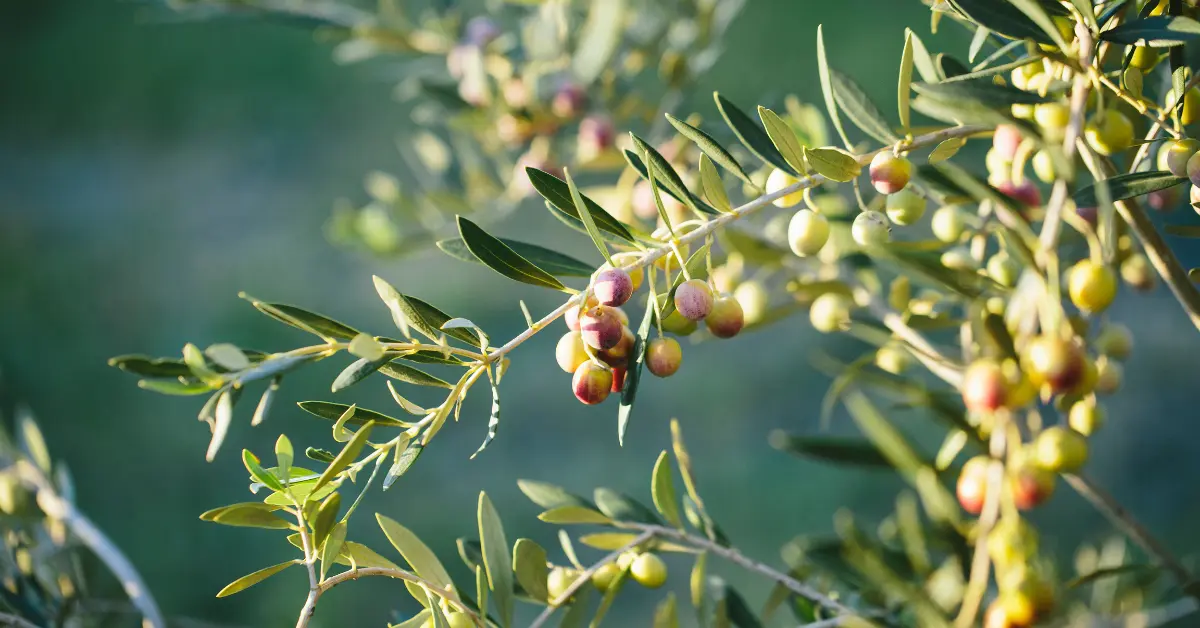
How to Grow Arbequina Olive Trees: The Ultimate Guide to Your Own Olive Grove
Arbequina Olive Tree (Olea europaea ‘Arbequina’) – the ultimate Mediterranean plant that brings a touch [...]
Oct
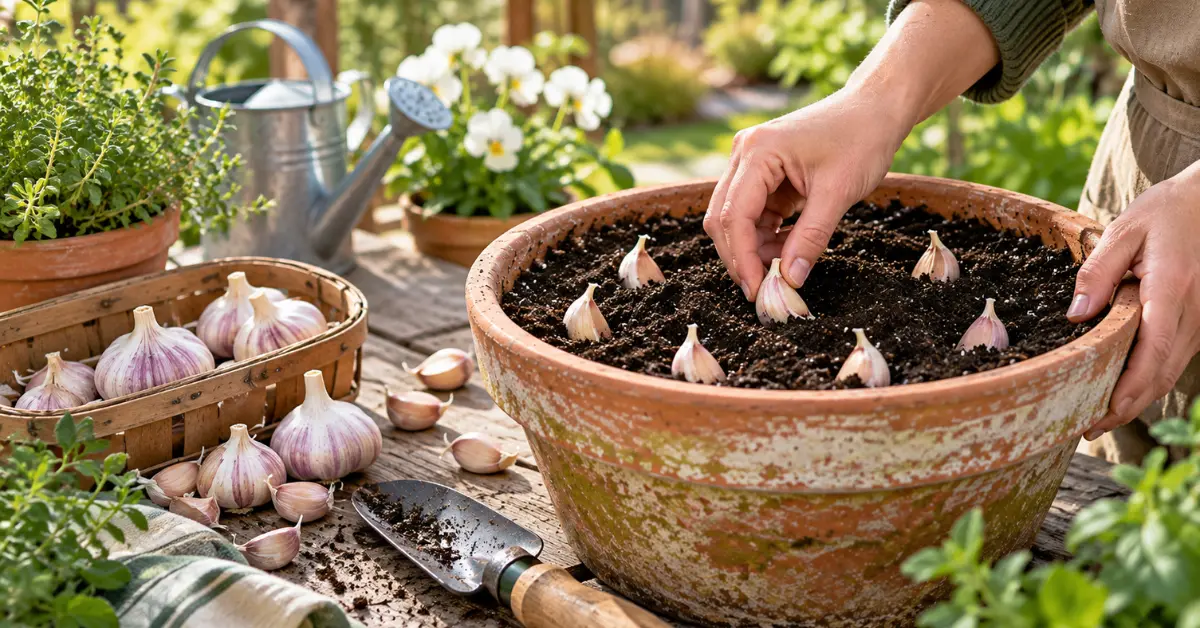
Growing Garlic in Containers This Fall: A Complete Guide for Beginners
If you’ve ever wanted to pop fresh, aromatic garlic cloves straight from your own patio [...]
Sep
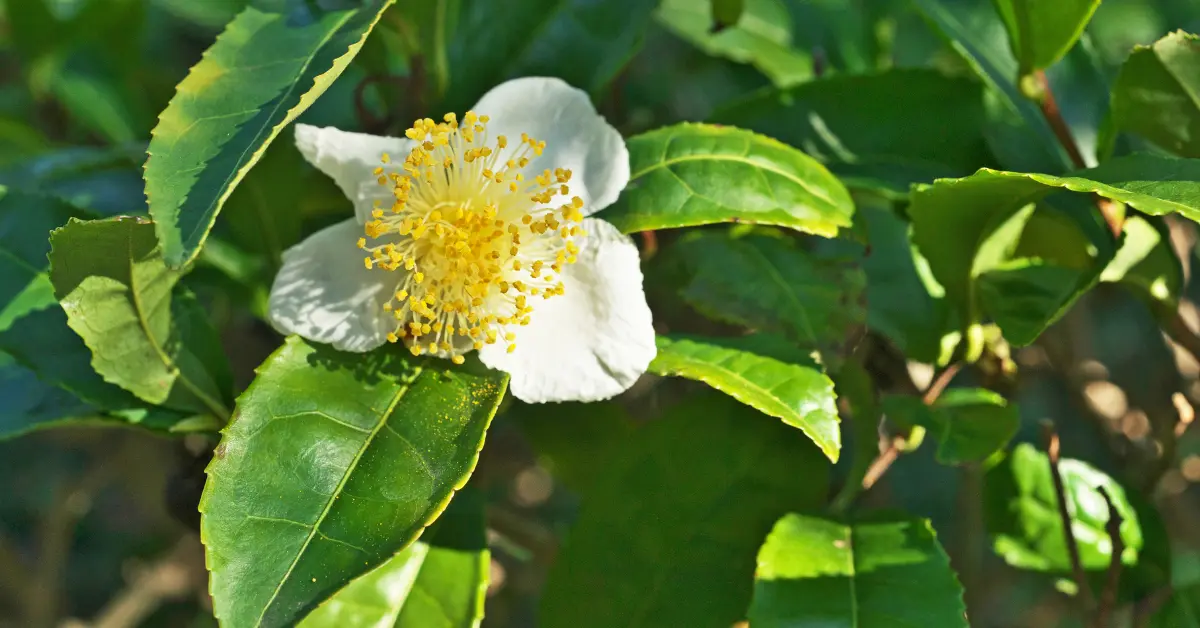
Growing Camellia Sinensis (Tea Plants) in Containers: A Complete Guide for Beginners
If you’ve ever wanted to sip a steaming, homegrown cup of fresh green, black, or [...]
Aug
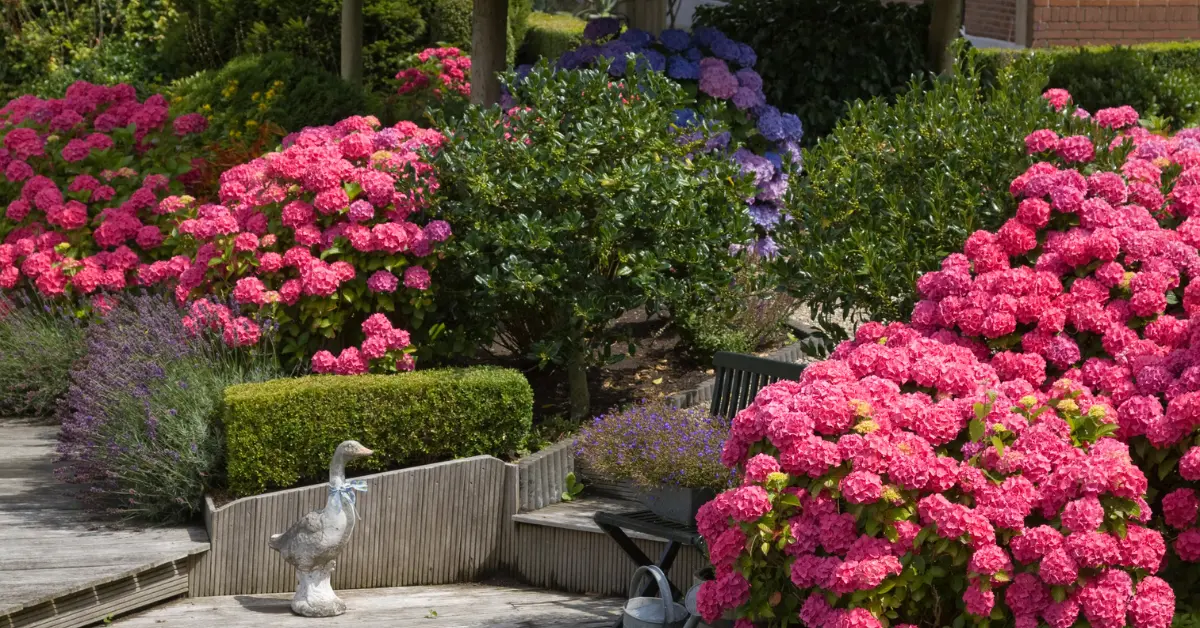
6 Best Shrubs to Plant in August You Must Try
Have you ever walked through a nursery late in the summer, admired the vibrant shrubs [...]
Aug
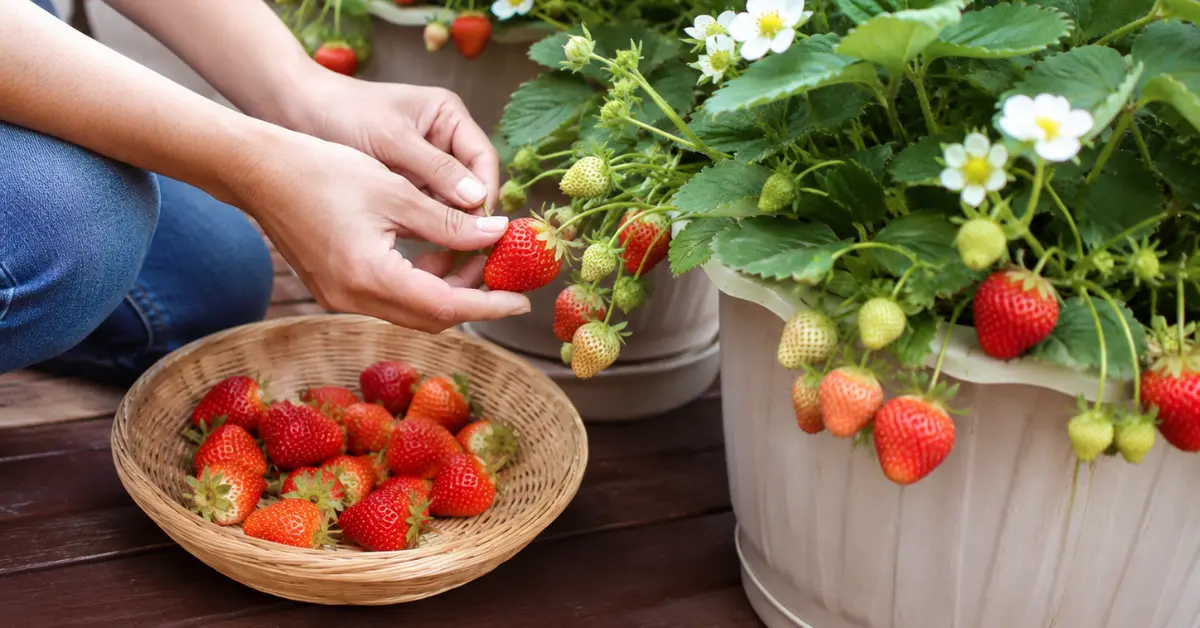
Growing Everbearing Strawberries in Containers: A Complete Guide for Beginners
Want to grow sweet, fresh strawberries but do not have a large garden? Everbearing strawberries [...]
Aug
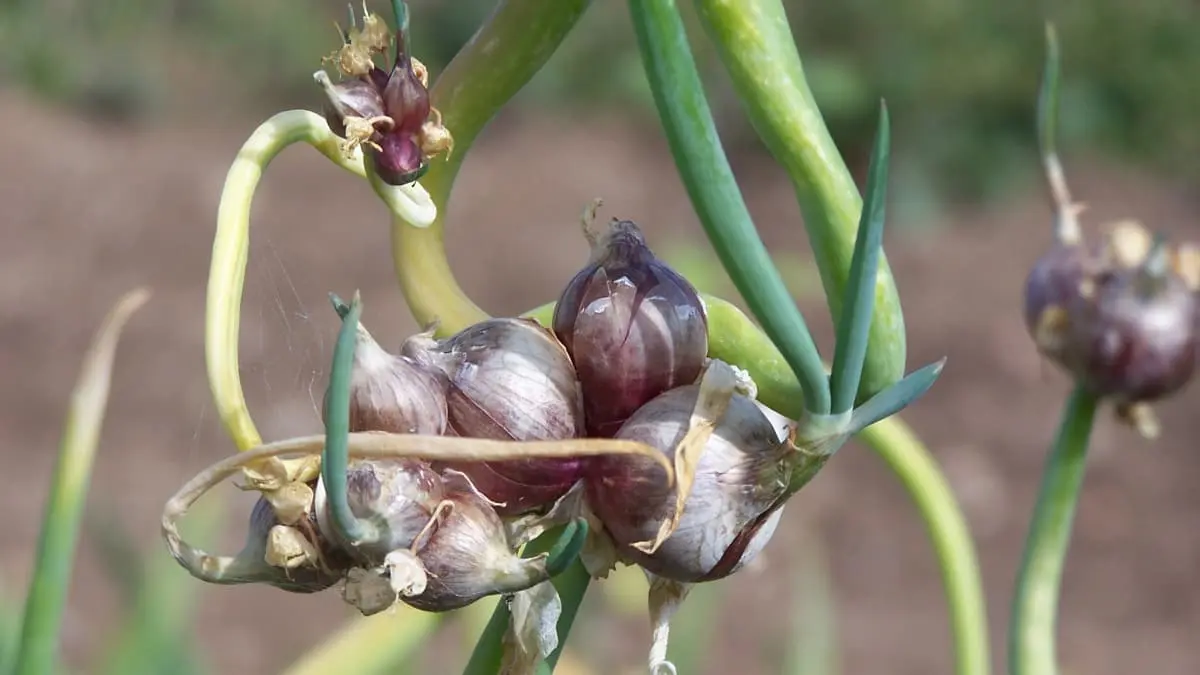
Growing Egyptian Walking Onions in Containers: A Complete Guide for Beginners
If you’re looking for a hardy, no-fuss perennial onion that keeps on giving year after [...]
Jul
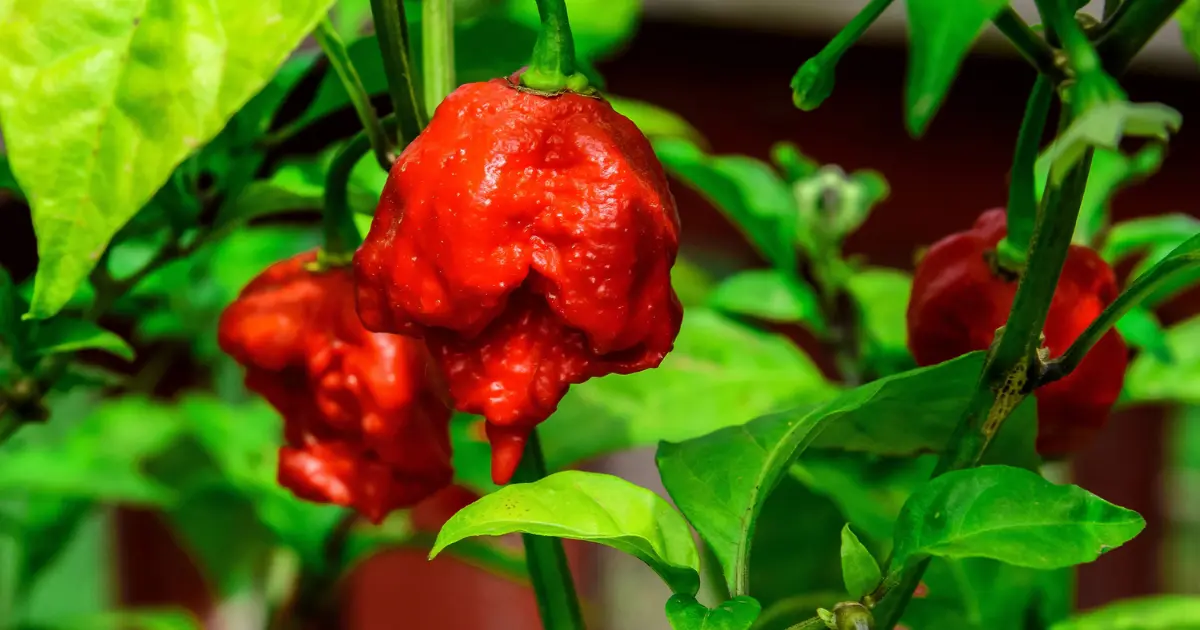
Growing Carolina Reaper Peppers in Pots: A Complete Guide for Beginners
If you’ve ever wanted to add some serious, record-breaking heat to your home cooking, you’ve [...]
May
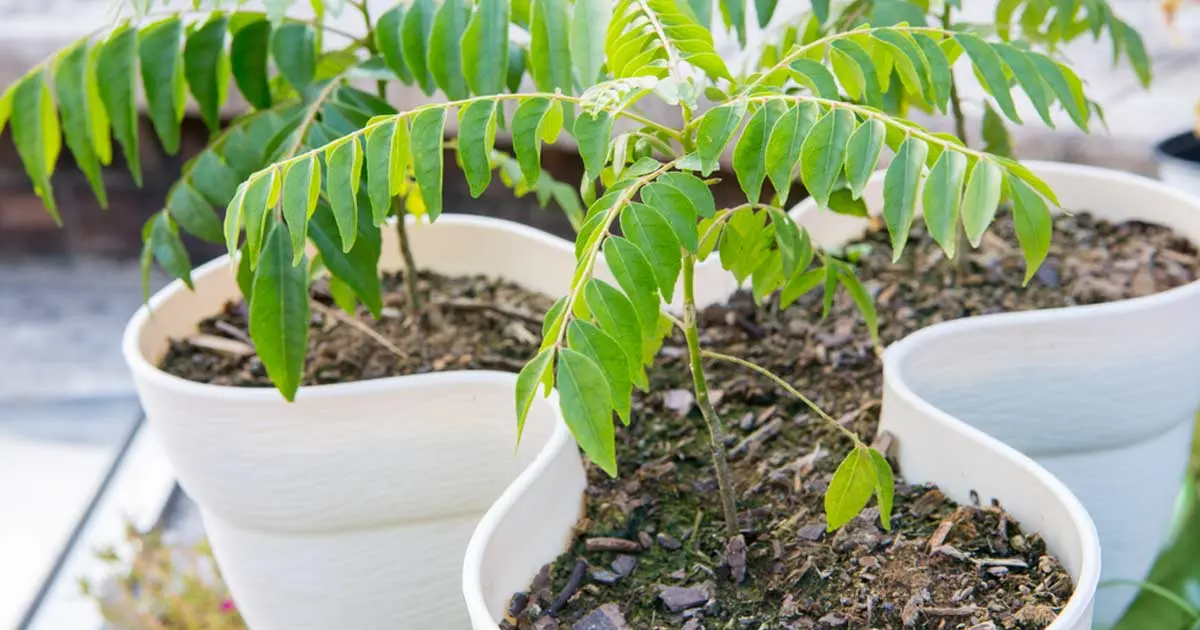
Growing Curry Leaf Plant in Pots: A Complete Guide for Beginners
If you’re a fan of authentic South Asian cuisine, you already know that nothing compares [...]
May
Reviews
There are no reviews yet.