
Apache Blackberry Live Plant – Thornless, High Yield – 1 Starter Plant – Outdoor Bush
Original price was: $35.98.$17.99Current price is: $17.99.
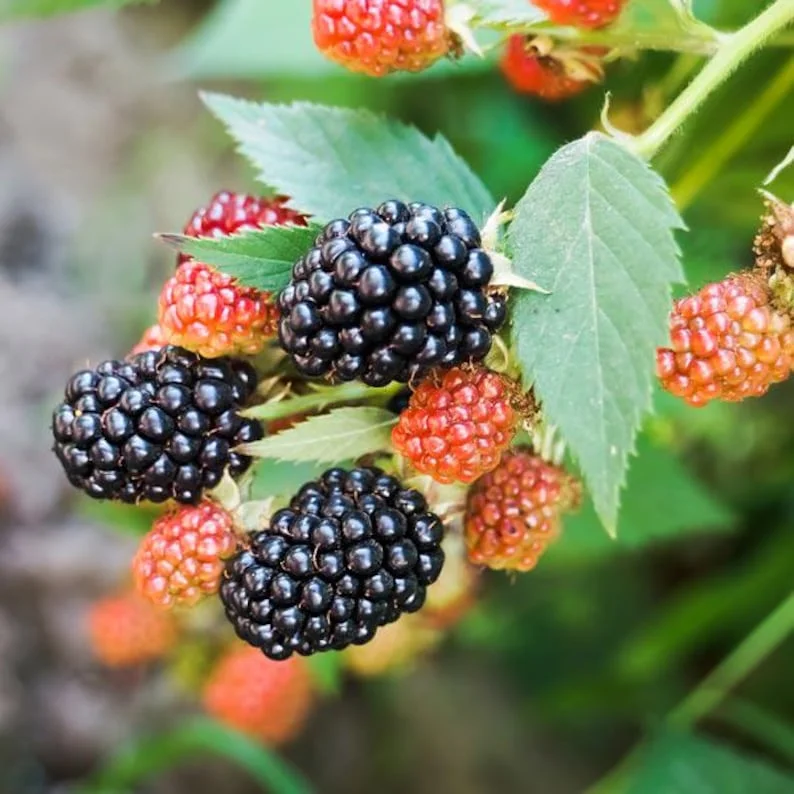
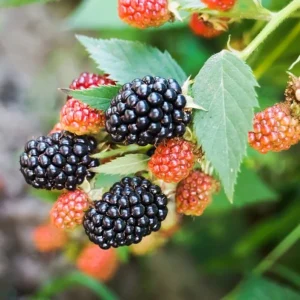
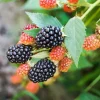
Bring home a robust apache blackberry live plant, known for its exceptional high yields and desirable thornless canes. This thornless blackberry bush starter plant is perfect for home gardeners seeking an easy-to-manage and productive fruit producer. Enjoy abundant, sweet berries with minimal effort.
Estimated arrival
Oct 05
Oct 10 - Oct 12
Oct 15 - Oct 19

Reasonable Price
We offer reasonable price

Support 24/7
Contact us 24 hrs a day

100% Money Back
You've 30 days to Return

Payment Secure
100% secure payment
Overview
Cultivate your own delicious fruit with the remarkable apache blackberry live plant. This variety is celebrated for its outstanding productivity and the highly sought-after characteristic of being thornless, making harvesting a pleasure rather than a prickly chore. Originating from the University of Arkansas breeding program, the Apache blackberry is a semi-erect, vigorous grower that produces large, firm, and incredibly sweet berries. As a live starter plant, it provides a fantastic foundation for establishing a productive fruit patch in your garden. Whether you’re an experienced horticulturist or a budding gardener, this high yield blackberry plant offers the promise of abundant harvests and the satisfaction of growing your own fresh produce.
The Apache blackberry is a self-pollinating variety, meaning you only need one plant to start enjoying fruit, though planting multiple can increase overall yield. Its robust nature and adaptability make it a popular choice across various climates, provided its basic needs are met. This plant is designed for outdoor cultivation, thriving in sunny locations where it can soak up the energy needed to produce its prolific fruit.
Key Benefits
The apache blackberry live plant offers a multitude of advantages for the home gardener, combining ease of care with exceptional productivity:
- Thornless Canes for Easy Harvesting: One of the most significant benefits of the Apache blackberry is its entirely thornless canes. This feature makes tending to the plant and harvesting the ripe berries a comfortable and enjoyable experience, eliminating the need to navigate sharp thorns. It’s particularly appealing for families with children who love to pick their own fruit.
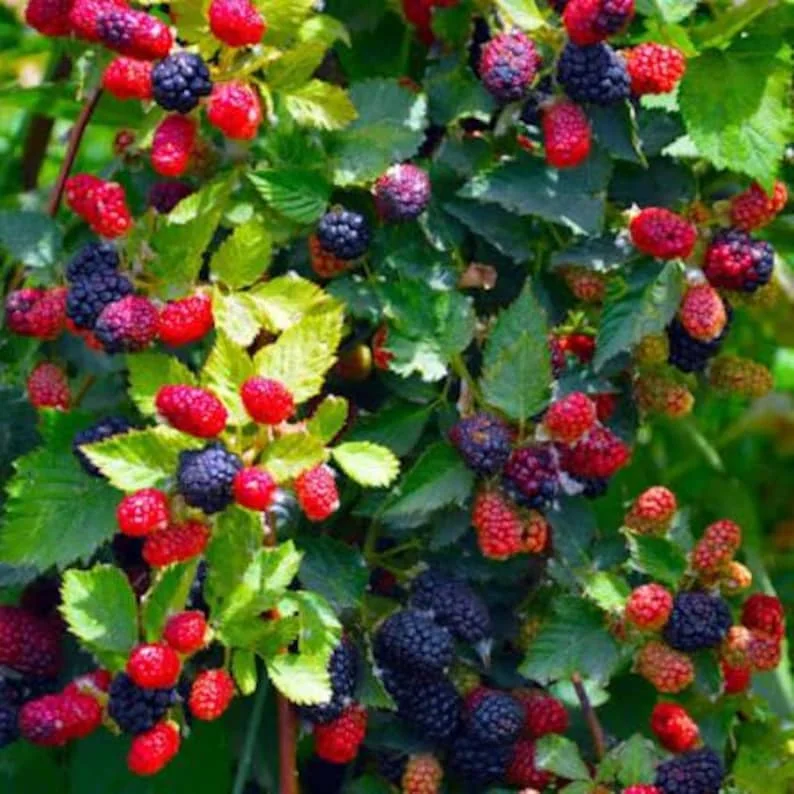
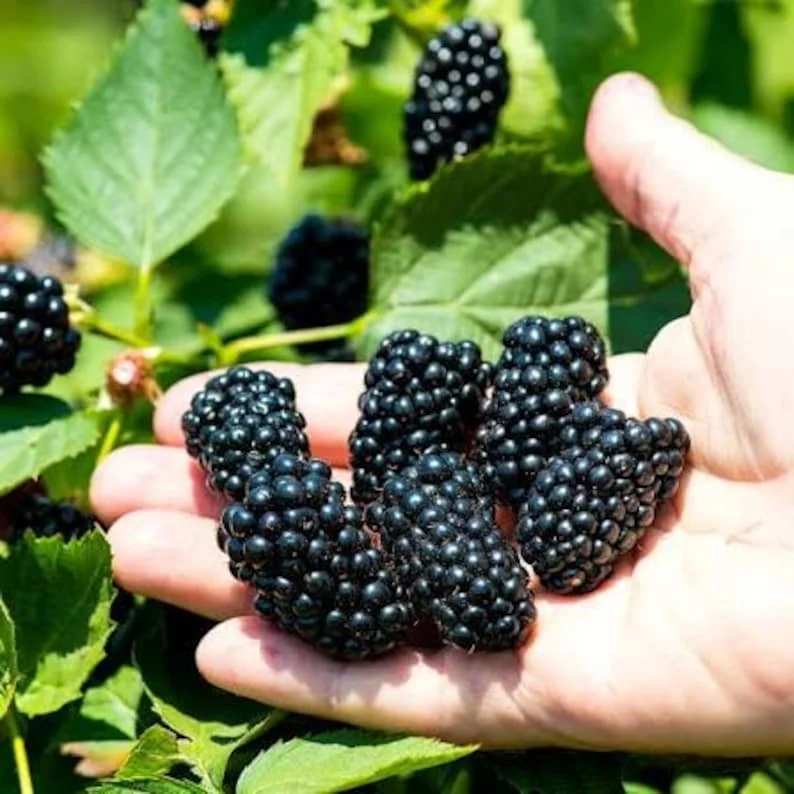
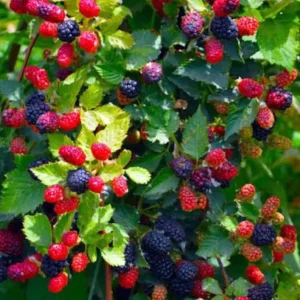
- Exceptional High Yields: True to its reputation as a high yield blackberry plant, the Apache variety produces an abundance of large, firm, and flavorful berries. With proper care, you can expect a substantial harvest from each plant, providing plenty of fruit for fresh eating, baking, jams, and preserves.
- Delicious Flavor Profile: Apache blackberries are renowned for their sweet, rich flavor with a pleasant tart balance. They are excellent for eating fresh off the vine, in desserts, smoothies, or any recipe calling for fresh blackberries. The quality of the fruit is consistently high, ensuring a satisfying culinary experience.
- Vigorous and Robust Growth: This thornless blackberry bush exhibits strong, semi-erect growth, making it relatively easy to manage and support. Its vigorous nature means it establishes well in the garden and can withstand various environmental conditions, contributing to its reliability.
- Good Disease Resistance: The Apache variety has been bred for good resistance to common blackberry diseases, which translates to a healthier plant and fewer issues for the gardener. This resilience contributes to its consistent performance and high yields.
- Versatile Use in the Landscape: Beyond its fruit production, the Apache blackberry can also serve as an attractive addition to your landscape. Its green foliage and eventual fruit provide visual interest, and it can be used in edible hedges or as part of a permaculture design.
Plant Care & Growing Tips
Proper care is essential for ensuring your apache blackberry live plant thrives and produces abundant fruit. These plants prefer a sunny location, ideally receiving at least 6-8 hours of direct sunlight per day. Adequate light is crucial for fruit development and flavor. The soil should be well-draining, rich in organic matter, and have a slightly acidic pH between 6.0 and 6.5. Before planting, amend heavy clay soils with compost or peat moss to improve drainage and aeration. For sandy soils, adding organic matter will help retain moisture and nutrients.
When it comes to watering, consistent moisture is key, especially during flowering and fruiting periods. Blackberries need about 1-2 inches of water per week, either from rainfall or irrigation. Avoid overhead watering if possible, as this can encourage fungal diseases; instead, water at the base of the plant. Fertilize in early spring with a balanced fertilizer or a berry-specific formula once the plant has established. Avoid over-fertilizing with nitrogen, which can lead to excessive foliage growth at the expense of fruit production. Pruning is vital for maintaining plant health and maximizing yields. Apache blackberries fruit on floricanes (second-year canes). After harvest, prune these spent floricanes back to the ground. In late winter or early spring, thin the remaining primocanes (first-year canes) to 4-6 strong canes per foot of row, and tip prune them to encourage branching. This practice is crucial for growing apache blackberry successfully. This variety is generally hardy in USDA Zones 5-9, but protection may be needed in the colder parts of its range.
Size & Details
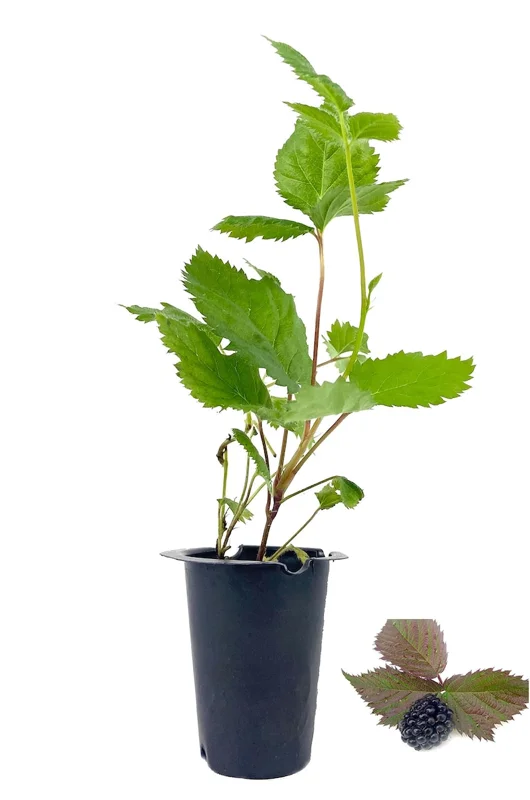
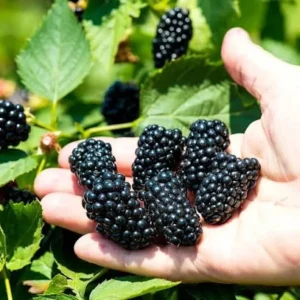
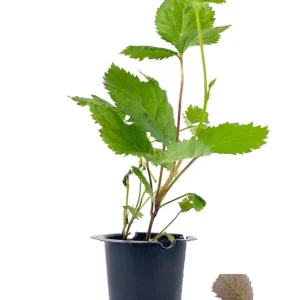
This offering is for 1 starter plant of the apache blackberry live plant. Each plant is carefully cultivated to ensure a strong root system and healthy initial growth, ready to be transplanted into your garden. Typically, these starter plants arrive in a dormant or semi-dormant state, depending on the season, with healthy foliage or well-developed canes ready to sprout. Apache blackberries are semi-erect, meaning they have a more upright growth habit than trailing varieties but may still benefit from some support, such as a trellis or stakes, especially when laden with fruit. They can grow to a height of 5-8 feet with a similar spread if not pruned. Expect your plant to begin producing fruit in its second year, with significant yields in subsequent years. The berries are typically large, firm, and glossy black, ripening in mid-summer, usually from late June to mid-July, depending on your specific climate and growing conditions. This plant ships as a live, actively growing specimen or bare-root, depending on the season, prepared for successful establishment in your home garden.
Frequently Asked Questions
- Q: How big does this apache blackberry live plant get? A: The Apache blackberry is a semi-erect variety that can reach heights of 5 to 8 feet and spread similarly if not pruned. With proper pruning and support, you can manage its size to fit your garden space while still ensuring a high yield.
- Q: Is this an indoor or outdoor plant? A: The Apache blackberry is an outdoor plant, specifically bred for garden and field cultivation. It requires full sun exposure and is hardy in USDA zones 5-9, making it suitable for a wide range of climates across the US.
- Q: How much sunlight does it need? A: For optimal growth and fruit production, your thornless blackberry bush needs at least 6-8 hours of direct sunlight per day. More sun generally leads to sweeter, more abundant berries.
- Q: Is this plant easy to care for, especially for beginners? A: Yes, the Apache blackberry is considered relatively easy to care for, especially due to its thornless nature which simplifies pruning and harvesting. Its robust growth and disease resistance make it an excellent choice for beginners interested in growing apache blackberry.
- Q: What condition will the starter plant arrive in? A: Your apache blackberry live plant will arrive as a healthy starter plant, either actively growing with foliage or in a dormant state with a strong root system, depending on the time of year. It will be carefully packaged to ensure its safe journey to your garden.
- Q: When is the best time to plant this blackberry? A: The best time to plant your Apache blackberry starter plant is in early spring after the last danger of frost has passed, or in late fall before the ground freezes. Spring planting allows the plant to establish its root system before the heat of summer.
- Q: What is the expected yield from this high yield blackberry plant? A: The Apache blackberry is known for its very high yields. While the exact amount can vary based on growing conditions and care, mature plants can produce several pounds of large, delicious berries, making it a very productive addition to any home garden.
- Q: Will this blackberry survive winter in my zone? A: The Apache blackberry is hardy in USDA zones 5-9. If you are in a colder zone (Zone 5), consider providing winter protection, such as mulching heavily around the base or covering the canes during the coldest periods.
Be the first to review “Apache Blackberry Live Plant – Thornless, High Yield – 1 Starter Plant – Outdoor Bush”
-
USDA Hardiness Zone
USDA Zones 5-9 -
Soil Type
Well-draining, rich in organic matter, slightly acidic (pH 6.0-6.5) -
Sunlight Exposure
Full sun (6-8+ hours direct sun) -
Expected Planting Period
Early spring or late fall
People Also Viewd


Sold 134 products
Original price was: $3,536.00.$23.99Current price is: $23.99.

Sold 132 products
Original price was: $27.00.$24.00Current price is: $24.00.

Sold 132 products
Original price was: $89.99.$64.99Current price is: $64.99.

Sold 125 products
Original price was: $86.99.$66.99Current price is: $66.99.

Flower Bulbs
3 Cranesbill Wild Geranium Organic Maculatums Bare Roots | Wildflower for Outdoor Garden
Sold 116 products
Original price was: $21.99.$9.99Current price is: $9.99.

Sold 114 products
Original price was: $28.99.$17.99Current price is: $17.99.

Sold 110 products
Original price was: $63.99.$28.99Current price is: $28.99.
Sold 108 products
Original price was: $28.99.$17.99Current price is: $17.99.RELATED posts
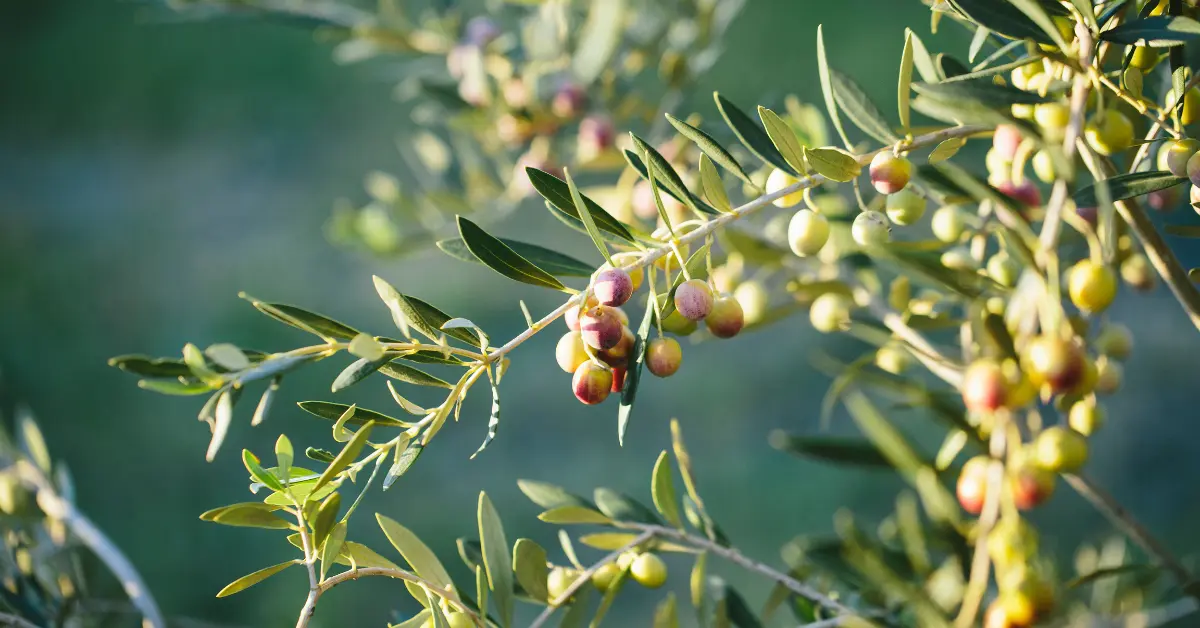
How to Grow Arbequina Olive Trees: The Ultimate Guide to Your Own Olive Grove
Arbequina Olive Tree (Olea europaea ‘Arbequina’) – the ultimate Mediterranean plant that brings a touch [...]
Oct
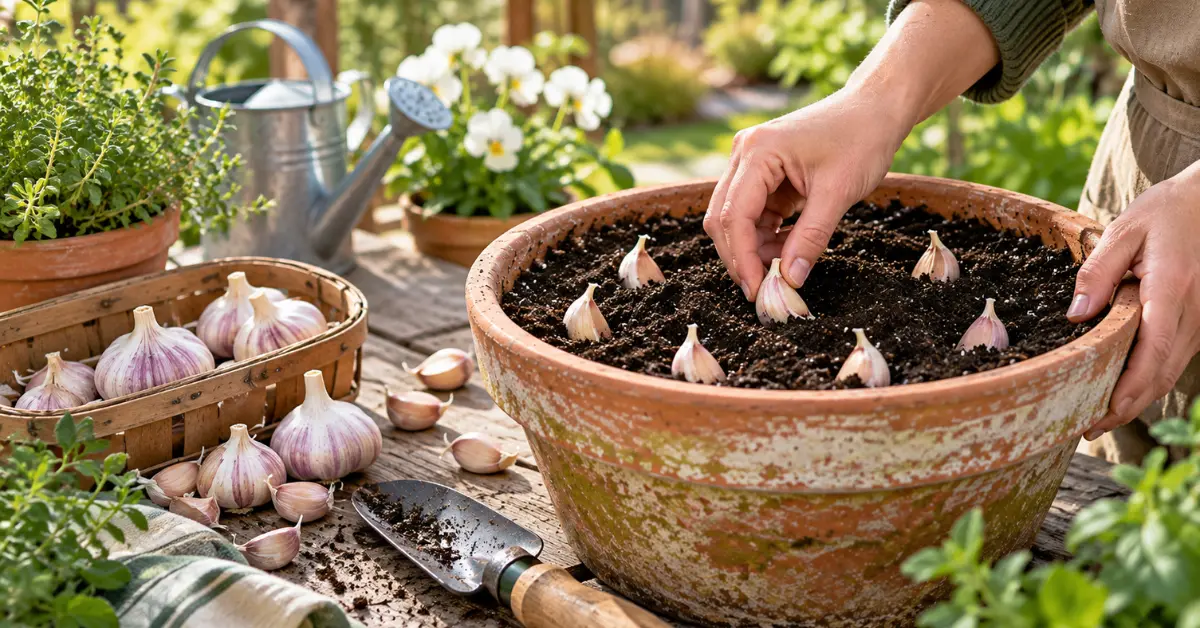
Growing Garlic in Containers This Fall: A Complete Guide for Beginners
If you’ve ever wanted to pop fresh, aromatic garlic cloves straight from your own patio [...]
Sep
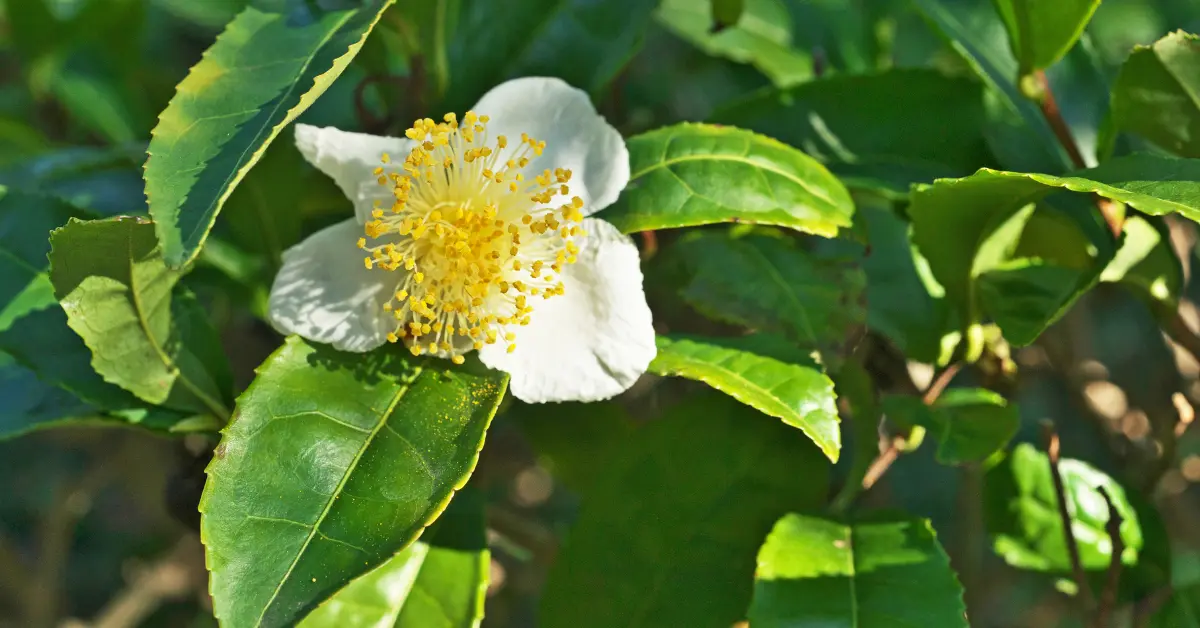
Growing Camellia Sinensis (Tea Plants) in Containers: A Complete Guide for Beginners
If you’ve ever wanted to sip a steaming, homegrown cup of fresh green, black, or [...]
Aug
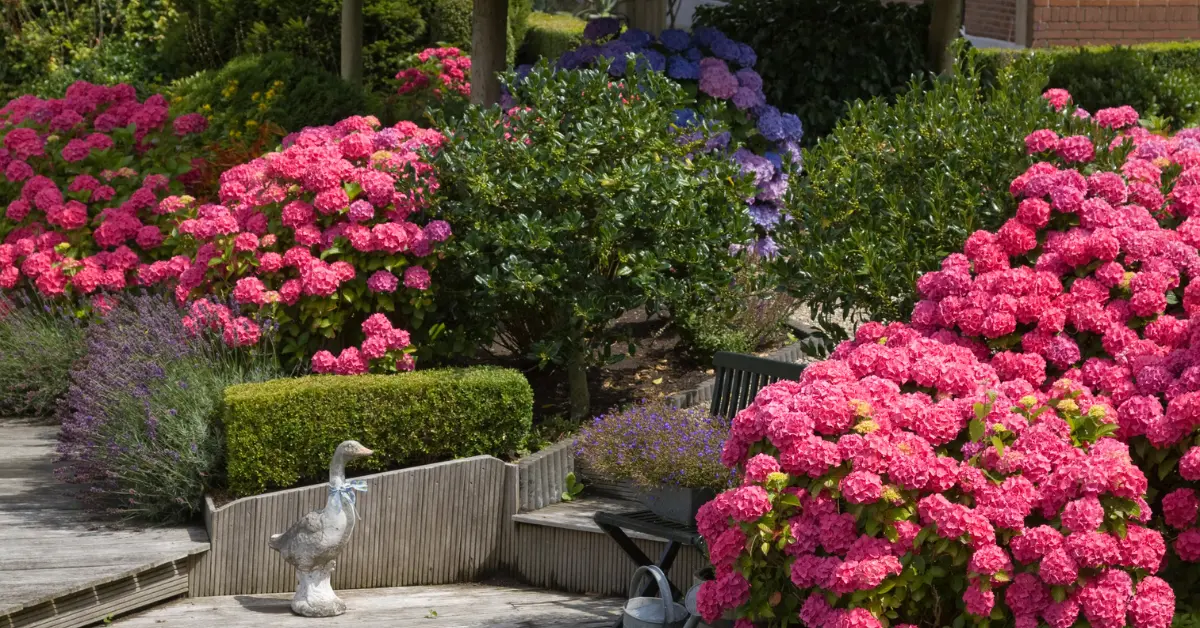
6 Best Shrubs to Plant in August You Must Try
Have you ever walked through a nursery late in the summer, admired the vibrant shrubs [...]
Aug
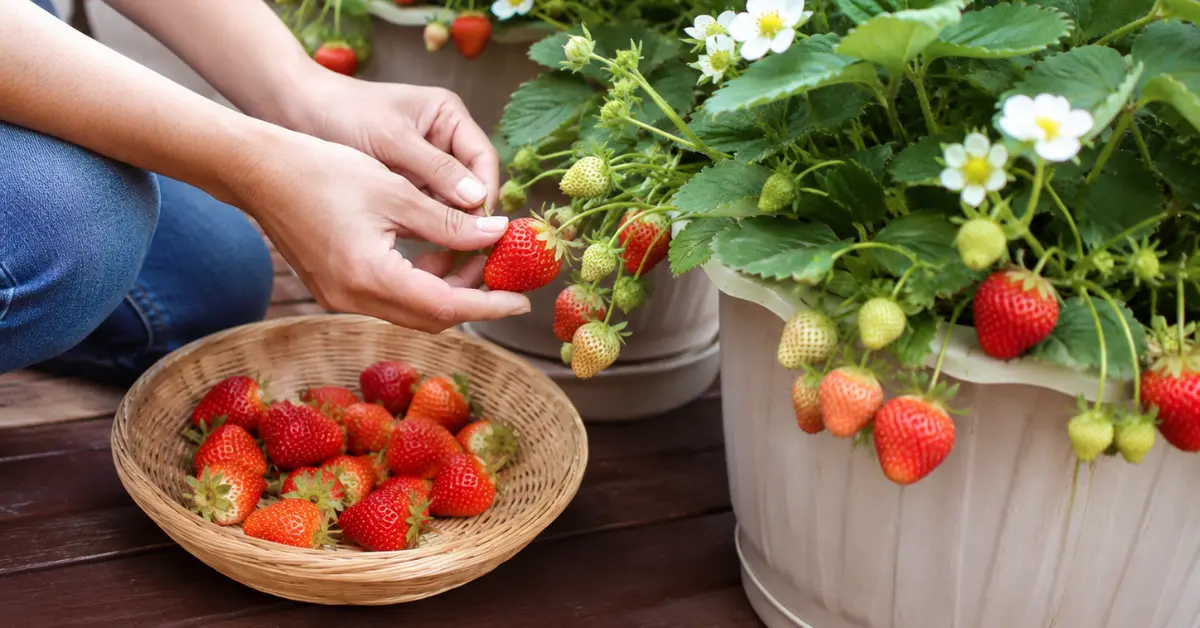
Growing Everbearing Strawberries in Containers: A Complete Guide for Beginners
Want to grow sweet, fresh strawberries but do not have a large garden? Everbearing strawberries [...]
Aug
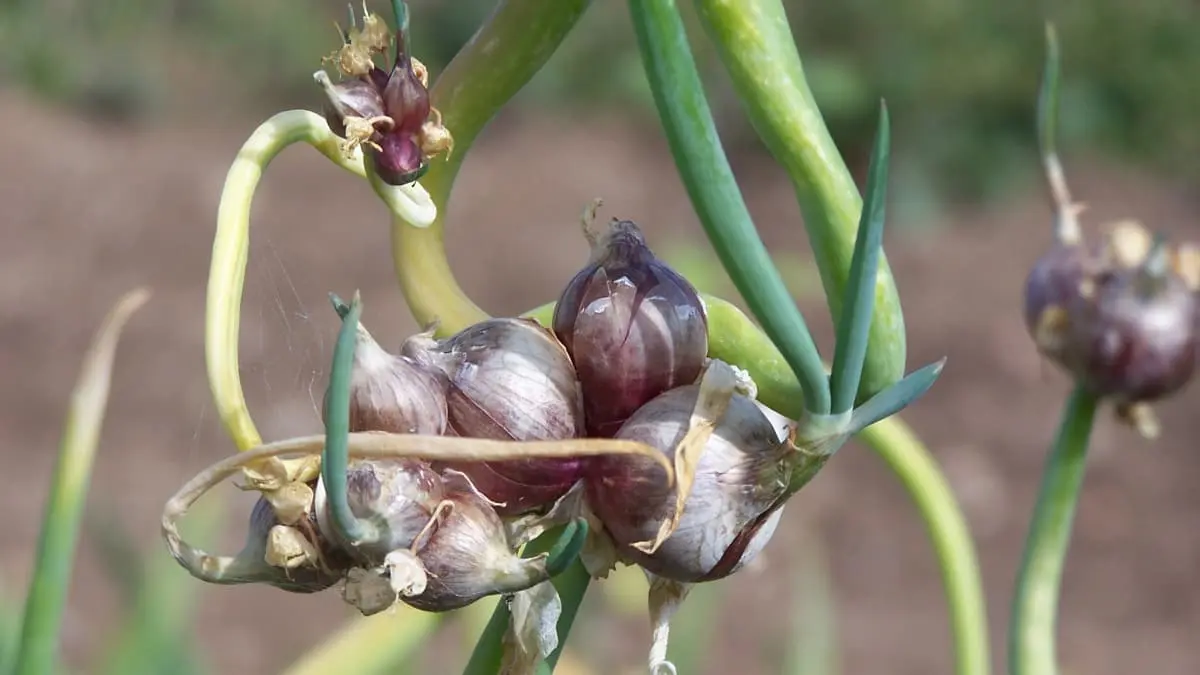
Growing Egyptian Walking Onions in Containers: A Complete Guide for Beginners
If you’re looking for a hardy, no-fuss perennial onion that keeps on giving year after [...]
Jul
Growing Carolina Reaper Peppers in Pots: A Complete Guide for Beginners
If you’ve ever wanted to add some serious, record-breaking heat to your home cooking, you’ve [...]
May
Growing Curry Leaf Plant in Pots: A Complete Guide for Beginners
If you’re a fan of authentic South Asian cuisine, you already know that nothing compares [...]
May
Reviews
There are no reviews yet.