
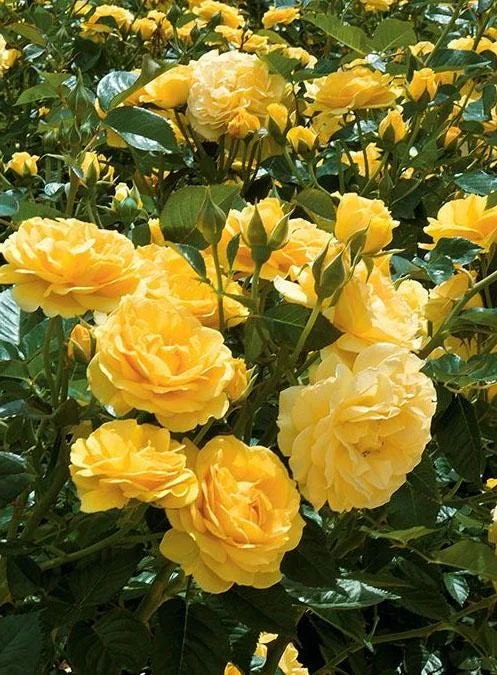
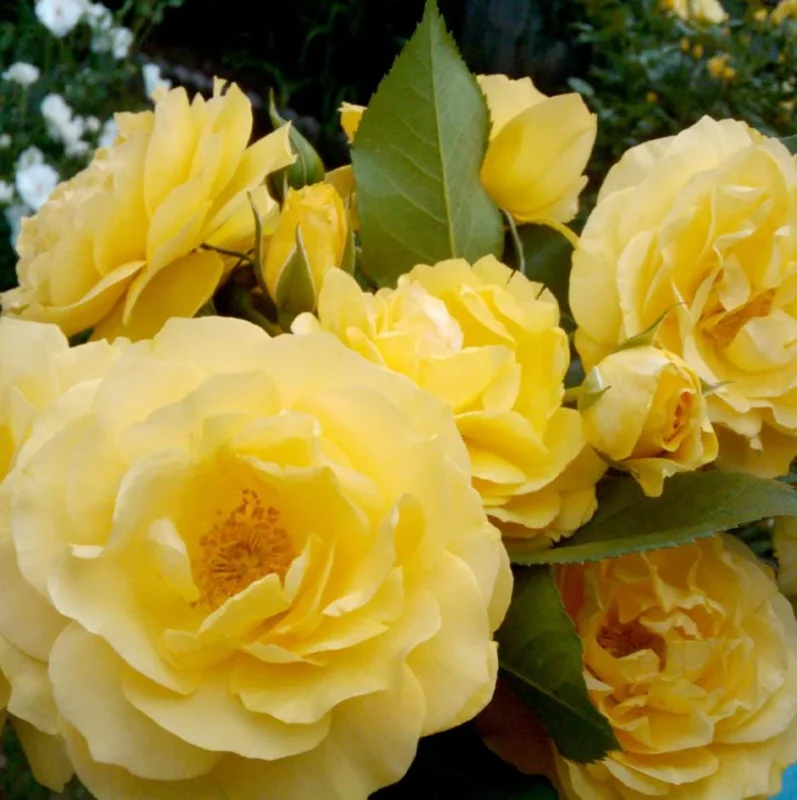
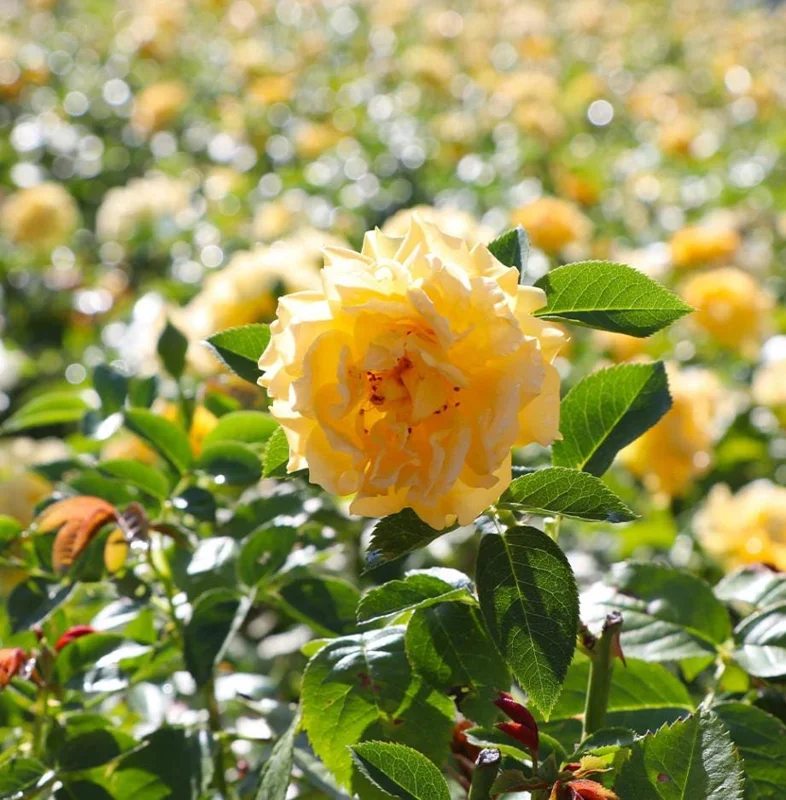
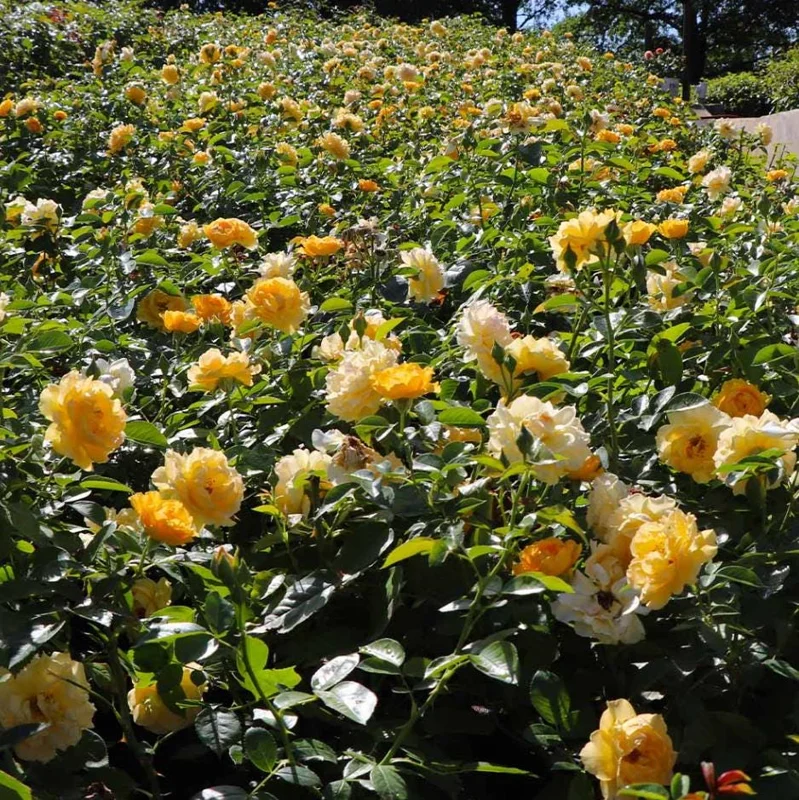
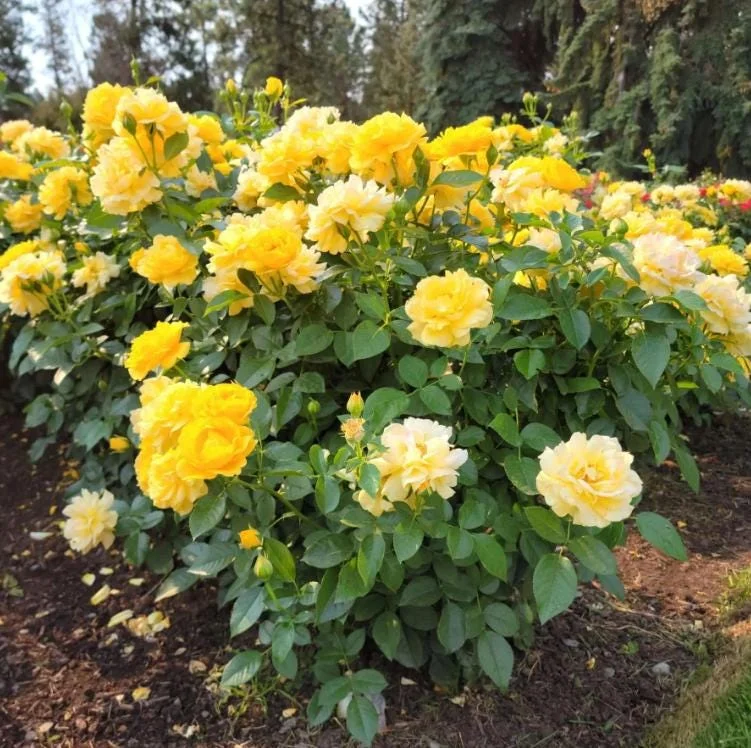
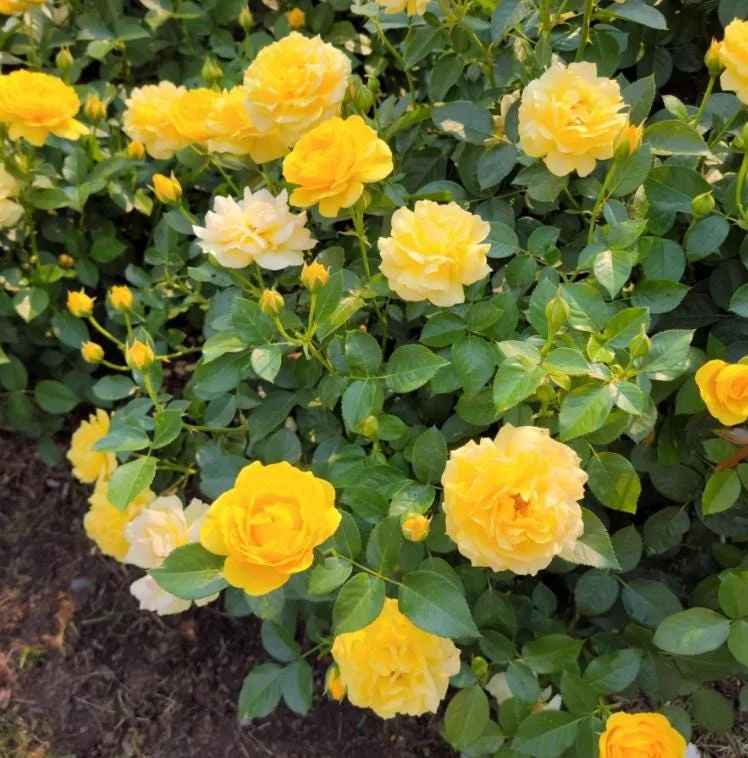
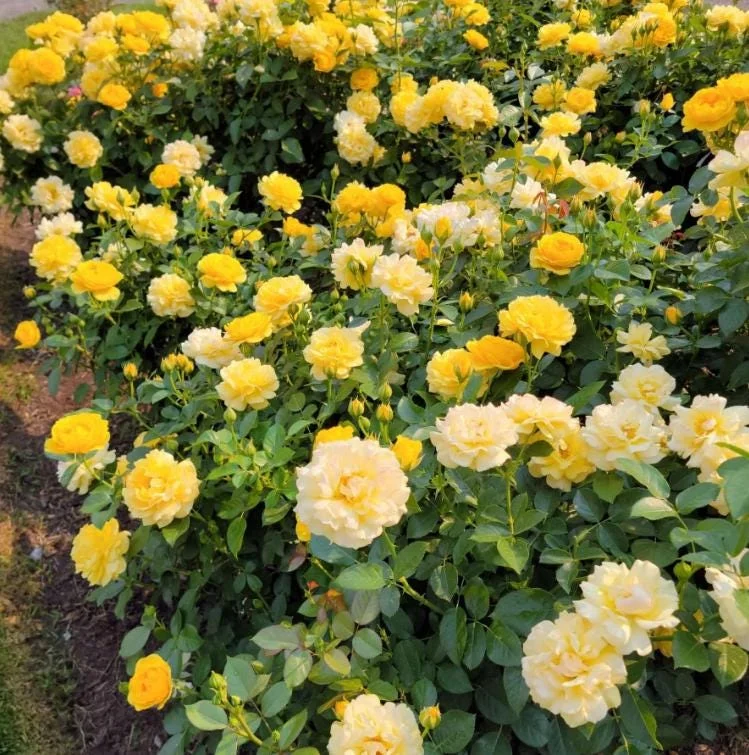
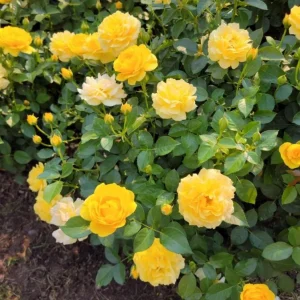
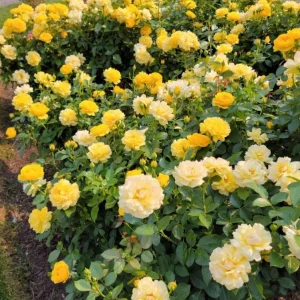
Julia Child Rose Live Plant – Yellow Floribunda Bush 4-7 Inch Tall for Outdoor Garden
Original price was: $55.99.$28.79Current price is: $28.79.
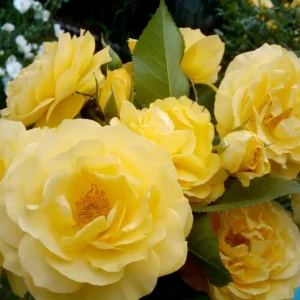
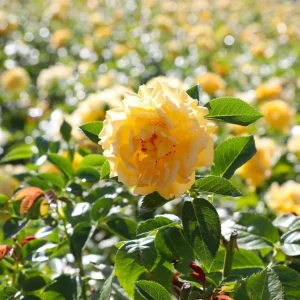
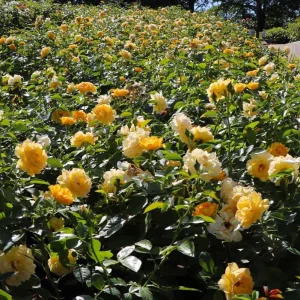
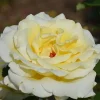
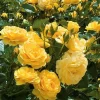
Bring elegance to your garden with the Julia Child Rose live plant, a stunning floribunda known for its abundant butter-gold flowers and delightful fragrance. This vigorous bush rose is perfect for outdoor planting, offering continuous blooms from spring to fall. Enjoy easy Julia Child rose care and vibrant color in your landscape.
Estimated arrival
Oct 23
Oct 28 - Oct 30
Nov 02 - Nov 06

Reasonable Price
We offer reasonable price

Support 24/7
Contact us 24 hrs a day

100% Money Back
You've 30 days to Return

Payment Secure
100% secure payment
Overview
The Julia Child Rose live plant is a beloved floribunda rose, celebrated for its rich, butter-gold yellow blooms and a mild, sweet, licorice-like fragrance. This award-winning variety produces full, double flowers in clusters throughout the growing season, bringing continuous cheer and beauty to any outdoor garden. As a yellow floribunda rose, it’s a popular choice for its prolific blooming habit and disease resistance. This particular offering provides a healthy, young plant ready for planting, ensuring a vibrant addition to your landscape. The Julia Child Rose live plant is an excellent selection for gardeners seeking a reliable and visually striking rose with a charming scent.
Originating from renowned breeders, the Julia Child Rose has earned accolades for its exceptional garden performance. Its cheerful color and compact, bushy growth habit make it versatile for various garden designs, from mixed borders to specimen plantings. Whether you’re a seasoned rose enthusiast or a beginner, this rose offers a rewarding gardening experience with its beauty and relatively easy maintenance. Prepare to enjoy a season full of golden blossoms and a pleasant aroma with your new Julia Child Rose live plant.
Key Benefits
Cultivating the Julia Child Rose live plant offers numerous advantages for your garden and well-being. Its robust nature and stunning aesthetics make it a standout choice.
- Abundant, Continuous Blooms: Enjoy a prolific display of butter-gold flowers from spring through fall, ensuring your garden remains vibrant for months. The continuous blooming habit means there’s always something beautiful to admire.
- Delightful Fragrance: The mild, sweet, licorice-like scent of the blooms adds an extra layer of sensory pleasure to your garden, making it a joy to spend time outdoors. This unique fragrance sets it apart from many other roses.
- Exceptional Disease Resistance: This floribunda rose is known for its strong resistance to common rose diseases, reducing the need for frequent treatments and making Julia Child rose care much simpler.
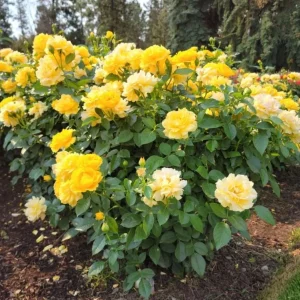
- Versatile Garden Use: Its compact, bushy growth habit makes it ideal for various applications, including borders, mass plantings, containers, or as a focal point in a garden bed.
- Attractive Butter-Gold Color: The warm, rich yellow hue of the flowers provides a cheerful and inviting presence, complementing a wide range of garden palettes and styles.
- Easy to Grow: Suitable for both experienced gardeners and novices, this rose is relatively low-maintenance once established, thriving with basic care. It’s a forgiving plant that rewards consistent attention.
- Pollinator Friendly: While double-petaled, the flowers can still attract beneficial pollinators to your garden, contributing to a healthy ecosystem.
Plant Care & Growing Tips
Proper Julia Child rose care is essential for ensuring a healthy, floriferous plant. This yellow floribunda rose thrives with consistent attention to its basic needs. It requires full sun, meaning at least 6 hours of direct sunlight per day, to produce the most abundant blooms. Choose a location in your garden that receives ample morning sun, which helps to dry dew from the leaves and prevent fungal diseases. Good air circulation around the plant is also crucial for its overall health. When planting, ensure the soil is well-draining and fertile. Amending heavy clay soils with organic matter like compost can significantly improve drainage and nutrient availability.
Watering should be deep and consistent, especially during dry spells and the blooming season. Aim to water 1–2 times weekly, ensuring the soil remains evenly moist but never waterlogged. Overwatering can lead to root rot, while underwatering can stress the plant and reduce flowering. Fertilize your fragrant bush rose in early spring as new growth emerges, and again after the first flush of blooms, using a balanced granular rose food or a slow-release fertilizer. Pruning is best done in late winter or early spring, removing any dead, damaged, or crossing branches, and shaping the bush to encourage new growth and flowering. Deadheading spent blooms throughout the season will also promote continuous flowering.
The outdoor garden rose is hardy in USDA Zones 5 to 9. Protect it during winter in colder zones by mulching around the base. Ideal temperatures for optimal growth and flowering are between 65 and 85 degrees Fahrenheit. While generally disease-resistant, monitor for common rose pests like aphids or spider mites and treat them organically if necessary. With proper siting, watering, feeding, and pruning, your Julia Child Rose live plant will provide years of beautiful, fragrant blooms.
Size & Details
This offering is for one Julia Child Rose live plant, typically shipped as a young plant measuring approximately 4 to 7 inches tall. The plant is ready for immediate planting in your outdoor garden or a larger container. While it is shipped without a pot to facilitate safe transit and reduce shipping weight, it will arrive with its root ball intact, carefully packaged to ensure its health upon arrival. This yellow floribunda rose is known for its vigorous growth and will quickly establish itself once planted.
Upon maturity, this fragrant bush rose typically grows to a height of 3 to 4 feet and spreads about 3 to 4 feet wide, forming a compact and rounded shrub. It boasts a medium growth rate, providing a substantial presence in the garden within a few seasons. Expect your plant to begin producing its characteristic butter-gold blooms in its first growing season, with full flowering capacity achieved in its second year. The robust nature of this particular outdoor garden rose makes it a reliable performer for gardeners looking for consistent beauty.
Frequently Asked Questions
- Q: How big does this Julia Child Rose plant get? A: The Julia Child Rose live plant typically grows to a mature size of 3 to 4 feet tall and 3 to 4 feet wide, forming a compact and rounded bush. Its moderate growth rate ensures it fills out nicely over a few seasons.
- Q: Is this an indoor or outdoor plant? A: The Julia Child Rose is an outdoor garden rose, best suited for planting directly in the ground where it can receive full sun and proper air circulation. It is not recommended as an indoor houseplant.
- Q: How much sunlight does the Julia Child Rose need? A: This yellow floribunda rose requires full sun, meaning at least 6 hours of direct sunlight per day, to produce the most abundant and vibrant blooms. Morning sun is particularly beneficial.
- Q: Is this plant easy to care for? A: Yes, Julia Child rose care is considered relatively easy, making it suitable for both beginner and experienced gardeners. It’s known for its good disease resistance and vigorous growth with proper watering and feeding.
- Q: What condition will the plant arrive in? A: Your Julia Child Rose live plant will arrive approximately 4-7 inches tall, shipped without a pot but with its root ball carefully packaged to maintain moisture and health during transit. It will be ready for immediate planting.
- Q: When is the best time to plant this fragrant bush rose? A: The best time to plant your fragrant bush rose is in spring after the last frost, or in early fall. This allows the plant to establish its root system before extreme summer heat or winter cold.
- Q: Will it survive winter in my zone? A: The Julia Child Rose is hardy in USDA Zones 5 to 9. In colder zones (5-6), it may require winter protection, such as mulching around the base, to help it survive the cold temperatures.
- Q: What type of soil does this outdoor garden rose prefer? A: This outdoor garden rose thrives in well-draining, fertile soil. Amending the planting area with organic matter like compost will provide the best conditions for growth and flowering.
- Q: Does this rose have thorns? A: Like most roses, the Julia Child Rose live plant does have thorns on its stems. It’s advisable to wear gardening gloves when handling and pruning the plant.
- Q: Is the Julia Child Rose a good choice for attracting pollinators? A: While it has double petals, the yellow floribunda rose can still attract some pollinators to your garden, contributing to biodiversity. Its strong fragrance can also be an attractant.
Be the first to review “Julia Child Rose Live Plant – Yellow Floribunda Bush 4-7 Inch Tall for Outdoor Garden”
-
USDA Hardiness Zone
USDA Zones 5 to 9 -
Soil Type
Well-draining, fertile soil -
Sunlight Exposure
Full sun -
Expected Planting Period
Spring to fall blooming
People Also Viewd


Sold 134 products
Original price was: $3,536.00.$23.99Current price is: $23.99.

Sold 132 products
Original price was: $27.00.$24.00Current price is: $24.00.

Sold 132 products
Original price was: $89.99.$64.99Current price is: $64.99.

Sold 125 products
Original price was: $86.99.$66.99Current price is: $66.99.

Flower Bulbs
3 Cranesbill Wild Geranium Organic Maculatums Bare Roots | Wildflower for Outdoor Garden
Sold 116 products
Original price was: $21.99.$9.99Current price is: $9.99.

Sold 114 products
Original price was: $28.99.$17.99Current price is: $17.99.

Sold 110 products
Original price was: $63.99.$28.99Current price is: $28.99.
Sold 108 products
Original price was: $28.99.$17.99Current price is: $17.99.RELATED posts
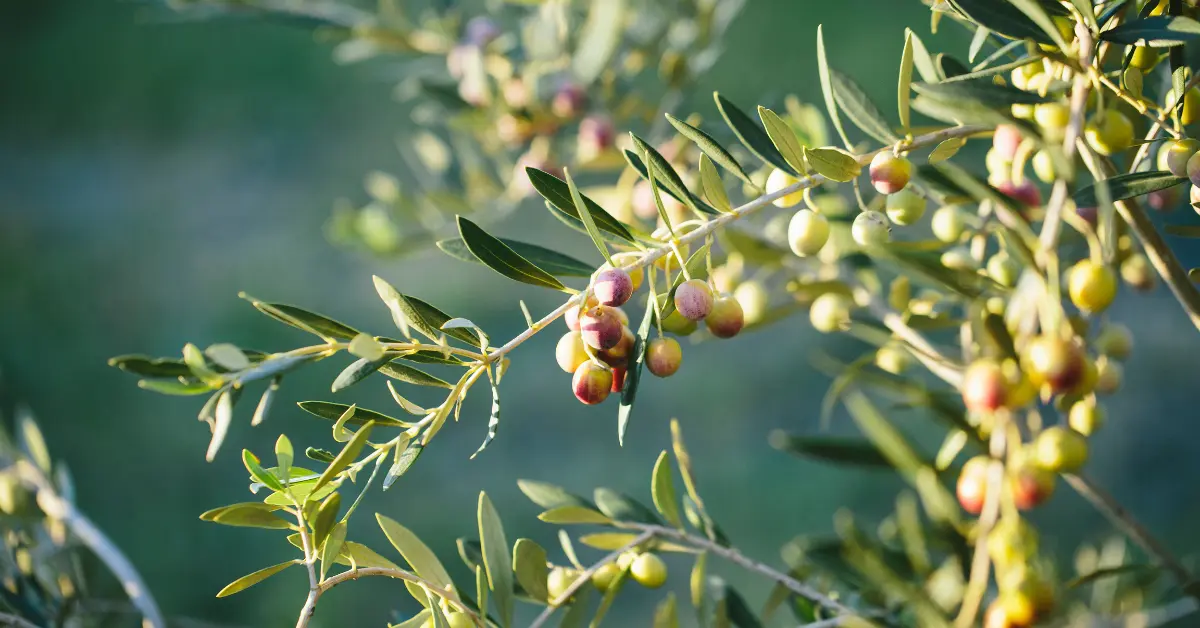
How to Grow Arbequina Olive Trees: The Ultimate Guide to Your Own Olive Grove
Arbequina Olive Tree (Olea europaea ‘Arbequina’) – the ultimate Mediterranean plant that brings a touch [...]
Oct
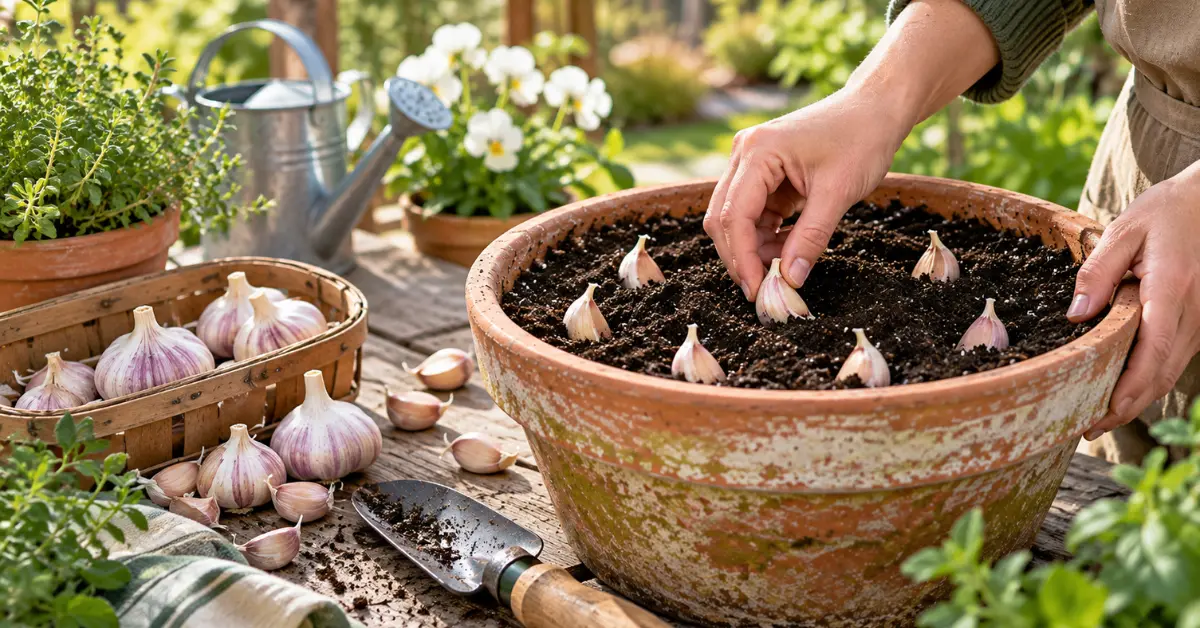
Growing Garlic in Containers This Fall: A Complete Guide for Beginners
If you’ve ever wanted to pop fresh, aromatic garlic cloves straight from your own patio [...]
Sep
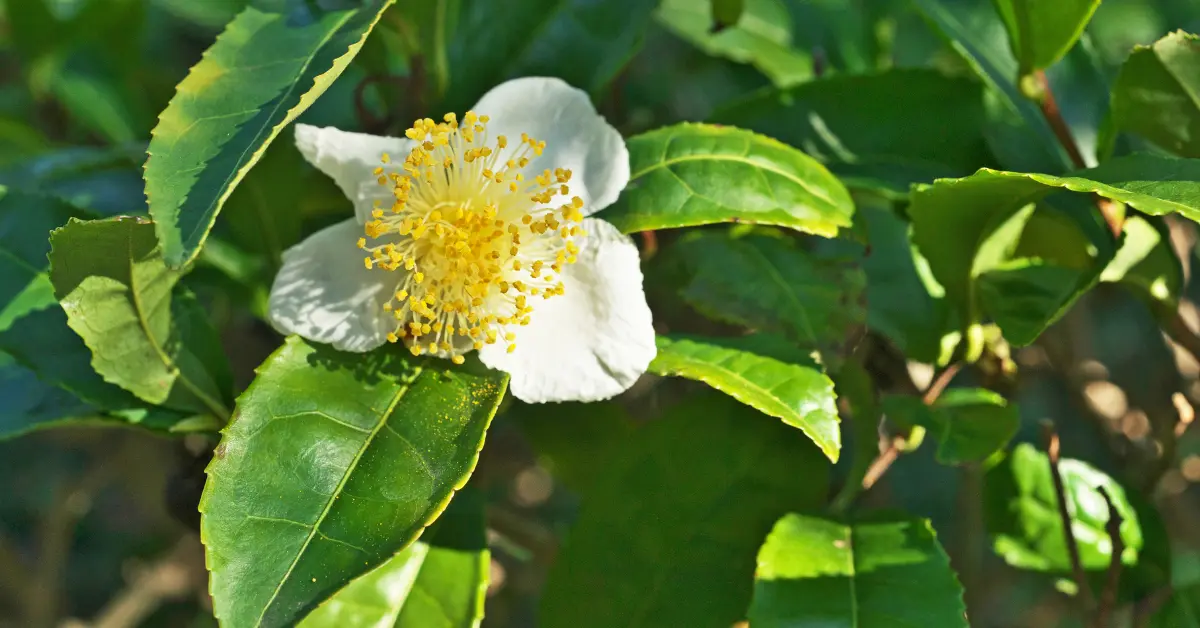
Growing Camellia Sinensis (Tea Plants) in Containers: A Complete Guide for Beginners
If you’ve ever wanted to sip a steaming, homegrown cup of fresh green, black, or [...]
Aug
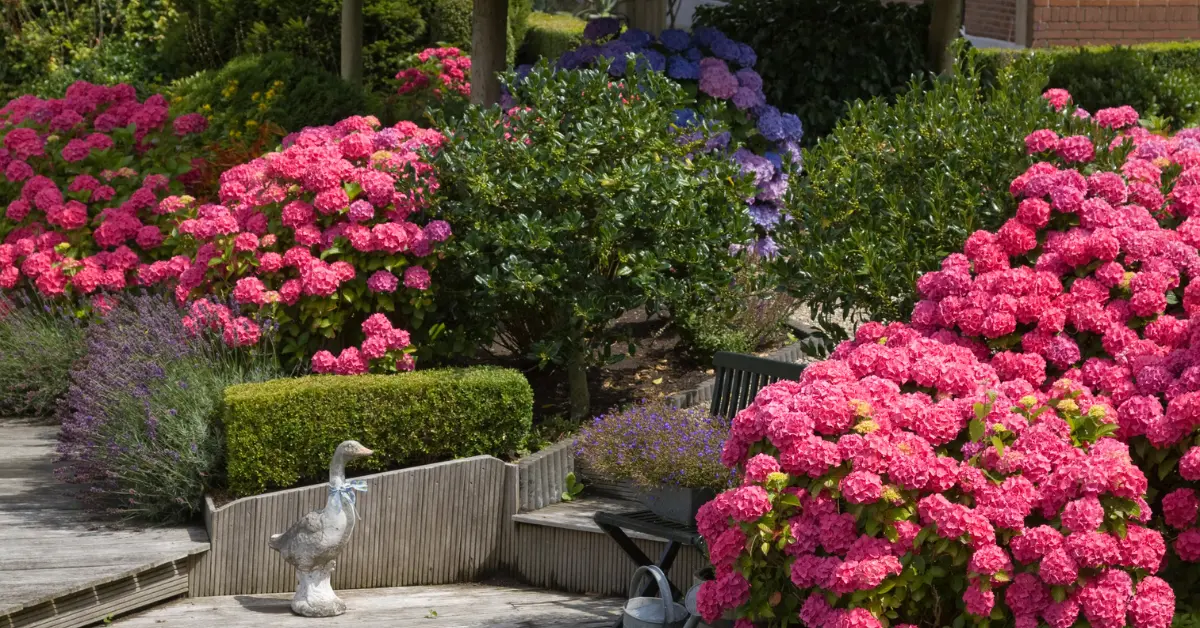
6 Best Shrubs to Plant in August You Must Try
Have you ever walked through a nursery late in the summer, admired the vibrant shrubs [...]
Aug
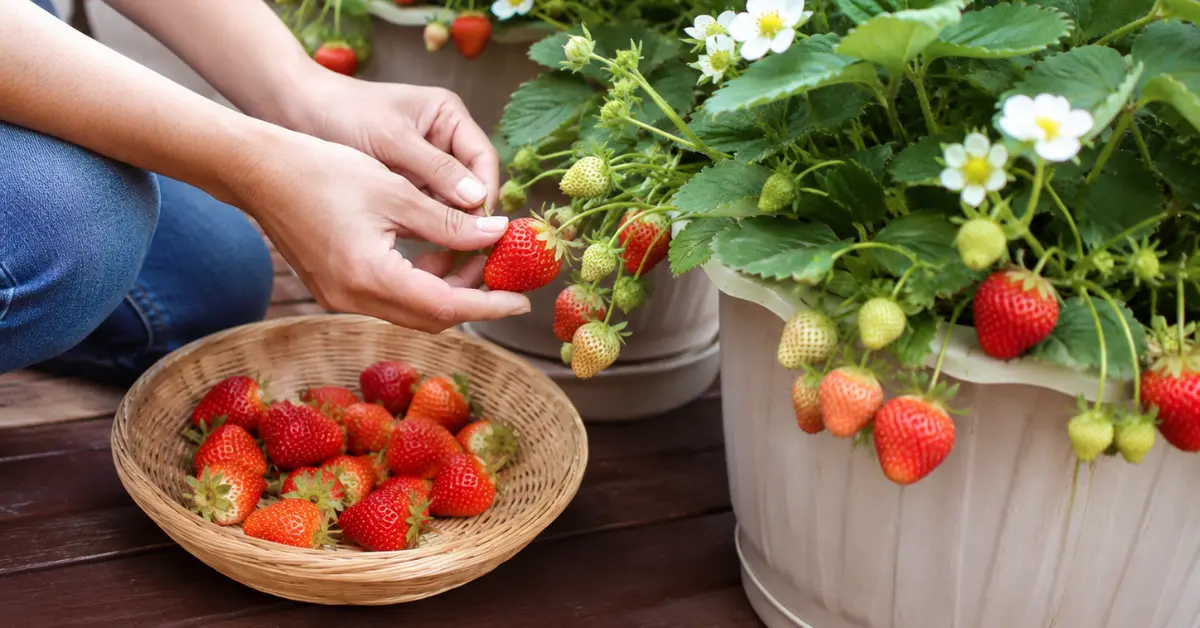
Growing Everbearing Strawberries in Containers: A Complete Guide for Beginners
Want to grow sweet, fresh strawberries but do not have a large garden? Everbearing strawberries [...]
Aug
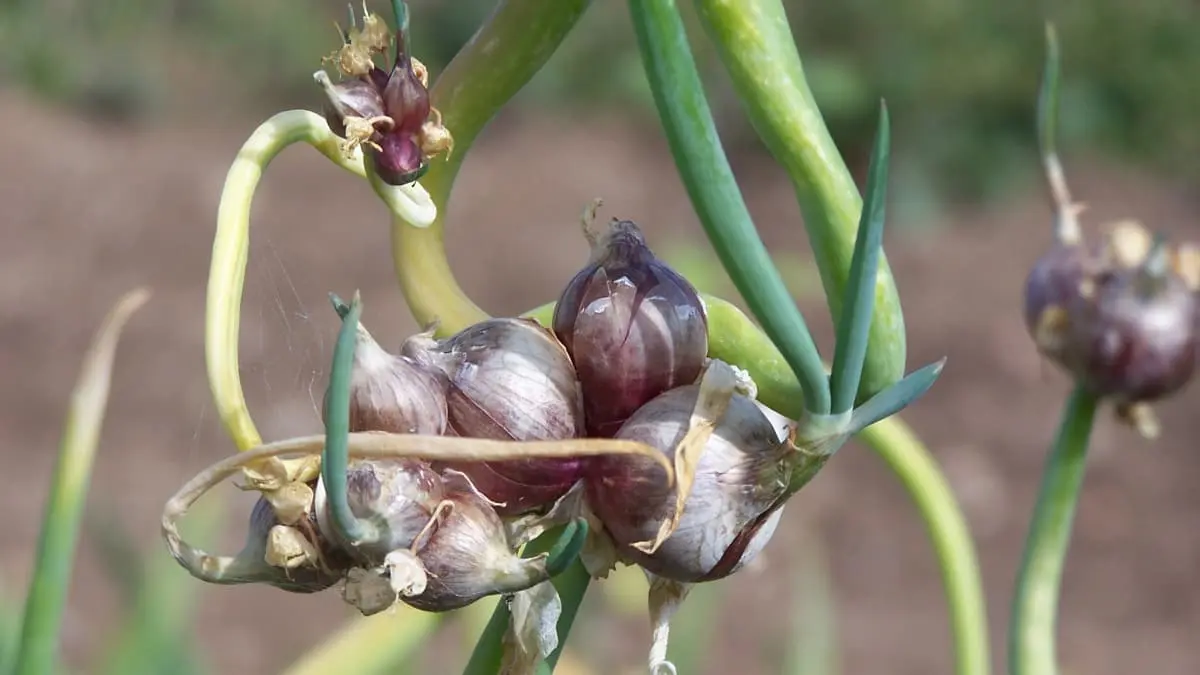
Growing Egyptian Walking Onions in Containers: A Complete Guide for Beginners
If you’re looking for a hardy, no-fuss perennial onion that keeps on giving year after [...]
Jul
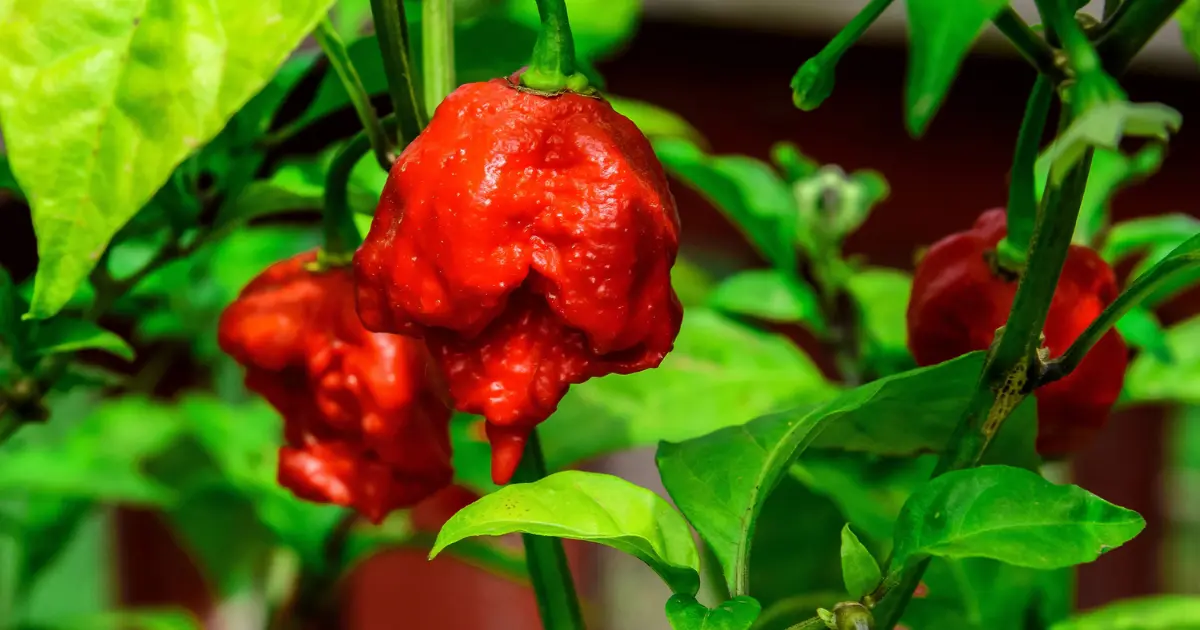
Growing Carolina Reaper Peppers in Pots: A Complete Guide for Beginners
If you’ve ever wanted to add some serious, record-breaking heat to your home cooking, you’ve [...]
May
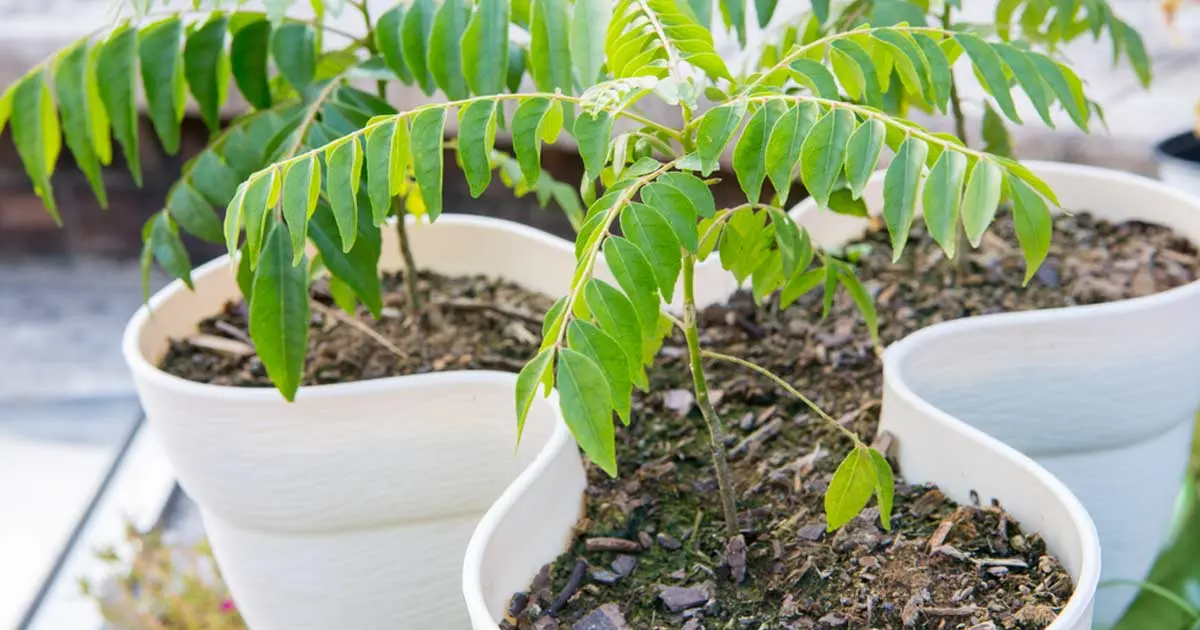
Growing Curry Leaf Plant in Pots: A Complete Guide for Beginners
If you’re a fan of authentic South Asian cuisine, you already know that nothing compares [...]
May
Reviews
There are no reviews yet.