
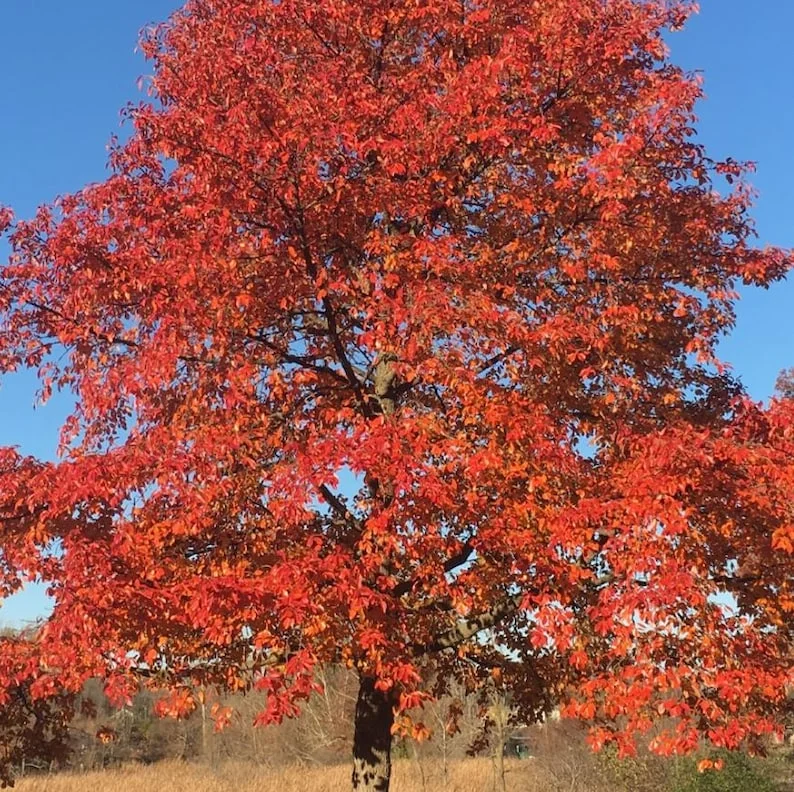
Black Gum Tree Live Plant – Scarlet Fall Color, Wildlife Friendly Outdoor
Original price was: $39.98.$19.99Current price is: $19.99.
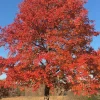
Bring vibrant autumn hues to your garden with a black gum tree live plant. This native tree boasts stunning scarlet fall foliage and provides valuable food for local wildlife, making it a beautiful and beneficial landscape addition.
Estimated arrival
Sep 17
Sep 22 - Sep 24
Sep 27 - Oct 01

Reasonable Price
We offer reasonable price

Support 24/7
Contact us 24 hrs a day

100% Money Back
You've 30 days to Return

Payment Secure
100% secure payment
Overview
Transform your outdoor space with a magnificent black gum tree live plant. Also known as Nyssa sylvatica, tupelo, or sour gum, this deciduous tree is celebrated for its exceptional ornamental value, particularly its breathtaking scarlet and orange fall color. Native to eastern North America, the black gum tree live plant is a resilient and low-maintenance specimen that thrives in various conditions, making it an excellent choice for both experienced gardeners and beginners. Its unique branching structure and attractive bark add year-round interest to the landscape. Beyond its visual appeal, this tree is a vital ecological contributor, providing sustenance and shelter for numerous wildlife species, enhancing the biodiversity of your garden.
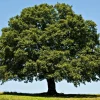
The black gum tree live plant is a true four-season beauty. In spring, it emerges with subtle green leaves, which mature to a glossy dark green during the summer. As autumn arrives, the foliage ignites into a fiery display of reds, oranges, and purples, often considered among the most spectacular of any native tree. Small, dark blue-black fruits, or drupes, mature in late summer and early fall, offering a crucial food source for birds and small mammals. This tree’s adaptability and striking visual impact make it a prized addition to any landscape design, whether as a specimen tree, part of a woodland garden, or within a naturalized area.
Key Benefits
Choosing a black gum tree live plant for your garden brings a multitude of advantages, from its aesthetic appeal to its ecological contributions. This versatile tree offers numerous benefits that enhance both the beauty and vitality of your outdoor environment.
- Spectacular Fall Foliage: The primary allure of the black gum tree live plant is its unparalleled autumn display. Its leaves transform into brilliant shades of scarlet, orange, and purple, providing a vibrant focal point in the fall landscape. This consistent and intense coloration is a standout feature, making it a highly desirable ornamental tree.
- Wildlife Friendly: This tree is a haven for local fauna. Its small, dark blue fruits are a favorite food source for many bird species, including robins, thrushes, and woodpeckers, as well as various small mammals. The tree also offers nesting sites and shelter, contributing significantly to garden biodiversity and supporting a healthy ecosystem.
- Adaptable & Resilient: The black gum tree live plant is remarkably tolerant of a wide range of soil conditions, including wet, poorly drained soils, and can also withstand periods of drought once established. This adaptability makes it suitable for various planting locations and climates, reducing the need for intensive care.
- Low Maintenance: Once established, the Nyssa sylvatica tree requires minimal attention. It is generally resistant to most pests and diseases, and its natural growth habit often negates the need for extensive pruning, making it an easy-care choice for busy gardeners.
- Year-Round Interest: Beyond its stunning fall color, the black gum tree offers visual appeal throughout the year. Its distinctive horizontal branching pattern and deeply furrowed bark provide winter interest, while its glossy green leaves add lushness in spring and summer.
- Native Species: As a native North American tree, the black gum tree live plant is well-suited to local climates and ecosystems. Planting native species helps support local wildlife, conserves water, and often requires less intervention than non-native alternatives.
Plant Care & Growing Tips
Caring for your black gum tree live plant is relatively straightforward, as it is a robust and adaptable species. Proper initial planting and a few key care practices will ensure its healthy growth and magnificent display. This tree thrives in a variety of conditions, but understanding its preferences will help it flourish.
When it comes to sunlight, the black gum tree live plant performs best in full sun to partial shade. Full sun exposure (at least 6 hours of direct sunlight per day) will generally result in the most vibrant and intense scarlet fall color. While it can tolerate some shade, too much shade may diminish the brilliance of its autumn foliage. For watering, young trees require consistent moisture, especially during their first few growing seasons. Aim for about 1 inch of water per week, either from rainfall or irrigation, ensuring the soil remains consistently moist but not waterlogged. Once established, the tree becomes more drought-tolerant, but supplemental watering during prolonged dry spells will be beneficial. The black gum tree care involves ensuring good drainage, as although it tolerates wet feet, it prefers a well-draining soil overall.
The ideal soil type for a Nyssa sylvatica tree is acidic to neutral, moist, and well-drained. It can tolerate heavy clay soils and even wet or boggy conditions, making it a versatile choice for areas where other trees might struggle. Fertilization is generally not necessary for established trees in healthy soil. If growth appears slow or the soil is poor, a balanced slow-release fertilizer can be applied in early spring. Pruning should be minimal, primarily focusing on removing dead, damaged, or crossing branches to maintain a strong structure. The scarlet fall color tree is quite hardy, typically thriving in USDA zones 4-9. Protecting young trees from winter winds and extreme cold in the colder parts of its range can be beneficial. Watch out for common pests, though the black gum is generally disease-resistant. Any issues are usually minor and can be addressed with appropriate organic treatments.
Size & Details
The black gum tree live plant is a medium to large deciduous tree, typically reaching a height of 30-50 feet with a spread of 20-30 feet at maturity, though it can grow taller in ideal conditions. It exhibits a pyramidal shape when young, gradually developing a more rounded to oval crown with distinctive horizontal branching as it matures. The growth rate is moderate, usually adding 12-24 inches per year. Our plants are shipped as healthy, young specimens, ready to be planted and establish themselves in your garden. They arrive in a nursery pot, ensuring the root ball is intact and protected, promoting a smooth transition to their new home.
The unique dark blue-black fruits, which mature in late summer and early fall, are a key feature of this wildlife friendly tree, providing essential food for birds. While the tree’s flowers are inconspicuous, they are a valuable nectar source for pollinators. Expect to see the full grandeur of its brilliant scarlet fall color display within a few years of planting, with the intensity increasing as the tree matures. This tree typically lives for 80-120 years, becoming a long-lasting and cherished part of your landscape.
Frequently Asked Questions
- Q: How big does this black gum tree get? A: A black gum tree live plant typically grows to be 30-50 feet tall with a spread of 20-30 feet at maturity. Its size can vary depending on growing conditions and climate, but it generally maintains a moderate to large stature.
- Q: Is this an indoor or outdoor plant? A: The black gum tree live plant is an outdoor tree, suitable for landscaping in yards, parks, and naturalized areas. It requires ample space to grow and is not suitable for indoor cultivation.
- Q: How much sunlight does a black gum tree need? A: For the best growth and most vibrant scarlet fall color tree display, the black gum tree prefers full sun (at least 6 hours of direct sunlight daily). It can tolerate partial shade, but fall color may be less intense.
- Q: What condition will the black gum tree arrive in? A: Your black gum tree live plant will arrive as a healthy, young specimen, typically shipped in a nursery pot with its root ball protected. It will be carefully packaged to ensure its safe journey to your home.
- Q: Is the Nyssa sylvatica tree good for beginners? A: Yes, the Nyssa sylvatica tree is an excellent choice for beginner gardeners. It is known for its adaptability, resilience, and low maintenance requirements once established, making black gum tree care relatively easy.
- Q: When is the best time to plant a black gum tree? A: The best time to plant a black gum tree is in the spring or early fall. This allows the tree sufficient time to establish its root system before the stress of summer heat or winter cold.
- Q: Will this wildlife friendly tree survive winter in my zone? A: The wildlife friendly tree is hardy in USDA Zones 4-9. If you are within these zones, your black gum tree should thrive through winter. Protection for young trees in colder zones is recommended.
- Q: Does the black gum tree produce edible fruit? A: While the black gum tree produces small, dark blue fruits, they are generally considered tart and are primarily consumed by birds and other wildlife rather than humans. They are not typically grown for human consumption.
- Q: What type of soil does a black gum tree prefer? A: The black gum tree live plant prefers acidic to neutral, moist, and well-drained soil. It is notably tolerant of heavy clay soils and can even handle wet conditions, making it quite versatile.
- Q: How long until I see the scarlet fall color? A: You will likely observe some fall color in the first few years, but the full, brilliant scarlet fall color tree display will become more pronounced and spectacular as the tree matures and establishes itself over several seasons.
Be the first to review “Black Gum Tree Live Plant – Scarlet Fall Color, Wildlife Friendly Outdoor”
-
USDA Hardiness Zone
USDA Zones 4-9 -
Soil Type
Acidic to neutral, moist, well-draining soil -
Sunlight Exposure
Full sun to partial shade -
Expected Planting Period
Spring to early fall
People Also Viewd
Sold 134 products
Original price was: $3,536.00.$23.99Current price is: $23.99.
Sold 131 products
Original price was: $89.99.$64.99Current price is: $64.99.
Sold 131 products
Original price was: $27.00.$24.00Current price is: $24.00.

Sold 125 products
Original price was: $86.99.$66.99Current price is: $66.99.
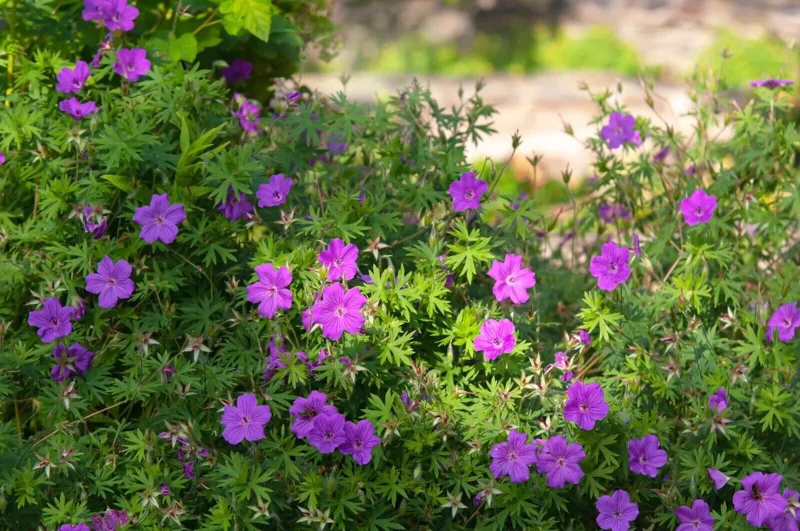
Flower Bulbs
3 Cranesbill Wild Geranium Organic Maculatums Bare Roots | Wildflower for Outdoor Garden
Sold 116 products
Original price was: $21.99.$9.99Current price is: $9.99.
Sold 114 products
Original price was: $28.99.$17.99Current price is: $17.99.
Sold 110 products
Original price was: $63.99.$28.99Current price is: $28.99.
Sold 108 products
Original price was: $28.99.$17.99Current price is: $17.99.RELATED posts
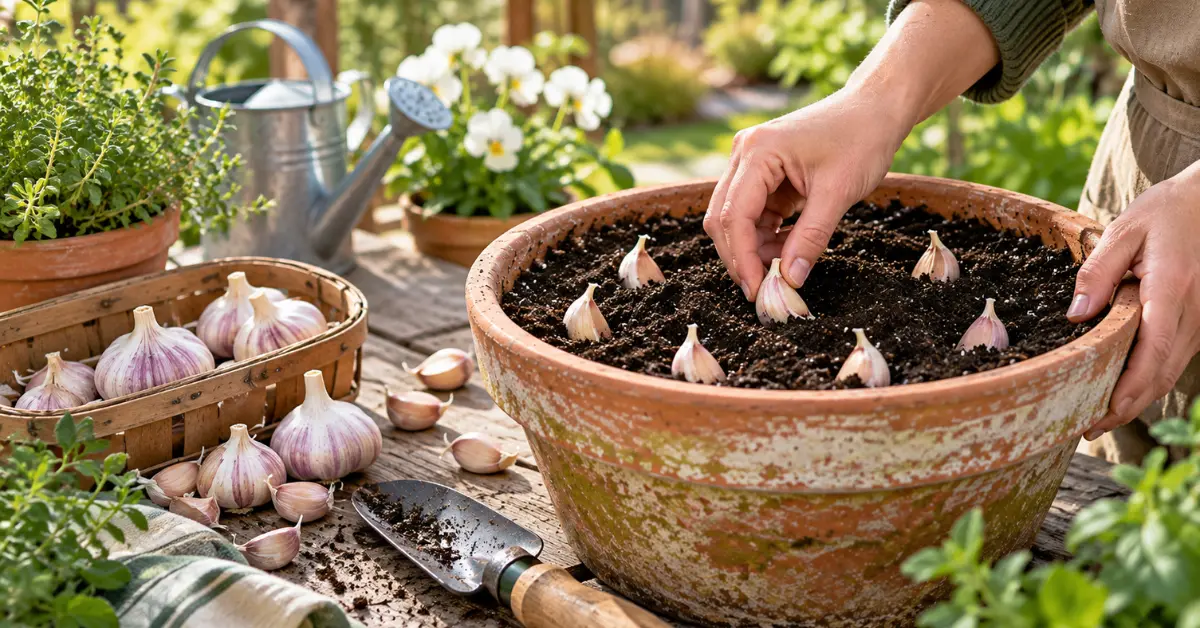
Growing Garlic in Containers This Fall: A Complete Guide for Beginners
If you’ve ever wanted to pop fresh, aromatic garlic cloves straight from your own patio [...]
Sep
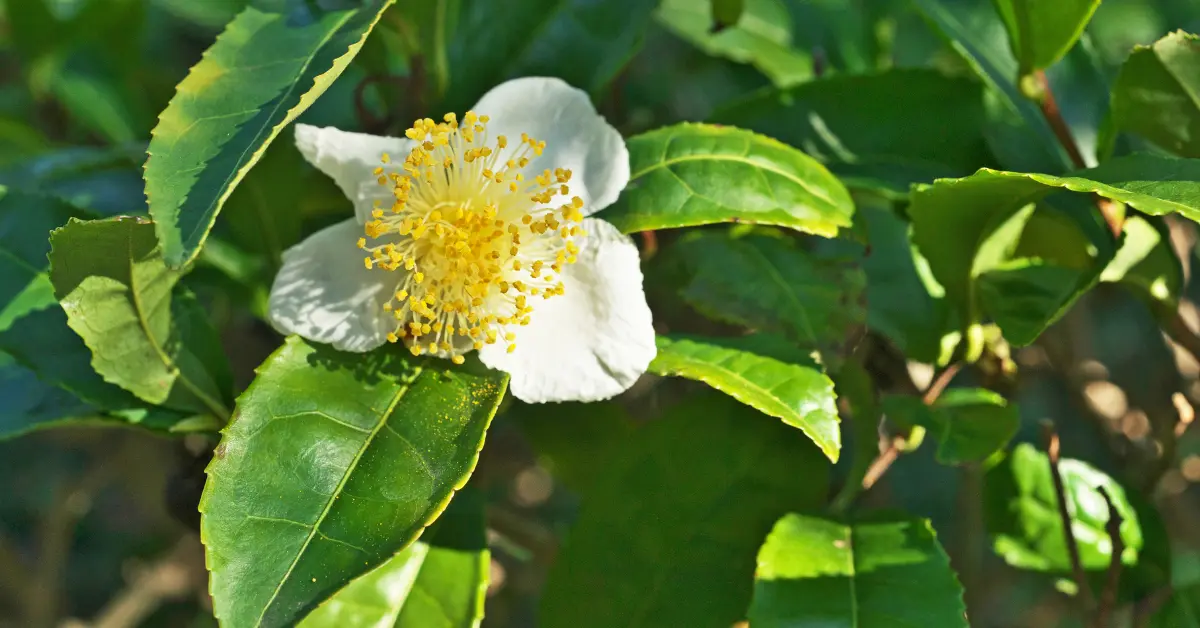
Growing Camellia Sinensis (Tea Plants) in Containers: A Complete Guide for Beginners
If you’ve ever wanted to sip a steaming, homegrown cup of fresh green, black, or [...]
Aug
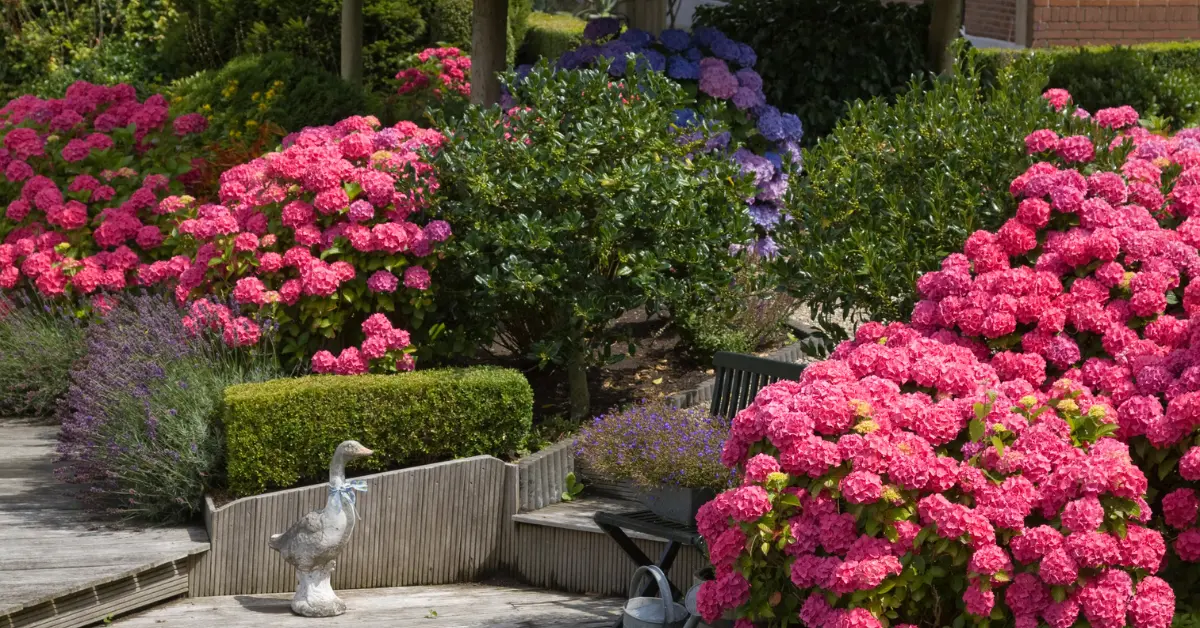
6 Best Shrubs to Plant in August You Must Try
Have you ever walked through a nursery late in the summer, admired the vibrant shrubs [...]
Aug
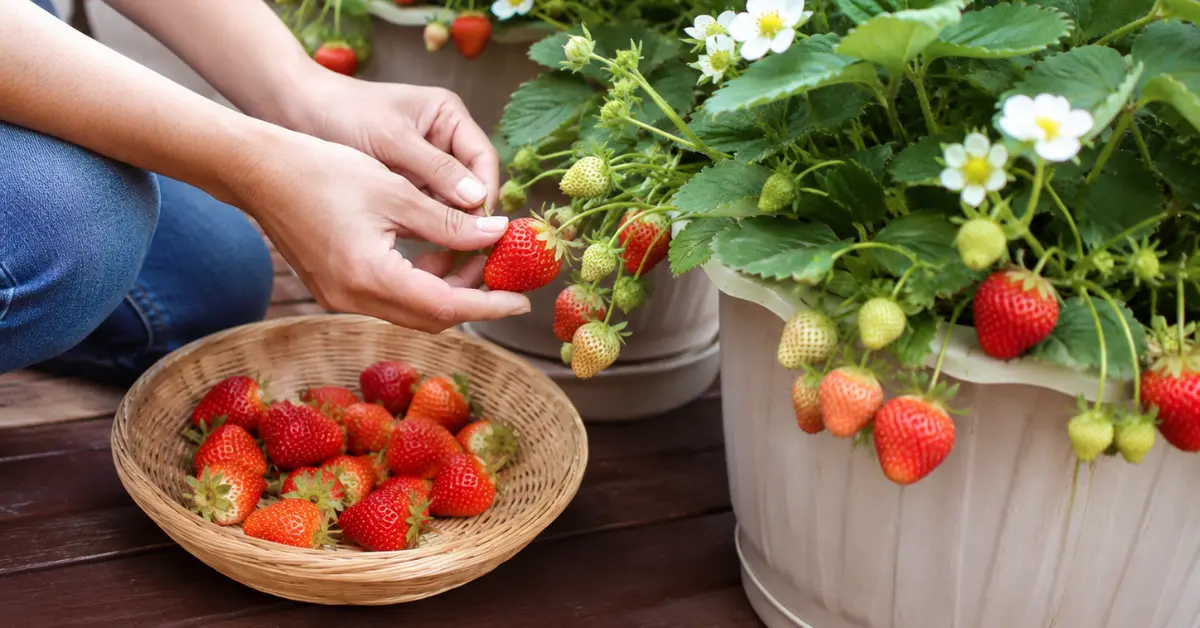
Growing Everbearing Strawberries in Containers: A Complete Guide for Beginners
Want to grow sweet, fresh strawberries but do not have a large garden? Everbearing strawberries [...]
Aug
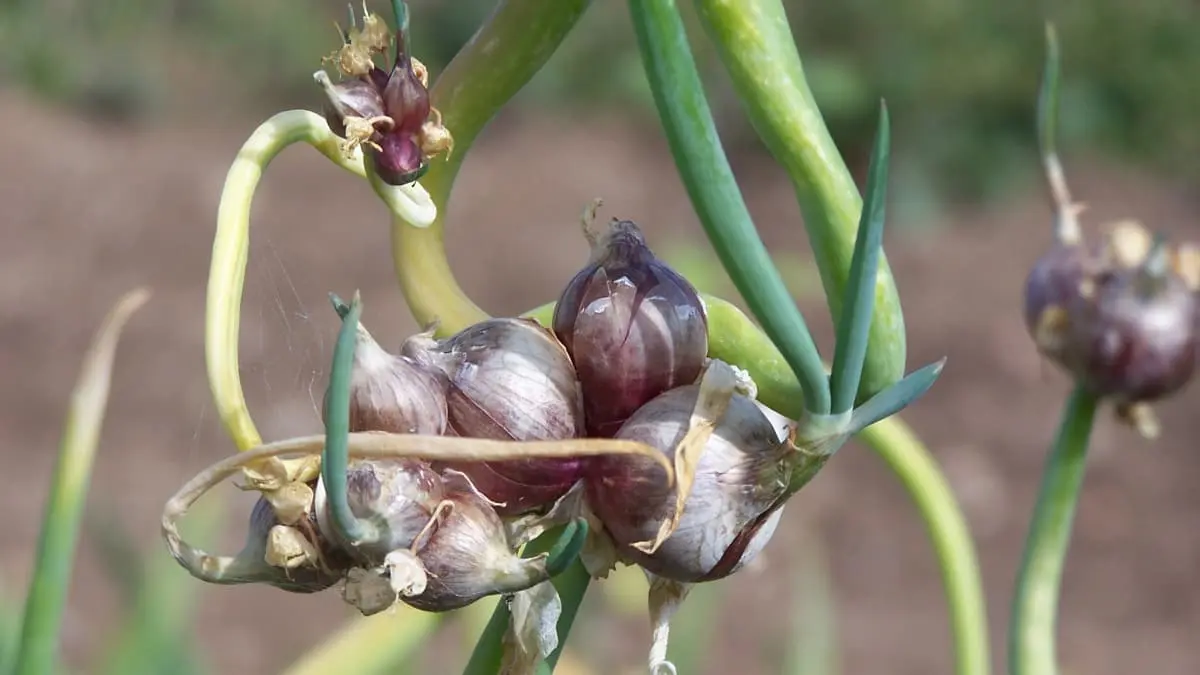
Growing Egyptian Walking Onions in Containers: A Complete Guide for Beginners
If you’re looking for a hardy, no-fuss perennial onion that keeps on giving year after [...]
Jul
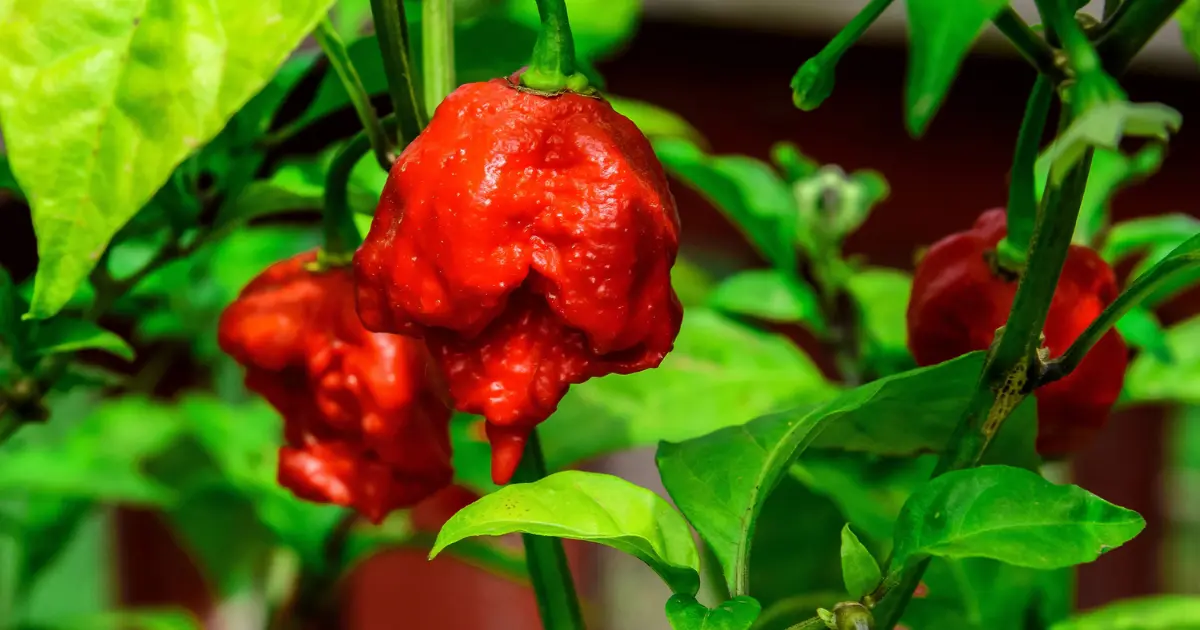
Growing Carolina Reaper Peppers in Pots: A Complete Guide for Beginners
If you’ve ever wanted to add some serious, record-breaking heat to your home cooking, you’ve [...]
May
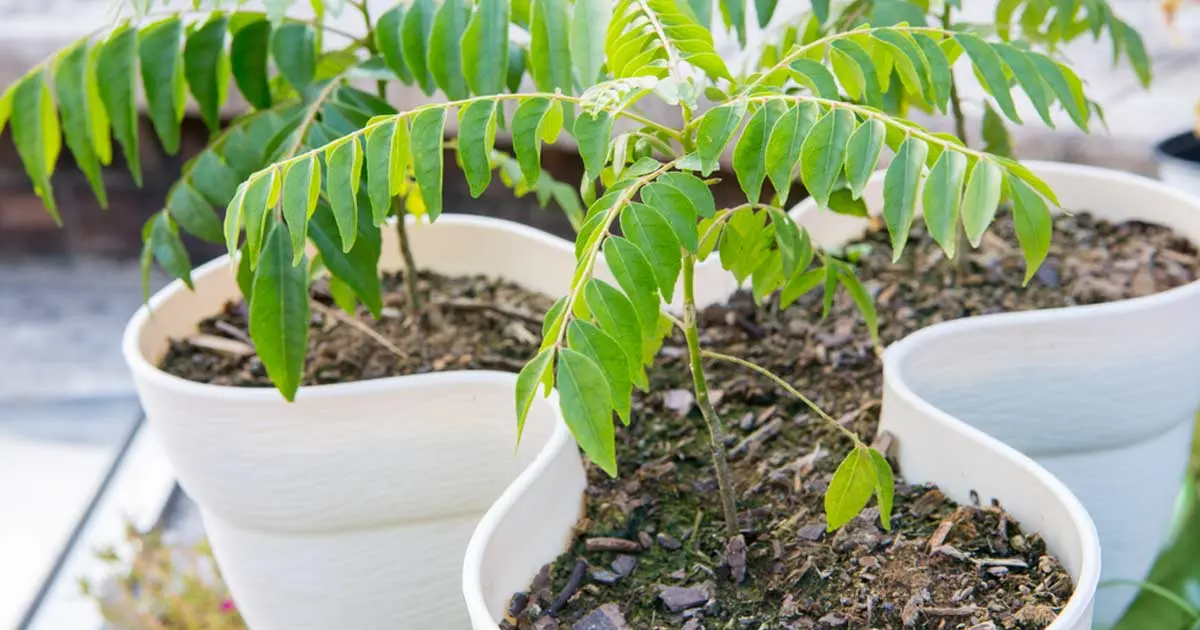
Growing Curry Leaf Plant in Pots: A Complete Guide for Beginners
If you’re a fan of authentic South Asian cuisine, you already know that nothing compares [...]
May
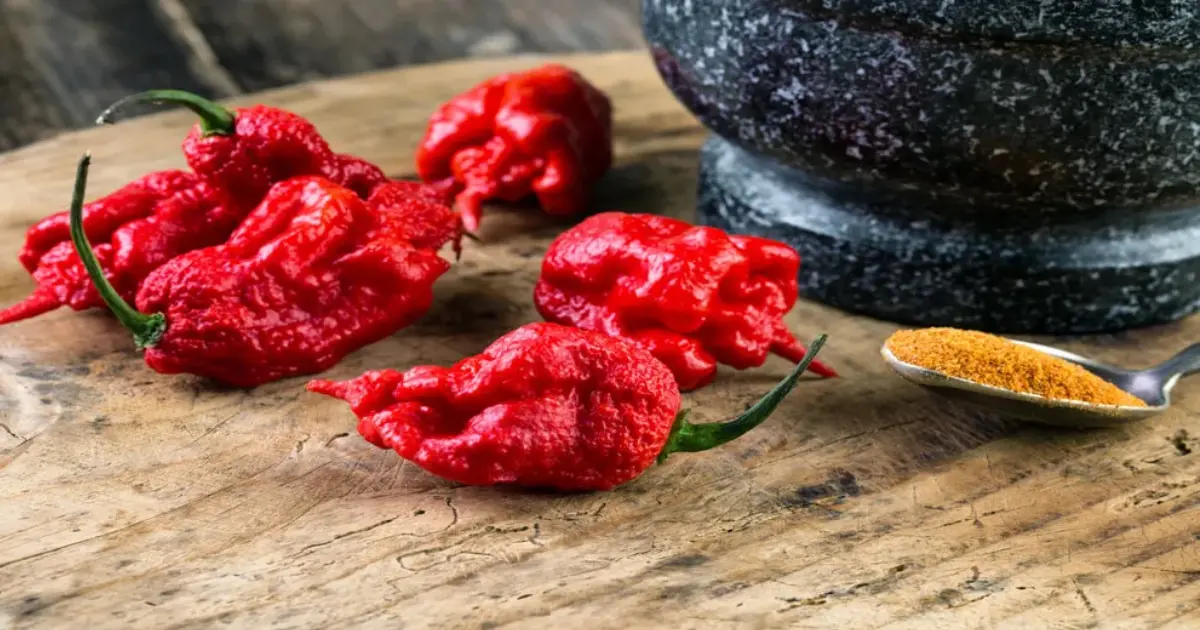
5 Tips for Growing Carolina Reaper Peppers to Get the Spiciest Harvest Ever
Holding the record for one of the world’s hottest peppers, the Reaper isn’t just a [...]
May
Reviews
There are no reviews yet.