
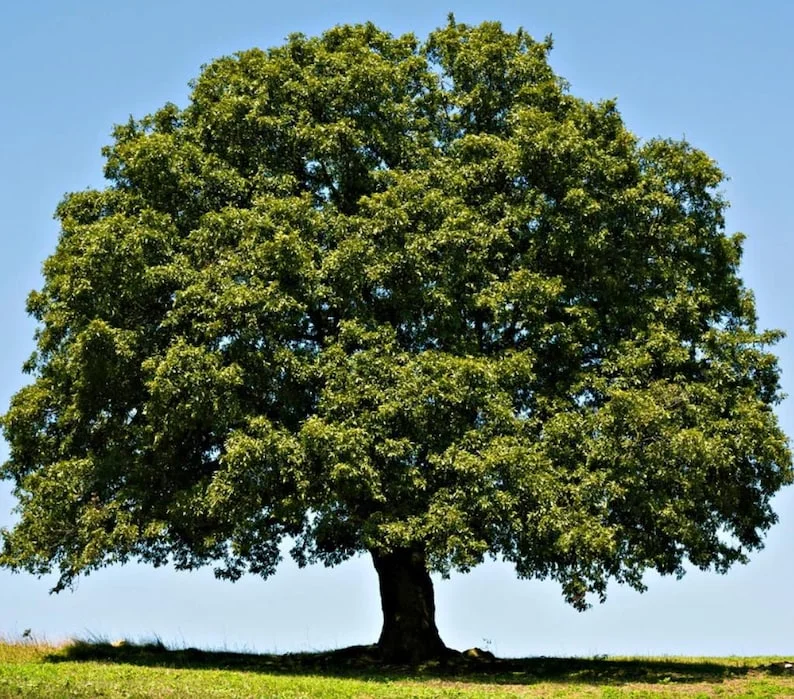
White Oak Live Plant – 12-18″ Tall Seedling – 4″ Pot – Quercus alba
Original price was: $39.98.$19.99Current price is: $19.99.
Bring a magnificent native tree to your landscape with this white oak live plant. This robust 12-18″ tall seedling, rooted in a 4″ pot, is ready for planting. Enjoy its strong growth and ecological benefits.
Estimated arrival
Sep 17
Sep 22 - Sep 24
Sep 27 - Oct 01

Reasonable Price
We offer reasonable price

Support 24/7
Contact us 24 hrs a day

100% Money Back
You've 30 days to Return

Payment Secure
100% secure payment
Overview
Introduce a piece of American natural heritage to your property with a white oak live plant. This offering features a healthy 12-18 inch tall seedling of Quercus alba, commonly known as the White Oak, delivered in a 4-inch nursery pot. The White Oak is a majestic deciduous tree, renowned for its strong wood, long lifespan, and significant ecological contributions. It’s a cornerstone species in many North American ecosystems, providing vital food and shelter for a wide array of wildlife, from deer and squirrels to countless bird species. Planting a quercus alba seedling is an investment in the future, offering decades of beauty, shade, and environmental benefits. This young tree is an excellent choice for reforestation projects, large landscapes, or as a stately specimen tree.
The white oak live plant develops a broad, rounded crown and distinctive lobed leaves that turn attractive shades of red and brown in autumn. Its acorns are a crucial food source for wildlife, especially in the fall and winter months. Known for its adaptability and resilience, the White Oak can thrive in a variety of conditions once established, making it a rewarding addition to almost any large garden or property. Our seedlings are carefully grown to ensure they arrive healthy and ready to establish in their new home, providing you with a strong start for your future shade tree.
Key Benefits
The White Oak offers numerous advantages for any landscape, making it a highly desirable choice for gardeners and environmental enthusiasts alike. Its robust nature and ecological value are unmatched.
- Ecological Impact: As a native oak tree, the white oak live plant provides critical habitat and food for a diverse range of wildlife, including birds, squirrels, and deer, through its abundant acorn production.
- Long-Term Investment: White Oaks are known for their impressive longevity, often living for several centuries. Planting one is a legacy for future generations, offering beauty and shade for decades.
- Exceptional Shade: With its broad, spreading canopy at maturity, the White Oak casts significant shade, helping to cool your property and reduce energy costs during hot summer months.
- Drought Tolerance: Once established, this tree exhibits good drought tolerance, making it a resilient choice for various climates and reducing the need for constant watering.
- Strong and Stately Presence: The White Oak develops a commanding presence in the landscape, with a strong trunk and impressive branch structure, adding significant aesthetic value to any large property.
- Fall Color: Enjoy beautiful seasonal interest as the White Oak’s deep green leaves transform into attractive shades of reddish-brown in the autumn, enhancing your garden’s visual appeal.
- Low Maintenance: After its initial establishment period, growing white oak trees requires relatively little maintenance, thriving with minimal intervention in suitable conditions.
Plant Care & Growing Tips
Caring for your white oak live plant begins with proper planting and continues with thoughtful maintenance to ensure its healthy development into a mature tree. White Oaks prefer full sun, meaning at least 6 hours of direct sunlight per day, but they can tolerate some partial shade, especially when young. When choosing a planting site, consider the tree’s mature size; it will require ample space for its extensive root system and wide canopy. Dig a hole that is twice as wide as the root ball and just as deep, ensuring the root collar is level with or slightly above the surrounding soil.
White Oaks thrive in well-draining, acidic to neutral soil (pH 5.5-7.0). They are adaptable to various soil types, including sandy, loamy, and clay soils, as long as drainage is adequate. During the first year after planting, consistent watering is crucial. Water deeply 2-3 times a week, especially during dry periods, to encourage a strong root system. Reduce watering frequency as the tree establishes. Fertilization is generally not necessary for healthy White Oaks, but if growth is slow, a balanced, slow-release tree fertilizer can be applied in spring, following product instructions. Protect young trees from deer and other wildlife that may browse on tender leaves and bark.
Pruning should be done in late winter or early spring while the tree is dormant. Focus on removing dead, damaged, or crossing branches to maintain a strong central leader and good branch structure. Regular monitoring for pests and diseases is recommended, though White Oaks are generally robust. Understanding white oak tree care ensures your seedling develops into a magnificent and enduring landscape feature. They are hardy in USDA zones 3-9, tolerating a wide range of temperatures.
Size & Details
This offering is for a single white oak live plant seedling, which stands approximately 12 to 18 inches tall from the base of the root ball to the tip of the highest stem. It is shipped securely in a 4-inch nursery pot, complete with its established root system. White Oaks are known for their moderate to fast growth rate, typically adding 1-2 feet of height per year under ideal conditions. At maturity, a White Oak can reach an impressive height of 50-100 feet with a similar spread, forming a majestic, rounded crown. The tree will arrive as a young, actively growing seedling, ready for transplanting into your garden or a larger pot if desired.
The seedling’s size makes it easy to handle and plant, giving it the best chance to establish quickly. While it may take several years for the tree to produce its first acorns, the growth process itself is a rewarding experience. This native oak tree is delivered as a potted plant, ensuring minimal transplant shock and a smoother transition to its new home. Ensure you have adequate space for its eventual mature size, as a fully grown White Oak is a prominent landscape feature.
Frequently Asked Questions
- Q: How big does this plant get? A: This white oak live plant is a seedling measuring 12-18 inches tall. At maturity, a White Oak (Quercus alba) can reach heights of 50-100 feet with a similar spread, creating a very large, stately tree.
- Q: Is this an indoor or outdoor plant? A: The white oak live plant is an outdoor tree. It requires ample space and sunlight to grow into a mature tree and is not suitable for long-term indoor cultivation.
- Q: How much sunlight does it need? A: White Oaks thrive in full sun, meaning they need at least 6 hours of direct sunlight per day. They can tolerate some partial shade, especially when young, but optimal growth occurs in full sun.
- Q: Is this plant easy to care for? A: Once established, growing white oak trees is relatively low maintenance. The initial planting and first year require consistent watering and protection, but mature trees are quite resilient.
- Q: What condition will it arrive in? A: Your quercus alba seedling will arrive as a healthy, actively growing plant in a 4-inch nursery pot, with its root system intact and ready for planting.
- Q: When is the best time to plant a White Oak? A: The best time to plant a White Oak seedling is in the spring or fall when temperatures are moderate. This allows the tree to establish its root system before extreme heat or cold.
- Q: Will it survive winter in my zone? A: White Oaks are very hardy and typically thrive in USDA Hardiness Zones 3-9. If you live within these zones, your tree should survive winter with proper establishment.
- Q: What is the ideal soil type for growing White Oak? A: White Oaks prefer well-draining, slightly acidic to neutral soil. They are adaptable to various soil types, including sandy, loamy, and clay soils, as long as they don’t remain waterlogged.
- Q: How often should I water my young White Oak? A: For the first year after planting, water your white oak live plant deeply 2-3 times a week, especially during dry periods. Reduce frequency as the tree matures and establishes.
- Q: Can I grow this tree for wildlife? A: Absolutely! As a native oak tree, the White Oak is an excellent choice for attracting and supporting wildlife. Its acorns are a vital food source for many animals.
Be the first to review “White Oak Live Plant – 12-18″ Tall Seedling – 4″ Pot – Quercus alba”
-
USDA Hardiness Zone
USDA Zones 3-9 -
Soil Type
Well-draining, acidic to neutral soil -
Sunlight Exposure
Full sun to partial shade -
Expected Planting Period
Spring or Fall
People Also Viewd
Sold 134 products
Original price was: $3,536.00.$23.99Current price is: $23.99.
Sold 131 products
Original price was: $27.00.$24.00Current price is: $24.00.
Sold 131 products
Original price was: $89.99.$64.99Current price is: $64.99.

Sold 125 products
Original price was: $86.99.$66.99Current price is: $66.99.
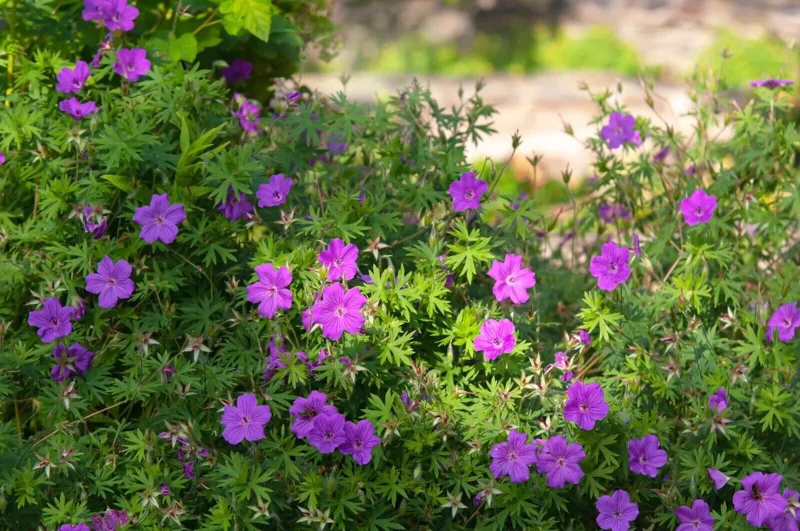
Flower Bulbs
3 Cranesbill Wild Geranium Organic Maculatums Bare Roots | Wildflower for Outdoor Garden
Sold 116 products
Original price was: $21.99.$9.99Current price is: $9.99.
Sold 114 products
Original price was: $28.99.$17.99Current price is: $17.99.

Sold 110 products
Original price was: $63.99.$28.99Current price is: $28.99.
Sold 108 products
Original price was: $28.99.$17.99Current price is: $17.99.RELATED posts
Growing Garlic in Containers This Fall: A Complete Guide for Beginners
If you’ve ever wanted to pop fresh, aromatic garlic cloves straight from your own patio [...]
Sep
Growing Camellia Sinensis (Tea Plants) in Containers: A Complete Guide for Beginners
If you’ve ever wanted to sip a steaming, homegrown cup of fresh green, black, or [...]
Aug
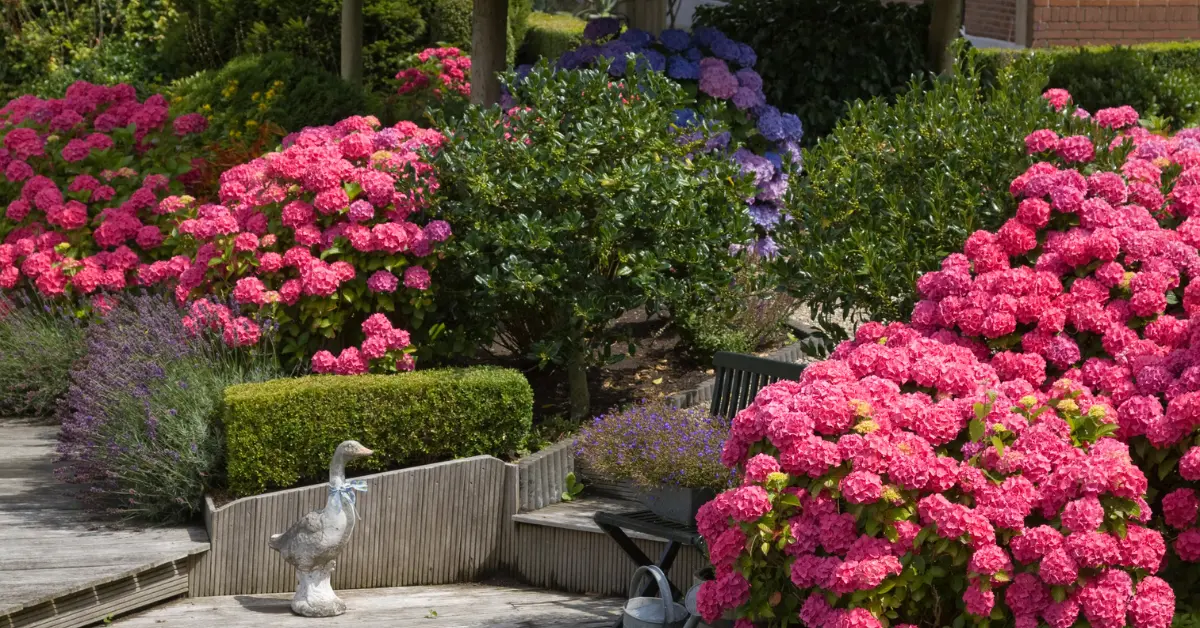
6 Best Shrubs to Plant in August You Must Try
Have you ever walked through a nursery late in the summer, admired the vibrant shrubs [...]
Aug
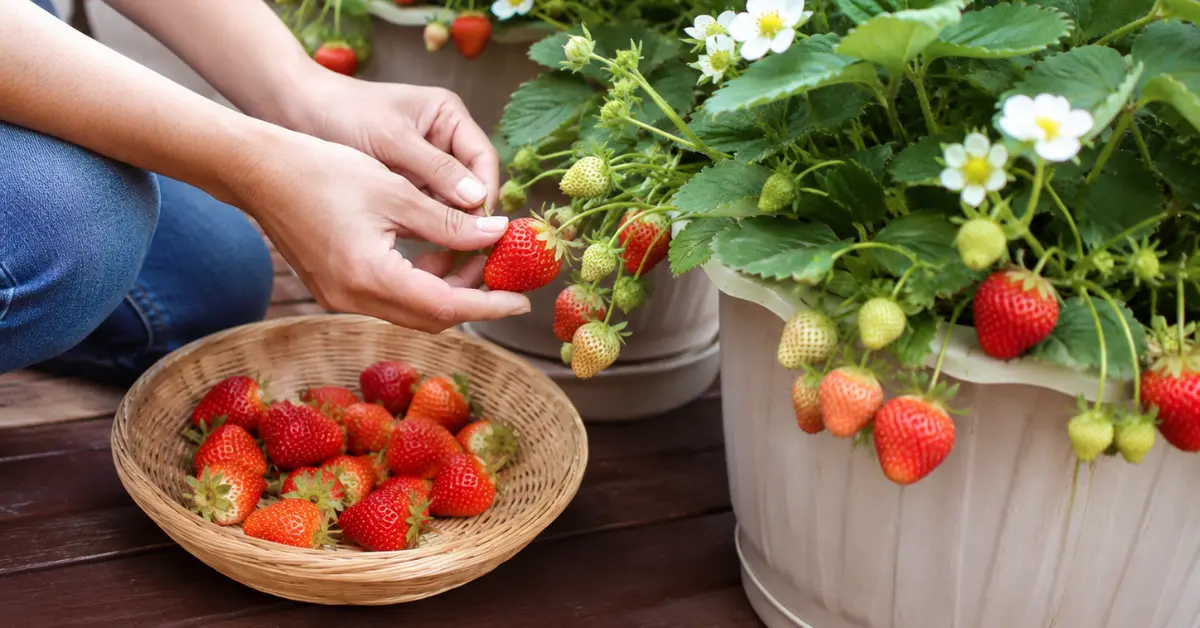
Growing Everbearing Strawberries in Containers: A Complete Guide for Beginners
Want to grow sweet, fresh strawberries but do not have a large garden? Everbearing strawberries [...]
Aug
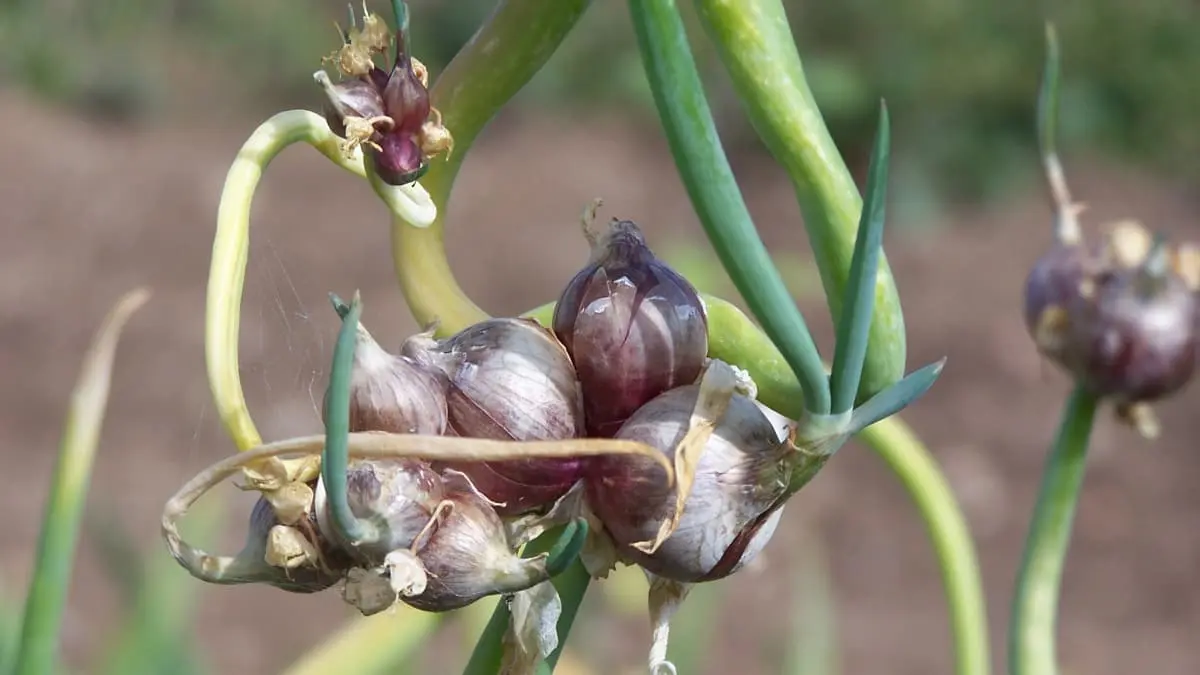
Growing Egyptian Walking Onions in Containers: A Complete Guide for Beginners
If you’re looking for a hardy, no-fuss perennial onion that keeps on giving year after [...]
Jul
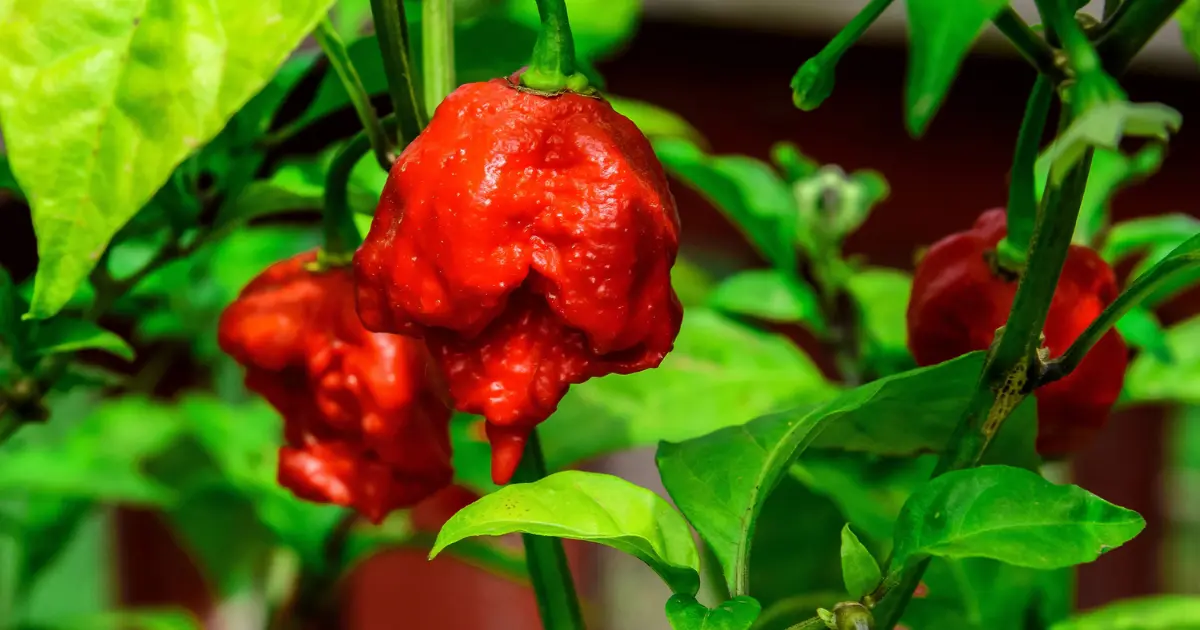
Growing Carolina Reaper Peppers in Pots: A Complete Guide for Beginners
If you’ve ever wanted to add some serious, record-breaking heat to your home cooking, you’ve [...]
May
Growing Curry Leaf Plant in Pots: A Complete Guide for Beginners
If you’re a fan of authentic South Asian cuisine, you already know that nothing compares [...]
May
5 Tips for Growing Carolina Reaper Peppers to Get the Spiciest Harvest Ever
Holding the record for one of the world’s hottest peppers, the Reaper isn’t just a [...]
May



Reviews
There are no reviews yet.