
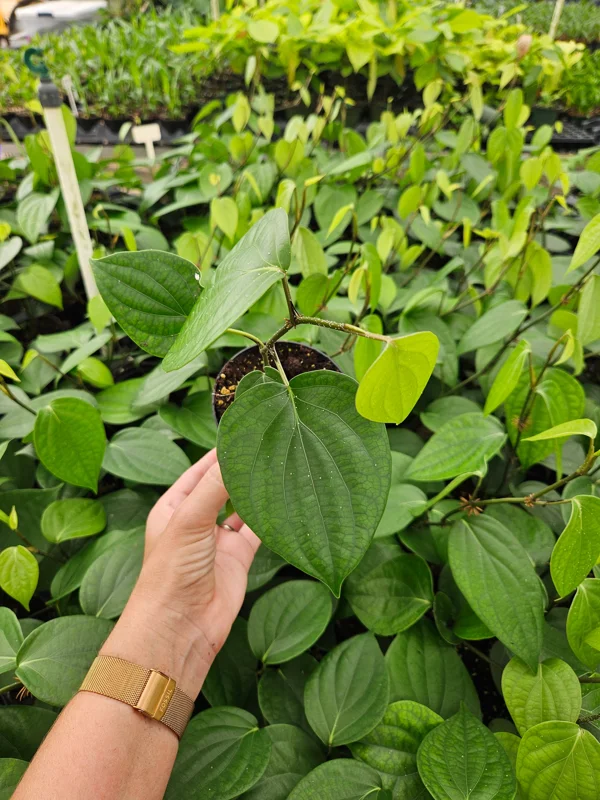
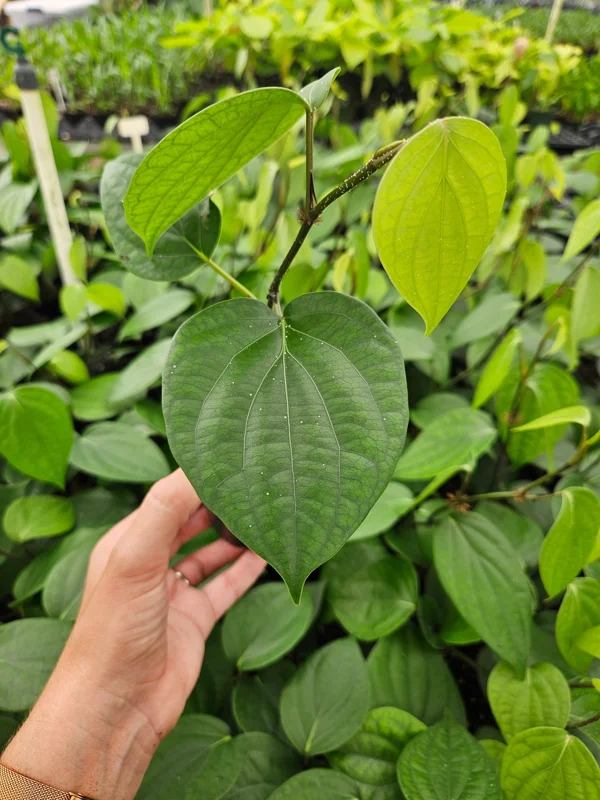
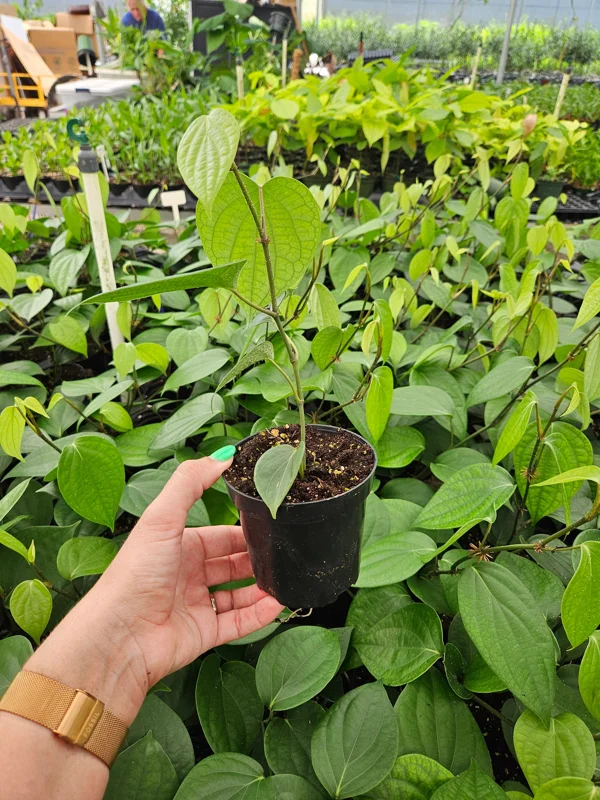
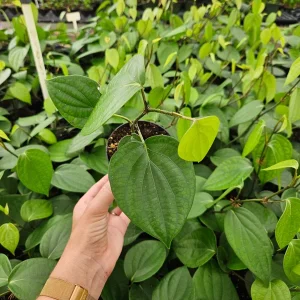
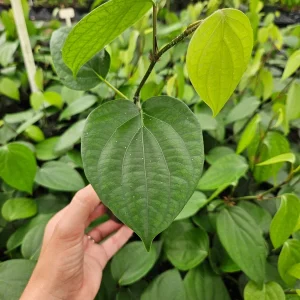
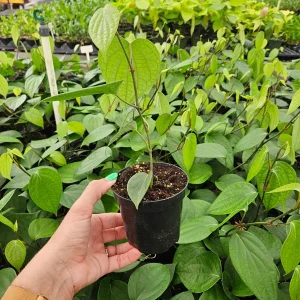
Black Pepper Live Plant (Piper Nigrum) – 4 Inch Pot – Edible Spice
Price range: $32.51 through $37.99
Bring the exotic world of spices to your home with a black pepper live plant. This Piper nigrum plant comes in a 4-inch pot, ready to be grown indoors or outdoors in warm climates. Enjoy fresh, edible peppercorns from your own garden.
Estimated arrival
Oct 22
Oct 27 - Oct 29
Nov 01 - Nov 05

Reasonable Price
We offer reasonable price

Support 24/7
Contact us 24 hrs a day

100% Money Back
You've 30 days to Return

Payment Secure
100% secure payment
Overview
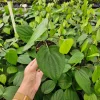
Cultivate your own culinary spice with this exquisite black pepper live plant. Known scientifically as Piper nigrum, this vining plant is the source of the world-renowned black, white, and green peppercorns. Originating from the tropical regions of South India, the black pepper live plant is a fascinating specimen for any plant enthusiast or home chef. It thrives in warm, humid conditions and can be grown indoors as a unique houseplant or outdoors in frost-free climates. Imagine the satisfaction of harvesting fresh, pungent peppercorns directly from your own garden or indoor space. This particular offering provides a healthy, established plant in a 4-inch pot, ready to begin its journey in your care. Its lush green foliage and vining habit make it an attractive addition to any plant collection, promising both aesthetic appeal and a rewarding harvest of your own edible pepper plant.
Key Benefits
Growing a black pepper live plant offers a multitude of benefits, from culinary adventures to enhancing your living space. This unique plant is more than just a decorative item; it’s a living spice factory waiting to be discovered.
- Fresh Culinary Spice: The primary benefit is the ability to harvest your own fresh peppercorns. The flavor of freshly ground, home-grown pepper is incomparable to store-bought varieties, adding an unparalleled zest to your dishes. This makes it a truly special edible pepper plant for any kitchen.
- Exotic Houseplant: With its attractive green leaves and vining growth, the Piper nigrum plant makes for an intriguing and unusual houseplant. It can be trained to climb a small trellis or allowed to trail, adding a tropical touch to your indoor decor.
- Educational Experience: It provides a wonderful opportunity to learn about where your food comes from, offering an educational experience for both adults and children about the process of growing spices. Understanding the journey from plant to plate is a rewarding experience.
- Air Purification: Like many houseplants, the black pepper live plant contributes to a healthier indoor environment by naturally filtering air and producing oxygen, enhancing the air quality of your home.
- Unique Gift Idea: A live black pepper plant makes for a truly unique and thoughtful gift for gardeners, foodies, or anyone who appreciates exotic and practical plants. It’s a gift that keeps on giving, offering fresh spice for years to come.
- Year-Round Interest: In ideal conditions, the plant can produce peppercorns multiple times a year, providing continuous interest and harvest opportunities. The continuous cycle of growth and fruiting is a joy to observe.
Plant Care & Growing Tips
Caring for your black pepper live plant requires attention to its tropical origins. With the right conditions, you can enjoy a thriving plant and a steady supply of fresh peppercorns. Understanding the needs of your Piper nigrum plant is key to its success.
Sunlight Requirements: The black pepper live plant thrives in bright, indirect light. Avoid harsh, direct afternoon sun, which can scorch its leaves. If growing indoors, an east-facing window or a few feet away from a south or west-facing window with sheer curtains is ideal. Outdoors, choose a spot with dappled shade, especially during the hottest parts of the day. Aim for at least 6 hours of bright, indirect light per day for optimal growth and fruit production.
Watering Schedule and Soil Moisture Preferences: Consistent moisture is crucial for the edible pepper plant. The soil should be kept consistently moist but never waterlogged. Water thoroughly when the top inch of soil feels dry to the touch. Ensure good drainage to prevent root rot. Reduce watering slightly during cooler, dormant periods. Humidity is also important; misting regularly or placing the plant near a humidifier can be beneficial, especially indoors. Proper watering is essential for successful growing black pepper.
Soil Type and Drainage Requirements: Use a rich, well-draining potting mix. A good blend would be a mix of potting soil, perlite, and compost to provide both nutrients and excellent drainage. The pH preference is slightly acidic to neutral (6.0-7.0). Good drainage is paramount as these plants do not tolerate standing water around their roots.
Temperature Range and USDA Hardiness Zone: Being a tropical plant, Piper nigrum prefers warm temperatures, ideally between 70-85°F (21-29°C). It is not frost-tolerant and should be protected from temperatures below 50°F (10°C). If grown outdoors, it is best suited for USDA Hardiness Zones 10-11, where it can remain outside year-round. In cooler zones, it should be brought indoors during the colder months. Maintaining consistent warm temperatures is vital for the health of your black pepper live plant.
Fertilization Schedule and Type: Feed your plant with a balanced liquid fertilizer every 2-4 weeks during the growing season (spring and summer). Reduce feeding in fall and winter. A fertilizer formulated for tropical plants or a general all-purpose plant food can work well. Follow the product instructions for dilution rates to avoid over-fertilization.
Common Problems and Solutions: Watch out for common pests like spider mites or mealybugs, especially in dry indoor environments. Treat with neem oil or insecticidal soap if detected. Yellowing leaves can indicate overwatering or nutrient deficiency. Browning leaf tips often signal low humidity. Adjust care routine as needed to keep your black pepper live plant healthy. Understanding these aspects will aid in effective black pepper care.
Size & Details
This offering is for a healthy black pepper live plant, specifically Piper nigrum, presented in a convenient 4-inch nursery pot. At this stage, the plant typically stands about 6-10 inches tall, featuring several lush green leaves and a developing vining habit. As a young plant, its growth rate is moderate, and with proper support, it will begin to climb and mature. Mature Piper nigrum plant specimens can reach heights of 10-15 feet in their natural habitat or when given ample space and support. Indoors, its size can be managed through pruning and container size, typically remaining more compact, around 3-6 feet. The plant is shipped as a live, rooted specimen, ready for transplanting into a larger pot or its permanent growing location upon arrival. Expect the first peppercorns to appear within 2-3 years under optimal growing conditions, making the journey of growing black pepper a patient and rewarding one.
Frequently Asked Questions
- Q: How big does this plant get? A: This black pepper live plant comes in a 4-inch pot and is typically 6-10 inches tall. With proper care and support, it can grow several feet tall, especially if allowed to vine. Indoors, its size can be controlled by pruning and pot size.
- Q: Is this an indoor or outdoor plant? A: The Piper nigrum plant can be grown both indoors and outdoors. It thrives outdoors year-round in USDA Zones 10-11. In cooler climates, it should be grown indoors or brought inside when temperatures drop below 50°F (10°C).
- Q: How much sunlight does it need? A: Your black pepper live plant prefers bright, indirect light. Avoid direct, harsh afternoon sun, which can scorch its leaves. A spot with morning sun and afternoon shade, or an east-facing window indoors, is ideal.
- Q: Is this plant easy to care for? A: While not exceptionally difficult, the edible pepper plant requires consistent moisture, high humidity, and warm temperatures to thrive. It’s a rewarding plant for those willing to provide its specific tropical needs. Consistent black pepper care is important.
- Q: What condition will it arrive in? A: Your plant will arrive as a healthy, live specimen in its 4-inch nursery pot, carefully packaged to ensure its safety during transit. It will be ready for you to continue its growth journey.
- Q: Can I use the peppercorns in cooking? A: Yes, absolutely! This is the true black pepper plant (Piper nigrum), and its berries are fully edible. You can harvest them when green, red, or black, then dry them for traditional black peppercorns or use them fresh. This is the main goal of growing black pepper.
- Q: What’s the minimum temperature it can tolerate? A: This tropical black pepper live plant is sensitive to cold and will suffer damage if temperatures fall below 50°F (10°C). It is best kept in environments above 60°F (15°C) to ensure healthy growth.
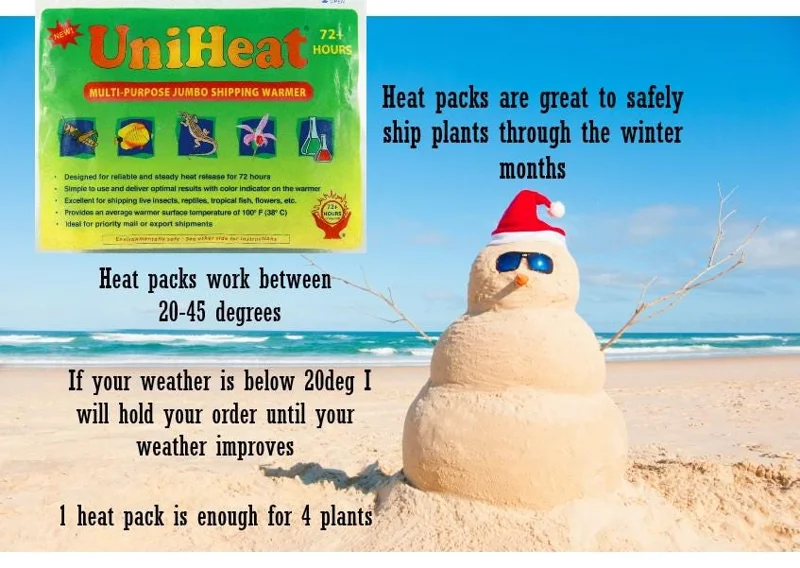
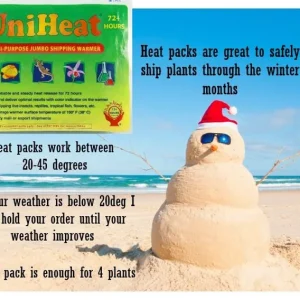
| Winter shipping options | Plant And Heat Pack, Plant Only |
|---|
Be the first to review “Black Pepper Live Plant (Piper Nigrum) – 4 Inch Pot – Edible Spice”
-
USDA Hardiness Zone
USDA zones 10-11 (outdoors); all zones (indoors) -
Soil Type
Rich, well-draining potting mix -
Sunlight Exposure
Bright, indirect light -
Expected Planting Period
Year-round indoors; spring to summer outdoors in tropical zones
People Also Viewd


Sold 134 products
Original price was: $3,536.00.$23.99Current price is: $23.99.

Sold 132 products
Original price was: $27.00.$24.00Current price is: $24.00.

Sold 132 products
Original price was: $89.99.$64.99Current price is: $64.99.

Sold 125 products
Original price was: $86.99.$66.99Current price is: $66.99.

Flower Bulbs
3 Cranesbill Wild Geranium Organic Maculatums Bare Roots | Wildflower for Outdoor Garden
Sold 116 products
Original price was: $21.99.$9.99Current price is: $9.99.

Sold 114 products
Original price was: $28.99.$17.99Current price is: $17.99.
Sold 110 products
Original price was: $63.99.$28.99Current price is: $28.99.
Sold 108 products
Original price was: $28.99.$17.99Current price is: $17.99.RELATED posts
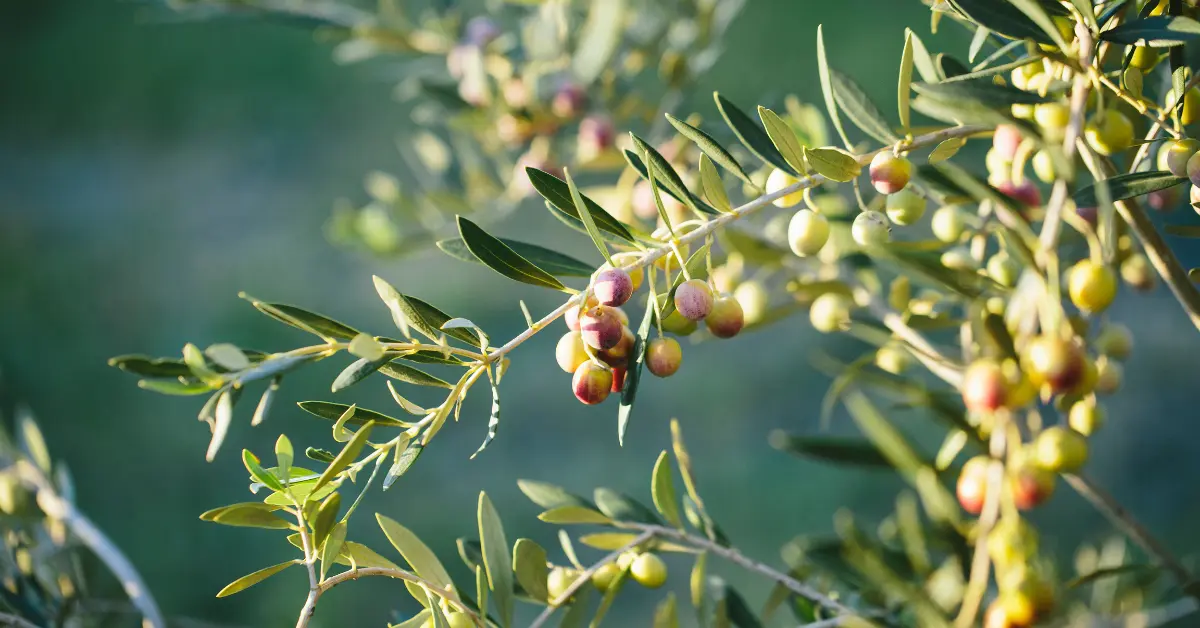
How to Grow Arbequina Olive Trees: The Ultimate Guide to Your Own Olive Grove
Arbequina Olive Tree (Olea europaea ‘Arbequina’) – the ultimate Mediterranean plant that brings a touch [...]
Oct
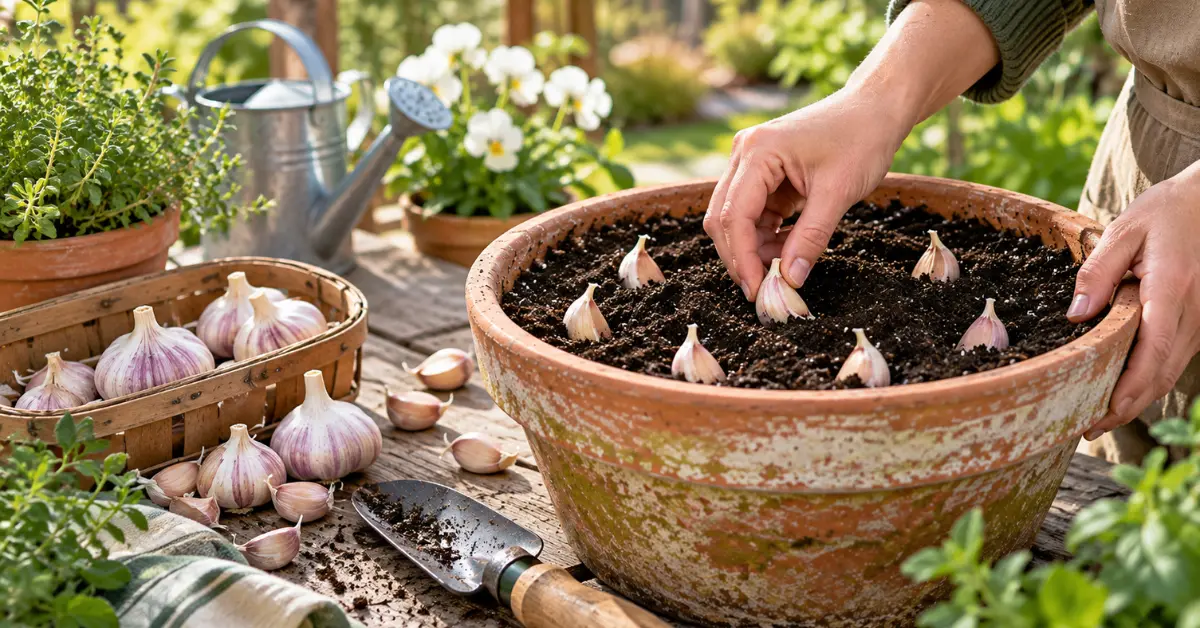
Growing Garlic in Containers This Fall: A Complete Guide for Beginners
If you’ve ever wanted to pop fresh, aromatic garlic cloves straight from your own patio [...]
Sep
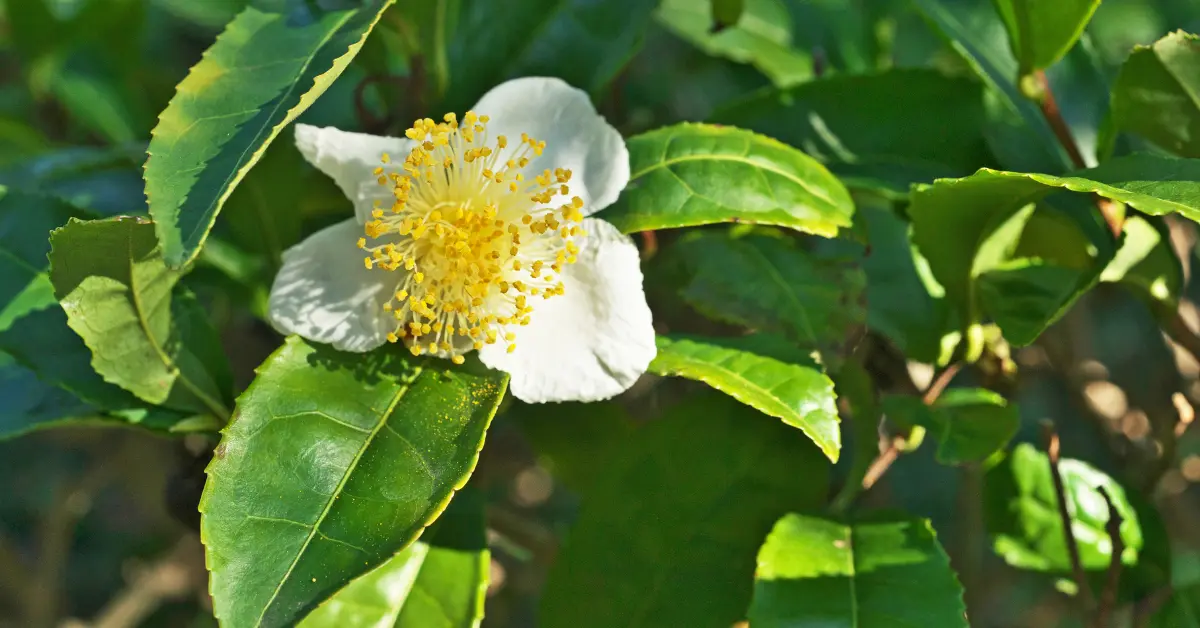
Growing Camellia Sinensis (Tea Plants) in Containers: A Complete Guide for Beginners
If you’ve ever wanted to sip a steaming, homegrown cup of fresh green, black, or [...]
Aug
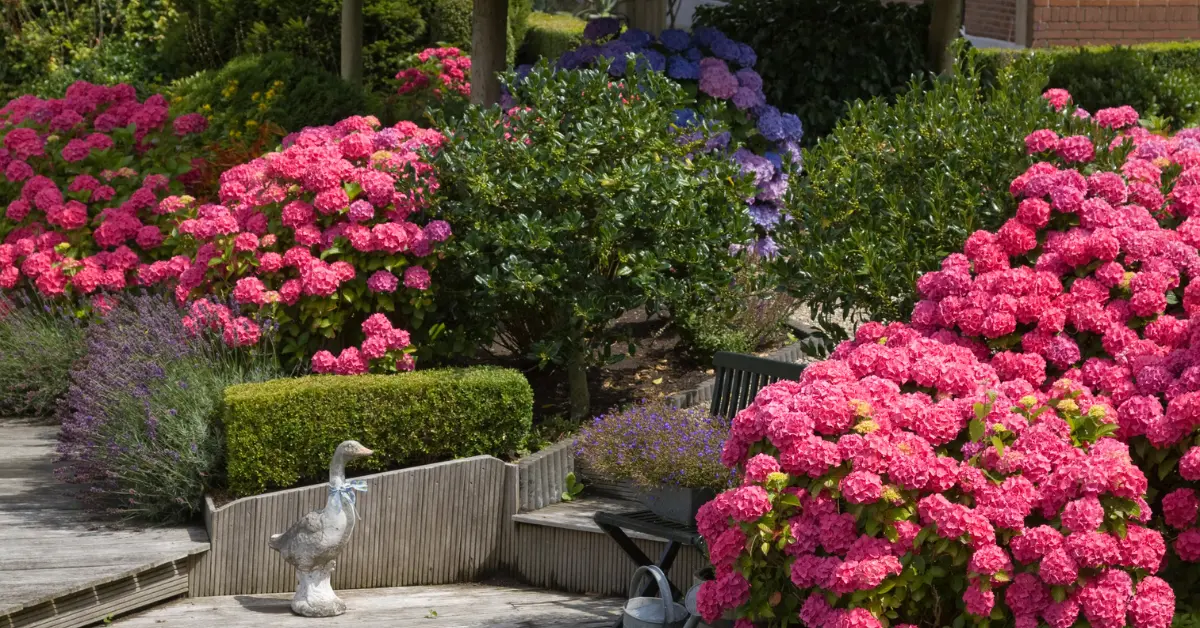
6 Best Shrubs to Plant in August You Must Try
Have you ever walked through a nursery late in the summer, admired the vibrant shrubs [...]
Aug
Growing Everbearing Strawberries in Containers: A Complete Guide for Beginners
Want to grow sweet, fresh strawberries but do not have a large garden? Everbearing strawberries [...]
Aug
Growing Egyptian Walking Onions in Containers: A Complete Guide for Beginners
If you’re looking for a hardy, no-fuss perennial onion that keeps on giving year after [...]
Jul
Growing Carolina Reaper Peppers in Pots: A Complete Guide for Beginners
If you’ve ever wanted to add some serious, record-breaking heat to your home cooking, you’ve [...]
May
Growing Curry Leaf Plant in Pots: A Complete Guide for Beginners
If you’re a fan of authentic South Asian cuisine, you already know that nothing compares [...]
May
Reviews
There are no reviews yet.