
Blacknight Hollyhock Perennial Plant – Dark Purple Flowers – Live Plant
Original price was: $55.98.$27.99Current price is: $27.99.
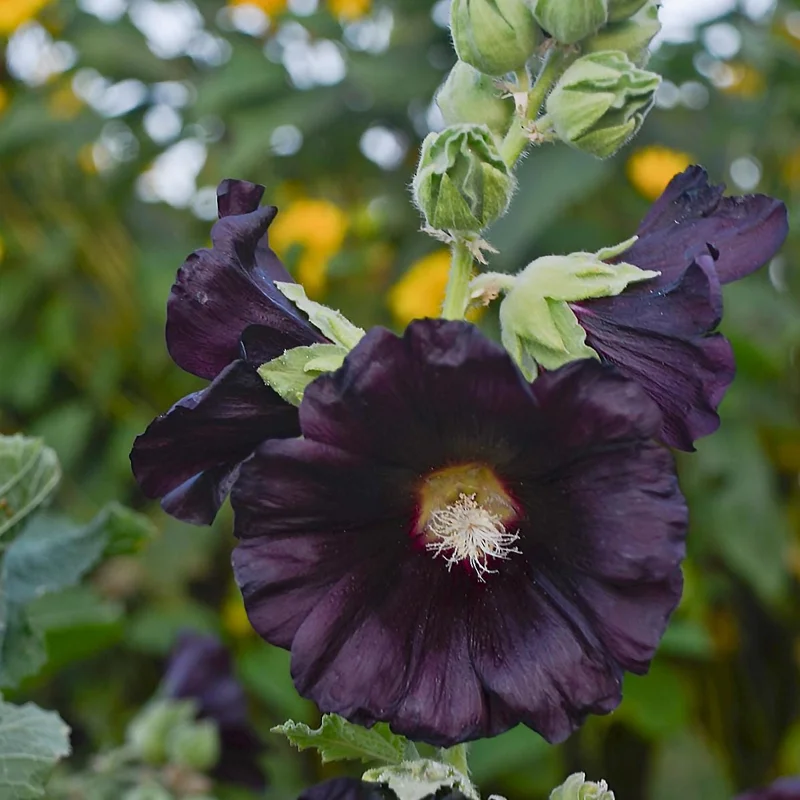
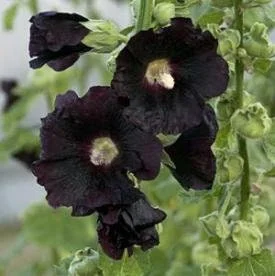
Introduce dramatic color to your garden with the Blacknight Hollyhock perennial plant. This beautiful live plant features striking, deep black-purple flowers that create a bold vertical accent in any landscape. Ideal for borders, cottage gardens, and adding height.
Estimated arrival
Oct 16
Oct 21 - Oct 23
Oct 26 - Oct 30

Reasonable Price
We offer reasonable price

Support 24/7
Contact us 24 hrs a day

100% Money Back
You've 30 days to Return

Payment Secure
100% secure payment
Overview
The Blacknight Hollyhock perennial plant, scientifically known as Alcea rosea ‘Blacknight’, is a truly captivating addition to any garden, renowned for its exceptionally dark, velvety, black-purple flowers. These dramatic blooms emerge on tall, stately stalks, creating a stunning visual impact and adding a touch of old-world charm to your landscape. Often reaching impressive heights, this hollyhock variety is a must-have for cottage gardens, borders, and anywhere you desire a bold vertical element. Each flower is a rich, almost black hue, providing a striking contrast against lighter foliage and other brightly colored flowers. As a perennial, the Blacknight Hollyhock perennial plant returns year after year, establishing itself as a reliable and cherished feature in your outdoor space, offering a spectacular display from mid-summer into early fall.
This particular cultivar, ‘Blacknight’, is celebrated not only for its unique coloration but also for its vigorous growth and classic hollyhock form. Gardeners looking to create a sense of drama and sophistication will find this plant indispensable. Its deep tones also make it an excellent choice for planting alongside vibrant reds, yellows, or crisp whites, allowing for striking color combinations. The robust nature of the Blacknight Hollyhock perennial plant ensures a long blooming season, providing continuous interest and attracting pollinators like bees and butterflies to your garden.
Key Benefits
The Blacknight Hollyhock perennial plant offers numerous advantages, making it a highly desirable choice for various garden styles and preferences:
- Dramatic Visual Impact: The most striking feature of the ‘Blacknight’ hollyhock is its incredibly deep, almost black-purple flowers. These unique blooms provide a dramatic focal point, adding sophistication and depth to garden beds, borders, and backdrops. They stand out beautifully against green foliage and lighter colored plants.
- Attracts Pollinators: The large, open flowers are a magnet for essential garden visitors such as bees, butterflies, and hummingbirds. Planting dark purple hollyhock helps support local ecosystems and enhances the biodiversity of your outdoor space, bringing life and movement to your garden.
- Tall and Stately Growth: Hollyhocks are known for their impressive height, and ‘Blacknight’ is no exception. Growing tall, these plants create an excellent vertical accent, perfect for adding structure and layering to your garden design. They are ideal for planting at the back of borders or against fences and walls.
- Perennial Reliability: As a perennial, this hollyhock returns each year, saving you the effort and cost of replanting annually. Once established, it becomes a dependable part of your garden, offering consistent beauty and reducing maintenance over time.
- Low Maintenance Once Established: While initial care is important, established Alcea rosea Blacknight plants are relatively low maintenance. They are generally drought-tolerant and resilient, requiring less hands-on care compared to many other flowering plants.
- Versatile Garden Use: The towering habit and striking color of this plant make it suitable for a variety of garden applications. Use it in cottage gardens, formal borders, along pathways, or even in large containers to create a focal point. Its unique hue pairs well with a wide range of other plants.
- Long Blooming Season: Enjoy a prolonged display of its exquisite flowers from mid-summer through early fall. The extended blooming period ensures your garden remains vibrant and interesting for several months, providing continuous enjoyment.
Plant Care & Growing Tips
Caring for your Blacknight Hollyhock perennial plant is straightforward, ensuring a spectacular display of its dramatic dark flowers. These plants thrive in full sun, meaning they require at least six to eight hours of direct sunlight per day to produce the most abundant blooms and maintain strong, upright stems. While they can tolerate partial shade, flowering may be reduced, and the stems might become leggy. When it comes to soil, hollyhocks prefer well-draining soil that is rich in organic matter. A slightly acidic to neutral pH (6.0-7.0) is ideal. Amend heavy clay soils with compost or sand to improve drainage, as soggy conditions can lead to root rot. Ensure good air circulation around the plants to prevent fungal diseases common to hollyhocks.
Watering should be consistent, especially during dry spells and in the plant’s first year. Aim to keep the soil evenly moist but not waterlogged. Once established, the tall garden plant is relatively drought-tolerant, but regular watering will promote better flowering. Fertilize in spring with a balanced, slow-release granular fertilizer or a liquid feed every few weeks during the blooming season. Deadheading spent flowers will encourage more blooms and prevent the plant from self-seeding excessively, which can sometimes lead to overcrowding. For protection against rust, a common hollyhock issue, ensure good air circulation and consider preventative fungicidal sprays if necessary. The hollyhock care guide often recommends staking taller varieties to prevent stems from toppling over in strong winds or heavy rain.
Size & Details
The Blacknight Hollyhock perennial plant typically grows to an impressive height of 5 to 8 feet (1.5 to 2.4 meters) with a spread of about 1 to 2 feet (30 to 60 centimeters), making it a commanding presence in the garden. This live plant will arrive in a nursery pot, ready for transplanting into your garden or a larger container. It generally takes one to two growing seasons to reach its full mature height and produce its most prolific blooms. The plant establishes a strong root system, ensuring its return year after year. Expect flowers to emerge from mid-summer, continuing their dramatic display into early fall, offering a long period of ornamental interest. The large, single or semi-double flowers are a deep, velvety black-purple, providing a striking contrast to its green foliage.
Frequently Asked Questions
- Q: How big does this plant get? A: The Blacknight Hollyhock perennial plant typically reaches an impressive height of 5 to 8 feet (1.5 to 2.4 meters) and spreads about 1 to 2 feet (30 to 60 centimeters) wide. Its tall, stately presence makes it a great backdrop plant.
- Q: Is this an indoor or outdoor plant? A: This is primarily an outdoor plant, thriving in garden beds, borders, and large outdoor containers. While it can be started indoors from seed, it needs to be transplanted outside to reach its full potential and bloom.
- Q: How much sunlight does it need? A: The ‘Blacknight’ hollyhock requires full sun, meaning at least 6 to 8 hours of direct sunlight per day. Adequate sunlight is crucial for abundant flowering and strong stem development.
- Q: Is this plant easy to care for? A: Yes, once established, the Blacknight Hollyhock perennial plant is relatively easy to care for. It requires well-draining soil, consistent watering during dry periods, and occasional feeding. Staking taller plants can prevent wind damage.
- Q: What condition will it arrive in? A: Your hollyhock will arrive as a healthy, live plant in a nursery pot, carefully packaged to ensure its safe journey. It will be ready for immediate transplanting into your garden.
- Q: How long until it blooms? A: Typically, hollyhocks bloom in their second year when grown from seed. If you receive an established plant, it may bloom in its first year, usually from mid-summer into early fall.
- Q: Will it survive winter in my zone? A: The Blacknight Hollyhock perennial plant is a hardy perennial and is generally suitable for USDA Zones 3-8. It will die back in winter and re-emerge in spring in these zones.
- Q: What’s the minimum temperature it can tolerate? A: This hollyhock can tolerate winter temperatures down to approximately -40°F (-40°C) in USDA Zone 3, provided it has adequate snow cover or mulch for insulation.
- Q: Can I grow tall garden plant in containers? A: Yes, you can grow ‘Blacknight’ hollyhocks in large containers, ensuring the container is big enough to accommodate its root system and height. Make sure the container has excellent drainage.
- Q: Why is my dark purple hollyhock not blooming? A: Common reasons for a lack of blooms include insufficient sunlight, poor soil quality, over-fertilization with nitrogen (which promotes foliage over flowers), or the plant being too young (first-year plants may not bloom).
Be the first to review “Blacknight Hollyhock Perennial Plant – Dark Purple Flowers – Live Plant”
-
USDA Hardiness Zone
USDA Zones 3-8 -
Soil Type
Well-draining, rich in organic matter -
Sunlight Exposure
Full sun -
Expected Planting Period
Spring to early summer
People Also Viewd
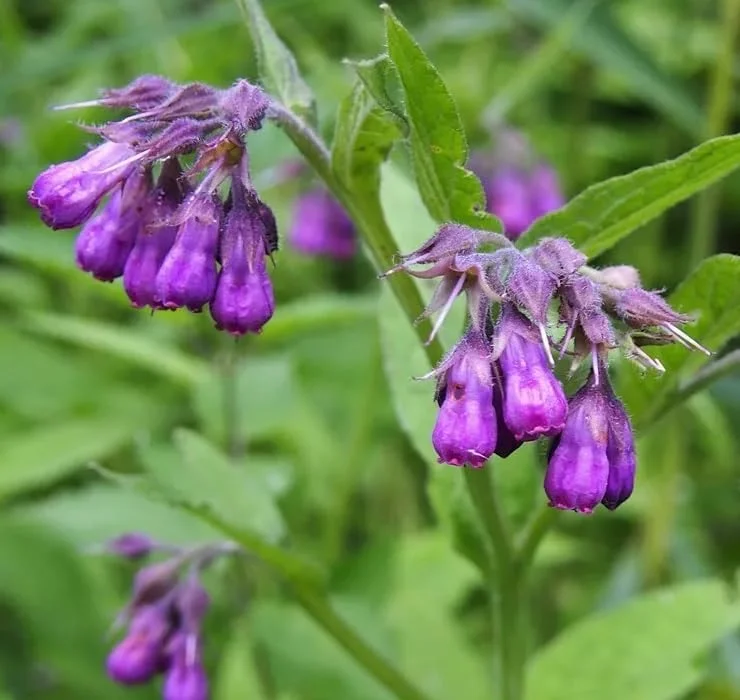
Sold 134 products
Original price was: $3,536.00.$23.99Current price is: $23.99.
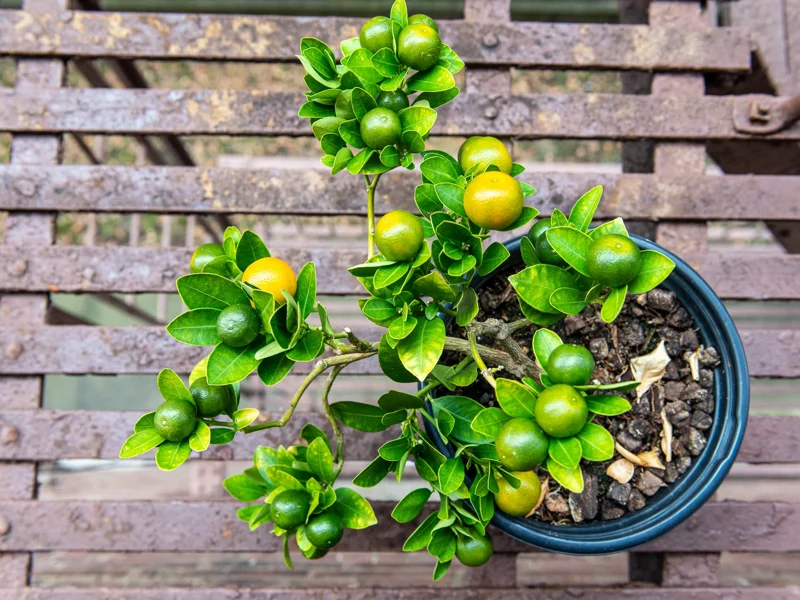
Sold 132 products
Original price was: $27.00.$24.00Current price is: $24.00.
Sold 132 products
Original price was: $89.99.$64.99Current price is: $64.99.

Sold 125 products
Original price was: $86.99.$66.99Current price is: $66.99.
Flower Bulbs
3 Cranesbill Wild Geranium Organic Maculatums Bare Roots | Wildflower for Outdoor Garden
Sold 116 products
Original price was: $21.99.$9.99Current price is: $9.99.
Sold 114 products
Original price was: $28.99.$17.99Current price is: $17.99.
Sold 110 products
Original price was: $63.99.$28.99Current price is: $28.99.
Sold 108 products
Original price was: $28.99.$17.99Current price is: $17.99.RELATED posts
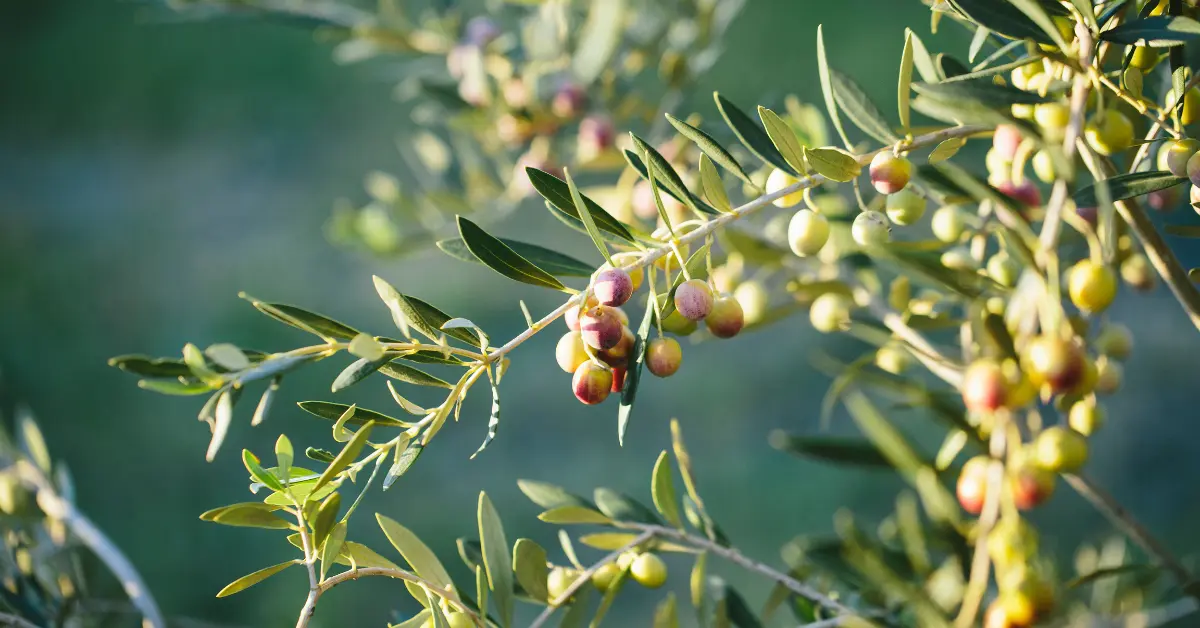
How to Grow Arbequina Olive Trees: The Ultimate Guide to Your Own Olive Grove
Arbequina Olive Tree (Olea europaea ‘Arbequina’) – the ultimate Mediterranean plant that brings a touch [...]
Oct
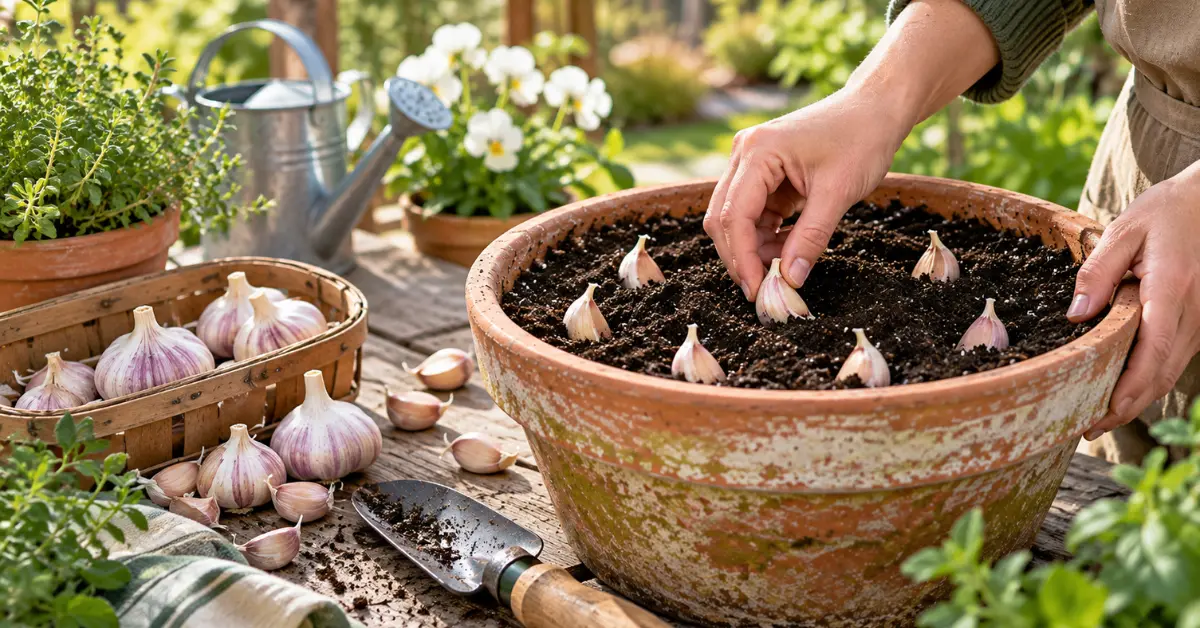
Growing Garlic in Containers This Fall: A Complete Guide for Beginners
If you’ve ever wanted to pop fresh, aromatic garlic cloves straight from your own patio [...]
Sep
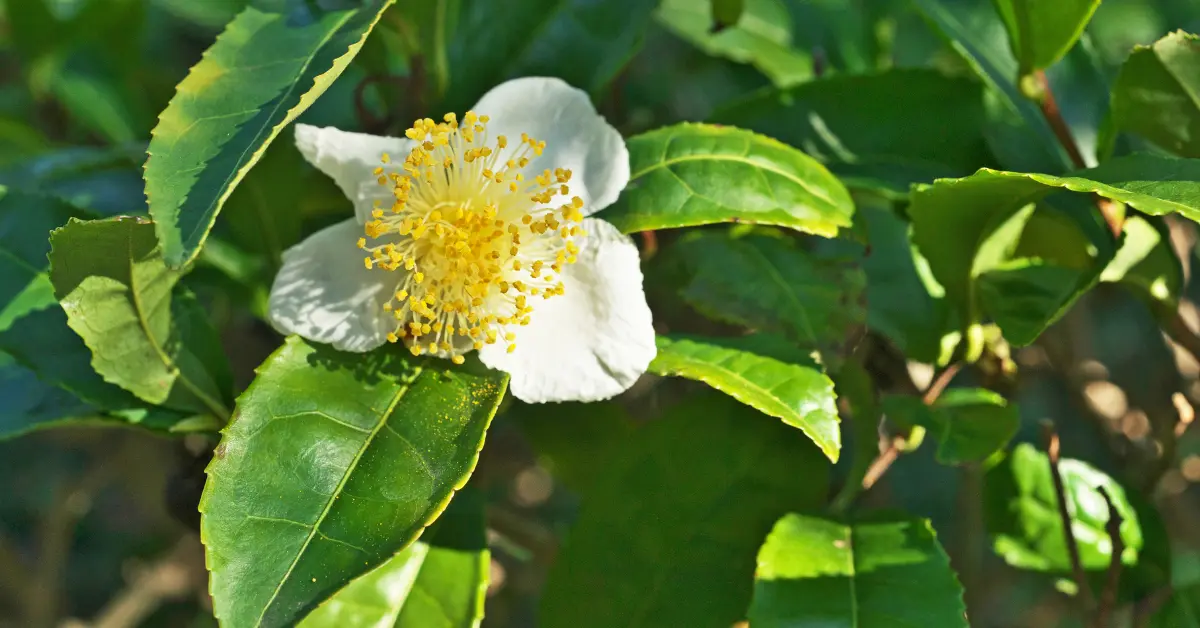
Growing Camellia Sinensis (Tea Plants) in Containers: A Complete Guide for Beginners
If you’ve ever wanted to sip a steaming, homegrown cup of fresh green, black, or [...]
Aug
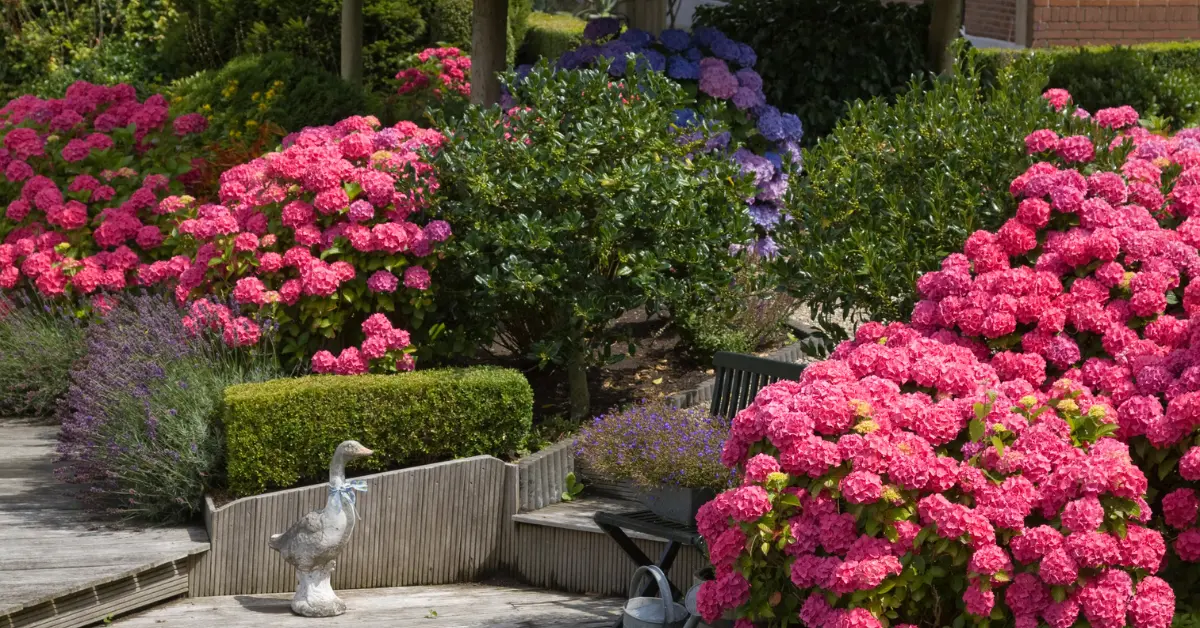
6 Best Shrubs to Plant in August You Must Try
Have you ever walked through a nursery late in the summer, admired the vibrant shrubs [...]
Aug
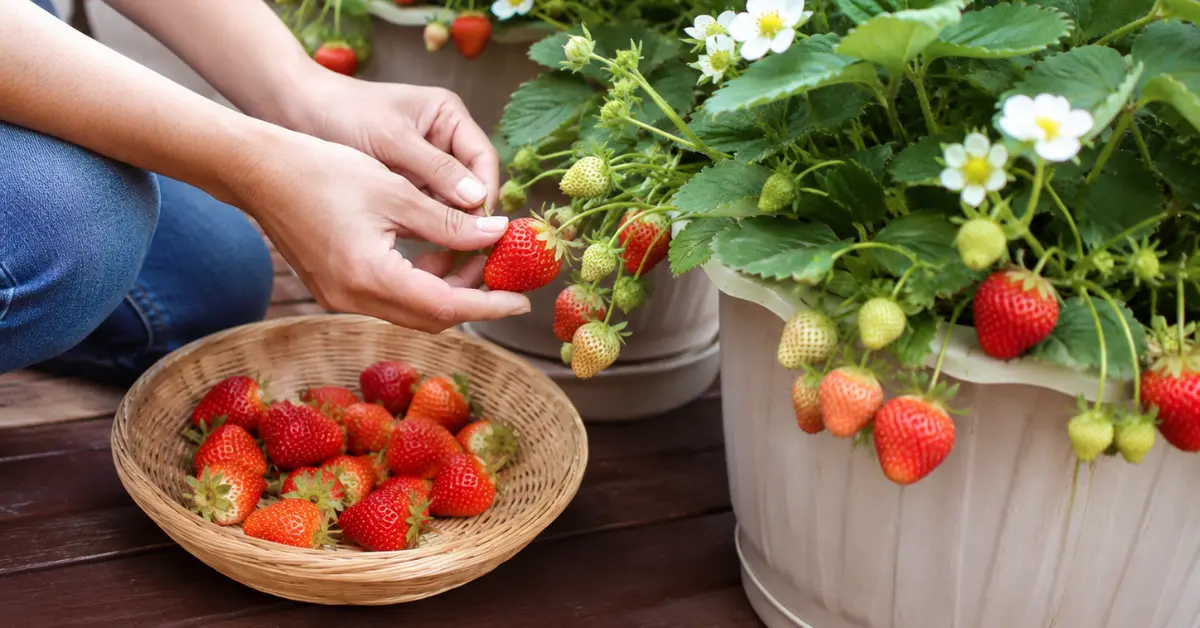
Growing Everbearing Strawberries in Containers: A Complete Guide for Beginners
Want to grow sweet, fresh strawberries but do not have a large garden? Everbearing strawberries [...]
Aug
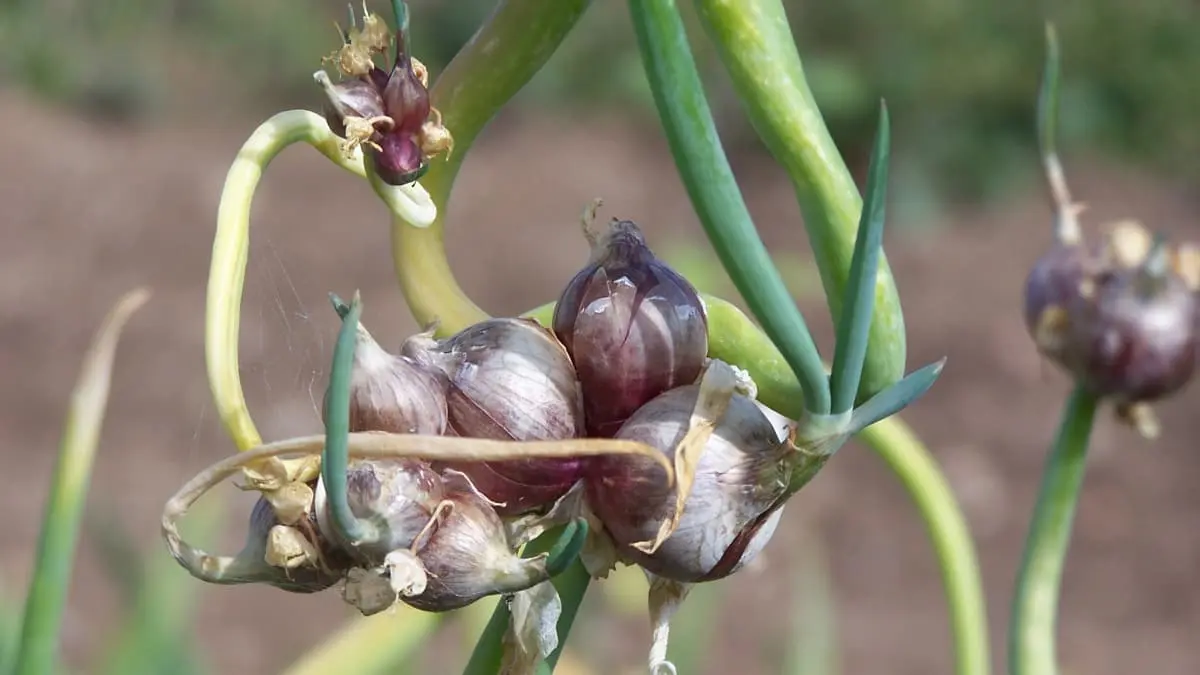
Growing Egyptian Walking Onions in Containers: A Complete Guide for Beginners
If you’re looking for a hardy, no-fuss perennial onion that keeps on giving year after [...]
Jul
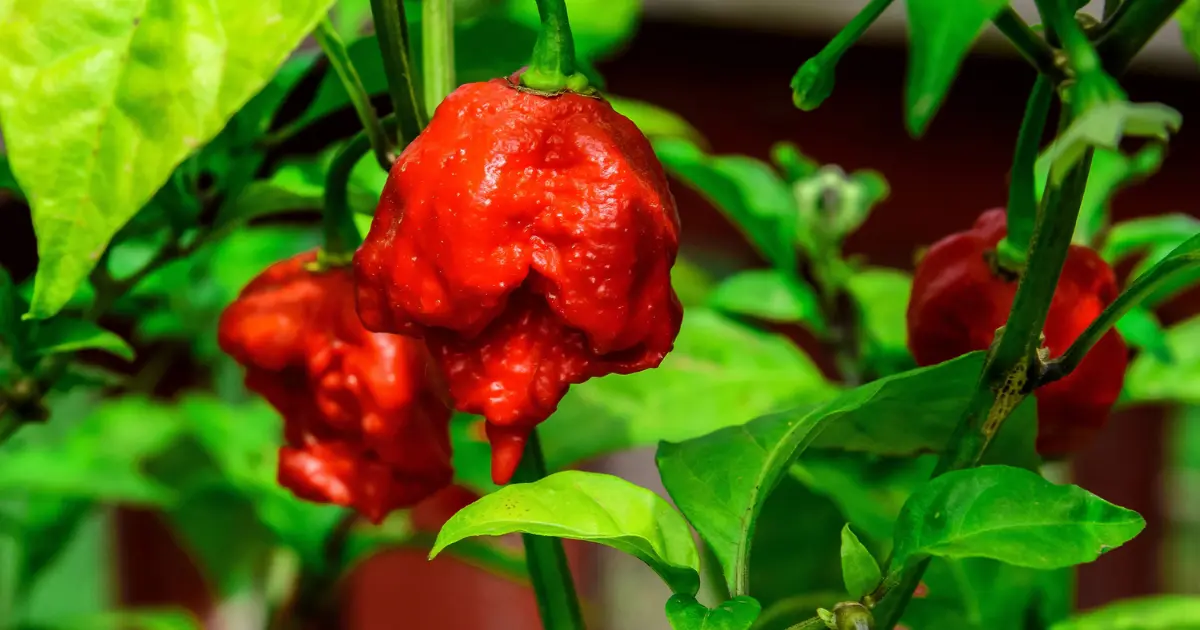
Growing Carolina Reaper Peppers in Pots: A Complete Guide for Beginners
If you’ve ever wanted to add some serious, record-breaking heat to your home cooking, you’ve [...]
May
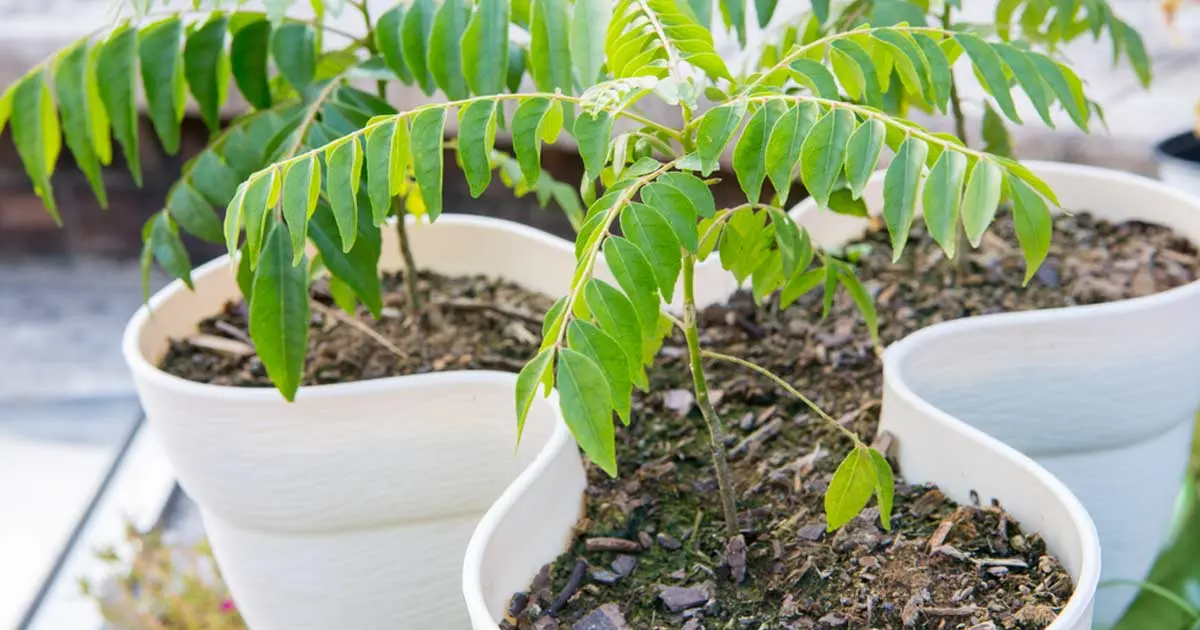
Growing Curry Leaf Plant in Pots: A Complete Guide for Beginners
If you’re a fan of authentic South Asian cuisine, you already know that nothing compares [...]
May

Reviews
There are no reviews yet.