
Chile Pequin Live Plant – 1 Gallon Pot – Hot Pepper – Outdoor
Original price was: $85.98.$42.99Current price is: $42.99.
Cultivate your own fiery flavor with this chile pequin live plant in a 1-gallon pot. Known for its intense heat and small, round berries, this pepper plant is a prolific producer perfect for adding a spicy kick to your favorite dishes or creating homemade hot sauces. It’s an excellent addition to any sunny garden or patio container.
Estimated arrival
Oct 16
Oct 21 - Oct 23
Oct 26 - Oct 30

Reasonable Price
We offer reasonable price

Support 24/7
Contact us 24 hrs a day

100% Money Back
You've 30 days to Return

Payment Secure
100% secure payment
Overview
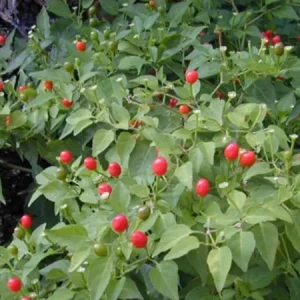
Bring the vibrant heat of the Southwest to your garden with our premium chile pequin live plant. This robust 1-gallon plant arrives ready to thrive, offering you the unique opportunity to grow your own tiny yet incredibly potent hot peppers. Scientifically known as Capsicum annuum var. glabriusculum, the Chile Pequin is a wild pepper native to Mexico and the Southwestern United States, celebrated for its intense, smoky heat and distinctive flavor profile. Often pronounced “pee-KEEN,” these small, berry-like peppers pack a significant punch, measuring 50,000 to 100,000 Scoville Heat Units (SHU). Our chile pequin live plant is an ideal choice for both experienced gardeners and those new to growing peppers, promising a rewarding harvest of these culinary gems. It’s a fantastic way to ensure a fresh supply of authentic pequin peppers for all your culinary adventures.
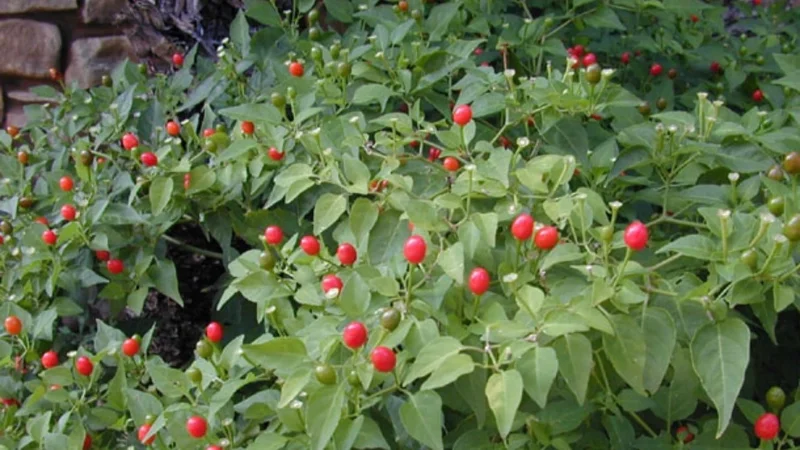
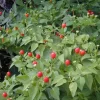
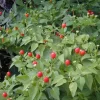
The Chile Pequin plant is not only productive but also quite ornamental, featuring small, bright green leaves and an abundance of small, round peppers that mature from green to a brilliant red. This makes it an attractive addition to vegetable gardens, herb beds, or even decorative patio containers. Growing your own chile pequin live plant allows you to experience the unparalleled freshness and flavor that store-bought peppers often lack. Get ready to elevate your cooking with these fiery little powerhouses.
Key Benefits
Growing a chile pequin live plant offers a multitude of advantages, from culinary delight to garden aesthetics. These small but mighty plants are a fantastic addition to any home garden:
- Intense Flavor & Heat: Harvest fresh peppers with a concentrated, smoky heat perfect for salsas, sauces, and seasoning. The unique flavor of the pequin pepper is highly prized by chefs and home cooks alike.
- Prolific Producer: Despite their small size, Chile Pequin plants are known for their abundant yields, providing a continuous supply of peppers throughout the growing season. You’ll have plenty for fresh use and drying.
- Compact & Ornamental: With its bushy growth habit and vibrant red berries, the plant is an attractive addition to gardens, containers, or even as a focal point on a sunny patio. It’s a beautiful way to add both flavor and visual interest.
- Easy to Grow: This pepper variety is relatively low-maintenance once established, making it suitable for gardeners of all experience levels. Follow basic care guidelines, and your chile pequin live plant will thrive.
- Culinary Versatility: Use fresh, dried, or powdered to add a fiery kick to a wide range of dishes, from Mexican cuisine to stews, chilis, and marinades. Discover the many ways to enjoy your homegrown pequin pepper plant.
- Drought Tolerant: Once established, Chile Pequin plants exhibit good drought tolerance, making them resilient in various climates and reducing the need for constant watering. This hardy nature contributes to easier chile pequin plant care.
- Attracts Pollinators: The small, delicate flowers can attract beneficial pollinators to your garden, contributing to a healthier ecosystem and increased yields for other plants.
Plant Care & Growing Tips
Caring for your chile pequin live plant is straightforward, ensuring a bountiful harvest of these spicy treasures. These plants thrive in conditions that mimic their native habitats, which means plenty of sun and well-drained soil. For optimal growth, site your plant in a location that receives at least 6-8 hours of full sunlight daily. In hotter climates, some afternoon shade can prevent scorching, but generally, more sun equals more peppers. When it comes to watering, consistency is key. Keep the soil consistently moist but never waterlogged. Allow the top inch of soil to dry out between waterings to prevent root rot. Overwatering can be detrimental, so ensure good drainage.
The ideal soil for your chile pequin live plant is a rich, well-draining potting mix with a slightly acidic to neutral pH (6.0-7.0). Amend garden soil with compost or other organic matter to improve fertility and drainage. These plants are sensitive to cold; they prefer warm temperatures and will not tolerate frost. If you’re wondering how to grow chile pequin successfully, consider their USDA hardiness zones, typically 8-11 for overwintering outdoors, but they are often grown as annuals in cooler regions. Fertilize every 2-4 weeks during the growing season with a balanced liquid fertilizer or one formulated for tomatoes and peppers, ensuring it’s not too high in nitrogen, which can promote leafy growth at the expense of fruit production. Watch out for common pepper pests like aphids or spider mites, and treat with organic insecticidal soap if necessary. Proper air circulation also helps prevent fungal diseases. With consistent care, your tiny hot pepper plant will flourish.
Size & Details
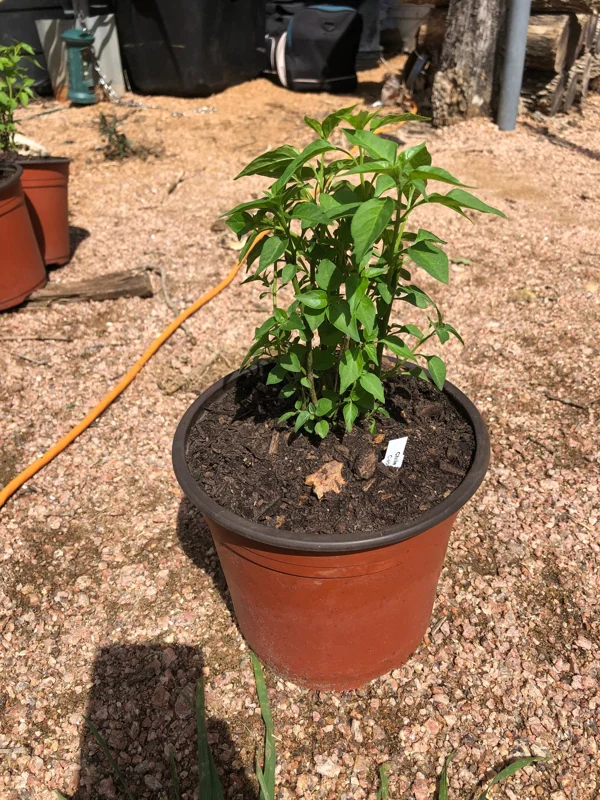
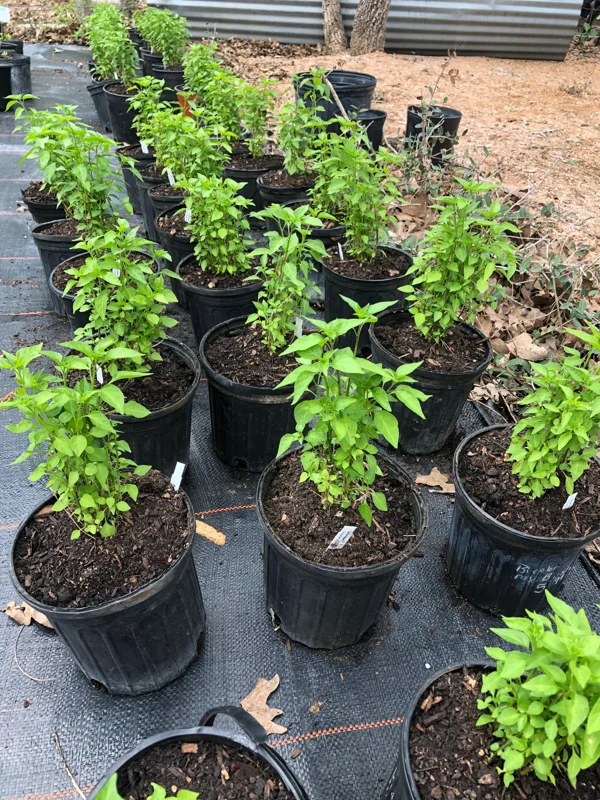
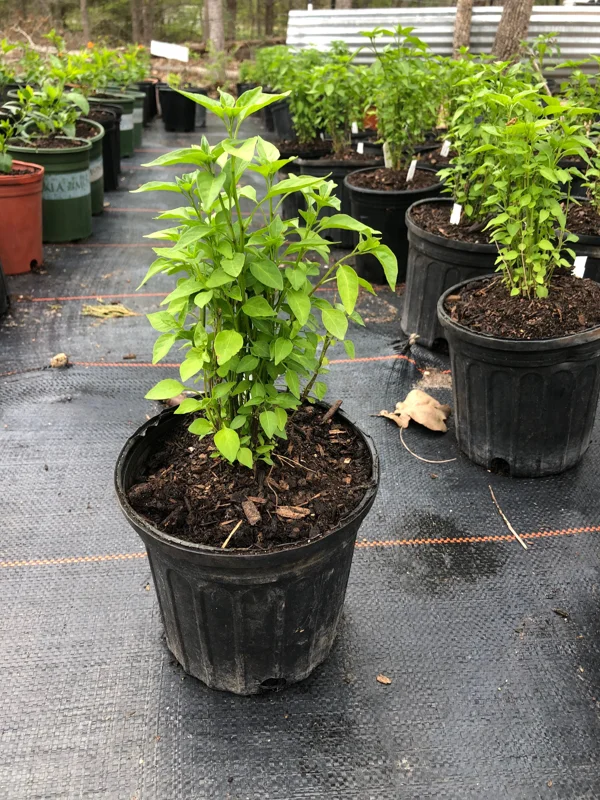
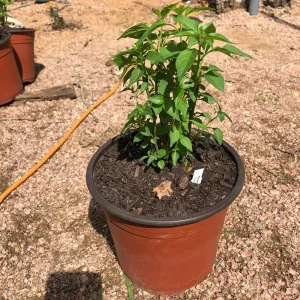
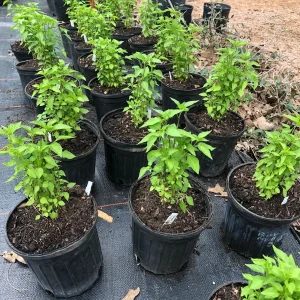
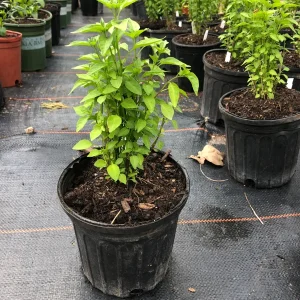
This offering is for one vigorous chile pequin live plant, delivered in a 1-gallon nursery pot. At the time of shipment, the plant typically stands approximately 8-12 inches tall, depending on its growth stage and the time of year. Chile Pequin plants are known for their compact, bushy growth habit, usually reaching a mature height of 2-4 feet tall and a similar spread when planted in the ground or a sufficiently large container. They are relatively fast growers, with peppers typically appearing within 60-90 days after transplanting, maturing from green to red over several weeks. The small, round peppers are generally 0.25 to 0.5 inches in diameter. This plant is shipped in its nursery pot with soil, ensuring minimal transplant shock and a smooth transition to your garden or larger container. Expect a continuous harvest throughout the warm season, with the plant producing for many months if conditions are favorable. This live plant is a perfect starting point for anyone looking to grow chile pequin peppers at home.
Frequently Asked Questions
- Q: How big does this chile pequin live plant get? A: A: When mature, the plant typically reaches a height of 2-4 feet and a similar spread, making it a good size for garden beds or large patio containers. Its bushy habit is quite attractive.
- Q: Is this an indoor or outdoor plant? A: The Chile Pequin thrives outdoors in full sun during the warm growing season. In cooler climates, it can be brought indoors as a houseplant over winter, provided it receives adequate light.
- Q: How much sunlight does it need? A: For best fruit production and overall health, your pequin pepper plant requires at least 6-8 hours of direct sunlight per day. More sun generally leads to a larger and spicier harvest.
- Q: Is this plant easy to care for? A: Yes, chile pequin plant care is generally considered easy. It’s a resilient plant that prefers consistent watering, well-draining soil, and plenty of sunlight. It’s a great choice for beginner pepper growers.
- Q: What condition will it arrive in? A: Your chile pequin live plant will arrive carefully packaged in its 1-gallon nursery pot with soil, ready for transplanting or enjoying as is. We ensure it’s well-hydrated and protected for its journey.
- Q: Can I use Chile Pequin in cooking? A: Absolutely! Chile Pequin peppers are highly prized for their intense heat and smoky flavor. They are excellent used fresh in salsas, dried for seasoning, or infused in oils and vinegars.
- Q: When is the best time to plant this pepper? A: The best time to plant your tiny hot pepper plant outdoors is after all danger of frost has passed in spring, when soil temperatures have warmed up. For continuous growth, it can be planted any time indoors.
- Q: What USDA Hardiness Zones is this plant suitable for? A: Chile Pequin can be grown as a perennial in USDA Zones 8-11. In colder zones, it is typically grown as an annual or overwintered indoors to protect it from frost.
- Q: How spicy are Chile Pequin peppers? A: Chile Pequin peppers are quite hot, typically ranging from 50,000 to 100,000 Scoville Heat Units (SHU). They offer a significant kick, similar to or hotter than a cayenne pepper.
- Q: How often should I fertilize my chile pequin live plant? A: During the active growing and fruiting season, fertilize every 2-4 weeks with a balanced liquid fertilizer, or one slightly higher in phosphorus and potassium to encourage flowering and fruiting.
Be the first to review “Chile Pequin Live Plant – 1 Gallon Pot – Hot Pepper – Outdoor”
-
USDA Hardiness Zone
8-11 (as perennial), grown as annual in colder zones -
Soil Type
Well-draining, rich potting mix -
Sunlight Exposure
Full sun (6-8+ hours daily) -
Expected Planting Period
Spring after last frost (outdoors), year-round (indoors)
People Also Viewd


Sold 134 products
Original price was: $3,536.00.$23.99Current price is: $23.99.

Sold 132 products
Original price was: $27.00.$24.00Current price is: $24.00.

Sold 132 products
Original price was: $89.99.$64.99Current price is: $64.99.

Sold 125 products
Original price was: $86.99.$66.99Current price is: $66.99.

Flower Bulbs
3 Cranesbill Wild Geranium Organic Maculatums Bare Roots | Wildflower for Outdoor Garden
Sold 116 products
Original price was: $21.99.$9.99Current price is: $9.99.

Sold 114 products
Original price was: $28.99.$17.99Current price is: $17.99.
Sold 110 products
Original price was: $63.99.$28.99Current price is: $28.99.
Sold 108 products
Original price was: $28.99.$17.99Current price is: $17.99.RELATED posts
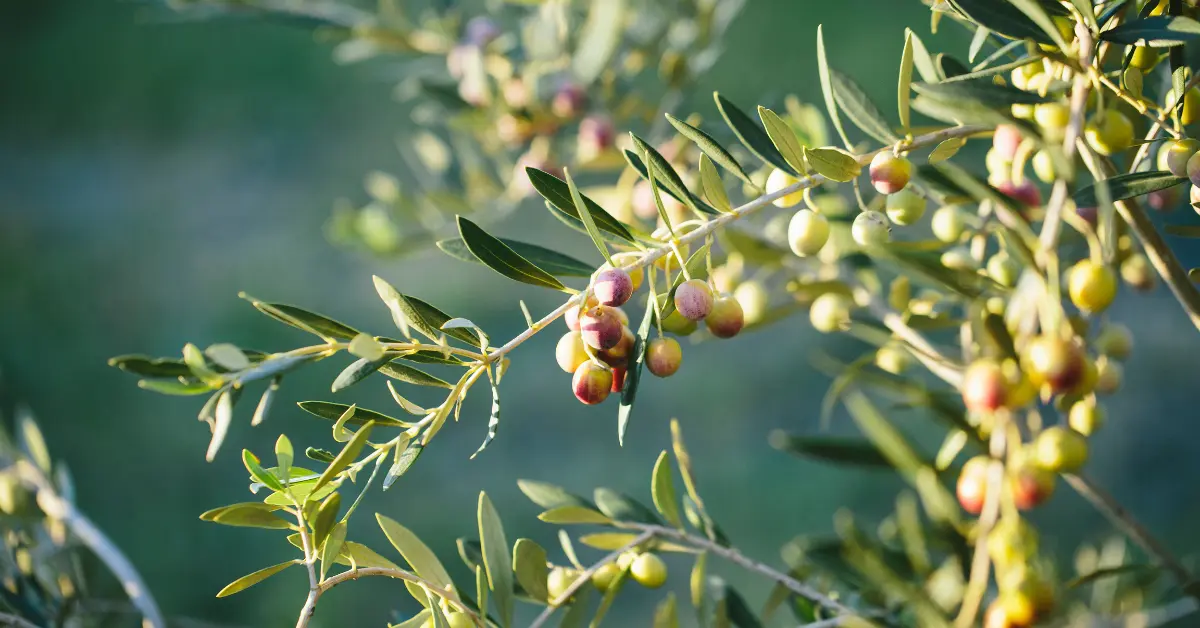
How to Grow Arbequina Olive Trees: The Ultimate Guide to Your Own Olive Grove
Arbequina Olive Tree (Olea europaea ‘Arbequina’) – the ultimate Mediterranean plant that brings a touch [...]
Oct
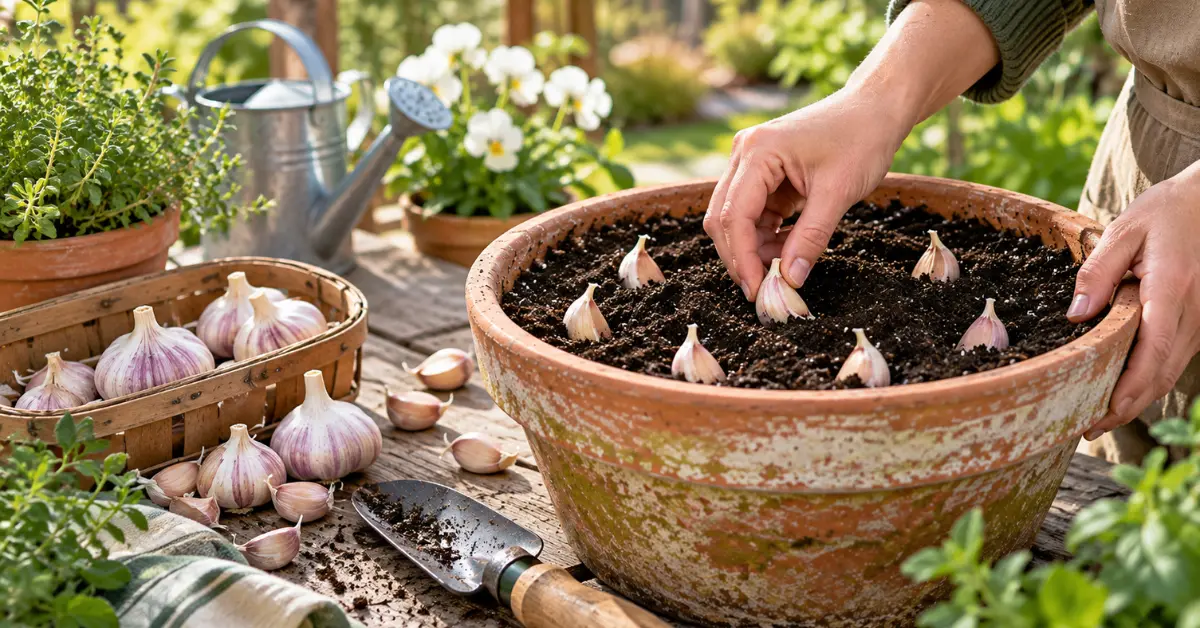
Growing Garlic in Containers This Fall: A Complete Guide for Beginners
If you’ve ever wanted to pop fresh, aromatic garlic cloves straight from your own patio [...]
Sep
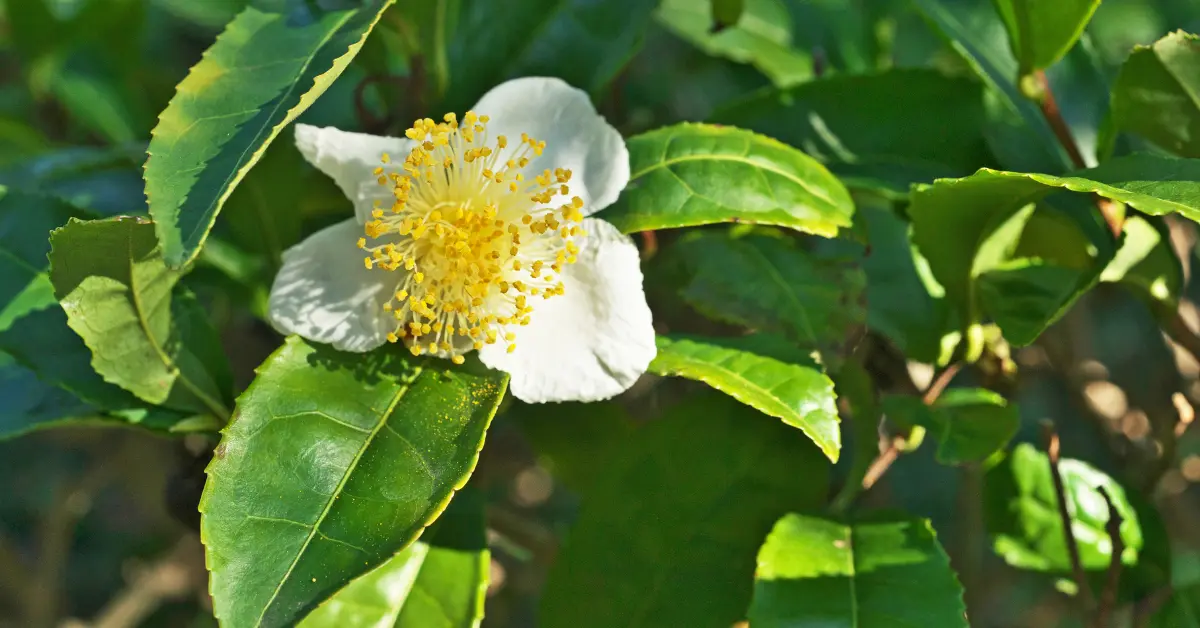
Growing Camellia Sinensis (Tea Plants) in Containers: A Complete Guide for Beginners
If you’ve ever wanted to sip a steaming, homegrown cup of fresh green, black, or [...]
Aug
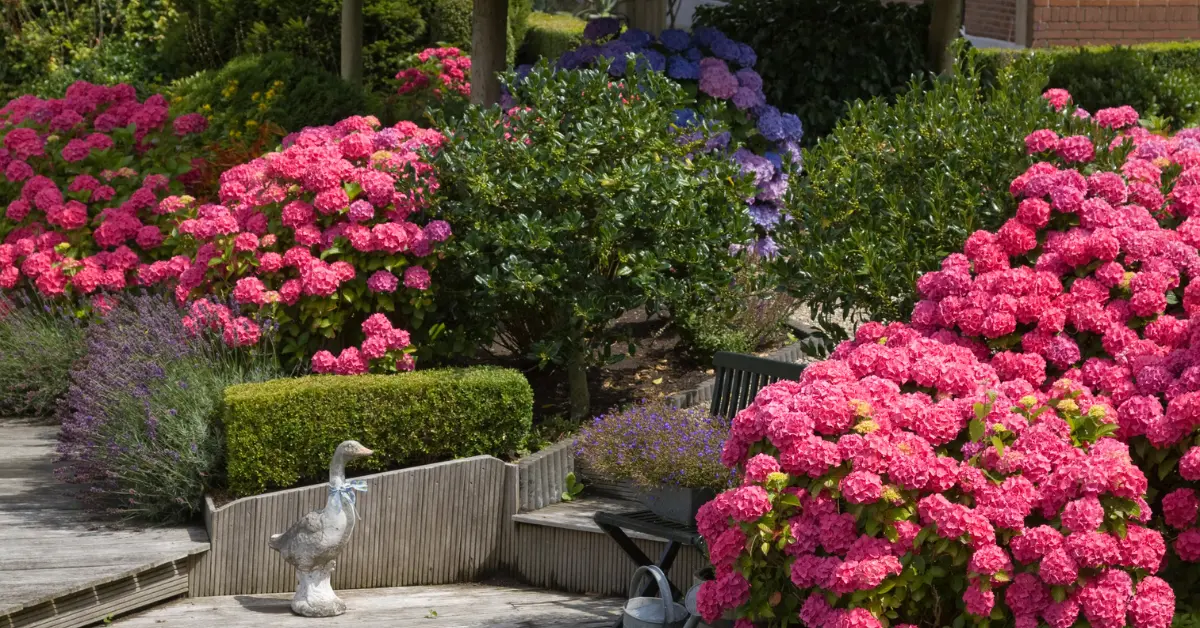
6 Best Shrubs to Plant in August You Must Try
Have you ever walked through a nursery late in the summer, admired the vibrant shrubs [...]
Aug
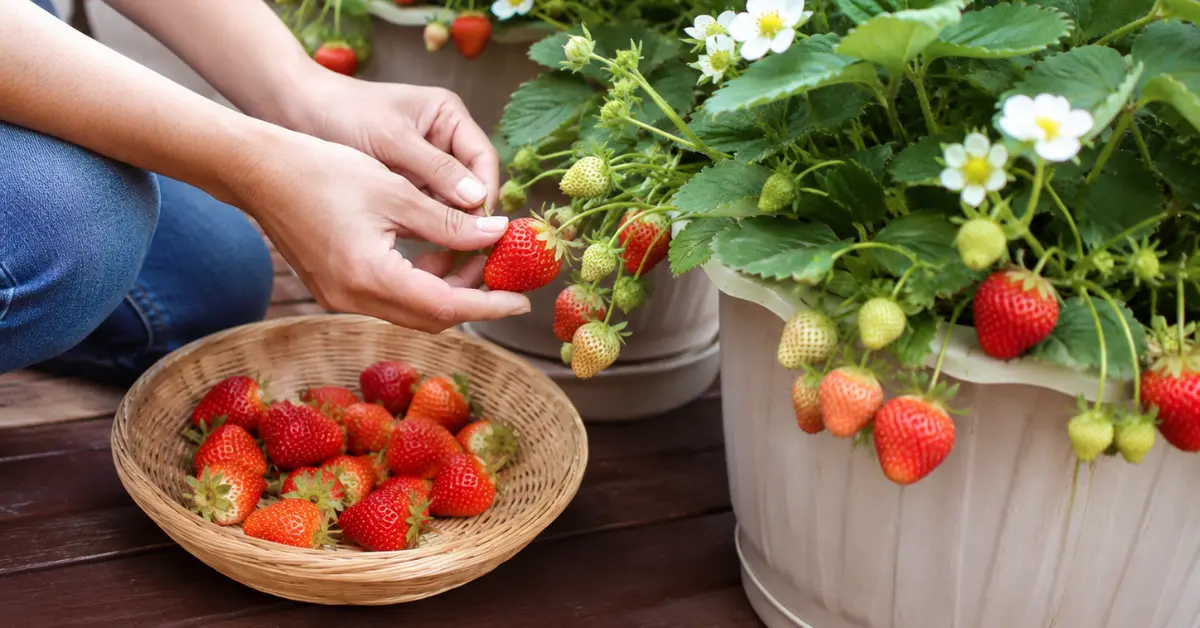
Growing Everbearing Strawberries in Containers: A Complete Guide for Beginners
Want to grow sweet, fresh strawberries but do not have a large garden? Everbearing strawberries [...]
Aug
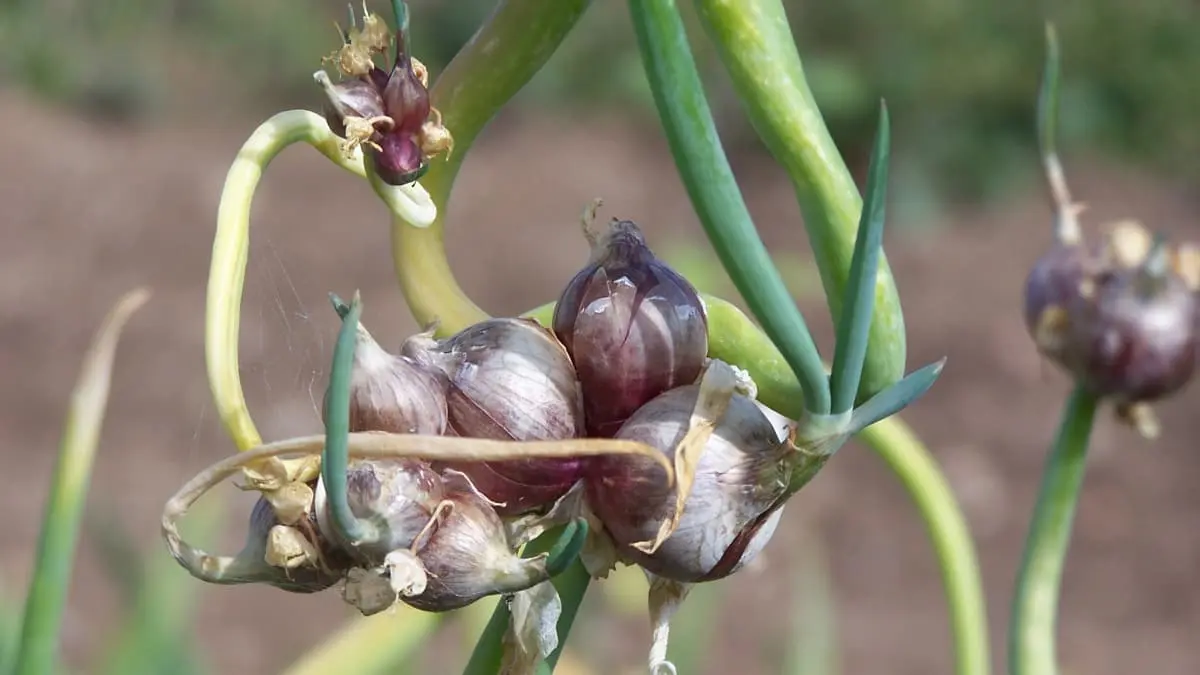
Growing Egyptian Walking Onions in Containers: A Complete Guide for Beginners
If you’re looking for a hardy, no-fuss perennial onion that keeps on giving year after [...]
Jul
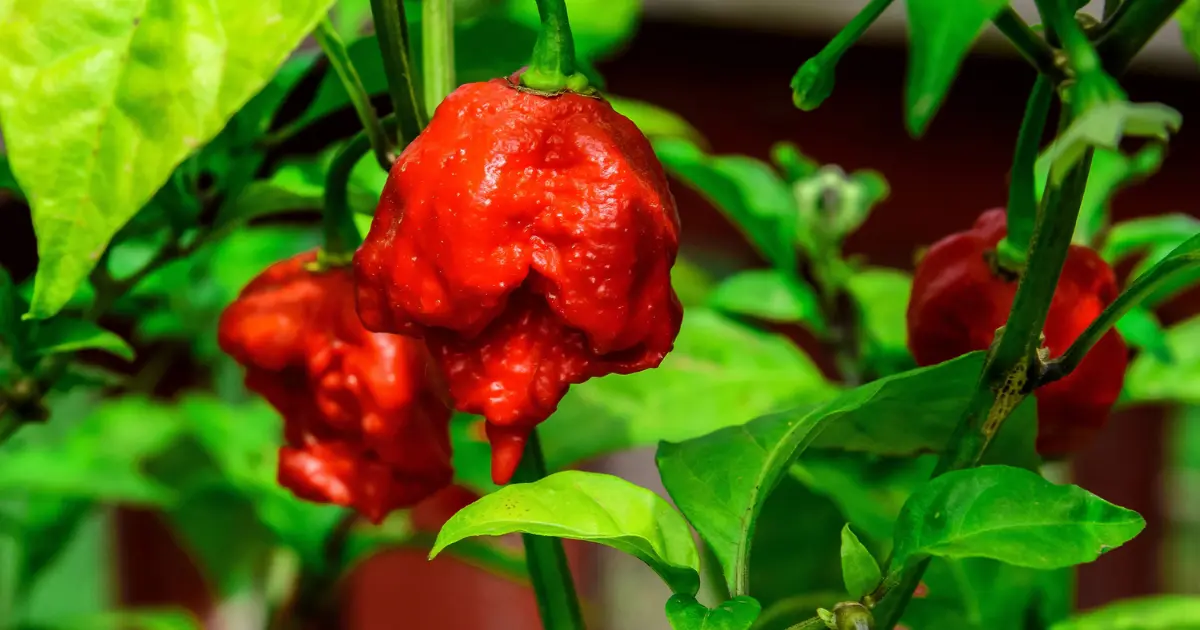
Growing Carolina Reaper Peppers in Pots: A Complete Guide for Beginners
If you’ve ever wanted to add some serious, record-breaking heat to your home cooking, you’ve [...]
May
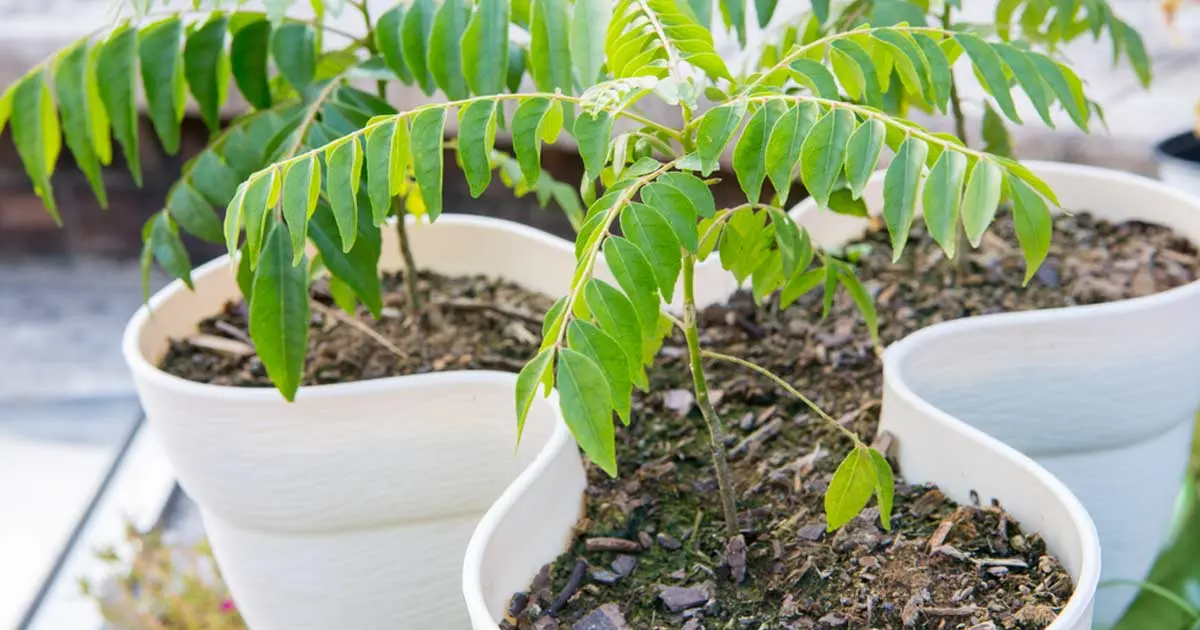
Growing Curry Leaf Plant in Pots: A Complete Guide for Beginners
If you’re a fan of authentic South Asian cuisine, you already know that nothing compares [...]
May
Reviews
There are no reviews yet.