
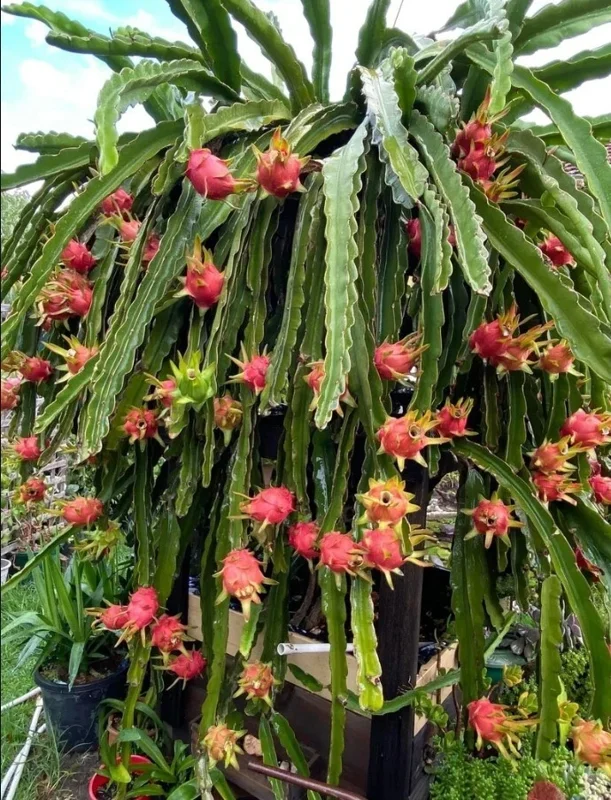
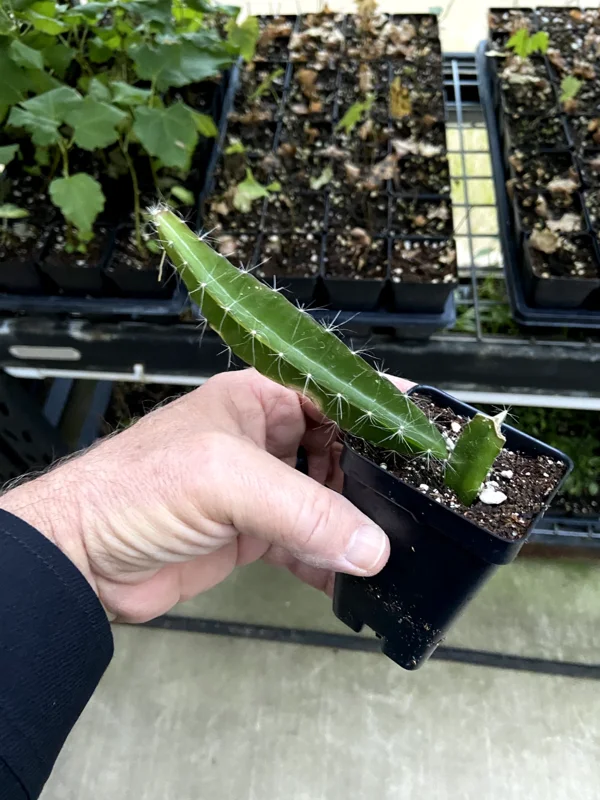
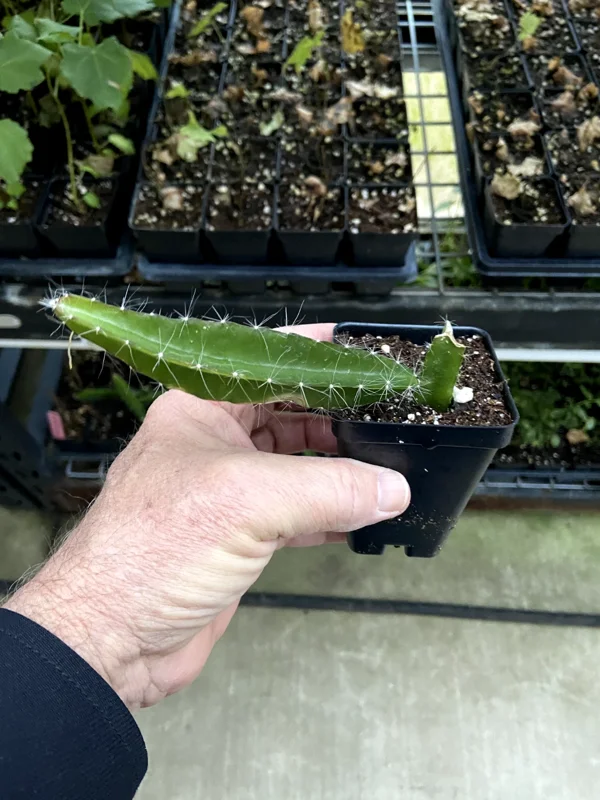
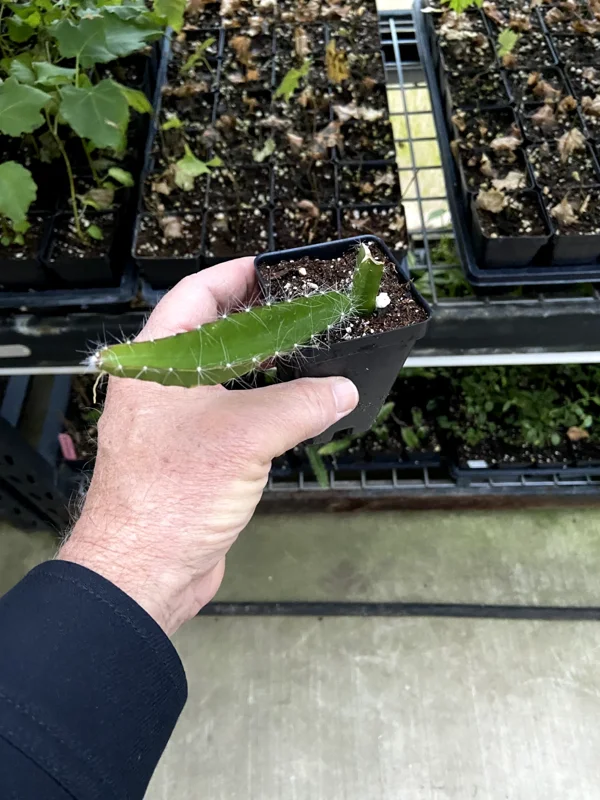
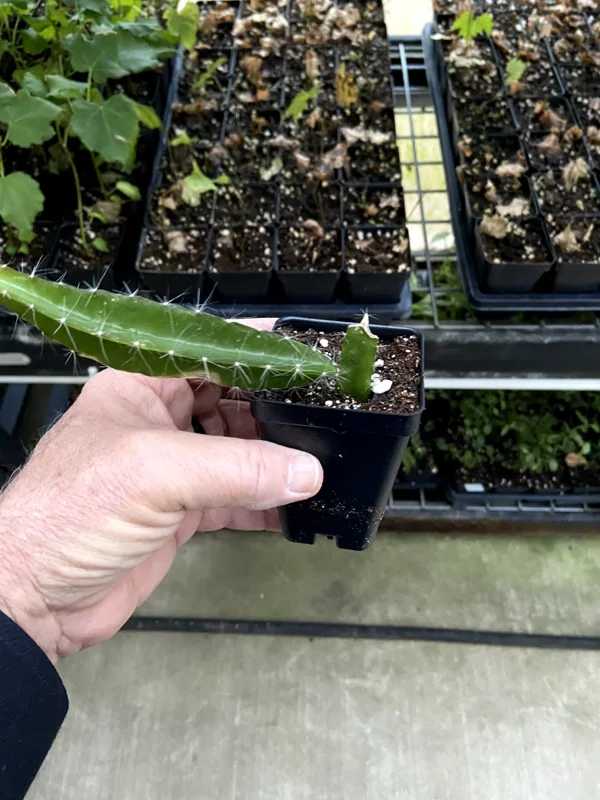
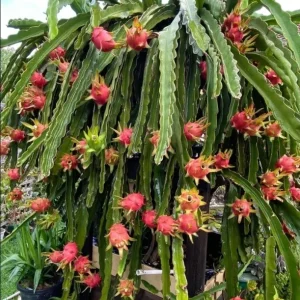
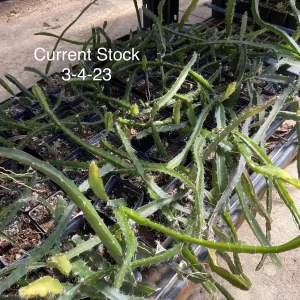
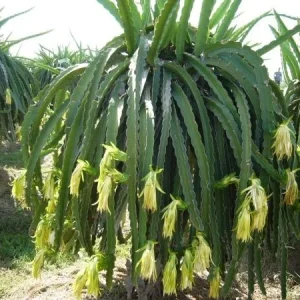
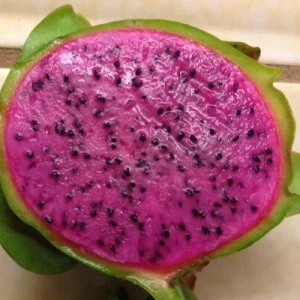
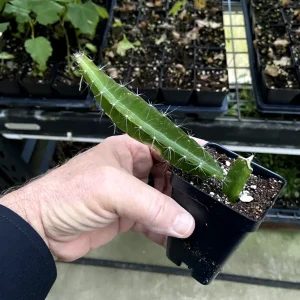
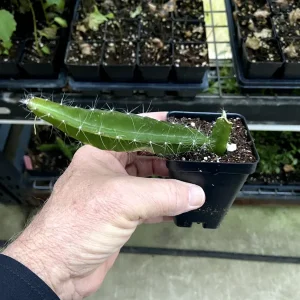
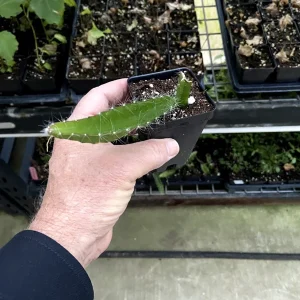
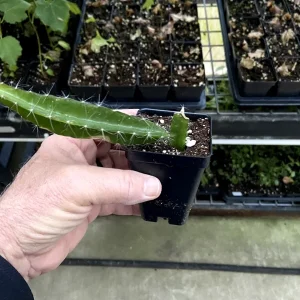
Dragon Fruit ‘Edgar’s Baby’ Live Plant – Hylocereus Hybrid Pitaya
Original price was: $67.98.$33.99Current price is: $33.99.
Cultivate your own exotic produce with the dragon fruit live plant, ‘Edgar’s Baby’. This hylocereus hybrid plant offers unique, delicious pitaya fruit, perfect for container growing or warm climates. Enjoy fresh, vibrant fruit from your own garden.
Estimated arrival
Oct 05
Oct 10 - Oct 12
Oct 15 - Oct 19

Reasonable Price
We offer reasonable price

Support 24/7
Contact us 24 hrs a day

100% Money Back
You've 30 days to Return

Payment Secure
100% secure payment
Overview
Introduce an exotic touch to your garden or patio with the dragon fruit live plant, specifically the ‘Edgar’s Baby’ variety. This fascinating Hylocereus hybrid is renowned for its vibrant, sweet fruit, often referred to as pitaya. Originating from Central and South America, dragon fruit plants are members of the cactus family, showcasing unique, vining growth habits. ‘Edgar’s Baby’ is a popular choice among home growers due to its robust nature and delicious fruit production, making it a rewarding addition for both novice and experienced gardeners. Growing your own edgars baby dragon fruit allows you to enjoy fresh, organic pitaya right from your backyard, bursting with flavor and nutrients.
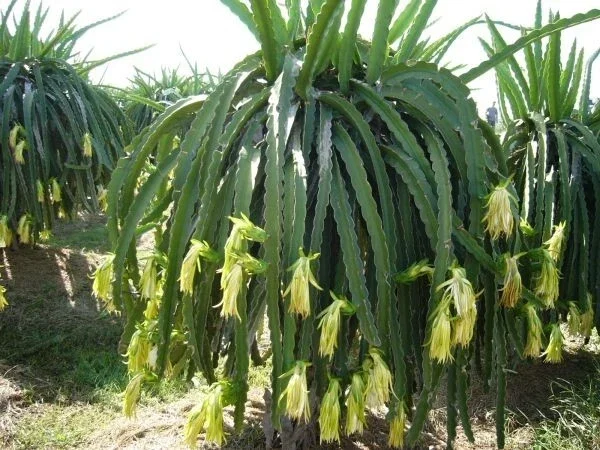
The ‘Edgar’s Baby’ variety of hylocereus hybrid plant is a self-pollinating type, meaning you may get fruit from a single plant, though cross-pollination can often lead to higher yields. Its striking white flowers bloom at night, adding a magical element to your garden before developing into the iconic, scaly fruit. This plant is not just a fruit producer; its unusual form and large, nocturnal blooms make it a captivating ornamental specimen. If you’re looking for an unusual and productive plant, learning how to grow dragon fruit is a rewarding endeavor that brings both beauty and edible bounty to your home.
Key Benefits
Growing an ‘Edgar’s Baby’ dragon fruit live plant offers a multitude of benefits, from the aesthetic appeal of its unique form to the delicious, healthy fruit it produces. This versatile plant can thrive in a variety of settings, bringing a touch of the tropics to your space.
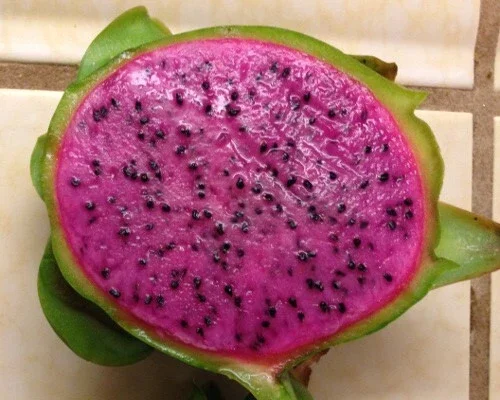
- Exotic Fruit Production: Enjoy the unique and delicious taste of fresh pitaya fruit directly from your garden. ‘Edgar’s Baby’ is known for its sweet, flavorful pulp, perfect for smoothies, desserts, or eating fresh.
- Ornamental Appeal: The vining, cactus-like stems and large, fragrant nocturnal flowers provide significant visual interest. The ‘Edgar’s Baby’ hylocereus hybrid plant adds a dramatic, architectural element to any landscape or container garden.
- Nutrient-Rich Harvests: Dragon fruit is packed with vitamins, minerals, and antioxidants, contributing to a healthy diet. Growing your own ensures you have access to fresh, chemical-free produce.
- Unique Gardening Experience: Cultivating a tropical fruit like dragon fruit is a rewarding and educational experience, allowing you to connect with nature and enjoy the fruits of your labor.
- Adaptable Growth: While preferring warm climates, this pitaya fruit plant can be grown in containers and brought indoors during colder months, making it suitable for a wider range of USDA zones.
- Relatively Low Maintenance: Once established, dragon fruit plants are surprisingly resilient and require less intensive care than many other fruit-bearing plants, especially when you understand how to grow dragon fruit effectively.
Plant Care & Growing Tips
Caring for your dragon fruit live plant, ‘Edgar’s Baby’, is straightforward once you understand its basic needs. As a cactus, it thrives in warm, sunny conditions and well-draining soil. Providing the right environment will ensure vigorous growth and abundant fruit production. For optimal growth, choose a location that receives at least 6-8 hours of direct sunlight per day. In extremely hot climates, some afternoon shade can prevent scorching, but generally, more sun means more fruit. If growing indoors, place it near a south-facing window or under grow lights.
Watering is crucial for your edgars baby dragon fruit. While drought-tolerant, consistent moisture during the growing season (spring through fall) will encourage better fruit development. Allow the top few inches of soil to dry out completely between waterings to prevent root rot. During winter, reduce watering significantly. The ideal soil for this hylocereus hybrid plant is a well-draining mix, such as a cactus or succulent potting mix, amended with compost for nutrients. Good drainage is paramount, whether in a pot or in the ground.
Dragon fruit plants are climbers and will need support as they grow. A sturdy trellis, post, or even a wall can serve as a support structure. Fertilize every 2-3 months during the growing season with a balanced, slow-release fertilizer or one formulated for fruit-bearing plants. Protect your plant from frost, as temperatures below 32°F (0°C) can cause damage. Pruning is essential to manage growth, encourage branching, and optimize fruit production. Remove older, unproductive stems and any damaged or diseased parts. Learning how to grow dragon fruit successfully involves consistent observation and adapting care to your specific climate and plant’s needs.
Size & Details
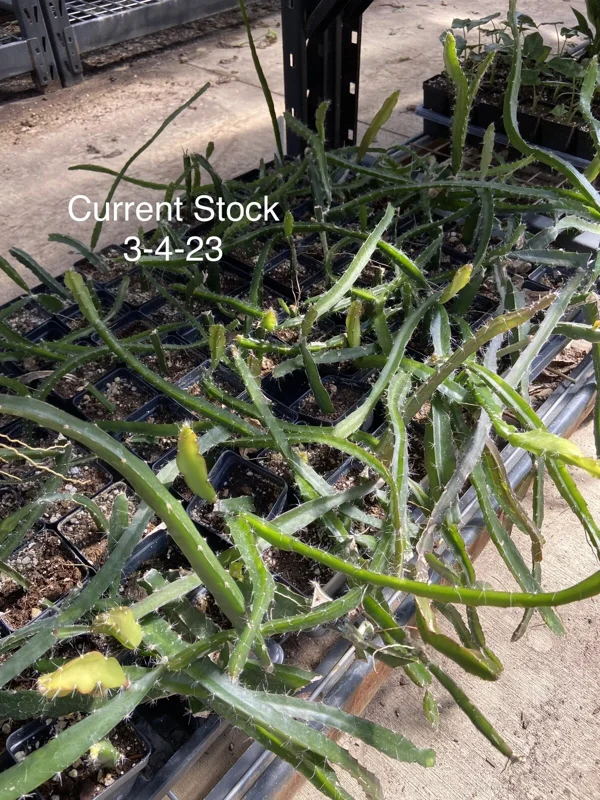
The ‘Edgar’s Baby’ dragon fruit live plant typically ships as a rooted cutting or a small, established plant, ready for transplanting into a larger pot or your garden. While the initial size will be modest, these plants are vigorous growers, with stems that can reach lengths of 10-20 feet or more if given adequate support. They grow as vining cacti, developing aerial roots that help them cling to structures. When mature, the plant forms a sprawling canopy, which is where the flowers and fruit will develop. Expect your plant to begin fruiting within 1-3 years under optimal conditions, with fruit typically ripening from late spring through fall.
This pitaya fruit plant can be grown in containers indefinitely, making it a great choice for patios or smaller spaces, provided the container is large enough (at least 15-20 gallons for a mature plant) and offers excellent drainage. In-ground planting is suitable for USDA Zones 9-11, where temperatures rarely drop below freezing. The plant’s growth rate is moderate to fast, allowing you to see significant development within a single growing season. Each fruit is typically softball-sized, with a sweet, juicy interior.
Frequently Asked Questions
- Q: How big does this plant get? A: A mature dragon fruit live plant can have stems reaching 10-20 feet or more in length. It’s a vining cactus that requires support to grow upright and spread its canopy.
- Q: Is this an indoor or outdoor plant? A: While it thrives outdoors in warm climates (USDA Zones 9-11), the ‘Edgar’s Baby’ edgars baby dragon fruit can be grown indoors in a large container near a sunny window or with grow lights, especially in colder regions.
- Q: How much sunlight does it need? A: This hylocereus hybrid plant requires at least 6-8 hours of direct sunlight per day for best fruit production. In very hot climates, some afternoon shade can be beneficial.
- Q: Is this plant easy to care for? A: Yes, once established, dragon fruit plants are relatively low-maintenance, especially for a fruit-bearing plant. They need good drainage, sun, and support.
- Q: What condition will it arrive in? A: Your dragon fruit live plant will arrive as a healthy, rooted cutting or a young plant, carefully packaged to ensure its safe journey to your home.
- Q: How long until it blooms and fruits? A: Under ideal conditions, you can expect your ‘Edgar’s Baby’ dragon fruit plant to start blooming and fruiting within 1-3 years of planting.
- Q: What’s the best way to support its growth? A: Dragon fruit is a climbing cactus. Provide a sturdy trellis, post, or columnar support structure for the plant to climb on, allowing its branches to cascade over the top.
- Q: Can I grow this pitaya fruit plant in a pot? A: Absolutely! Dragon fruit thrives in large containers (15-20 gallons or larger) with excellent drainage. This allows you to move it indoors during cold weather.
- Q: Is ‘Edgar’s Baby’ self-pollinating? A: Yes, ‘Edgar’s Baby’ is a self-pollinating variety, meaning you can get fruit from a single plant. However, cross-pollination can often lead to increased fruit yields.
- Q: What is the ideal soil for this plant? A: A well-draining soil mix is crucial. A cactus or succulent potting mix blended with some organic compost is ideal for the dragon fruit live plant.
Be the first to review “Dragon Fruit ‘Edgar’s Baby’ Live Plant – Hylocereus Hybrid Pitaya”
-
USDA Hardiness Zone
USDA zones 9-11 -
Soil Type
Well-draining sandy loam or cactus mix -
Sunlight Exposure
Full sun to partial shade -
Expected Planting Period
Year-round in warm climates; spring to summer elsewhere
People Also Viewd


Sold 134 products
Original price was: $3,536.00.$23.99Current price is: $23.99.

Sold 132 products
Original price was: $27.00.$24.00Current price is: $24.00.

Sold 132 products
Original price was: $89.99.$64.99Current price is: $64.99.

Sold 125 products
Original price was: $86.99.$66.99Current price is: $66.99.

Flower Bulbs
3 Cranesbill Wild Geranium Organic Maculatums Bare Roots | Wildflower for Outdoor Garden
Sold 116 products
Original price was: $21.99.$9.99Current price is: $9.99.

Sold 114 products
Original price was: $28.99.$17.99Current price is: $17.99.

Sold 110 products
Original price was: $63.99.$28.99Current price is: $28.99.
Sold 108 products
Original price was: $28.99.$17.99Current price is: $17.99.RELATED posts
How to Grow Arbequina Olive Trees: The Ultimate Guide to Your Own Olive Grove
Arbequina Olive Tree (Olea europaea ‘Arbequina’) – the ultimate Mediterranean plant that brings a touch [...]
Oct
Growing Garlic in Containers This Fall: A Complete Guide for Beginners
If you’ve ever wanted to pop fresh, aromatic garlic cloves straight from your own patio [...]
Sep
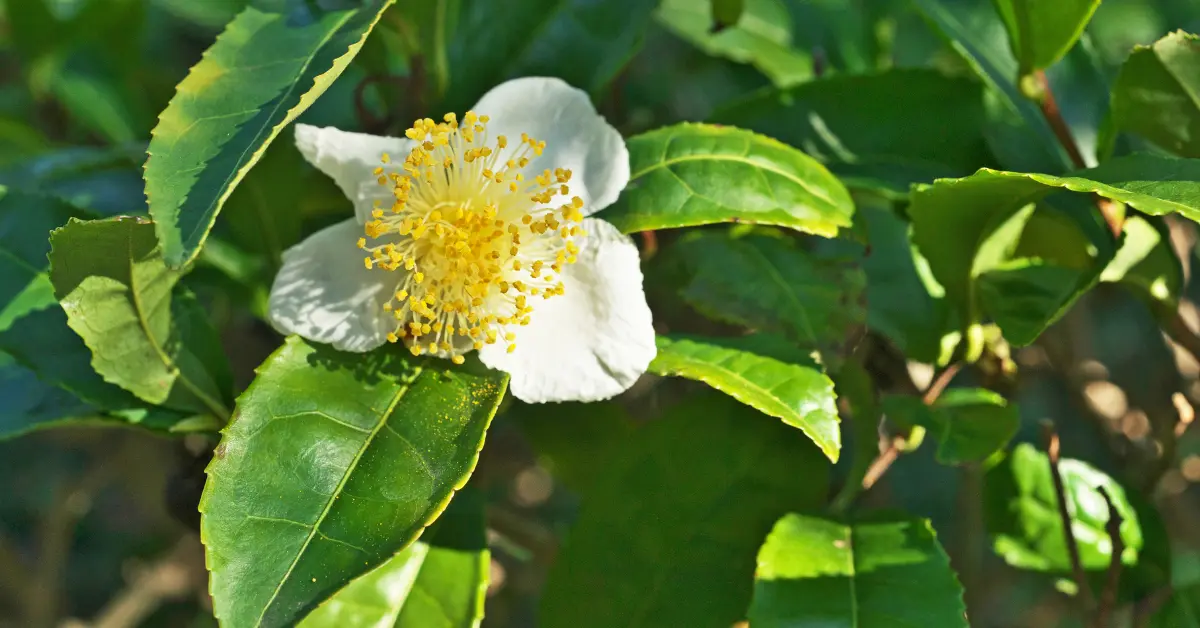
Growing Camellia Sinensis (Tea Plants) in Containers: A Complete Guide for Beginners
If you’ve ever wanted to sip a steaming, homegrown cup of fresh green, black, or [...]
Aug

6 Best Shrubs to Plant in August You Must Try
Have you ever walked through a nursery late in the summer, admired the vibrant shrubs [...]
Aug
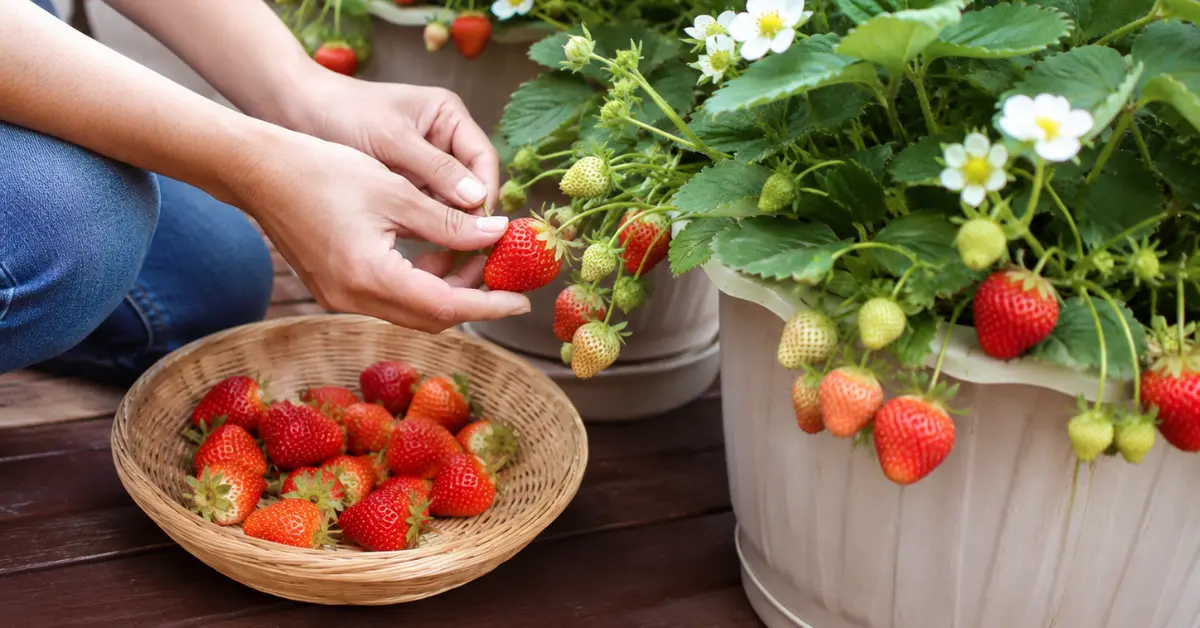
Growing Everbearing Strawberries in Containers: A Complete Guide for Beginners
Want to grow sweet, fresh strawberries but do not have a large garden? Everbearing strawberries [...]
Aug
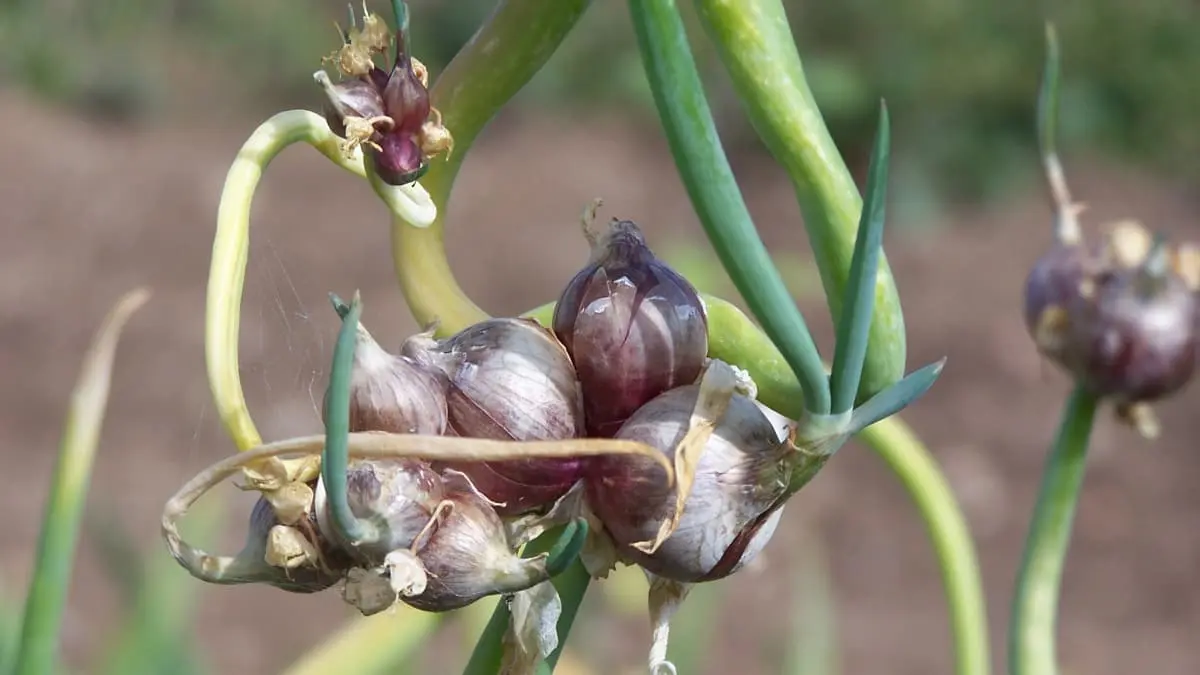
Growing Egyptian Walking Onions in Containers: A Complete Guide for Beginners
If you’re looking for a hardy, no-fuss perennial onion that keeps on giving year after [...]
Jul
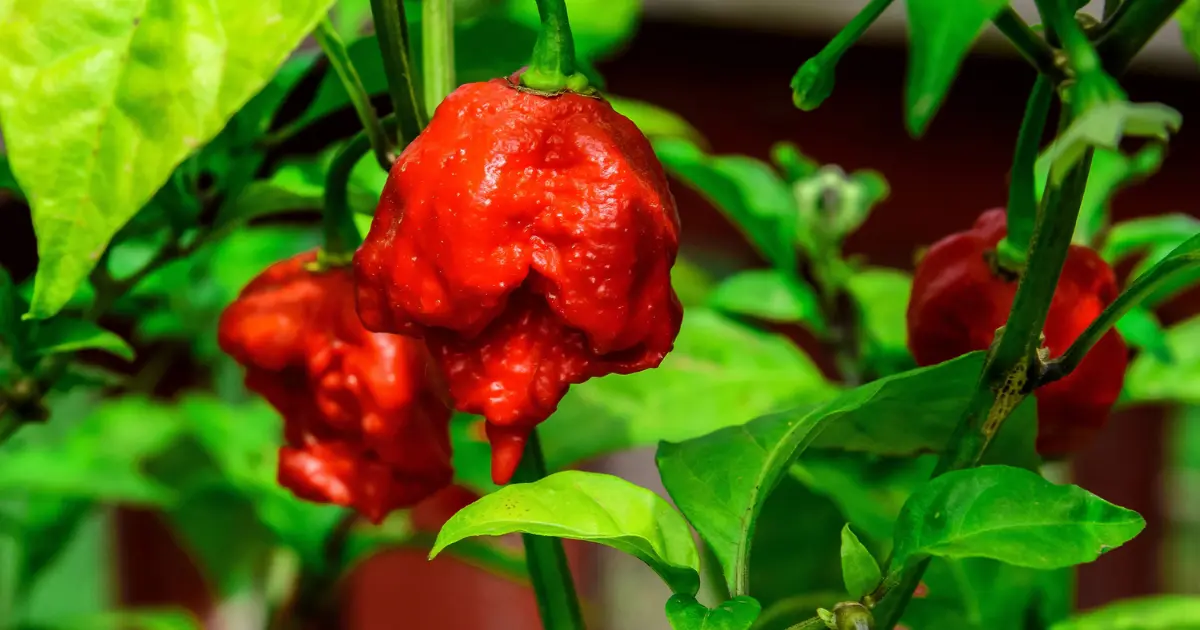
Growing Carolina Reaper Peppers in Pots: A Complete Guide for Beginners
If you’ve ever wanted to add some serious, record-breaking heat to your home cooking, you’ve [...]
May
Growing Curry Leaf Plant in Pots: A Complete Guide for Beginners
If you’re a fan of authentic South Asian cuisine, you already know that nothing compares [...]
May

Reviews
There are no reviews yet.