
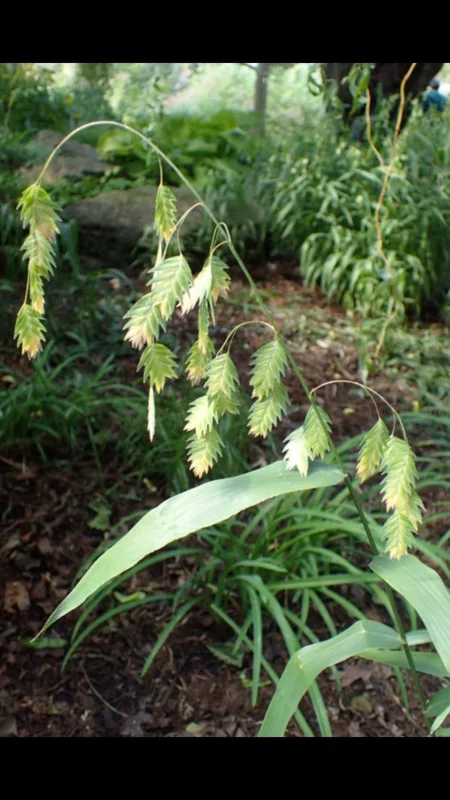
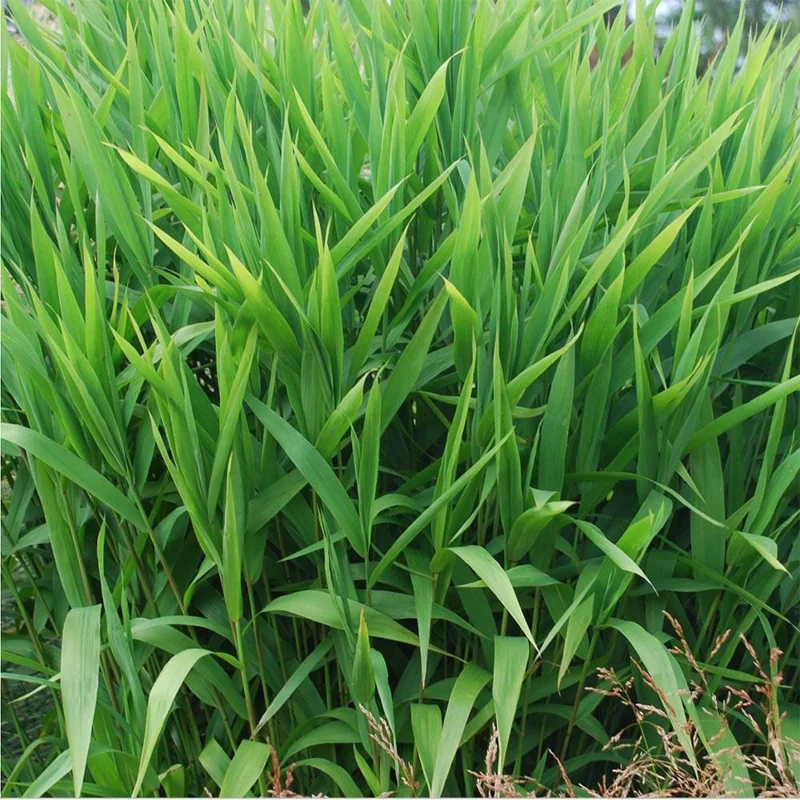
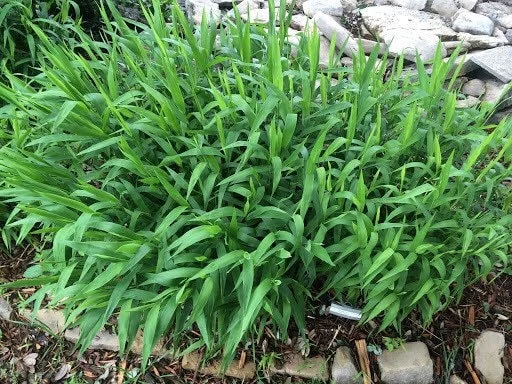
Inland Sea Oats Live Plant – 1 Gallon Pot – Outdoor Ornamental Grass
Original price was: $85.98.$42.99Current price is: $42.99.
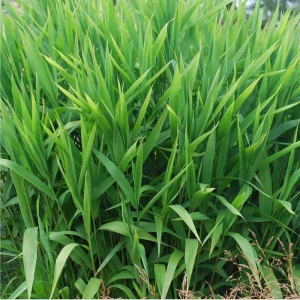
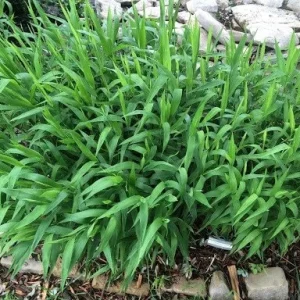
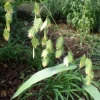
Add unique texture and movement to your landscape with this Inland Sea Oats live plant (Chasmanthium latifolium) in a 1 gallon pot. Perfect for shady areas, this ornamental grass features distinctive, flat seed heads that shimmer in the breeze.
Estimated arrival
Oct 12
Oct 17 - Oct 19
Oct 22 - Oct 26

Reasonable Price
We offer reasonable price

Support 24/7
Contact us 24 hrs a day

100% Money Back
You've 30 days to Return

Payment Secure
100% secure payment
Overview
Introduce the captivating beauty of nature into your garden with a robust Inland Sea Oats live plant. Also known by its botanical name, Chasmanthium latifolium, this distinctive ornamental grass is a true gem for any landscape. Renowned for its unique, flattened, oat-like seed heads that dangle gracefully from slender stems, it creates a mesmerizing visual and auditory display as they rustle in the breeze. This particular offering is for a healthy, established plant in a 1 gallon container, ready to be transplanted into your garden or a larger pot. Inland Sea Oats are a fantastic choice for adding texture, movement, and year-round interest, especially in areas where other plants might struggle. Its striking appearance and adaptability make it a favorite among gardeners seeking a low-maintenance yet high-impact addition.
This native perennial grass brings an elegant, untamed beauty to various garden settings. Whether you’re aiming for a naturalistic, woodland, or even a more formal design, the Chasmanthium latifolium plant fits seamlessly. It’s particularly valued for its ability to thrive in shadier conditions, making it an excellent solution for those tricky spots under trees or on the north side of buildings. Beyond its aesthetic appeal, Inland Sea Oats also provide valuable habitat and food for local wildlife, contributing to a healthy ecosystem in your backyard.
Key Benefits
The Inland Sea Oats live plant offers a multitude of advantages for the discerning gardener, extending beyond its undeniable beauty. Its versatility and resilience make it a smart choice for a wide range of landscapes.
- Unique Ornamental Appeal: The most striking feature of Inland Sea Oats is its distinctive, flat, oat-like seed heads. These evolve from green to bronze in the fall, providing extended seasonal interest and a beautiful contrast against other foliage. They also make excellent additions to cut flower arrangements, fresh or dried.
- Shade Tolerance: Unlike many ornamental grasses that demand full sun, Chasmanthium latifolium plant thrives in partial to full shade. This makes it an invaluable plant for brightening up dimly lit areas of your garden where other flowering plants or sun-loving grasses might falter.
- Low Maintenance: Once established, this grass requires minimal care. It’s drought-tolerant and generally pest and disease-free, making it an ideal choice for gardeners seeking beauty without constant upkeep. This contributes to its reputation as an excellent native grass for landscaping.
- Wildlife Friendly: The seed heads provide a food source for birds, especially in winter, while the foliage offers shelter. This helps attract beneficial wildlife to your garden, enhancing biodiversity.
- Erosion Control: Its fibrous root system helps stabilize soil, making it a good choice for slopes or areas prone to erosion, particularly in woodland settings.
- Year-Round Interest: From its fresh green foliage in spring and summer to the copper-bronze seed heads in fall and winter, Inland Sea Oats provide visual appeal throughout the seasons.
- Naturalistic Aesthetic: It contributes to a natural, informal garden style, blending beautifully with other native plants and creating a serene, wild feel.
Plant Care & Growing Tips
Caring for your Inland Sea Oats live plant is straightforward, making it an excellent choice for both novice and experienced gardeners. This hardy perennial is quite adaptable, but a few key practices will ensure it flourishes in your landscape. When selecting a site, remember its preference for shade. While it can tolerate some sun, especially in cooler climates, too much direct sunlight can scorch its leaves. Partial shade, meaning 3-6 hours of direct sun, or full shade, which is less than 3 hours of direct sun, is ideal. It’s particularly well-suited for understory planting beneath deciduous trees, where it receives dappled light.
Regarding watering, Inland Sea Oats prefer consistently moist soil, especially during their establishment period. However, once mature, they are quite drought-tolerant and can withstand periods of dryness. Water deeply when the top inch or two of soil feels dry to the touch, and reduce frequency during cooler months. The optimal soil type for Chasmanthium latifolium plant is well-draining, fertile soil, rich in organic matter. It can tolerate a range of soil types, including clay, as long as it doesn’t remain waterlogged. Amending heavy clay soils with compost before planting will greatly improve drainage and root health. Fertilization is rarely necessary; if your soil is poor, a light application of a balanced, slow-release granular fertilizer in early spring can be beneficial, but avoid over-fertilizing, which can lead to leggy growth.
This plant is typically hardy in USDA zones 3-9, meaning it can withstand a broad range of winter temperatures. In colder zones, the foliage will die back to the ground and re-emerge in spring. In warmer zones, it may remain semi-evergreen. Pruning is simple: cut back the previous year’s foliage to about 2-3 inches from the ground in late winter or early spring before new growth appears. This helps rejuvenate the plant and maintain a tidy appearance. Watch out for self-seeding, as Inland Sea Oats can spread readily. If you wish to control its spread, remove the seed heads before they mature and drop their seeds. Following these sea oats care tips will help you enjoy a vibrant and healthy display for years to come.
Size & Details
This offering is for one healthy Inland Sea Oats live plant, shipped in a 1 gallon nursery container. The plant arrives well-rooted and ready for immediate transplanting into your garden. At maturity, this ornamental grass typically reaches a height of 2 to 4 feet with a similar spread, forming attractive clumps. Its growth rate is moderate, establishing itself within the first year and reaching its mature size over a few seasons. The distinctive seed heads begin to form in late summer, transitioning from green to a beautiful coppery-bronze by fall and often persisting through winter, providing considerable visual interest in the dormant season. The plant’s overall form is upright and arching, creating a graceful, flowing effect in the landscape. It’s an excellent choice for borders, mass plantings, or as a specimen plant, particularly in shaded garden areas.
Frequently Asked Questions
- Q: How big does this plant get? A: A: The Inland Sea Oats live plant typically grows to a mature height of 2 to 4 feet tall and spreads about 2 to 3 feet wide, forming an attractive clump. Its size makes it suitable for various landscape applications.
- Q: Is this an indoor or outdoor plant? A: This is primarily an outdoor plant, excellent for garden beds, borders, and naturalized areas. While it could theoretically be grown in a large container indoors with proper light and care, it truly thrives outdoors.
- Q: How much sunlight does it need? A: Chasmanthium latifolium plant prefers partial to full shade. It can tolerate some morning sun, but too much intense afternoon sun, especially in hot climates, can cause the foliage to scorch.
- Q: Is this plant easy to care for? A: Yes, Inland Sea Oats are known for their low maintenance requirements. Once established, they are drought-tolerant and generally resistant to pests and diseases, making them a great choice for beginners or busy gardeners.
- Q: What condition will it arrive in? A: Your Inland Sea Oats live plant will arrive well-rooted and healthy, securely packaged in a 1 gallon nursery pot, ready for planting. We take great care to ensure safe transit.
- Q: When is the best time to plant Inland Sea Oats? A: The best time to plant is in spring or early fall, allowing the plant to establish its root system before extreme summer heat or winter cold. However, container-grown plants can be planted throughout the growing season.
- Q: Will it survive winter in my zone? A: Inland Sea Oats are hardy in USDA Zones 3-9. This means it can withstand cold winter temperatures in most parts of the US. In colder zones, the foliage will die back and return in spring.
- Q: Can I use this as an ornamental grass for shade? A: Absolutely! Inland Sea Oats are one of the best ornamental grasses available for shady areas, bringing texture and movement to parts of the garden where other grasses might struggle. It’s a fantastic ornamental grass for shade.
- Q: How can I control its spread? A: Inland Sea Oats can self-seed. To control its spread, simply cut off the seed heads in late fall before they drop their seeds. You can also divide the clumps every few years to manage their size.
- Q: What are some good sea oats care tips for getting started? A: When planting, ensure well-draining soil, water regularly until established, and choose a location with partial to full shade. Cut back old foliage in late winter for fresh spring growth.
Be the first to review “Inland Sea Oats Live Plant – 1 Gallon Pot – Outdoor Ornamental Grass”
-
USDA Hardiness Zone
USDA zones 3-9 -
Soil Type
Well-draining, fertile soil -
Sunlight Exposure
Partial to full shade -
Expected Planting Period
Spring to early fall
People Also Viewd
Sold 134 products
Original price was: $3,536.00.$23.99Current price is: $23.99.
Sold 132 products
Original price was: $27.00.$24.00Current price is: $24.00.
Sold 132 products
Original price was: $89.99.$64.99Current price is: $64.99.

Sold 125 products
Original price was: $86.99.$66.99Current price is: $66.99.
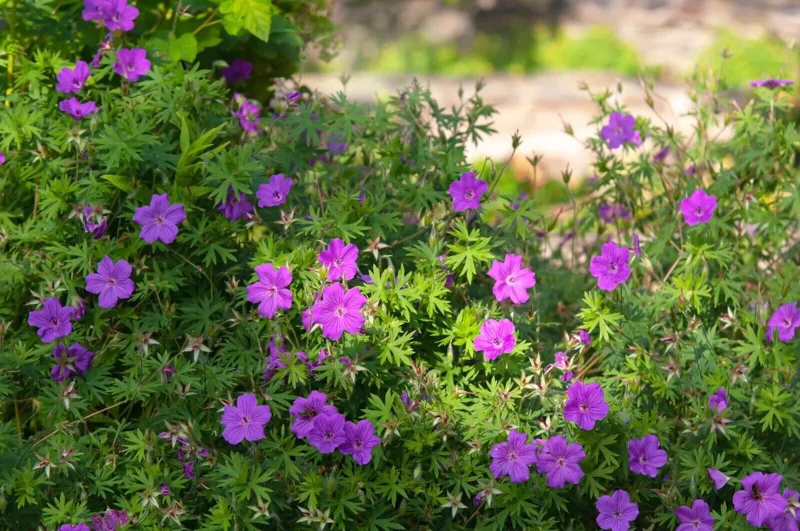
Flower Bulbs
3 Cranesbill Wild Geranium Organic Maculatums Bare Roots | Wildflower for Outdoor Garden
Sold 116 products
Original price was: $21.99.$9.99Current price is: $9.99.
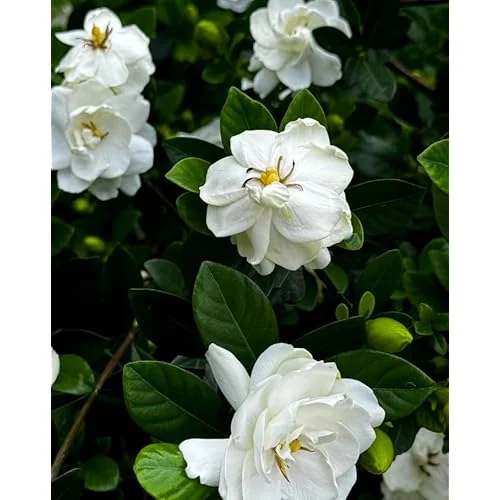
Sold 114 products
Original price was: $28.99.$17.99Current price is: $17.99.
Sold 110 products
Original price was: $63.99.$28.99Current price is: $28.99.
Sold 108 products
Original price was: $28.99.$17.99Current price is: $17.99.RELATED posts
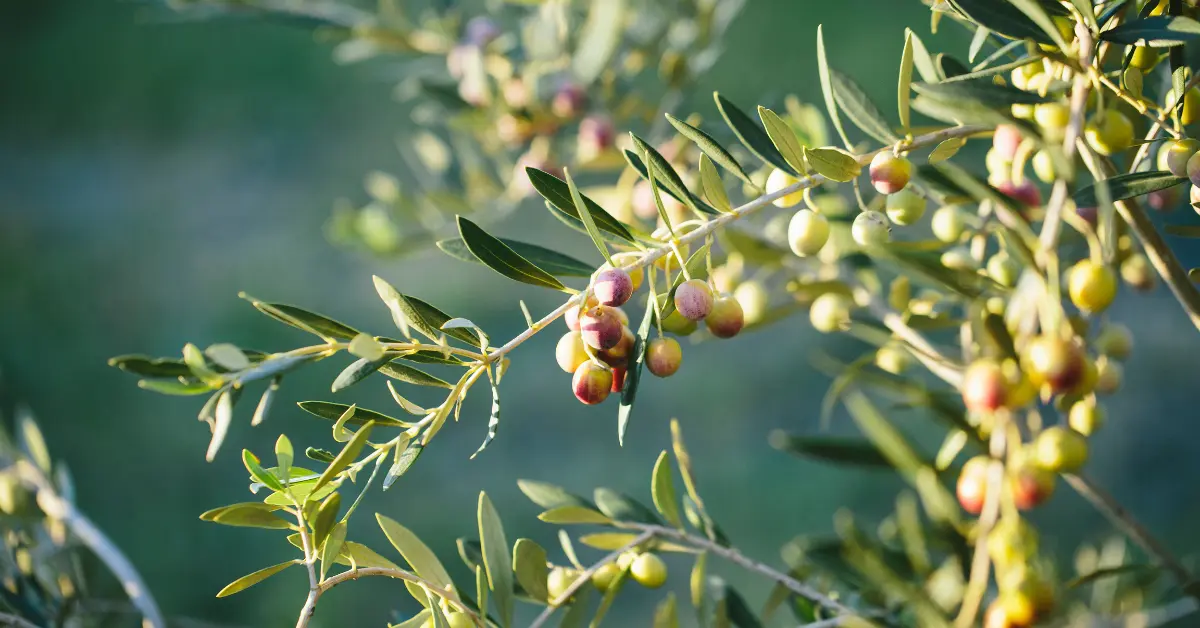
How to Grow Arbequina Olive Trees: The Ultimate Guide to Your Own Olive Grove
Arbequina Olive Tree (Olea europaea ‘Arbequina’) – the ultimate Mediterranean plant that brings a touch [...]
Oct
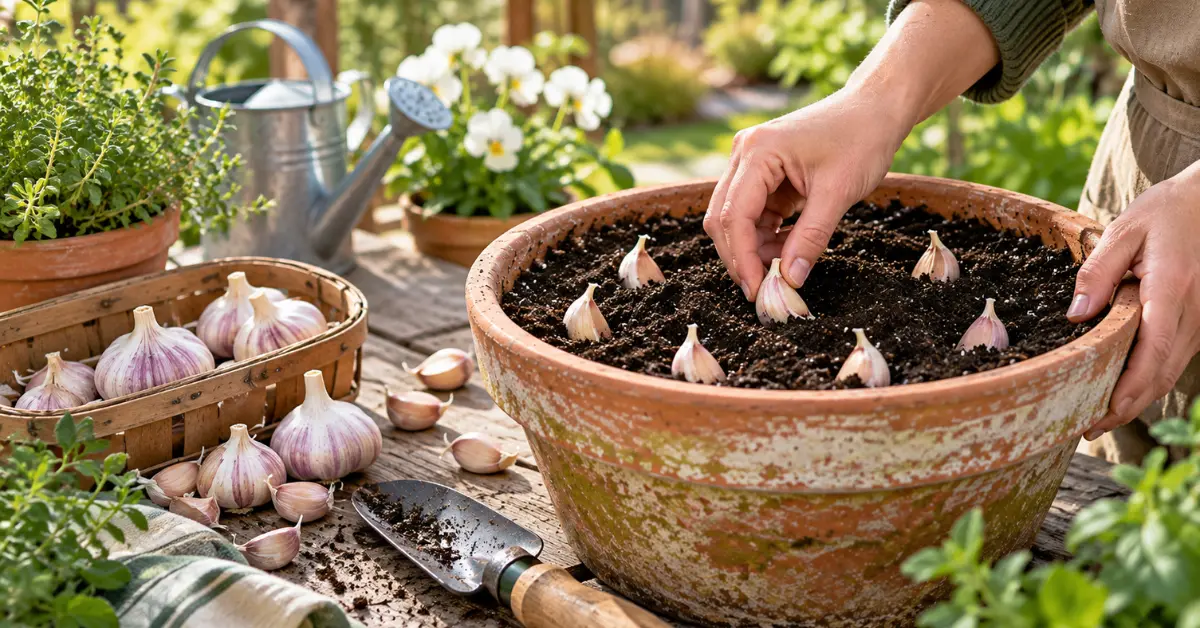
Growing Garlic in Containers This Fall: A Complete Guide for Beginners
If you’ve ever wanted to pop fresh, aromatic garlic cloves straight from your own patio [...]
Sep
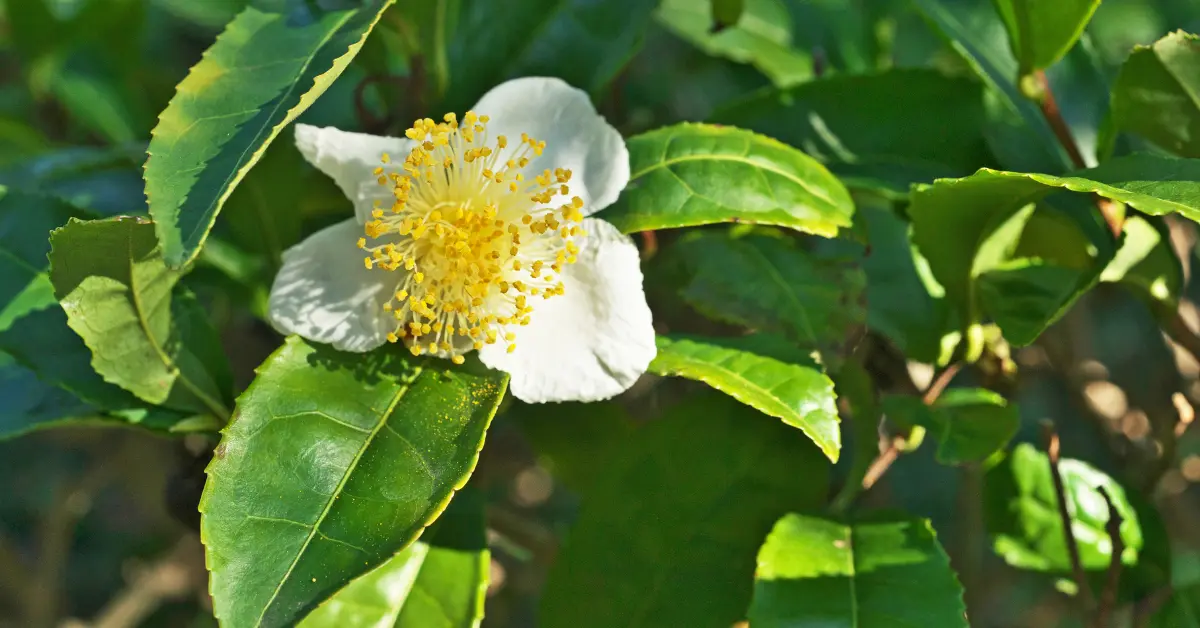
Growing Camellia Sinensis (Tea Plants) in Containers: A Complete Guide for Beginners
If you’ve ever wanted to sip a steaming, homegrown cup of fresh green, black, or [...]
Aug
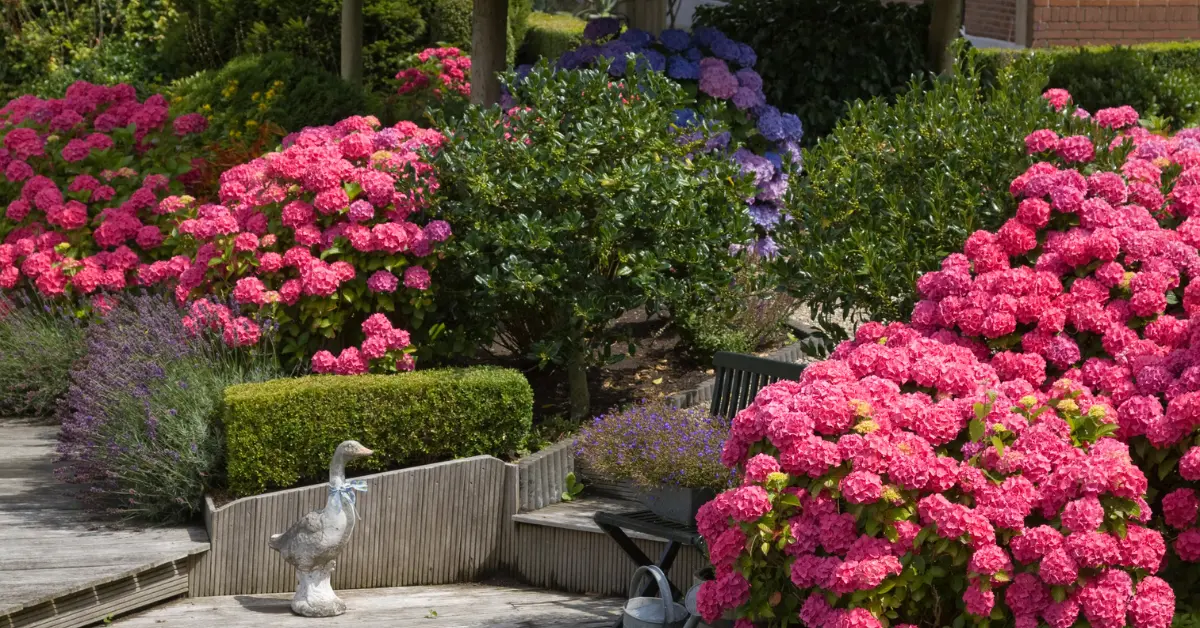
6 Best Shrubs to Plant in August You Must Try
Have you ever walked through a nursery late in the summer, admired the vibrant shrubs [...]
Aug
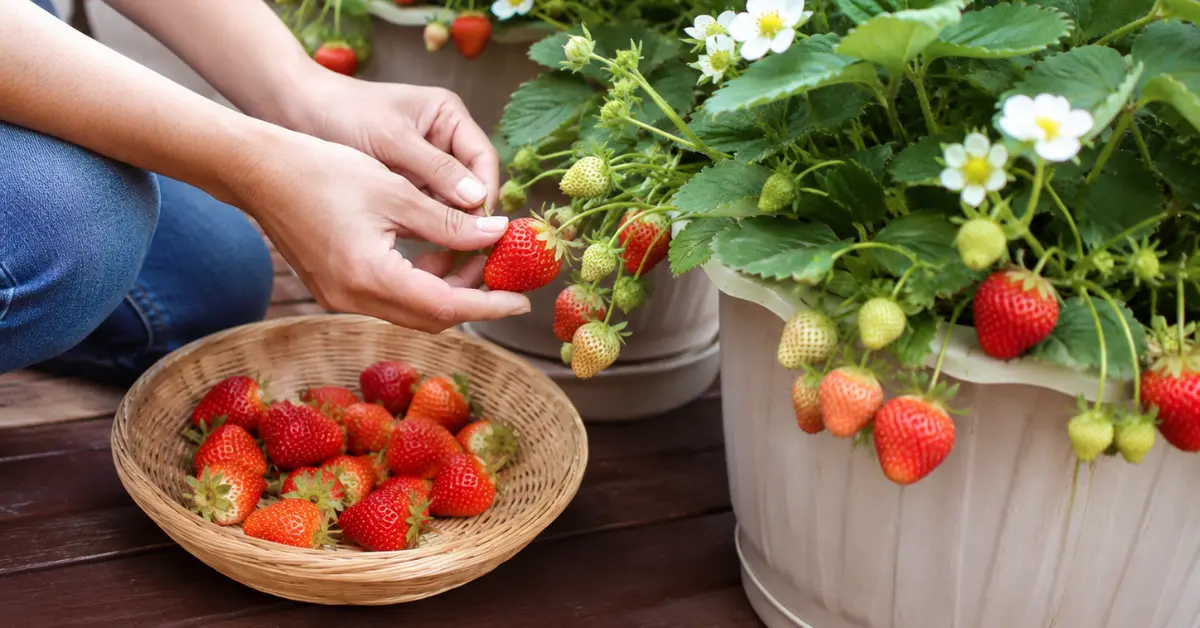
Growing Everbearing Strawberries in Containers: A Complete Guide for Beginners
Want to grow sweet, fresh strawberries but do not have a large garden? Everbearing strawberries [...]
Aug
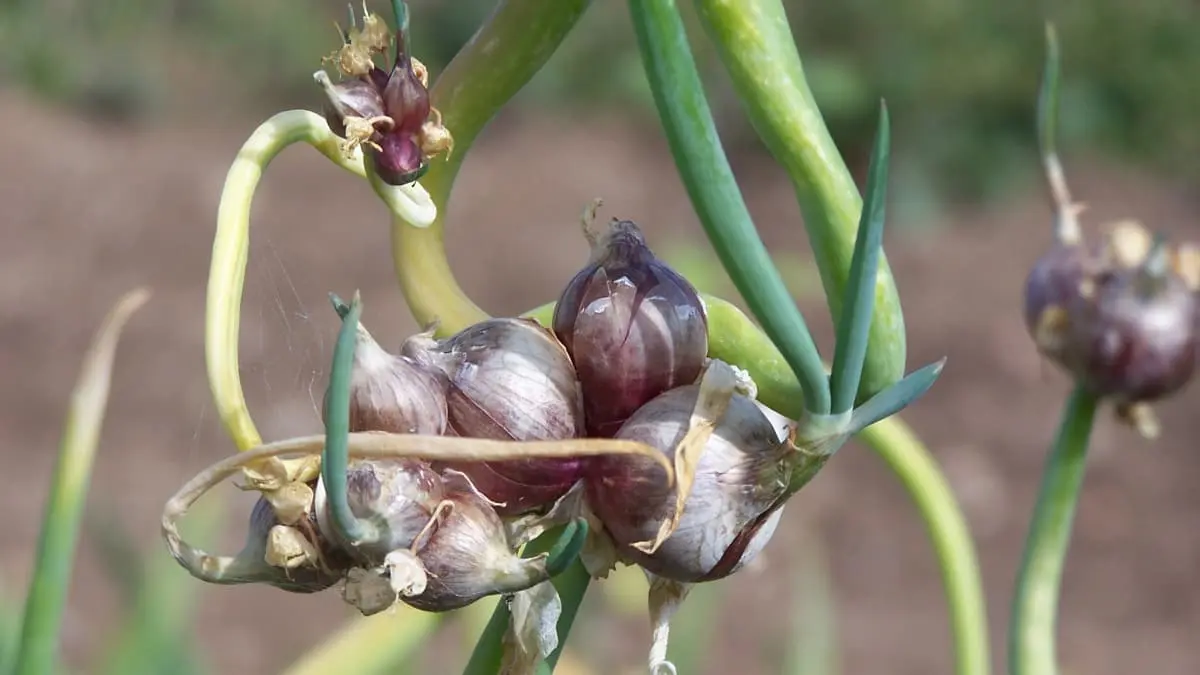
Growing Egyptian Walking Onions in Containers: A Complete Guide for Beginners
If you’re looking for a hardy, no-fuss perennial onion that keeps on giving year after [...]
Jul
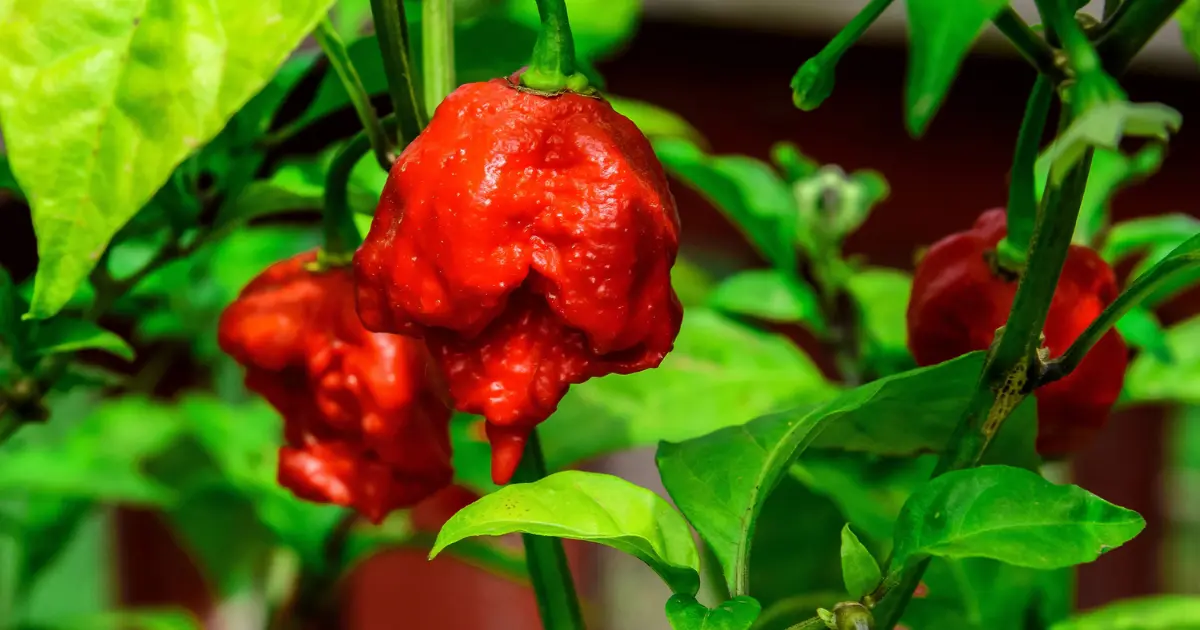
Growing Carolina Reaper Peppers in Pots: A Complete Guide for Beginners
If you’ve ever wanted to add some serious, record-breaking heat to your home cooking, you’ve [...]
May
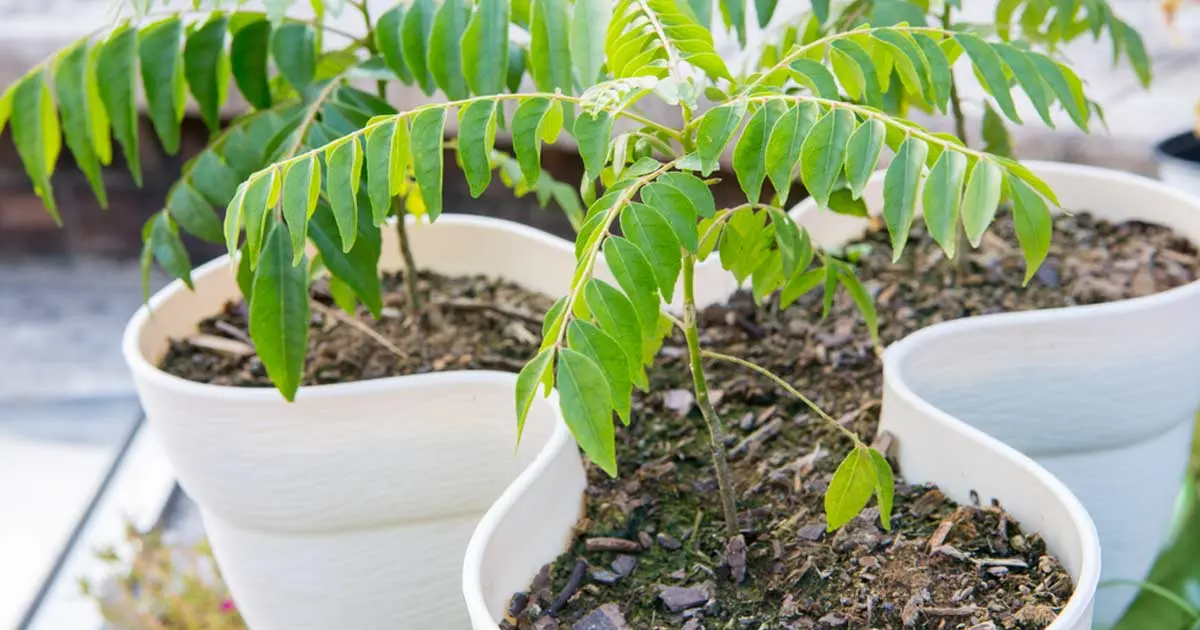
Growing Curry Leaf Plant in Pots: A Complete Guide for Beginners
If you’re a fan of authentic South Asian cuisine, you already know that nothing compares [...]
May

Reviews
There are no reviews yet.