
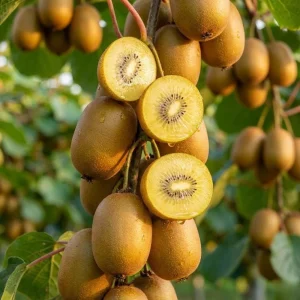
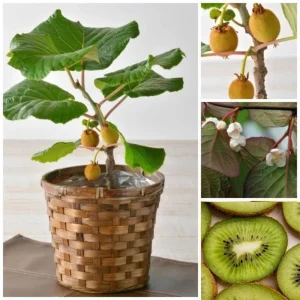
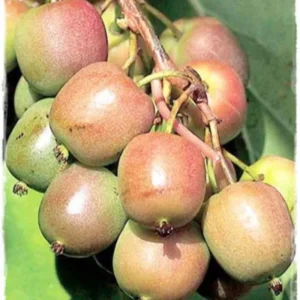
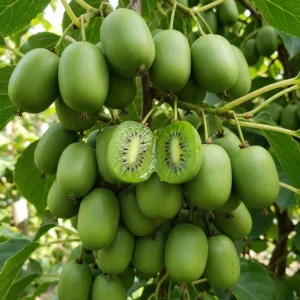
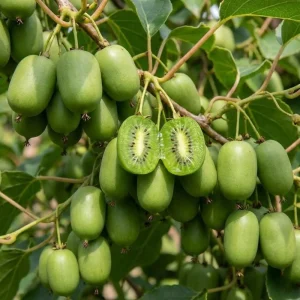
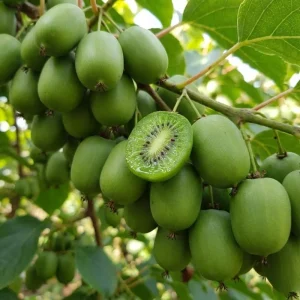
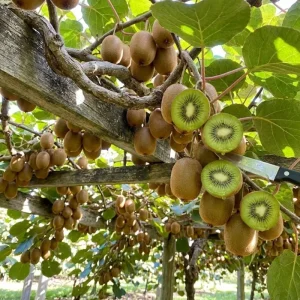
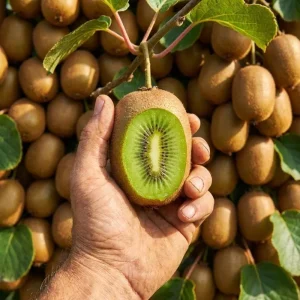
Kiwi Plant Live 6-12 Inch Tall – Hardy Fruit Vine for Trellis & Backyard
Original price was: $70.99.$30.24Current price is: $30.24.
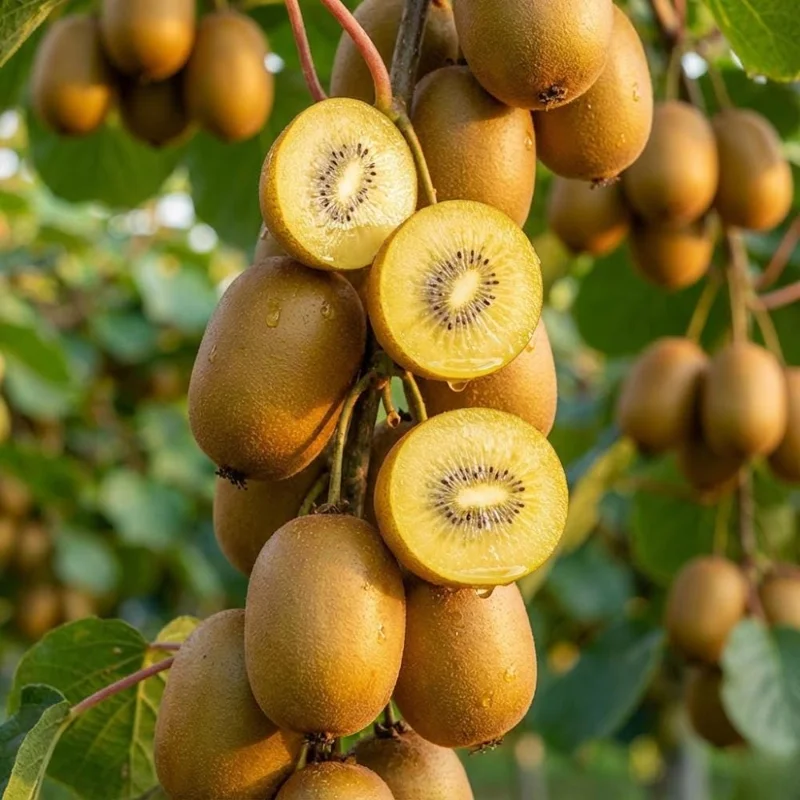
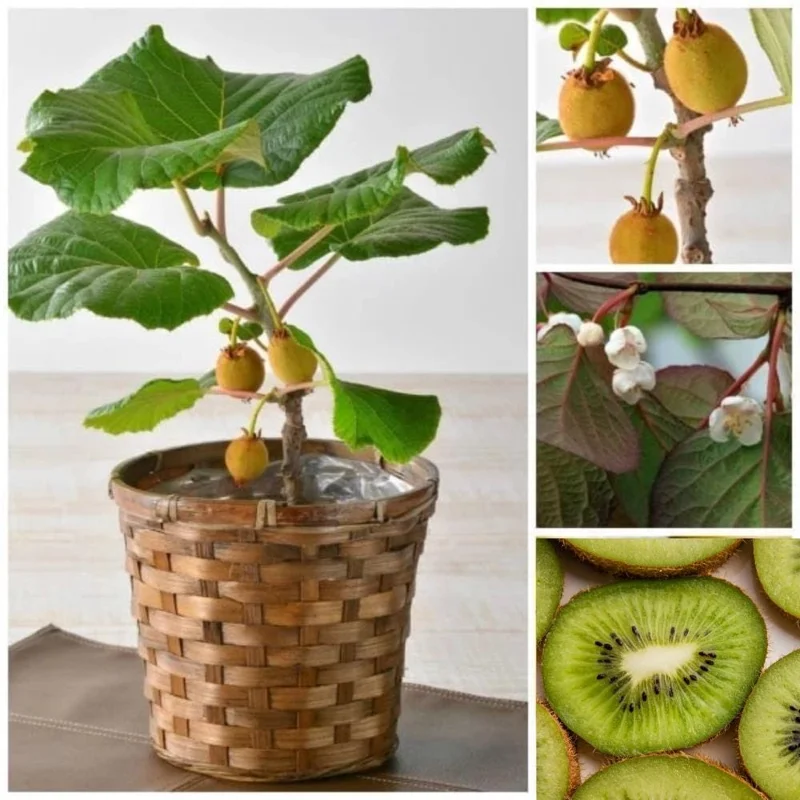
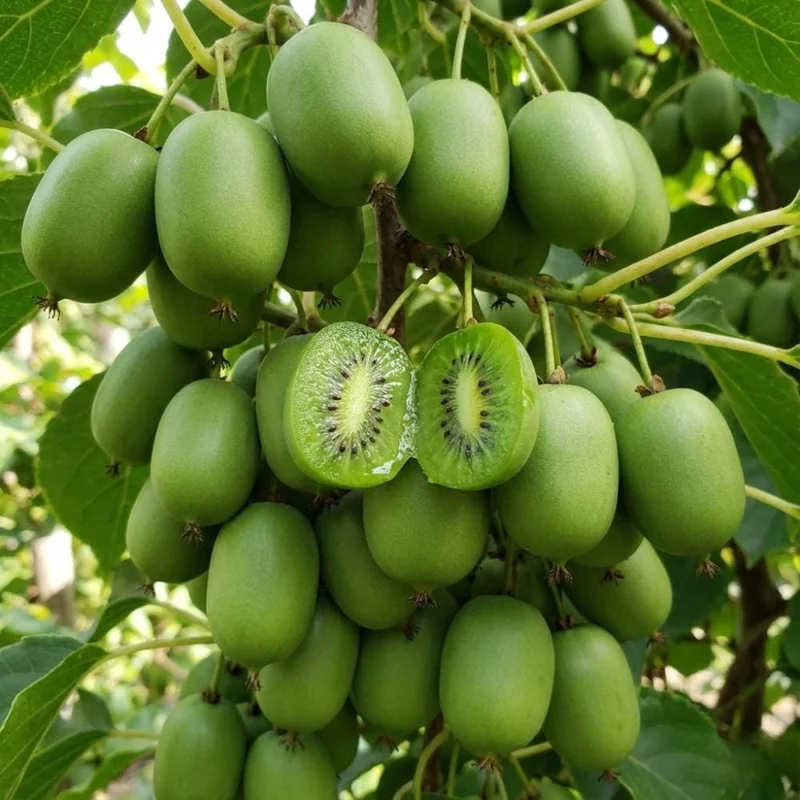
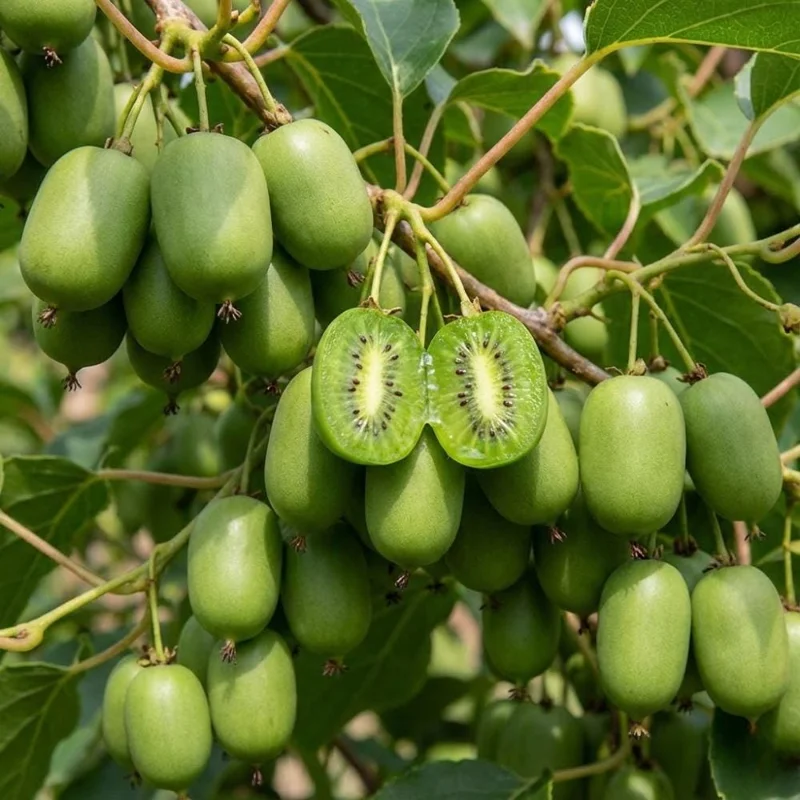
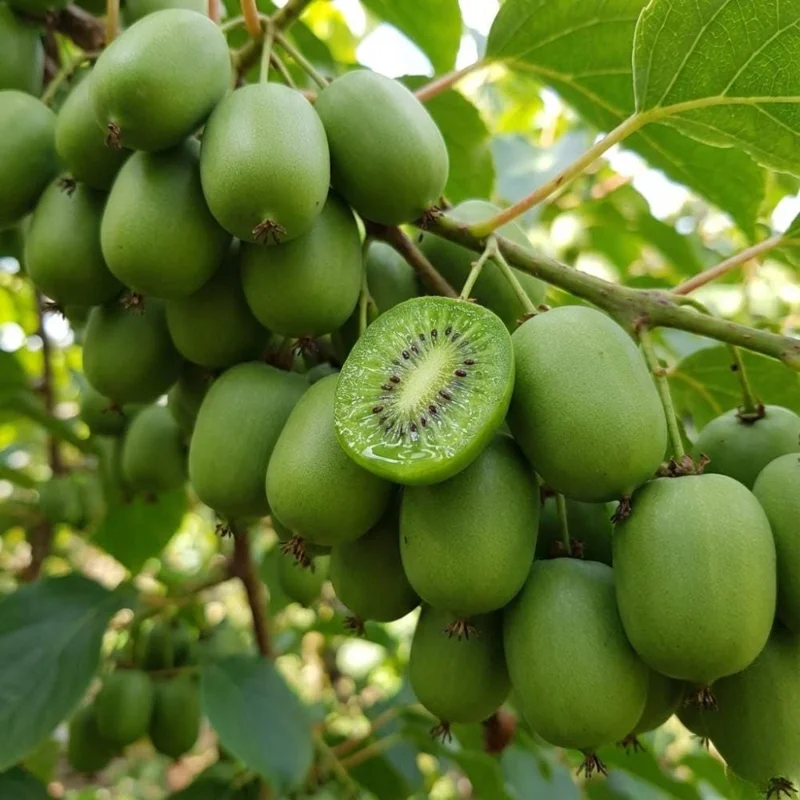
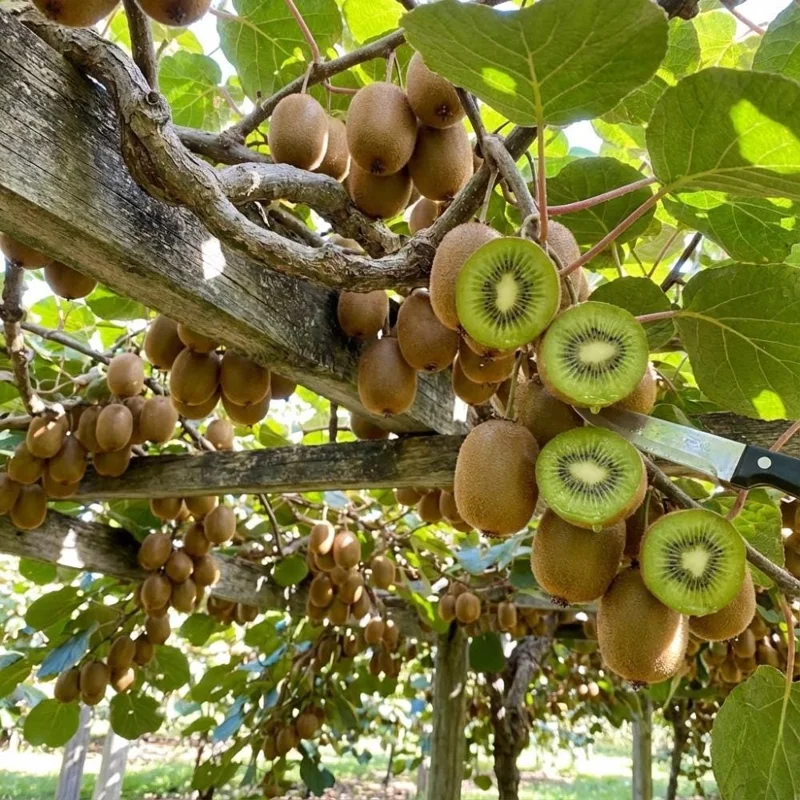
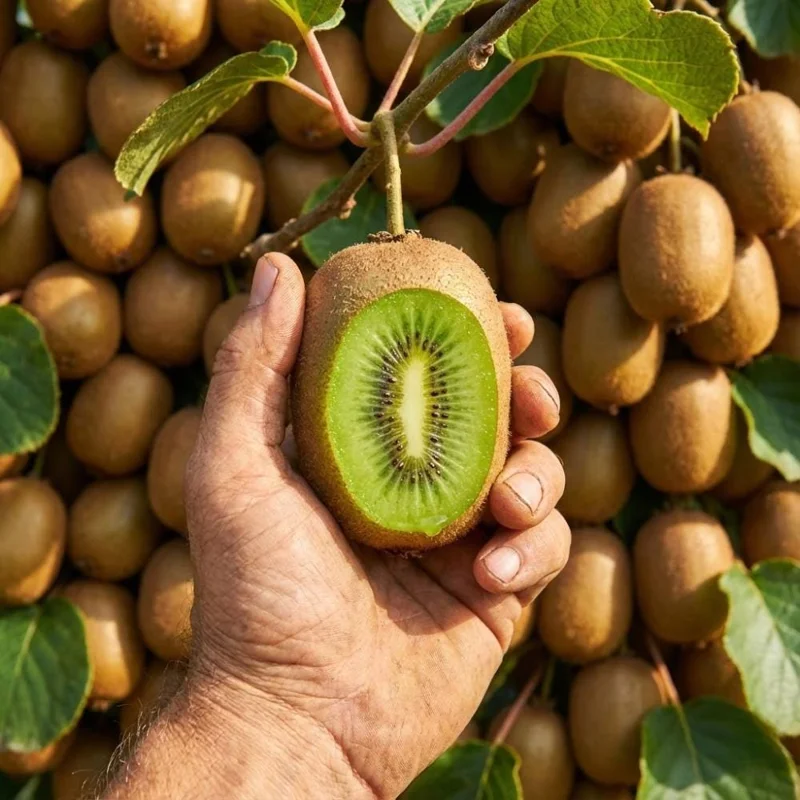
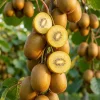
Cultivate fresh, homegrown kiwi fruit with this kiwi plant live, standing 6–12 inches tall. This hardy kiwi vine is ideal for training on trellises, fences, or arbors, bringing delicious fruit and lush foliage to your backyard garden. Enjoy the satisfaction of growing kiwi fruit right at home.
Estimated arrival
Sep 18
Sep 23 - Sep 25
Sep 28 - Oct 02

Reasonable Price
We offer reasonable price

Support 24/7
Contact us 24 hrs a day

100% Money Back
You've 30 days to Return

Payment Secure
100% secure payment
Overview
Embark on your journey to cultivate your own delicious fruit with this vibrant kiwi plant live. Arriving at a healthy 6–12 inches tall, this young plant is ready to be established in your garden. Known for its vigorous climbing habit, the kiwi vine is not only a producer of sweet, tangy fruit but also an attractive addition to any landscape. Ideal for creating green screens or adding vertical interest, this plant offers both aesthetic appeal and a bountiful harvest. Whether you’re a seasoned gardener or just starting out, a kiwi plant live provides a rewarding experience as you watch it mature and bear fruit, adding a unique and flavorful dimension to your home garden.
This particular kiwi fruit plant is selected for its hardiness, ensuring it can thrive in a range of moderate climates. It’s an excellent choice for those looking to add an edible perennial to their outdoor space. With proper care and support, this small plant will transform into a robust vine, capable of producing abundant fruit for years to come. Experience the joy of harvesting your own fresh kiwi, a delightful treat straight from your backyard.
Key Benefits
Adding a kiwi plant to your garden provides numerous advantages, from fresh fruit to beautiful landscaping. Here are some of the key benefits:
- Homegrown Delicious Fruit: Enjoy the unparalleled taste of fresh, ripe kiwi fruit straight from your garden. Homegrown kiwis are often sweeter and more flavorful than store-bought varieties, offering a truly superior culinary experience. This kiwi fruit plant will become a highlight of your garden.
- Attractive Vertical Garden Element: The vigorous climbing nature of this hardy kiwi vine makes it perfect for trellises, arbors, and fences. It provides excellent coverage and creates a lush, green backdrop, enhancing the beauty and privacy of your outdoor living space.
- Rewarding Gardening Experience: Witnessing the growth of your kiwi plant live from a young seedling to a fruit-bearing vine is incredibly satisfying. It offers a tangible connection to nature and the food you consume, fostering a deeper appreciation for gardening.
- Potential for Abundant Harvests: Once established, a healthy kiwi vine can produce a significant amount of fruit, providing a steady supply for snacking, desserts, and preserves. This makes growing kiwi fruit a highly productive endeavor.
- Good Source of Vitamins: Kiwi fruit is packed with Vitamin C and K, as well as fiber and antioxidants, contributing to a healthy diet. Having them readily available in your garden encourages healthier eating habits.
- Enhances Biodiversity: Planting fruit-bearing vines attracts pollinators and beneficial insects to your garden, contributing to a healthier and more diverse ecosystem. This kiwi plant care helps support local wildlife.
- Long-Term Investment: A well-cared-for kiwi vine can produce fruit for many years, making it a sustainable and long-term investment in your home and diet.
Plant Care & Growing Tips
Successful kiwi plant care begins with proper planting and consistent attention. Your kiwi plant live thrives in a location that receives full sun, ideally 6-8 hours of direct sunlight per day. Good air circulation is also important to prevent fungal diseases. When planting, ensure your soil is well-draining and rich in organic matter. A slightly acidic to neutral pH (6.0-7.0) is generally preferred. Amend heavy clay soils with compost or peat moss to improve drainage and aeration. Dig a hole twice as wide as the root ball and just as deep, gently spreading the roots before backfilling with soil.
Watering is crucial, especially during the establishment phase and dry spells. Keep the soil consistently moist but never waterlogged. Deep watering encourages the development of a strong root system. Fertilize in early spring with a balanced slow-release fertilizer, following product instructions. Provide a sturdy support structure like a trellis, arbor, or strong fence immediately upon planting, as the vine will need it for climbing. Pruning is essential for fruit production and managing vine growth; typically, dormant pruning in winter and summer pruning to manage vigorous growth and expose fruit to sunlight. Protect young plants from strong winds and late frosts. This diligent kiwi plant care will ensure a robust and productive kiwi fruit plant.
Growing kiwi fruit successfully also involves understanding its hardiness. This variety performs well in USDA Zones 4–8, depending on the specific cultivar. In colder zones, consider providing winter protection for young plants, such as mulching the base or wrapping the vine. Keep an eye out for common pests and diseases, though kiwis are generally quite resilient. Early detection and treatment are key. With these tips, your hardy kiwi vine will flourish and provide you with delicious fruit for years to come.
Size & Details
This offering is for one kiwi plant live, which arrives healthy and ready for planting, measuring between 6–12 inches tall from the base of the plant to the tip of its tallest stem. It is typically shipped in a small nursery pot, with its root system intact and well-established, ensuring a smooth transition to your garden. This young kiwi fruit plant is in its early growth stage, providing you with the opportunity to train and shape it as it matures into a magnificent vine. Expect moderate to fast growth once established, reaching significant lengths within a few seasons with proper support and care.
The plant will require a permanent support structure for climbing, as it will develop into a robust hardy kiwi vine. While initial fruiting may take 2-3 years, the plant’s vigorous growth will quickly establish a strong framework. The exact mature size and fruit yield will depend on growing conditions, climate, and pruning practices. This is a long-lived perennial, offering many years of fresh fruit and ornamental beauty. Remember, patience and proper kiwi plant care are key to a successful harvest when growing kiwi fruit.
Frequently Asked Questions
- Q: How big does this kiwi plant get? A: This kiwi plant live arrives 6-12 inches tall. With proper support and care, it can grow into a vigorous vine, often reaching lengths of 15-20 feet or more, depending on pruning and growing conditions.
- Q: Is this an indoor or outdoor plant? A: This hardy kiwi vine is an outdoor plant, designed to be planted in the ground. It requires significant space for its climbing habit and is best suited for backyard gardens and trellises.
- Q: How much sunlight does a kiwi plant need? A: Kiwi plants thrive in full sun, requiring at least 6-8 hours of direct sunlight per day to produce the best fruit. Partial shade might be tolerated in very hot climates, but full sun is ideal for optimal growth and fruiting.
- Q: Is this plant easy to care for? A: While kiwi plant care requires some attention, especially regarding pruning and support, it is generally considered a moderately easy plant to grow for those familiar with fruit vines. Beginners can succeed with good guidance.
- Q: What condition will it arrive in? A: Your kiwi plant live will arrive in a healthy, dormant or actively growing state, securely packaged in a nursery pot with its root system protected. It will be ready for immediate planting upon arrival.
- Q: When is the best time to plant a kiwi plant? A: The best time for planting this kiwi fruit plant is in early spring after the danger of the last frost has passed, or in early fall in milder climates. This allows the plant to establish its roots before extreme temperatures.
- Q: Will it survive winter in my zone? A: This hardy kiwi vine is suitable for USDA Zones 4–8. It is designed to withstand winter temperatures within these zones, though young plants in colder areas may benefit from winter protection.
- Q: How long until it starts producing fruit? A: Typically, a kiwi fruit plant will start producing fruit 2-3 years after planting, once it has established a strong root system and sufficient vine growth. Patience is key when growing kiwi fruit.
- Q: What kind of soil does it prefer? A: Kiwi plants prefer well-draining soil that is rich in organic matter. A slightly acidic to neutral pH (6.0-7.0) is ideal. Avoid heavy, waterlogged soils.
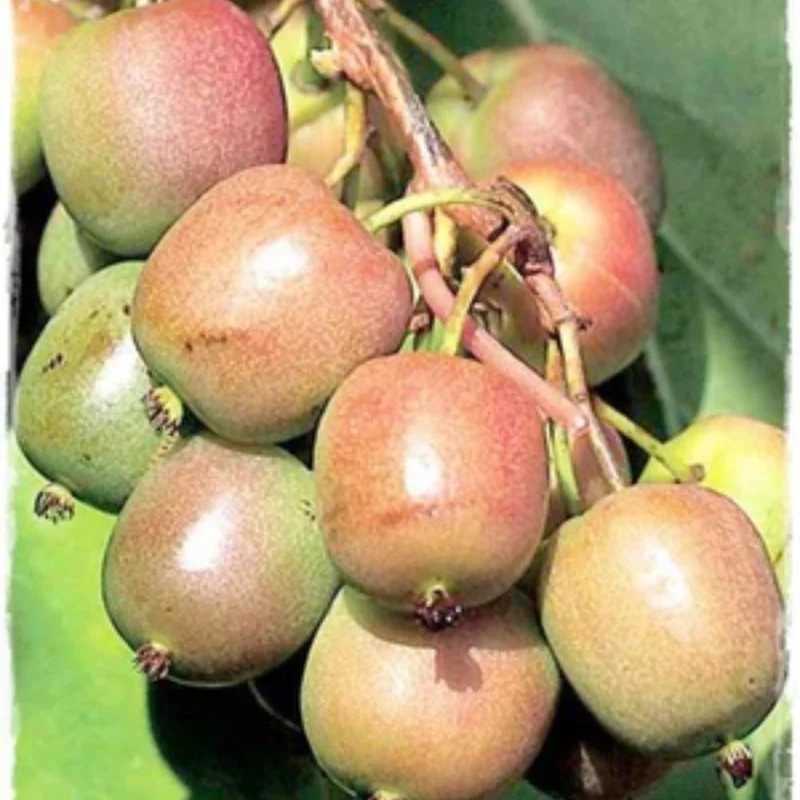
- Q: Do I need more than one kiwi plant for fruit? A: Many kiwi varieties require both male and female plants for pollination and fruit production. It’s important to research the specific variety you have to determine if you need a compatible pollinator.
Be the first to review “Kiwi Plant Live 6-12 Inch Tall – Hardy Fruit Vine for Trellis & Backyard”
-
USDA Hardiness Zone
USDA Zones 4–8 -
Soil Type
Well-draining, rich in organic matter -
Sunlight Exposure
Full sun -
Expected Planting Period
Spring to early summer
People Also Viewd
Sold 134 products
Original price was: $3,536.00.$23.99Current price is: $23.99.
Sold 131 products
Original price was: $89.99.$64.99Current price is: $64.99.
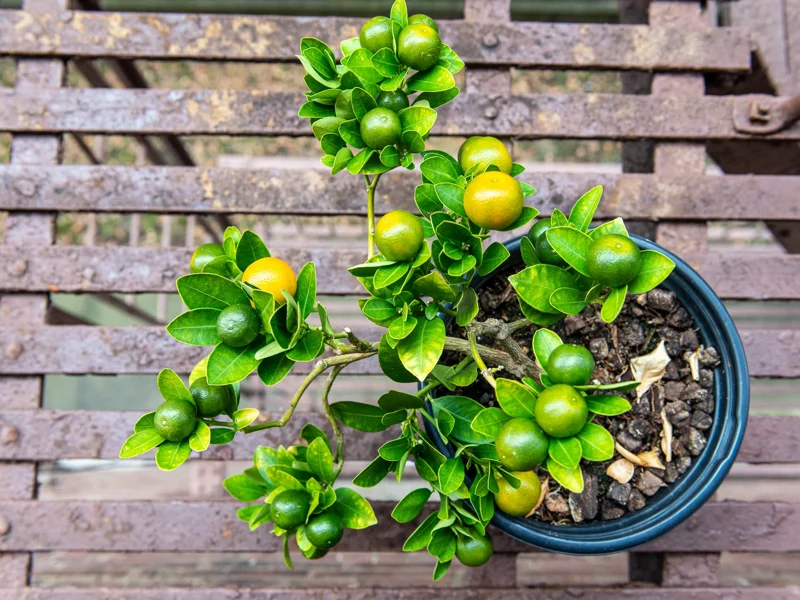
Sold 131 products
Original price was: $27.00.$24.00Current price is: $24.00.

Sold 125 products
Original price was: $86.99.$66.99Current price is: $66.99.
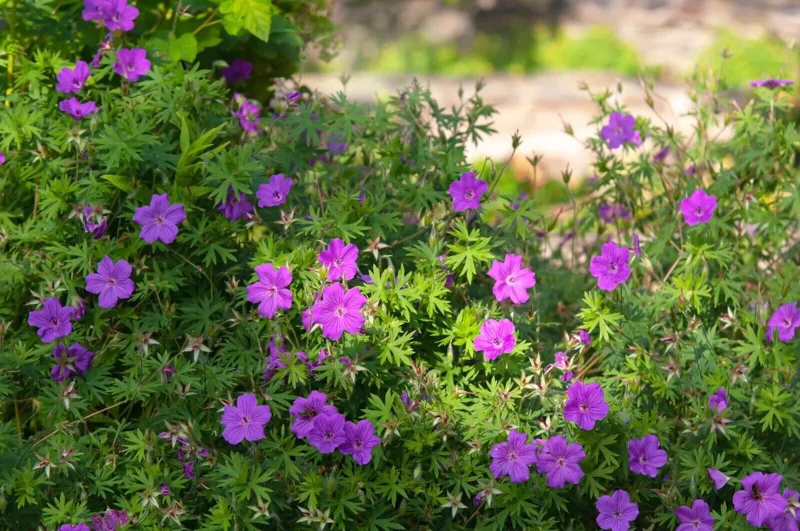
Flower Bulbs
3 Cranesbill Wild Geranium Organic Maculatums Bare Roots | Wildflower for Outdoor Garden
Sold 116 products
Original price was: $21.99.$9.99Current price is: $9.99.
Sold 114 products
Original price was: $28.99.$17.99Current price is: $17.99.
Sold 110 products
Original price was: $63.99.$28.99Current price is: $28.99.
Sold 108 products
Original price was: $28.99.$17.99Current price is: $17.99.RELATED posts
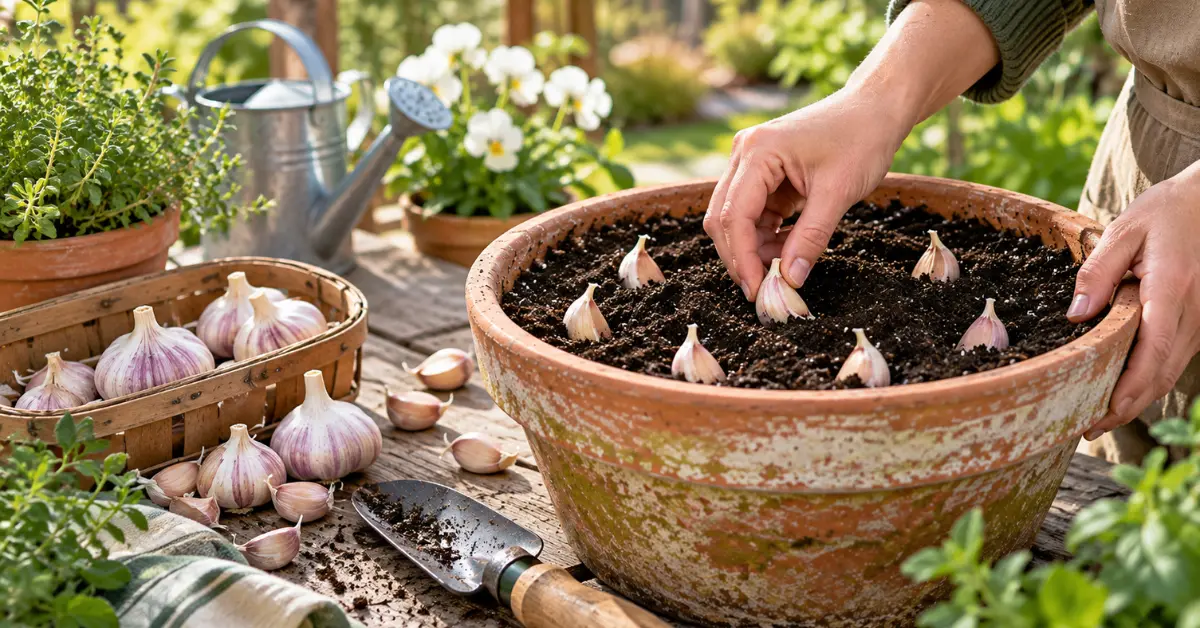
Growing Garlic in Containers This Fall: A Complete Guide for Beginners
If you’ve ever wanted to pop fresh, aromatic garlic cloves straight from your own patio [...]
Sep
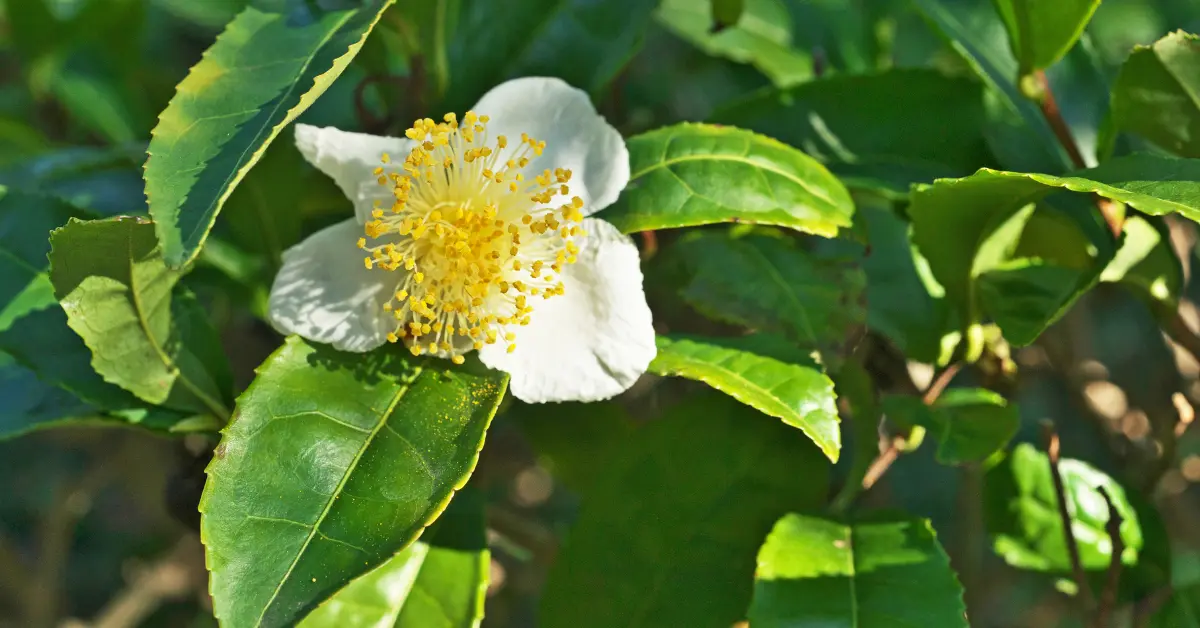
Growing Camellia Sinensis (Tea Plants) in Containers: A Complete Guide for Beginners
If you’ve ever wanted to sip a steaming, homegrown cup of fresh green, black, or [...]
Aug
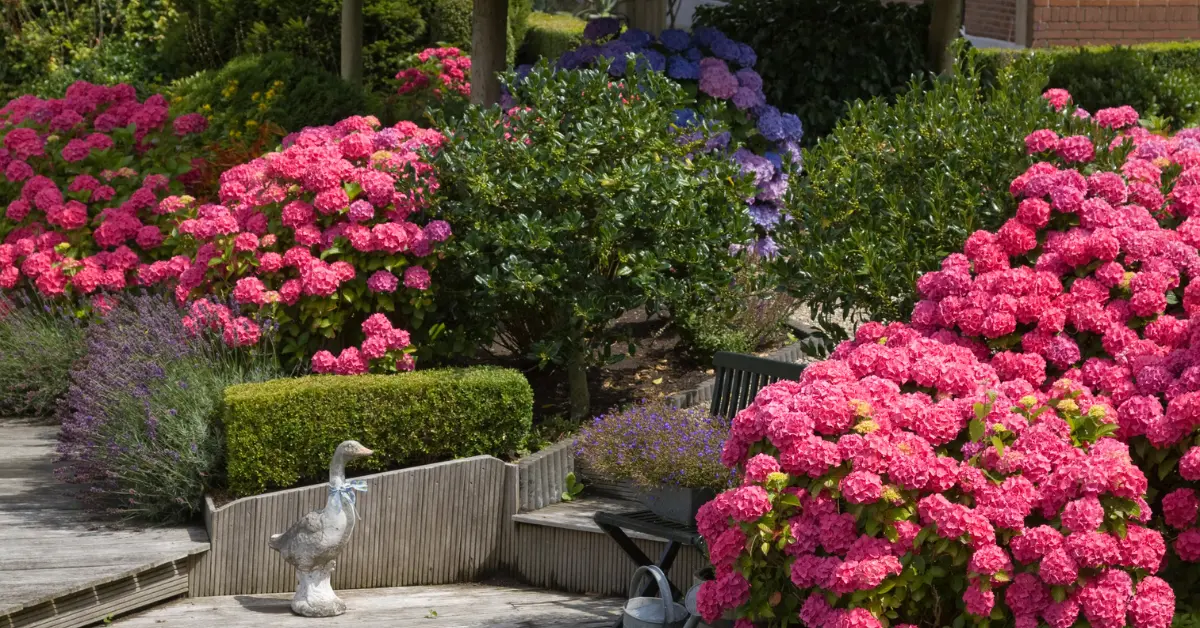
6 Best Shrubs to Plant in August You Must Try
Have you ever walked through a nursery late in the summer, admired the vibrant shrubs [...]
Aug
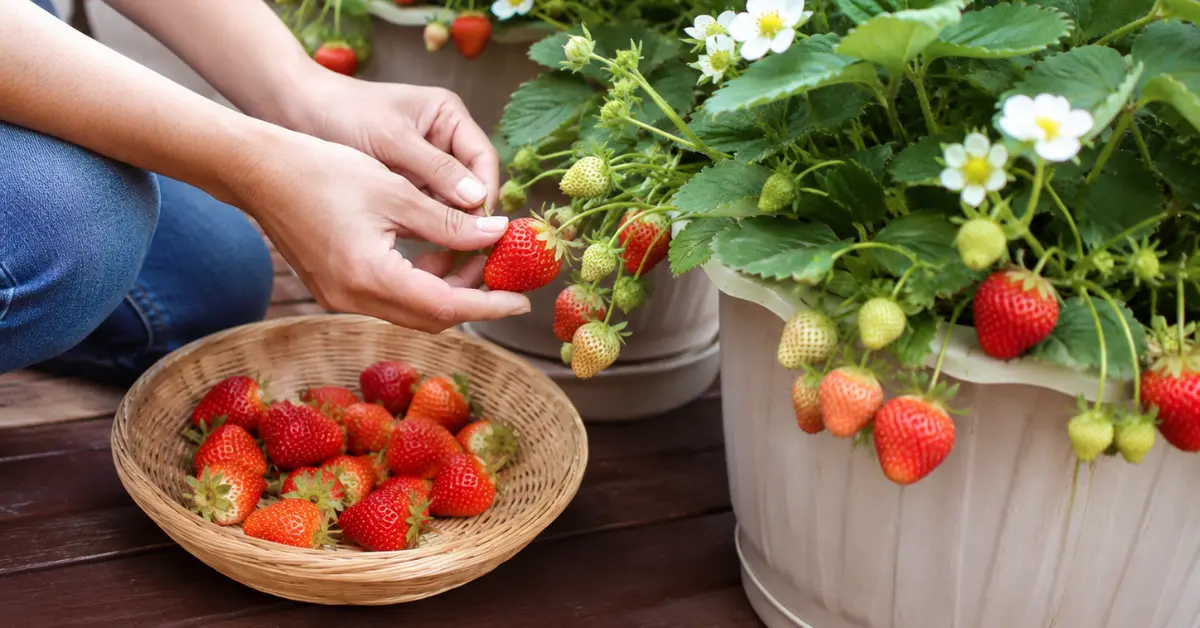
Growing Everbearing Strawberries in Containers: A Complete Guide for Beginners
Want to grow sweet, fresh strawberries but do not have a large garden? Everbearing strawberries [...]
Aug
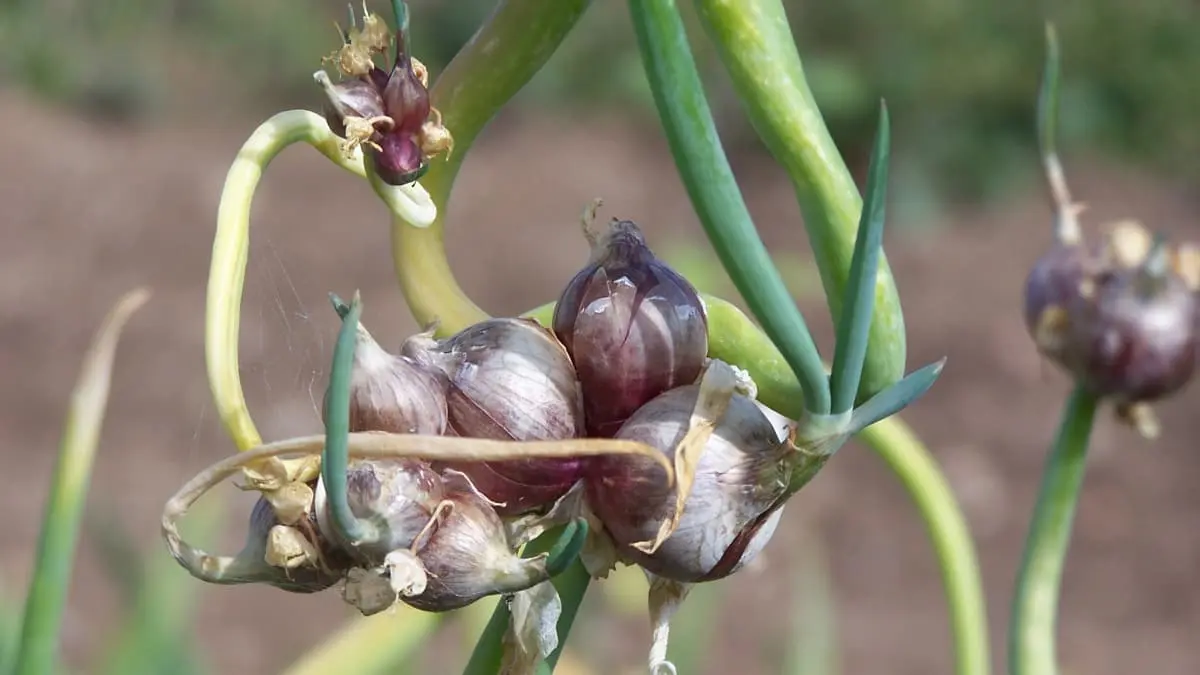
Growing Egyptian Walking Onions in Containers: A Complete Guide for Beginners
If you’re looking for a hardy, no-fuss perennial onion that keeps on giving year after [...]
Jul
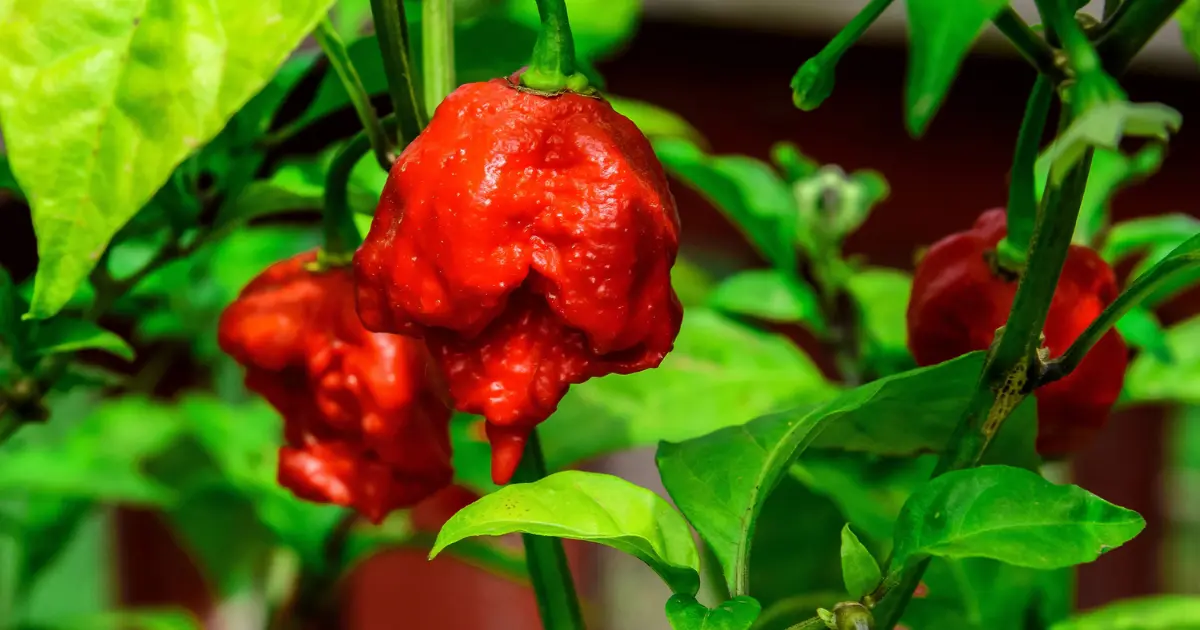
Growing Carolina Reaper Peppers in Pots: A Complete Guide for Beginners
If you’ve ever wanted to add some serious, record-breaking heat to your home cooking, you’ve [...]
May
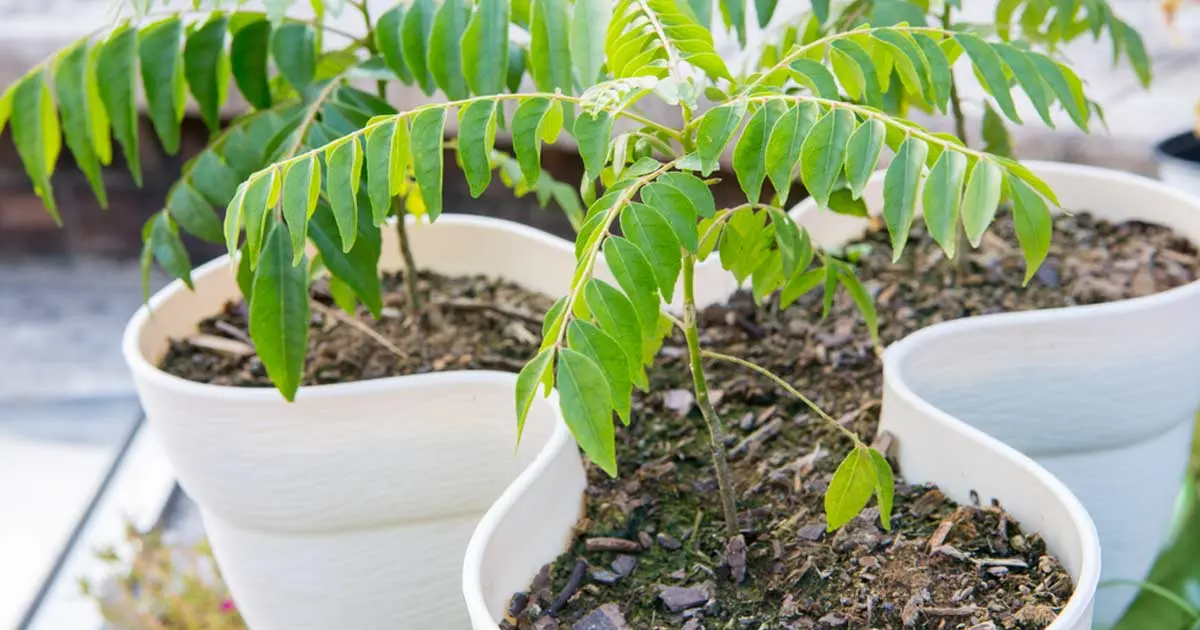
Growing Curry Leaf Plant in Pots: A Complete Guide for Beginners
If you’re a fan of authentic South Asian cuisine, you already know that nothing compares [...]
May
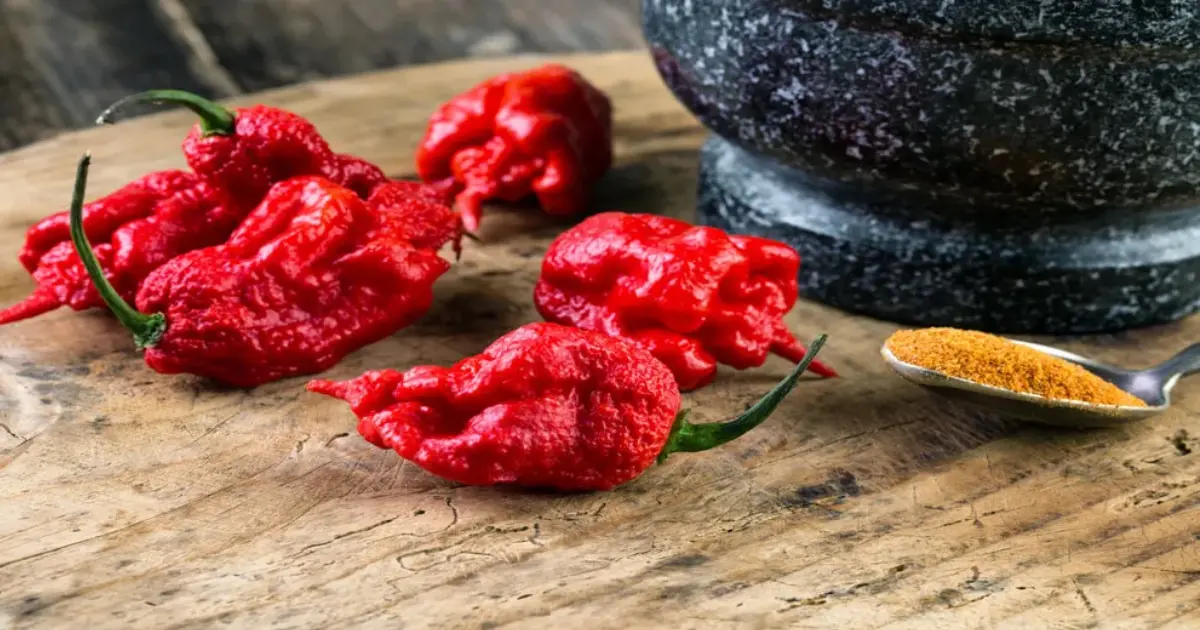
5 Tips for Growing Carolina Reaper Peppers to Get the Spiciest Harvest Ever
Holding the record for one of the world’s hottest peppers, the Reaper isn’t just a [...]
May
Reviews
There are no reviews yet.