
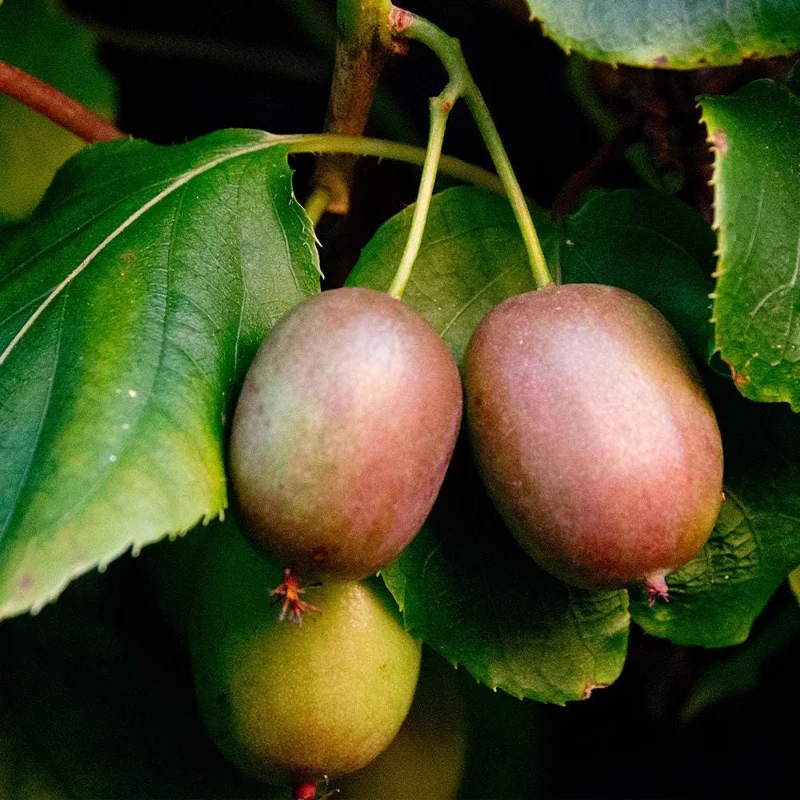
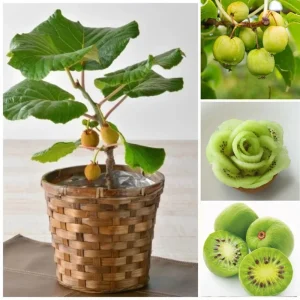
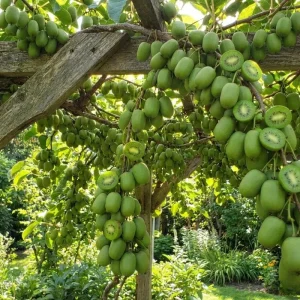
Male Kiwi Plant Live 6-12 Inch Tall – Hardy Fruit Vine for Trellis, Outdoor
Original price was: $70.99.$30.24Current price is: $30.24.
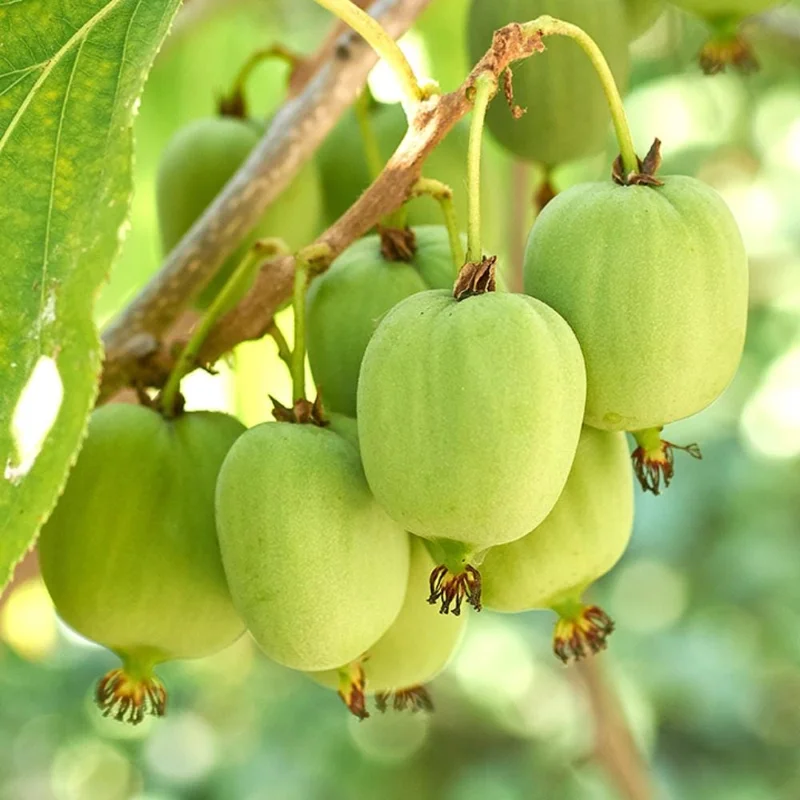
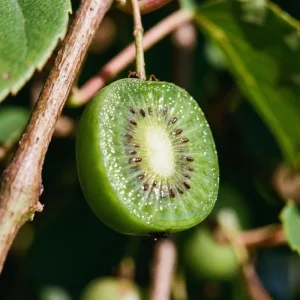
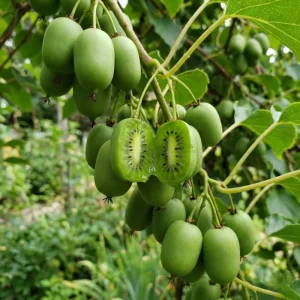
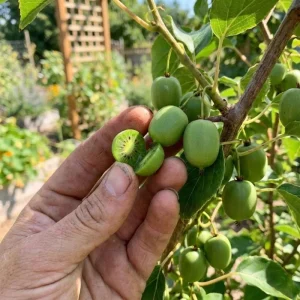
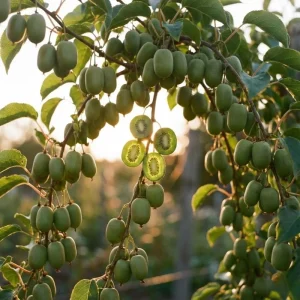
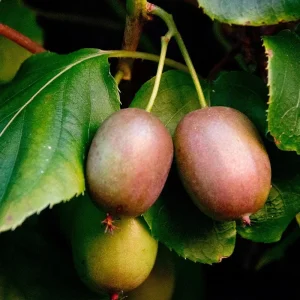
Cultivate a thriving fruit garden with this male kiwi plant, measuring 6-12 inches tall. Essential for pollinating female kiwi vines, this hardy kiwi vine is perfect for growing on trellises or arbors, enhancing your backyard with delicious fruit potential.
Estimated arrival
Jul 27
Aug 01 - Aug 03
Aug 06 - Aug 10

Reasonable Price
We offer reasonable price

Support 24/7
Contact us 24 hrs a day

100% Money Back
You've 30 days to Return

Payment Secure
100% secure payment
Overview
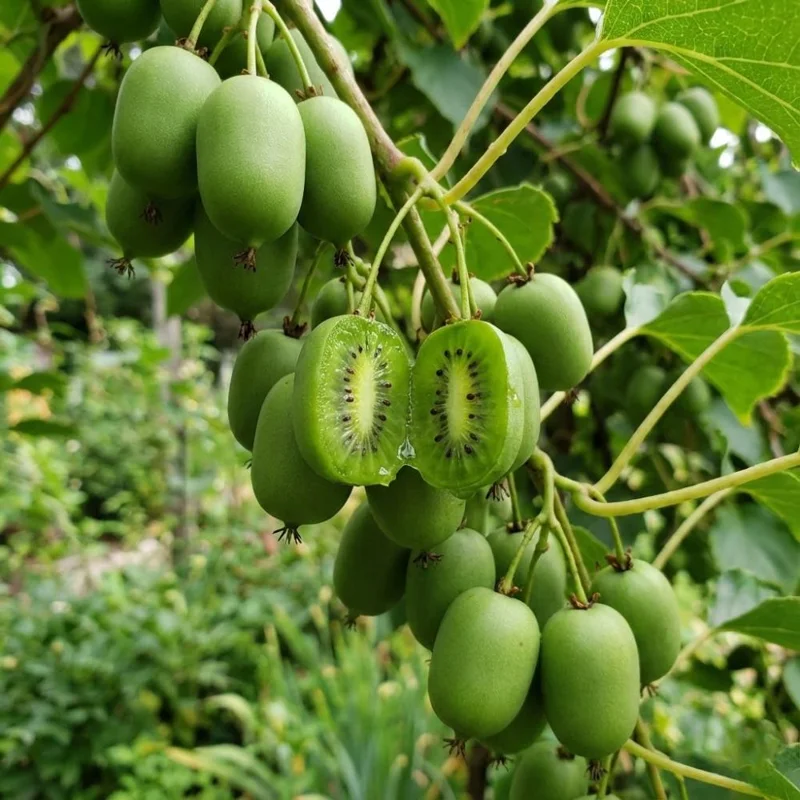
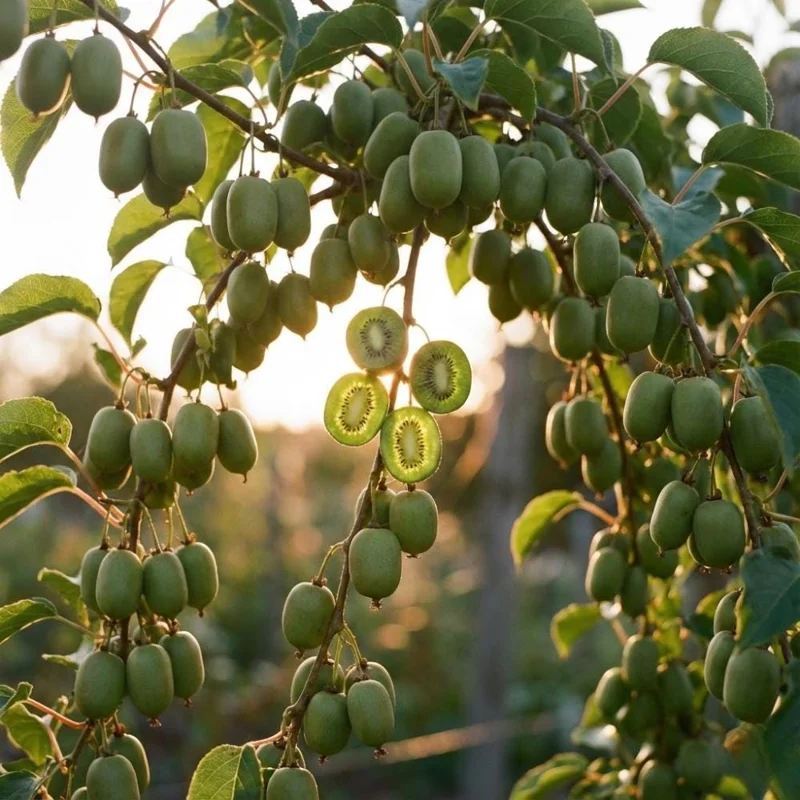
Introduce a vital component to your fruit garden with this robust male kiwi plant. Standing 6-12 inches tall at the time of shipping, this live plant is specifically cultivated to provide the necessary pollination for female kiwi varieties, ensuring a bountiful harvest of delicious kiwi fruit. Often referred to as a hardy kiwi vine, these vigorous climbers are perfect for home gardeners looking to establish a productive and attractive edible landscape. Unlike self-fertile varieties, many popular kiwi plants require a male pollinator to produce fruit, making this specimen an indispensable addition to your backyard. This particular plant is a strong grower, ready to establish itself and support your fruit-growing endeavors.
The kiwi plant, botanically known as Actinidia, is a fascinating genus of woody vines. This male kiwi plant is a non-fruiting variety, focusing its energy on producing abundant pollen. Its vigorous growth and attractive foliage make it a beautiful addition to any garden, even before considering its crucial role in fruit production. Planting a kiwi plant for pollination is a smart investment for any serious fruit enthusiast.
Key Benefits
Adding a male kiwi plant to your garden offers several significant advantages, especially if you’re growing female kiwi varieties. Its primary function is to enable fruit production, but it also contributes to the overall health and aesthetics of your garden:
- Essential Pollination: This plant is critical for the fruit set of most female kiwi varieties. Without a male pollinator, female plants will not produce fruit, making this male kiwi plant an indispensable partner in your kiwi patch. It ensures a successful and abundant harvest for years to come.
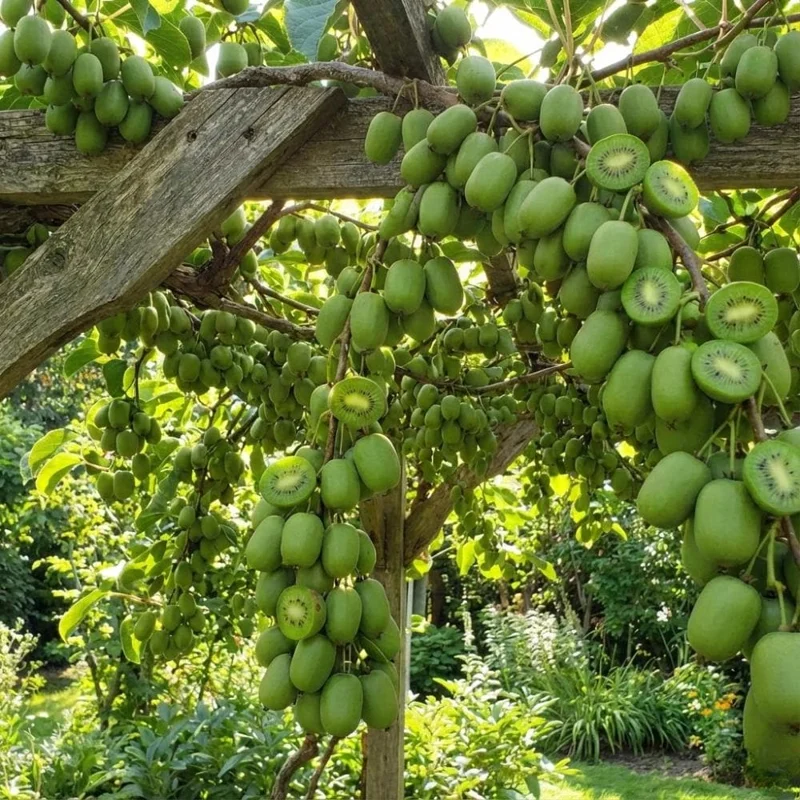
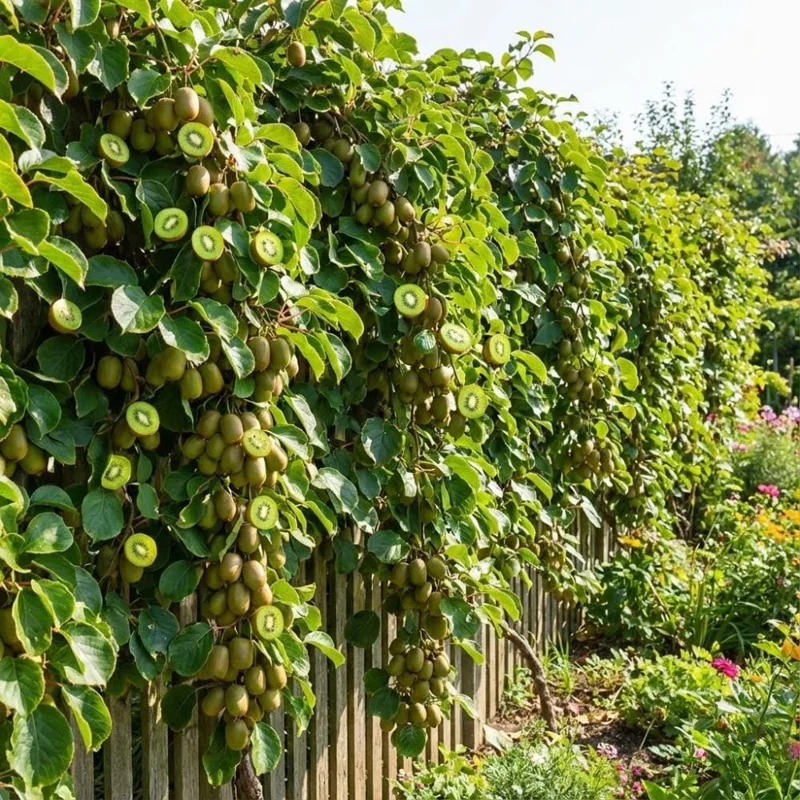
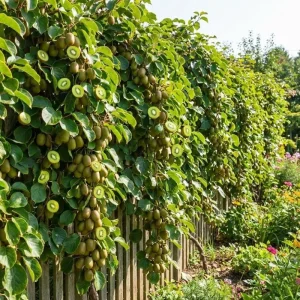
- Vigorous Growth and Attractive Foliage: Beyond its role in pollination, the hardy kiwi vine is a fast-growing climber with lush, green foliage. It can quickly cover trellises, arbors, or fences, providing an attractive and natural screen or shade structure in your garden.
- Low Maintenance: Once established, these kiwi vines are relatively low maintenance. They are quite hardy and can withstand various conditions, requiring minimal intervention compared to some other fruit-bearing plants, making them ideal for gardeners of all experience levels.
- Enhances Biodiversity: The flowers, though small, attract beneficial pollinators like bees to your garden, contributing to a healthier ecosystem and supporting the pollination of other plants in your yard.
- Long-Lived Perennial: A well-cared-for kiwi vine can live for many years, providing consistent pollination and ornamental value season after season, making it a sustainable choice for your garden. This ensures your backyard fruit plant continues to contribute to your harvest every year.
- Adaptable to Various Trellising Structures: The climbing nature of this male kiwi plant makes it highly adaptable to various support systems, including pergolas, wires, or even sturdy fences, allowing for creative garden design and maximizing space.
Plant Care & Growing Tips
Ensuring the success of your male kiwi plant involves providing the right conditions and consistent care. Kiwi vines thrive in specific environments, and understanding these needs will help your plant establish quickly and perform its crucial role in pollination. When your plant arrives, it is a young, live specimen, 6-12 inches tall, and may need a short adjustment period. Provide a sturdy support structure immediately upon planting, as these are climbing vines.
Sunlight: Kiwi plants require full sun exposure, meaning at least 6-8 hours of direct sunlight per day for optimal growth and pollen production. Choose a location in your garden that receives ample sun throughout the day. While they can tolerate partial shade, fruit production on female plants (and pollen production on males) may be reduced. Soil: Plant your hardy kiwi vine in well-draining soil with a slightly acidic to neutral pH (6.0-7.0). Amend heavy clay soils with organic matter like compost or aged manure to improve drainage and fertility. Good drainage is crucial to prevent root rot. Watering: Young kiwi plants need consistent moisture. Water regularly, especially during dry spells, ensuring the soil remains evenly moist but not waterlogged. Once established, they are more tolerant of drought but will perform best with regular watering, particularly during hot summer months. Temperature & Hardiness: This male kiwi plant is hardy in USDA Zones 4-8, depending on the specific variety. It can withstand cold winters but may benefit from some winter protection in the colder end of its range. Protect young plants from late spring frosts. Fertilization: Fertilize annually in early spring with a balanced slow-release fertilizer or an organic compost. Avoid over-fertilizing, which can lead to excessive foliage growth at the expense of flower development. Pruning: Regular pruning is essential to manage growth and maintain plant health. Prune in late winter when the plant is dormant to remove dead, damaged, or overcrowded branches. Summer pruning can help manage vigorous growth and direct energy towards productive wood. This care ensures a strong kiwi plant for pollination.
Size & Details
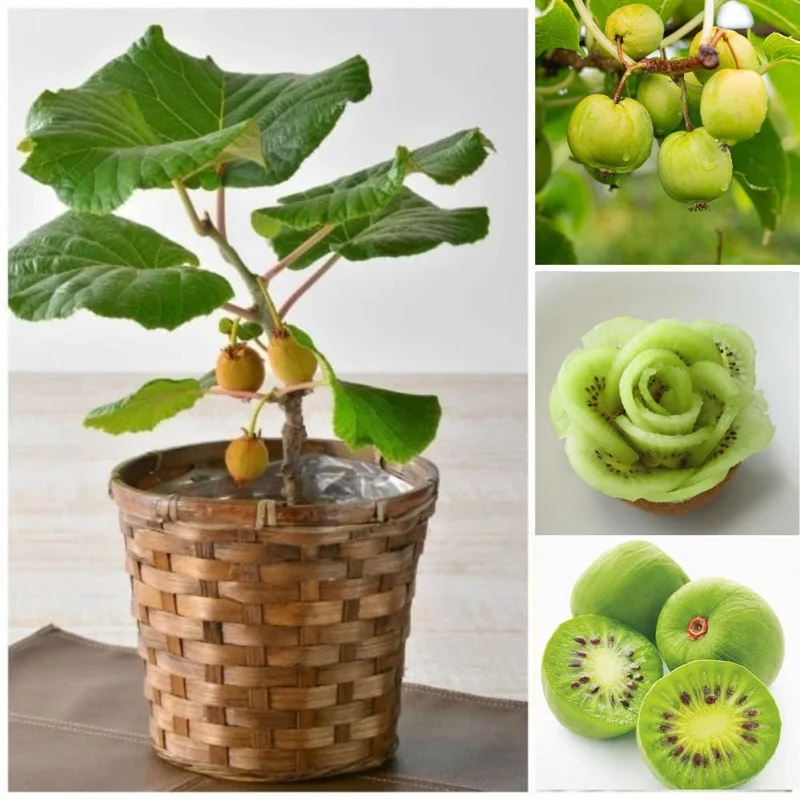
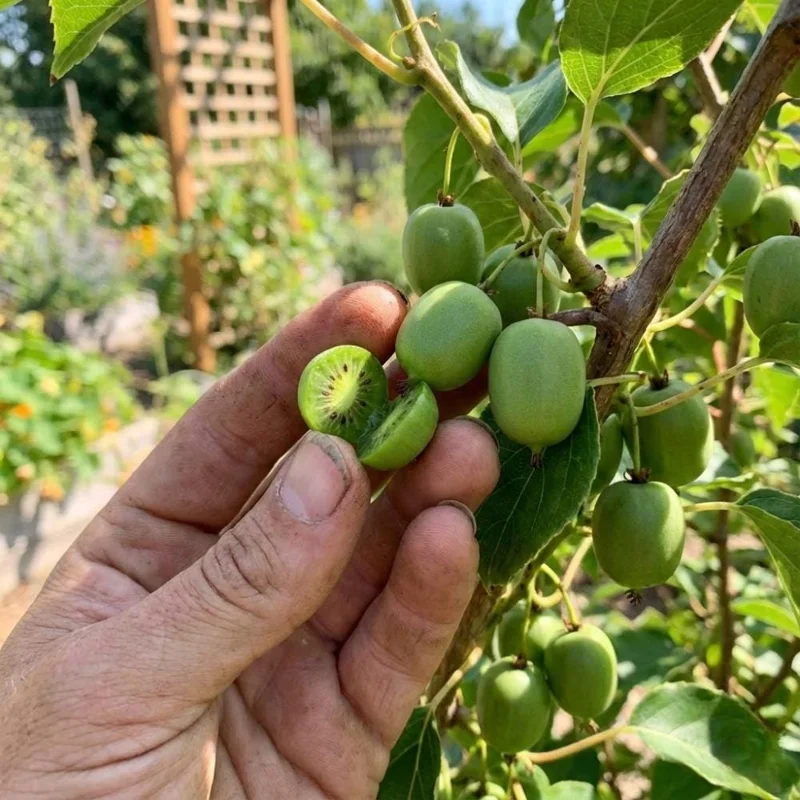
This offering is for one live male kiwi plant, which will arrive at your doorstep measuring approximately 6–12 inches tall. It is a young, actively growing vine, ready for immediate planting in your garden. As a vigorous climber, this hardy kiwi vine will grow rapidly once established, easily reaching heights of 10-20 feet or more when provided with adequate support. The plant is shipped in a nursery pot, ensuring its root system is intact and healthy for transplanting. Expect moderate to fast growth, allowing it to quickly develop into a substantial pollinator for your female kiwi plants. The exact growth rate and ultimate size will depend on growing conditions, climate, and care. This actinidia arguta male type is known for its robust nature.
Frequently Asked Questions
- Q: How big does this male kiwi plant get? A: This male kiwi plant is a vigorous climber that can grow to 10-20 feet or more in height and spread when mature, given proper support and growing conditions. Its size is largely manageable through regular pruning.
- Q: Is this an indoor or outdoor plant? A: This is an outdoor plant, specifically a hardy kiwi vine, designed to thrive in garden settings. It requires a significant amount of space and sunlight for optimal growth and pollination.
- Q: How much sunlight does it need? A: Your kiwi plant will perform best in full sun, requiring at least 6-8 hours of direct sunlight daily. This ensures strong growth and ample pollen production for successful pollination.
- Q: Is this plant easy to care for? A: Once established, the male kiwi plant is relatively easy to care for. It requires consistent watering, proper pruning, and a good support structure, but is generally quite hardy and resilient.
- Q: What condition will it arrive in? A: Your male kiwi plant will arrive as a live, healthy plant, approximately 6-12 inches tall, in a nursery pot with its root system intact. It will be carefully packaged to ensure safe transit.
- Q: When is the best time to plant this kiwi vine? A: The best time to plant your kiwi plant for pollination is in the spring after the last danger of frost has passed, or in early fall before the ground freezes. This allows the plant to establish its root system.
- Q: Will it survive winter in my zone? A: This hardy kiwi vine is typically suitable for USDA Zones 4-8. If you are in a colder zone, ensure adequate winter protection, such as mulching the base or wrapping the vine.
- Q: What is the purpose of a male kiwi plant? A: The primary purpose of a male kiwi plant is to pollinate female kiwi plants. Male plants produce pollen-rich flowers but do not bear fruit themselves; they are essential for fruit production on female vines.
- Q: How many female kiwi plants can one male pollinate? A: Typically, one robust male kiwi plant can effectively pollinate 5-8 female kiwi plants, especially if planted centrally or upwind from the female vines.
- Q: What kind of support does it need? A: As a climbing vine, this backyard fruit plant requires a sturdy support structure like a trellis, arbor, fence, or pergola. The vines will twine and attach themselves as they grow.
Be the first to review “Male Kiwi Plant Live 6-12 Inch Tall – Hardy Fruit Vine for Trellis, Outdoor”
-
USDA Hardiness Zone
USDA Zones 4–8 -
Soil Type
Well-draining, slightly acidic to neutral soil -
Sunlight Exposure
Full sun (6-8 hours daily) -
Expected Planting Period
Spring to early summer
People Also Viewd
Sold 134 products
Original price was: $3,536.00.$23.99Current price is: $23.99.
Sold 131 products
Original price was: $27.00.$24.00Current price is: $24.00.
Sold 128 products
Original price was: $89.99.$64.99Current price is: $64.99.

Sold 125 products
Original price was: $86.99.$66.99Current price is: $66.99.
Flower Bulbs
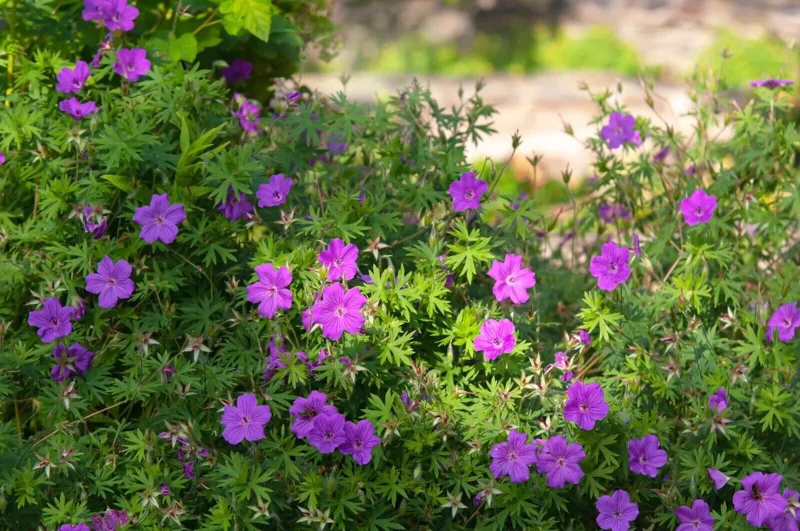
3 Cranesbill Wild Geranium Organic Maculatums Bare Roots | Wildflower for Outdoor Garden
Sold 116 products
Original price was: $21.99.$9.99Current price is: $9.99.
Sold 114 products
Original price was: $28.99.$17.99Current price is: $17.99.
Sold 109 products
Original price was: $63.99.$28.99Current price is: $28.99.
Sold 108 products
Original price was: $28.99.$17.99Current price is: $17.99.RELATED posts
Growing Egyptian Walking Onions in Containers: A Complete Guide for Beginners
If you’re looking for a hardy, no-fuss perennial onion that keeps on giving year after [...]
Jul
Growing Carolina Reaper Peppers in Pots: A Complete Guide for Beginners
If you’ve ever wanted to add some serious, record-breaking heat to your home cooking, you’ve [...]
May
Growing Curry Leaf Plant in Pots: A Complete Guide for Beginners
If you’re a fan of authentic South Asian cuisine, you already know that nothing compares [...]
May
5 Tips for Growing Carolina Reaper Peppers to Get the Spiciest Harvest Ever
Holding the record for one of the world’s hottest peppers, the Reaper isn’t just a [...]
May
Best Fertilizers for Zoysia Grass in 2026: Get a Lush Lawn
As we enter the new year, the time has come to think about how we [...]
Apr
Bougainvillea Plant Care Tips: 7 Secrets to Explosive Blooms!
Are you staring at a bougainvillea that is all lush green leaves but hasn’t shown [...]
Apr
5 Tips for Growing Sweet Potatoes to Get the Biggest Sweet Potato Harvest Ever
If you are a fan of sweet potatoes, then these tips for growing sweet potatoes [...]
Apr
Tamarillo Tree Guide: Flavor, Texture & How to Eat Tree Tomatoes
The humble tomato is a kitchen staple we all know and love, but it rarely [...]
Apr

Reviews
There are no reviews yet.