
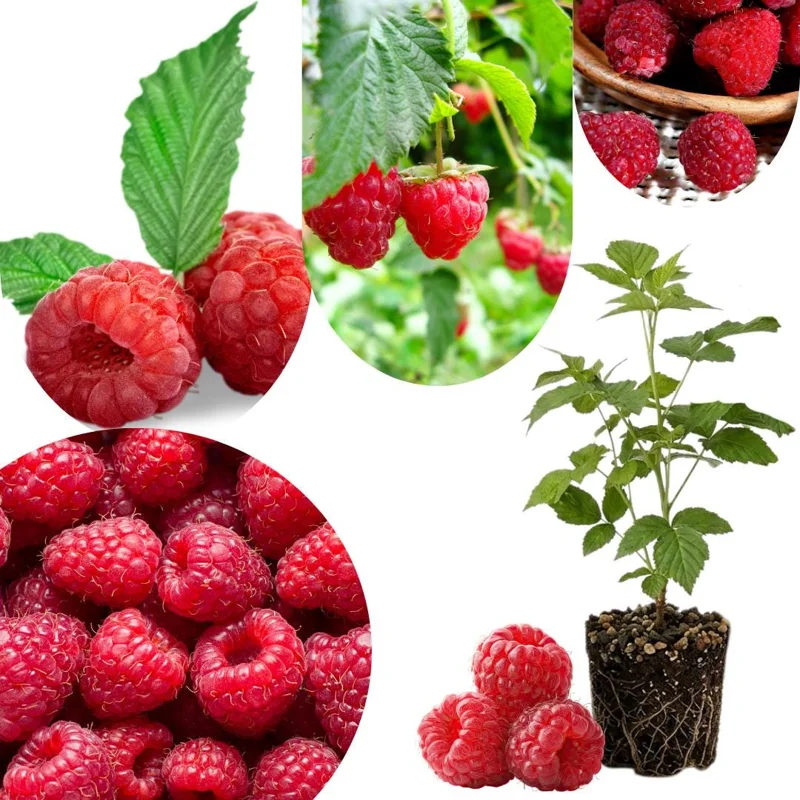
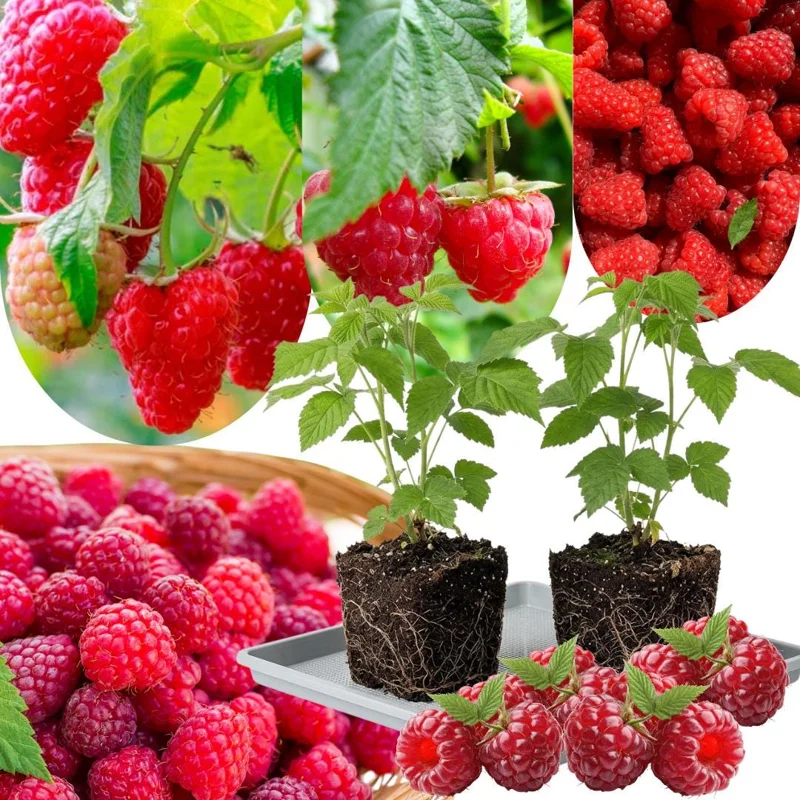
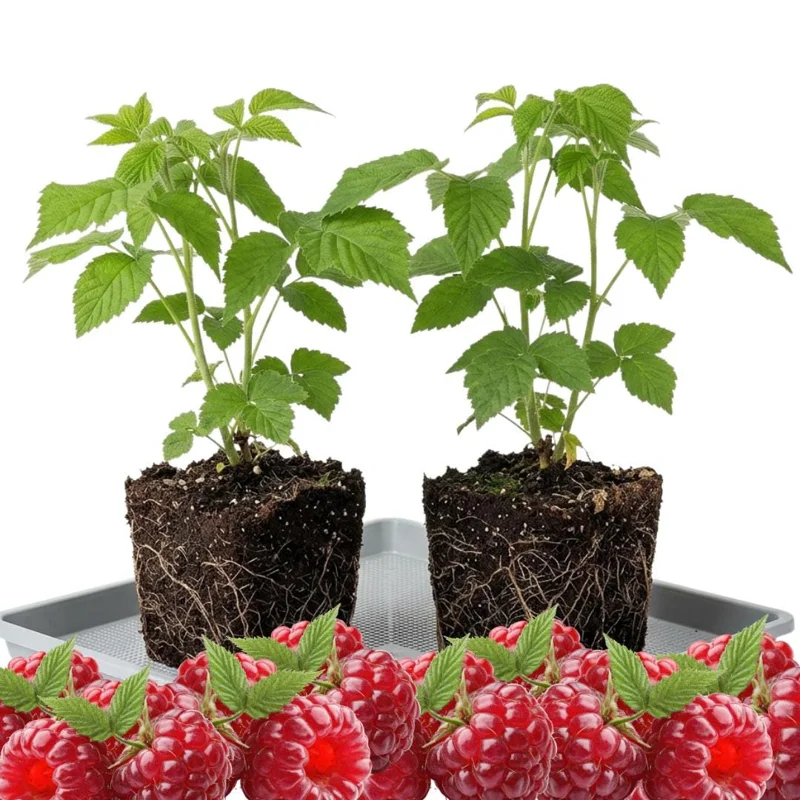
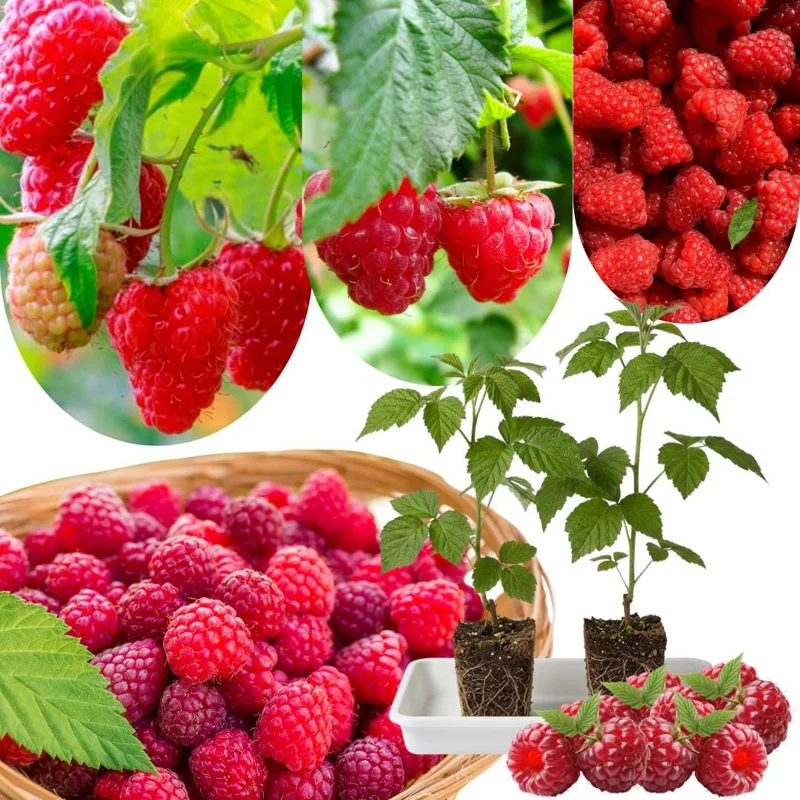
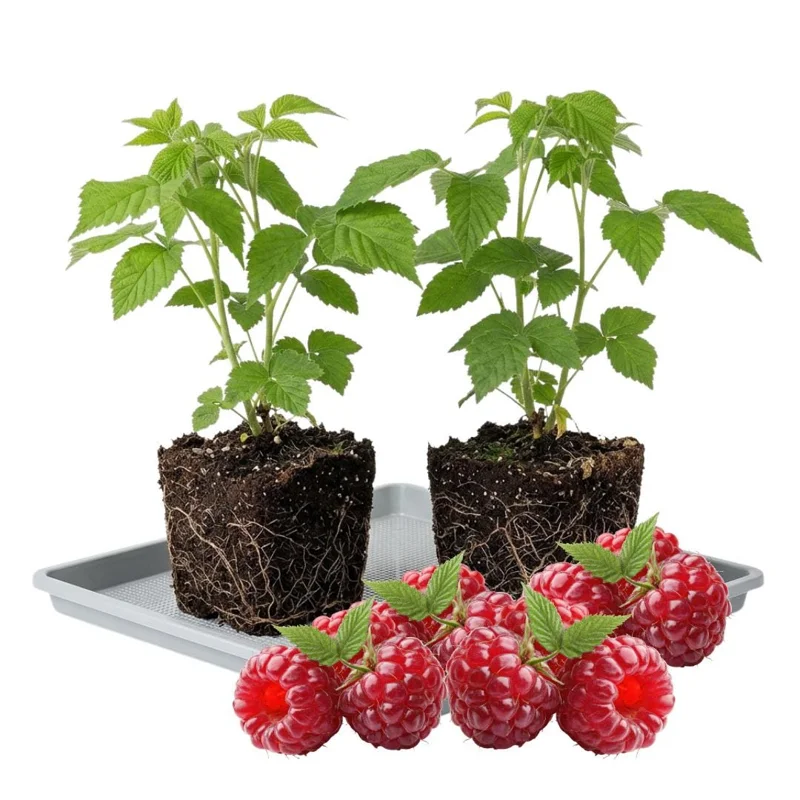
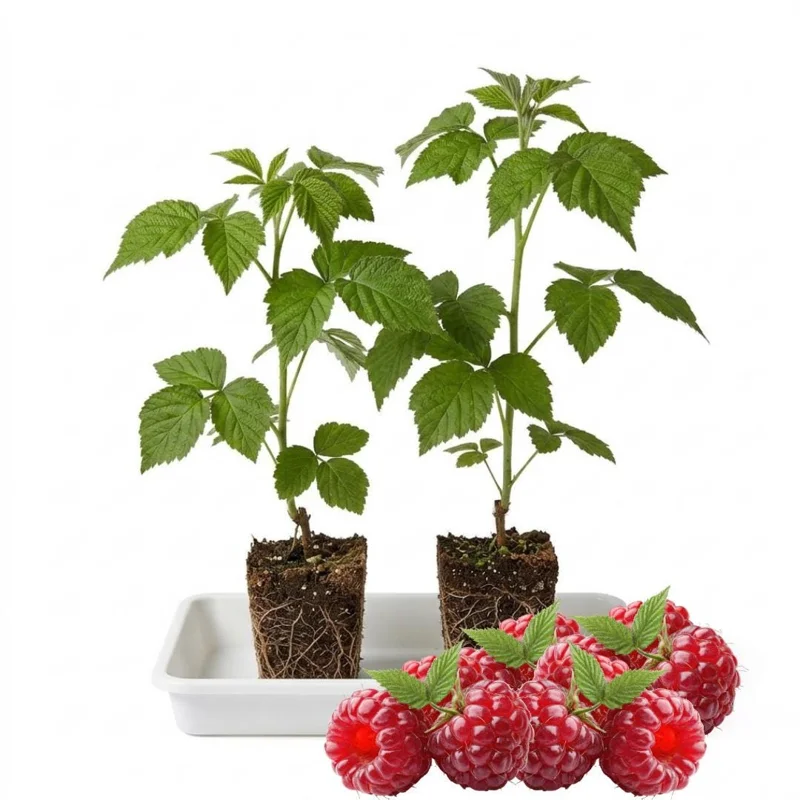
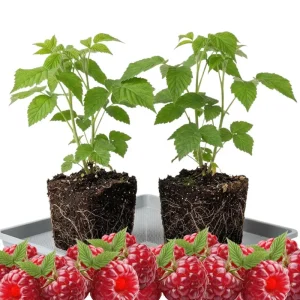
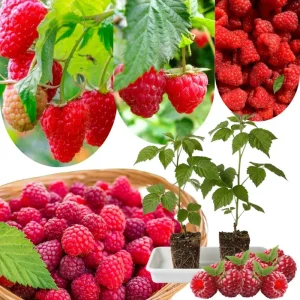
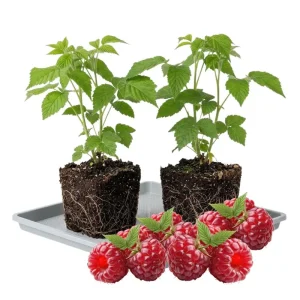
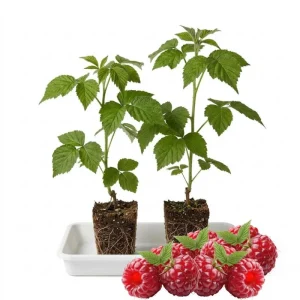
Red Raspberry Plant Live 6-12 Inch Tall Bare Root Cane Edible Berry Outdoor
Original price was: $60.99.$27.90Current price is: $27.90.
Cultivate your own delicious berries with this red raspberry plant. This 6-12 inch tall, bare root raspberry cane is perfect for outdoor garden growing and will produce abundant, edible berry plant harvests. A perennial favorite for home gardeners.
Estimated arrival
Jul 26
Jul 31 - Aug 02
Aug 05 - Aug 09

Reasonable Price
We offer reasonable price

Support 24/7
Contact us 24 hrs a day

100% Money Back
You've 30 days to Return

Payment Secure
100% secure payment
Overview
Bring the joy of fresh, homegrown fruit to your garden with this vibrant red raspberry plant. This offering provides a live, 6-12 inch tall bare root cane, ready to establish itself in your outdoor space. Known for their sweet and juicy berries, raspberries are a favorite among gardeners and culinary enthusiasts alike. This perennial fruit producer is an excellent choice for anyone looking to add a productive and beautiful element to their landscape. Imagine stepping outside and picking your own ripe, delicious raspberries straight from the bush, perfect for snacking, desserts, or preserving. This live raspberry plant is shipped dormant, ensuring a smooth transition to your garden and robust growth once planted.
The red raspberry plant is a resilient and rewarding addition, capable of returning year after year with proper care. It’s a classic choice for home gardens, providing not only delectable fruit but also attractive foliage. Whether you’re an experienced green thumb or just starting your gardening journey, growing your own raspberries is a fulfilling experience that yields delicious rewards. This specific variety is chosen for its reliability and the quality of its fruit, making it a stellar choice for a productive and enjoyable harvest.
Key Benefits
Adding a red raspberry plant to your garden offers a multitude of advantages, enhancing both your landscape and your culinary options. These plants are celebrated for their ease of growth and the bountiful harvests they provide.
- Fresh, Edible Berries: Enjoy the unparalleled taste of freshly picked red raspberries right from your own garden. These berries are perfect for eating fresh, making jams, pies, or freezing for later use, providing a healthy and delicious treat.
- Perennial Growth: As a perennial, this live raspberry plant will return year after year, saving you the effort and cost of replanting annually. With proper care, it can provide many seasons of abundant fruit.
- Outdoor Garden Suitability: Specifically chosen for outdoor garden growing, this plant thrives in a range of climates and conditions, making it a robust choice for most home landscapes. It’s designed to perform well in USDA Zones 4-8.
- Bare Root Advantage: Shipped as a bare root raspberry cane, it establishes quickly once planted. Bare root plants often experience less transplant shock and can adapt more readily to their new environment, leading to stronger growth.
- Attractive Landscape Addition: Beyond its fruit-bearing capabilities, the raspberry bush adds a lovely green texture to your garden throughout the growing season, providing visual interest before and during harvest.
- Healthy & Nutritious: Raspberries are packed with vitamins, antioxidants, and fiber, making them a superfood that supports overall health and well-being. Growing your own ensures you have access to fresh, chemical-free produce.
- Supports Pollinators: Raspberry flowers attract bees and other beneficial pollinators to your garden, contributing to a healthier ecosystem and improving the pollination of other plants in your yard.
Plant Care & Growing Tips
Proper care is essential for a thriving red raspberry plant and a bountiful harvest. These plants are relatively low-maintenance but benefit greatly from attention to their specific needs. Raspberry canes prefer a location with full sun, meaning at least 6-8 hours of direct sunlight per day. Adequate sunlight is crucial for fruit production and overall plant health. Ensure the planting site has good air circulation to prevent fungal diseases. When planting your bare root raspberry, dig a hole wide enough to accommodate the roots without bending them, and deep enough so the crown (where roots meet stem) is at soil level.
Watering is key, especially during dry spells and when the plant is establishing. Keep the soil consistently moist but never waterlogged. Good drainage is paramount to prevent root rot; well-draining soil is highly recommended. Fertilize in early spring with a balanced slow-release fertilizer or compost to support vigorous growth and fruit development. Pruning is an important aspect of raspberry care. Red raspberries typically produce fruit on second-year canes (floricanes). After they fruit, these canes should be cut back to the ground. Thin out weaker first-year canes (primocanes) to promote strong growth in the remaining ones. This regular pruning helps maintain plant vigor and maximizes fruit yield.
This edible berry plant performs best in USDA Zones 4–8, indicating its adaptability to cooler to moderate climates. Protect young plants from extreme cold in the first year. Common pests include aphids and Japanese beetles, which can usually be managed with organic pest control methods or by encouraging beneficial insects. Diseases like powdery mildew can be prevented with good air circulation and proper spacing. With these considerations, your outdoor raspberry plant will flourish and provide delicious fruit for years to come.
Size & Details
This offering includes one red raspberry plant, supplied as a live bare root cane. Upon arrival, the plant will measure approximately 6-12 inches tall, shipped dormant without a pot. This bare root format encourages rapid establishment once planted in your garden. The mature plant typically grows to a height of 3-6 feet and a spread of 2-4 feet, depending on variety and growing conditions. Raspberry plants are known for their moderate to fast growth rate, with canes typically producing fruit in their second year.
The plant is a perennial, meaning it will return each year from its rootstock. Expect fruit production to begin in the summer months, providing a continuous harvest for several weeks. This live raspberry plant is suitable for long-term garden growing and will develop into a robust bush capable of producing abundant yields of delicious red berries.
Frequently Asked Questions
- Q: How big does this red raspberry plant get? A: This red raspberry plant typically grows 3-6 feet tall and 2-4 feet wide at maturity, depending on growing conditions and pruning. It arrives as a 6-12 inch tall bare root cane.
- Q: Is this an indoor or outdoor plant? A: This is an outdoor raspberry plant, specifically suited for garden growing. It requires full sunlight and thrives in outdoor conditions within its recommended USDA hardiness zones.
- Q: How much sunlight does this edible berry plant need? A: For optimal fruit production and plant health, this edible berry plant requires at least 6-8 hours of direct sunlight per day. Choose a sunny spot in your garden.
- Q: Is this plant easy to care for? A: Yes, the live raspberry plant is considered relatively easy to care for, especially for gardeners in appropriate climates. Regular watering, annual pruning, and good sun exposure are key for success.
- Q: What condition will the bare root raspberry arrive in? A: Your bare root raspberry cane will arrive dormant and without a pot, typically 6-12 inches tall. This is normal for bare root plants and ensures they establish well once planted.
- Q: When is the best time to plant this red raspberry plant? A: The best time to plant bare root raspberries is in early spring, after the last frost, allowing the plant ample time to establish its root system before the heat of summer.
- Q: Will it survive winter in my zone? A: This red raspberry plant is suitable for USDA Zones 4-8. If you are within these zones, it should survive winter and return in spring. In colder zones, winter protection may be needed.
- Q: What kind of soil does it prefer? A: Raspberries prefer well-draining, slightly acidic soil rich in organic matter. Amending heavy clay soils with compost can improve drainage and fertility.
- Q: How long until it produces fruit? A: Most red raspberry varieties, including this live raspberry plant, will begin producing fruit on canes in their second year of growth. You can expect your first harvest the summer after planting.
- Q: Can I grow this plant in a container? A: While possible, growing raspberries in containers requires a very large pot (at least 15-20 gallons) and consistent attention to watering and fertilization, as they prefer ample root space.
Be the first to review “Red Raspberry Plant Live 6-12 Inch Tall Bare Root Cane Edible Berry Outdoor”
-
USDA Hardiness Zone
4-8 -
Soil Type
Well-draining, slightly acidic, rich in organic matter -
Sunlight Exposure
Full sun (6-8+ hours daily) -
Expected Planting Period
Early spring
People Also Viewd


Sold 134 products
Original price was: $3,536.00.$23.99Current price is: $23.99.

Sold 131 products
Original price was: $27.00.$24.00Current price is: $24.00.

Sold 128 products
Original price was: $89.99.$64.99Current price is: $64.99.

Sold 125 products
Original price was: $86.99.$66.99Current price is: $66.99.

Flower Bulbs
3 Cranesbill Wild Geranium Organic Maculatums Bare Roots | Wildflower for Outdoor Garden
Sold 116 products
Original price was: $21.99.$9.99Current price is: $9.99.

Sold 114 products
Original price was: $28.99.$17.99Current price is: $17.99.
Sold 109 products
Original price was: $63.99.$28.99Current price is: $28.99.
Sold 108 products
Original price was: $28.99.$17.99Current price is: $17.99.RELATED posts
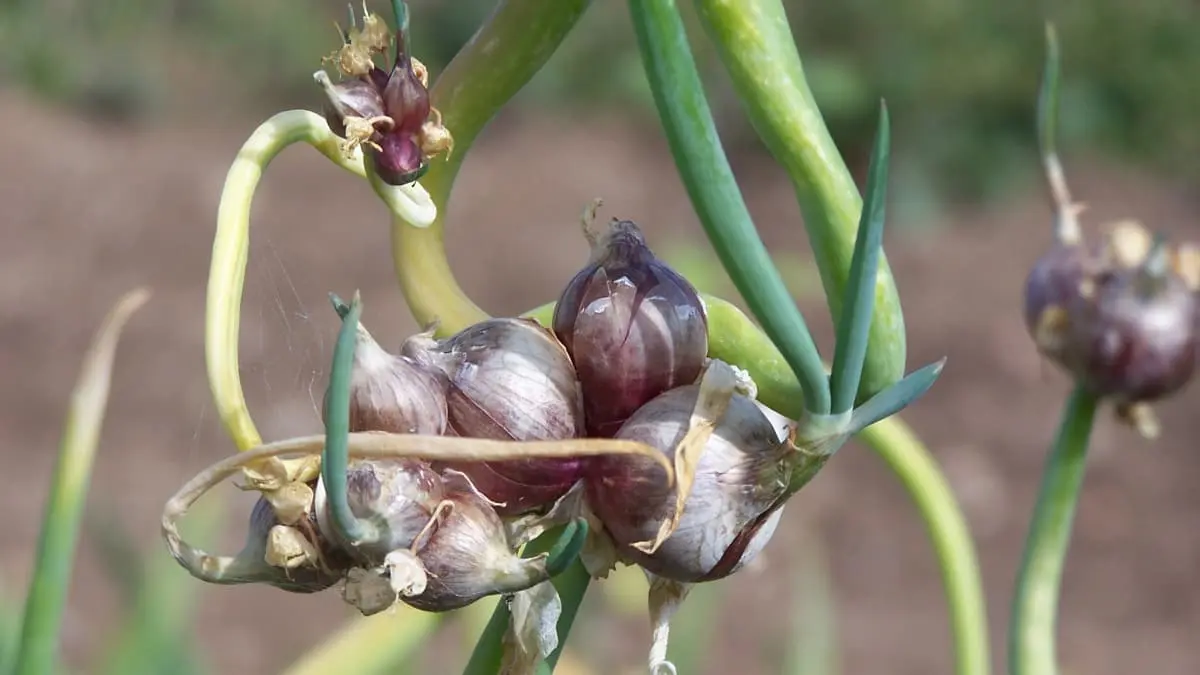
Growing Egyptian Walking Onions in Containers: A Complete Guide for Beginners
If you’re looking for a hardy, no-fuss perennial onion that keeps on giving year after [...]
Jul
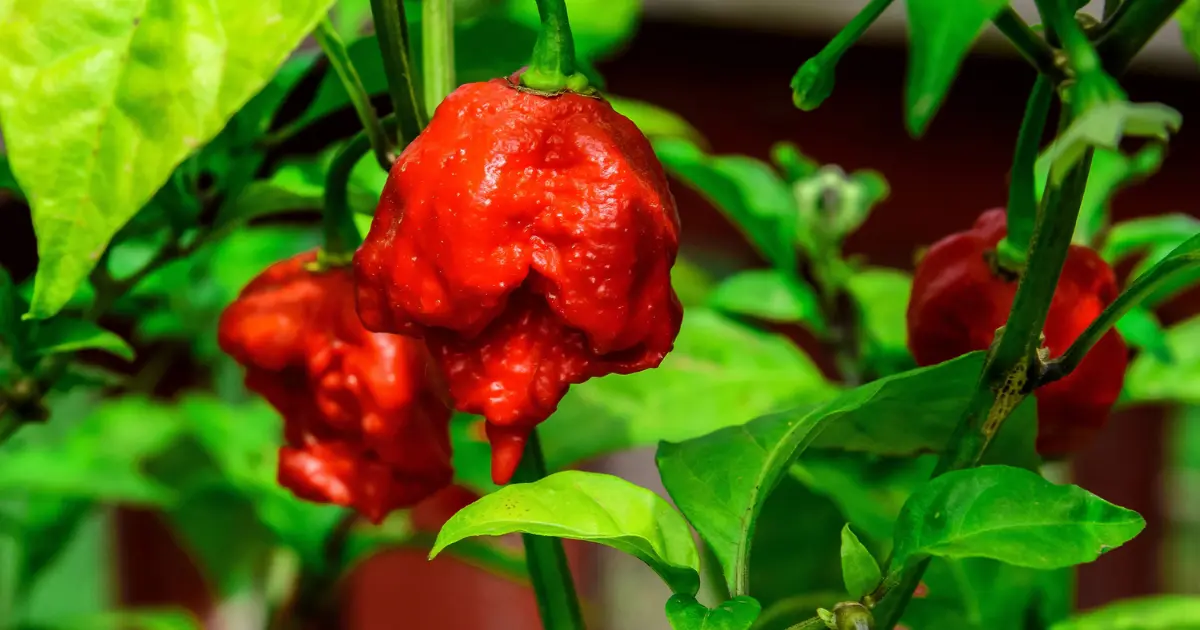
Growing Carolina Reaper Peppers in Pots: A Complete Guide for Beginners
If you’ve ever wanted to add some serious, record-breaking heat to your home cooking, you’ve [...]
May
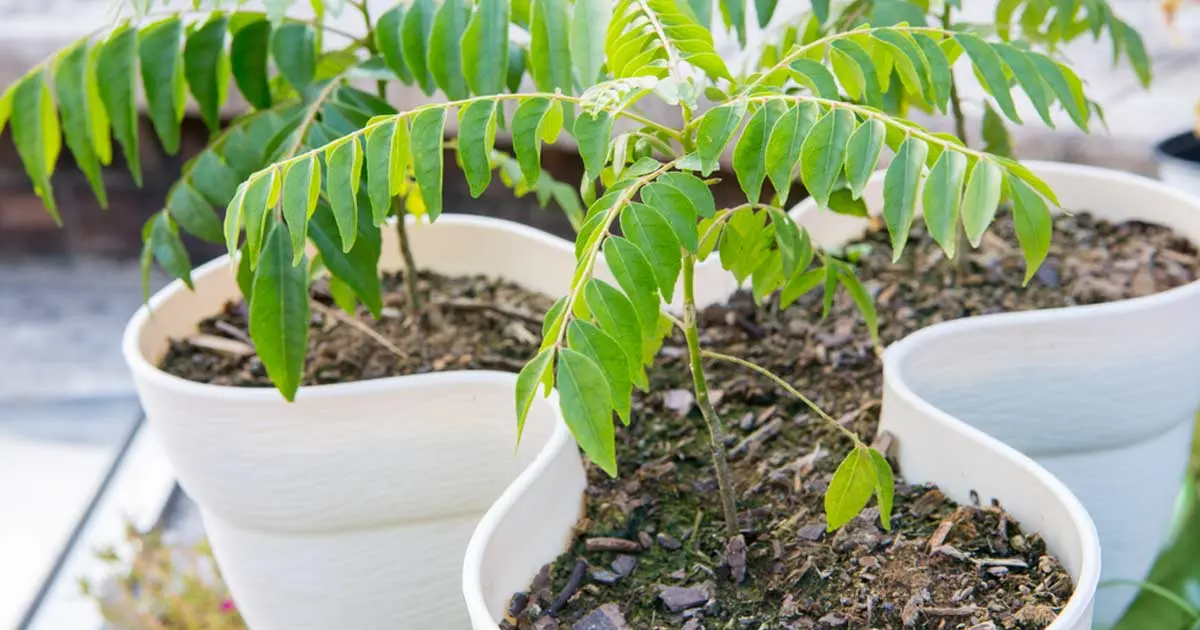
Growing Curry Leaf Plant in Pots: A Complete Guide for Beginners
If you’re a fan of authentic South Asian cuisine, you already know that nothing compares [...]
May
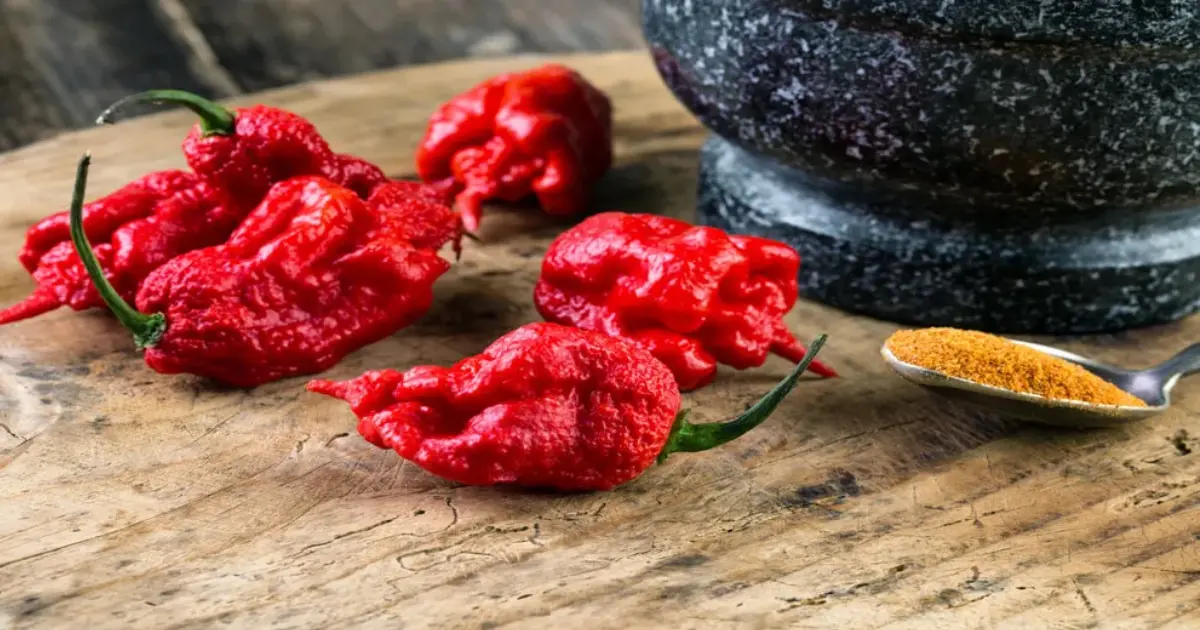
5 Tips for Growing Carolina Reaper Peppers to Get the Spiciest Harvest Ever
Holding the record for one of the world’s hottest peppers, the Reaper isn’t just a [...]
May
Best Fertilizers for Zoysia Grass in 2026: Get a Lush Lawn
As we enter the new year, the time has come to think about how we [...]
Apr
Bougainvillea Plant Care Tips: 7 Secrets to Explosive Blooms!
Are you staring at a bougainvillea that is all lush green leaves but hasn’t shown [...]
Apr
5 Tips for Growing Sweet Potatoes to Get the Biggest Sweet Potato Harvest Ever
If you are a fan of sweet potatoes, then these tips for growing sweet potatoes [...]
Apr
Tamarillo Tree Guide: Flavor, Texture & How to Eat Tree Tomatoes
The humble tomato is a kitchen staple we all know and love, but it rarely [...]
Apr
Reviews
There are no reviews yet.