



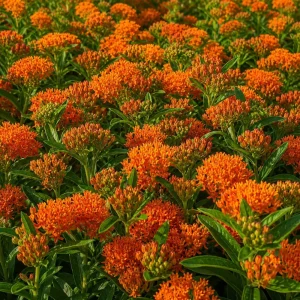
Orange Milkweed Live Plants Set of 2 – Asclepias Tuberosa Perennial, 4-8 Inch Tall
Original price was: $48.99.$23.99Current price is: $23.99.
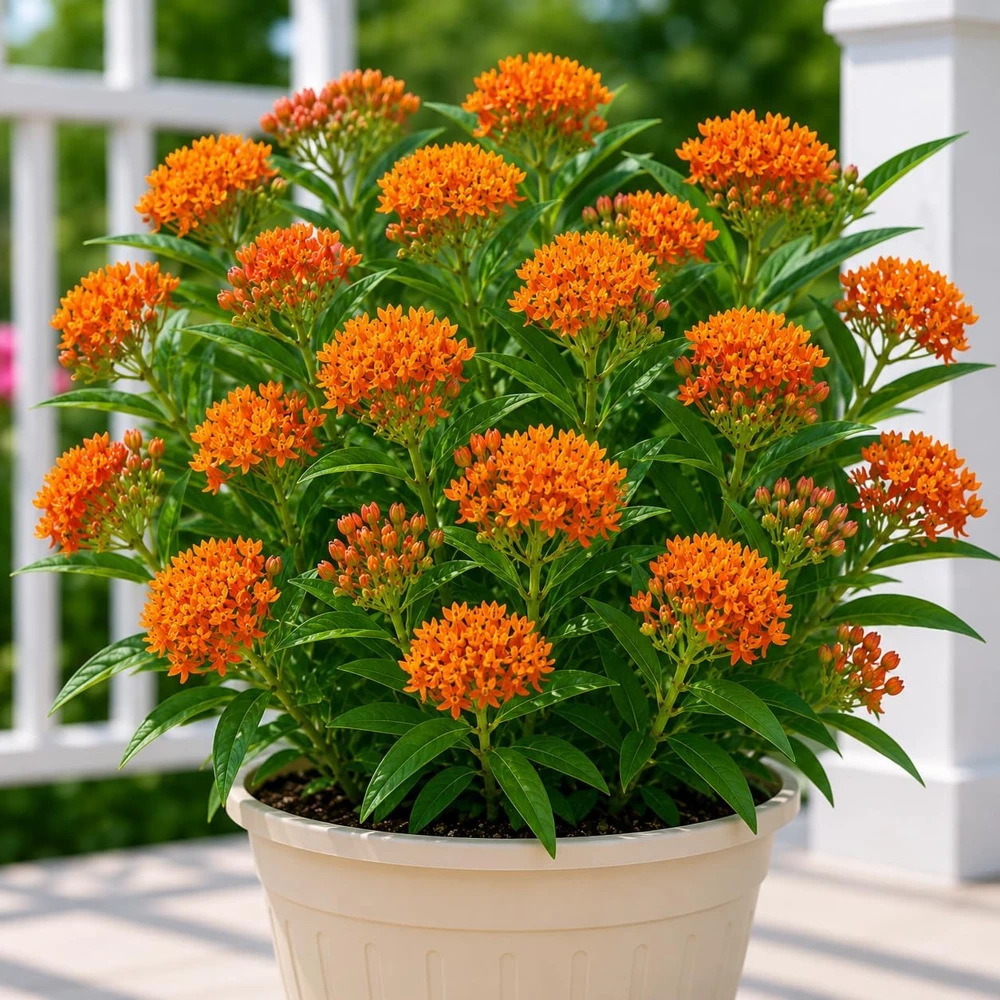
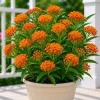
Bring vibrant color and essential pollinator support to your garden with this set of two orange milkweed live plant starters. Known scientifically as asclepias tuberosa plant, these perennials are perfect for creating a thriving butterfly garden plant habitat and producing beautiful perennial orange flower blooms.
Estimated arrival
Sep 17
Sep 22 - Sep 24
Sep 27 - Oct 01

Reasonable Price
We offer reasonable price

Support 24/7
Contact us 24 hrs a day

100% Money Back
You've 30 days to Return

Payment Secure
100% secure payment
Overview
Transform your garden into a haven for butterflies and other beneficial pollinators with this exquisite set of two orange milkweed live plant starters. Scientifically known as Asclepias tuberosa, these captivating perennials are cherished for their brilliant orange flowers and their crucial role in supporting monarch butterfly populations. Unlike many other milkweed varieties, the orange milkweed live plant does not produce a milky sap, making it a unique and accessible addition to any home garden. These plants are shipped as young starters, ready to establish themselves and grow into mature, bloom-producing specimens that will add a stunning splash of color to your outdoor space. Ideal for both seasoned gardeners and beginners, these plants offer a rewarding experience as you watch your garden come alive with nature.
Our orange milkweed live plant is a native North American wildflower, renowned for its hardiness and adaptability. It’s an excellent choice for xeriscaping or for gardeners looking to create a low-maintenance yet impactful landscape. The vibrant hues of its flowers are not only visually appealing but also act as a strong beacon for butterflies, making it an indispensable component of any butterfly garden plant. Prepare to enjoy the beauty and ecological benefits these magnificent plants bring to your outdoor living area, fostering biodiversity right in your backyard.
Key Benefits
Adding an orange milkweed live plant to your garden offers a multitude of advantages, enhancing both its aesthetic appeal and ecological value. These plants are more than just pretty flowers; they are vital contributors to a healthy ecosystem.
- Pollinator Magnet: The primary benefit of the orange milkweed live plant is its incredible ability to attract a wide array of pollinators, especially monarch butterflies. Its nectar-rich flowers provide essential food sources for butterflies, bees, and other beneficial insects, making your garden a vibrant hub of activity.
- Monarch Butterfly Host Plant: This specific variety of milkweed, the asclepias tuberosa plant, is the exclusive host plant for monarch butterfly caterpillars. By planting it, you provide a critical habitat for these iconic insects, supporting their life cycle and contributing to their conservation.
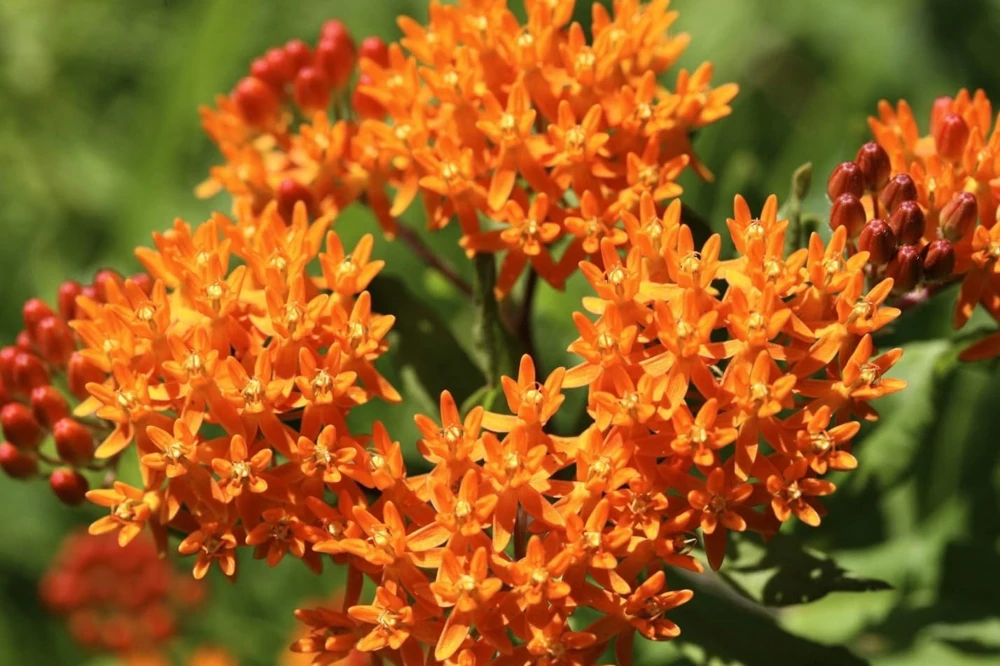
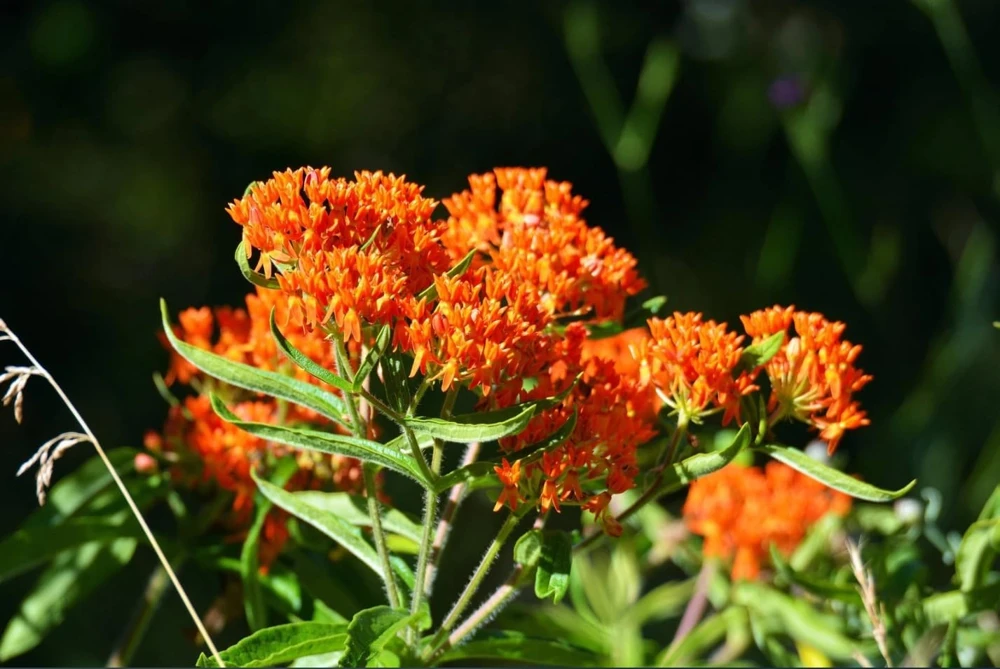
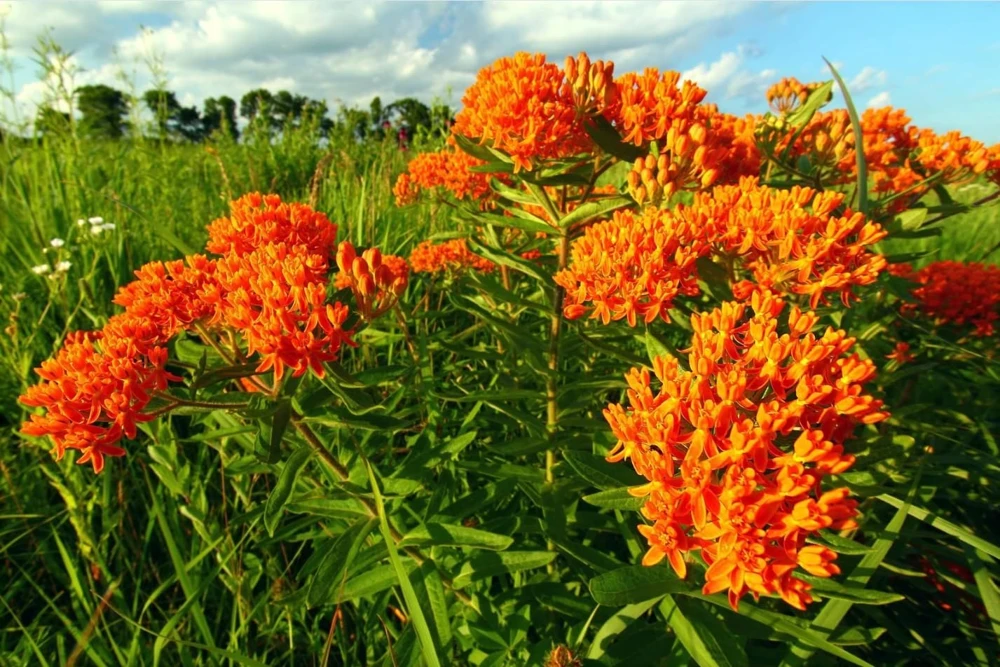
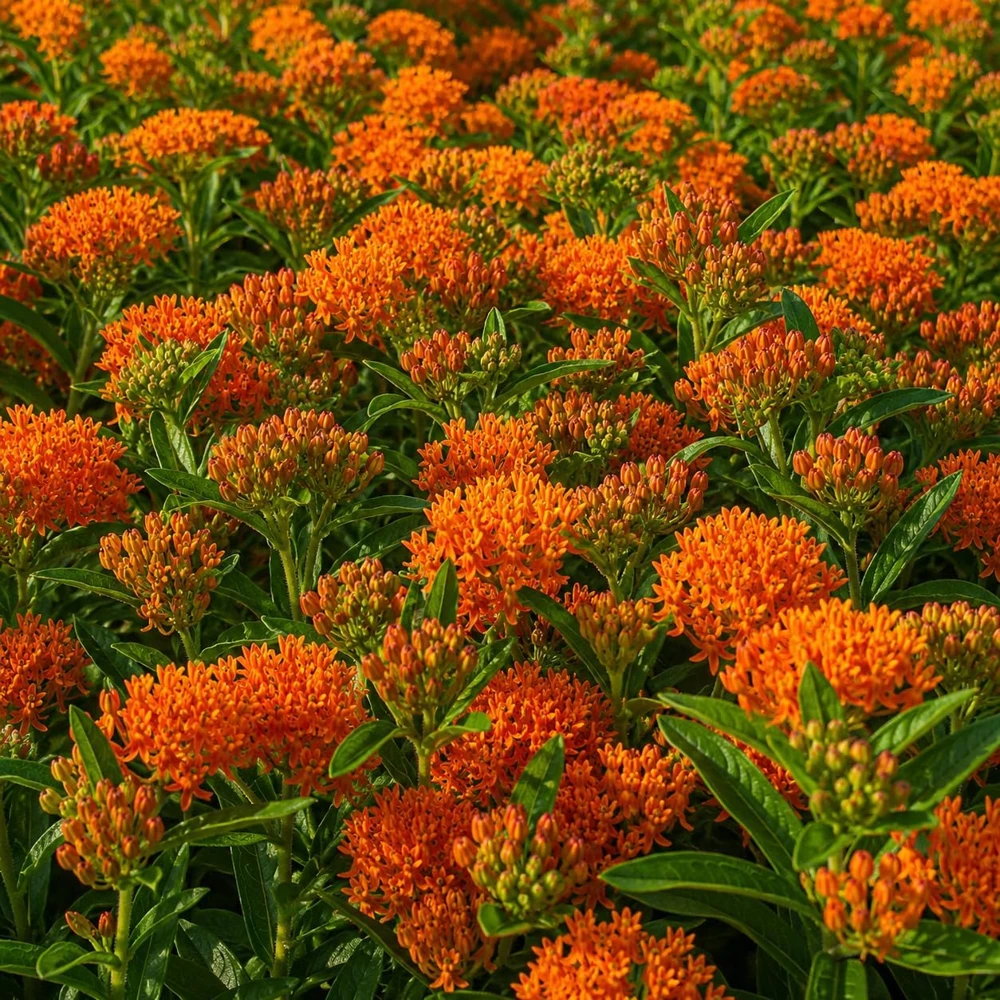
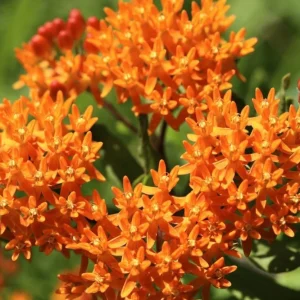
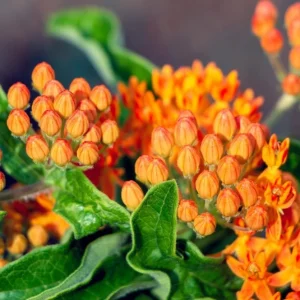
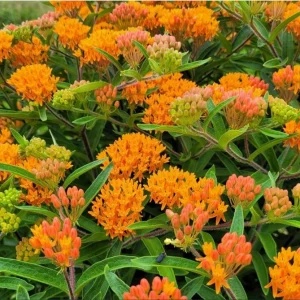
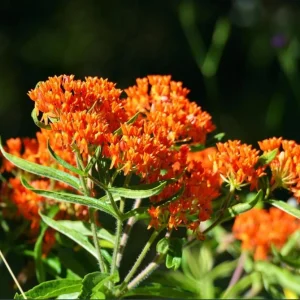
- Stunning Visual Appeal: The bright, fiery orange blooms of this perennial orange flower are truly spectacular. They create a bold statement in any garden, adding a burst of warm color from late spring through summer, drawing the eye and uplifting the garden’s overall aesthetic.
- Drought Tolerant & Low Maintenance: Once established, orange milkweed live plant is remarkably drought-tolerant, requiring minimal watering. This makes it an excellent choice for gardeners seeking beautiful plants that don’t demand constant attention, especially in water-conscious landscapes.
- Hardy Perennial: As a hardy perennial, the asclepias tuberosa plant returns year after year, growing stronger and producing more blooms with each passing season. It’s a long-term investment in your garden’s beauty and ecological health.
- Deer Resistant: Gardeners often struggle with deer browsing, but thankfully, milkweed is generally unpalatable to deer. This means your beautiful perennial orange flower displays are more likely to remain undisturbed.
- Erosion Control: With its robust root system, orange milkweed live plant can help stabilize soil, making it a useful plant for preventing erosion on slopes or in areas prone to soil displacement.
Plant Care & Growing Tips
Caring for your orange milkweed live plant is relatively straightforward, especially once it’s established. Understanding its basic needs will ensure a healthy, flourishing plant that provides abundant blooms and supports pollinators. This asclepias tuberosa plant thrives in conditions that mimic its native habitat.
For optimal growth, the orange milkweed live plant requires full sun exposure, meaning at least 6-8 hours of direct sunlight per day. Plant it in a location where it will receive ample light throughout the day. Well-draining soil is crucial; avoid heavy clay soils that retain too much moisture, as this can lead to root rot. If your soil is heavy, amend it with sand or compost to improve drainage. Water regularly during the plant’s establishment period, typically the first year after planting. Once established, the perennial orange flower is quite drought-tolerant and will only need watering during prolonged dry spells. Overwatering is a common mistake, so always check the soil moisture before watering.
The ideal temperature range for this butterfly garden plant is between 65°F and 85°F. It is hardy in USDA Zones 3-9, indicating its ability to withstand a wide range of winter temperatures. In colder zones, the plant will die back to the ground in winter and re-emerge in spring. Fertilization is generally not necessary for orange milkweed live plant, especially in rich garden soil. If your soil is particularly poor, a light application of a balanced, slow-release fertilizer in early spring can be beneficial. Watch for common garden pests, though milkweed is generally robust. Aphids can sometimes be an issue; a strong spray of water or insecticidal soap can help manage them. Regular deadheading of spent flowers can encourage more blooms and prevent self-seeding if desired, but allowing some seed pods to mature is beneficial for wildlife.
Size & Details
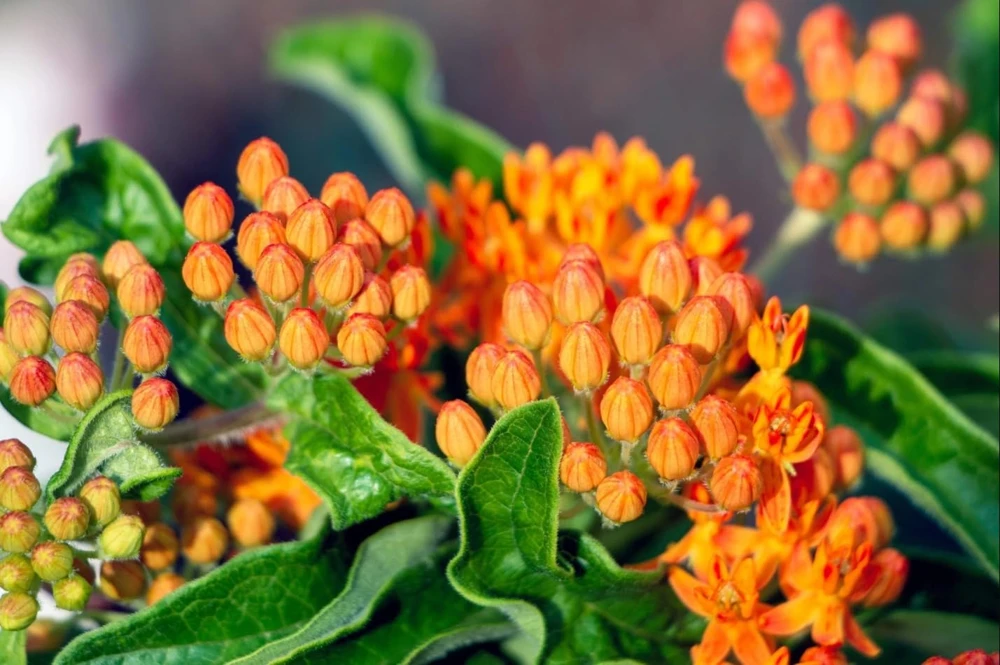
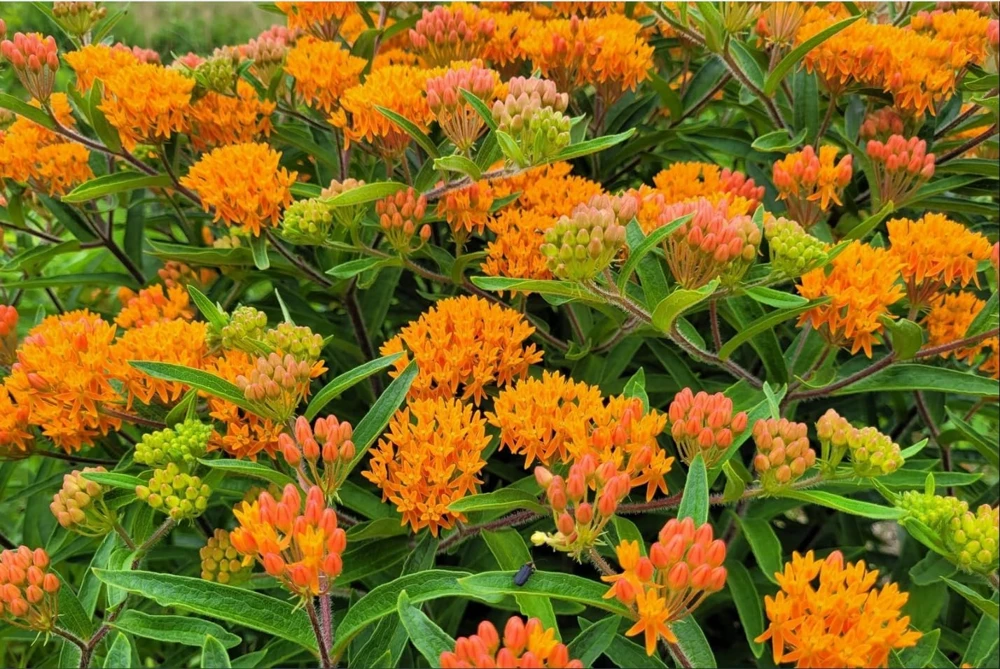
This offering includes a set of two orange milkweed live plant starters, perfect for establishing a vibrant section in your garden. Each young starter plant measures approximately 4-8 inches tall upon arrival, shipped without a pot to minimize waste and ensure healthy roots for transplanting. While the photos may display mature plants with full blooms, please note that you will receive young specimens. These starter plants may not have flowers, fruits, or the same size and appearance as the mature plants shown, as they are in their early growth stage. With proper care, these asclepias tuberosa plant specimens will grow to reach an average mature height of 2-3 feet and a similar spread, forming a bushy, upright clump. The growth rate is moderate, and you can expect to see significant development and potentially some blooms in their first full growing season. The blooming season for this perennial orange flower typically runs from late spring through summer, providing a long period of color and pollinator attraction to your butterfly garden plant.
Frequently Asked Questions
- Q: How big will my orange milkweed live plant get? A: Your orange milkweed live plant will typically grow to a mature height of 2-3 feet tall and spread about 1-2 feet wide, forming an attractive clump. The size can vary slightly based on growing conditions and climate.
- Q: Is this an indoor or outdoor plant? A: The asclepias tuberosa plant is primarily an outdoor plant. It thrives in full sun and is a hardy perennial, returning year after year in suitable climates. It is not generally grown as an indoor houseplant.
- Q: How much sunlight does the orange milkweed live plant need? A: This perennial orange flower requires full sun, meaning it needs at least 6-8 hours of direct sunlight per day to produce the most vibrant blooms and maintain healthy growth.
- Q: Is this plant easy to care for? A: Yes, the orange milkweed live plant is considered relatively easy to care for, especially once established. It’s drought-tolerant and requires minimal maintenance, making it suitable for gardeners of all experience levels.
- Q: What condition will my plants arrive in? A: Your plants will arrive as young starter plants, 4-8 inches tall, shipped without a pot. They are carefully packaged to ensure they arrive healthy and ready for planting, though they may not be flowering upon arrival.
- Q: When is the best time to plant orange milkweed? A: The best time to plant your orange milkweed live plant is in the spring after the last frost, or in early summer. This allows the plants ample time to establish their root systems before the heat of summer or the cold of winter.
- Q: What USDA Zones is this milkweed hardy in? A: This asclepias tuberosa plant is hardy in USDA Zones 3-9, meaning it can tolerate a wide range of winter temperatures and will typically return each spring in these zones.
- Q: Will this plant attract monarch butterflies? A: Absolutely! The orange milkweed live plant is a critical host plant for monarch butterfly caterpillars and a significant nectar source for adult monarchs, making it an excellent choice for a butterfly garden plant.
- Q: Do I need to fertilize my orange milkweed? A: Generally, orange milkweed live plant does not require heavy fertilization. If your soil is poor, a light application of a balanced, slow-release fertilizer in early spring can be beneficial, but avoid over-fertilizing.
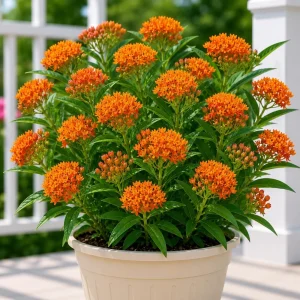
- Q: Can I grow this perennial orange flower in a container? A: While it prefers to be in the ground, orange milkweed live plant can be grown in large containers (at least 1-gallon size) with good drainage, provided it receives adequate sunlight and water.
Be the first to review “Orange Milkweed Live Plants Set of 2 – Asclepias Tuberosa Perennial, 4-8 Inch Tall”
-
USDA Hardiness Zone
3-9 -
Soil Type
Well-draining soil -
Sunlight Exposure
Full sun -
Expected Planting Period
Late spring to summer
People Also Viewd


Sold 134 products
Original price was: $3,536.00.$23.99Current price is: $23.99.

Sold 131 products
Original price was: $89.99.$64.99Current price is: $64.99.

Sold 131 products
Original price was: $27.00.$24.00Current price is: $24.00.

Sold 125 products
Original price was: $86.99.$66.99Current price is: $66.99.

Flower Bulbs
3 Cranesbill Wild Geranium Organic Maculatums Bare Roots | Wildflower for Outdoor Garden
Sold 116 products
Original price was: $21.99.$9.99Current price is: $9.99.

Sold 114 products
Original price was: $28.99.$17.99Current price is: $17.99.
Sold 110 products
Original price was: $63.99.$28.99Current price is: $28.99.
Sold 108 products
Original price was: $28.99.$17.99Current price is: $17.99.RELATED posts
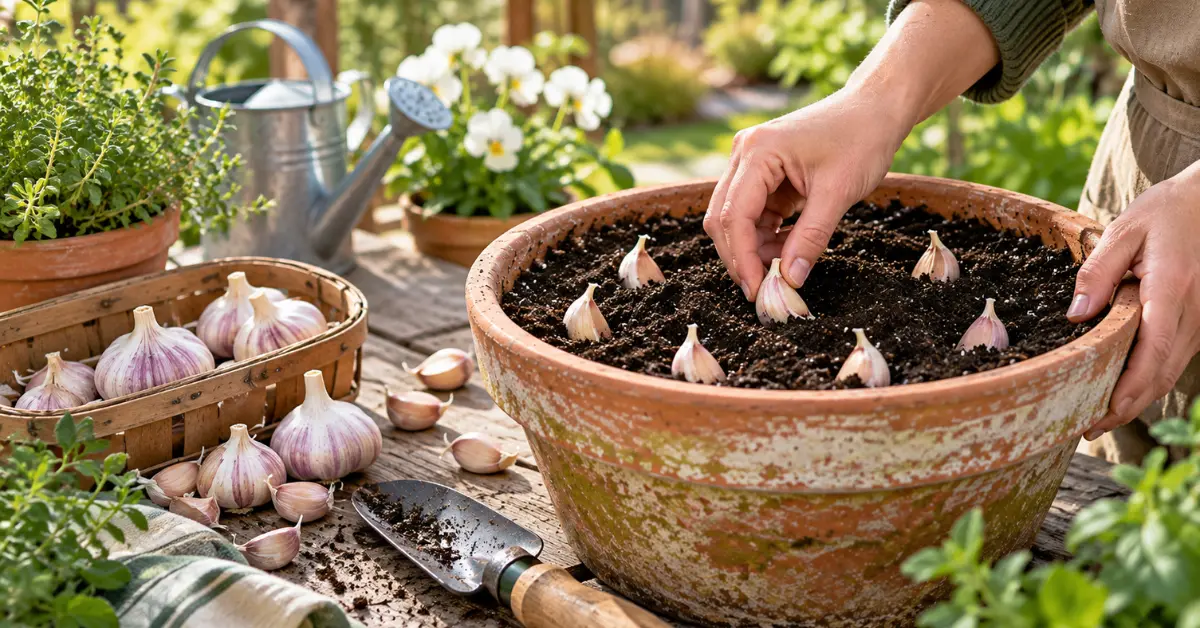
Growing Garlic in Containers This Fall: A Complete Guide for Beginners
If you’ve ever wanted to pop fresh, aromatic garlic cloves straight from your own patio [...]
Sep
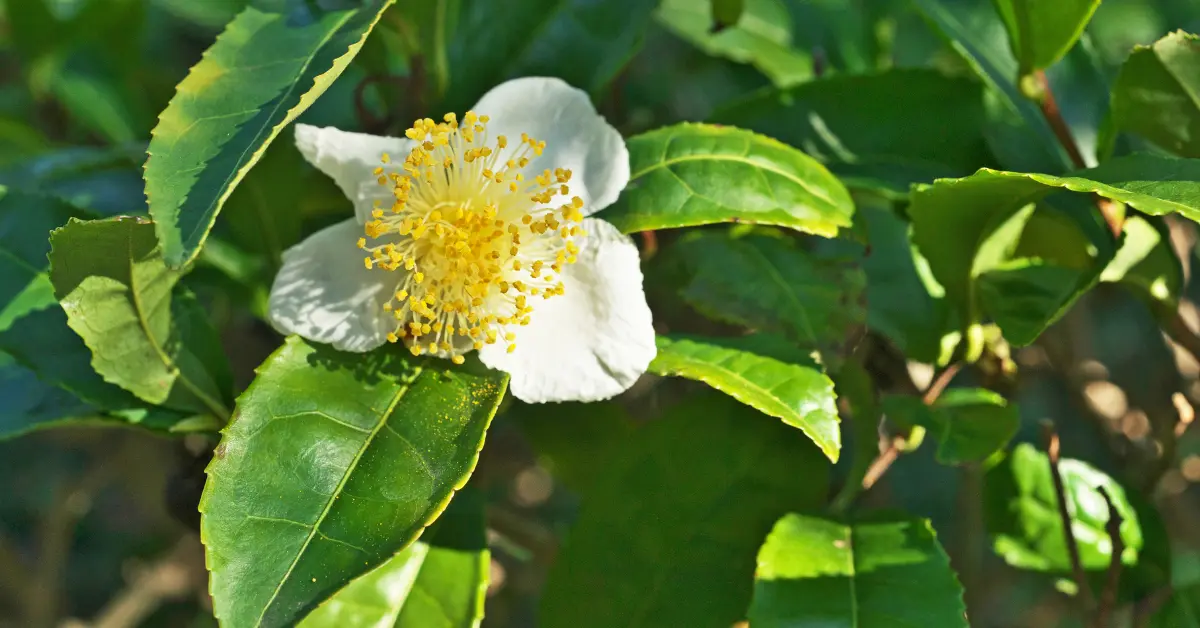
Growing Camellia Sinensis (Tea Plants) in Containers: A Complete Guide for Beginners
If you’ve ever wanted to sip a steaming, homegrown cup of fresh green, black, or [...]
Aug
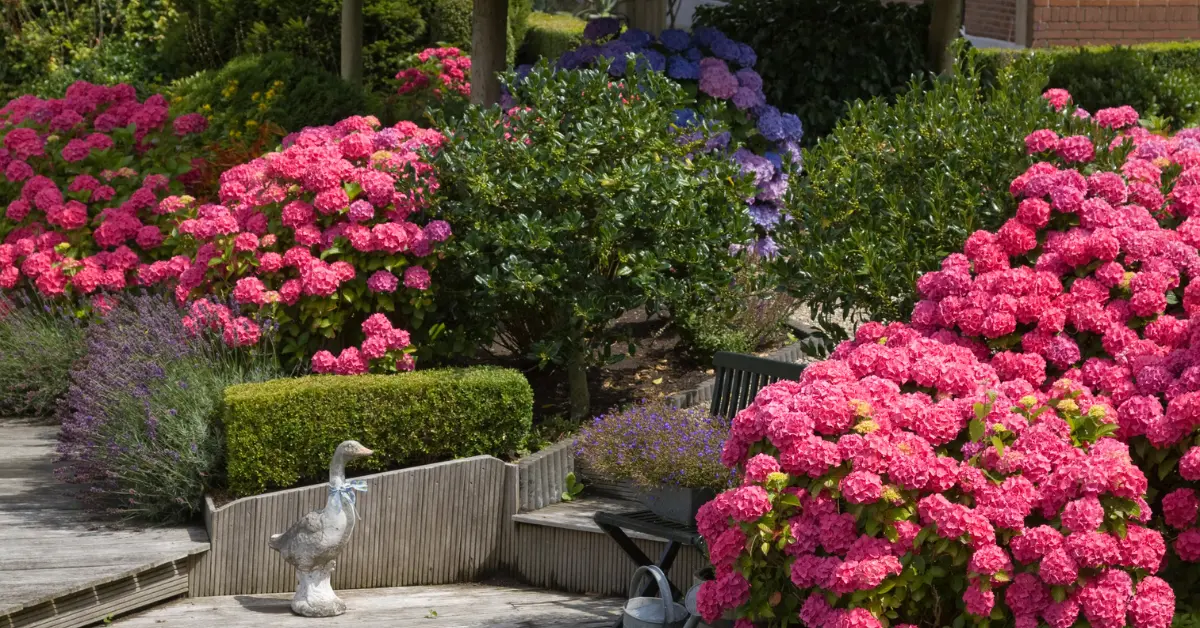
6 Best Shrubs to Plant in August You Must Try
Have you ever walked through a nursery late in the summer, admired the vibrant shrubs [...]
Aug

Growing Everbearing Strawberries in Containers: A Complete Guide for Beginners
Want to grow sweet, fresh strawberries but do not have a large garden? Everbearing strawberries [...]
Aug
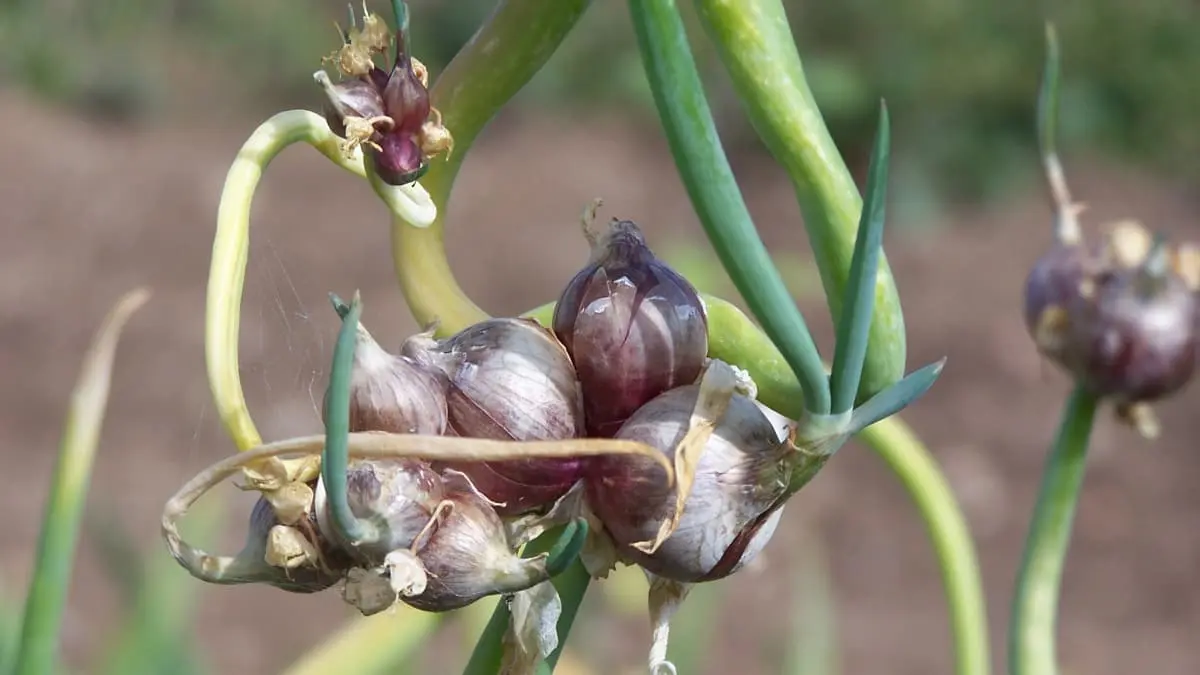
Growing Egyptian Walking Onions in Containers: A Complete Guide for Beginners
If you’re looking for a hardy, no-fuss perennial onion that keeps on giving year after [...]
Jul
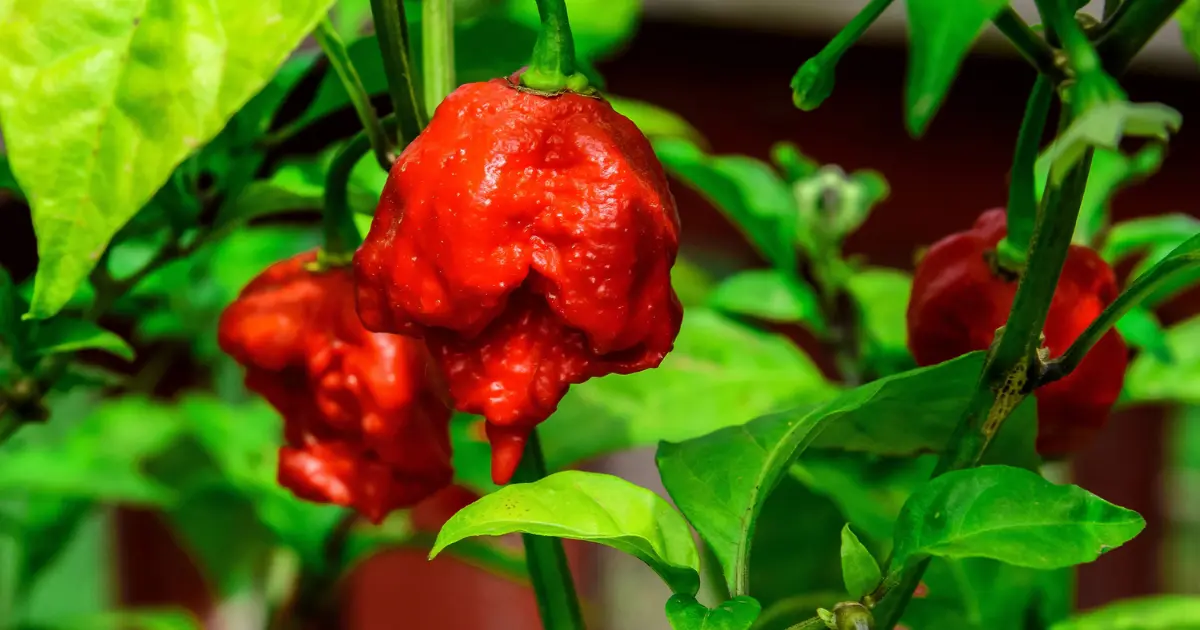
Growing Carolina Reaper Peppers in Pots: A Complete Guide for Beginners
If you’ve ever wanted to add some serious, record-breaking heat to your home cooking, you’ve [...]
May
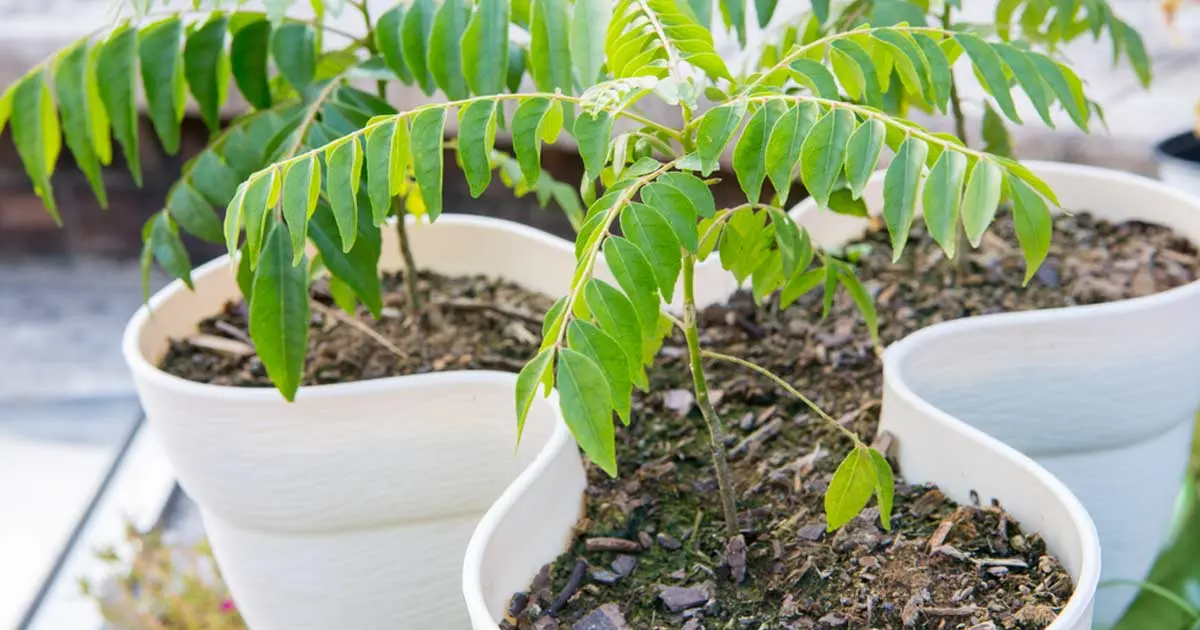
Growing Curry Leaf Plant in Pots: A Complete Guide for Beginners
If you’re a fan of authentic South Asian cuisine, you already know that nothing compares [...]
May

5 Tips for Growing Carolina Reaper Peppers to Get the Spiciest Harvest Ever
Holding the record for one of the world’s hottest peppers, the Reaper isn’t just a [...]
May

Reviews
There are no reviews yet.