
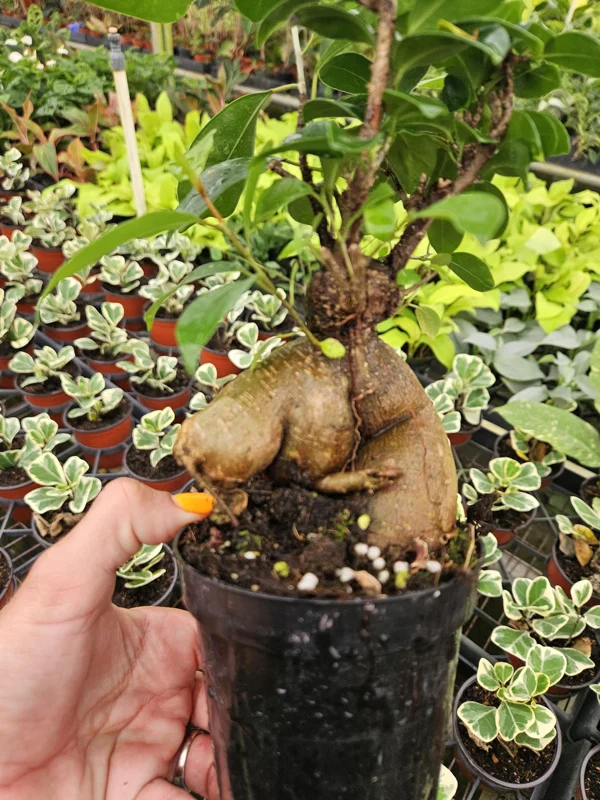
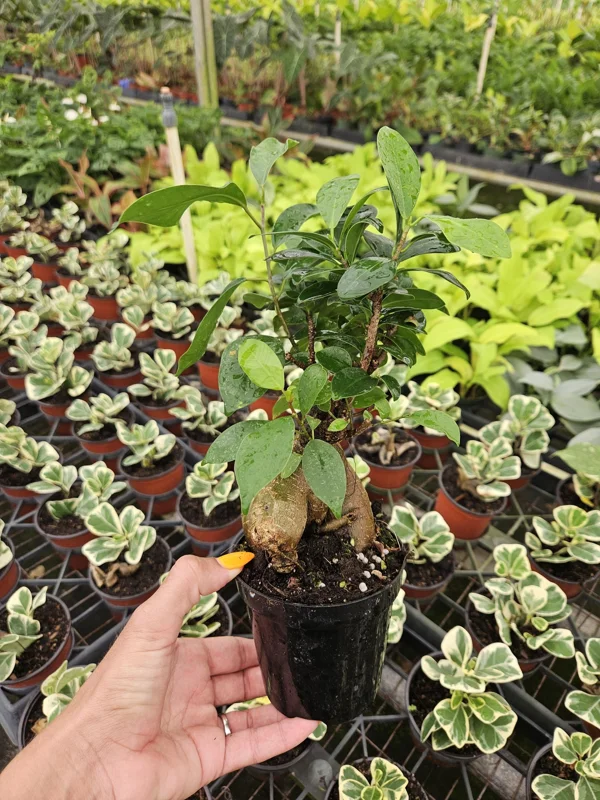
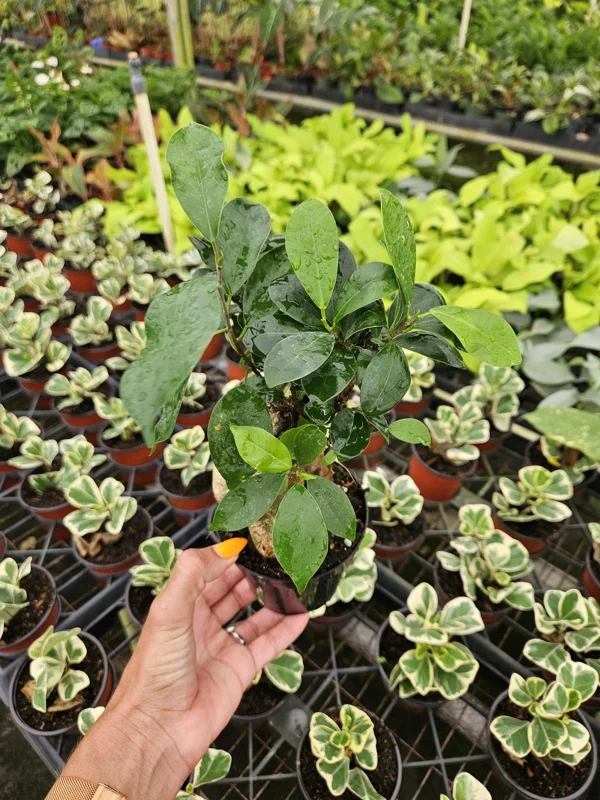

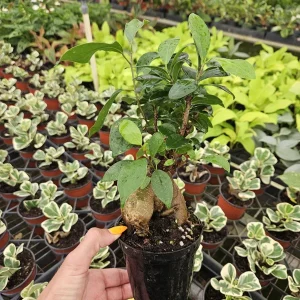
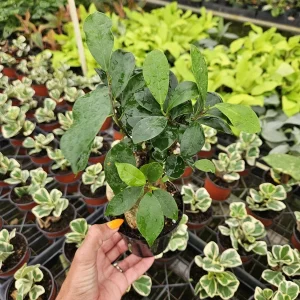

Ficus Ginseng Bonsai Tree Live Plant – 4 Inch Pot – Indoor Beginner-Friendly
Price range: $32.51 through $38.99
Introduce peace and natural beauty to your space with a ficus ginseng bonsai tree. This beginner bonsai tree in a 4 inch pot is perfect for desks or shelves, offering unique sculptural roots and glossy foliage for an easy care bonsai experience.
Estimated arrival
Oct 16
Oct 21 - Oct 23
Oct 26 - Oct 30

Reasonable Price
We offer reasonable price

Support 24/7
Contact us 24 hrs a day

100% Money Back
You've 30 days to Return

Payment Secure
100% secure payment
Overview
Discover the serene beauty of the ficus ginseng bonsai tree, a captivating indoor plant that brings a touch of ancient artistry and tranquility to any home or office. Renowned for its distinctive, gnarled aerial roots and lush, glossy green leaves, this particular Ficus variety, Ficus microcarpa ‘Ginseng’, offers the aesthetic appeal of a mature bonsai in a compact, manageable form. Unlike many traditional bonsai, the ficus ginseng bonsai tree is exceptionally forgiving and requires minimal specialized care, making it an ideal choice for both seasoned plant enthusiasts and those new to the world of bonsai. Each plant is cultivated to highlight its unique root structure, creating a natural, miniature tree appearance that evokes the peaceful atmosphere of a Zen garden. This live plant is potted in a convenient 4 inch nursery pot, ready to adorn your living space or serve as a thoughtful, living gift.
The Ficus Ginseng is not only a beautiful decorative element but also a vibrant living sculpture that grows and evolves with proper attention. Its resilience and adaptability to indoor environments make it a popular choice for urban dwellers and anyone seeking to incorporate more greenery into their daily lives. The robust nature of this plant means it can tolerate occasional neglect better than many other bonsai species, providing a rewarding experience without demanding constant vigilance. Its presence can help create a calming ambiance, making it a perfect addition to meditation spaces, workspaces, or cozy corners of your home. Embrace the art of bonsai with this charming and accessible plant, and watch as it transforms your environment into a tranquil haven.
Key Benefits
The ficus ginseng bonsai tree offers a multitude of advantages beyond its captivating appearance, making it a truly rewarding addition to any plant collection. Its unique characteristics contribute to both aesthetic appeal and environmental well-being.
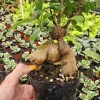
- Unique Appearance: This bonsai features striking, thick, and gnarled aerial roots that resemble miniature tree trunks, creating a mature and artistic look. Its glossy, dark green foliage provides a vibrant contrast, making it a natural focal point in any room. The distinctive root structure is what gives the ‘Ginseng’ variety its popular name and charm, offering an instant sense of ancient wisdom and natural beauty.
- Beginner-Friendly Care: Often hailed as the perfect beginner bonsai tree, the Ficus Ginseng is remarkably hardy and adaptable. It tolerates a wider range of conditions than many other bonsai species, making it forgiving for those new to plant care or with busy schedules. Its resilience ensures a higher success rate for new bonsai owners.
- Air-Purifying Qualities: Like many houseplants, the ficus ginseng bonsai tree contributes to improved indoor air quality by filtering out common pollutants. It helps create a healthier and fresher living environment, making your home feel more invigorating and clean.
- Symbol of Peace & Harmony: In many cultures, bonsai trees symbolize peace, harmony, and balance. Gifting or owning a Ficus Ginseng can bring these positive associations into your life and space, fostering a sense of calm and well-being. It’s also considered a symbol of good luck and longevity.
- Versatile Decor: Its compact size and elegant form make it suitable for various settings. Whether placed on a desk, shelf, windowsill, or as a centerpiece, this indoor bonsai plant easily integrates into diverse interior design styles, from modern minimalist to traditional.
- Low Maintenance: Compared to other bonsai, this easy care bonsai requires less frequent pruning and is less prone to common pests and diseases. Its robust nature means you can enjoy its beauty without extensive horticultural knowledge or constant attention.
- Promotes Mindfulness: The act of caring for a bonsai, even a low-maintenance one, can be a therapeutic and mindful practice. It encourages observation, patience, and a connection with nature, offering a peaceful escape from daily stresses.
Plant Care & Growing Tips
Caring for your ficus ginseng bonsai tree is a straightforward and rewarding experience, especially given its reputation as an easy care bonsai. Understanding its basic needs will ensure your plant thrives and maintains its beautiful, miniature tree form. This indoor bonsai plant prefers consistent conditions but is quite tolerant of minor fluctuations.
Light Requirements: The Ficus Ginseng thrives in bright, indirect light. Place it near a window where it can receive plenty of ambient light without direct exposure to harsh afternoon sun, which can scorch its leaves. A north or east-facing window is often ideal. If direct sun is unavoidable, ensure it’s limited to gentle morning light. Insufficient light can lead to leggy growth and smaller leaves, while too much direct sun can cause leaf burn. Rotate your plant every few weeks to ensure even growth and light exposure on all sides.
Watering Schedule: Consistency is key when watering your ficus ginseng bonsai tree. The soil should be kept evenly moist but never soggy. Allow the top inch or two of the soil to dry out slightly between waterings. To check, simply insert your finger into the soil. When it feels slightly dry, it’s time to water thoroughly until water drains from the bottom of the pot. Avoid letting the pot sit in standing water, as this can lead to root rot. During winter months or periods of lower light, reduce watering frequency as the plant’s metabolic rate slows down. Conversely, in warmer, brighter conditions, you may need to water more often.
Humidity and Temperature: Ficus Ginseng prefers moderate to high humidity, typical of most household environments. If your home is particularly dry, especially during winter with heating systems running, consider misting the leaves occasionally or placing the pot on a pebble tray filled with water (ensure the pot doesn’t sit directly in the water). The ideal temperature range for this indoor bonsai plant is between 65°F and 85°F (18°C-29°C). Protect it from cold drafts, sudden temperature drops, and extreme heat, as these can stress the plant and cause leaf drop.
Soil and Fertilization: Use a well-draining potting mix specifically formulated for houseplants or bonsai. Good drainage is crucial to prevent waterlogging. Fertilize your ficus ginseng bonsai tree every 2-4 weeks during the growing season (spring and summer) with a balanced liquid fertilizer diluted to half strength. Reduce or stop fertilization during the dormant winter months. Over-fertilization can harm the plant, so always follow product instructions. For healthy growth, you may also consider occasional repotting every 2-3 years in spring to refresh the soil and prune roots if necessary.
Common Problems and Pruning: The Ficus Ginseng is generally hardy, but watch out for common houseplant pests like spider mites or mealybugs, especially in dry conditions. Inspect your plant regularly and treat any infestations promptly with insecticidal soap. Leaf drop can occur due to sudden changes in environment, overwatering, or underwatering. Pruning is essential for maintaining the bonsai shape; pinch back new growth to encourage branching and keep the plant compact. You can also gently wire branches to shape them, but be careful not to damage the bark. Regular ficus bonsai care, including attentive watering and appropriate light, will help prevent most issues.
Size & Details
This ficus ginseng bonsai tree arrives as a healthy, established live plant, carefully cultivated to exhibit its characteristic gnarled roots and vibrant foliage. Each plant is nestled in a 4 inch nursery pot, providing a stable and suitable environment for its initial growth. While individual plants will vary slightly in exact dimensions due to their unique growth patterns, you can generally expect a plant that is compact and desk-friendly, typically standing between 6 to 10 inches tall from the base of the pot. This size makes it ideal for display in a variety of indoor settings, from office desks and bookshelves to kitchen counters and living room side tables. The relatively slow growth rate of the Ficus Ginseng means it will maintain its miniature form for an extended period, requiring only occasional maintenance to retain its desired shape.
The plant is shipped in its nursery pot with soil, ensuring minimal transplant shock upon arrival. Its robust nature makes it an excellent choice for those seeking a long-lasting and aesthetically pleasing botanical companion. With consistent ficus bonsai care, this plant can thrive for many years, becoming a cherished part of your indoor garden. The distinctive root structure, resembling a small tree trunk, is a natural feature developed over time, adding to its charm and appeal as a unique living art piece. Expect a healthy, well-rooted specimen ready to bring natural beauty and tranquility into your home.
Frequently Asked Questions
- Q: How big does this ficus ginseng bonsai tree get? A: This ficus ginseng bonsai tree is typically compact, arriving in a 4 inch pot and generally growing to about 6-10 inches tall. With consistent pruning, it can be maintained at a desk-friendly size, making it perfect as an indoor bonsai plant.
- Q: Is this an indoor or outdoor plant? A: The Ficus Ginseng is primarily an indoor bonsai plant in most climates, thriving in typical household temperatures. It can be moved outdoors during warm summer months, but should be brought inside before temperatures drop below 50°F (10°C).
- Q: How much sunlight does it need? A: This plant prefers bright, indirect light. Place it near a window where it can receive plenty of light without direct sun exposure, especially during the harsh afternoon hours. Some gentle morning sun is usually beneficial.
- Q: Is this plant easy to care for? A: Yes, the Ficus Ginseng is considered one of the easiest bonsai trees to care for, making it an excellent beginner bonsai tree. Its resilience and adaptability contribute to it being an easy care bonsai compared to other varieties.
- Q: What condition will it arrive in? A: Your ficus ginseng bonsai tree will arrive as a healthy, live plant, well-rooted in its 4 inch nursery pot. It is carefully packed to ensure safe transit and minimal stress.
- Q: How often should I water my ficus ginseng bonsai? A: Water when the top inch or two of the soil feels slightly dry to the touch. Keep the soil consistently moist but never waterlogged. This typically means watering every few days, depending on your environment.
- Q: Does this plant require special soil? A: It thrives in a well-draining potting mix. You can use a standard houseplant mix or a specific bonsai soil that ensures good drainage and aeration for its roots.
- Q: Can I prune this bonsai to keep its shape? A: Absolutely! Regular pruning is key to maintaining the classic bonsai shape. Pinching back new growth encourages bushier foliage and helps sculpt your ficus ginseng bonsai tree over time.
- Q: Is the ficus ginseng bonsai pet-safe? A: Unfortunately, Ficus plants, including the Ginseng variety, are considered mildly toxic to pets if ingested. It’s best to keep them out of reach of curious animals.
- Q: What is the best temperature range for this plant? A: The Ficus Ginseng prefers temperatures between 65°F and 85°F (18°C-29°C). Avoid exposing it to cold drafts or temperatures below 50°F (10°C) to prevent stress and leaf drop.
| Winter Shipping Option | Plant And Heat Pack, Plant Only |
|---|
Be the first to review “Ficus Ginseng Bonsai Tree Live Plant – 4 Inch Pot – Indoor Beginner-Friendly”
-
USDA Hardiness Zone
Year-round indoors -
Soil Type
Well-draining potting mix -
Sunlight Exposure
Bright indirect light -
Expected Planting Period
Year-round indoors
People Also Viewd
Sold 134 products
Original price was: $3,536.00.$23.99Current price is: $23.99.
Sold 132 products
Original price was: $27.00.$24.00Current price is: $24.00.
Sold 132 products
Original price was: $89.99.$64.99Current price is: $64.99.

Sold 125 products
Original price was: $86.99.$66.99Current price is: $66.99.
Flower Bulbs
3 Cranesbill Wild Geranium Organic Maculatums Bare Roots | Wildflower for Outdoor Garden
Sold 116 products
Original price was: $21.99.$9.99Current price is: $9.99.
Sold 114 products
Original price was: $28.99.$17.99Current price is: $17.99.
Sold 110 products
Original price was: $63.99.$28.99Current price is: $28.99.
Sold 108 products
Original price was: $28.99.$17.99Current price is: $17.99.RELATED posts
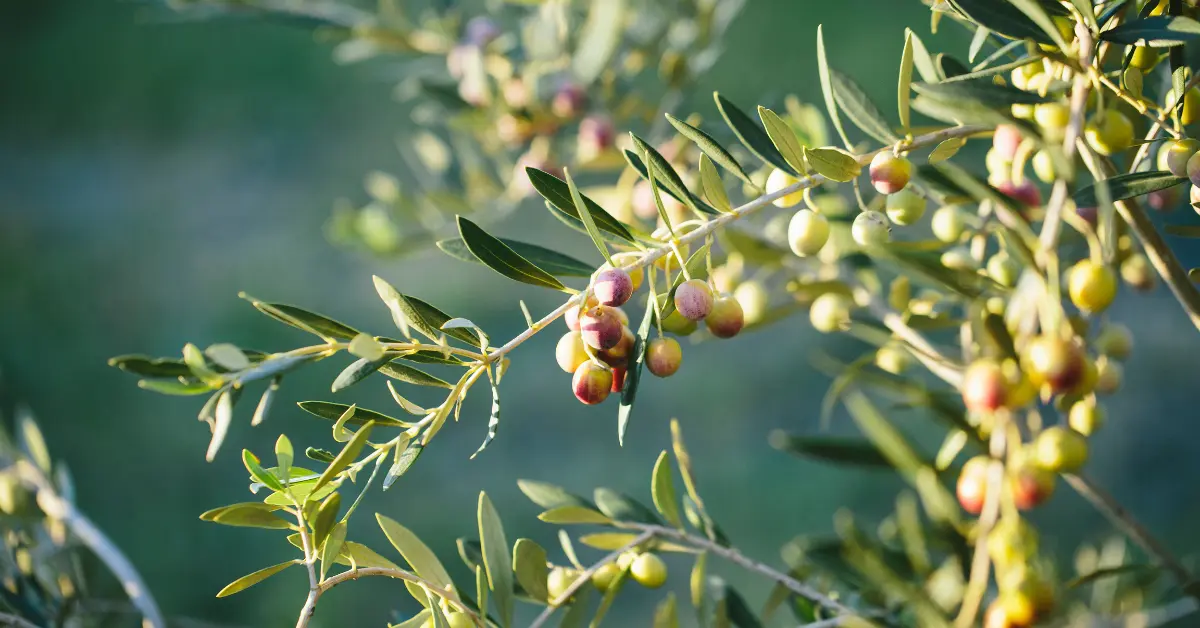
How to Grow Arbequina Olive Trees: The Ultimate Guide to Your Own Olive Grove
Arbequina Olive Tree (Olea europaea ‘Arbequina’) – the ultimate Mediterranean plant that brings a touch [...]
Oct
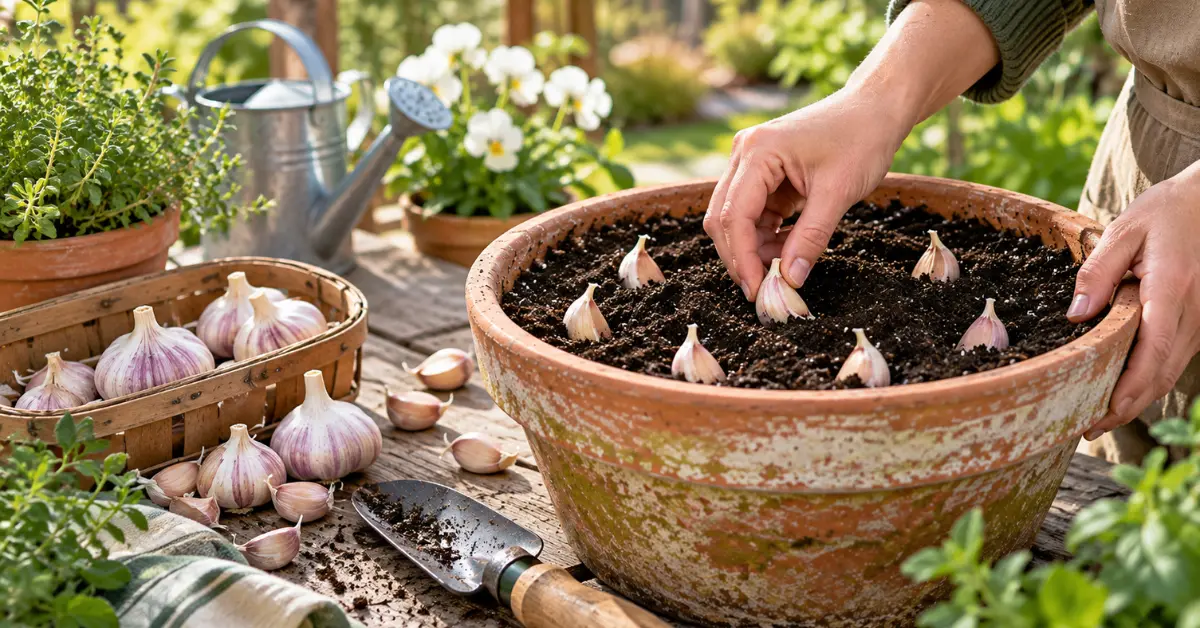
Growing Garlic in Containers This Fall: A Complete Guide for Beginners
If you’ve ever wanted to pop fresh, aromatic garlic cloves straight from your own patio [...]
Sep
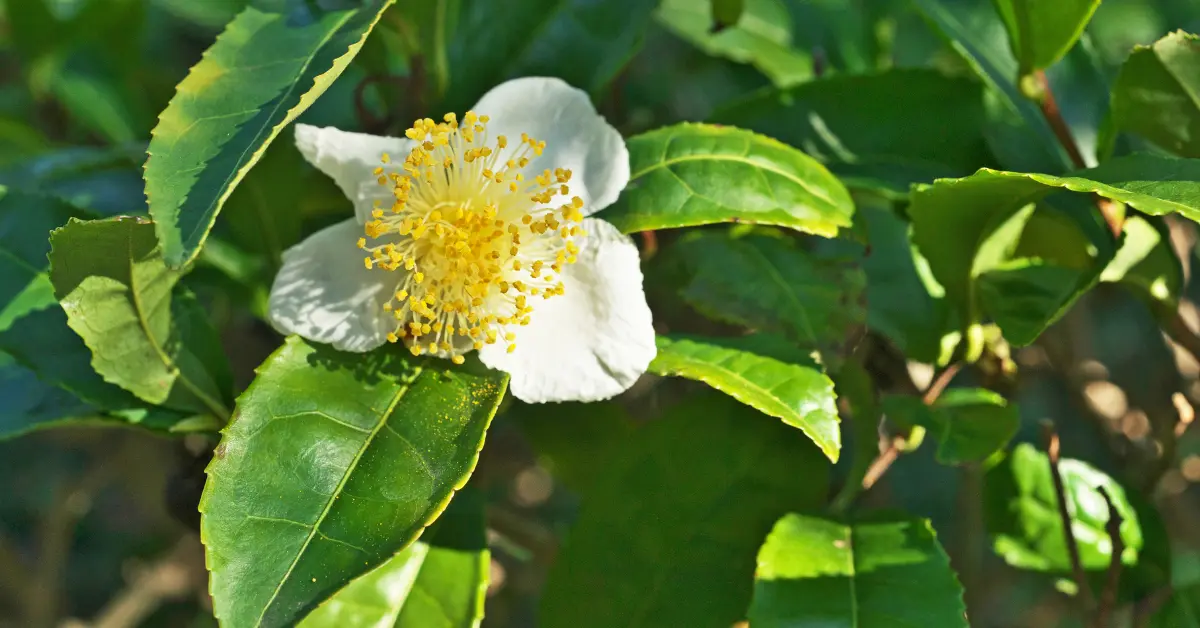
Growing Camellia Sinensis (Tea Plants) in Containers: A Complete Guide for Beginners
If you’ve ever wanted to sip a steaming, homegrown cup of fresh green, black, or [...]
Aug
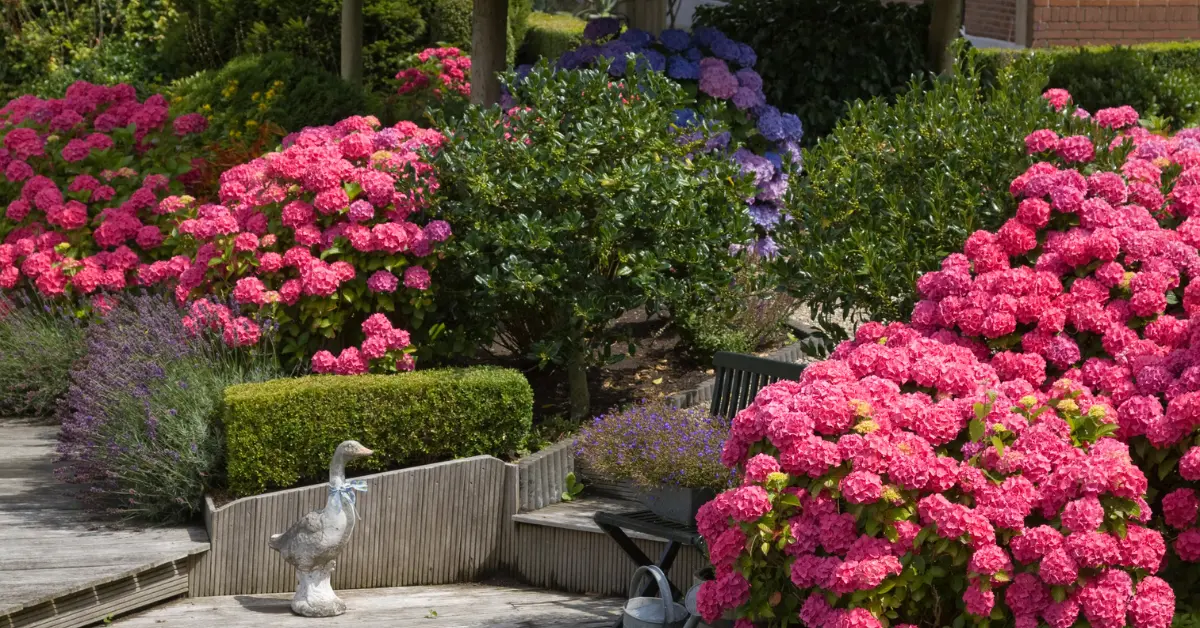
6 Best Shrubs to Plant in August You Must Try
Have you ever walked through a nursery late in the summer, admired the vibrant shrubs [...]
Aug
Growing Everbearing Strawberries in Containers: A Complete Guide for Beginners
Want to grow sweet, fresh strawberries but do not have a large garden? Everbearing strawberries [...]
Aug
Growing Egyptian Walking Onions in Containers: A Complete Guide for Beginners
If you’re looking for a hardy, no-fuss perennial onion that keeps on giving year after [...]
Jul
Growing Carolina Reaper Peppers in Pots: A Complete Guide for Beginners
If you’ve ever wanted to add some serious, record-breaking heat to your home cooking, you’ve [...]
May
Growing Curry Leaf Plant in Pots: A Complete Guide for Beginners
If you’re a fan of authentic South Asian cuisine, you already know that nothing compares [...]
May
Reviews
There are no reviews yet.