
Karl Foerster Feather Reed Grass Live Plant – Perennial Ornamental Grass – Outdoor
Original price was: $55.98.$27.99Current price is: $27.99.
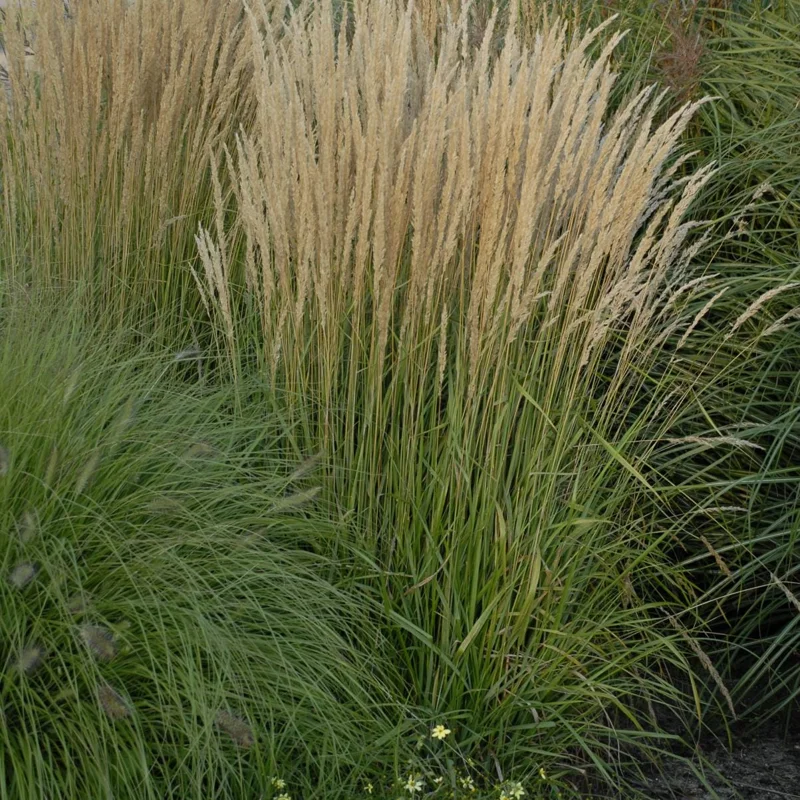
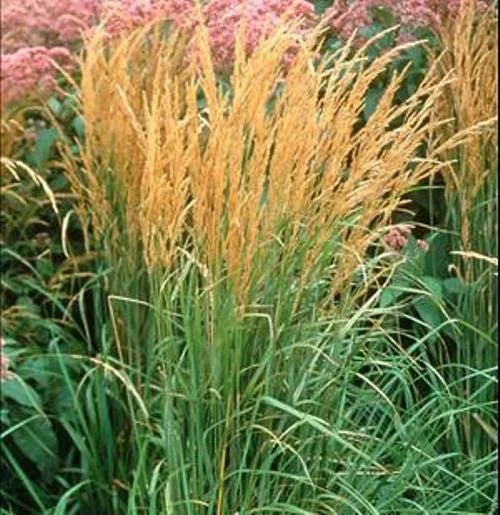
Introduce the elegant Karl Foerster Feather Reed Grass to your garden. This stunning ornamental grass perennial offers dramatic vertical interest with its upright growth and beautiful feathery plumes, perfect for borders or mass plantings. It’s a low-maintenance, drought-tolerant choice for sunny outdoor spaces.
Estimated arrival
Oct 16
Oct 21 - Oct 23
Oct 26 - Oct 30

Reasonable Price
We offer reasonable price

Support 24/7
Contact us 24 hrs a day

100% Money Back
You've 30 days to Return

Payment Secure
100% secure payment
Overview
Transform your garden with the majestic presence of Karl Foerster Feather Reed Grass, a highly popular and versatile ornamental grass. This exceptional perennial live plant, scientifically known as Calamagrostis acutiflora ‘Karl Foerster’, is celebrated for its striking upright growth habit and beautiful feathery plumes that emerge in early summer. It creates a dramatic vertical accent in any landscape, providing year-round interest. Unlike many other grasses, Karl Foerster Feather Reed Grass maintains its neat, columnar form, making it an ideal choice for formal and informal garden designs alike. Its distinctive bronze seed heads persist through fall and winter, adding texture and movement to the dormant garden.
Known for its robust nature and adaptability, this ornamental grass perennial thrives in a variety of conditions, making it a favorite among gardeners seeking both beauty and resilience. Whether used as a specimen plant, in mass plantings, or along borders, its architectural form and graceful plumes are sure to capt captivate. This plant is a true workhorse in the landscape, offering a long season of appeal from its vibrant green foliage in spring to its golden winter stalks.
Key Benefits
Adding Karl Foerster Feather Reed Grass to your garden provides numerous advantages, enhancing both the aesthetic appeal and the ecological value of your outdoor space. Its unique characteristics make it a standout choice for various landscaping needs.
- Dramatic Vertical Interest: The tall, upright growth of this grass creates a strong vertical element, drawing the eye upwards and adding structure to flat landscapes. It’s excellent for creating defined spaces or acting as a backdrop for lower-growing plants.
- Year-Round Appeal: From its fresh green foliage in spring to its summer plumes and persistent golden winter stalks, Karl Foerster Feather Reed Grass offers seasonal beauty. The feathery seed heads provide visual interest and texture even in the coldest months.
- Low Maintenance & Drought Tolerant: Once established, this perennial requires minimal care. It’s highly resistant to drought and generally free from pests and diseases, making it perfect for busy gardeners or those in drier climates.
- Versatile Landscaping Use: Ideal for a wide range of applications, including mass plantings, borders, screens, container gardening, or as a striking specimen plant. Its columnar form fits well into various garden styles, from modern to naturalistic.
- Attracts Wildlife: The seed heads can provide food for birds in late fall and winter, contributing to local biodiversity. The dense foliage also offers shelter for beneficial insects.
- Sound & Movement: The slender stalks and feathery plumes sway gracefully in the breeze, creating soothing sounds and adding dynamic movement to the garden. This natural element enhances the sensory experience of your outdoor space.
- Erosion Control: Its fibrous root system helps to stabilize soil, making it a good choice for slopes or areas prone to erosion. This practical benefit complements its ornamental value.
Plant Care & Growing Tips
Caring for your Karl Foerster Feather Reed Grass is relatively straightforward, ensuring a vibrant and healthy display with minimal effort. This hardy ornamental grass perennial is known for its adaptability, but a few key practices will help it thrive. For optimal growth, plant it in a location that receives full sun, meaning at least 6 hours of direct sunlight per day. While it can tolerate partial shade, too little sun may result in floppier growth and fewer plumes.
When it comes to watering, this grass prefers consistently moist soil when establishing. However, once mature, it becomes quite drought tolerant and will only need occasional watering during prolonged dry spells. Overwatering can lead to root rot, so ensure good drainage. The ideal soil type is well-draining, rich loam, but it will adapt to various soil conditions, including clay and sandy soils, as long as it doesn’t remain waterlogged. A neutral to slightly acidic pH is preferred. For best results, consider amending heavy clay soils with organic matter to improve drainage.
Fertilization is rarely necessary for established plants. If your soil is particularly poor, a light application of a balanced, slow-release granular fertilizer in early spring can be beneficial. The most important maintenance task is cutting back the foliage. In late winter or early spring, before new growth appears, cut the entire plant back to about 6-12 inches from the ground. This promotes fresh, vigorous growth and prevents old, dead foliage from accumulating. This simple practice ensures your feather reed grass care routine is effective and your plant remains attractive. This perennial is hardy in USDA Zones 4-9, tolerating a wide range of temperatures.
Size & Details
The Karl Foerster Feather Reed Grass is a robust perennial known for its impressive size and elegant form. Typically, this grass grows to an impressive height of 3-5 feet with its foliage, and its flower plumes can reach 5-6 feet tall. It maintains a relatively narrow spread of about 1.5-2.5 feet, creating a striking columnar silhouette in the landscape. This makes it an excellent choice for areas where vertical interest is desired without taking up too much horizontal space. It boasts a moderate to fast growth rate, quickly establishing itself to provide an impactful visual presence within a season or two.
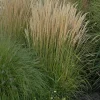
This live plant typically ships as a healthy, established plant in a nursery pot, ready for immediate planting upon arrival. The exact pot size may vary but is generally sized appropriately for safe transit and successful transplanting. The feathery, wheat-like flower plumes emerge in late spring to early summer, starting with a reddish-bronze hue and gradually fading to a golden tan as the season progresses, persisting beautifully through winter. Expect lush green foliage throughout the growing season, providing a vibrant backdrop for its dramatic plumes. The long-lasting appeal of Calamagrostis acutiflora Karl Foerster makes it a valuable addition to any garden.
Frequently Asked Questions
- Q: How big does this plant get? A: Karl Foerster Feather Reed Grass typically grows 3-5 feet tall with its foliage, and its elegant flower plumes can reach up to 6 feet in height. It maintains a narrow spread of 1.5-2.5 feet.
- Q: Is this an indoor or outdoor plant? A: This is an outdoor perennial grass, best suited for garden beds, borders, and mass plantings in full sun. It is not recommended for indoor cultivation.
- Q: How much sunlight does it need? A: For optimal growth and prolific blooming, Karl Foerster Feather Reed Grass requires full sun, meaning at least 6 hours of direct sunlight per day. It can tolerate some partial shade but may become leggy.
- Q: Is this plant easy to care for? A: Yes, it is considered a very easy-care plant. Once established, it is drought-tolerant and generally pest and disease-free, making feather reed grass care minimal.
- Q: What condition will it arrive in? A: Your Karl Foerster Feather Reed Grass will arrive as a healthy, live plant in a nursery pot, carefully packaged to ensure its safe journey and readiness for planting in your garden.
- Q: When is the best time to plant? A: The best time to plant is in spring or early fall, allowing the plant sufficient time to establish its root system before extreme temperatures.
- Q: Will it survive winter in my zone? A: Yes, this grass is very cold hardy and thrives in USDA Zones 4-9, meaning it can withstand winter temperatures in a wide range of climates.
- Q: What’s the minimum temperature it can tolerate? A: It can tolerate temperatures down to approximately -30°F to -20°F (USDA Zone 4), making it suitable for many colder regions.
- Q: Does this grass spread aggressively? A: No, Calamagrostis acutiflora Karl Foerster is a clumping grass, meaning it grows in a neat mound and does not spread aggressively by rhizomes, making it well-behaved in the garden.
- Q: Can I grow Karl Foerster Feather Reed Grass in containers? A: Yes, it can be grown in large containers, but ensure the container has excellent drainage and the plant receives adequate water, especially during hot periods.
Be the first to review “Karl Foerster Feather Reed Grass Live Plant – Perennial Ornamental Grass – Outdoor”
-
USDA Hardiness Zone
USDA Zones 4-9 -
Soil Type
Well-draining loam, adaptable to various soil types -
Sunlight Exposure
Full sun -
Expected Planting Period
Spring to early fall
People Also Viewd
Sold 134 products
Original price was: $3,536.00.$23.99Current price is: $23.99.
Sold 132 products
Original price was: $89.99.$64.99Current price is: $64.99.
Sold 132 products
Original price was: $27.00.$24.00Current price is: $24.00.
Sold 125 products
Original price was: $86.99.$66.99Current price is: $66.99.
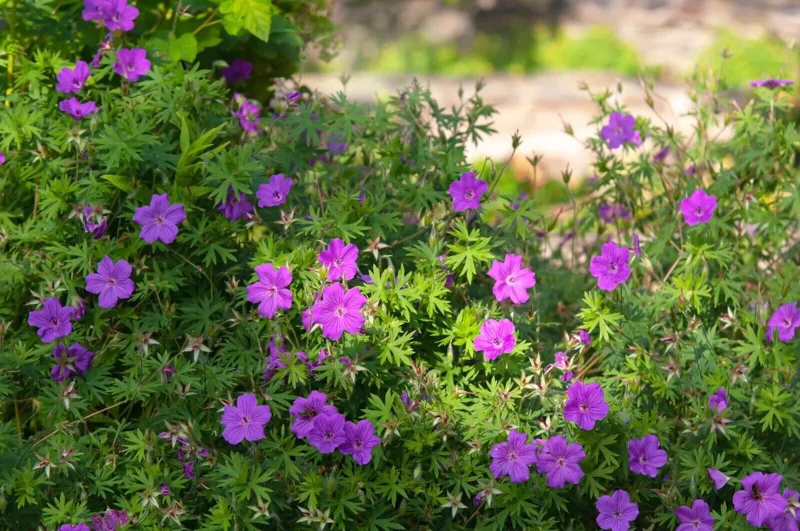
Flower Bulbs
3 Cranesbill Wild Geranium Organic Maculatums Bare Roots | Wildflower for Outdoor Garden
Sold 116 products
Original price was: $21.99.$9.99Current price is: $9.99.
Sold 114 products
Original price was: $28.99.$17.99Current price is: $17.99.
Sold 110 products
Original price was: $63.99.$28.99Current price is: $28.99.
Sold 108 products
Original price was: $28.99.$17.99Current price is: $17.99.RELATED posts
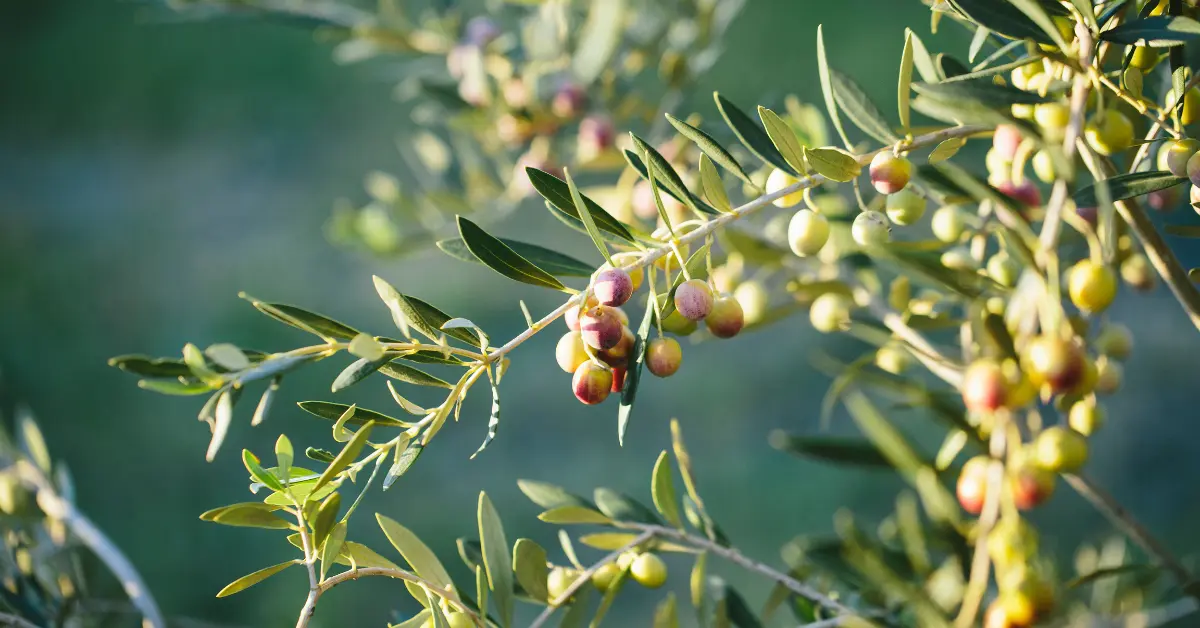
How to Grow Arbequina Olive Trees: The Ultimate Guide to Your Own Olive Grove
Arbequina Olive Tree (Olea europaea ‘Arbequina’) – the ultimate Mediterranean plant that brings a touch [...]
Oct
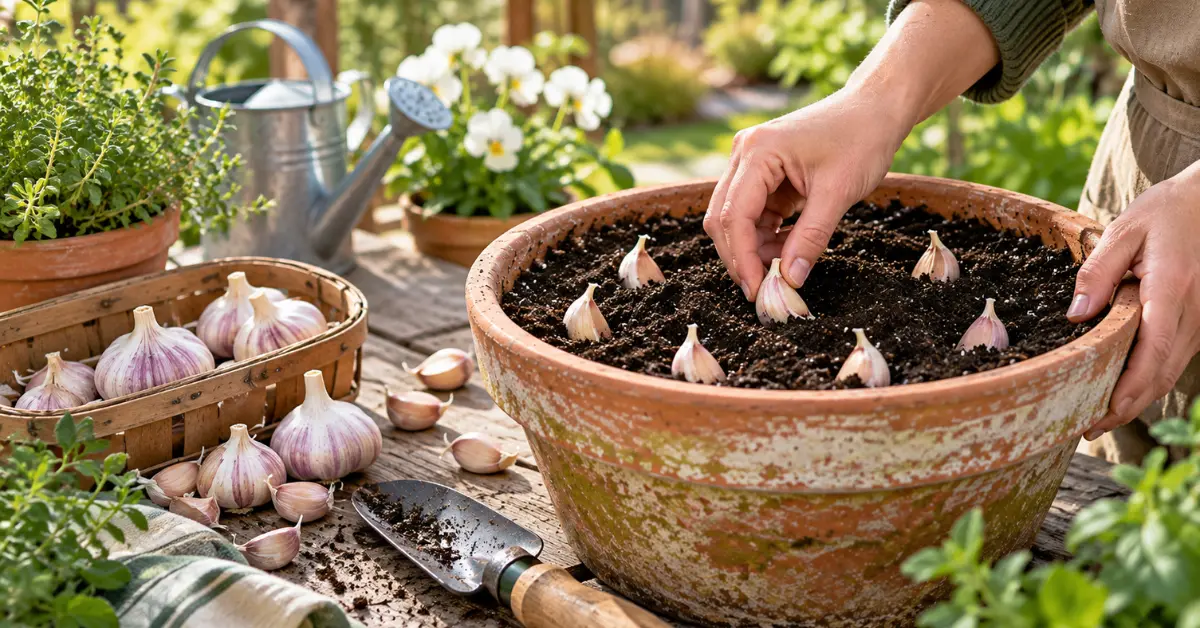
Growing Garlic in Containers This Fall: A Complete Guide for Beginners
If you’ve ever wanted to pop fresh, aromatic garlic cloves straight from your own patio [...]
Sep
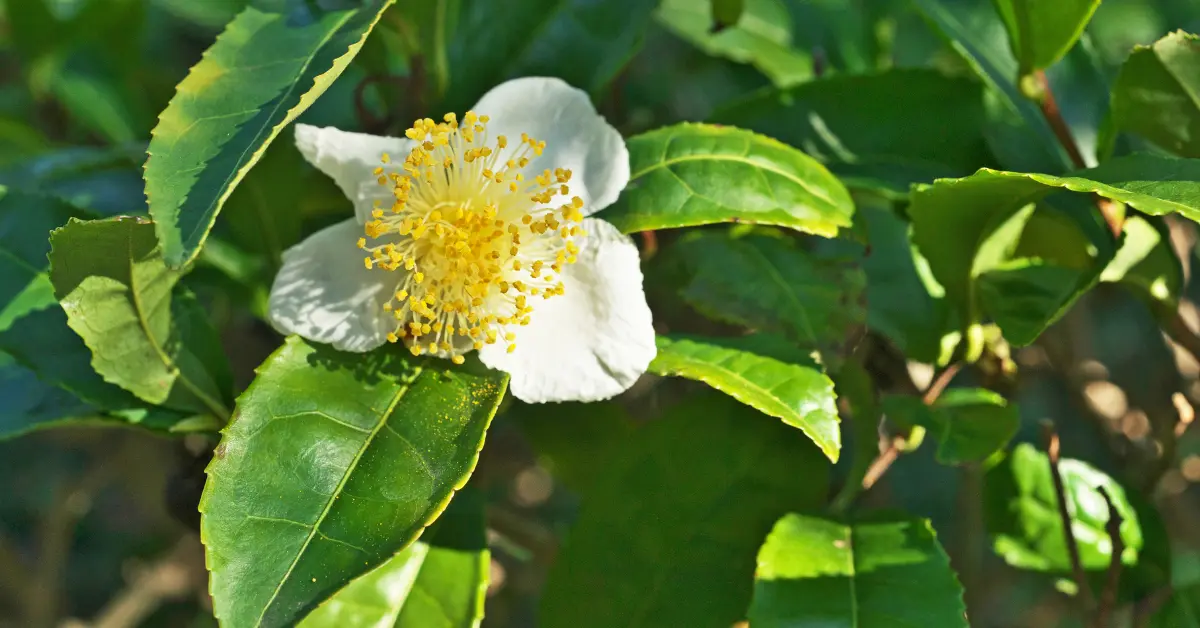
Growing Camellia Sinensis (Tea Plants) in Containers: A Complete Guide for Beginners
If you’ve ever wanted to sip a steaming, homegrown cup of fresh green, black, or [...]
Aug
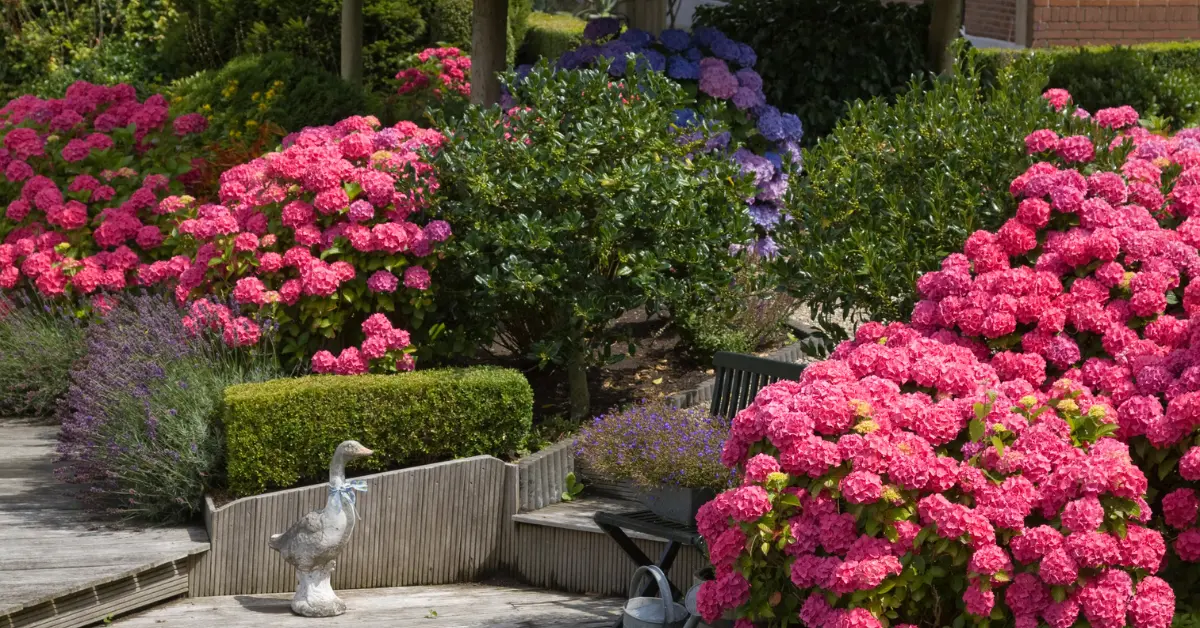
6 Best Shrubs to Plant in August You Must Try
Have you ever walked through a nursery late in the summer, admired the vibrant shrubs [...]
Aug
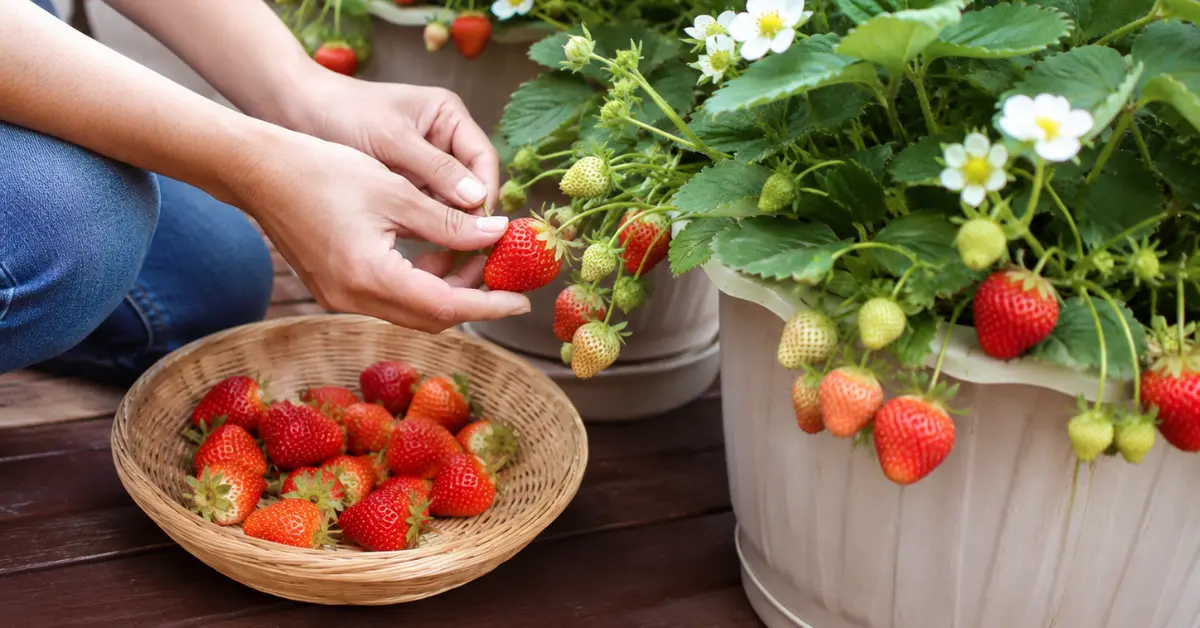
Growing Everbearing Strawberries in Containers: A Complete Guide for Beginners
Want to grow sweet, fresh strawberries but do not have a large garden? Everbearing strawberries [...]
Aug
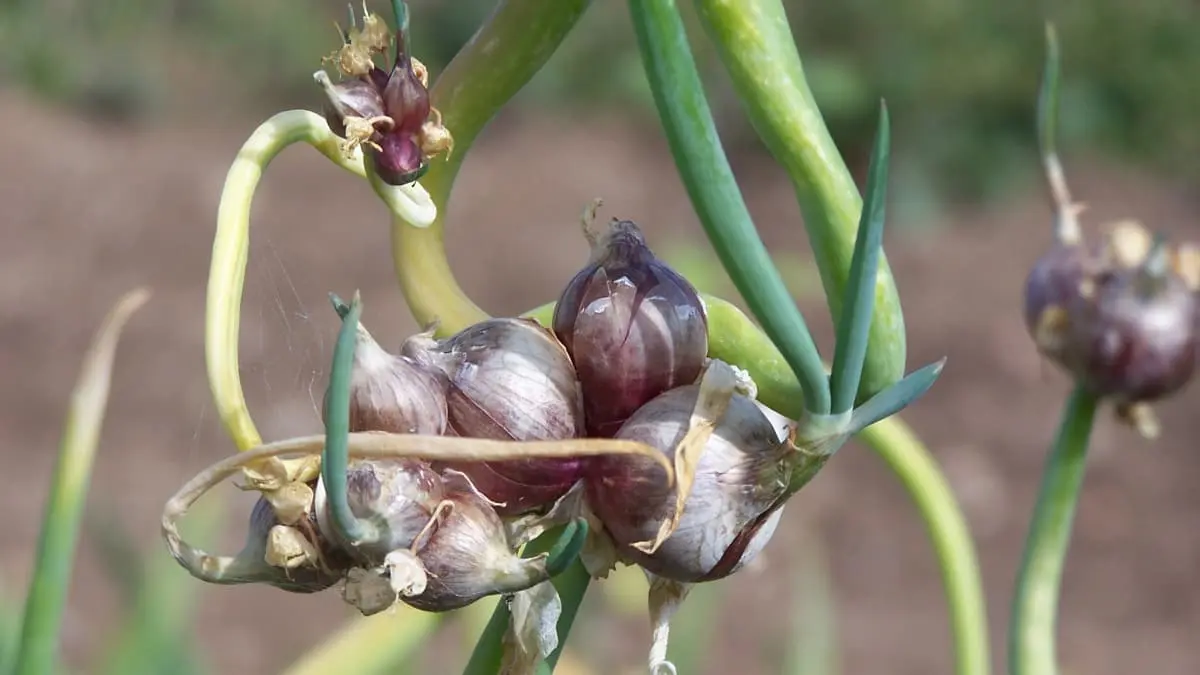
Growing Egyptian Walking Onions in Containers: A Complete Guide for Beginners
If you’re looking for a hardy, no-fuss perennial onion that keeps on giving year after [...]
Jul
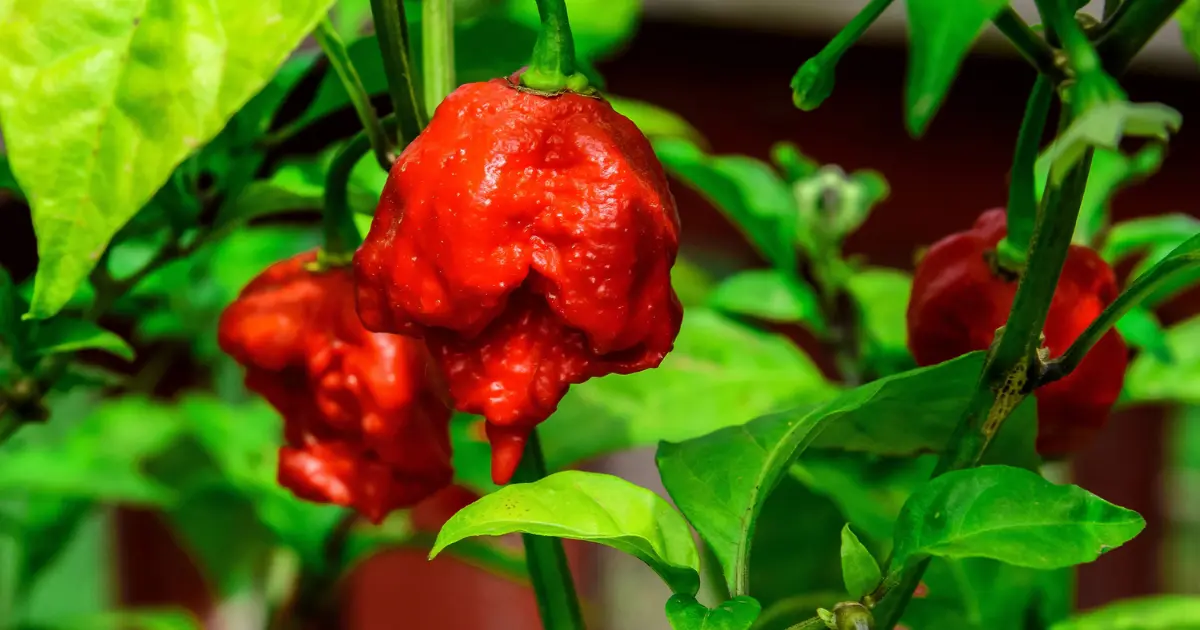
Growing Carolina Reaper Peppers in Pots: A Complete Guide for Beginners
If you’ve ever wanted to add some serious, record-breaking heat to your home cooking, you’ve [...]
May
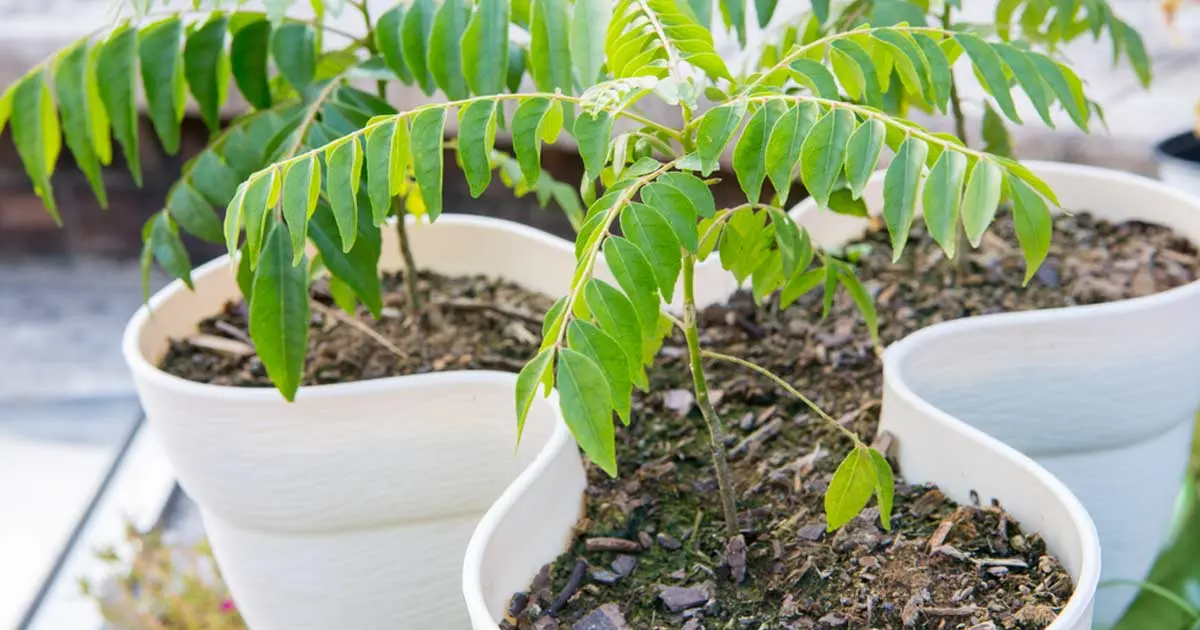
Growing Curry Leaf Plant in Pots: A Complete Guide for Beginners
If you’re a fan of authentic South Asian cuisine, you already know that nothing compares [...]
May
Reviews
There are no reviews yet.