
Red Head Fountain Grass Live Plant – Ornamental Perennial Grass
Original price was: $55.98.$27.99Current price is: $27.99.
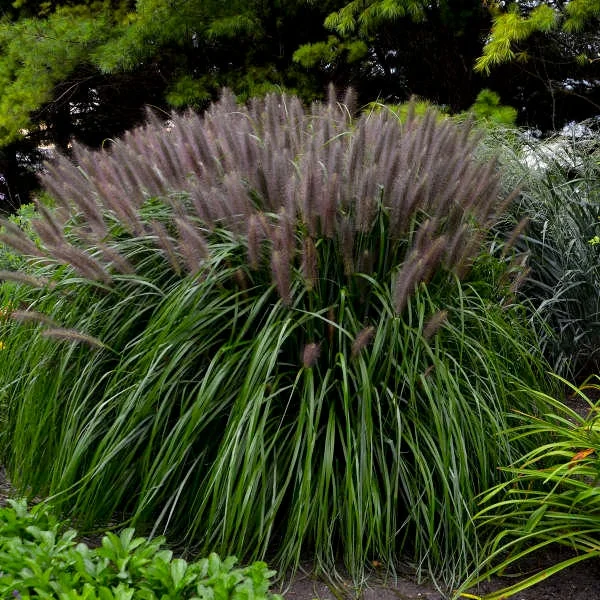
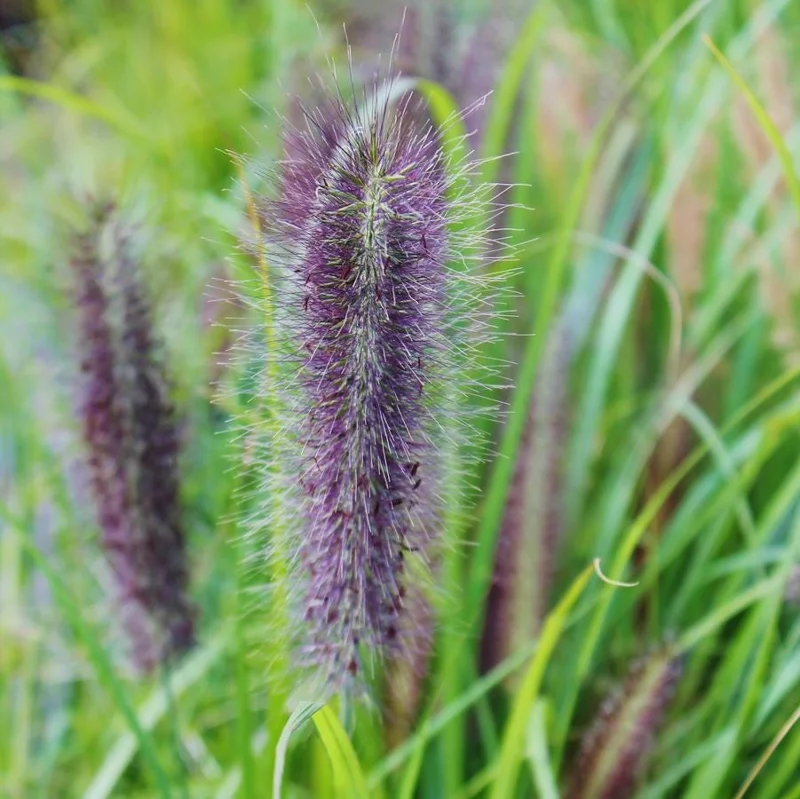
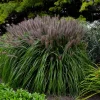
Add dramatic texture and color to your landscape with Red Head Fountain Grass. This striking ornamental perennial features arching foliage and abundant, fluffy, reddish-pink plumes that mature to a rich burgundy, perfect for borders or mass plantings.
Estimated arrival
Oct 16
Oct 21 - Oct 23
Oct 26 - Oct 30

Reasonable Price
We offer reasonable price

Support 24/7
Contact us 24 hrs a day

100% Money Back
You've 30 days to Return

Payment Secure
100% secure payment
Overview
Introduce a touch of elegance and movement to your garden with the magnificent red head fountain grass. This popular ornamental perennial, scientifically known as Pennisetum alopecuroides ‘Red Head’, is celebrated for its graceful, arching habit and spectacular flower plumes. Emerging in late summer, the plumes burst forth in a vibrant reddish-pink hue, gradually deepening to a rich burgundy as autumn approaches, creating a captivating display that lasts well into winter. Ideal for adding texture and visual interest, this ornamental fountain grass thrives in various settings, from sunny borders to mass plantings, and is a favorite among landscapers and home gardeners alike for its low-maintenance beauty.
The ‘Red Head’ cultivar stands out with its exceptionally large and showy blooms, making it a focal point in any garden design. Its fine-textured foliage forms a neat, mounding clump, providing an attractive green backdrop throughout the growing season before transforming with the arrival of its signature plumes. Whether used as a specimen plant, in mixed perennial beds, or to create a naturalistic meadow effect, this perennial grass plant offers year-round appeal and is an excellent choice for adding dynamic beauty to your outdoor spaces.
Key Benefits
The red head fountain grass offers a multitude of benefits, making it an indispensable addition to diverse garden landscapes. Its aesthetic appeal and ease of care contribute significantly to its popularity:
- Stunning Ornamental Value: Features spectacular, fluffy, reddish-pink to burgundy plumes that provide long-lasting color and texture from late summer through winter, enhancing visual interest in any garden.
- Low Maintenance: Once established, ornamental fountain grass requires minimal care, making it suitable for busy gardeners. It is drought-tolerant and generally pest and disease resistant.
- Versatile Landscaping Use: Perfect for mass plantings, borders, rock gardens, containers, or as a graceful specimen plant. Its mounding habit and arching foliage complement a wide range of garden styles.
- Attracts Wildlife: The seed heads provide food for birds in the fall and winter, while the plant offers shelter for small garden creatures.
- Deer Resistant: Generally not favored by deer, making it a reliable choice for areas where deer browse is a concern.
- Erosion Control: Its fibrous root system helps stabilize soil, making it useful for planting on slopes or in areas prone to erosion.
- Year-Round Interest: Provides attractive green foliage in spring and summer, followed by dramatic plumes in fall, and remains visually appealing with its dried seed heads through winter.
Plant Care & Growing Tips
Caring for your red head fountain grass is straightforward, ensuring a vibrant display with minimal effort. This resilient perennial thrives in conditions that mimic its natural habitat. For optimal growth, plant in a location that receives full sun, meaning at least six hours of direct sunlight per day. While it can tolerate partial shade, too little sun may result in fewer blooms and a less vigorous plant. Good air circulation is also beneficial to prevent fungal issues.
When it comes to watering, ornamental fountain grass is quite drought-tolerant once established. Water regularly during its first growing season to help it develop a strong root system. After that, supplemental watering is usually only needed during extended dry spells. Ensure the soil is well-draining; it does not tolerate soggy conditions. A good quality, well-draining garden soil enriched with some organic matter is ideal. This perennial grass plant is hardy in USDA zones 5-9, meaning it can withstand winter temperatures down to -20°F (-29°C) in these regions. In colder zones, it may be grown as an annual or overwintered indoors in containers.
Fertilization is generally not necessary for Pennisetum alopecuroides Red Head, especially in fertile soils. If your soil is poor, a light application of a balanced, slow-release granular fertilizer in early spring can be beneficial. The most important maintenance task is pruning. In late winter or early spring, before new growth appears, cut the entire plant back to about 4-6 inches from the ground. This encourages fresh growth and maintains a tidy appearance. Watch out for common pests like spider mites in very dry conditions, though they are rare. Overall, the ‘Red Head’ cultivar is a robust and easy-to-grow plant that will reward you with stunning beauty year after year.
Size & Details
The red head fountain grass typically grows to a mature height of 2-3 feet (60-90 cm), with an equal spread, forming an attractive, mounding clump. Its distinctive reddish-pink plumes rise gracefully above the foliage, adding an extra foot or so to its overall height when in bloom. This ornamental perennial is known for its moderate growth rate, establishing well within the first year and reaching its full size within 2-3 seasons. It ships as a healthy, live plant, typically in a nursery pot, ready for transplanting into your garden or a larger container. Expect it to begin flowering in late summer, with the vibrant plumes persisting through fall and often into winter, providing continuous seasonal interest. The robust nature of this Pennisetum alopecuroides Red Head makes it a reliable choice for long-term landscape enjoyment.
Frequently Asked Questions
- Q: How big does this plant get? A: Red Head Fountain Grass typically reaches a mature height of 2-3 feet tall and spreads about 2-3 feet wide, with its flower plumes adding extra height.
- Q: What size pot does it come in? A: Our live plants are typically shipped in a standard nursery pot, usually a 1-gallon or similar size, ready for transplanting.
- Q: Is this an indoor or outdoor plant? A: This is primarily an outdoor ornamental perennial. While it can be grown in containers, it thrives best when planted directly in the garden.
- Q: How much sunlight does it need? A: The red head fountain grass requires full sun, meaning at least 6 hours of direct sunlight daily, for the best growth and bloom production.
- Q: Is this plant easy to care for? A: Yes, it is considered a low-maintenance plant. Once established, it is drought-tolerant and generally free from serious pests or diseases, making it excellent for beginners.
- Q: What condition will it arrive in? A: Your ornamental fountain grass will arrive as a healthy, well-rooted live plant, carefully packaged to ensure its safe journey.
- Q: When is the best time to plant? A: The best time to plant is in spring or early fall, allowing the plant enough time to establish its root system before extreme weather.
- Q: Will it survive winter in my zone? A: This perennial grass plant is hardy in USDA Zones 5-9. In these zones, it will die back in winter and return in spring. In colder zones, it may need winter protection or be treated as an annual.
- Q: Does this plant attract pollinators? A: While not a primary pollinator magnet, its seeds can attract birds, and the plant provides shelter for beneficial insects.
- Q: How often should I water my Pennisetum alopecuroides Red Head? A: Water regularly during the first growing season. Once established, it is drought-tolerant and needs watering only during prolonged dry periods. Ensure well-draining soil.
Be the first to review “Red Head Fountain Grass Live Plant – Ornamental Perennial Grass”
-
USDA Hardiness Zone
USDA zones 5-9 -
Soil Type
Well-draining garden soil -
Sunlight Exposure
Full sun -
Expected Planting Period
Spring to early fall
People Also Viewd
Sold 134 products
Original price was: $3,536.00.$23.99Current price is: $23.99.
Sold 132 products
Original price was: $27.00.$24.00Current price is: $24.00.
Sold 132 products
Original price was: $89.99.$64.99Current price is: $64.99.

Sold 125 products
Original price was: $86.99.$66.99Current price is: $66.99.
Flower Bulbs
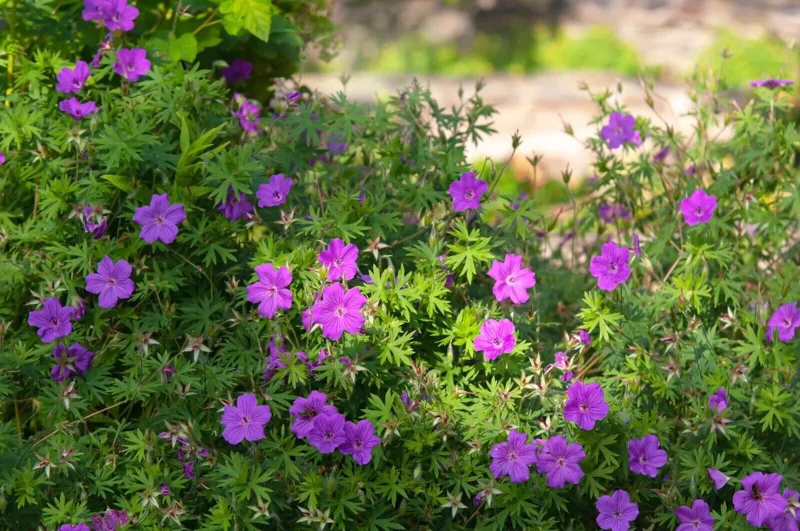
3 Cranesbill Wild Geranium Organic Maculatums Bare Roots | Wildflower for Outdoor Garden
Sold 116 products
Original price was: $21.99.$9.99Current price is: $9.99.
Sold 114 products
Original price was: $28.99.$17.99Current price is: $17.99.
Sold 110 products
Original price was: $63.99.$28.99Current price is: $28.99.
Sold 108 products
Original price was: $28.99.$17.99Current price is: $17.99.RELATED posts
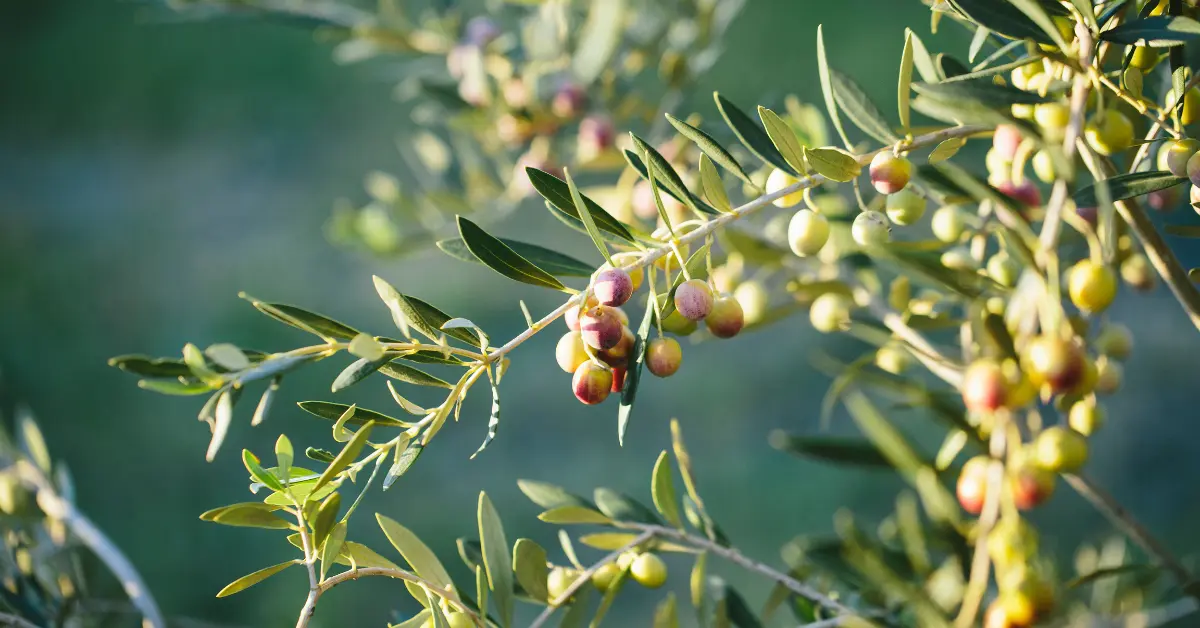
How to Grow Arbequina Olive Trees: The Ultimate Guide to Your Own Olive Grove
Arbequina Olive Tree (Olea europaea ‘Arbequina’) – the ultimate Mediterranean plant that brings a touch [...]
Oct
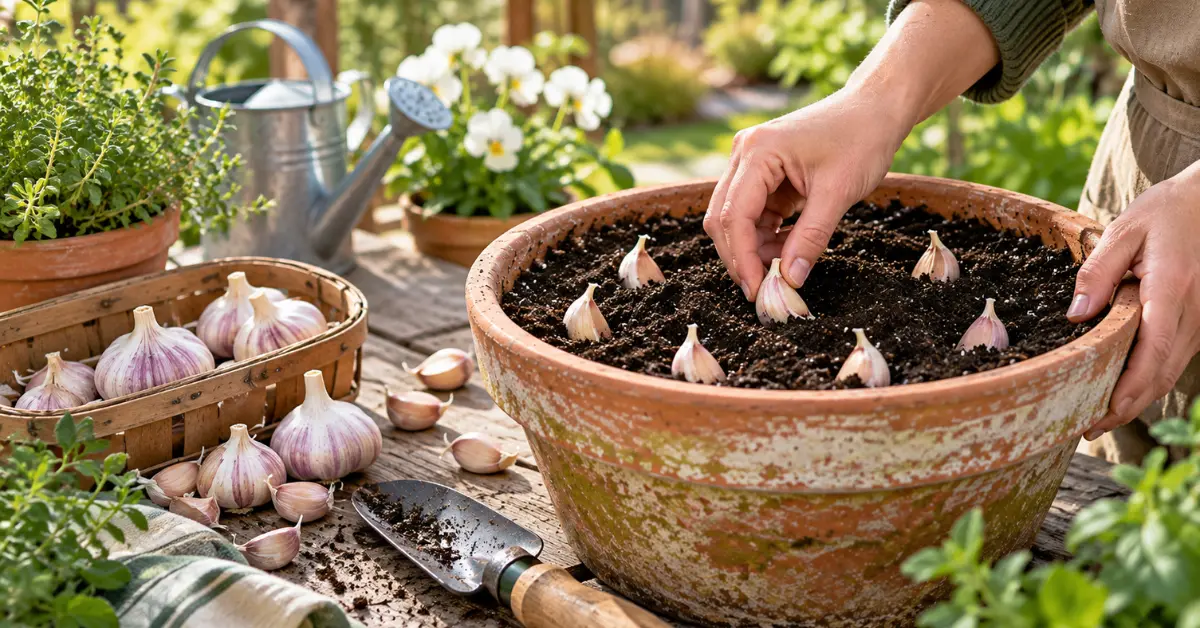
Growing Garlic in Containers This Fall: A Complete Guide for Beginners
If you’ve ever wanted to pop fresh, aromatic garlic cloves straight from your own patio [...]
Sep
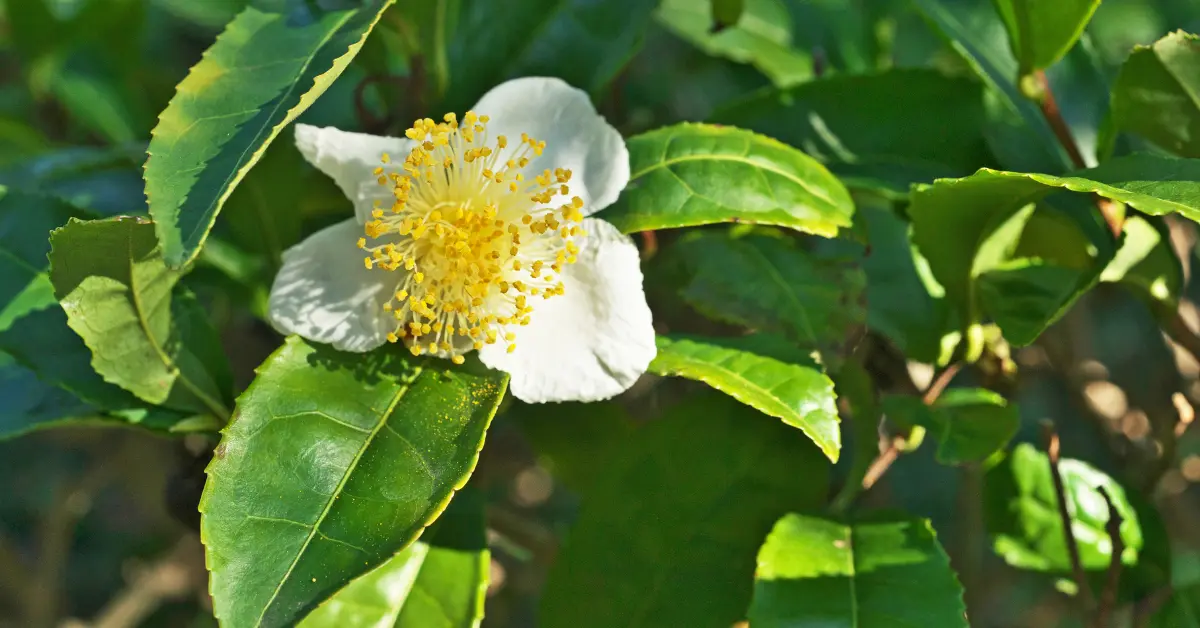
Growing Camellia Sinensis (Tea Plants) in Containers: A Complete Guide for Beginners
If you’ve ever wanted to sip a steaming, homegrown cup of fresh green, black, or [...]
Aug
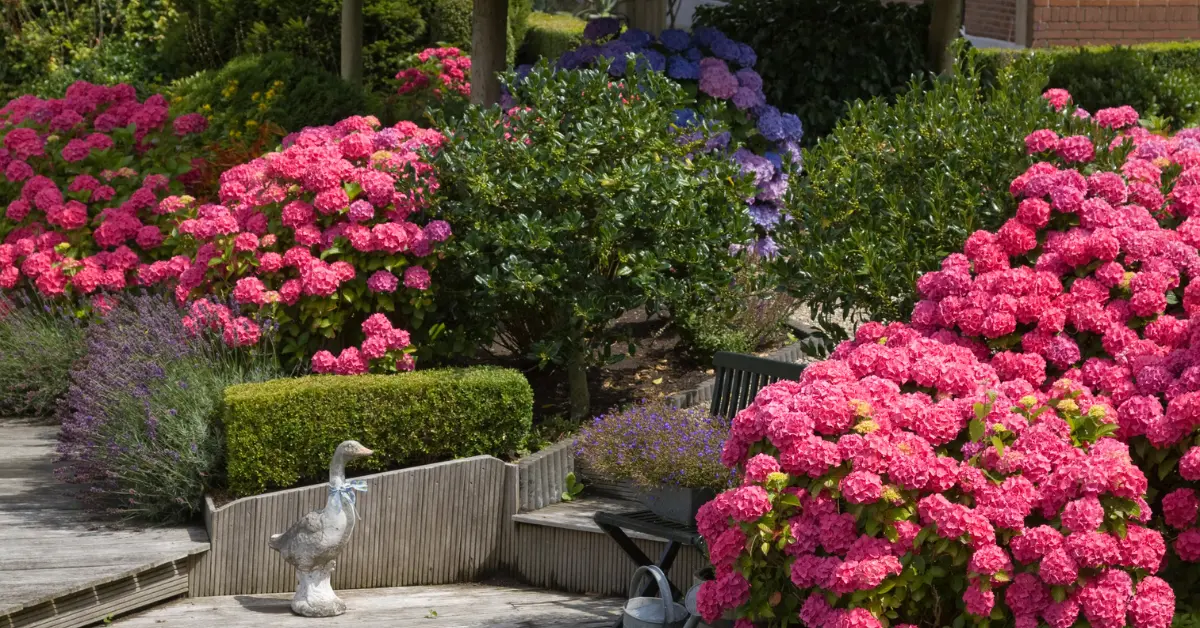
6 Best Shrubs to Plant in August You Must Try
Have you ever walked through a nursery late in the summer, admired the vibrant shrubs [...]
Aug
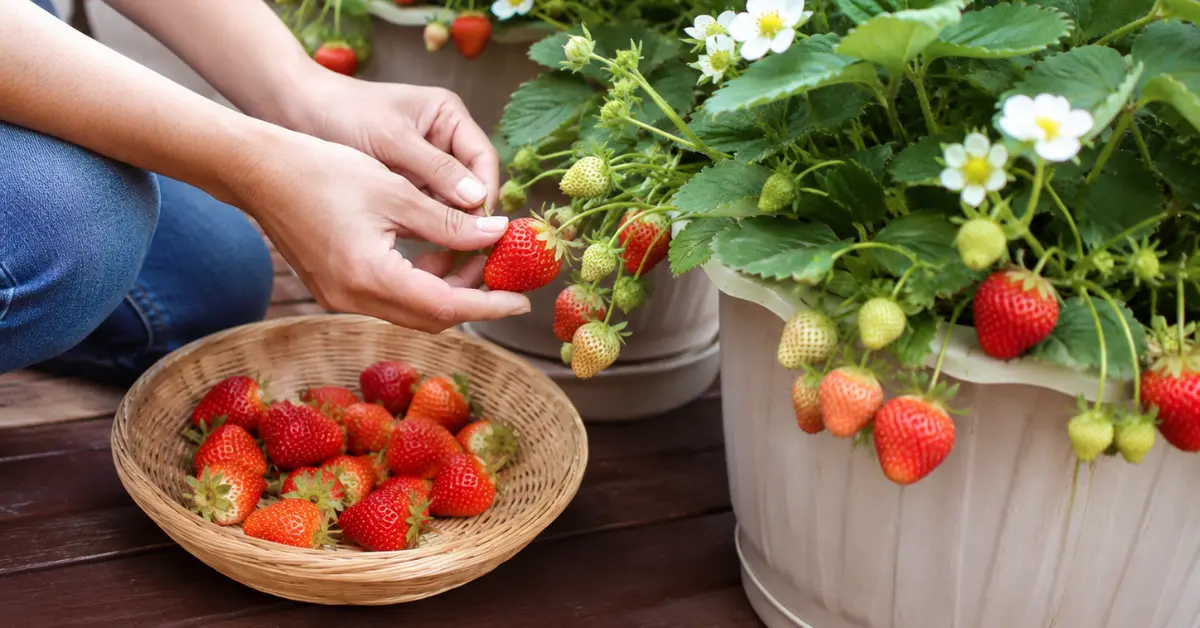
Growing Everbearing Strawberries in Containers: A Complete Guide for Beginners
Want to grow sweet, fresh strawberries but do not have a large garden? Everbearing strawberries [...]
Aug
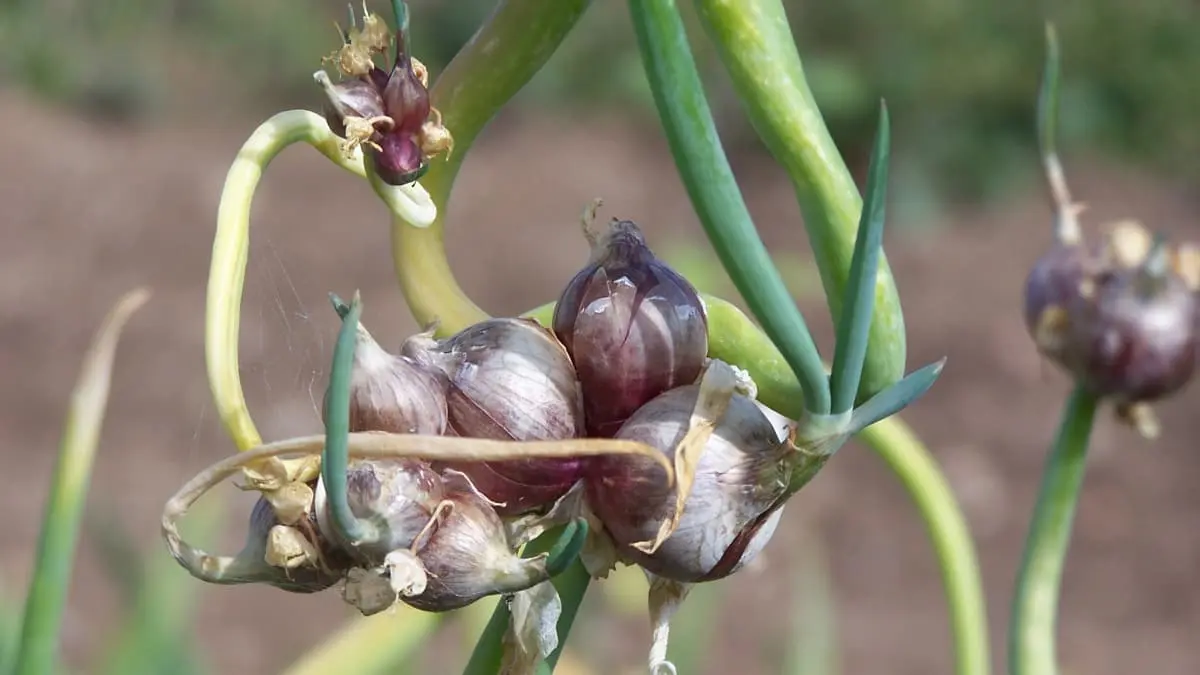
Growing Egyptian Walking Onions in Containers: A Complete Guide for Beginners
If you’re looking for a hardy, no-fuss perennial onion that keeps on giving year after [...]
Jul
Growing Carolina Reaper Peppers in Pots: A Complete Guide for Beginners
If you’ve ever wanted to add some serious, record-breaking heat to your home cooking, you’ve [...]
May
Growing Curry Leaf Plant in Pots: A Complete Guide for Beginners
If you’re a fan of authentic South Asian cuisine, you already know that nothing compares [...]
May
Reviews
There are no reviews yet.