
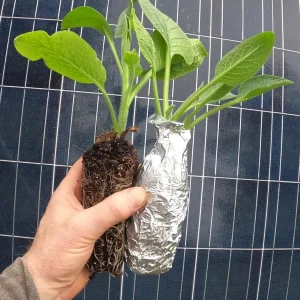
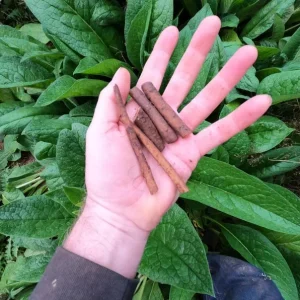
Bocking #4 Comfrey Plant Crown Cuttings – 10 Organic Bare Root Cuttings
Original price was: $169.99.$44.99Current price is: $44.99.
Cultivate robust bocking #4 comfrey cuttings in your garden with this pack of 10 organic crown cuttings. Known for rapid growth and nutrient accumulation, these bare root cuttings are ideal for improving soil health and supporting beneficial insects. Perfect for permaculture and organic gardening.
Estimated arrival
Oct 05
Oct 10 - Oct 12
Oct 15 - Oct 19

Reasonable Price
We offer reasonable price

Support 24/7
Contact us 24 hrs a day

100% Money Back
You've 30 days to Return

Payment Secure
100% secure payment
Overview
Introduce a powerhouse of natural fertility and beneficial properties to your garden with these premium bocking #4 comfrey cuttings. Comfrey, specifically the Bocking #4 variety, is revered by organic gardeners and permaculturists for its exceptional ability to accumulate nutrients from deep within the soil. These 10 organic crown cuttings provide a reliable and fast-growing foundation for establishing your own comfrey patch. Unlike other varieties, Bocking #4 is sterile, meaning it won’t self-seed and become invasive, making it an ideal choice for controlled cultivation. Whether you’re looking to create nutrient-rich compost, make comfrey tea for plant feed, or attract pollinators, these cuttings offer a sustainable and effective solution for enhancing your garden’s ecosystem.
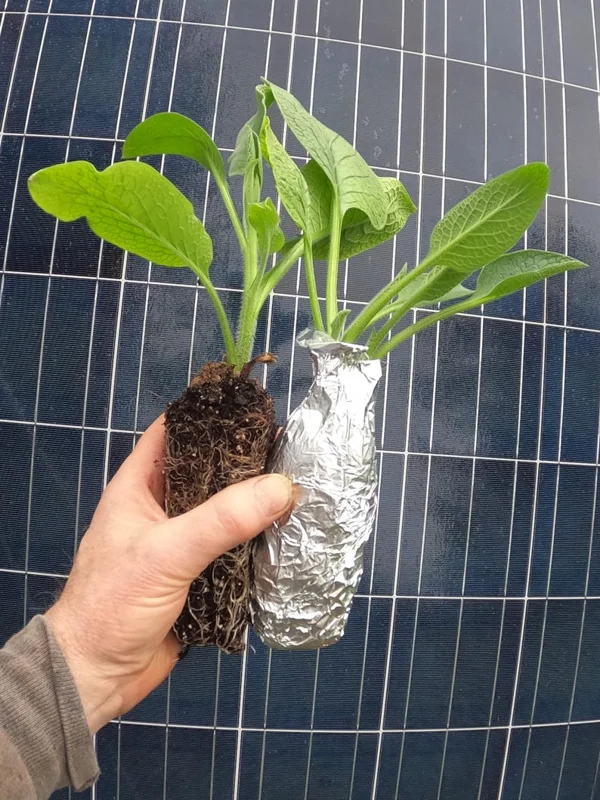
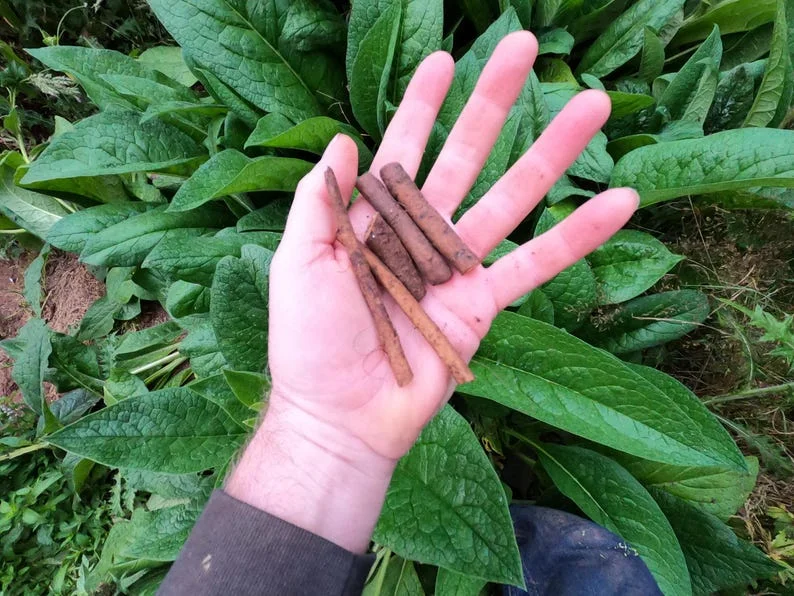
Each cutting is a healthy, viable section of the comfrey crown, ready to sprout roots and leaves once planted. Comfrey is a remarkably resilient plant, thriving in various conditions once established, and these cuttings ensure a strong start. Embrace the benefits of comfrey plant for garden applications, from dynamic accumulator to companion planting. These easy-to-grow cuttings allow you to propagate this valuable herb effortlessly, providing a continuous supply of green manure and mulch material.
Key Benefits
Incorporating bocking #4 comfrey cuttings into your garden offers a multitude of advantages:
- Exceptional Nutrient Accumulator: Comfrey roots delve deep into the subsoil, bringing up essential nutrients like potassium, phosphorus, and nitrogen from layers inaccessible to most plants. These nutrients are then stored in its leaves, making it an excellent source for enriching compost and creating liquid feeds.
- Sterile & Non-Invasive: The Bocking #4 variety is sterile, meaning it does not produce viable seeds. This characteristic prevents unwanted spread and ensures that your comfrey patch remains contained, making it a responsible choice for any garden.
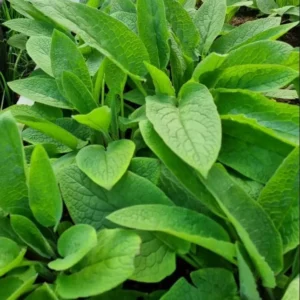
- Fast-Growing & Productive: Once established, comfrey grows rapidly, producing abundant foliage that can be harvested multiple times throughout the growing season. This quick regeneration provides a continuous supply of organic matter for various garden uses.
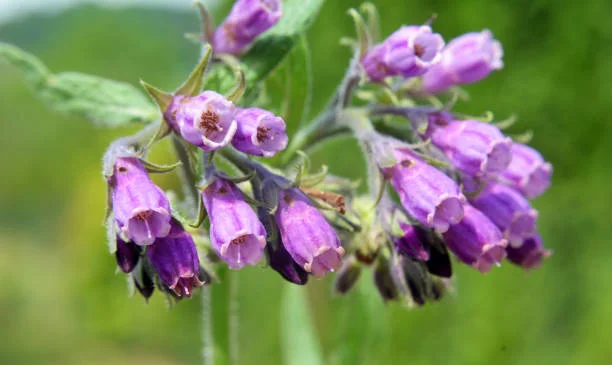
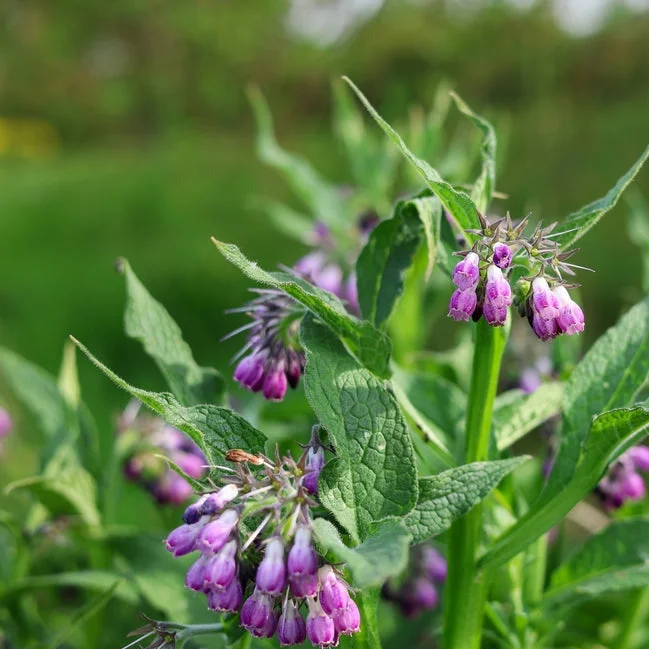
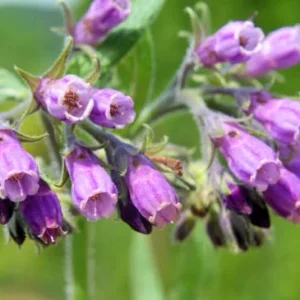
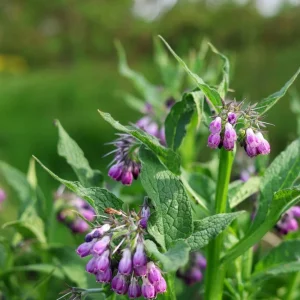
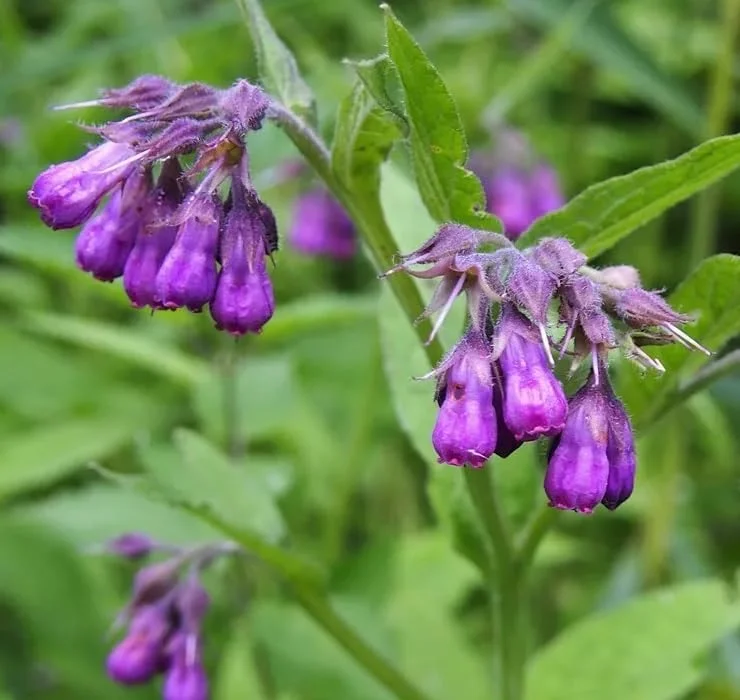
- Supports Pollinators & Beneficial Insects: Comfrey produces bell-shaped flowers that are highly attractive to bees and other pollinators, contributing to biodiversity and improving fruit and vegetable yields in your garden. Its dense foliage also offers shelter for beneficial insects.
- Versatile Garden Use: Beyond compost and plant feed, comfrey leaves can be used as a weed barrier, a mulch that slowly releases nutrients, or even as animal fodder. It’s a truly multi-purpose plant for the sustainable gardener.
- Soil Improvement: Planting comfrey directly helps improve soil structure by breaking up compacted earth with its strong taproot system. When leaves are chopped and dropped, they add organic matter, enhancing soil aeration and water retention.
- Easy to Propagate: These organic comfrey crown cuttings are incredibly easy to plant and establish, offering a high success rate for gardeners of all experience levels.
Plant Care & Growing Tips
Successfully growing comfrey from cuttings is straightforward. Plant your bocking #4 comfrey cuttings in a location that receives full sun to partial shade, ideally with at least 4-6 hours of direct sunlight daily for optimal growth. While comfrey is adaptable, it thrives in well-drained, fertile soil rich in organic matter. Dig a hole deep enough to accommodate the crown cutting, ensuring the top of the cutting is just below the soil surface. Space cuttings about 2-3 feet apart, as mature plants can grow quite large.
Water thoroughly after planting to settle the soil around the cuttings. Keep the soil consistently moist, especially during dry spells and in the first few weeks after planting, to encourage root development. Once established, comfrey is relatively drought-tolerant but will produce more lush foliage with regular watering. Comfrey benefits greatly from a good feeding, particularly with organic matter. Incorporate compost or well-rotted manure into the soil before planting, and side-dress with compost annually. Avoid over-fertilizing with high-nitrogen synthetic fertilizers, as this can lead to excessive leafy growth at the expense of overall plant health. Comfrey is generally pest and disease resistant, making it a low-maintenance addition to your garden. It is hardy in USDA zones 3-9, tolerating a wide range of climates.
Size & Details
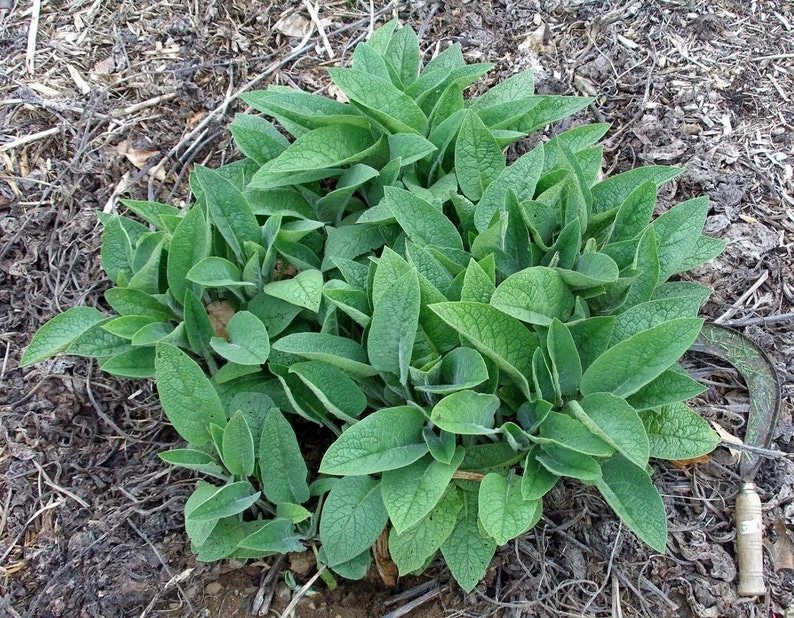
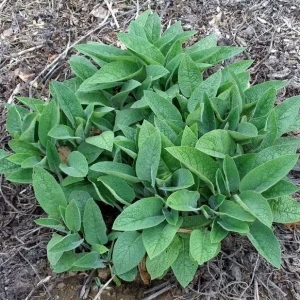
This offering includes 10 individual organic comfrey crown cuttings of the Bocking #4 variety. Each cutting is a healthy section of the comfrey root crown, typically 2-4 inches long, ready for immediate planting. These bare root cuttings are carefully packaged to ensure freshness upon arrival, providing you with the best start for your comfrey patch. Comfrey plants, once mature, can reach heights of 2-3 feet and spread equally wide, forming dense clumps of foliage. Expect rapid growth during the spring and summer months, with multiple harvests possible throughout the season. The first significant harvest can often be achieved within the first year of planting, with subsequent harvests becoming more abundant as the plant matures. These cuttings are specifically chosen for their vigor and ability to establish quickly, ensuring a successful and productive comfrey patch in your garden.
Frequently Asked Questions
- Q: How big does a comfrey plant get from these cuttings? A: Once established, a single comfrey plant from these cuttings can grow to be 2-3 feet tall and equally wide, forming a substantial bush. Proper spacing is important to allow for mature growth.
- Q: Is this an indoor or outdoor plant? A: Comfrey is primarily an outdoor plant, best suited for garden beds, permaculture systems, or large containers in sunny to partially shaded locations. It is not typically grown indoors.
- Q: How much sunlight does growing comfrey from cuttings need? A: Comfrey thrives in full sun (6+ hours of direct sunlight) but can also tolerate partial shade (3-6 hours). More sun generally leads to more vigorous growth and foliage production.
- Q: Is this plant easy to care for? Is it good for beginners? A: Yes, comfrey is remarkably easy to care for and is an excellent choice for beginners. Once established, it requires minimal attention, tolerating a range of conditions and resisting most pests and diseases.
- Q: What condition will the cuttings arrive in? A: Your bocking #4 comfrey cuttings will arrive as bare root crown sections, carefully packaged to maintain their viability. They will be ready for planting upon receipt.
- Q: Can I use comfrey for soil enrichment? A: Absolutely! One of the primary uses of comfrey is for comfrey for soil enrichment. Its deep roots bring up nutrients, and its leaves can be chopped and dropped as mulch or added to compost to create a nutrient-dense amendment.
- Q: When is the best time to plant these comfrey cuttings? A: The best time to plant comfrey crown cuttings is in spring after the last frost, or in early fall in warmer climates. This allows them to establish before extreme temperatures.
- Q: Will it survive winter in my zone? A: Bocking #4 Comfrey is very hardy and typically survives winter in USDA Zones 3-9. It will die back to the ground in colder climates and re-emerge vigorously in spring.
Be the first to review “Bocking #4 Comfrey Plant Crown Cuttings – 10 Organic Bare Root Cuttings”
-
USDA Hardiness Zone
USDA zones 3–9 -
Soil Type
Well-draining, fertile soil rich in organic matter -
Sunlight Exposure
Full sun to partial shade -
Expected Planting Period
Spring to early fall
People Also Viewd
Sold 134 products
Original price was: $3,536.00.$23.99Current price is: $23.99.
Sold 132 products
Original price was: $27.00.$24.00Current price is: $24.00.
Sold 132 products
Original price was: $89.99.$64.99Current price is: $64.99.

Sold 125 products
Original price was: $86.99.$66.99Current price is: $66.99.
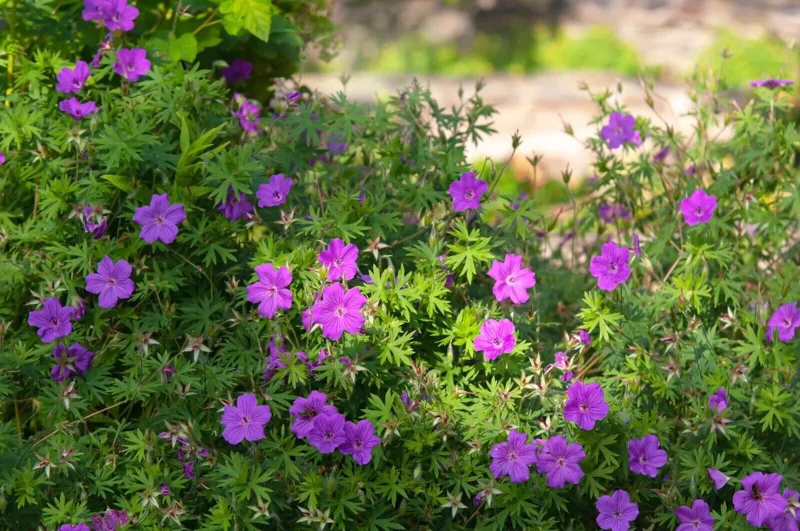
Flower Bulbs
3 Cranesbill Wild Geranium Organic Maculatums Bare Roots | Wildflower for Outdoor Garden
Sold 116 products
Original price was: $21.99.$9.99Current price is: $9.99.
Sold 114 products
Original price was: $28.99.$17.99Current price is: $17.99.
Sold 110 products
Original price was: $63.99.$28.99Current price is: $28.99.
Sold 108 products
Original price was: $28.99.$17.99Current price is: $17.99.RELATED posts
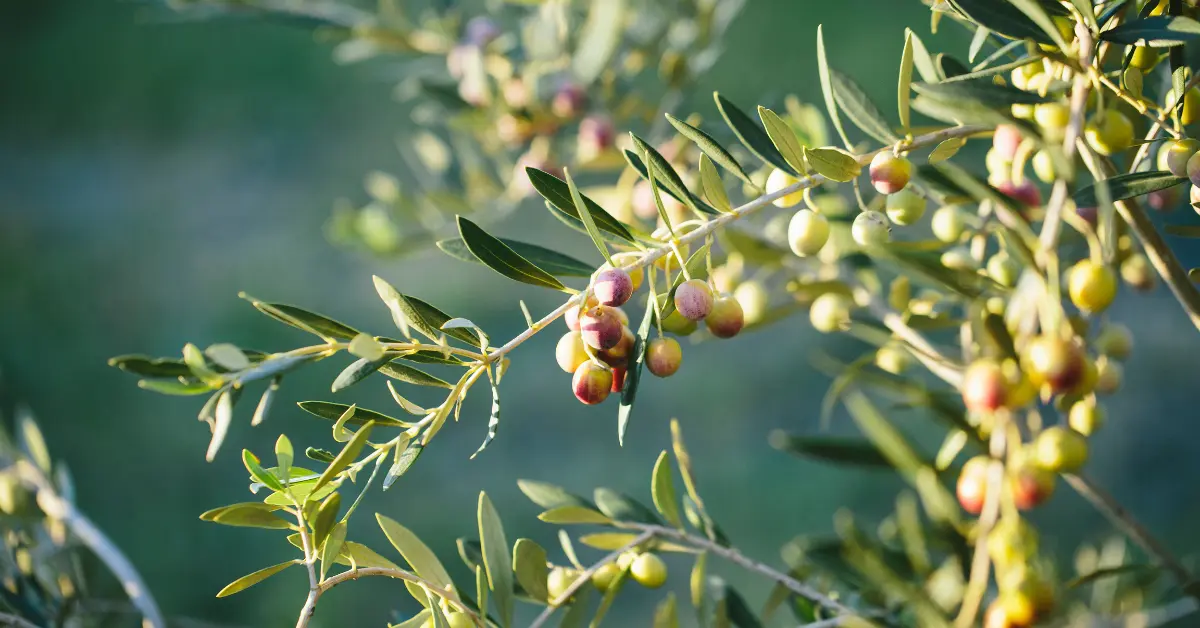
How to Grow Arbequina Olive Trees: The Ultimate Guide to Your Own Olive Grove
Arbequina Olive Tree (Olea europaea ‘Arbequina’) – the ultimate Mediterranean plant that brings a touch [...]
Oct
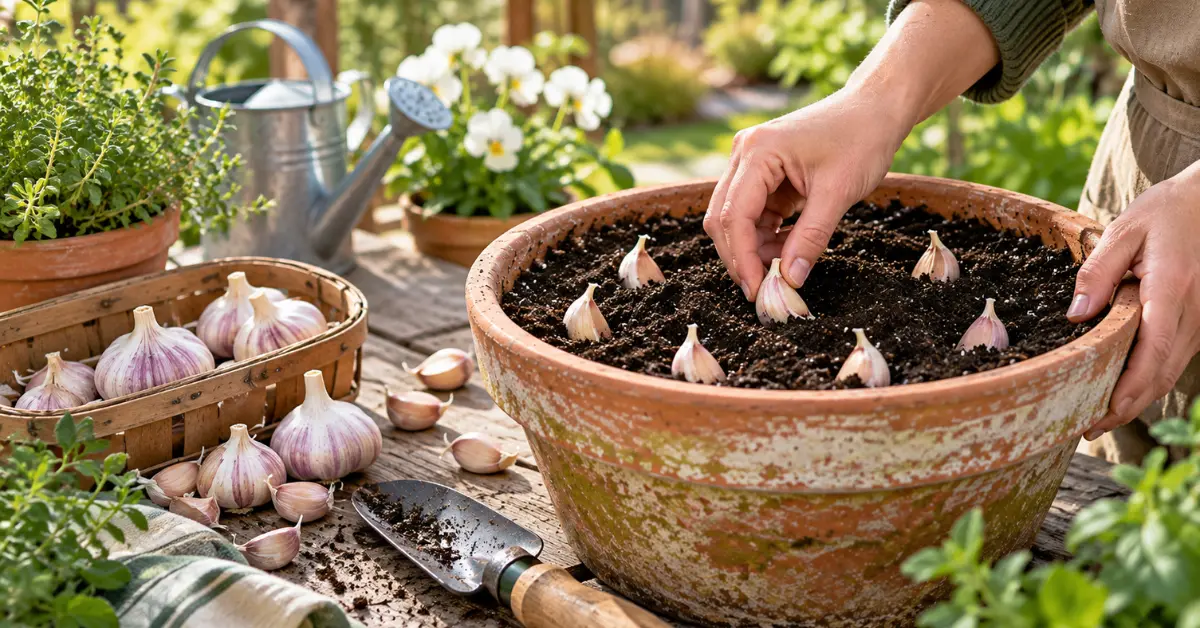
Growing Garlic in Containers This Fall: A Complete Guide for Beginners
If you’ve ever wanted to pop fresh, aromatic garlic cloves straight from your own patio [...]
Sep
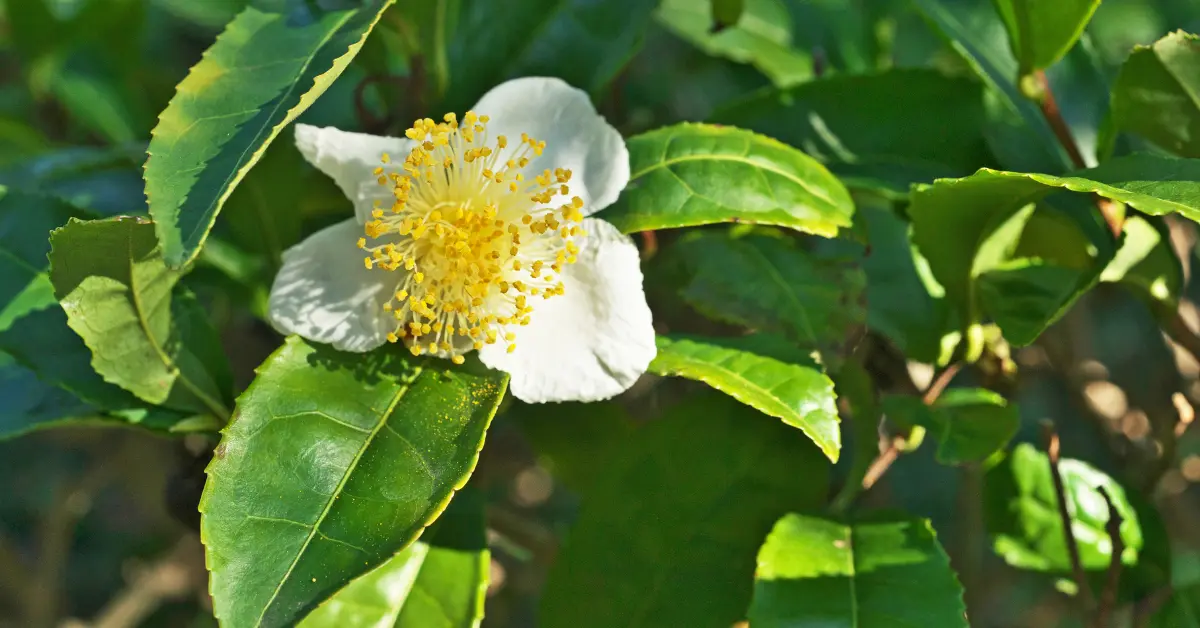
Growing Camellia Sinensis (Tea Plants) in Containers: A Complete Guide for Beginners
If you’ve ever wanted to sip a steaming, homegrown cup of fresh green, black, or [...]
Aug

6 Best Shrubs to Plant in August You Must Try
Have you ever walked through a nursery late in the summer, admired the vibrant shrubs [...]
Aug
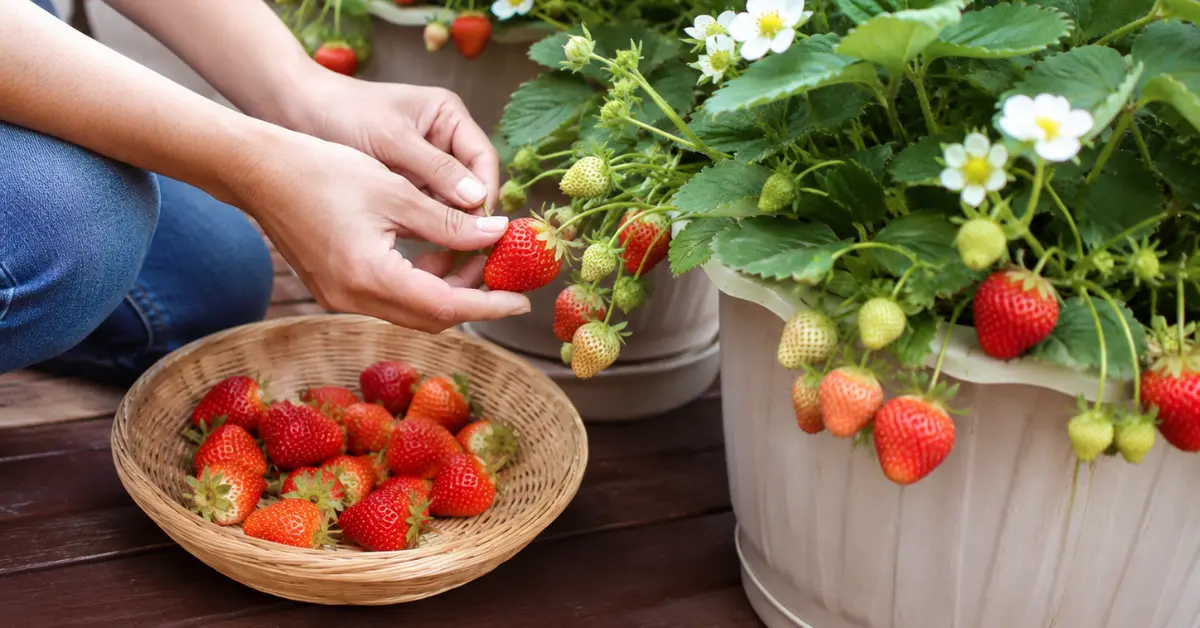
Growing Everbearing Strawberries in Containers: A Complete Guide for Beginners
Want to grow sweet, fresh strawberries but do not have a large garden? Everbearing strawberries [...]
Aug
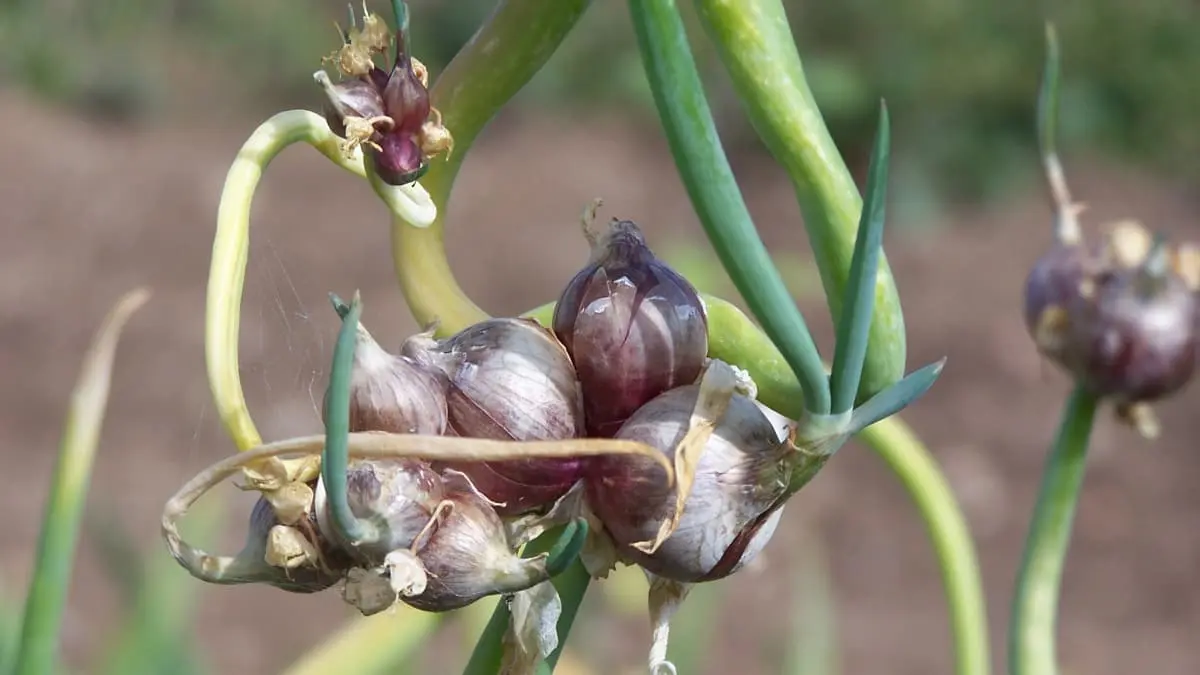
Growing Egyptian Walking Onions in Containers: A Complete Guide for Beginners
If you’re looking for a hardy, no-fuss perennial onion that keeps on giving year after [...]
Jul
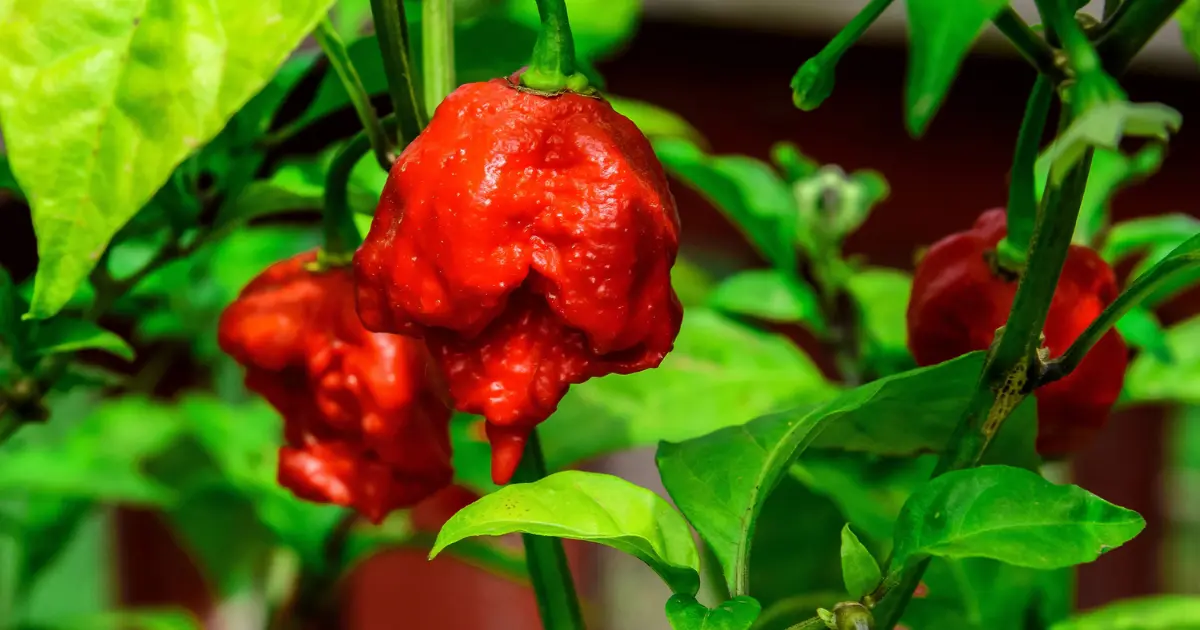
Growing Carolina Reaper Peppers in Pots: A Complete Guide for Beginners
If you’ve ever wanted to add some serious, record-breaking heat to your home cooking, you’ve [...]
May
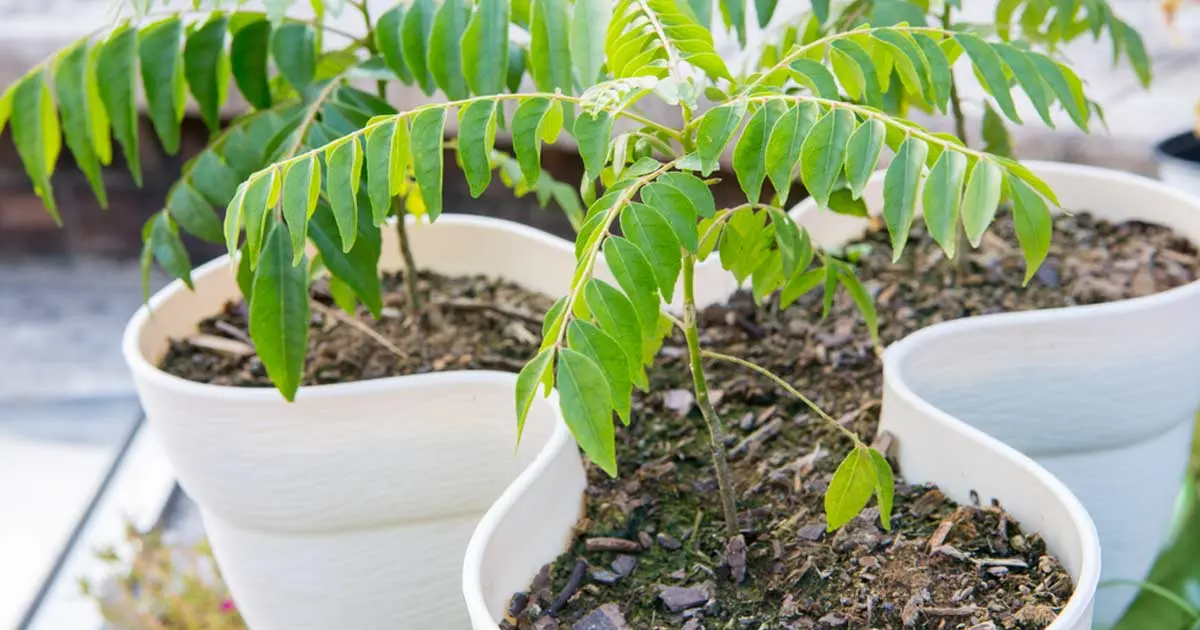
Growing Curry Leaf Plant in Pots: A Complete Guide for Beginners
If you’re a fan of authentic South Asian cuisine, you already know that nothing compares [...]
May



Reviews
There are no reviews yet.